


When I started thinking about privacy in the garden, I realized I did not want to build another wall. Fences solve a problem quickly, but they do not produce anything. They do not change with the seasons. They do not feed my family. On a homestead, every square foot should carry some weight. If I am giving up sunlight and soil to create privacy, I want a return.
A six foot hedge is a sweet spot in most backyards. It shields sightlines, softens noise, and creates that feeling of enclosure without turning the yard into a fortress. Over the years, I have leaned toward edible shrubs that can realistically hold that height in a Zone 6 climate. The goal is simple. Grow a living fence that feeds us.
1. Elderberry (Sambucus canadensis)
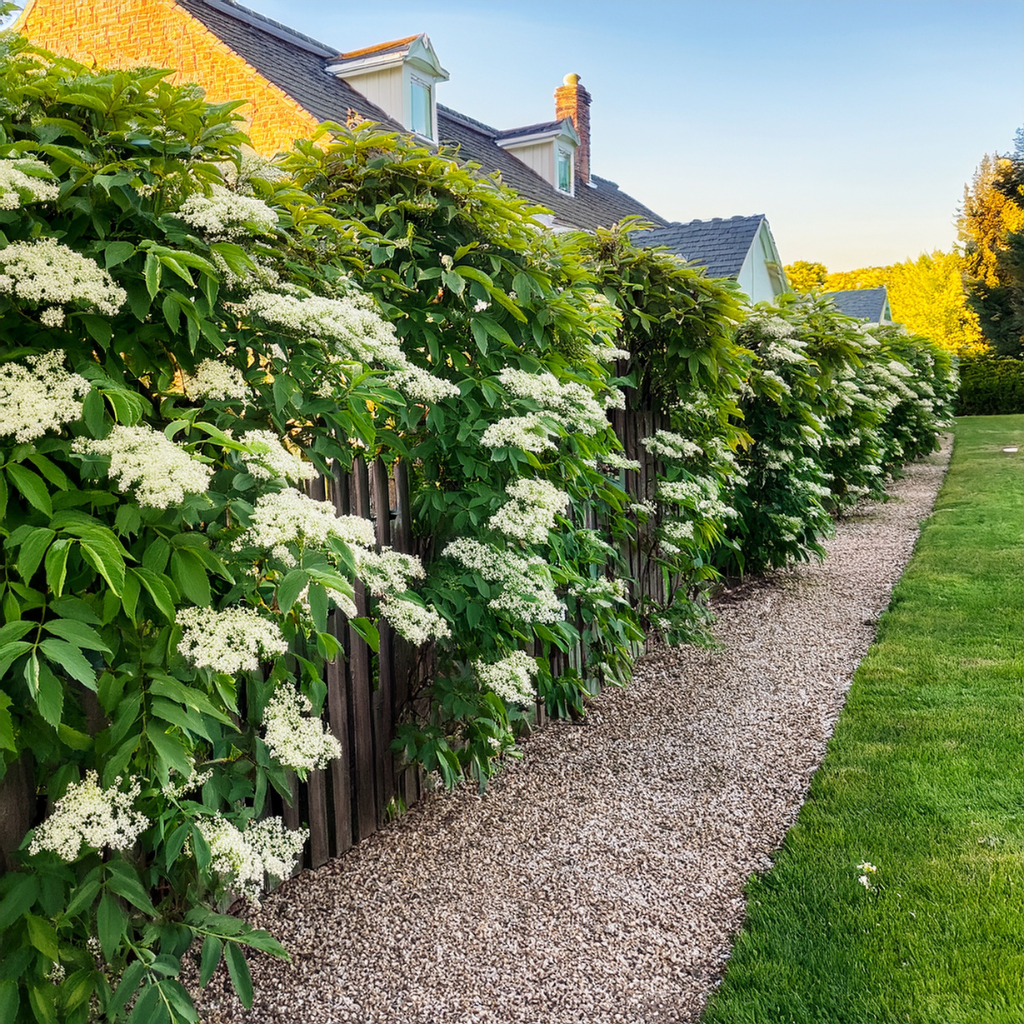
Elderberry grows quickly and can reach eight to twelve feet, making it easy to maintain at six feet with pruning. Its growth is somewhat upright and can become leggy if ignored, so I cut it back hard every couple of years to encourage bushier regrowth. Planted in a row, it forms a fast living screen that fills in within a few seasons.
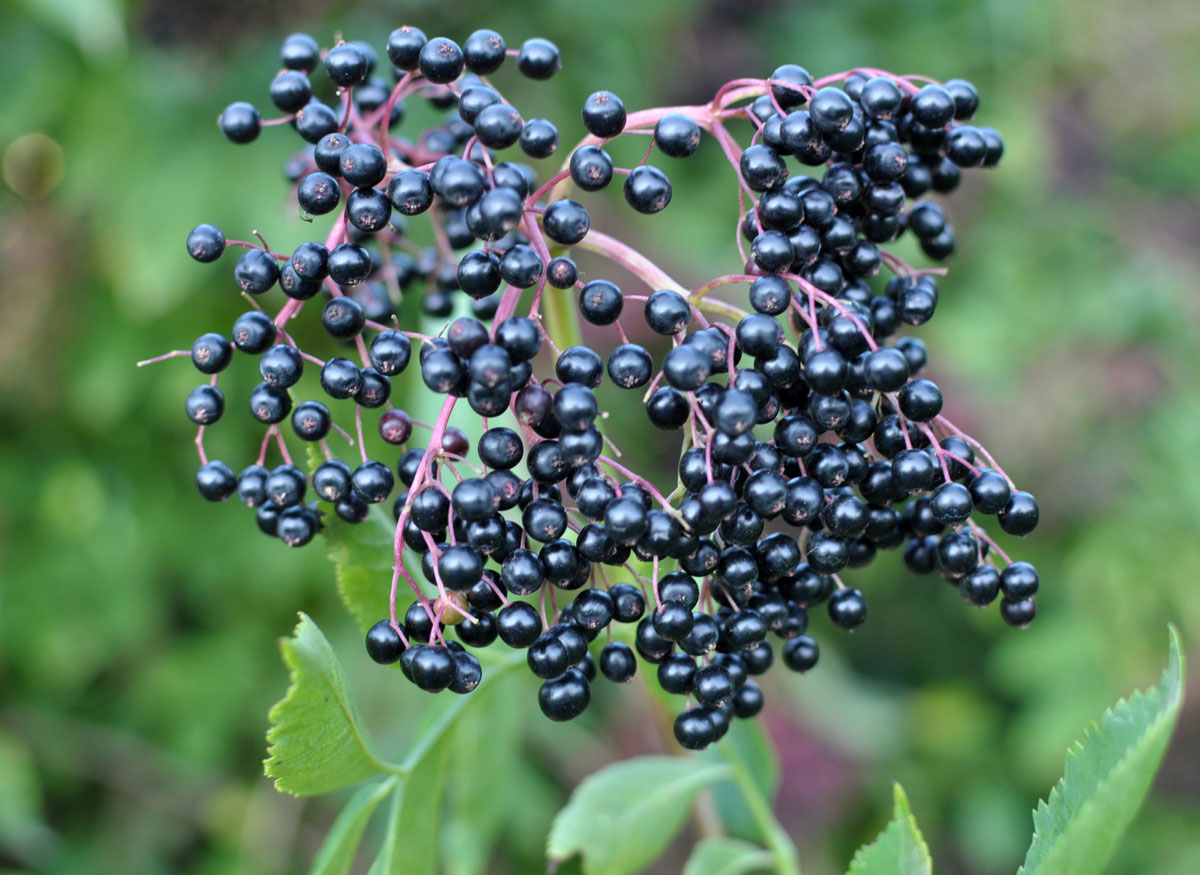
The flowers and berries are both useful. The large white flower clusters can be used for syrup, and the berries are cooked into jams or wine. Raw berries are not typically eaten, but when prepared properly they are valuable. I appreciate elderberry for how quickly it contributes both privacy and harvest to the landscape.

2. American Hazelnut (Corylus americana)
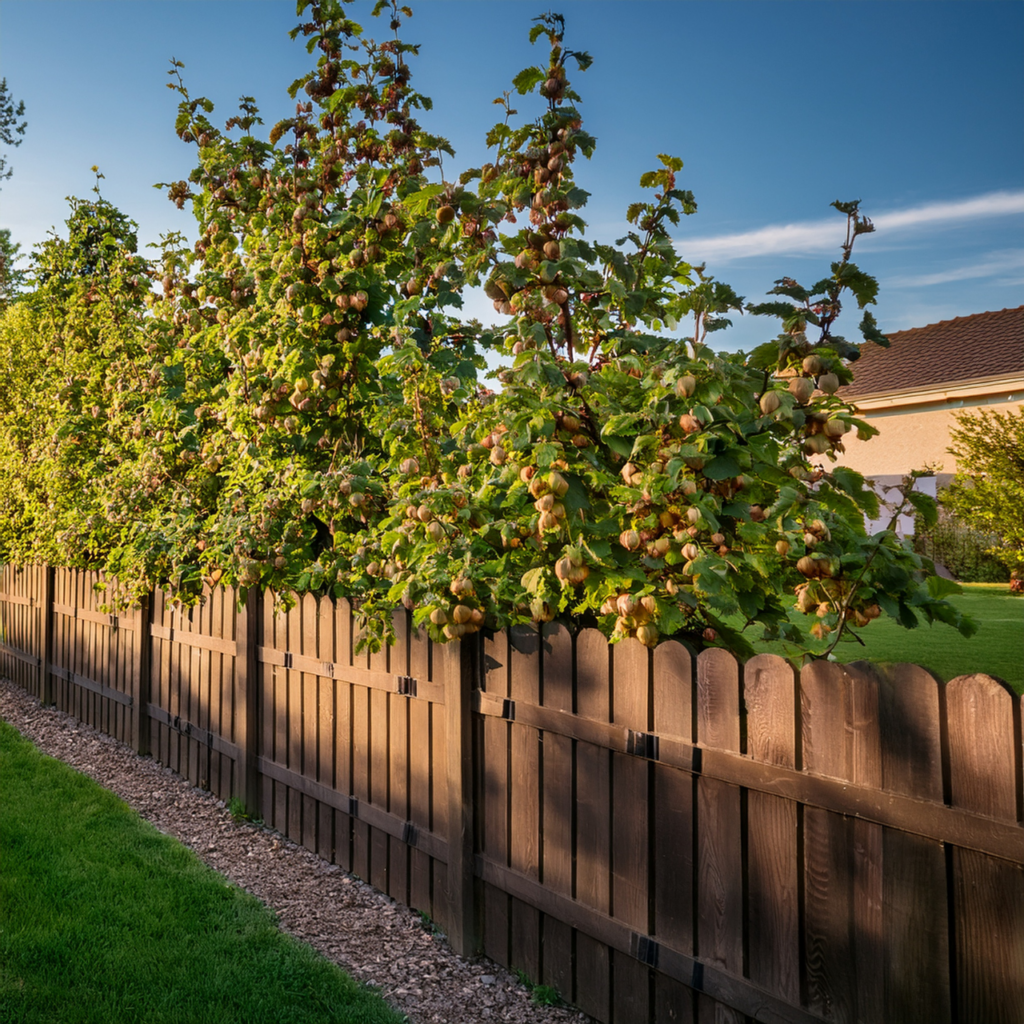
If I had to choose one plant to build a true edible privacy hedge, this would be it. American hazelnut naturally grows as a multi stem thicket. Planted two to three feet apart, the shrubs knit together over time and form a dense wall of stems and foliage. Left alone, they can exceed ten feet, but I prefer to prune lightly and maintain them at six to eight feet. With annual shaping, they respond by sending out more branching, which improves the density. By year three or four, the hedge starts to feel substantial. In winter, the structure remains visible, offering partial screening even without leaves.
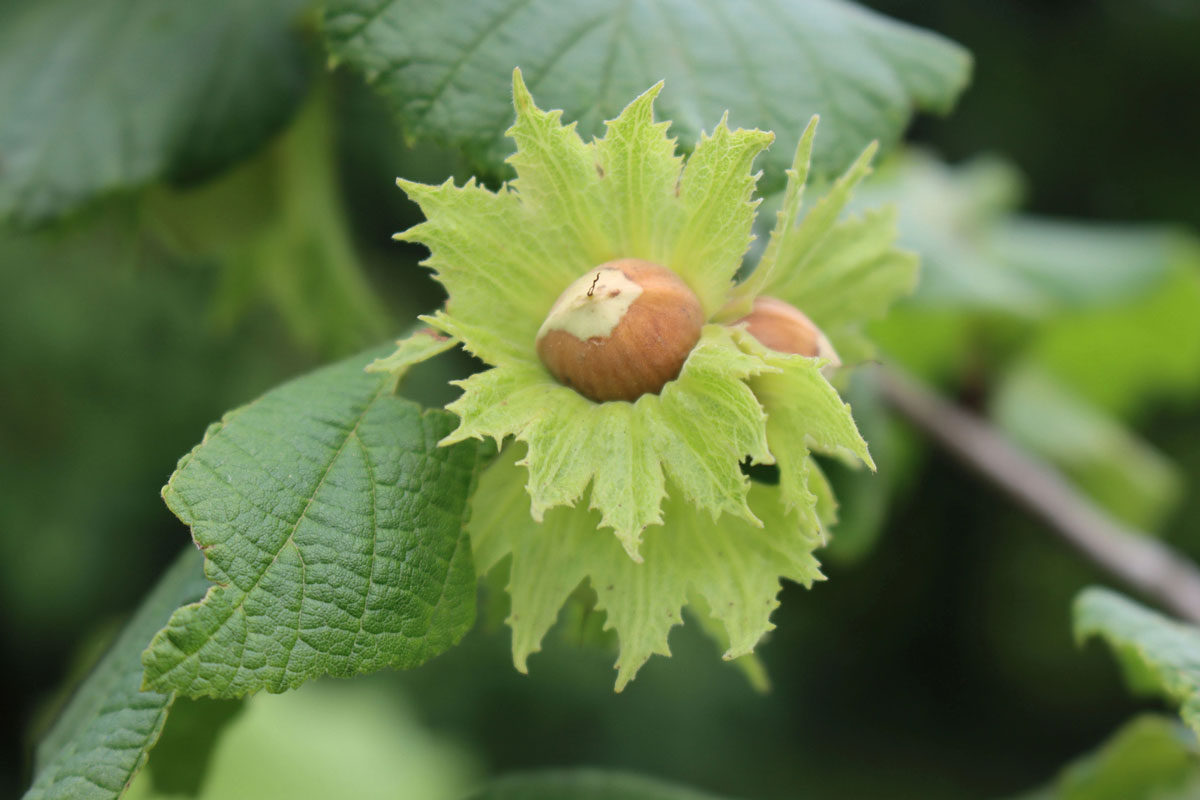
The edible return is straightforward. Hazelnuts develop inside papery husks and ripen in late summer. Squirrels will absolutely notice, so I plan for some loss. What I appreciate most is that the plant feels like infrastructure. It produces nuts, supports pollinators with early catkins, and forms habitat for birds. When I look at a row of hazelnut, I see more than privacy. I see food security layered into the landscape.
3. Rugosa Rosehip (Rosa rugosa)
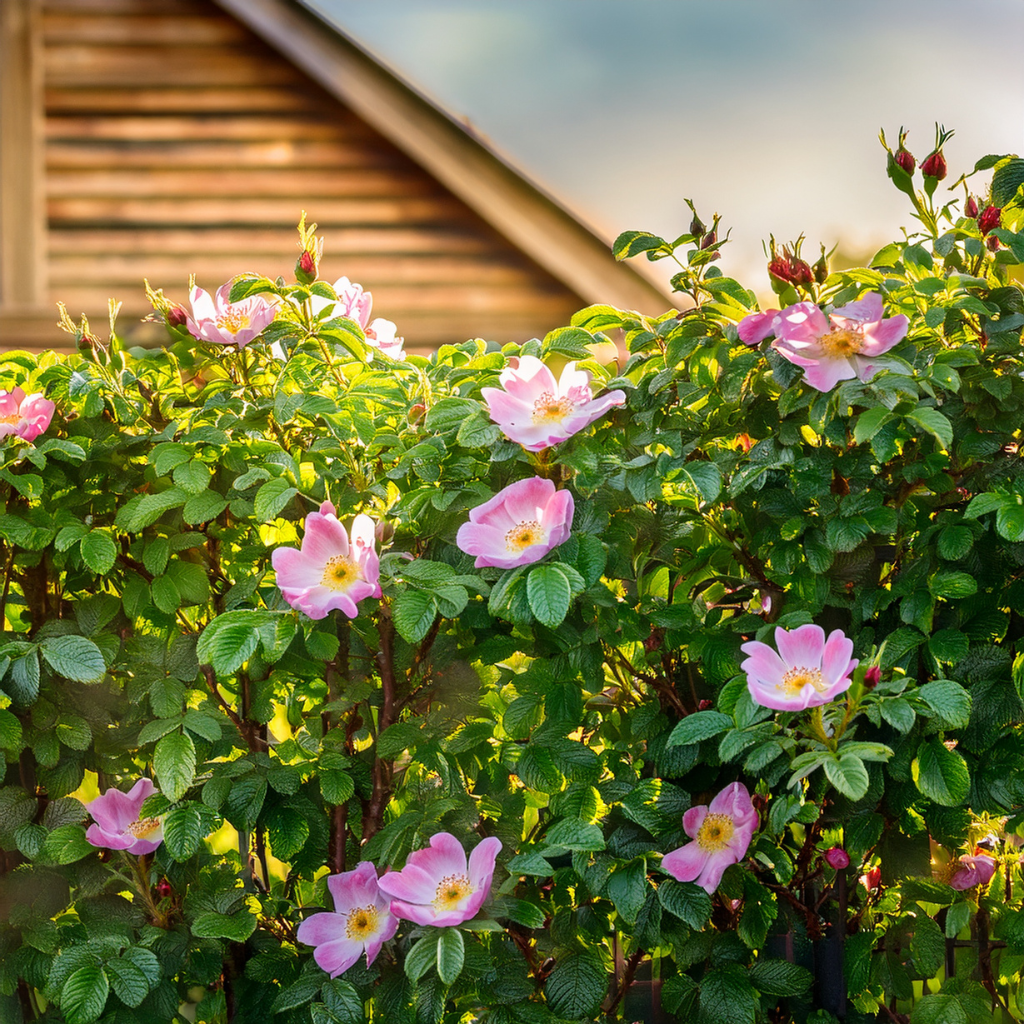
Rugosa rose has a way of defining a boundary clearly. It grows to about five or six feet and forms a thick, thorny hedge. Planted closely, it becomes difficult to see or move through. For ground level privacy along a property line, it works well. I prune it after flowering to maintain shape and encourage bushier growth. It spreads through runners, so I monitor its expansion and remove suckers where needed.
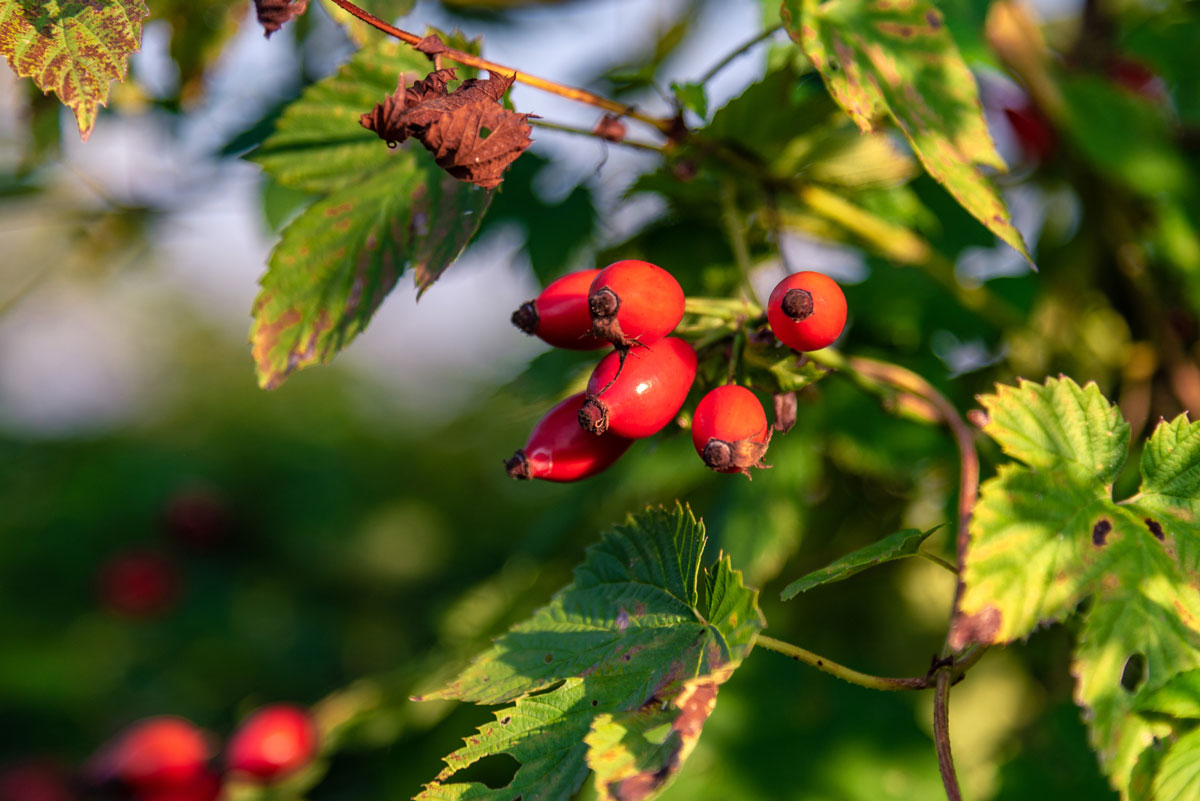
The edible element comes from the rose hips. After the flowers fade, round hips develop and ripen into late summer and fall. I dry them for tea or cook them down for syrup. They are high in vitamin C and add value beyond ornamental appeal. The flowers themselves are fragrant and attract pollinators, which makes this shrub feel like a bridge between utility and ecology.
4. Serviceberry (Amelanchier canadensis)
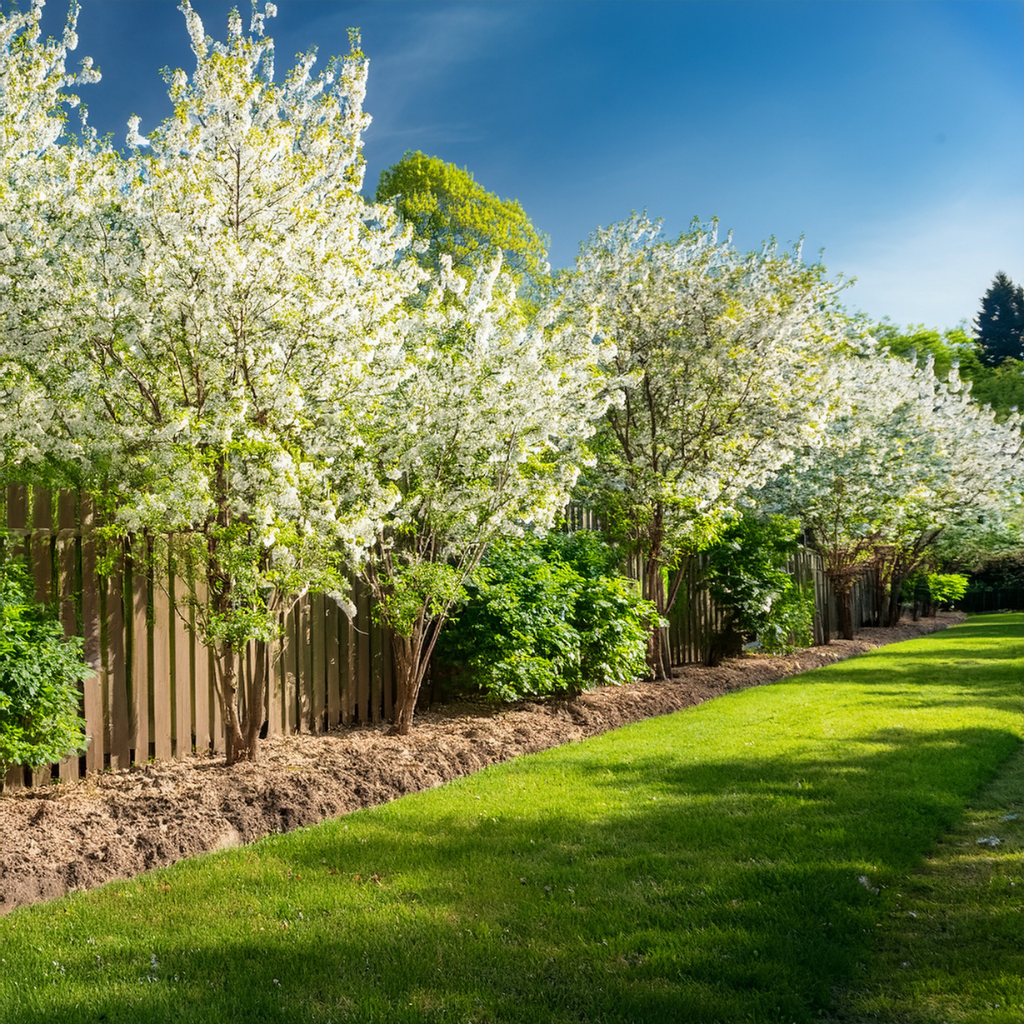
Serviceberry feels refined compared to some of the denser shrubs. It can be trained as a multi stem shrub and maintained at six to eight feet with pruning. Its branching is slightly more open than hazelnut, so I space plants closer together if privacy is the primary goal. In spring, it leafs out quickly and provides seasonal coverage. In winter, the structure is lighter but still offers some screening.
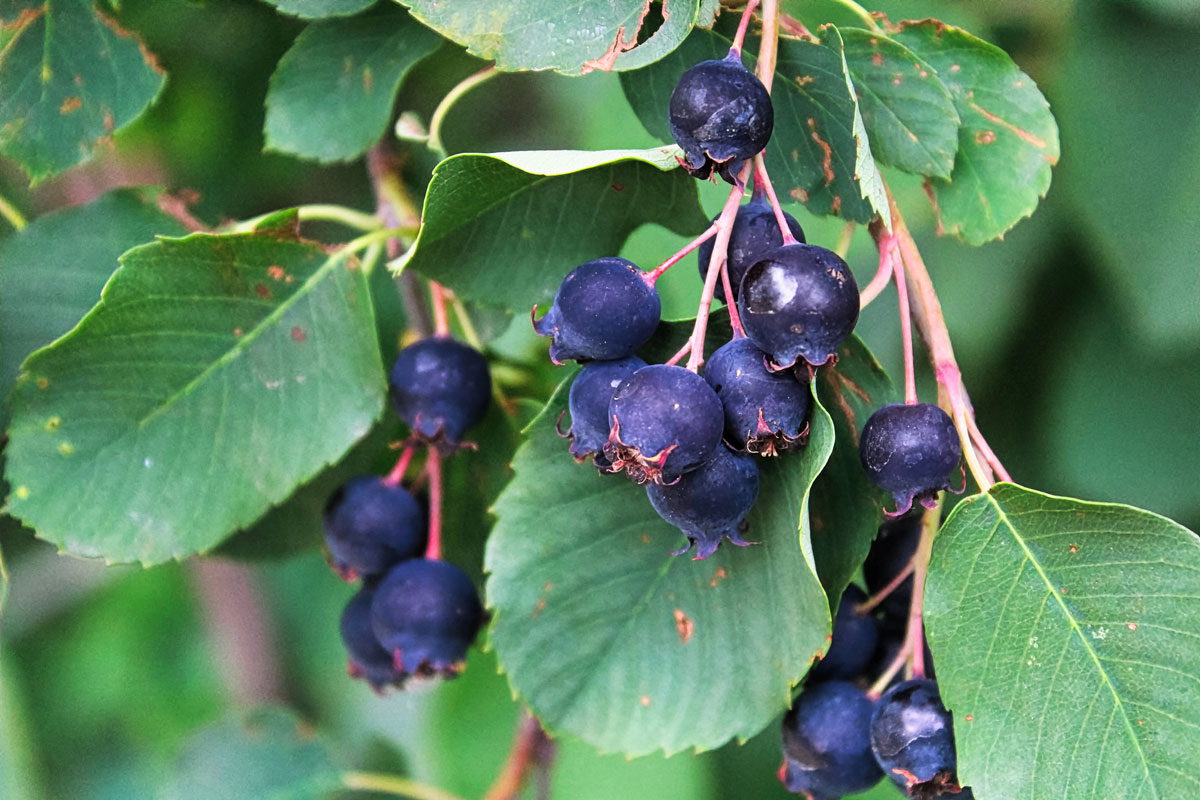
The berries ripen in early summer and taste similar to blueberry with a hint of almond. Birds are quick to harvest them, so I either net the shrubs or accept sharing. The plant also provides early flowers for pollinators. I value serviceberry for its seasonal rhythm. It does not just block a view. It marks time in the garden.
5. Siberian Peashrub (Caragana arborescens)
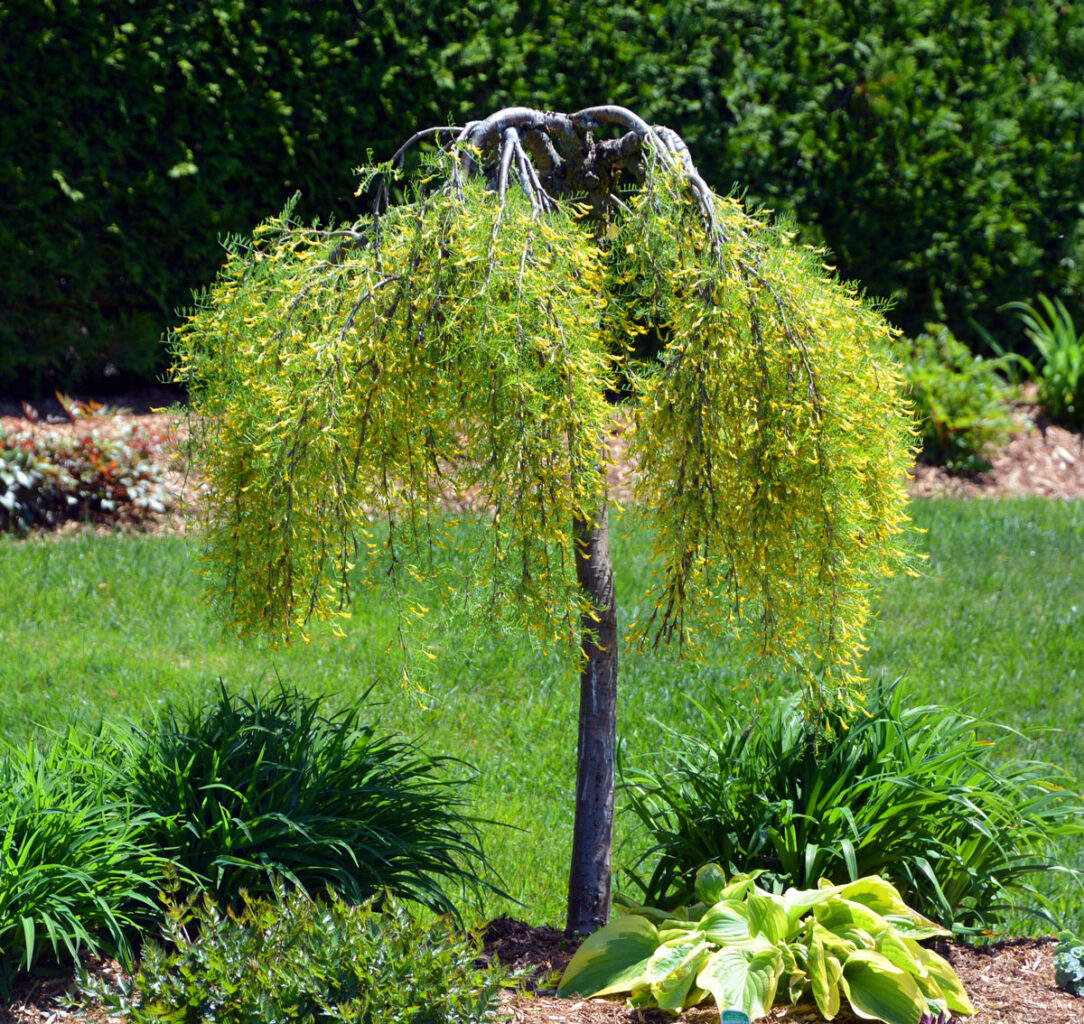
Siberian peashrub is not a trendy choice, but it is effective. It grows quickly, tolerates poor soil, and can reach well above six feet. When planted in a tight row and pruned annually, it forms a thick hedge. It has been used historically as a shelterbelt plant, which tells me it can handle exposure and wind. In a homestead context, that reliability matters.
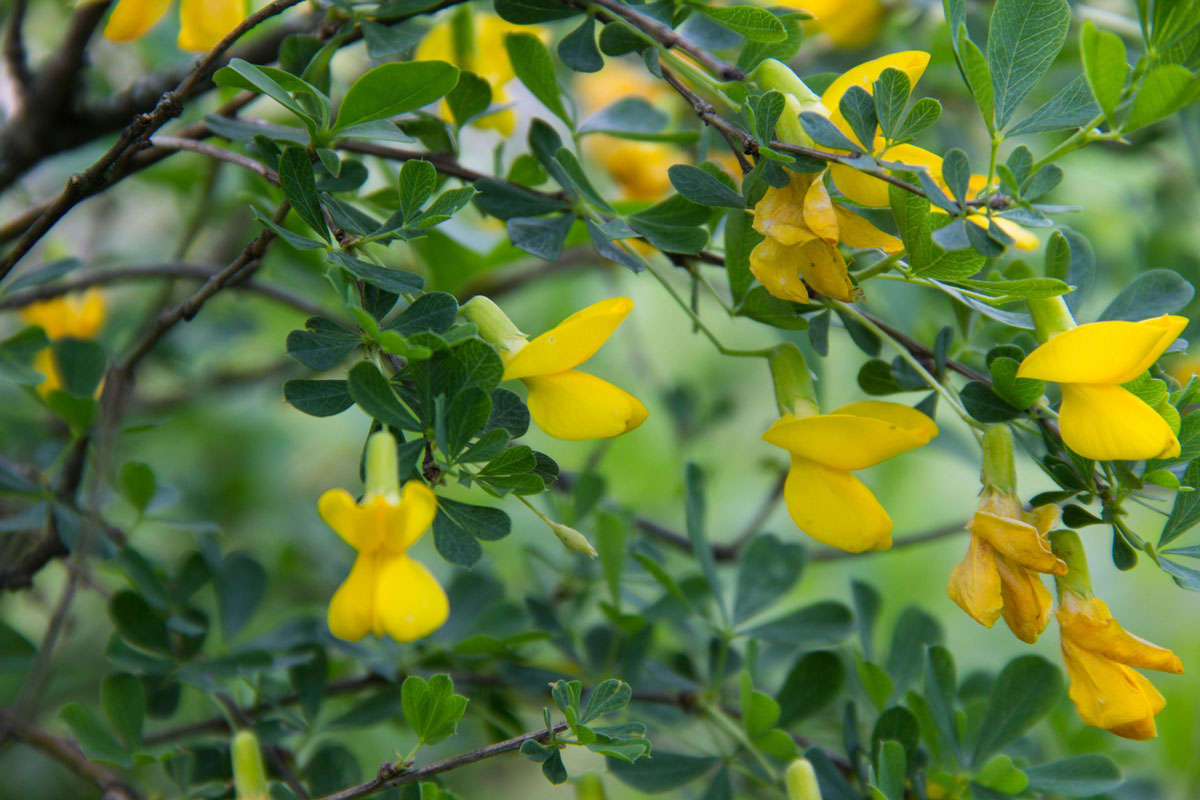
The edible pods resemble small peas when young. They are not a gourmet vegetable, but they are edible and historically used as a food source. More importantly, the shrub fixes nitrogen, improving soil over time. That benefit extends to neighboring plants in a mixed hedge. When I include peashrub, I think about long term soil health as much as privacy.
6. Nanking Cherry (Prunus tomentosa)
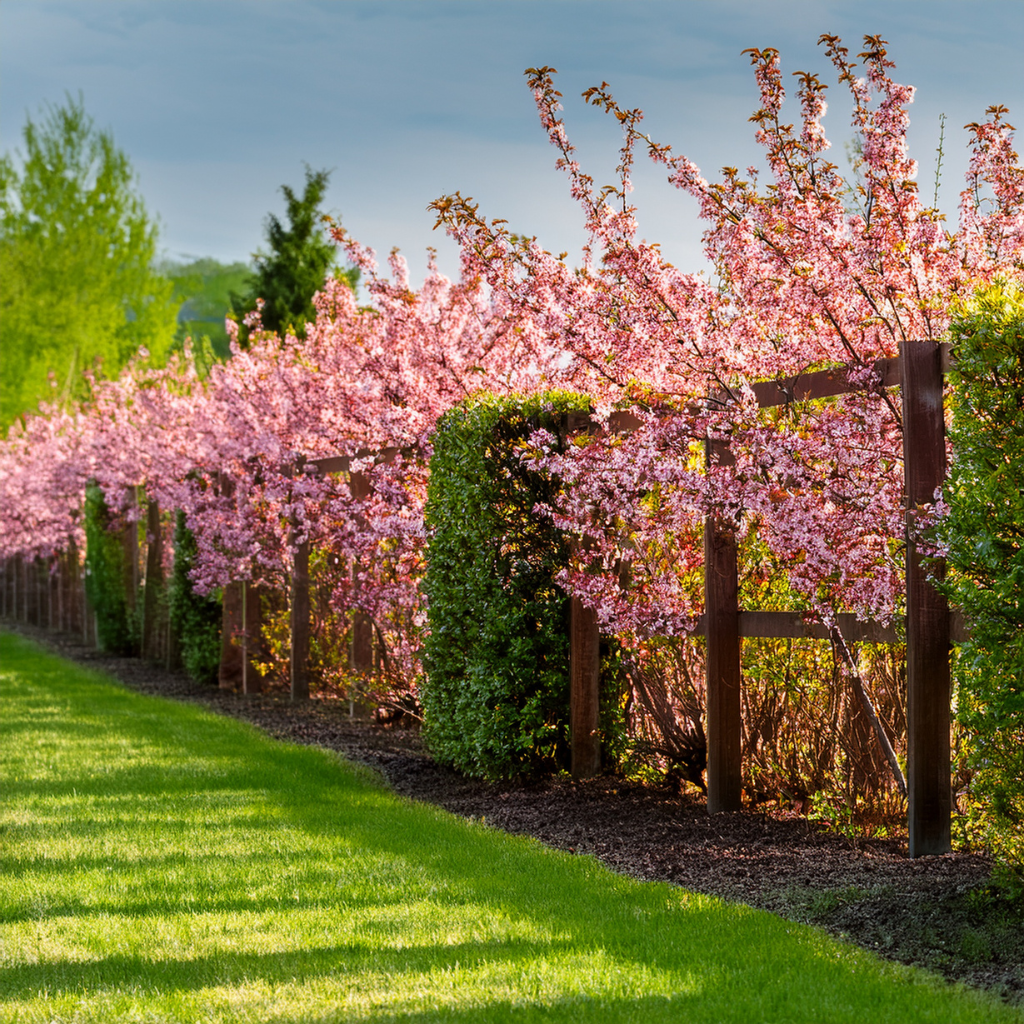
Nanking cherry grows into a dense, rounded shrub that can be maintained at six to eight feet. It branches heavily from the base, which helps create a solid hedge when spaced correctly. I plant them about three feet apart for screening. In early spring, before the leaves emerge, the shrubs are covered in pale blossoms. By summer, they provide a green wall of foliage.
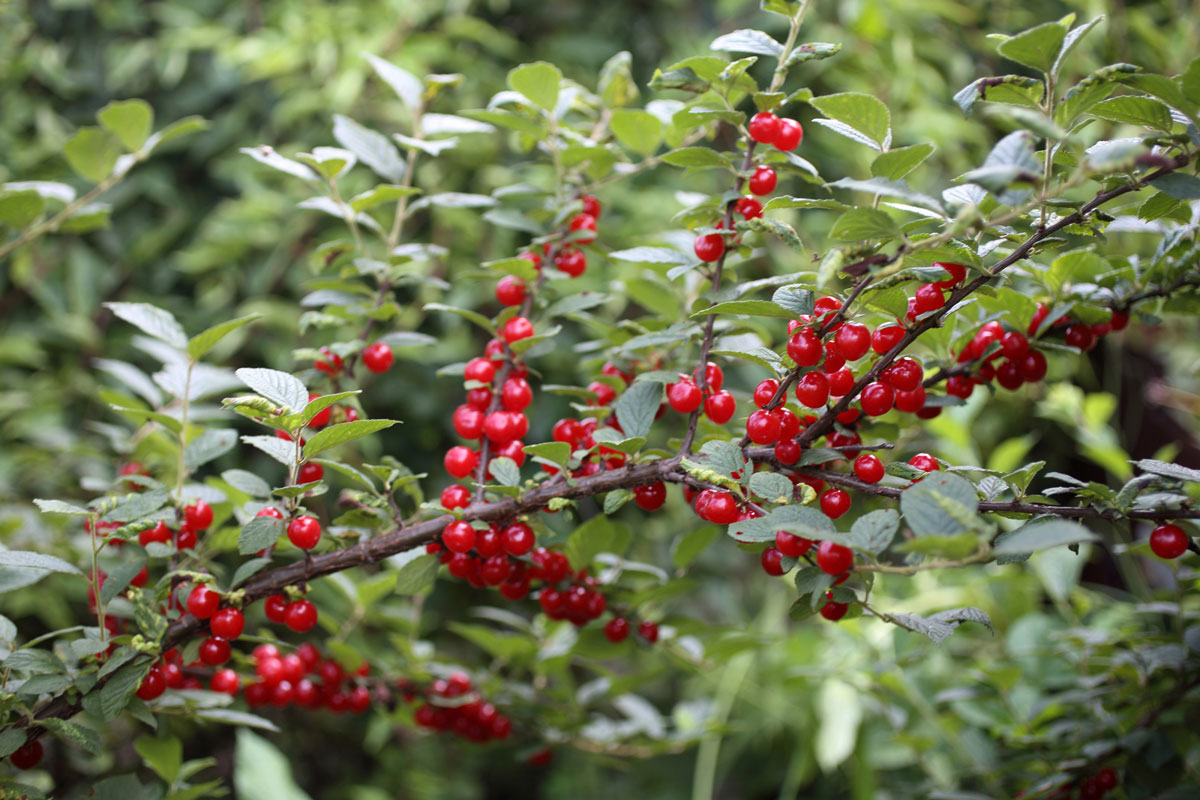
The cherries are small and tart, best suited for jam and preserves. I usually plant more than one to ensure good pollination and fruit set. The harvest arrives in early summer, bridging the gap between spring greens and later berries. For me, Nanking cherry adds both structure and an early fruit harvest to the homestead calendar.
7. Highbush Blueberry (Vaccinium corymbosum)
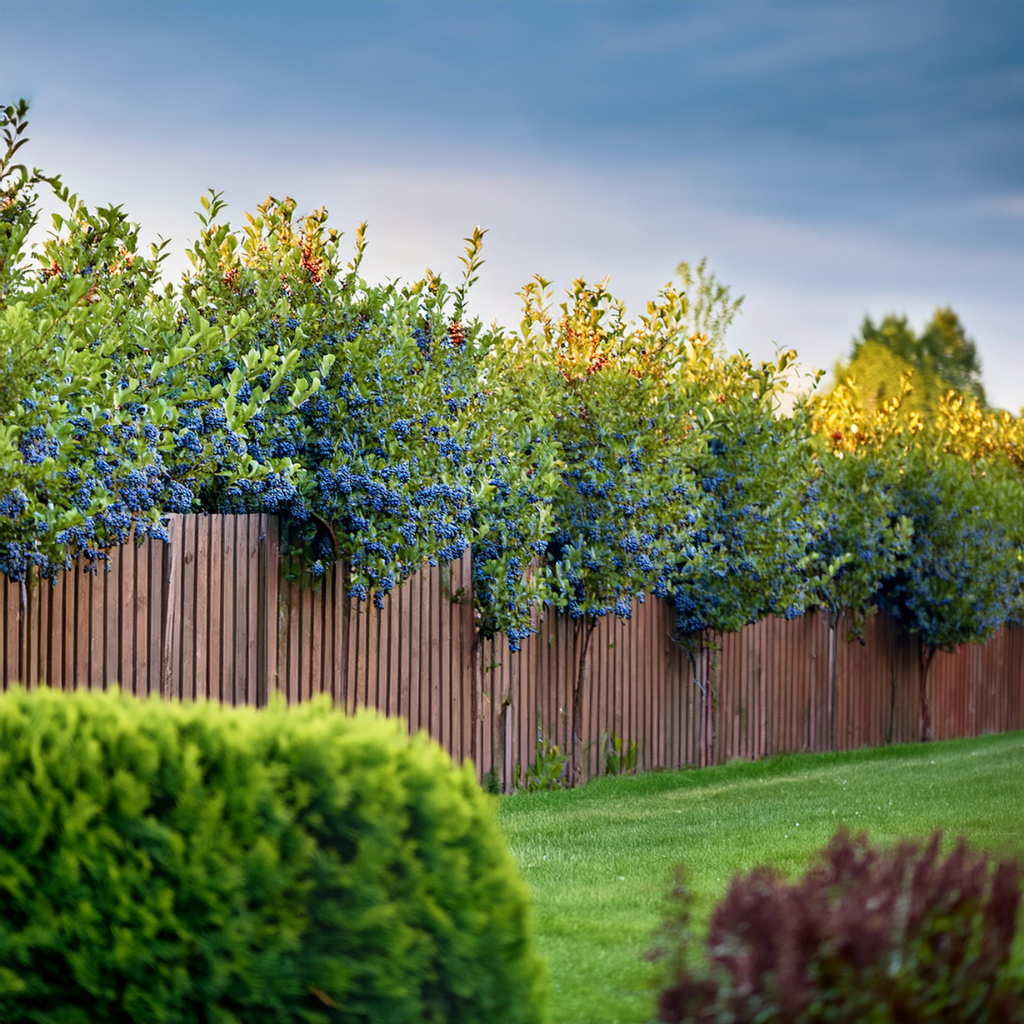
Blueberries can form a neat, upright hedge if the soil conditions are right. They prefer acidic soil, so I test and amend before planting. In ideal conditions, they grow six to eight feet tall and fill out densely with proper pruning. I remove older canes periodically to encourage fresh growth and maintain thickness. When planted closely, they create a uniform row that looks intentional and tidy.
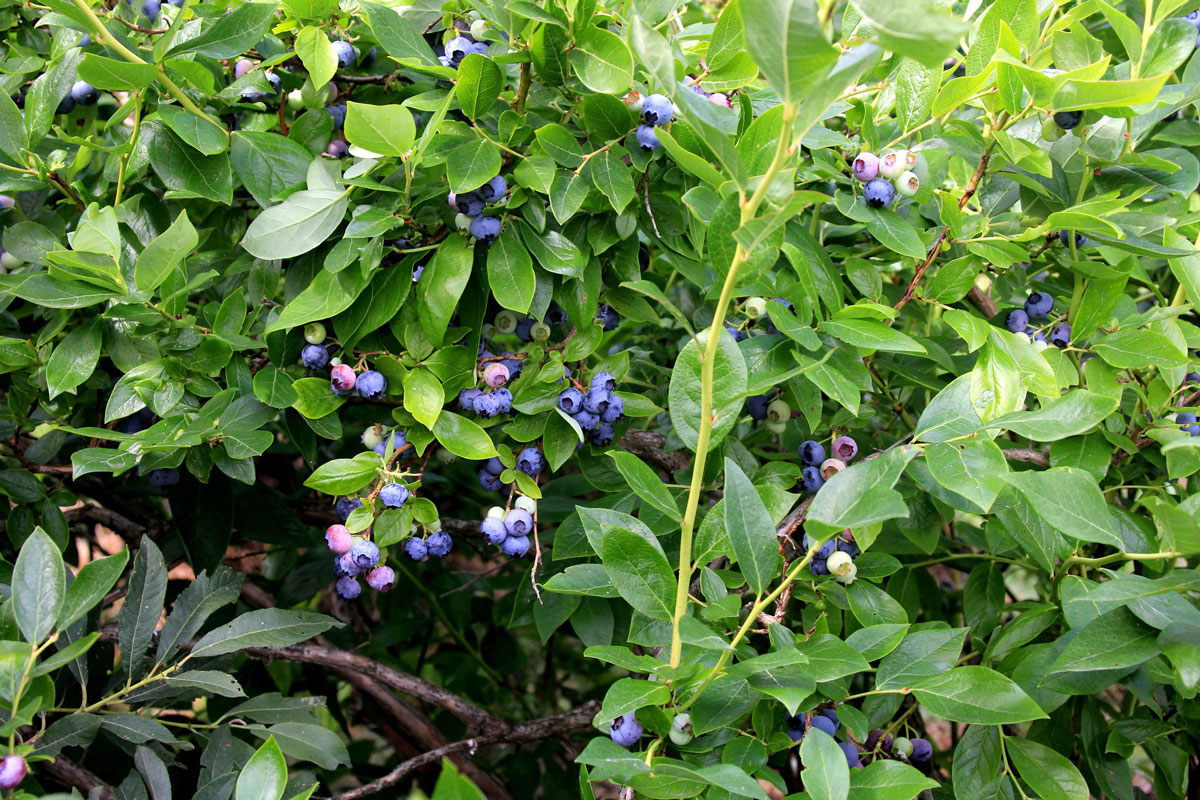
The edible return is familiar. Large clusters of blueberries ripen mid summer. In addition to fruit, the shrubs offer red fall foliage, adding seasonal interest. For a homestead that values both aesthetics and productivity, blueberry hedges strike a good balance. They are less wild in appearance than some other options, which can suit certain garden designs.
8. Sea Buckthorn (Hippophae rhamnoides)
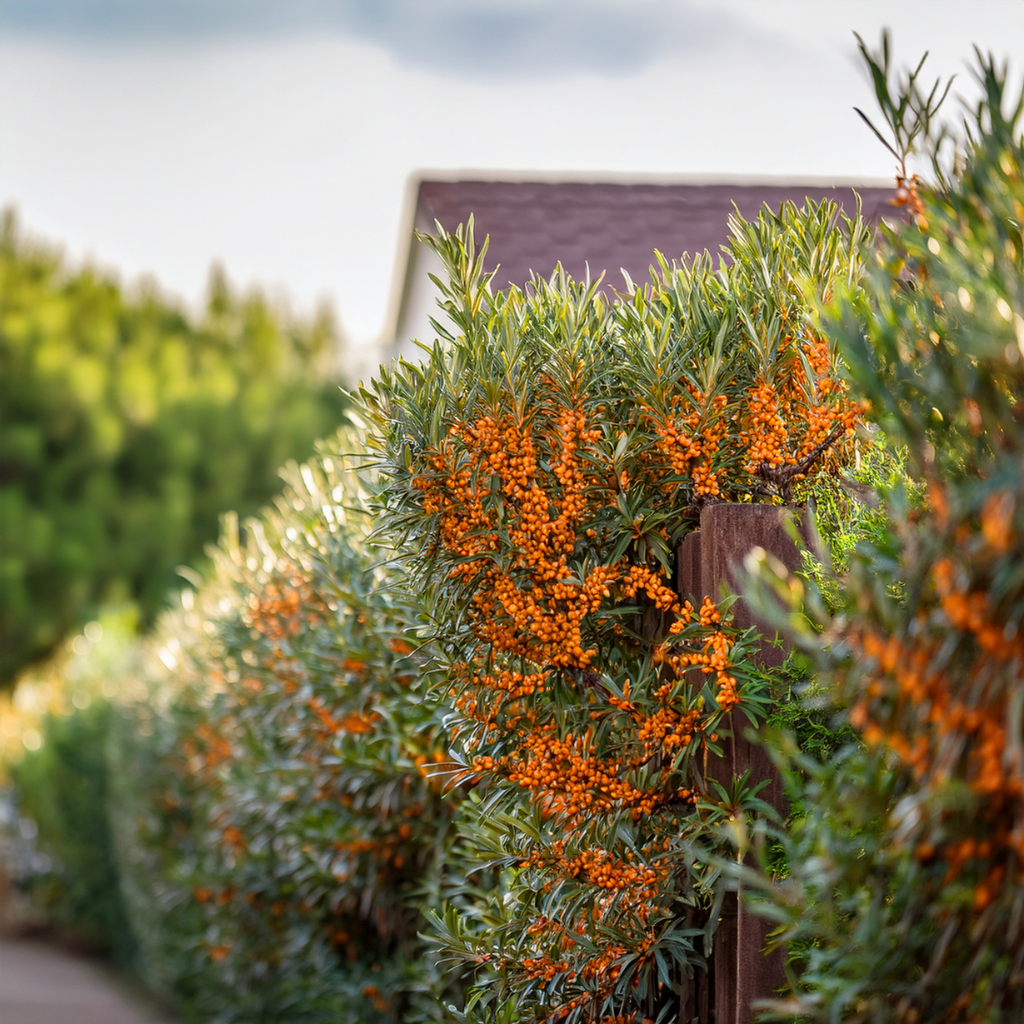
Sea buckthorn brings a different energy to the hedge line. It is vigorous, thorny, and quick to establish. If I need faster coverage, this is one of the shrubs I consider. It easily grows beyond six feet and can reach fifteen if allowed. The branching is dense, and the thorns discourage any shortcuts through the hedge. Because it suckers, it fills gaps aggressively. That trait can be useful if I want a tight living barrier, but I also plan for containment with edging or root management.
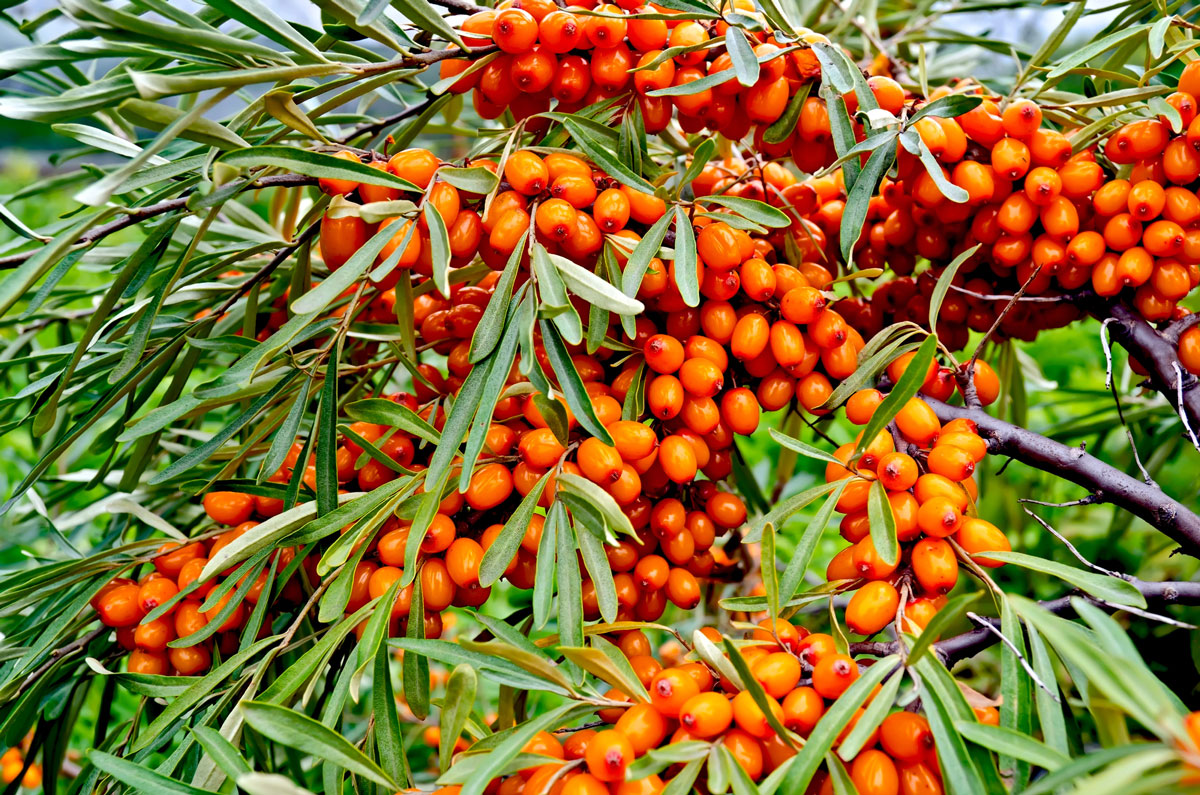
The berries are bright orange and high in vitamin C. I have used them in syrups and blended them into smoothies. One important detail is that male and female plants are required for fruit. Without both, I would only get foliage. The harvest is small but concentrated, and the plants handle wind and poorer soils well. In a homestead setting, sea buckthorn feels practical and resilient.
9. Chokeberry (Aronia melanocarpa)
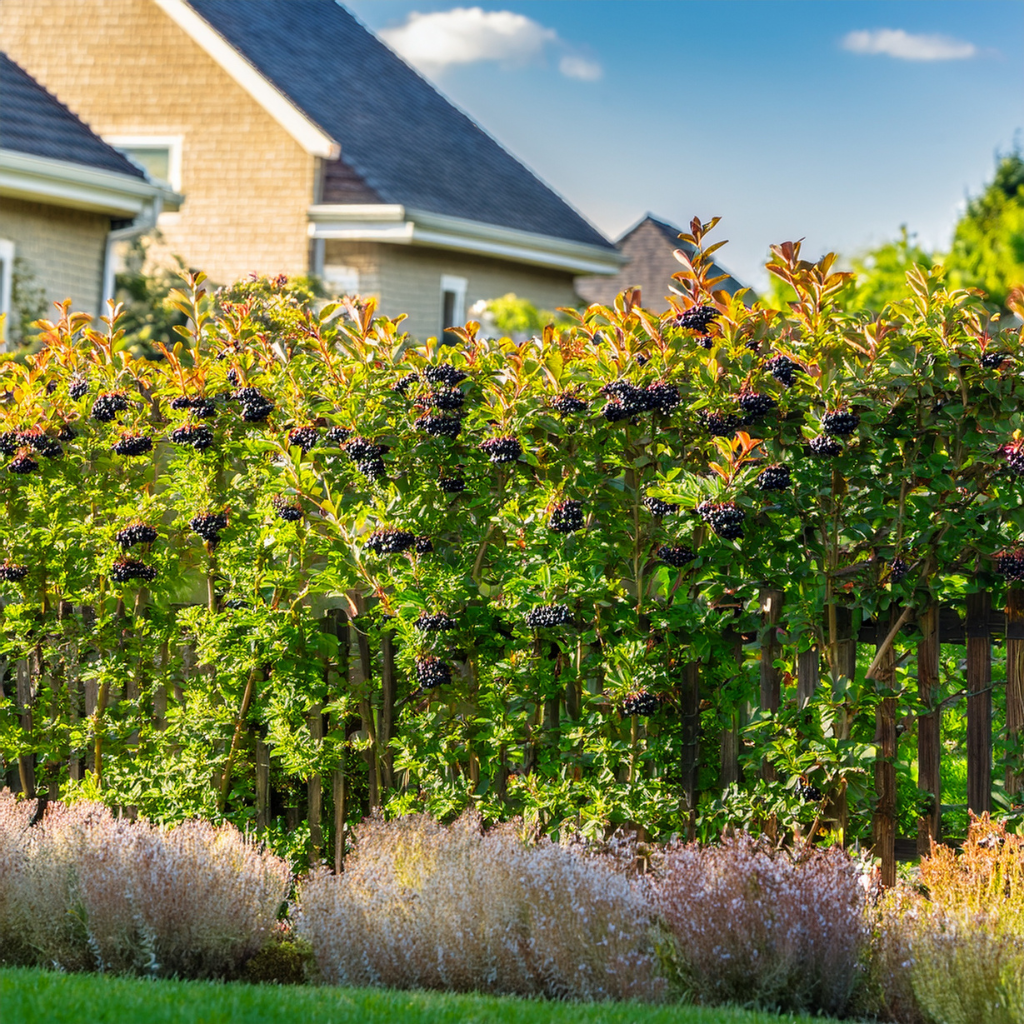
Aronia grows to about five to eight feet and forms a fairly upright shrub. For privacy, I plant them closer together and prune lightly to encourage branching. They are tolerant of various soil conditions, which makes them adaptable. Over time, they create a dense green hedge in summer and a more open framework in winter.
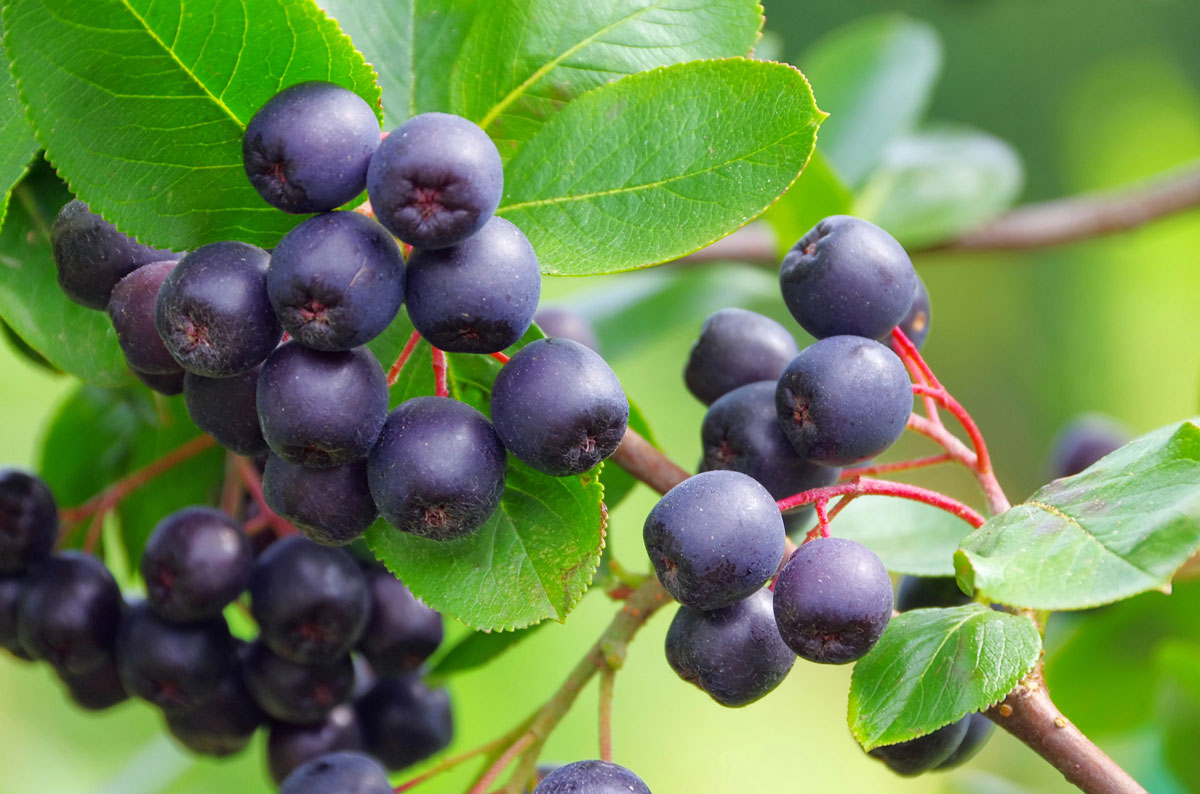
The berries are dark and astringent when raw but excellent in juice, syrup, or baking. They are known for high antioxidant content. In fall, the foliage turns shades of red, adding another layer of interest. Aronia may not be the first shrub people consider, but in a homestead hedge it performs reliably.
10. Goumi Berry (Elaeagnus multiflora)
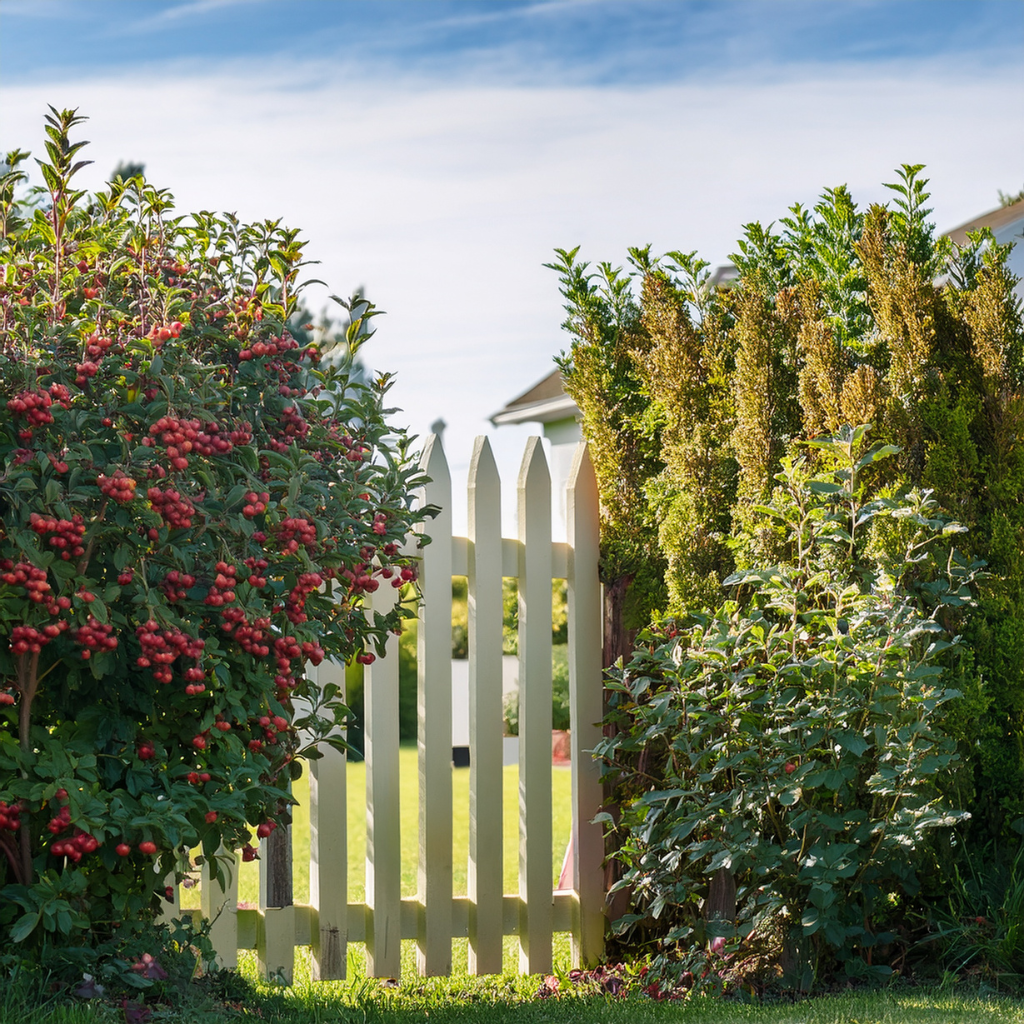
Goumi grows into a rounded shrub that can reach six to eight feet. It has silvery foliage that contrasts nicely with darker green plants in a mixed hedge. When planted in a row, it fills out well and responds to pruning. Because it fixes nitrogen, it supports soil health in the planting area.
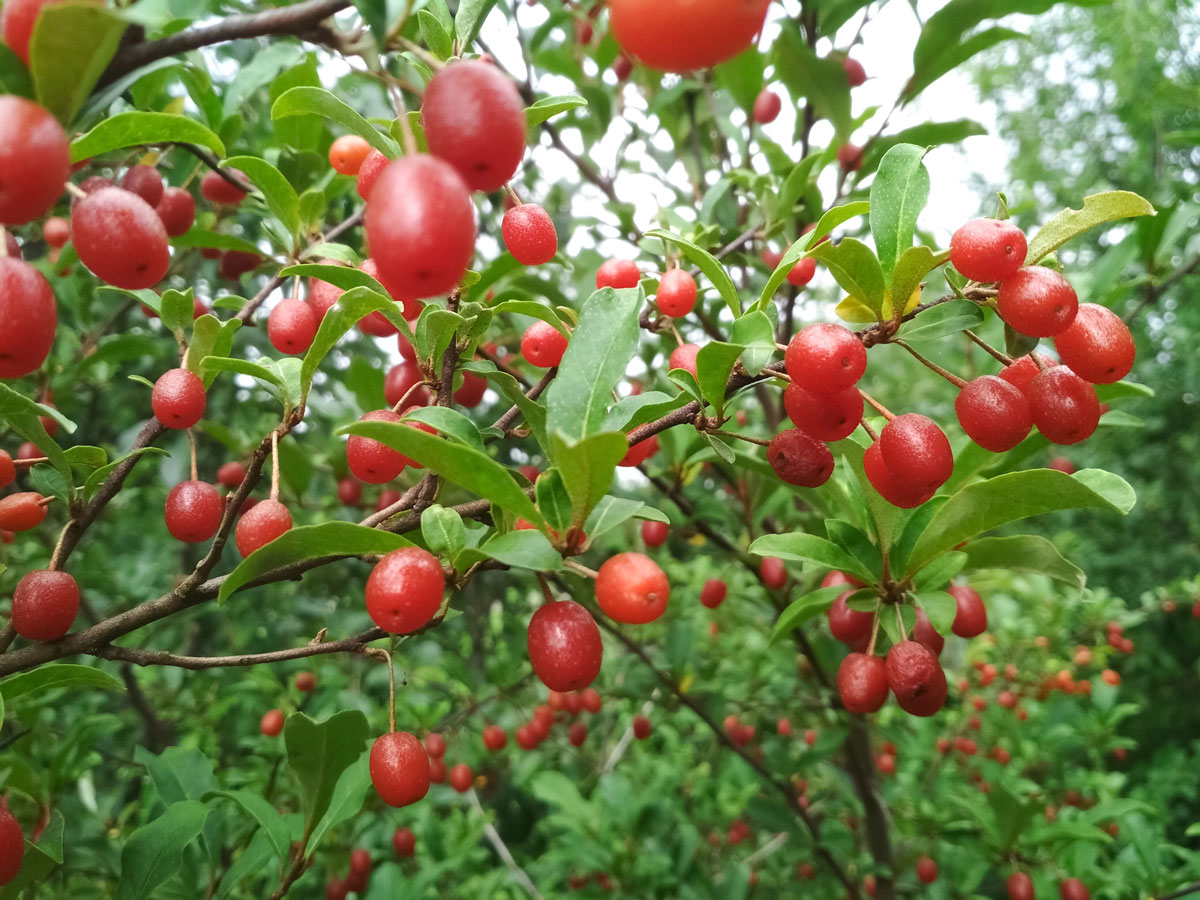
The berries are red and ripen in early summer. They have a sweet tart flavor and can be eaten fresh or used in preserves. Goumi is less common in suburban landscapes, which makes it interesting from a homestead perspective. It feels like a working plant rather than a decorative one.
11. Haskap (Lonicera caerulea)
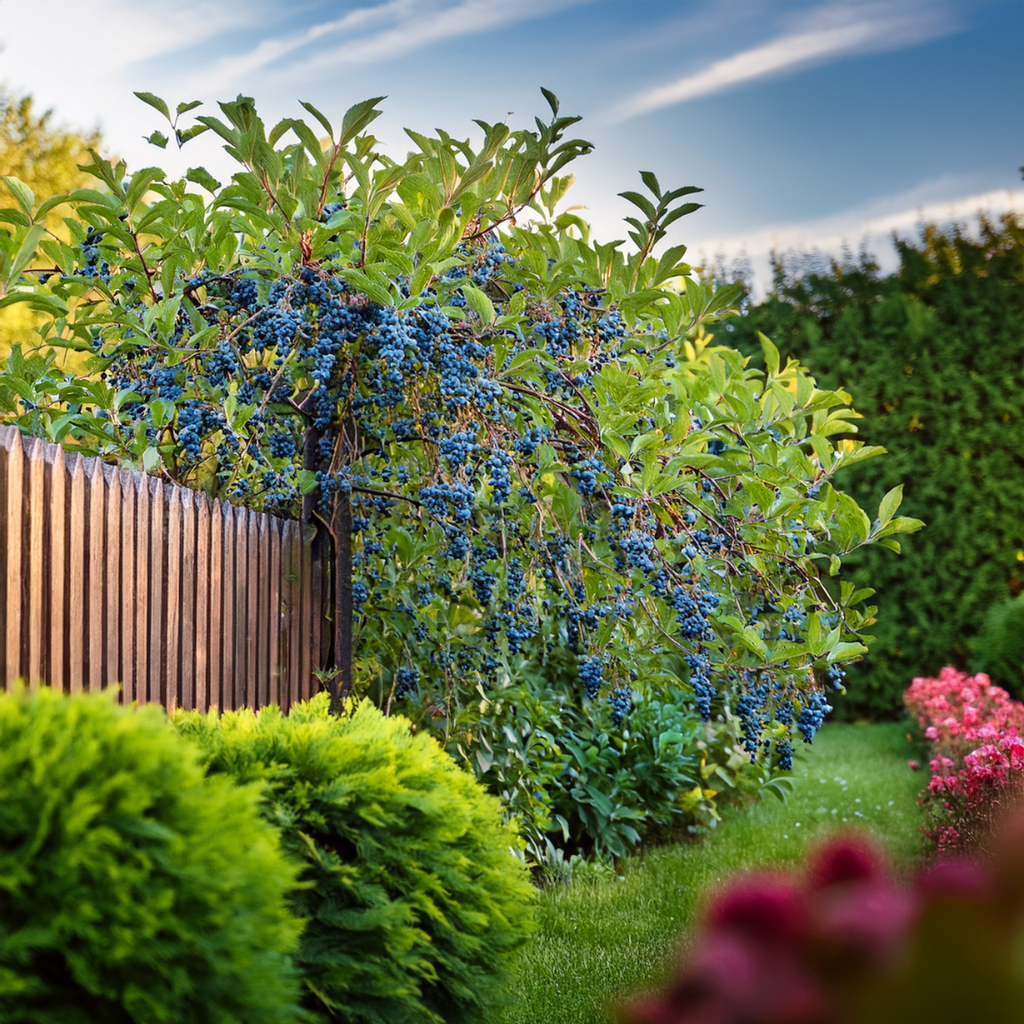
Haskap, also known as honeyberry, grows to about four to six feet. For privacy, I use it in combination with taller shrubs or plant it in a staggered double row to increase density. On its own, it may not create a full six foot wall, but it contributes to the lower portion of the hedge effectively.
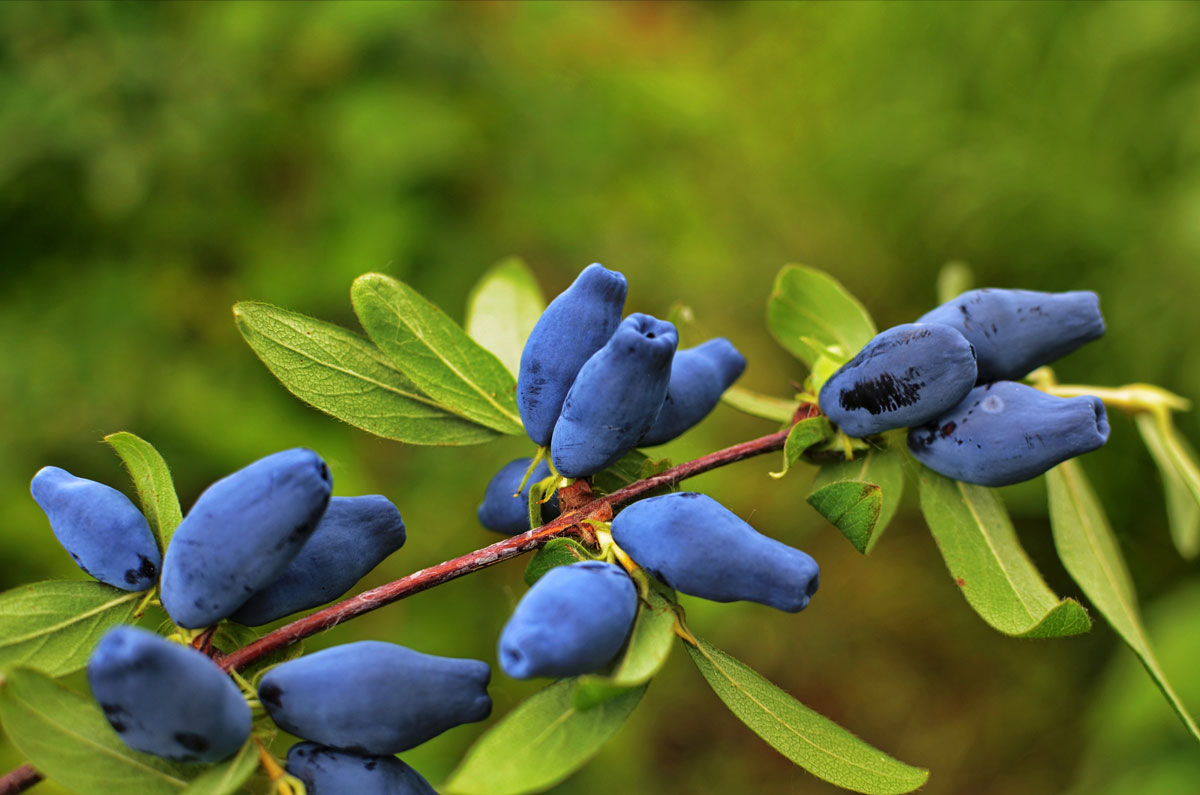
The fruit ripens very early in the season, often before strawberries. The berries are elongated and taste similar to blueberry with a hint of raspberry. I plant compatible varieties to ensure good pollination. Haskap extends the harvest season and fills in the lower layer of an edible privacy planting.
12. Currants (Ribes nigrum and Ribes rubrum)
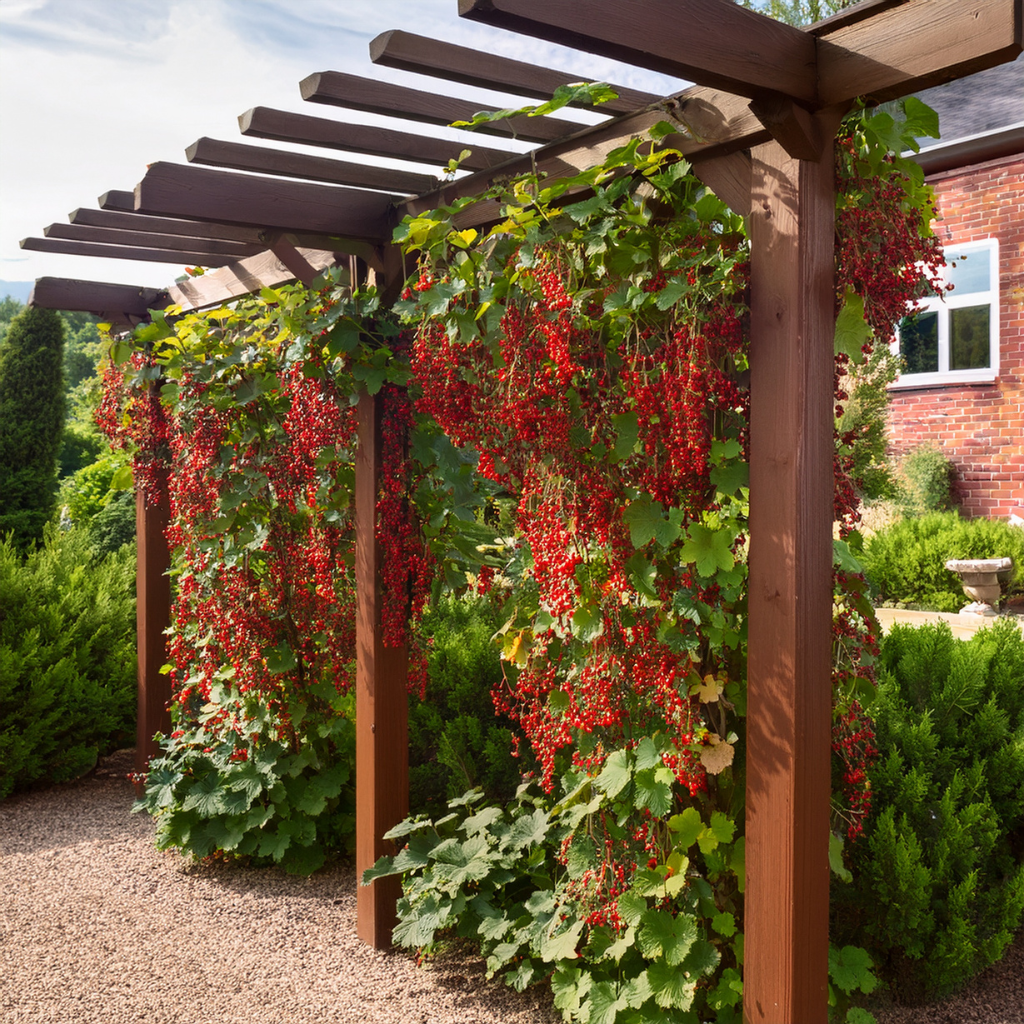
Currants are compact and bushy, reaching about five to six feet. They are well suited to tighter side yard spaces. When planted closely, they form a solid mid height hedge. I prune out older wood periodically to keep them productive and dense. They tolerate partial shade, which makes them useful along fence lines that receive limited sun.
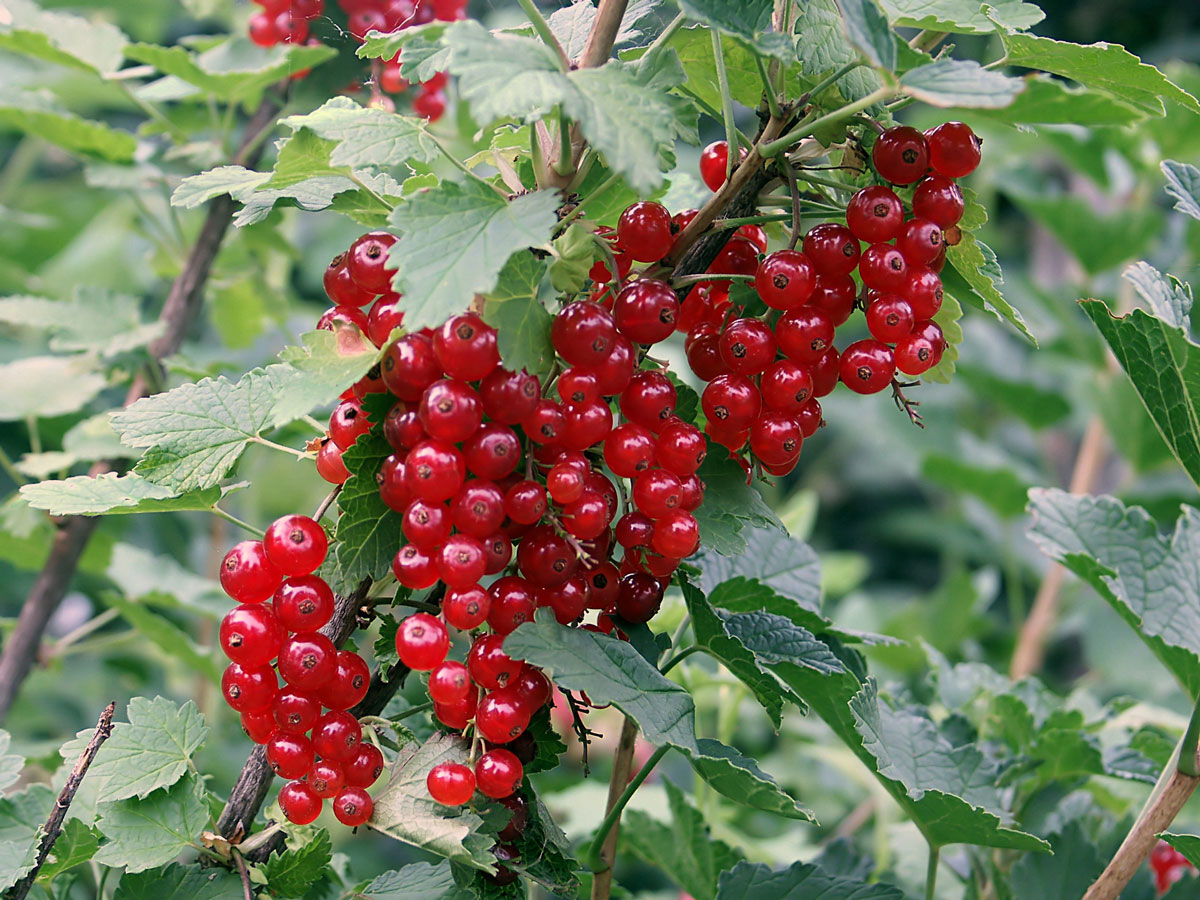
Black currants have a strong flavor and are excellent for syrup and baking. Red currants are brighter and often used in jams or fresh garnishes. In Ontario, most modern varieties are suitable to grow. As part of a mixed edible hedge, currants provide dependable fruit and fill out the lower half of the planting.
Final Thoughts
Building privacy into a homestead does not have to mean sacrificing productivity. When I look at a row of edible shrubs, I see layers of return. I see structure, habitat, seasonal change, and food. A six foot hedge can shield the yard from view and still contribute to the pantry.
The key is spacing, patience, and pruning. Planted two to three feet apart, most of these shrubs will knit together within a few years. They require shaping and management, but they give back more than they take. If I am going to grow a boundary, I want it to feed us.