


I’ve learned over the years that most homes have at least one awkward spot where plants are expected to survive with almost no help. Basements, interior offices, hallways, and rooms where the windows feel more decorative than functional. For a long time, I assumed plants and windows were inseparable. That turned out not to be true.
Low light does not mean no care, but it does mean choosing plants that evolved to live under tree canopies or in shaded environments. These are the plants I reach for when there is no window nearby and only ambient or LED light to work with. They are reliable, patient, and forgiving if you miss a watering or forget they exist for a bit.
Quickly Find Low Light Indoor Plants
1. ZZ Plant (Zamioculcas zamiifolia)
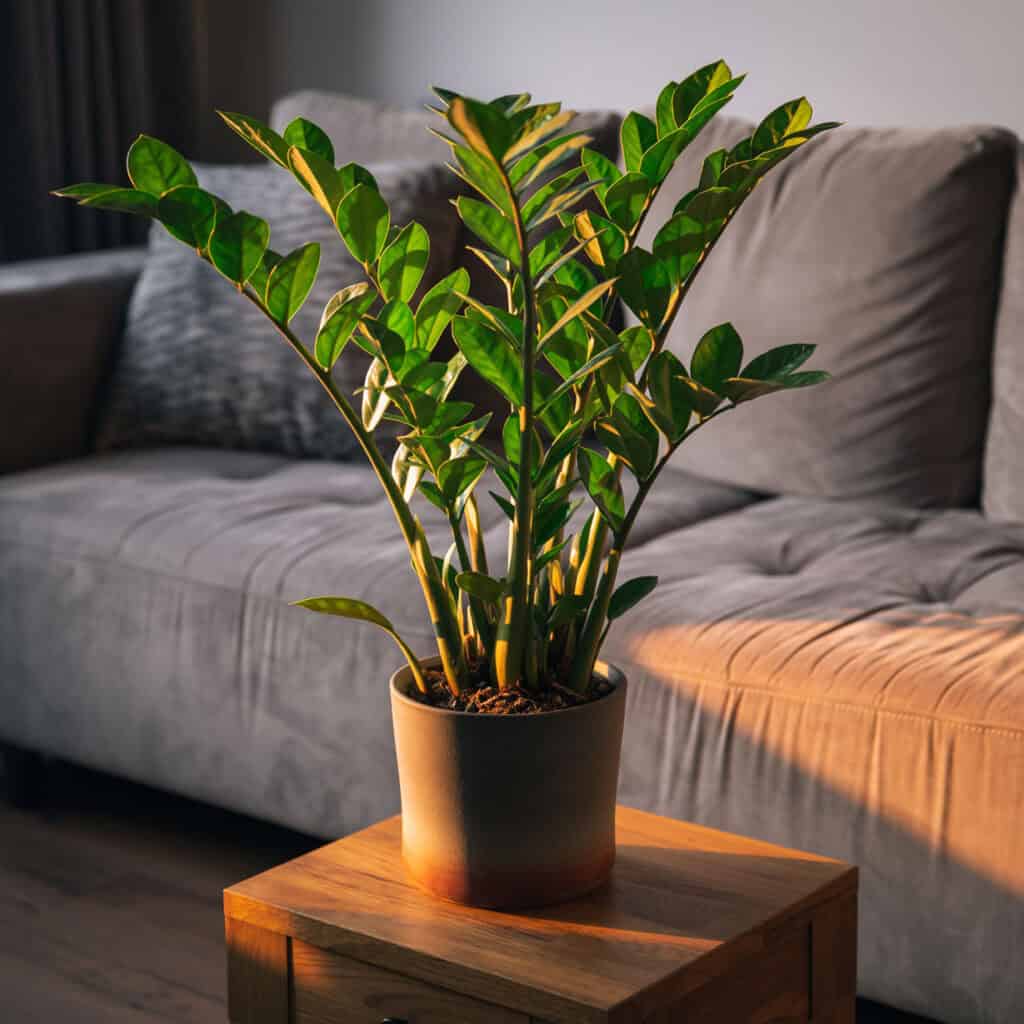
The ZZ plant is the first plant I recommend when someone tells me they have no windows. It has thick, waxy leaves and underground rhizomes that store water, which gives it an incredible tolerance for low light and neglect. I have kept ZZ plants alive in basements and offices where the only light source was overhead LEDs, and they barely seemed to notice.
In very low light, the ZZ plant simply slows down. It does not stretch dramatically or shed leaves, it just pauses. This makes it ideal for spaces where growth is not the goal, survival is. The biggest issue I see with ZZ plants is overwatering, especially in darker rooms where soil dries slowly. Growth is also very slow in low light, which is normal and not a sign of poor health.

- ✅ Basements
- ✅ Offices with overhead LED lighting
- ✅ North-facing rooms
2. Snake Plant (Dracaena trifasciata)
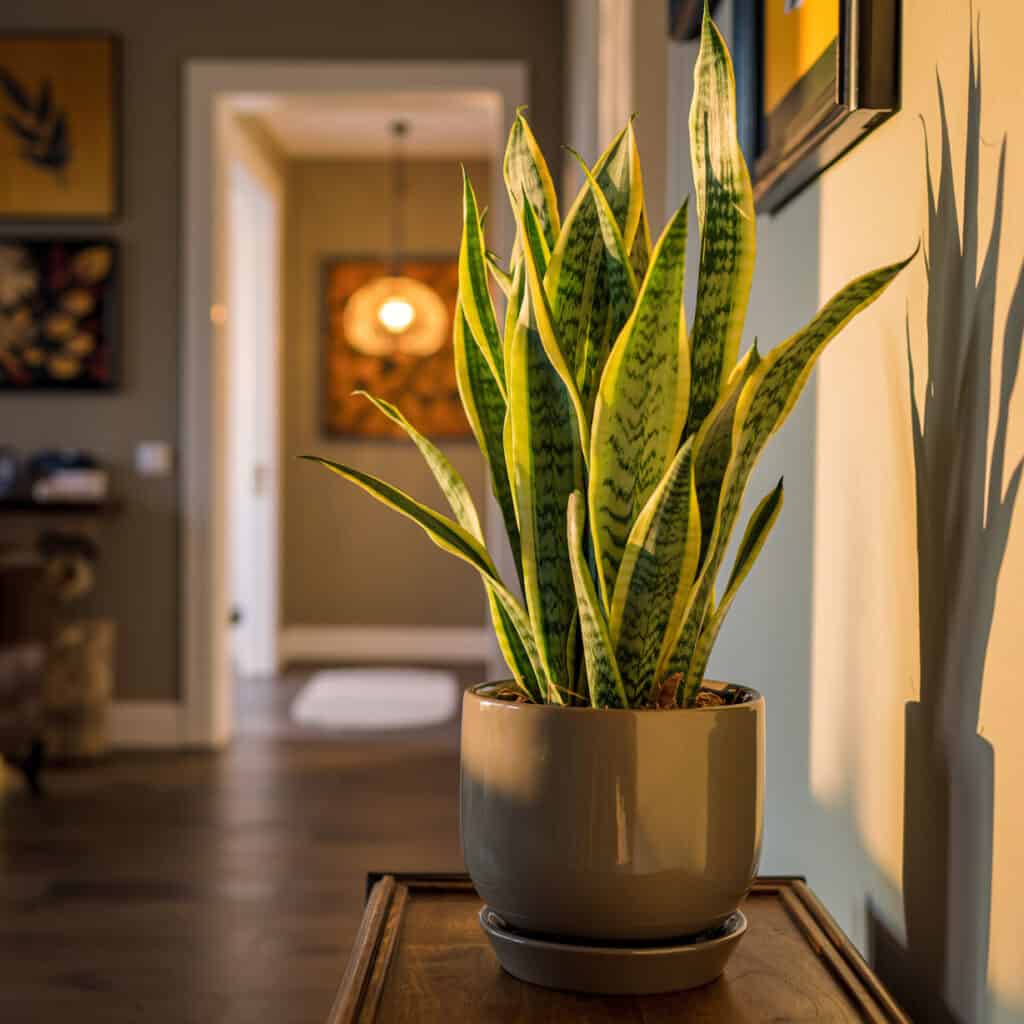
Snake plants are often described as indestructible, and while nothing truly is, they come close. Their upright leaves make them easy to place in corners, against walls, or in rooms with no natural light. I like them for offices and basements because they keep their structure even when conditions are not ideal.
In low light, snake plants maintain their form but do not put on much new growth. That is perfectly fine for most indoor spaces. The main thing to watch for is cold exposure, especially if the plant is sitting directly on a concrete floor. Snake plants also dislike wet soil, so overwatering in low light is a common mistake.
- ✅ Basements
- ✅ Offices with overhead LED lighting
- ✅ North-facing rooms
3. Cast Iron Plant (Aspidistra elatior)
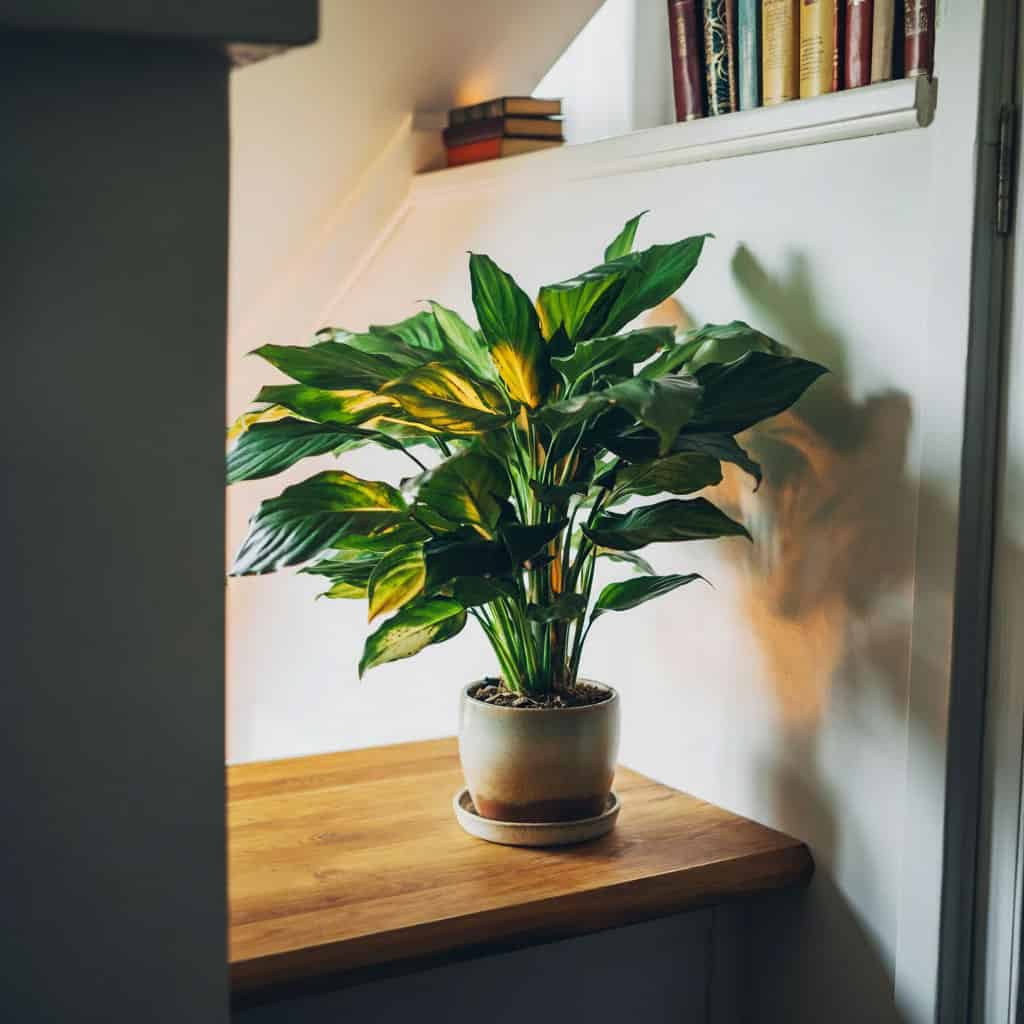
The cast iron plant earned its name honestly. This is a plant that was used in Victorian homes with poor lighting and coal soot in the air, which tells you everything you need to know. It handles deep shade with ease and does not complain about inconsistent care.
I use cast iron plants when I want something that looks calm and steady rather than fast growing or dramatic. It is a plant that fills space quietly. The main caveat is that it is naturally slow growing, even in good conditions. In low light, it may only produce a few new leaves per year. Dust buildup on leaves can limit light absorption, so occasional cleaning helps.
- ✅ Basements
- ⚠️ Offices with overhead LED lighting
- ✅ North-facing rooms
4. Pothos (Epipremnum aureum)
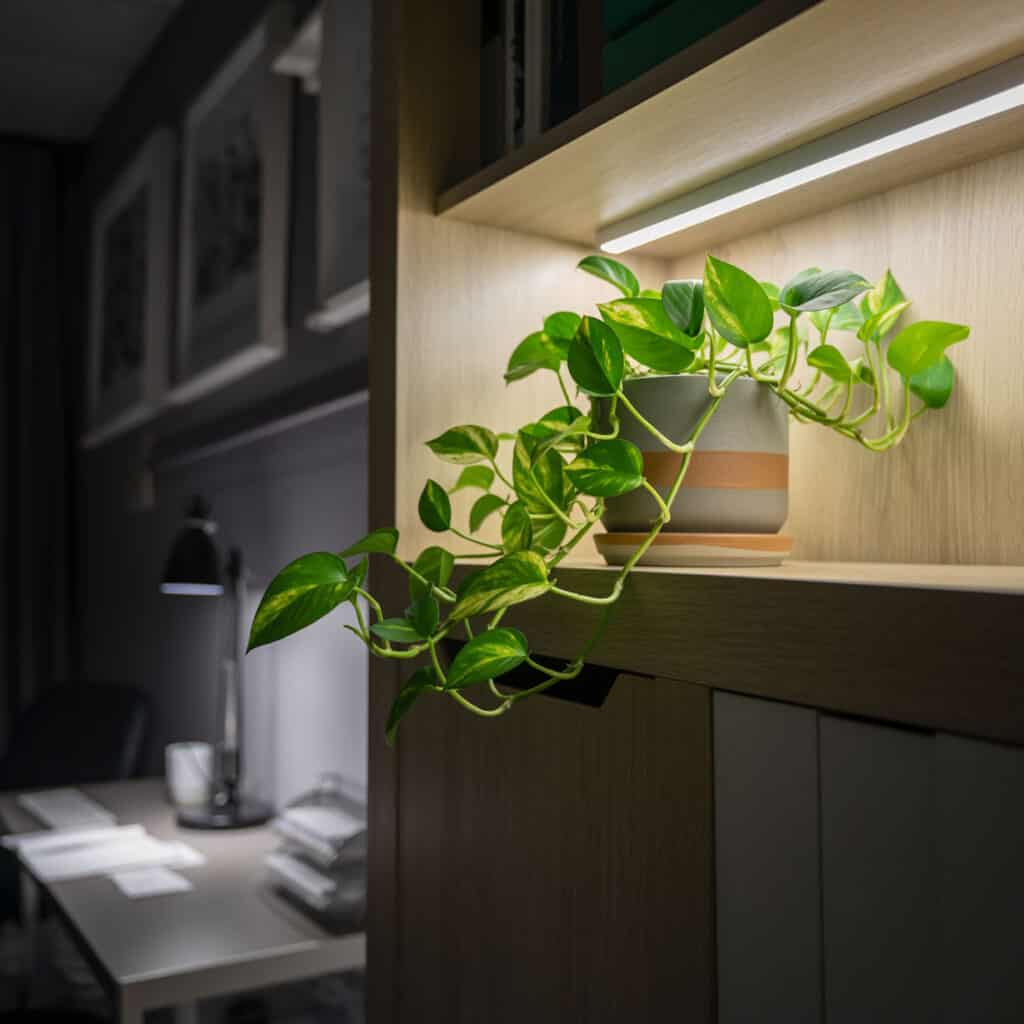
Pothos is often sold as a bright light plant, but it adapts surprisingly well to low light environments. I have grown pothos in offices with no windows where the lights were on most of the day, and it held up better than expected. It is especially useful when you want something that can trail or soften hard edges.
In low light, pothos changes its behavior. Leaves become smaller and internodes stretch a bit more. Variegated varieties lose contrast, so I usually recommend green pothos for dark spaces. The biggest caveat is leggy growth over time, which can be managed with pruning. In very dark basements, pothos is borderline, but still workable with patience.
- ⚠️ Basements
- ✅ Offices with overhead LED lighting
- ✅ North-facing rooms
5. Heartleaf Philodendron (Philodendron hederaceum)
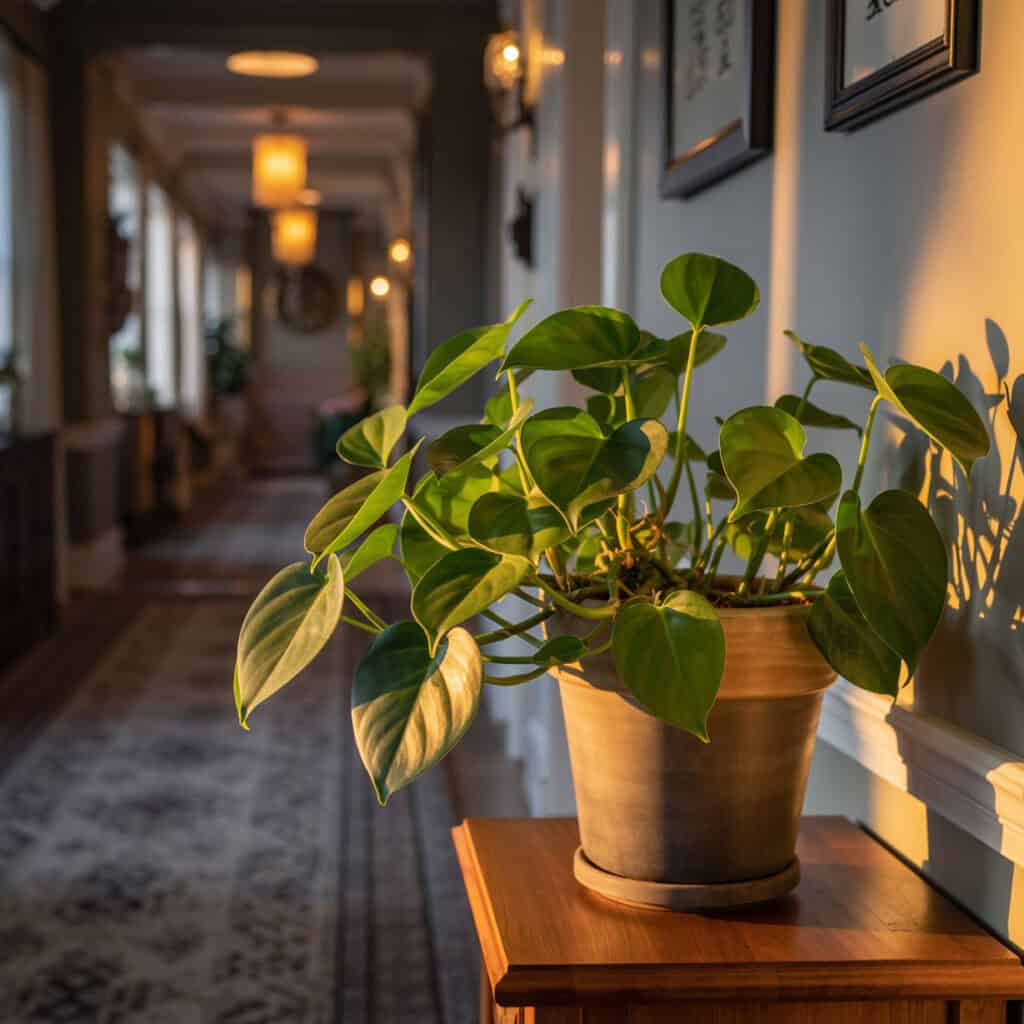
Heartleaf philodendron feels similar to pothos but is slightly more tolerant of shade in my experience. Its soft, matte leaves seem better adapted to low light, and it handles artificial lighting well. I like it for offices and interior rooms where windows are not part of the equation.
In low light, it will stretch a little and grow more slowly, but it rarely drops leaves. Pruning encourages fuller growth, even in dim spaces. The main issues are elongated stems under LEDs and uneven growth if not rotated occasionally. Overall, it is a very forgiving plant for low light homes.
- ⚠️ Basements
- ✅ Offices with overhead LED lighting
- ✅ North-facing rooms
6. Chinese Evergreen (Aglaonema)
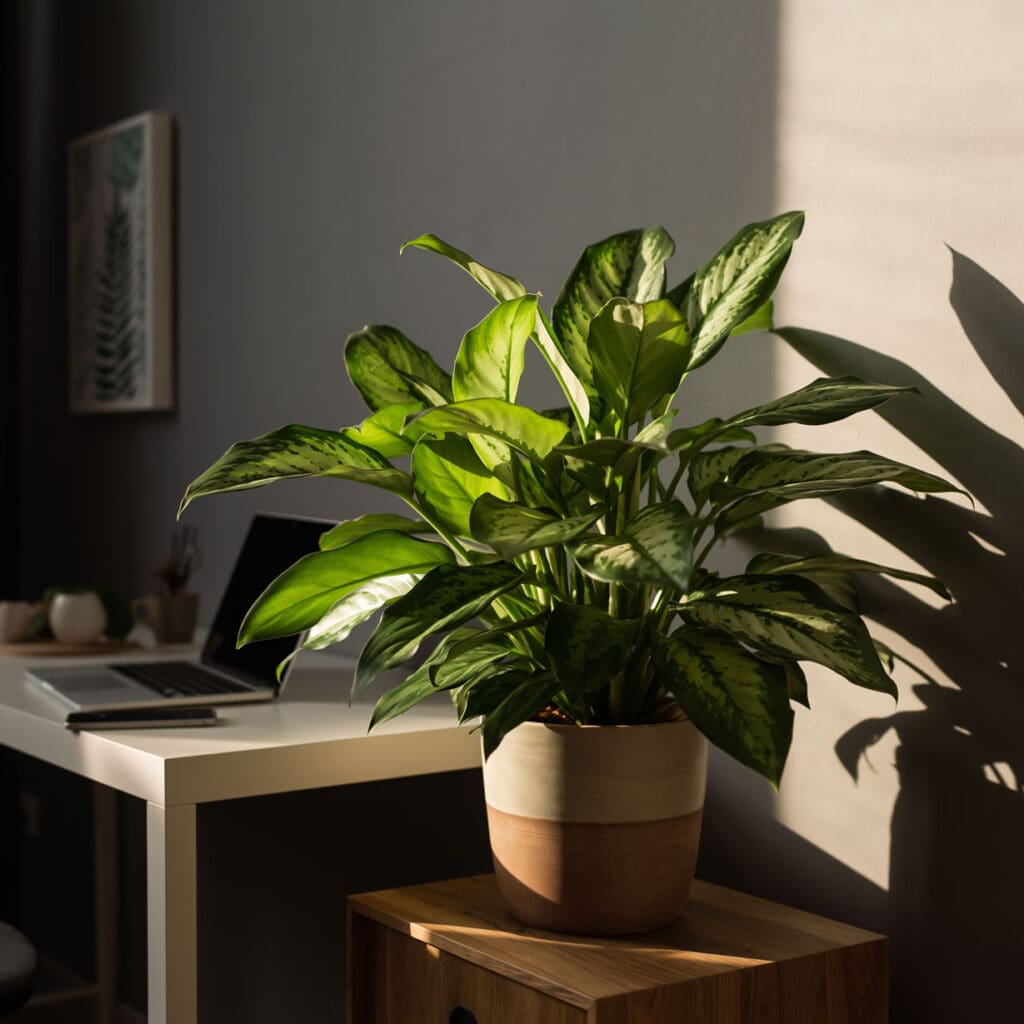
Chinese evergreen is one of the most reliable low light foliage plants I grow. It performs well in basements, offices, and north-facing rooms, especially the green leaf varieties. I appreciate how consistent it is, even when conditions are not ideal.
This plant prefers stable temperatures and consistent watering, but it does not demand much light. The biggest caveat is that variegated cultivars need more light, so they are not ideal for windowless rooms. Chinese evergreens are also sensitive to cold, especially near drafty doors or unheated spaces.
- ✅ Basements
- ✅ Offices with overhead LED lighting
- ✅ North-facing rooms
7. Peace Lily (Spathiphyllum)
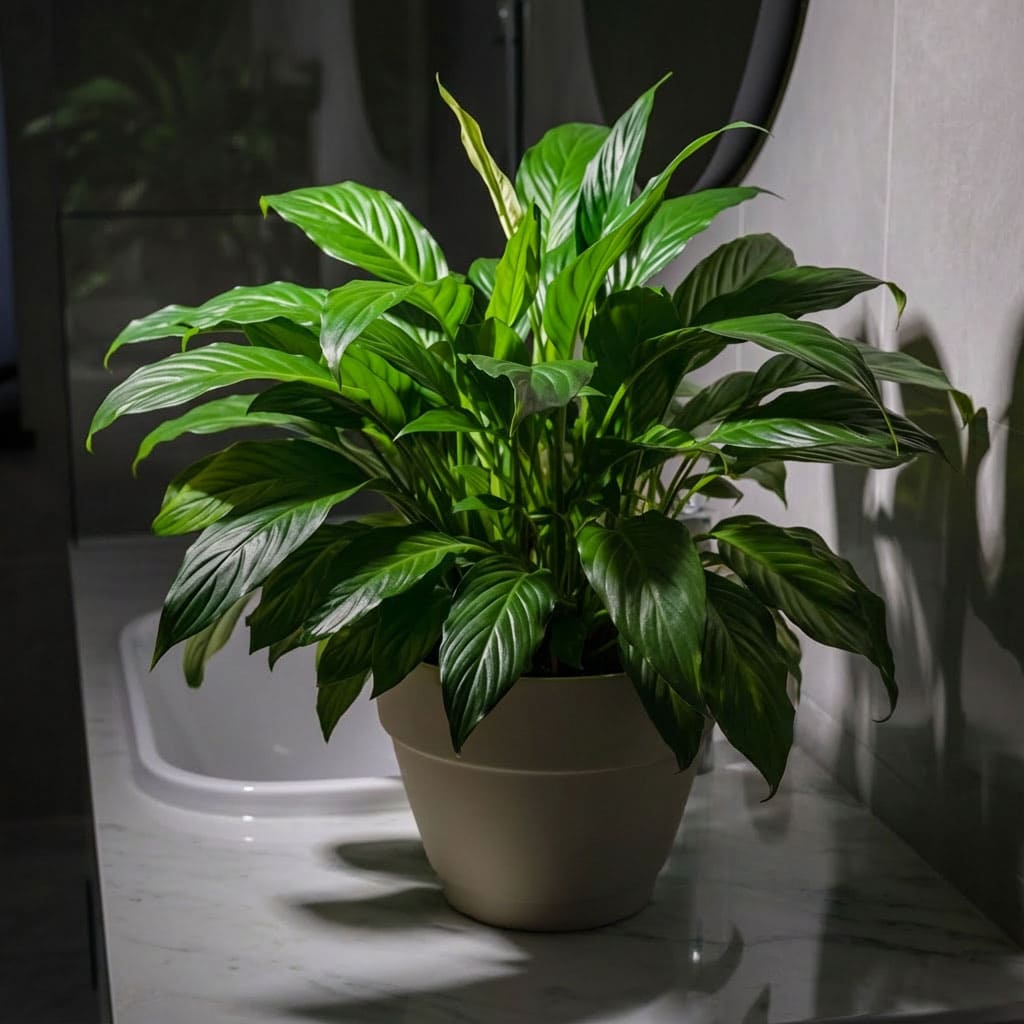
Peace lilies are often associated with low light, and while they tolerate it well, expectations matter. In low light spaces, peace lilies focus on foliage rather than flowers. I still include them because they adapt well to shade and give clear signals when they need water.
In windowless rooms, peace lilies may not bloom often, but the leaves remain lush if cared for properly. They are known for dramatic wilting when dry, which can be alarming but is usually reversible. The main limitation is reduced flowering in low light, which is normal and not a health issue.
- ⚠️ Basements
- ⚠️ Offices with overhead LED lighting
- ✅ North-facing rooms
8. Parlor Palm (Chamaedorea elegans)
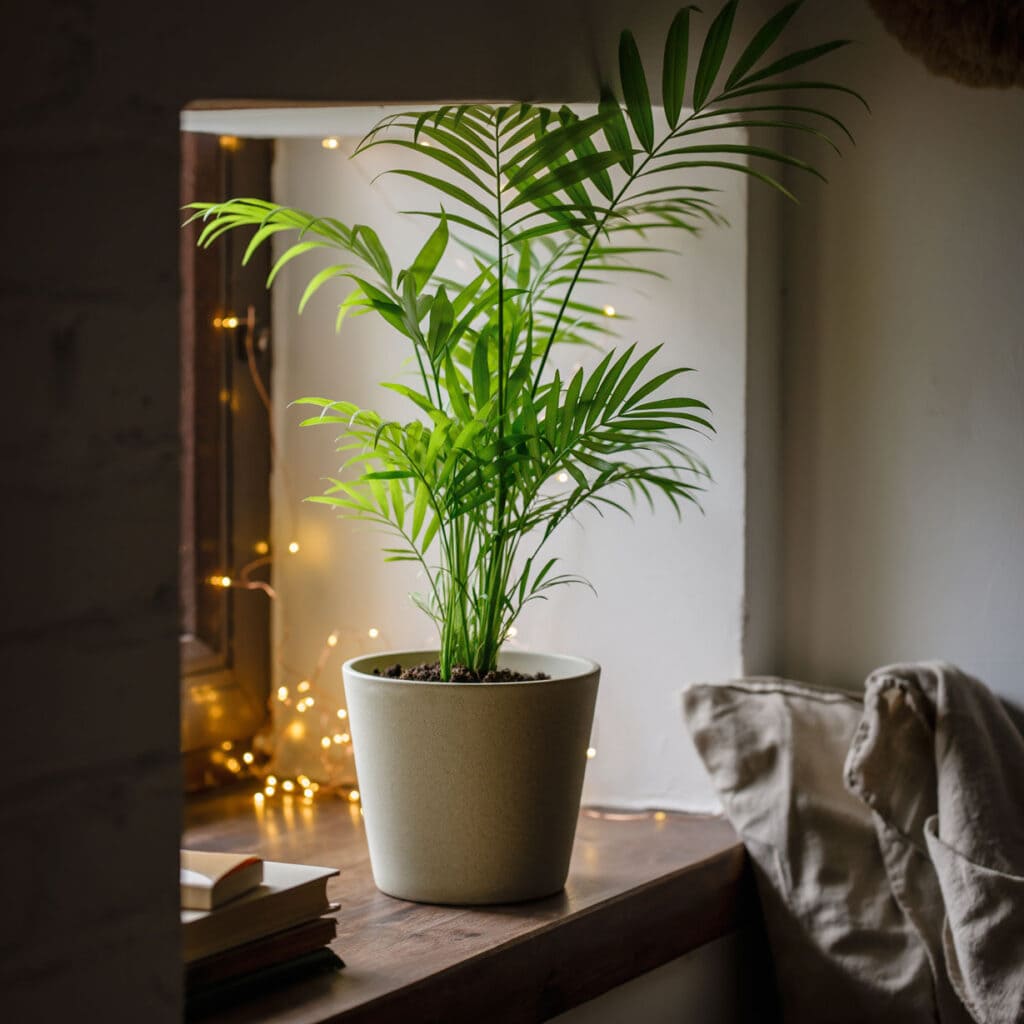
Parlor palms evolved as understory plants, which makes them naturally suited to low light conditions. I like them in offices and living spaces where softer texture is needed. They handle artificial lighting well as long as it is consistent.
In darker rooms, parlor palms grow slowly and stay compact. That is often a benefit indoors. The biggest caveats are dust accumulation on leaves, which limits light absorption, and slow growth in deep shade. They prefer stable environments and do not like frequent moves.
- ⚠️ Basements
- ✅ Offices with overhead LED lighting
- ✅ North-facing rooms
9. Dracaena (Janet Craig or Lisa)
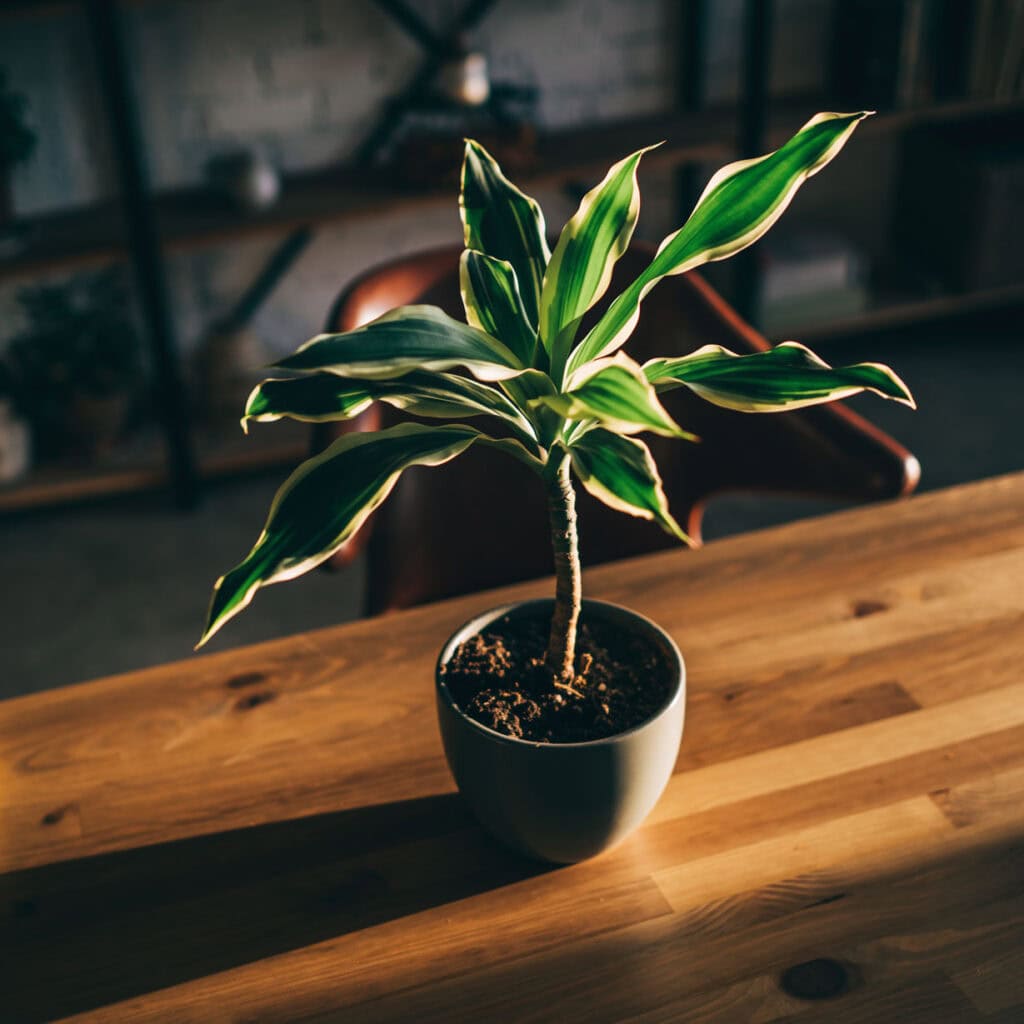
Dark leaf dracaena varieties like Janet Craig and Lisa are staples in commercial interiors for good reason. They tolerate low light, artificial lighting, and infrequent watering better than many plants. I often recommend them for offices and basements with finished living space.
In low light, dracaenas maintain their form but slow their growth. They do best when not placed directly under vents. The main issues to watch for are sensitivity to fluoride in tap water and stress from HVAC airflow, both of which can cause leaf tip browning.
- ✅ Basements
- ✅ Offices with overhead LED lighting
- ✅ North-facing rooms
10. Spider Plant (Chlorophytum comosum)
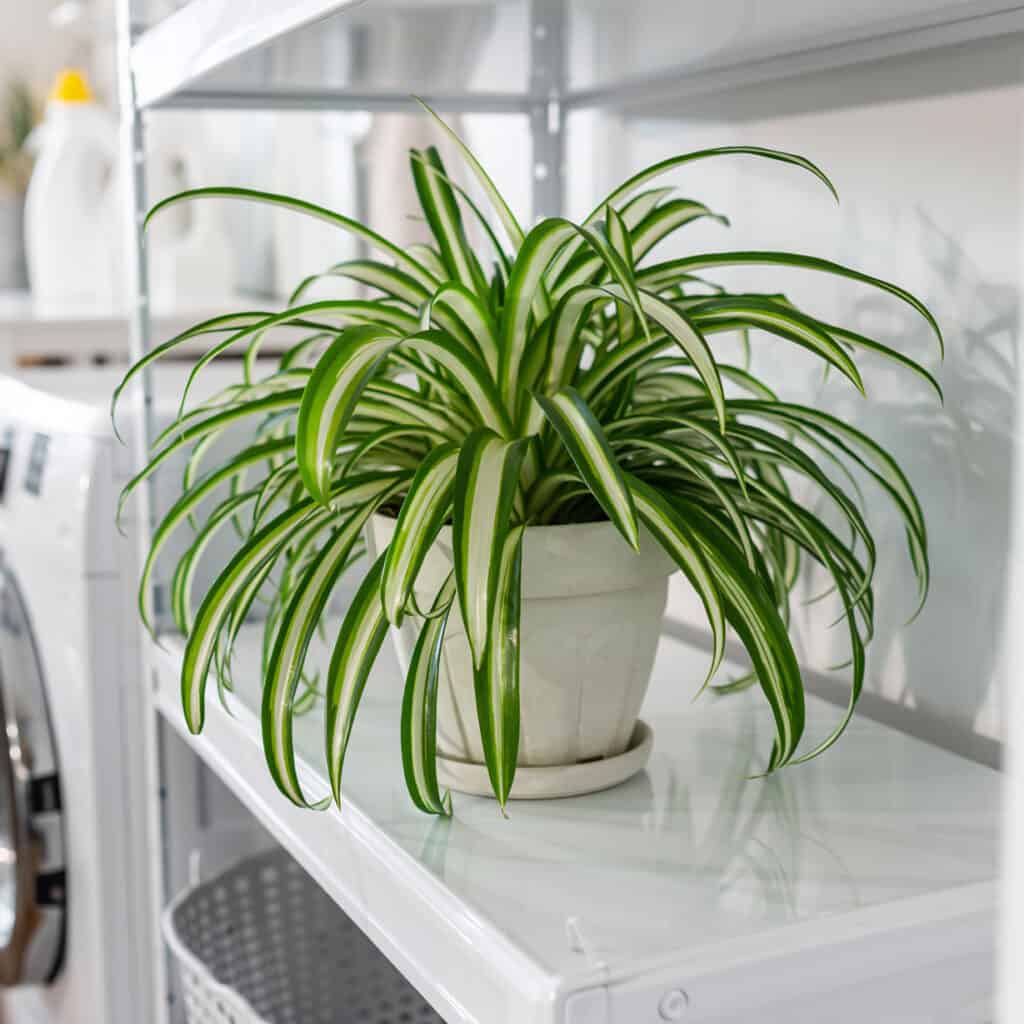
Spider plants are adaptable and forgiving, though they are not the strongest low light performers on this list. I include them because they survive well in north-facing rooms and moderate artificial light, even if they do not thrive.
In darker spaces, spider plants produce fewer offshoots and grow more slowly. They remain healthy but less productive. The main caveats are reduced spiderette production and brown tips from water quality issues, which are more noticeable when growth is slow.
- ⚠️ Basements
- ⚠️ Offices with overhead LED lighting
- ✅ North-facing rooms
11. Lucky Bamboo (Dracaena sanderiana)
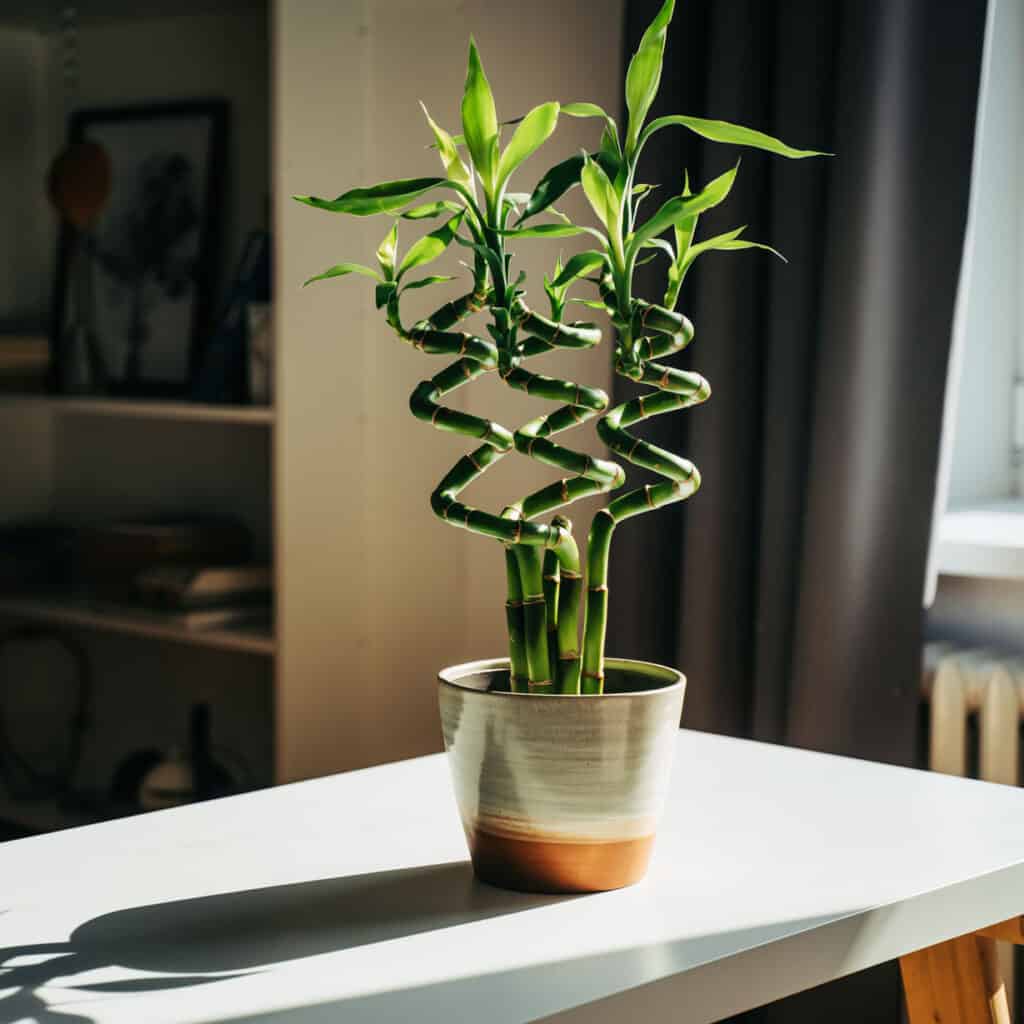
Lucky bamboo is actually a dracaena, which explains its tolerance for low light. I have kept it alive for years in offices with no windows, grown in both water and soil. It adapts well to artificial lighting and shaded environments.
When grown in water, lucky bamboo requires more attention than most people expect. Regular water changes are essential to prevent stagnation. It also reacts poorly to direct sunlight, so bright window placement can cause stress, even though it tolerates shade well.
- ✅ Basements
- ✅ Offices with overhead LED lighting
- ⚠️ North-facing rooms
12. Dieffenbachia (Dumb Cane)
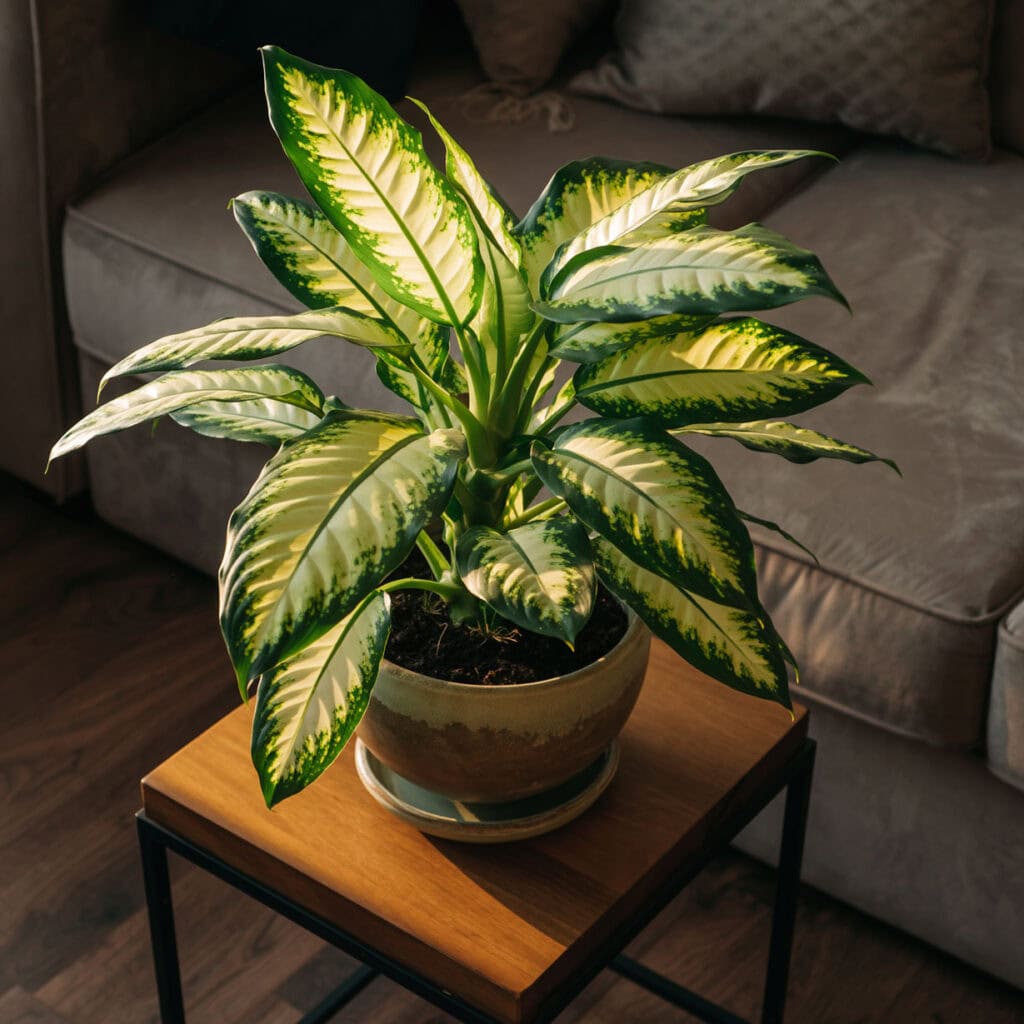
Dieffenbachia has large leaves that suggest it needs more light, but it adapts better to low light than many people realize. I use it in north-facing rooms and offices where it provides a bold presence without demanding direct sun.
In darker spaces, dieffenbachia grows more slowly and may stay smaller, which is often desirable indoors. The main caveats are toxicity if ingested and sensitivity to inconsistent watering, which can lead to leaf drop if care fluctuates.
- ⚠️ Basements
- ⚠️ Offices with overhead LED lighting
- ✅ North-facing rooms
Final Thoughts
Low light does not have to mean giving up on plants entirely. It simply means choosing species that evolved for shade and understanding how their growth changes when light is limited. In windowless rooms, survival and stability matter more than fast growth or constant flowering.
If there is one pattern I see repeatedly, it is that low light plants fail far more often from overwatering than from lack of light. When light is limited, water less, be patient, and let the plant set the pace. With the right choices, even rooms without windows can support healthy, long-lived houseplants.