


I almost threw it out without thinking. The top came off clean, the fruit was already sliced, and it felt like the job was done. But the base looked too intact to ignore. It still had structure, still felt alive, and that was enough to pause.
Pineapple is one of those things that does not look like it should grow again once it is cut. It feels final. But the top is where all the potential is. With a bit of patience, it turns into a plant that looks like it belongs in a greenhouse, not on a kitchen counter.
Here is exactly how I grow pineapple indoors from the top, what actually matters, and what tends to go wrong if you skip a step.
1. Choose the Right Pineapple Top
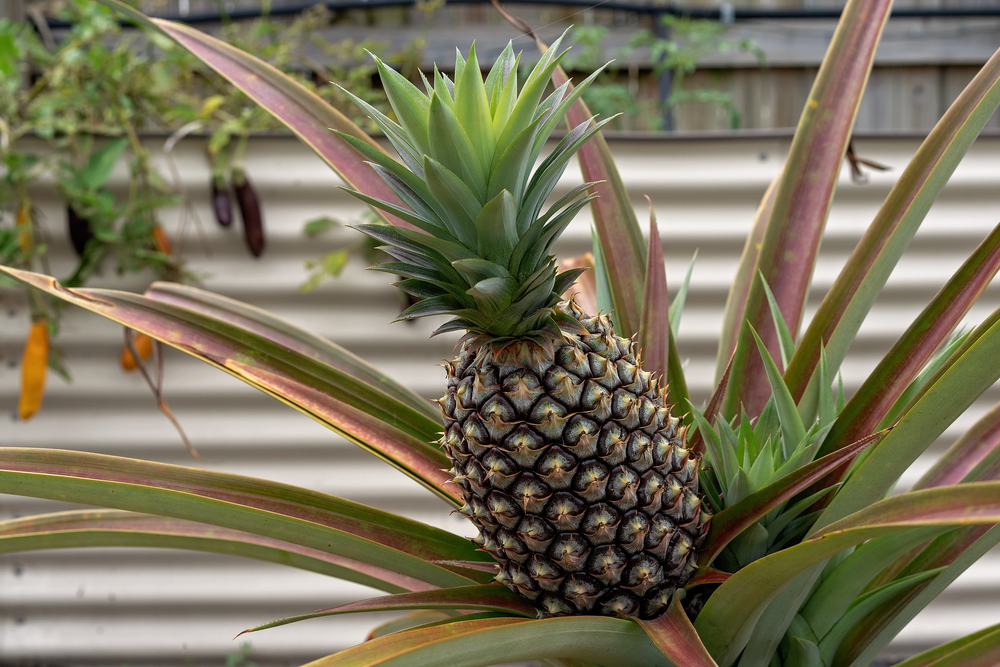
Not every pineapple top is worth keeping.

I look for one with firm, upright green leaves and a base that is not soft or discolored. If the center feels loose or the bottom looks brown and mushy, it is usually already too far gone.
When removing the top, I prefer to twist it off rather than cut it. A clean twist separates the crown from the fruit and leaves the base more intact. If you do cut it, just make sure you remove any excess fruit flesh afterward. Leaving that attached is one of the easiest ways to cause rot later.
Starting with a healthy top saves you from trying to fix problems that show up days later.
2. Prep the Top Before Planting
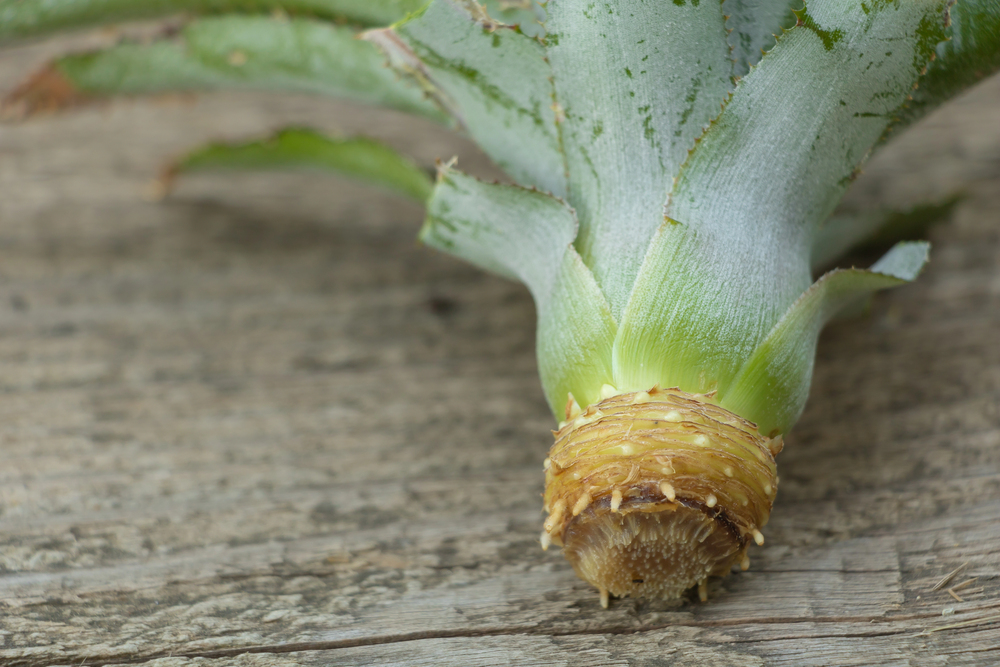
This is the step that makes the biggest difference and is also the easiest to skip.
Once the top is removed, I peel away the lower leaves to expose about an inch of the stem. You will start to see small root points along that base. That is where new growth will come from.
After that, I leave it out to dry for a day or two. It feels counterintuitive, but letting the cut end callus over helps prevent rot once it is planted or placed in water.
When it is ready, the base should feel slightly firm and dry, not fresh and wet. That small change in texture is what you are looking for.
3. Root It in Water or Plant It Directly
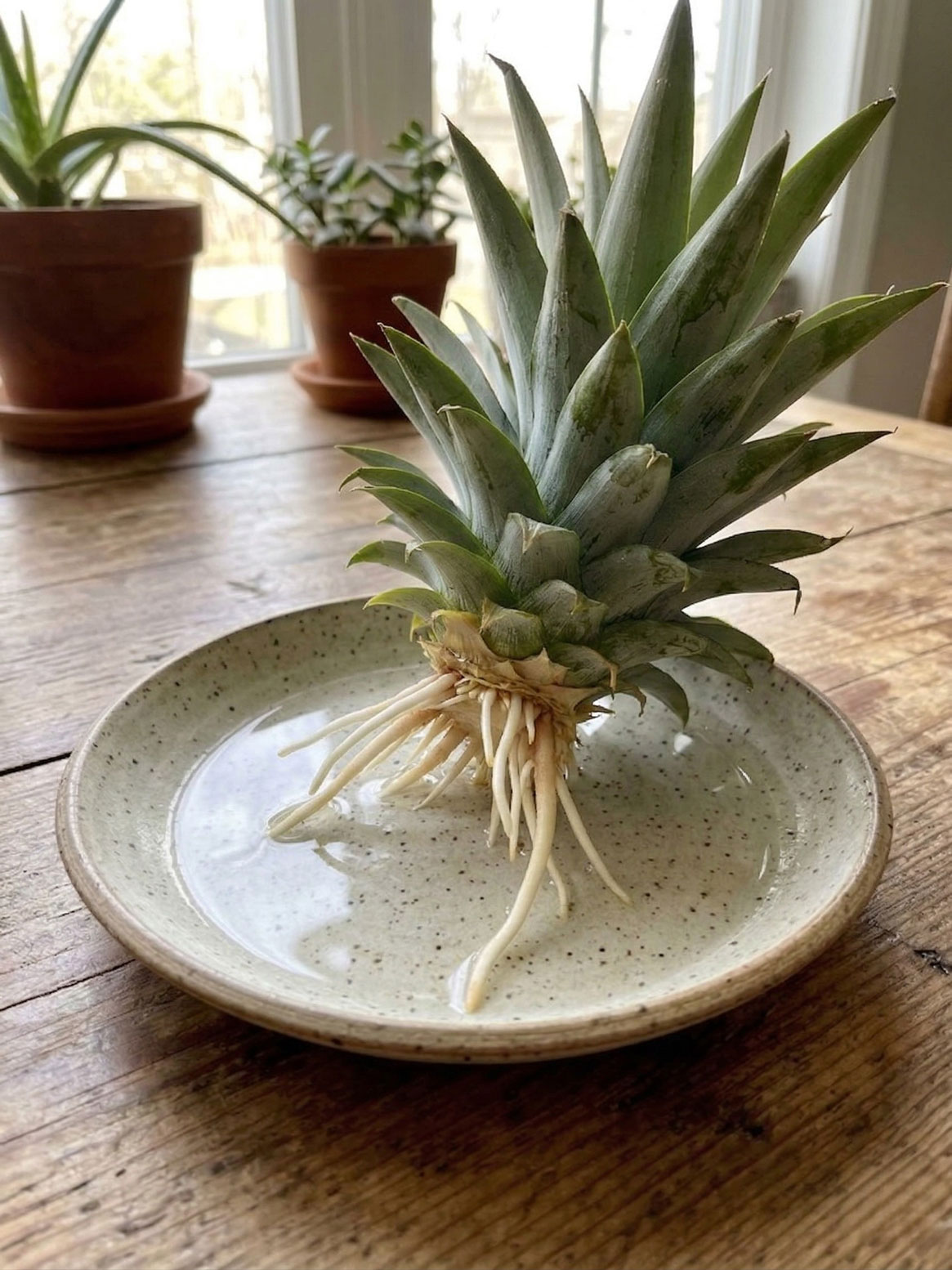
There are two ways to get a pineapple top started, and both work.
The water method is more visual. I place the base in a shallow glass so only the exposed stem touches the water. The leaves stay dry. I change the water every few days and watch for roots to form.
The soil method skips that step entirely. I plant the top directly into a pot with well-draining soil and let it root in place.
I have done both, and the results are similar. Water makes it easier to track progress, while soil tends to be more stable long term. If I am doing this just to watch the process, I start in water. If I want to keep the plant with minimal steps, I go straight to soil.
4. Transfer to Soil at the Right Time
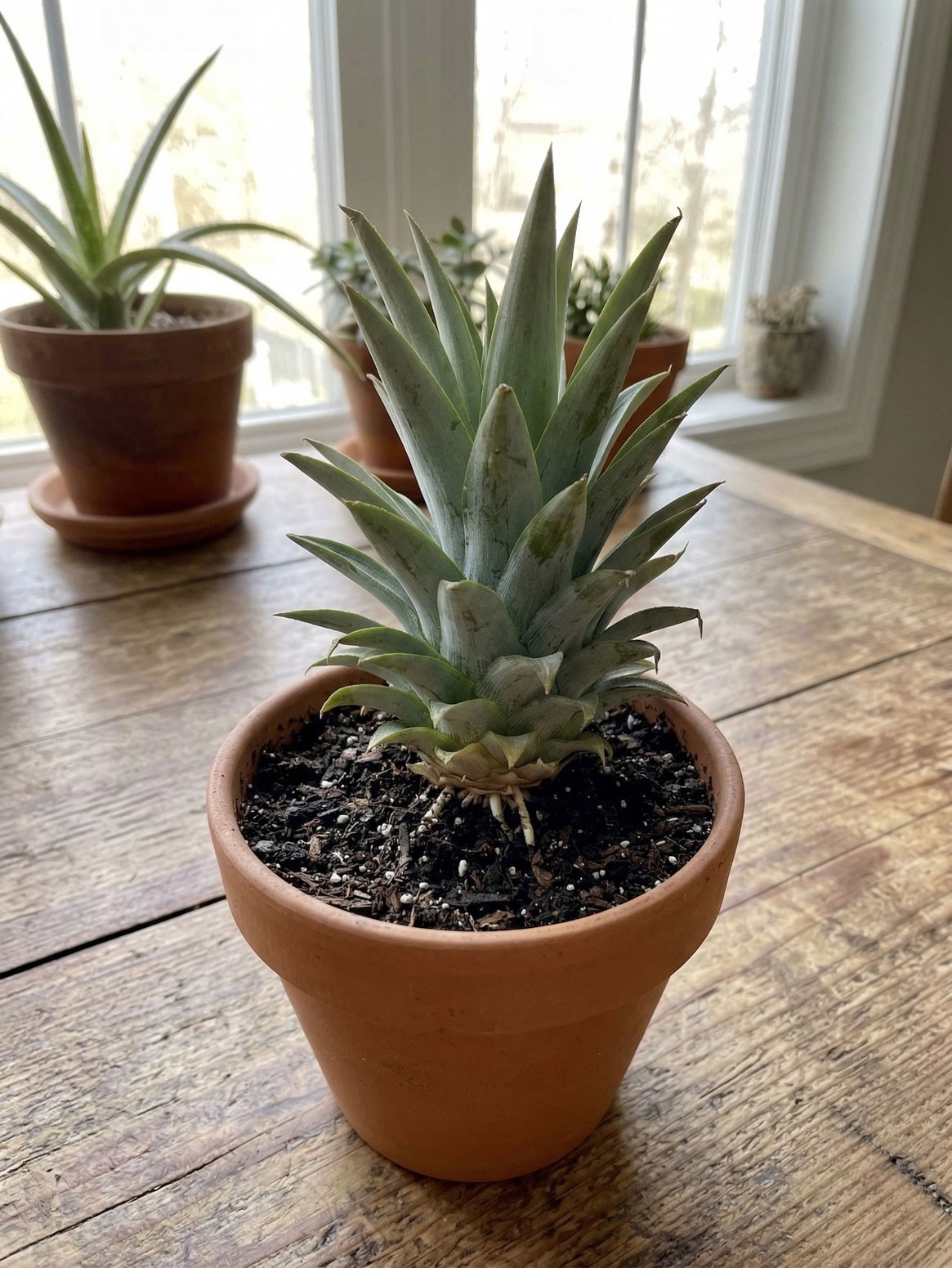
If you start in water, there is a point where the plant is ready to move.
I wait until the roots are a couple of inches long and clearly established. At that stage, the plant can handle the transition without stalling.
I plant it in a light potting mix and keep the base just at the soil line. The crown should sit above the surface, not buried. After planting, I water it lightly and let it settle in.
The first week or two can look uneventful. Growth may pause while the roots adjust. Once it takes hold, the plant starts to push out new leaves from the center.
5. Give It Warmth and Light
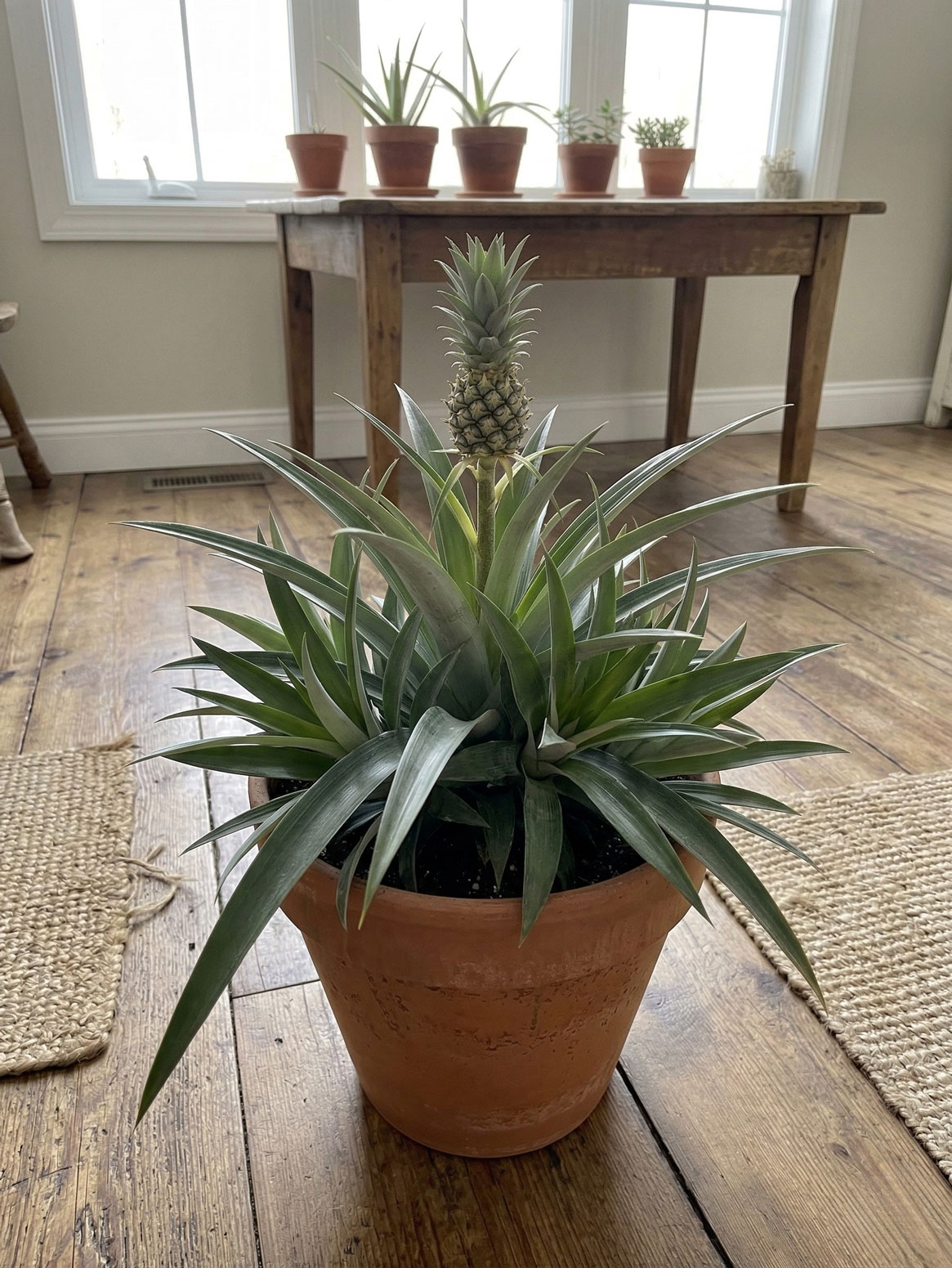
Pineapple is not subtle about what it wants. It needs warmth and light to do anything meaningful.
I keep mine in the brightest spot available, usually near a window that gets consistent sun throughout the day. Without enough light, the plant stays small and the leaves lose their structure.
Temperature matters just as much. This is a tropical plant, so it responds best to stable, warm conditions. Drafty windows or cold nights can slow it down more than you might expect.
Once you find the right spot, it is best to leave it there. Pineapple does not need to be moved around or adjusted constantly.
6. Water Lightly and Keep the Soil Balanced
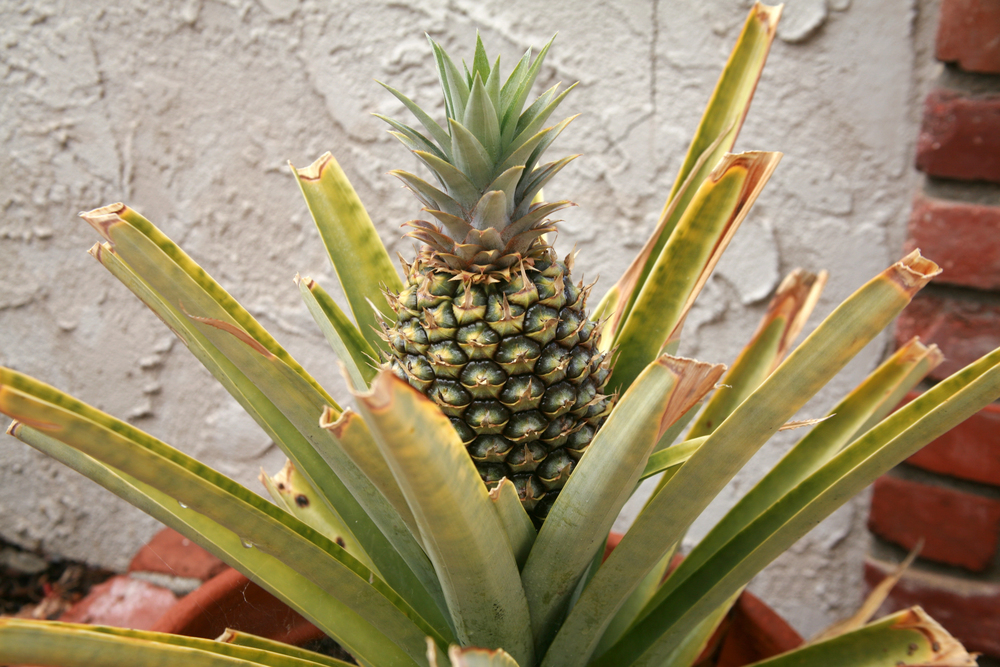
Watering pineapple is more about restraint than frequency.
I let the top layer of soil dry out slightly between waterings, then water thoroughly. The goal is to keep the soil evenly moist without letting it stay wet.
Too much water is what causes most issues. The base softens, and the plant struggles to recover. Good drainage and a light soil mix prevent that from happening.
Every so often, I add a small amount of water into the center of the plant where the leaves meet. This mimics how pineapple collects moisture in its natural environment.
7. Be Patient While It Establishes
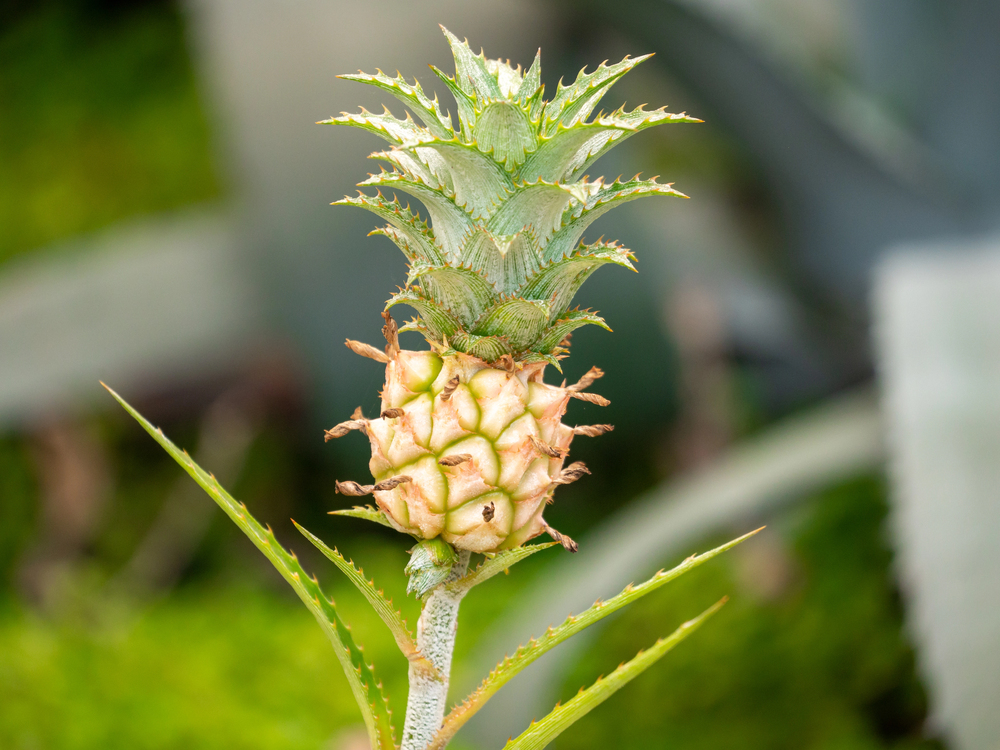
Early growth is subtle.
For a while, it looks like nothing is happening. The leaves stay the same size, and there is no obvious change above the soil. During this time, the plant is building its root system.
Eventually, new leaves start to emerge from the center. They come in tighter and slightly lighter in color at first. That is the sign the plant has settled in and is starting to grow.
From there, it becomes more consistent. It will not grow quickly, but it will move forward steadily.
8. What It Looks Like as It Grows
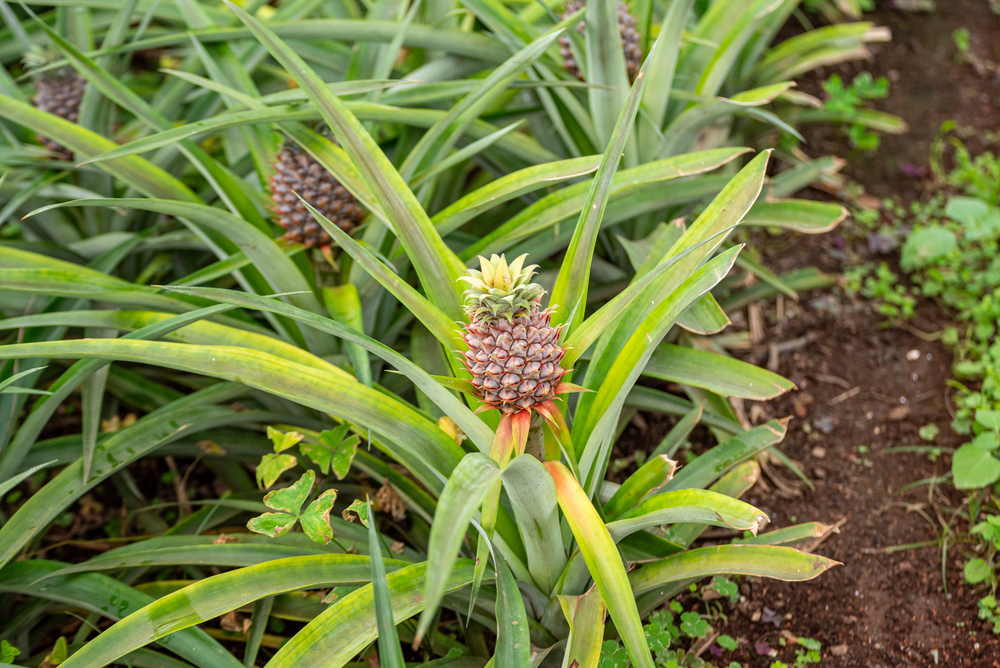
Over time, the plant starts to take on a more structured shape.
The leaves form a tight rosette and gradually spread outward. It becomes fuller and more defined, almost like a small ornamental plant rather than something grown from a scrap.
It does not take long before it stops feeling like a leftover from the kitchen and starts to feel like something you chose to grow.
This stage is where it becomes worth keeping, even if you never think about harvesting anything from it.
9. Will It Ever Grow a Pineapple
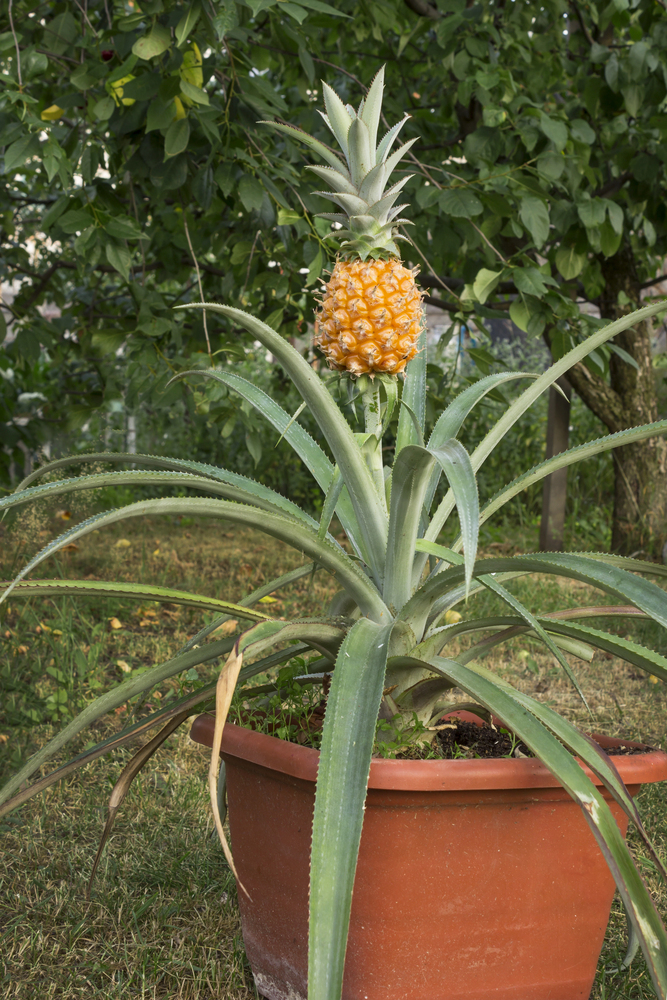
This is where expectations matter.
Pineapple plants can produce fruit, but it takes time. Usually at least one to three years, sometimes longer depending on conditions. Indoors, it is possible, but not guaranteed.
The plant needs strong light, consistent warmth, and enough maturity to reach that stage. Even then, it may not fruit without some extra encouragement.
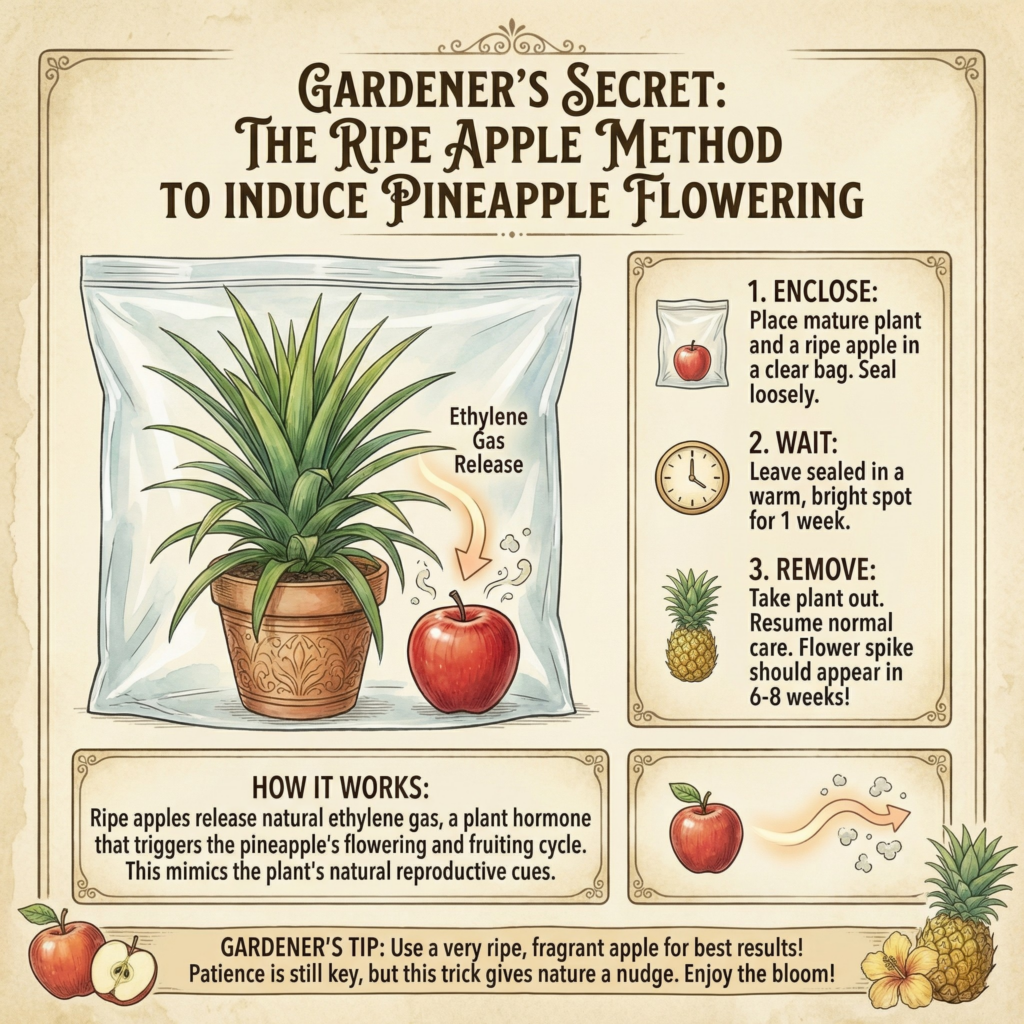
There is a method that uses a ripening apple placed near the plant to trigger flowering. It works by releasing natural gases that signal the plant to begin the process. It is not something I rely on, but it is an option if you want to try it later.
For me, the plant itself is enough. If it fruits, that is a bonus.
10. Common Problems and How to Fix Them
Most issues with pineapple come back to moisture and starting conditions.
If the base rots early on, it usually means it was not dried properly before planting or too much water was introduced too soon.
If no roots form in water, the top may not have been viable to begin with. Trying a new one is often easier than troubleshooting.
Brown or dry leaf tips can come from inconsistent watering or low humidity. Adjusting those conditions usually stabilizes things.
Slow growth is almost always tied to light or temperature. Increasing either one tends to move things forward.
Once the plant is established, problems become less common.
11. Growing Indoors with the Option to Move Outside
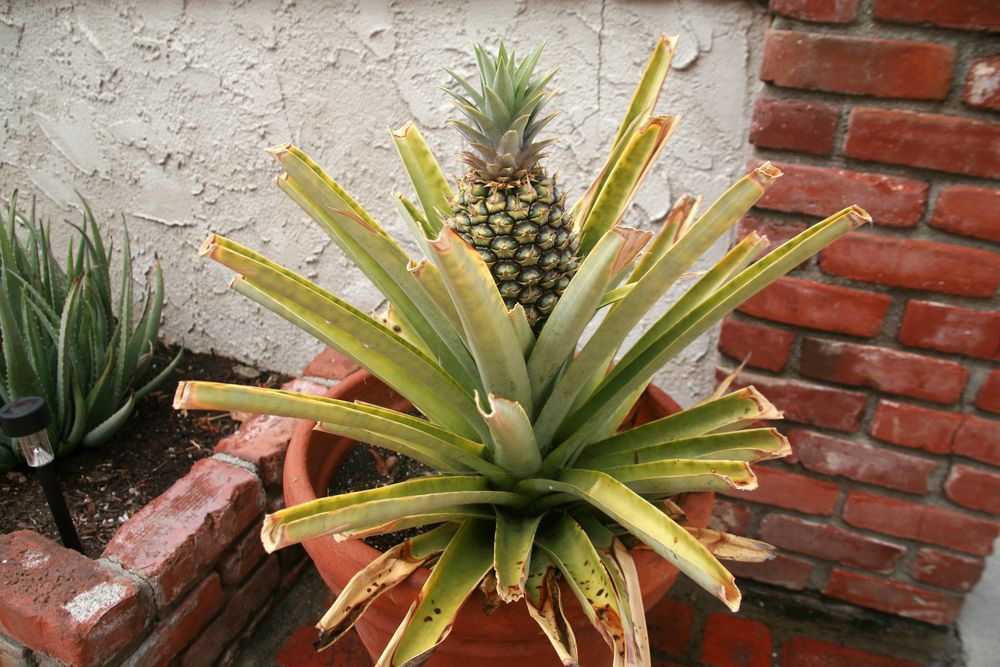
One of the easiest ways to improve growth is to give the plant a change of environment when possible.
In warmer months, I move mine outside where it gets more light and consistent heat. Growth picks up noticeably during that time.
Before temperatures drop, it comes back inside and continues at a slower pace. This cycle works well if you are in a climate with colder seasons.
Even without moving it, the plant can still grow indoors. It just takes a bit more time.
Final Thoughts
Growing pineapple from a store-bought top is one of those things that feels unlikely until you see it happen. It starts as a small decision to not throw something out, and over time it becomes a plant that holds its place in the room.
It does not need much once it is set up. Just light, warmth, and a bit of patience.
If you have already tried growing something like ginger or turmeric, this fits into that same rhythm. It is simple, a bit slower, and more interesting the longer you leave it alone.