


Harvest kumara, warm-up worm farms, prep asparagus for winter, plan new plantings, and lets not forget the heart of the operation – tis the perfect season for compost making.


Harvest kumara, warm-up worm farms, prep asparagus for winter, plan new plantings, and lets not forget the heart of the operation – tis the perfect season for compost making.
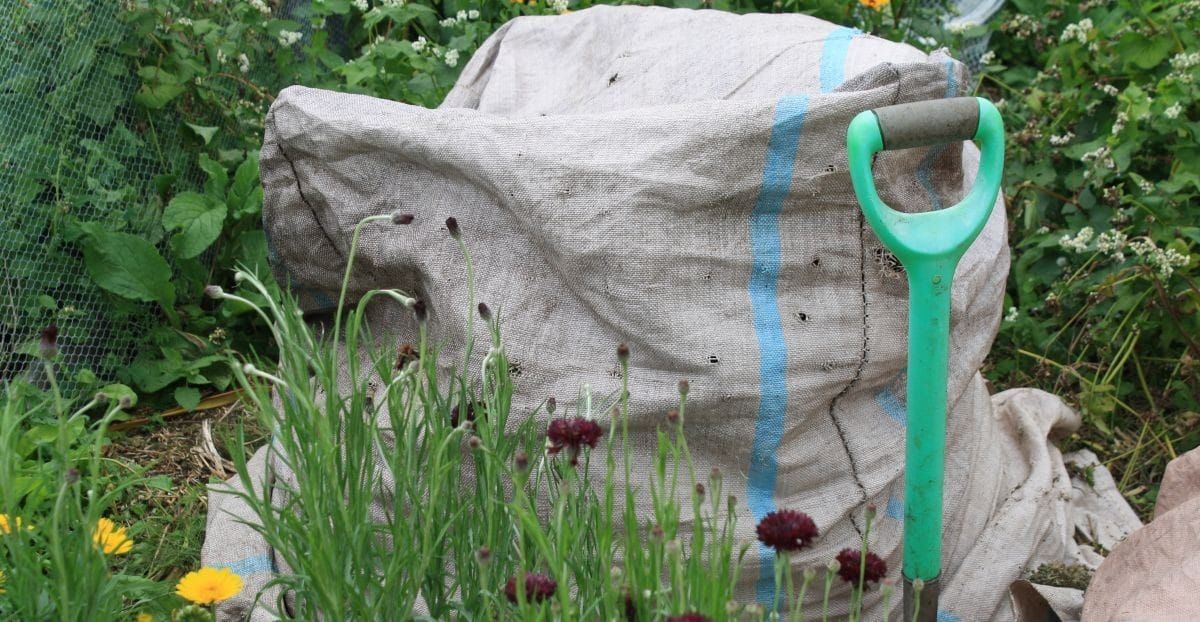
There’s heaps of finished crops/ flowers/ perennials/ homemade hay about, providing a bounty of ingredient – right there in your garden. Whether you make freestanding 1.2m high piles like the one in the pic above, or make it in a bin – keep it simple, use what you’ve got and make it work for you.
Homemade compost is totally doable – you only need a little with each seedling at planting time. Remember, the bulk of your plants needs are met, not by compost, but by the living mulch.
If you are running a worm farm for your food scraps you need even less compost, as vermicast can be mixed in to extend your compost, or used as an alternative when compost runs low.
What to plant and sow in May
Direct sow
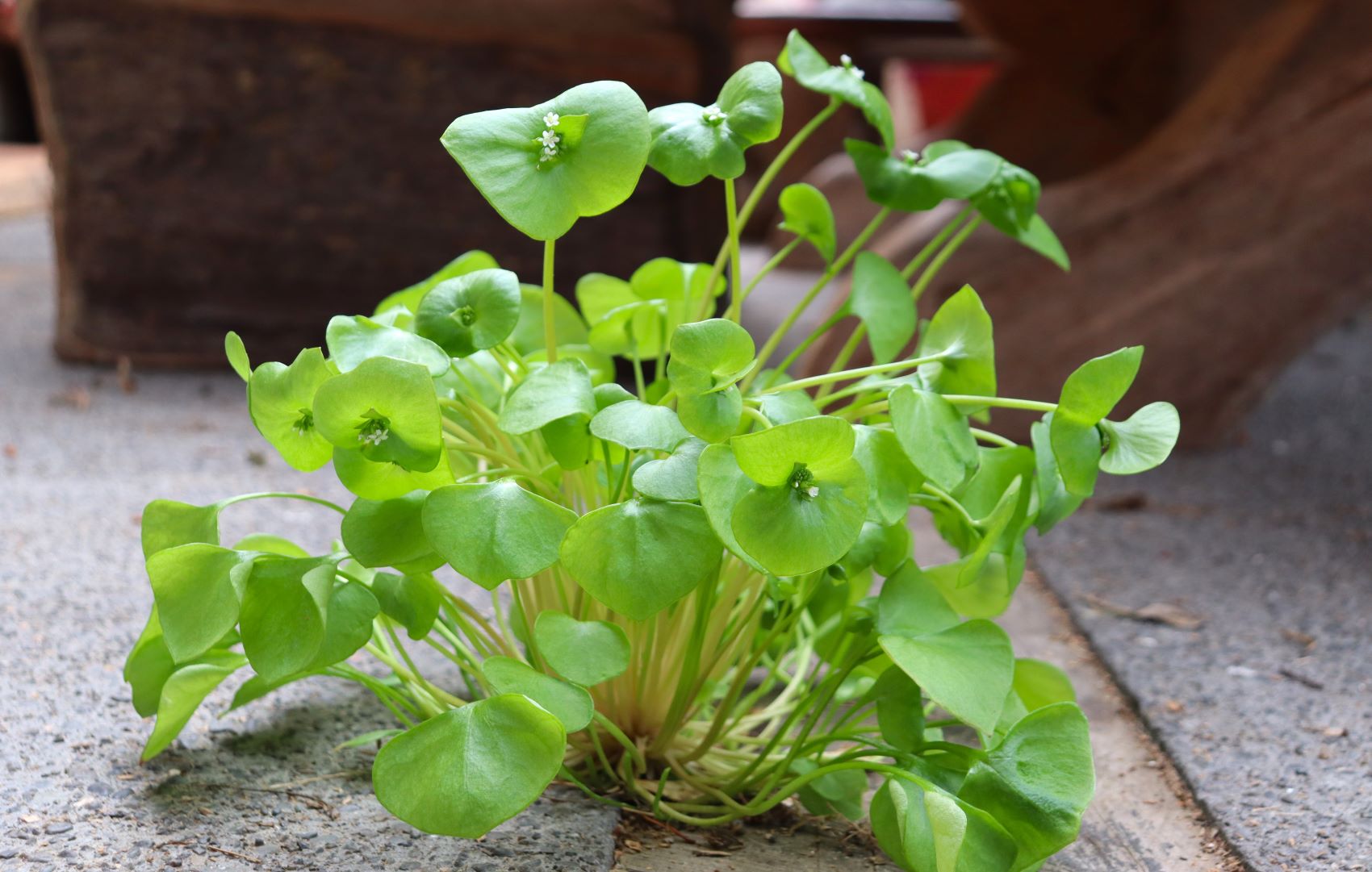
- Corn salad and miners lettuce are sweet little winter/ spring cut and come again greens. Small crops like these need to be on the picking edge of your gardens so they aren’t outcompeted. They are also great in pots. Sow them once, let them self seed and they’ll arrive faithfully every autumn.
- Greencrops: make a mixture and sprinkle in any gaps to keep your living mulch happening.
- Coriander and rocket may need to be undercover (ie the greenhouse, a cloche or on a porch) if temperatures are chilly at yours.
- Mizuna is a super handy, easy as, cold hardy green to sow now. Let it self seed and have it ever after.
- Calendula, sweet peas and poppies
Tray Sow
Direct or Tray Sow
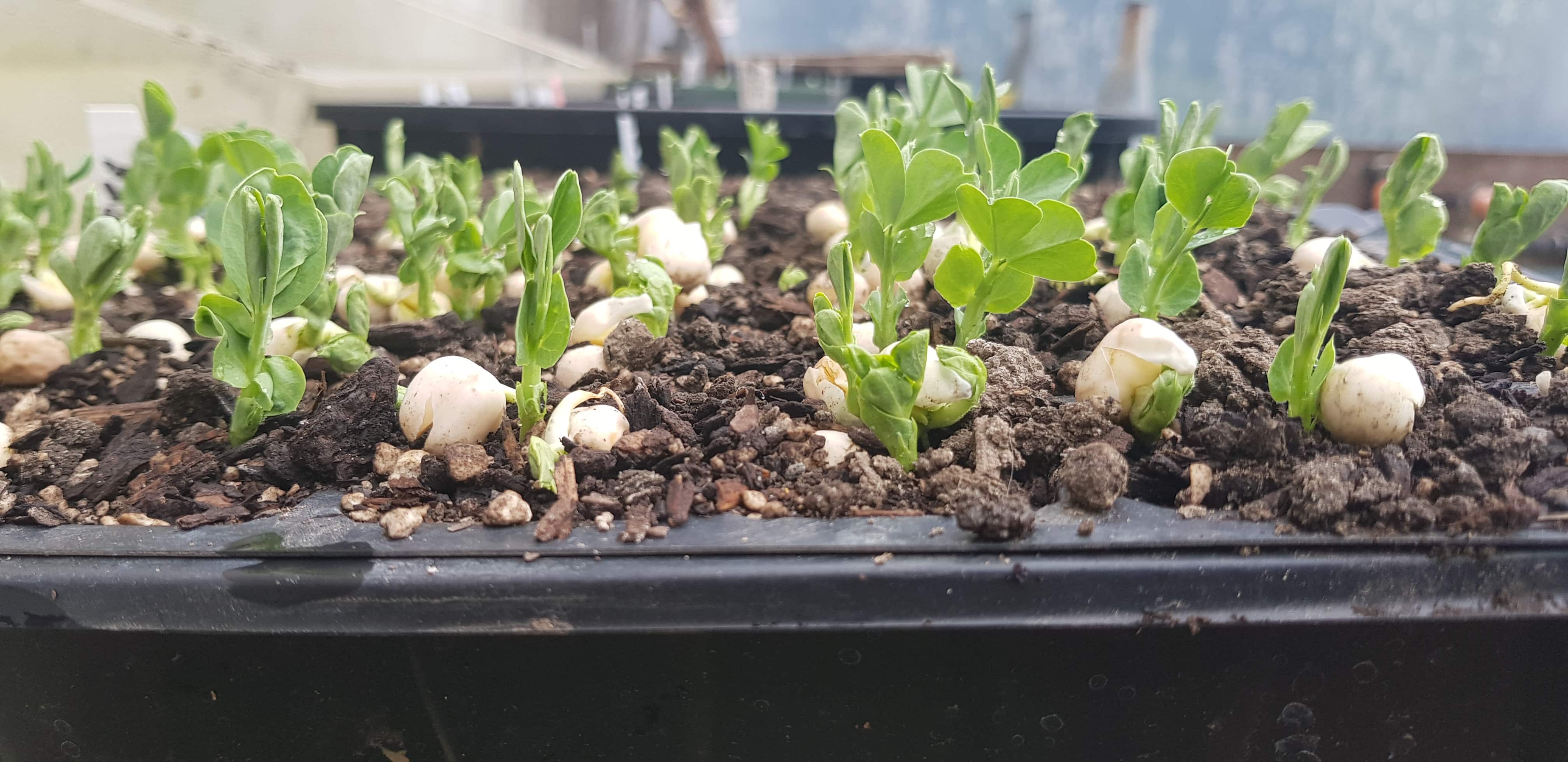
- Broadbeans are best tray sown where soils are heavy + wet, and slug populations high.
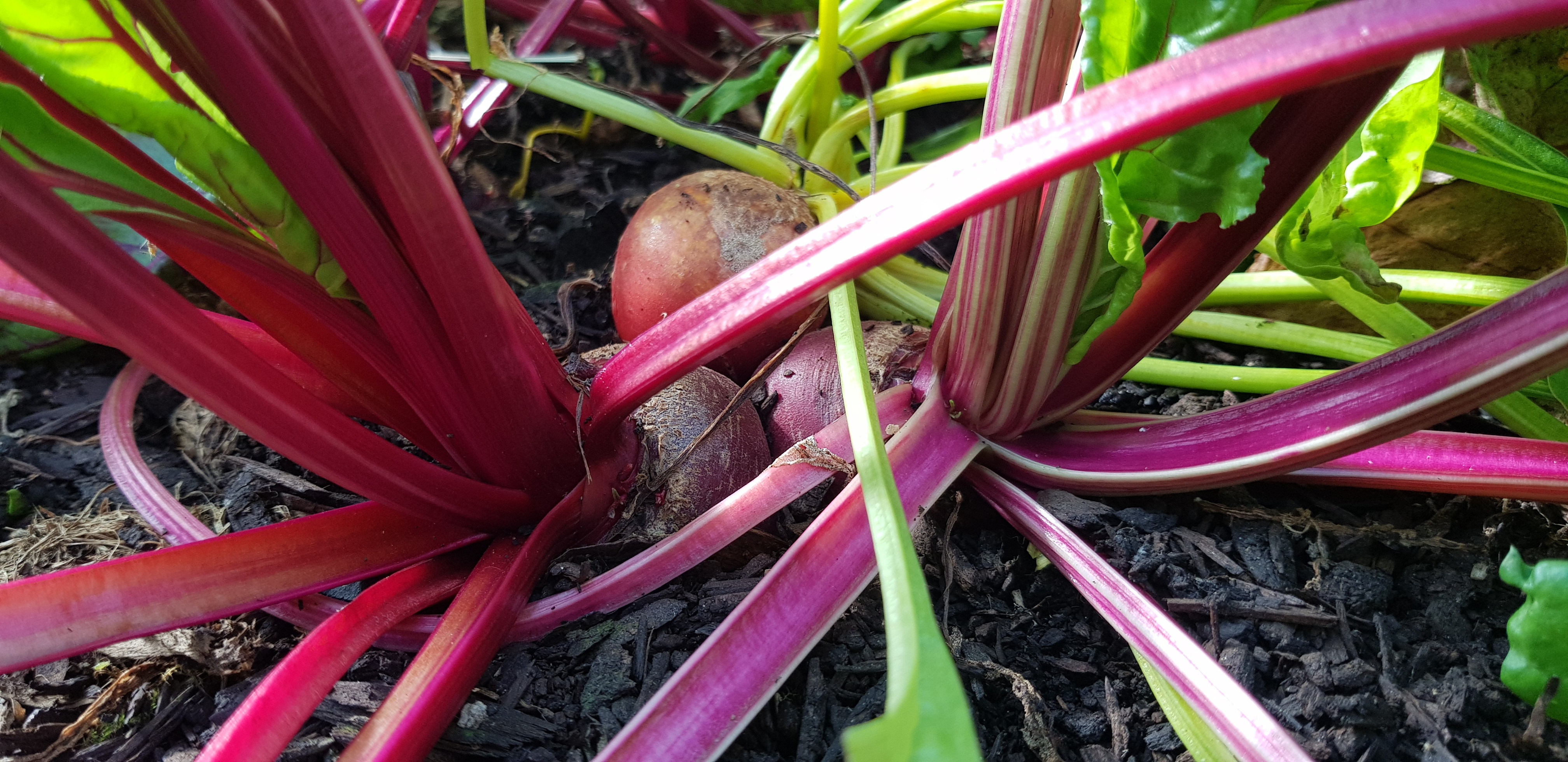
- Spinach, coriander and beetroot can be direct sown in the greenhouse as the weather and soils cool. Though they all handle cooler soil, they grow faster and therefore sweeter in the warmth.
- Good companions like calendula, poppies, cornflowers, larkspur and sweetpeas (must have sweetpeas!)
Transplant
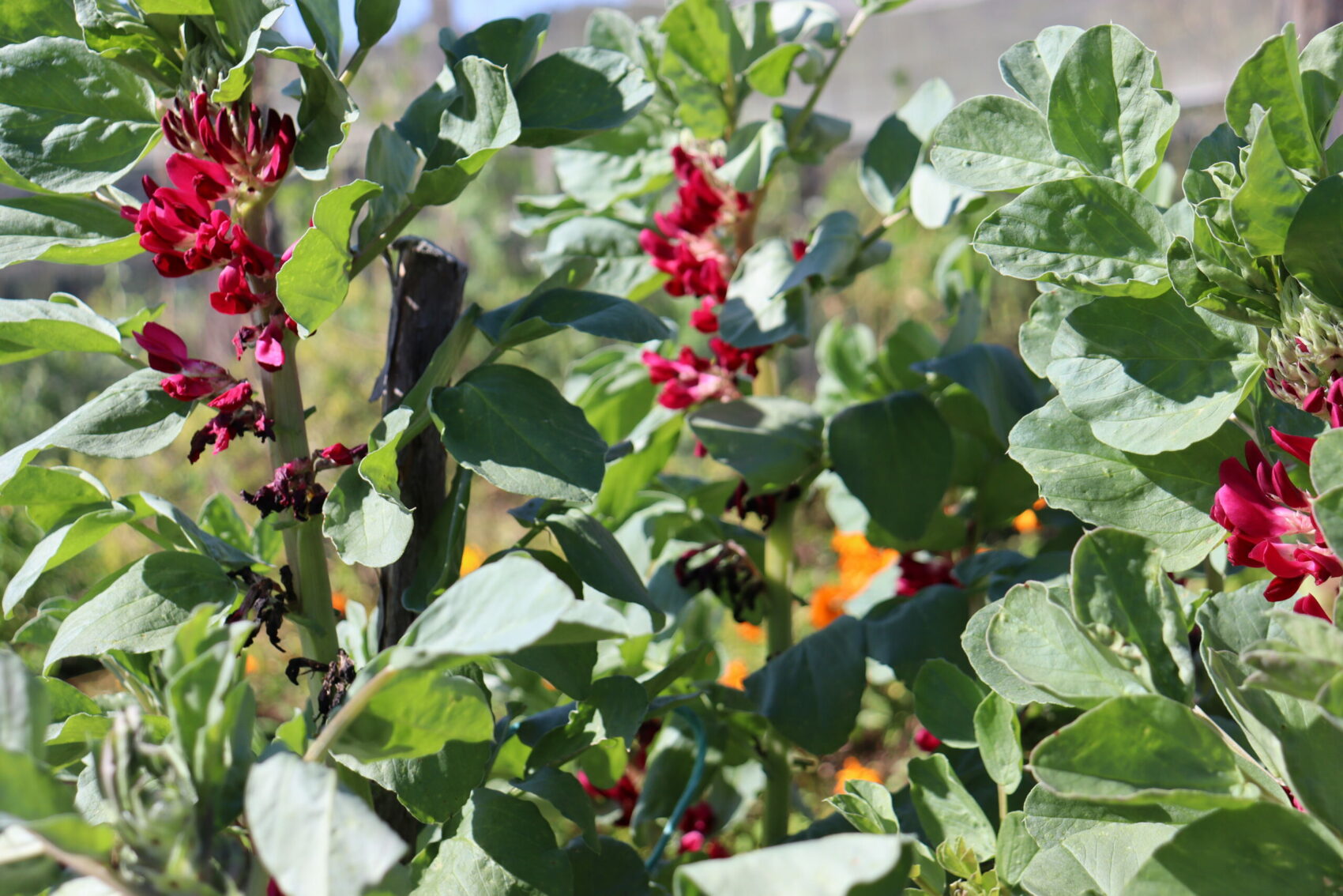
- Broadbeans, peas, beetroot and brassicas
- Loads of leafy greens like parsley, kale, perpetual spinach and rainbow chard.
- Salad greens that don’t mind cooler weather like endive, cos or “Merveille de quatre saisons”. Or grow salads in warmer places like in pots on the deck or in the greenhouse.
- Garlic, spring onions, red onions or brown onions.
- Celery – either outside or in the greenhouse to prevent rust.
- Lots of flowers like stock, primula, larkspur, cornflower and snapdragons
- Strawberries. If you raised your own plants from runners now’s the time to plant them out. May plantings have all winter to grow lovely big roots. Big roots = bigger plants = more cropping.
Regular + Odd Jobs
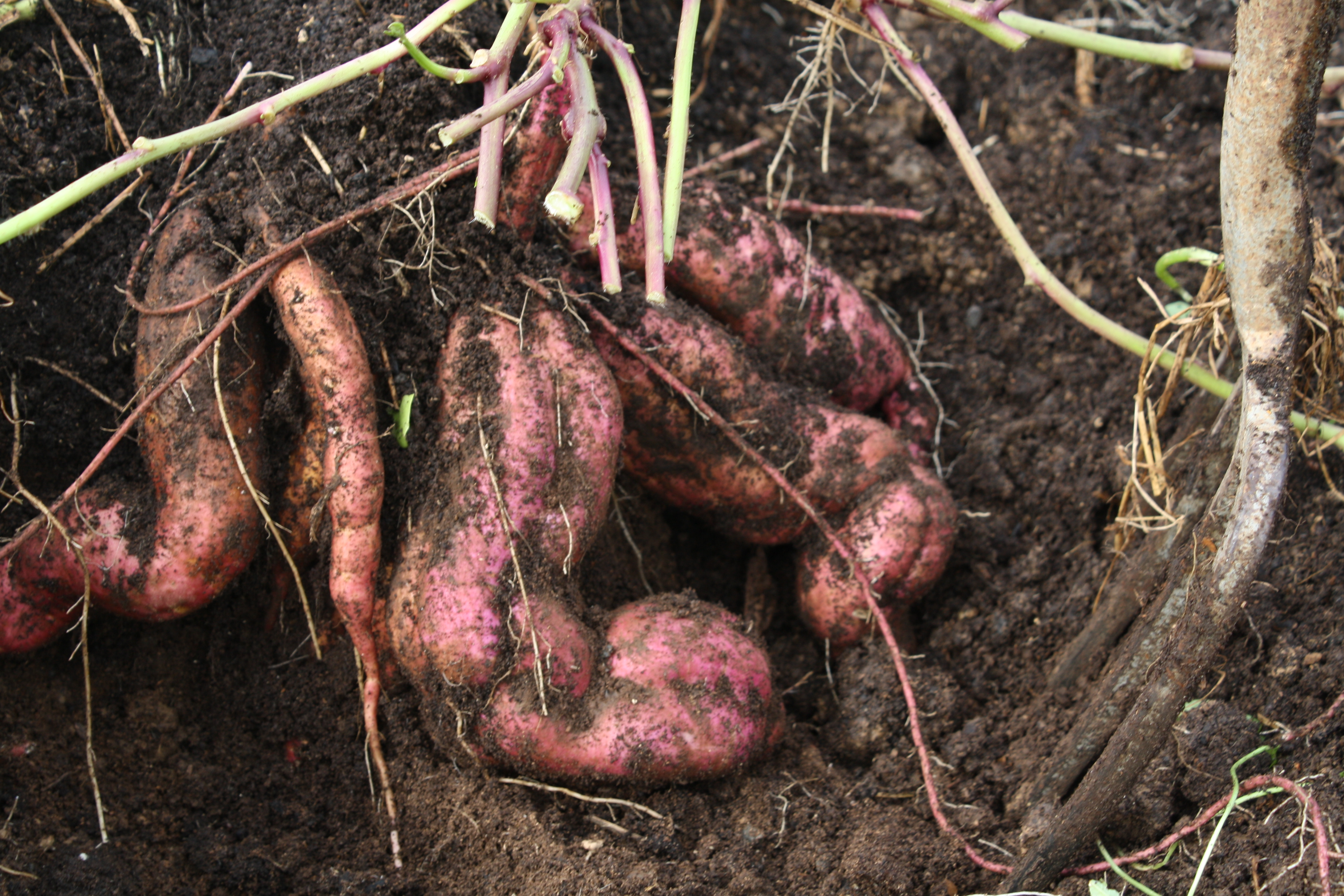
- Harvest kumara if not done already, Often recommended to wait till the tops die off, but in all these years I’ve never got to that stage. This instruction is for hotter climates I think. Get them up before the frost hits!
- Fill every spare space with crops, greencrops, herbs or flowers. A covering of plants a.k.a a living mulch is the ultimate soil builder.
- Keep your worms warm! Put extra layers of cardboard or an old blanket or towel plus a thick layer of hay on top of your wormfarm. If will only keep processing food scraps if they are warm. Check in on them and feel them. If you have bucket worm farms that are wet or cold, move them somewhere dry and warm.
- Liquid feed broccoli, cabbage, cauliflower, celery, leeks and leafy greens to boost them along. Stop once temperatures dip below 10 degrees, at this point soil life shuts down.
- Weed and thin carrots, kohlrabi, fennel, parsnips for good-sized crops.
- Gather OM (organic matter). Having stashes of OM about the place makes compost making, and mulching quick and easy. You don’t needs loads and loads, just enough! Use this slower pace of May to get collecting – hay, sawdust, leaves, manure …. whatever your neighbourhood yields. Pile it up about the edge of your vegie garden.
- Prepare your asparagus bed for winter. When the ferns are brown, the carbs have gone to the roots, and it’s time to lay it down.
- Mulch paths – especially if you live in a high rainfall area, it’s so much nicer being in the vegie patch when the paths aren’t slushy, and heaps better for soil health.
Then when all the doing is done, segue into a bit of garden dreaming. Are you planning on planting more perennial support plants around the outside edges of your veggie garden? Or planning new beds? Or adding hoses or other improvements? For the best outcome, spend a bit of time pondering.
The Greenhouse
Greenhouse soil will be tired about now and need to be rehydrated.
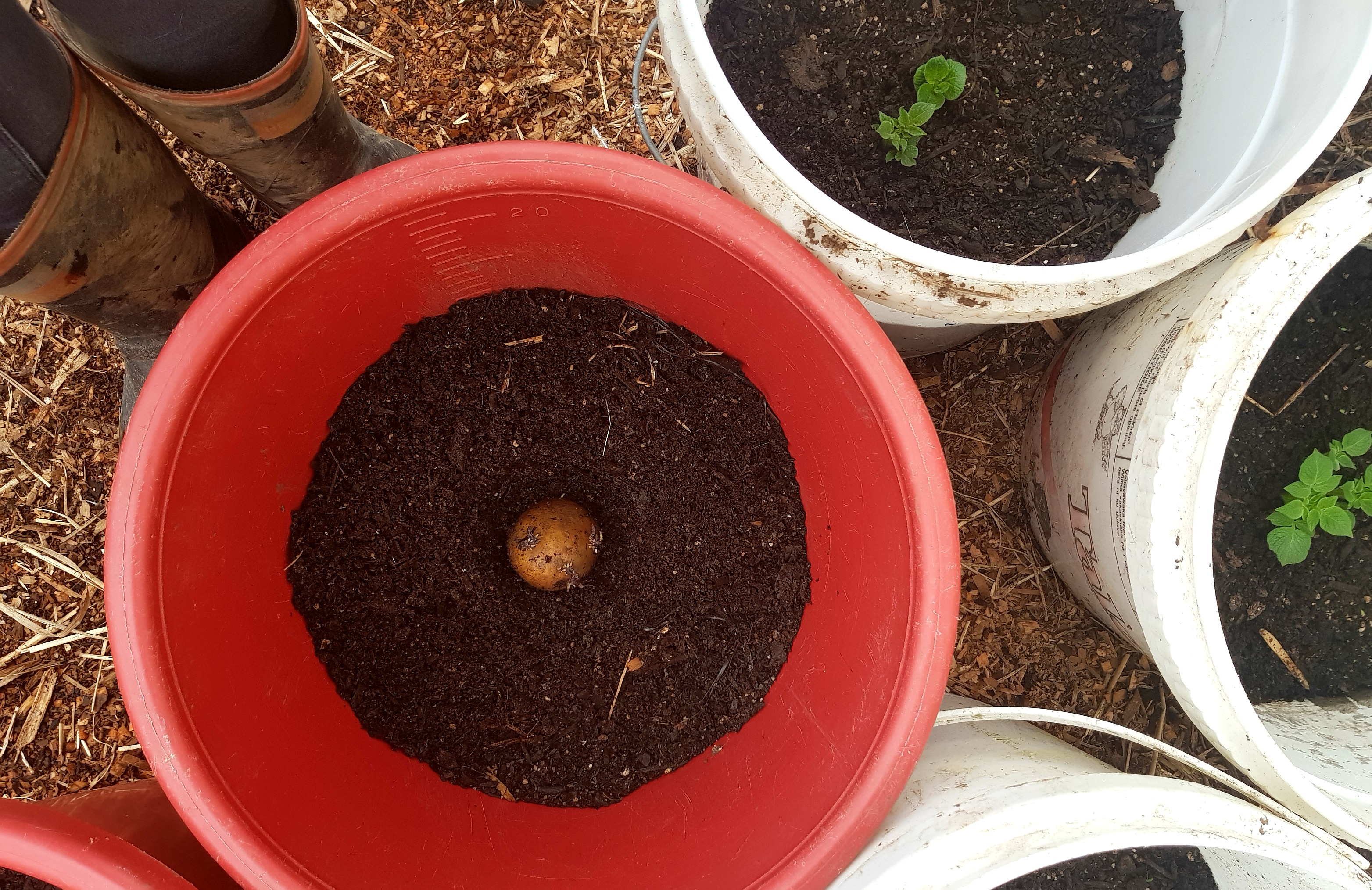
Once moisture is restored, spread a generous layer of compost with a little well rotten manure or vermicast mixed in, before sowing or planting greencrops, salad greens, celery, spinach, beetroot or coriander. Have a go at growing potatoes in buckets in your greenhouse this winter – such a handy spring crop!
Healthy airflow is crucial at this low light time of year:
- Open the greenhouse everyday to let it breathe.
- Slash back living mulch as it encroaches on crops.
- Do a weekly whip around to remove older foliage.
- Only water as needed. Plants evaporate a lot less when its cooler, and need less water. Excess water drives fungal disease and is no good for soil health. Make barely moist your water mantra. Turn the automatic timer off, and use your finger to feel soil before watering – if its barely moist, leave it be.