


A thriving garden and a pest-free home should go together, but a lot of the choices that make plants happy also make a yard more appealing to ants, rodents, and everything in between. Thick mulch beds, dense plantings against the foundation, and a little extra moisture are exactly what a garden wants and exactly what pests are looking for. The good news is that a few adjustments to how a yard is maintained can keep both goals intact.
None of this means giving up a lush landscape. It means understanding which habits create a bridge between the garden and the house, and closing that bridge before pests use it. When prevention alone doesn’t solve a persistent problem, working with a company such as Clear Defense Pest Control that treats the yard as part of the whole picture, not just the structure itself, tends to produce results that actually hold up season to season.
Why the Yard Matters More Than People Expect
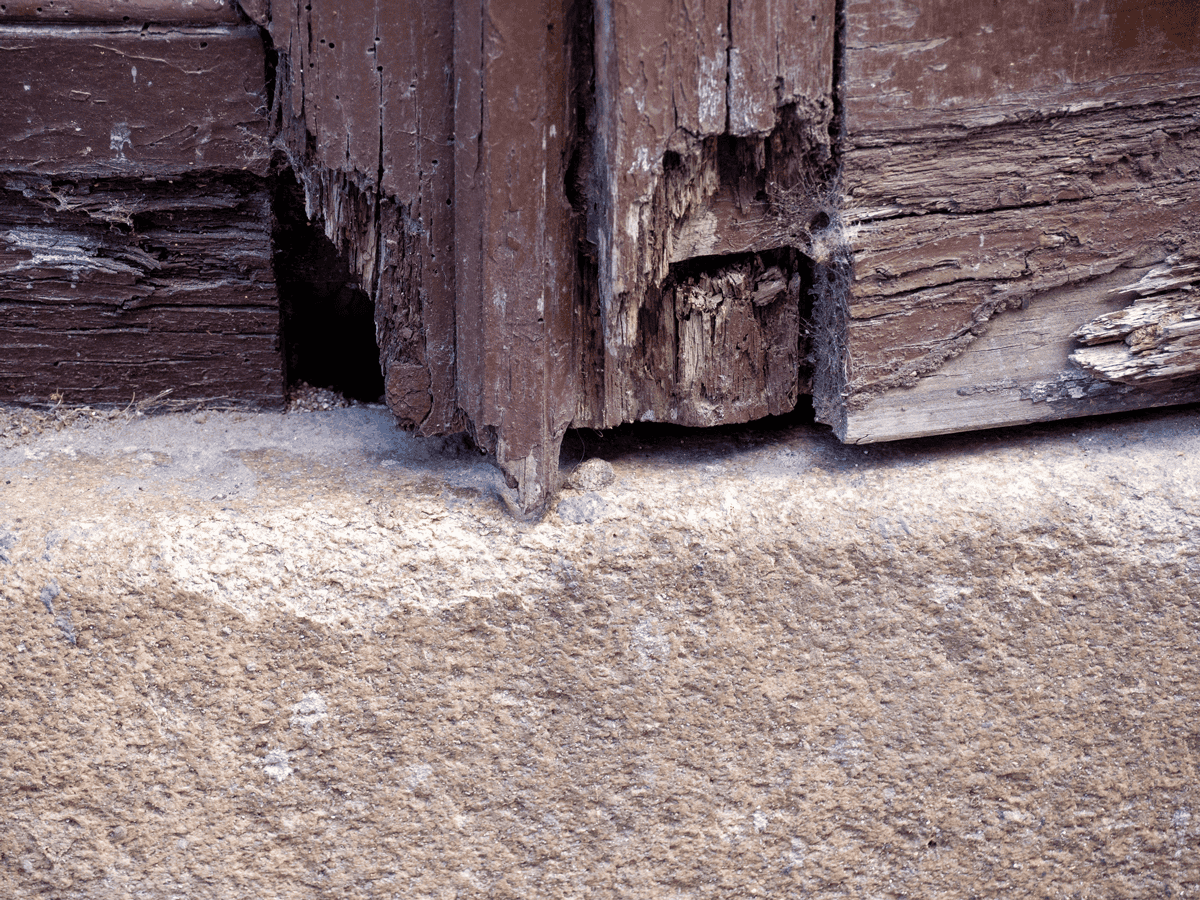
According to University of Tennessee Extension’s guide to managing pests around the home, landscaping practices directly influence which pests show up at the foundation and how many of them eventually make it inside. Mulch placed too close to a structure holds moisture and can even let subterranean termites bridge across treated soil without ever touching it. Dense shrubs planted right against the siding do something similar for ants and other insects, giving them a shaded, humid staging area a few inches from an entry point.

The extension guide also points out something a lot of gardeners don’t expect: branches touching the roofline give carpenter ants, roof rats, and squirrels an easy path onto the structure, no ground-level gap required. Trimming that contact away is one of the simplest changes a yard can make, and it costs nothing beyond a pair of loppers and an afternoon.
🐝 Fan Favorite
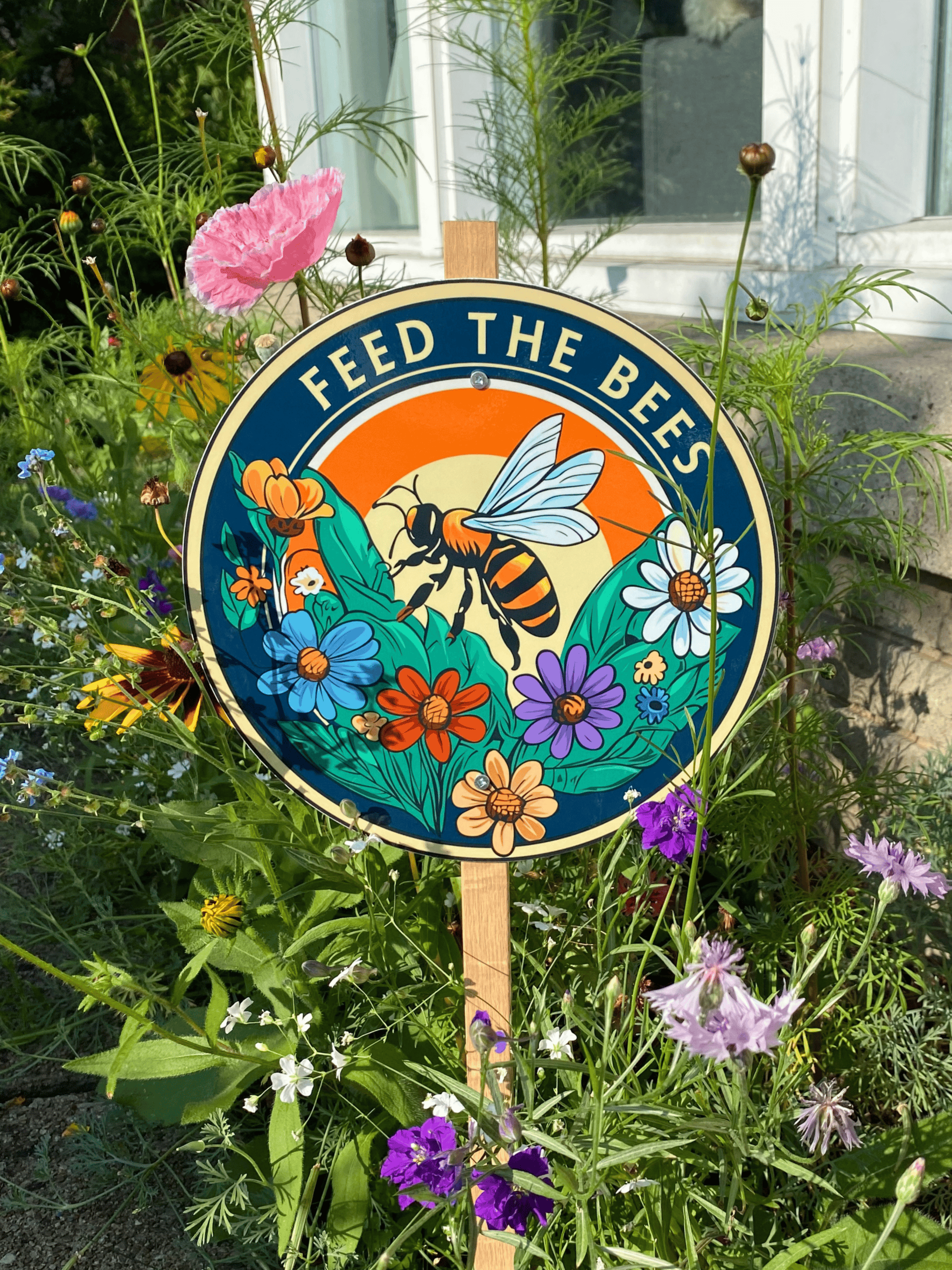
“Feed the Bees” Garden Sign
Give your wildflower patch a pop of color and let your neighbors know there’s purpose in your plants.
Delivered in 5–7 days
- Hand-illustrated design
- Recycled aluminum — won’t fade, rust, or crack
- Plants 1 real tree in the Monarch Corridor
🦋 Every sign funds a tree planted in the North American Monarch Corridor — at no extra cost to you.
Here’s a quick reference for some of the specific distances and conditions that make the biggest difference.
| Landscaping Factor | Recommended Practice |
|---|---|
| Bare zone around foundation | 12 to 18 inches, kept free of mulch or dense planting |
| Mulch depth near the house | 2 to 3 inches, never piled against siding |
| Mouse entry gap | Openings as small as 1/4 inch |
| Rat entry gap | Openings as small as 1/2 inch |
Seeing those entry-gap numbers side by side is usually what convinces people that sealing gaps matters more than they assumed. A quarter inch doesn’t look like much until it’s the reason mice have been getting in all winter.
Garden Choices That Actually Help
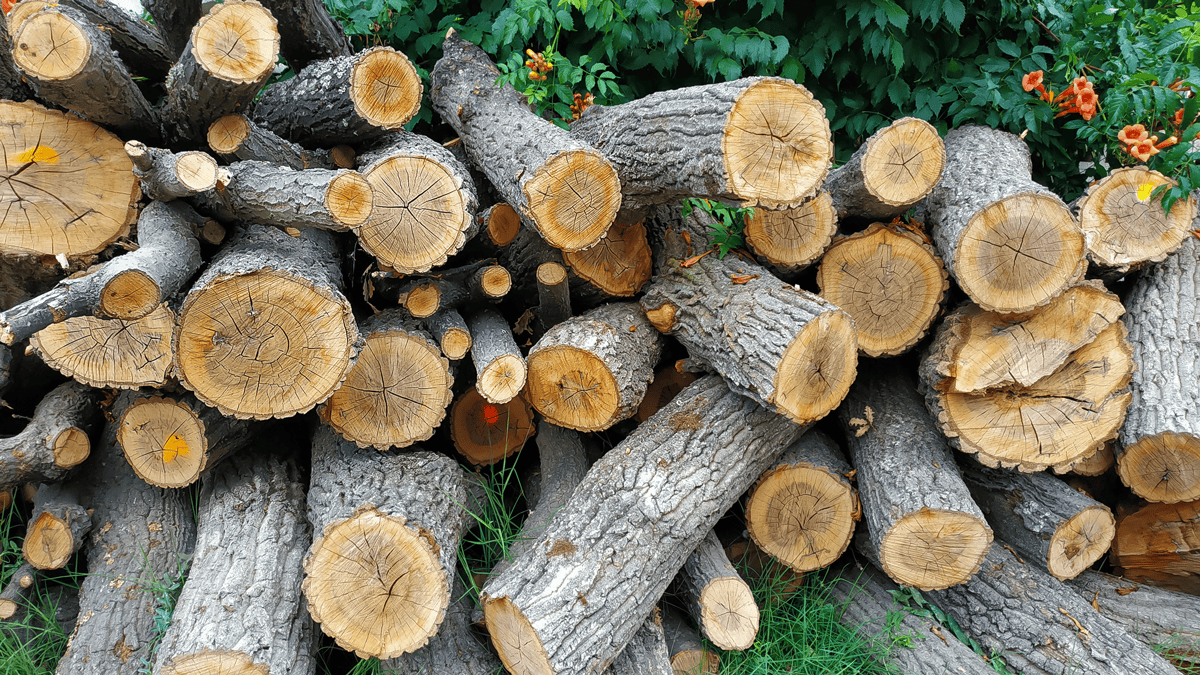
Not every gardening habit works against pest control. Keeping mulch light and pulled back from the foundation still lets it do its job of retaining soil moisture and suppressing weeds farther out in the bed, just without creating a termite bridge right at the house. Rotating where firewood and garden debris get stored, away from the exterior wall, removes a favorite hiding spot for carpenter ants and rodents without asking anyone to give up firewood altogether.
Indoors, the same philosophy carries over. A lot of ant activity that seems to start in the kitchen actually begins as a scouting trail from an outdoor colony, and simple pantry ingredients can help break that trail before it becomes a real infestation. Readers looking for specific options can check out this garden pest control roundup for approaches that use what’s probably already sitting in the cabinet.
Drainage deserves attention too. Gutters that empty near the foundation, low spots in the yard that collect rainwater, and downspouts that dump water two feet from the house all recreate the exact moisture conditions that attract termites and ants in the first place. Redirecting that water even a few extra feet can noticeably reduce pest pressure without changing a single plant in the ground.
When the Yard Isn’t Enough
Even a well-maintained landscape can lose the fight against certain pests, particularly termites and carpenter ants that have already established a colony somewhere on the property. At that point, look for a provider who inspects the property as a whole rather than just treating the house. Ask whether they identify existing entry points and moisture problems in the yard, not only the interior symptoms, since fixing the outdoor cause usually prevents the indoor problem from coming back.
It’s also worth asking how a company handles follow-up. A single treatment focused only on visible activity tends to be temporary if the yard conditions that caused it are never addressed. Providers who build monitoring into their service are generally more likely to catch a returning problem before it becomes a full infestation again.
A Garden and a Home That Work Together
None of this requires sacrificing curb appeal or ripping out plants that have taken years to establish. Most of it comes down to a handful of specific distances and habits: keep a bare buffer at the foundation, manage mulch depth, redirect water away from the house, and trim anything touching the roofline. Those changes let a garden do what it’s supposed to do without quietly working against the home it surrounds.