


Sod feels like the fast track to an instant lawn, and in a lot of ways it is. Roll it out, water it in, and within weeks you have a green, established-looking yard instead of months of watching seed germinate unevenly. But that speed only works if the soil underneath is actually ready to receive it. Sod laid over poorly prepared ground struggles to root, develops patchy dead spots, and often ends up needing replacement within a season or two, which defeats the entire point of paying for the shortcut.
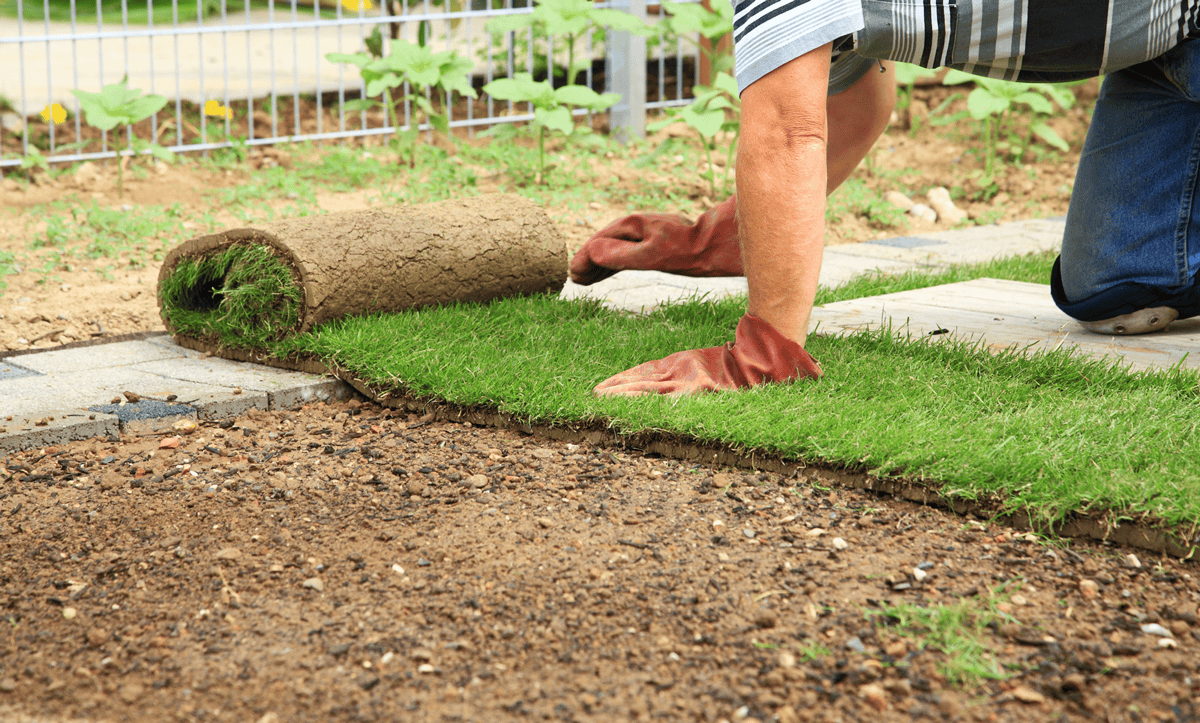
Good soil prep is not complicated, but it does take a bit more effort than most homeowners expect going in. Anyone ordering SodLawn for a new install should plan on at least a few days of ground work before the sod itself ever arrives, since sod rooted into compacted, nutrient-poor soil rarely performs the way the same sod would in properly amended ground.
Clearing and Grading Come First
Before any soil amendment happens, the area needs to be cleared of existing grass, weeds, rocks, and debris. Old turf should be stripped down to bare soil, not just mowed short, since leftover grass and roots compete with new sod for water and nutrients and can rot underneath it. Grading the area for a slight slope away from the house, roughly one to two percent grade, prevents water pooling that would otherwise drown new roots before they establish.
Compacted soil is one of the biggest silent killers of new sod. Years of foot traffic, construction, or simply heavy clay content leave soil too dense for roots to penetrate. Tilling the top four to six inches loosens this compaction and gives roots room to spread. Skipping this step is probably the single most common reason new sod fails to thrive even when everything else about the installation looks correct.
🐝 Fan Favorite

“Feed the Bees” Garden Sign
Give your wildflower patch a pop of color and let your neighbors know there’s purpose in your plants.
Delivered in 5–7 days
- Hand-illustrated design
- Recycled aluminum — won’t fade, rust, or crack
- Plants 1 real tree in the Monarch Corridor
🦋 Every sign funds a tree planted in the North American Monarch Corridor — at no extra cost to you.
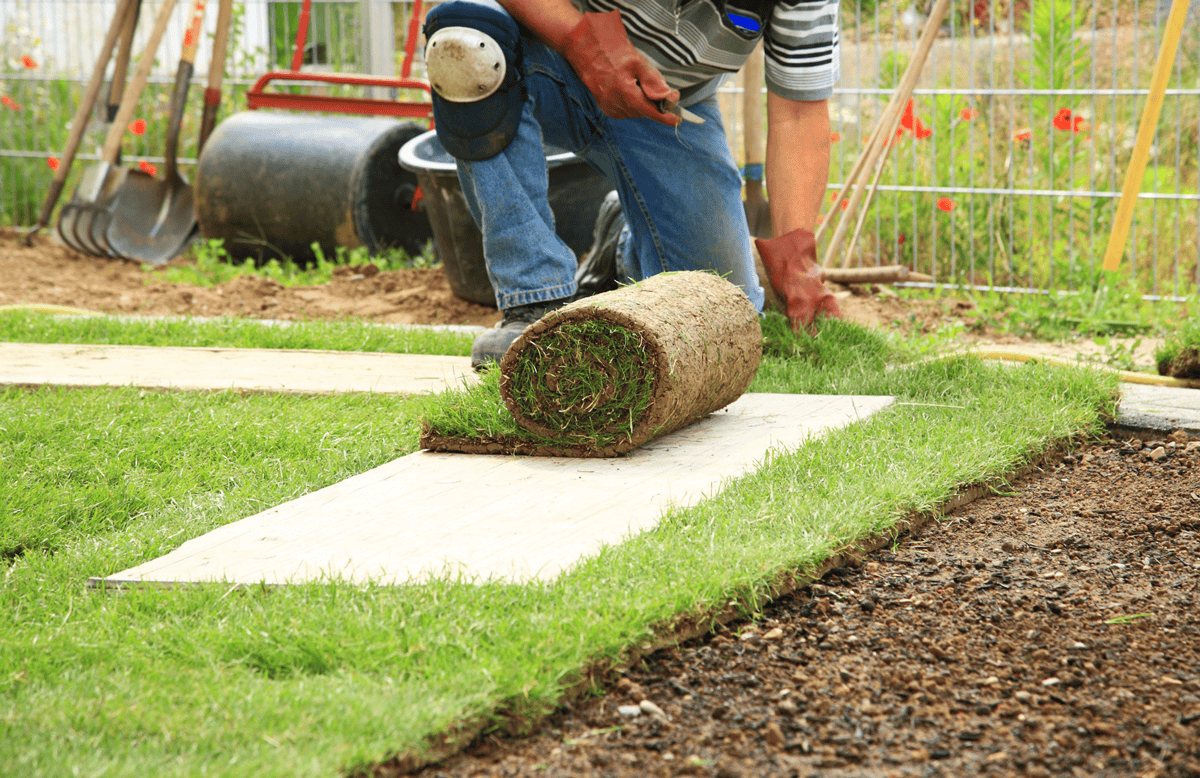
Testing and Amending the Soil
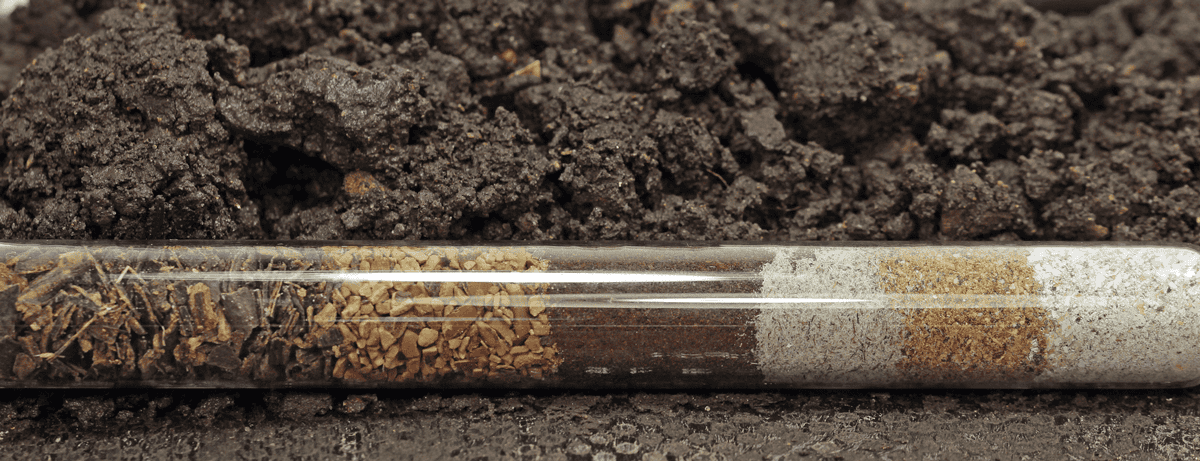
A basic soil test, available cheaply through most agricultural extension offices, tells you the pH and nutrient levels you are actually working with rather than guessing. Most turfgrass varieties prefer a pH between 6.0 and 7.0, and amending with lime or sulfur ahead of time to correct an off-balance reading is far easier than trying to fix it after sod is already down.
Nutrient levels matter just as much as pH. Our own guide to high nitrogen fertilizers covers how to build a nitrogen-rich base layer before installation, since new sod needs available nitrogen to fuel the rapid root establishment that happens in its first few weeks. A starter fertilizer worked into the top layer of soil before sod goes down gives new roots something to grow into immediately, rather than waiting for a first feeding after installation.
Why Getting This Right Matters at Scale
Sod is a meaningful piece of how Americans build new lawns, and the industry data reflects real, sustained demand. A recent U.S. sod industry outlook puts the category at more than $2.2 billion in value, with sodded lawns making up roughly 20 percent of new U.S. residential lawn establishment.
| Metric | Figure |
|---|---|
| U.S. sod industry value | $2.2 billion+ |
| Sodded lawns, share of U.S. residential establishment | ~20% |
| End use share: homeowners direct | 6% |
| End use share: landscape contractors | 47% |
That homeowner share, small compared to the contractor segment, is worth noting. Most sod gets installed by professionals precisely because soil prep is easy to get wrong without experience, and a bad first attempt costs more in wasted sod and redo labor than hiring it out properly from the start.
The Final Steps Before Installation
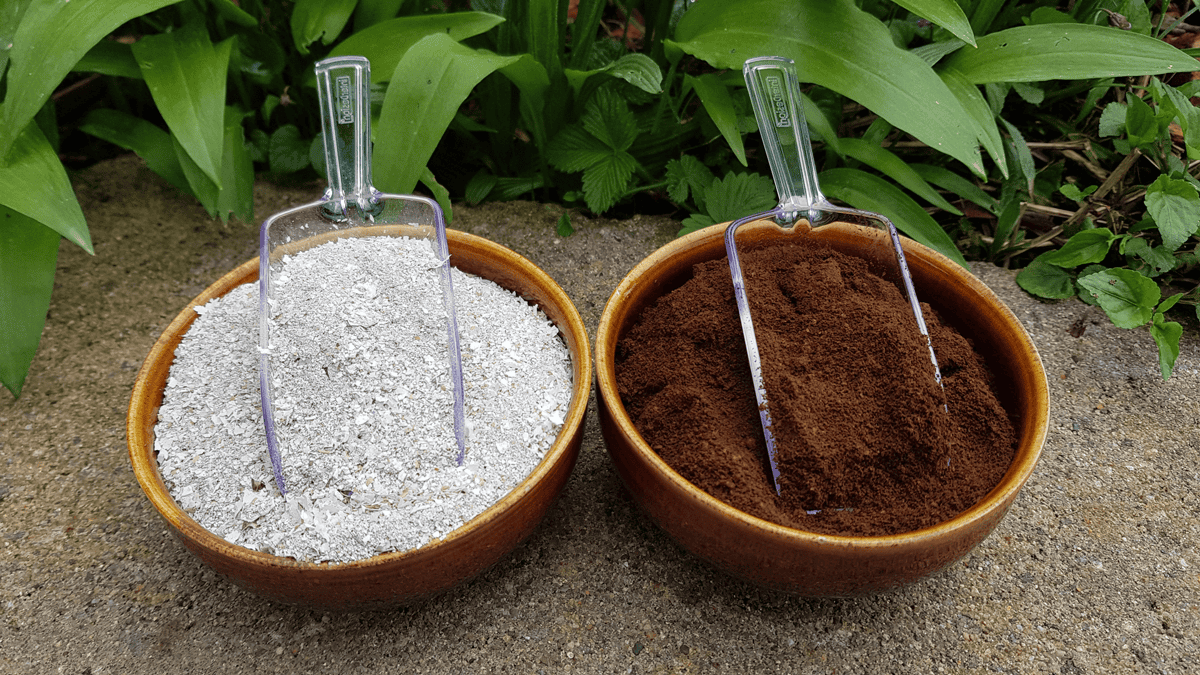
Once soil is graded, tilled, tested, and amended, a light raking to smooth the surface and remove any remaining debris sets the stage for a clean install. Watering the prepared bed lightly the day before sod arrives helps settle the soil without creating mud, which makes it easier for installers to lay sod flush against the ground with good root-to-soil contact.
Patience in Prep Pays Off in the Lawn
The instinct with sod is to rush straight to the satisfying part, rolling out green turf and seeing an instant lawn. But the unglamorous soil prep work underneath is what actually determines whether that lawn survives its first summer or needs replacing within a year. A few extra days spent on the ground now saves a lot of frustration, and money, later.