

Though we curse and lament them – damn weeds!, it’s our gardening habits that keep them coming back. Like a record with a scratch, we’re stuck in a weedy rut – there is another way!

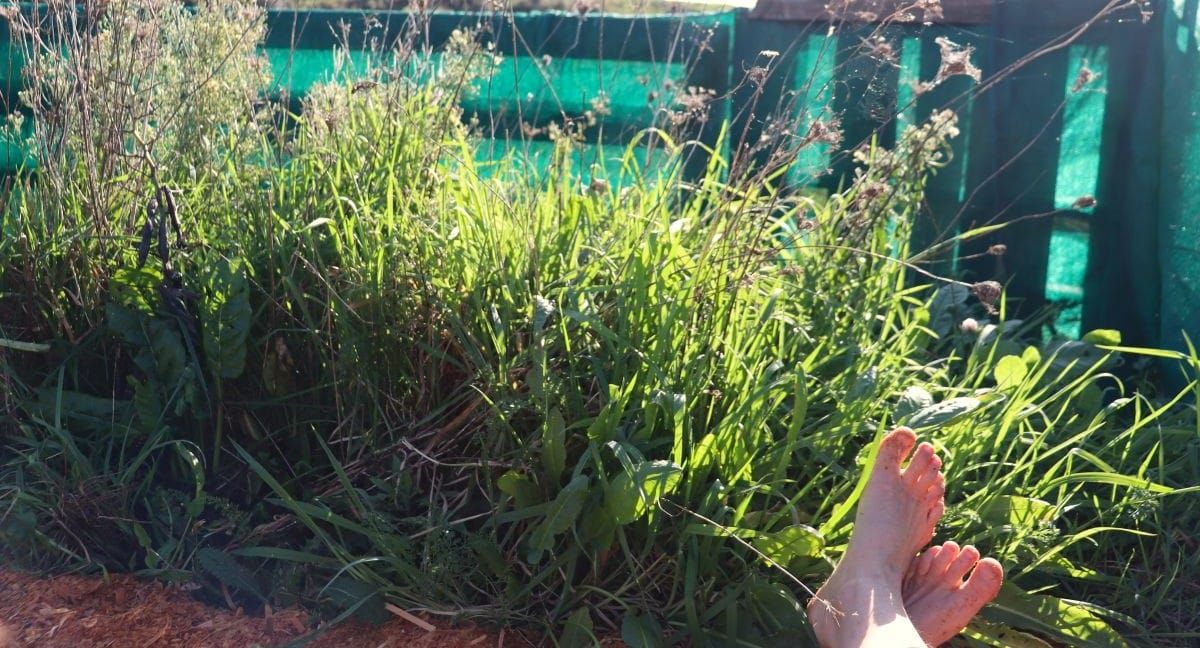
Though we curse and lament them – damn weeds!, it’s our gardening habits that keep them coming back. We spray, pull, or till, but the same weeds keep coming. Like a record with a scratch, we’re stuck in a weedy rut.
Breaking free of your weedy rut is so liberating! Over the next few newsletters we’ll learn all about how to work with weeds in your unique context, creating naturally healthy gardens that you love to be in without horrible weeding.
The weedy-why
As many times as we lay soil bare, mother nature will re-cover it because the health of every cycle that keeps the planet well, relies on soil being covered with plants.
This is the weedy-why – bless them and thankyou. Fast-growing, hardy, mineral accumulating weeds are the perfect fit to cover and protect topsoil fast.
Be easy on the weeds. They are messengers, healers and soil saviours – here with intention.
Working with them doesn’t mean forever leaving them in place, their role in nature is a temporary one, after all. Working with them means a cunning plan to help them fulfil their role so as to move them on naturally, no hard work required.
The human-how
Weeds have a job to do – to cover bare soil quickly, and improve it, prepping it for the next succession of plants. When their job is done, they fade away, having been replaced by the next wave of plants, and the next, and so on all the way to the long lived trees and plants.
This is the pattern of all natural eco-systems – forests/ prairies/ savannahs. At some point there will be a disturbance that disrupts – flood, fire, storm, animal rampage – and the cycle begins again. The destination is not the point, the cycling is.
Our human-how, is to garden within these cycles. To work with the weeds, keeping the gardens pulse alive, while avoiding the soul and soil destroying weedy-rut of pull the weed, the weed returns, pull the weed ….
Next month we dive into the how-to’s. Be ready by doing the 10 minute exercise below – sussing out where the weeds that bother/ challenge you sit on my weedy scale.
The weedy scale: cruisy-tricky-intense
It helps enormously to file the weeds that bother you under one or other of these headings. As much for your mental health, as for the clarity it brings.
Scan through my definitions below, and for each weed that you fret over – choose the label that most closely applies.
My personal scale is there for perspective and a starting point. You do you! In your soil/ climate/ personality my cruisy-weed may be a tricky one, or vice-versa.
Cruisy-weeds
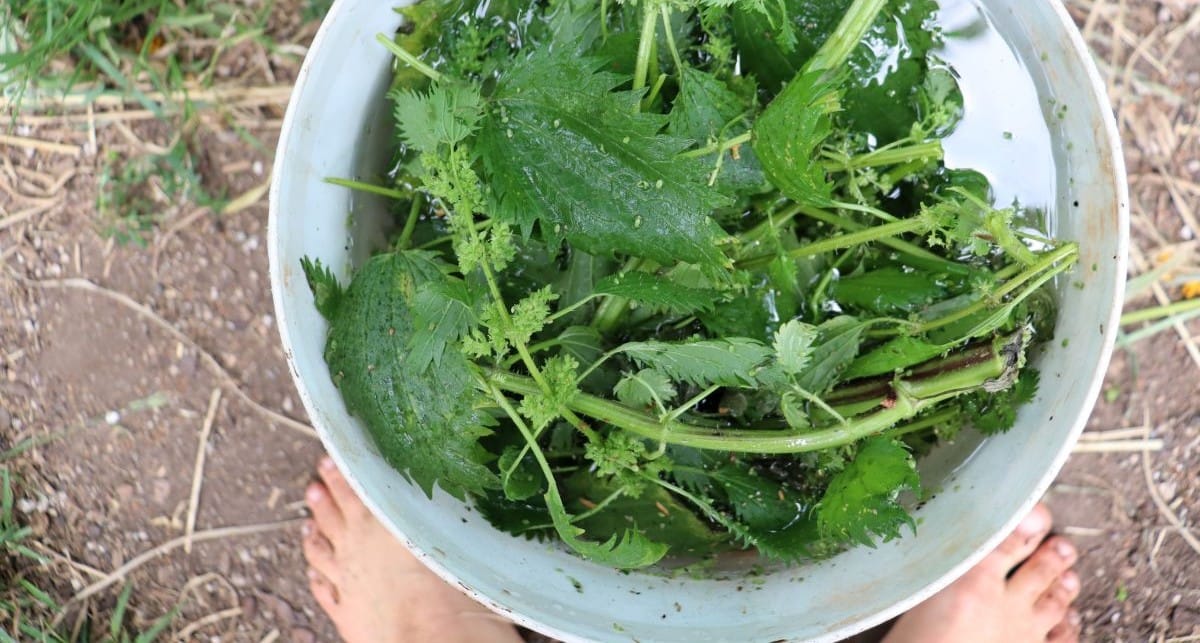
- soft stems
- are mostly annuals – some perennials fit this bill
- are easily weeded out i.e. don’t have an endless vining root, or a dense fleshy network of bulbs
- don’t vine, smother or strangle
- do die back after being chopped, or pulled out
- are useful e.g. yarrow, plantain, dandelion, cleavers – medicine for humans and soil.
Weeds I consider cruisy: acanthus, barberry, box thorn, buddleia, buttercup, California thistle, chickweed, cleavers, couch, dandelion, deadly nightshade, dock, gorse, inkweed, onion weed, plantain, scotch thistle, stinging nettle, woolly nightshade, yarrow.
Tricky-weeds
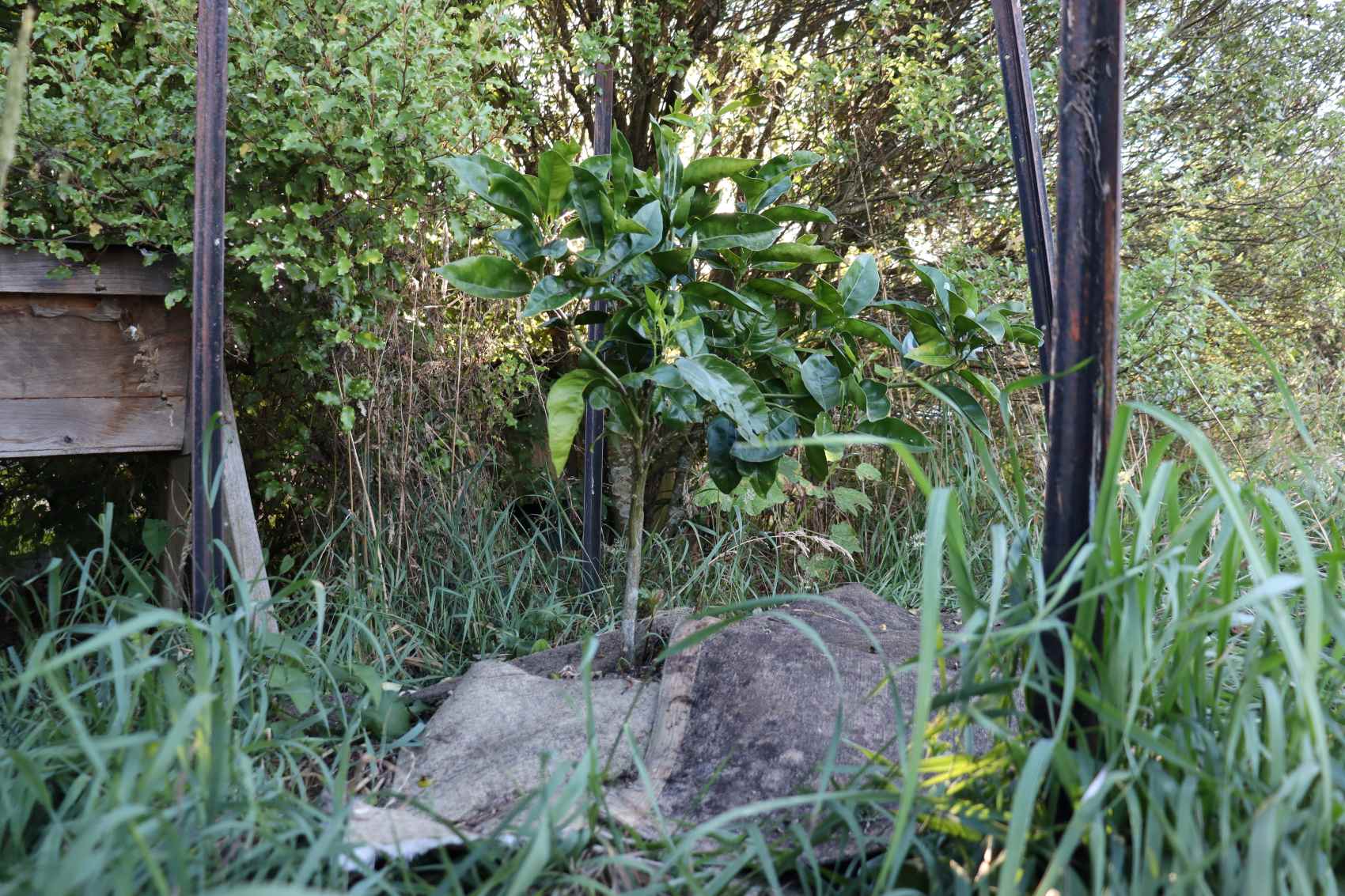
- smother, strangle and outcompete other plants
- grow via a running/ vining root system e.g. Ivy, or rhizome e.g. California thistle, or bulb, e.g. Oxalis
- spring back to life after being chopped – either immediately or in the right season
- have woody stems
- have thorns, or irritating sap
- have a tight grip on the soil making them hard yakka to hand-weed.
Weeds I consider tricky: agapanthus, arum lily, barberry, blackberry, convulvulus, holly, ivy, jasmine, kikuyu, moth plant, periwinkle, running bamboo, tradescantia, wild ginger
Intense-weeds
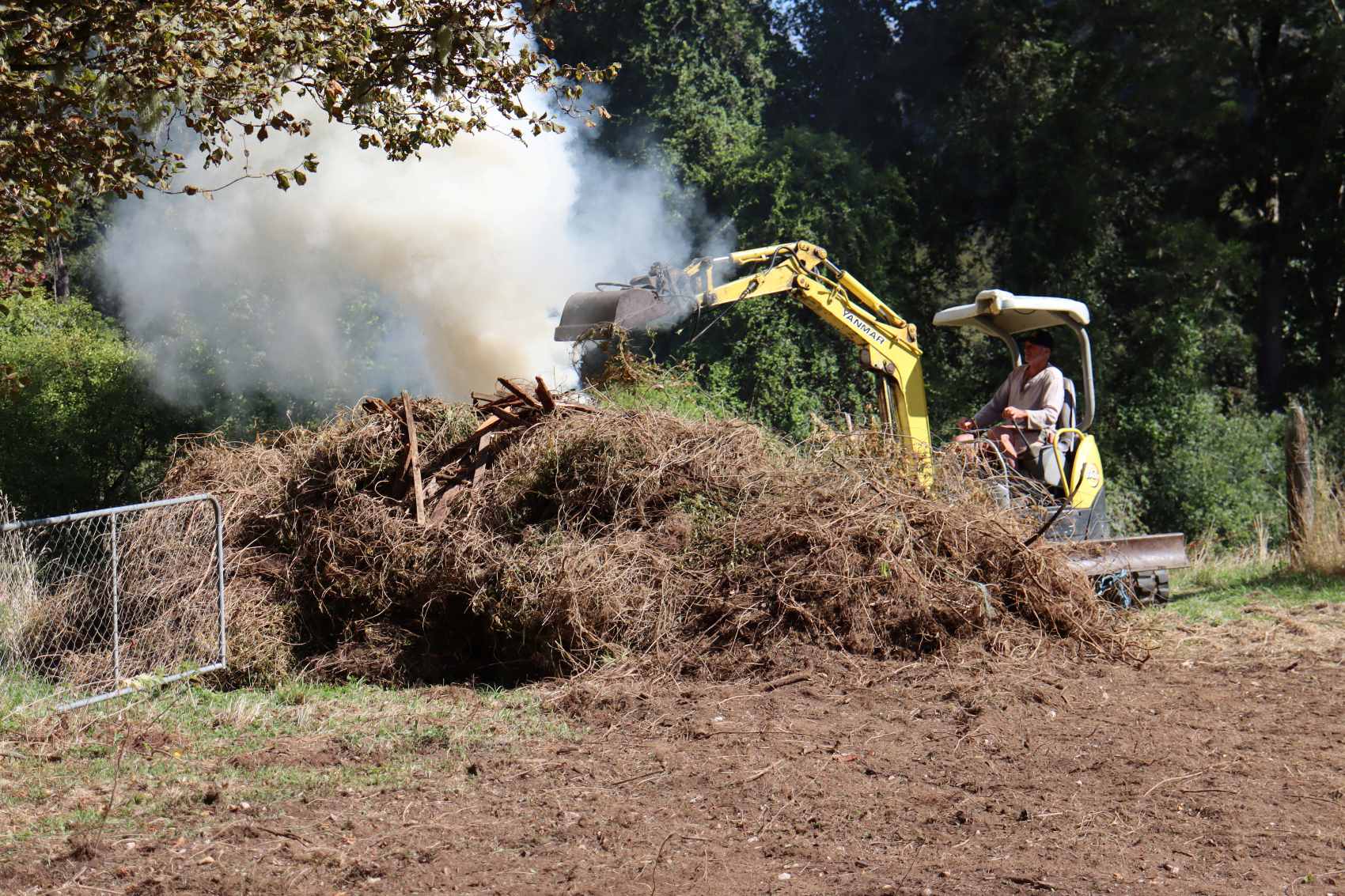
Any weeds – particularly tricky weeds, on a large scale.