

A powerful El Niño is strengthening across the Pacific, and its effects could reach well beyond winter. Depending on where you live, the same climate pattern may leave gardens dealing with less snow, wetter soils, delayed planting, early growth, or drier spring conditions. Rather than creating one universal forecast across North America, El Niño shifts the odds from region to region, with some northern areas trending milder, parts of the southern United States turning wetter, and inland regions potentially entering spring with less dependable snowmelt or soil moisture.
For gardeners, the bigger question is not simply whether winter will be warmer or wetter. It is how those winter patterns carry into spring. Snowpack, rainfall, freeze-thaw cycles, and soil moisture can all influence when beds are workable, when plants break dormancy, and how much supplemental watering may be needed. Here is what El Niño could mean for your growing region, along with practical steps you can take now.
At a Glance
- Pacific Northwest and British Columbia: Expect a milder winter with less reliable snow cover. Protect shallow roots and watch for early growth during warm spells.
- California and the Southwest: Wetter conditions could mean saturated soil, erosion, and delayed spring planting. Focus on drainage now.
- Canadian Prairies and Northern Plains: Reduced snow cover may leave roots more exposed and could mean less spring moisture. Mulch vulnerable plants and monitor soil moisture.
- Great Lakes and Southern Ontario: More freeze-thaw cycles could expose crowns and trigger premature growth. Keep mulch in place and be ready for late freezes.
- Northeast, Quebec, and Eastern Canada: Variability may be the biggest theme, with changing mixes of snow, rain, ice, and mild spells. Avoid uncovering plants too early.
- Midwest and Ohio Valley: Northern areas may trend milder with less persistent snow, while precipitation is less certain. Check spring soil moisture rather than assuming conditions.
- Texas and the Gulf Coast: Wetter-than-normal conditions could increase root rot, fungal issues, and waterlogged soil. Improve drainage and reduce unnecessary irrigation.
- Southeast: A cooler, wetter pattern may keep soils damp for longer. Raised beds and good drainage could make a noticeable difference.
- Atlantic Canada: El Niño has a weaker influence, so expect changing conditions rather than one clear pattern. Prepare for snowmelt, rain, ice, and sudden cold returning.
What you should do now:
Focus on drainage in wetter southern regions, protect roots where snow cover may be unreliable, watch fruit-tree buds after warm spells, and let actual soil moisture guide spring planting and irrigation.
1. Pacific Northwest and British Columbia Could See a Milder, Less Snowy Winter
What to expect: Warmer-than-normal conditions are more likely, with less dependable snow cover and the possibility of drier conditions farther inland.
Gardeners from coastal British Columbia through Washington and Oregon may notice a winter that feels less consistently cold than normal. El Niño often favours milder conditions across western Canada and the northwestern United States, while inland areas can also lean drier.
🐝 Fan Favorite
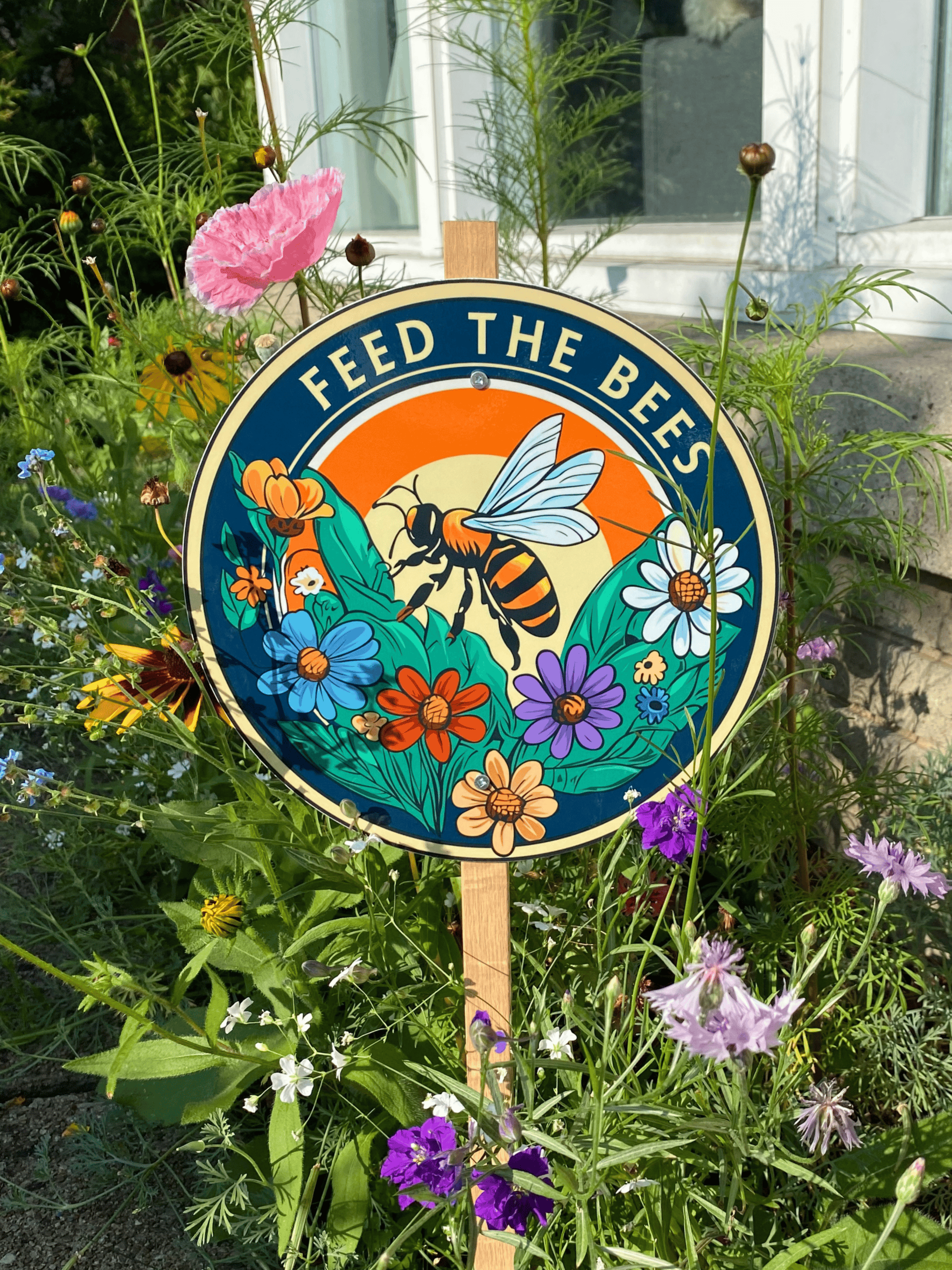
“Feed the Bees” Garden Sign
Give your wildflower patch a pop of color and let your neighbors know there’s purpose in your plants.
Delivered in 5–7 days
- Hand-illustrated design
- Recycled aluminum — won’t fade, rust, or crack
- Plants 1 real tree in the Monarch Corridor
🦋 Every sign funds a tree planted in the North American Monarch Corridor — at no extra cost to you.
Why It Matters for Your Garden
Snow is more than winter scenery. It insulates roots, crowns, and soil from sharp temperature swings. If snow cover becomes patchier, perennial beds may be exposed to more freeze-thaw cycles and drying winter winds.
A mild winter can also encourage earlier spring growth. That sounds welcome, but it can become risky if plants break dormancy before the threat of hard freezes has passed.
What You Can Do Now
Add winter mulch after the soil cools, especially around newly planted perennials and marginally hardy plants. Water evergreens and recently planted shrubs deeply before the ground freezes if fall is dry. In spring, resist the urge to plant too early just because daytime temperatures are mild.
2. California and the Southwest Could Face a Much Wetter Winter
What to expect: Increased winter rainfall could lead to saturated soil, erosion, drainage problems, and wetter-than-usual conditions heading into spring.
El Niño often strengthens the southern storm track, increasing the chance of wetter winter weather across California and parts of the Southwest.
Why It Matters for Your Garden
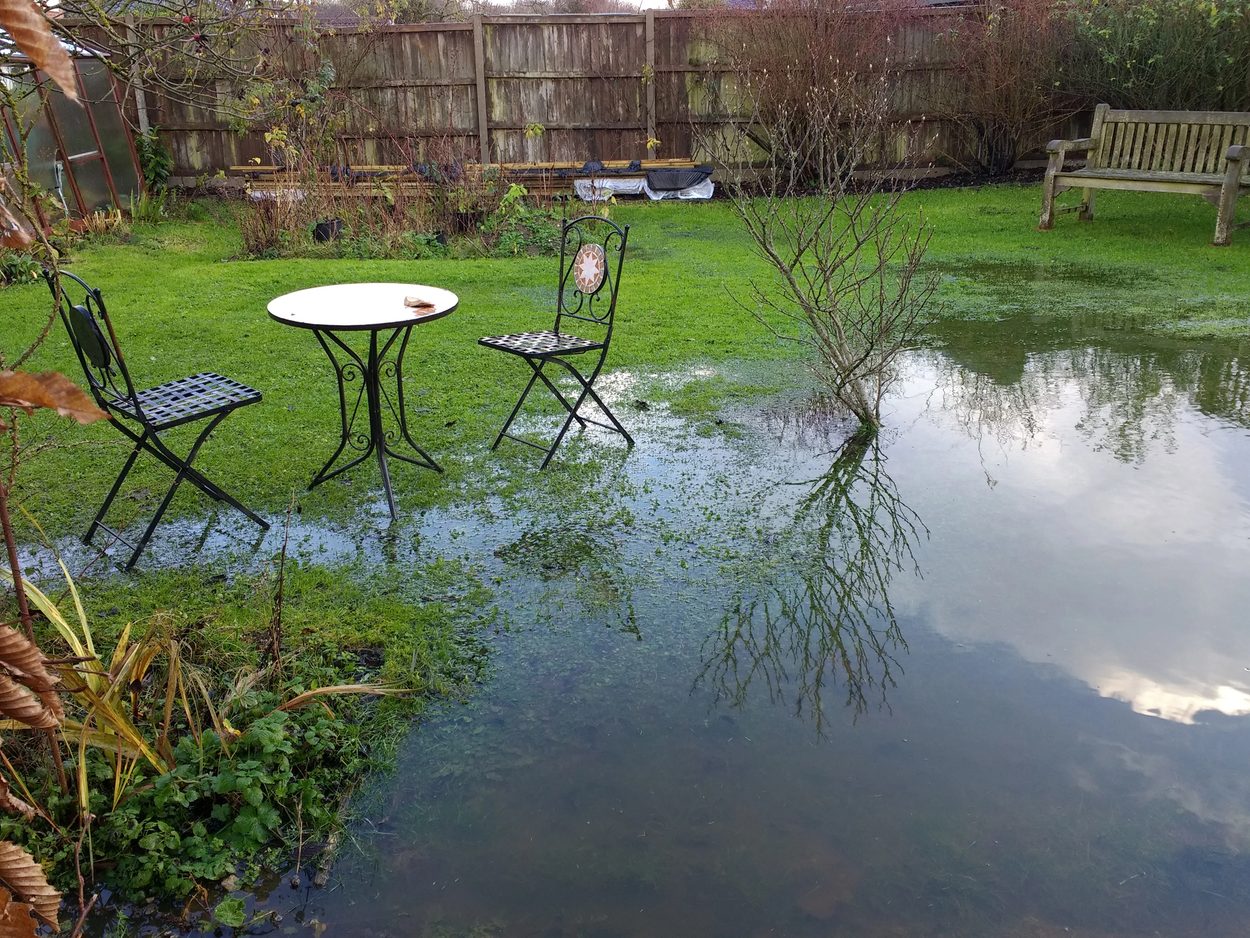
The biggest concern may not be cold at all. It may be water. Repeated winter rain can leave garden beds saturated, compacted, and difficult to work when spring arrives.
Drought-tolerant and Mediterranean plants can be especially vulnerable when their roots remain wet for prolonged periods. Slopes, newly landscaped beds, and low areas may also be more prone to erosion or standing water.
What You Can Do Now
Check where water collects after heavy rain and improve drainage before winter storms become frequent. Make sure containers drain freely and are not sitting in standing water. In spring, wait until soil is workable before digging or planting. Working saturated soil can damage its structure for months.
3. The Canadian Prairies and Northern Plains Could Lose Some of Their Snow Blanket
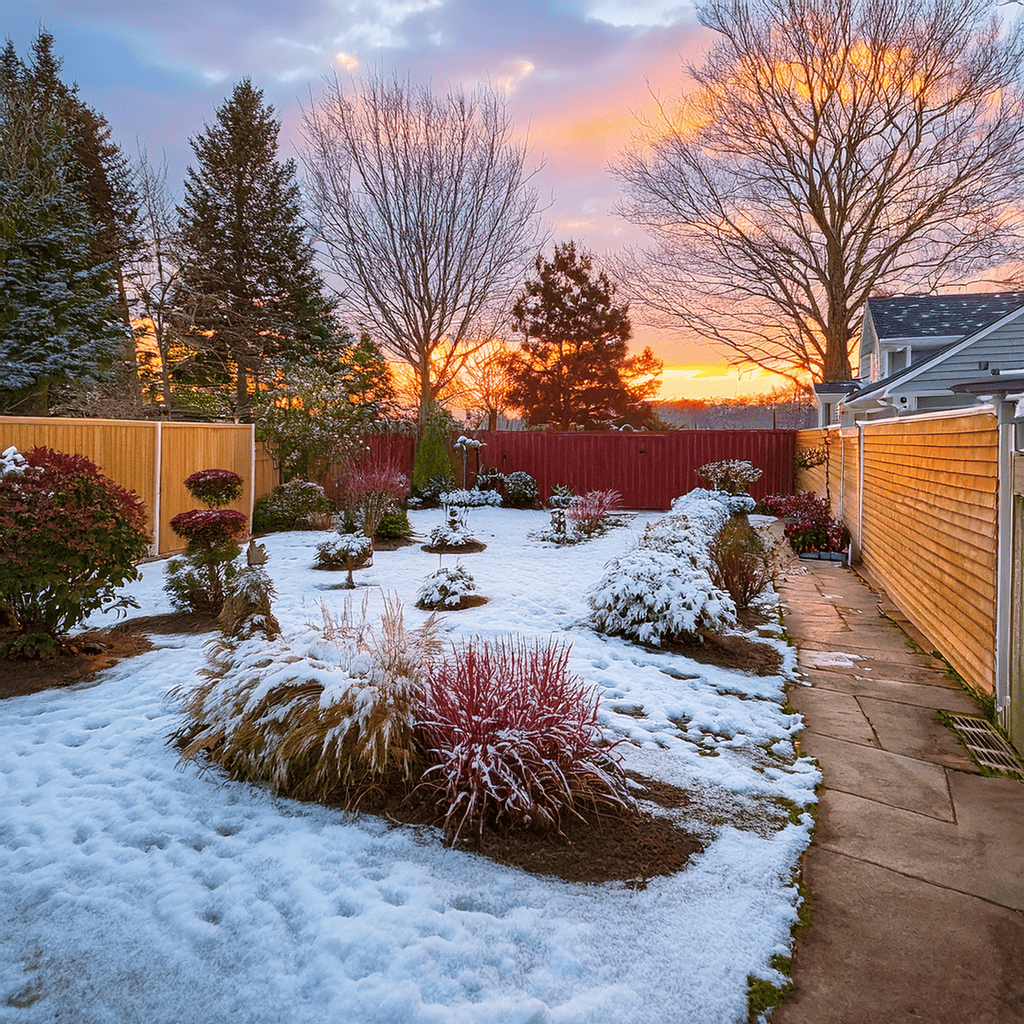
What to expect: A milder winter is possible, but reduced snow cover could expose perennial crowns and leave some areas with less spring moisture.
Across Alberta, Saskatchewan, Manitoba, and the northern Plains, El Niño can favour milder winter temperatures.
Why It Matters for Your Garden
A Prairie garden buried under stable snow is often remarkably well protected. Without that snow, roots and crowns can be more exposed to wind, sudden cold, and temperature swings.
Reduced snowpack can also matter once spring arrives. Less winter snow may mean less slow-release moisture entering the soil during spring thaw.
What You Can Do Now
Mulch vulnerable perennials once the ground has cooled. Leave some garden debris or chopped leaves around plants that benefit from extra insulation. When spring arrives, check soil moisture before assuming winter provided enough water. Newly planted trees and shrubs may need earlier irrigation than usual.
4. Great Lakes and Southern Ontario Could See More Freeze-Thaw Cycles
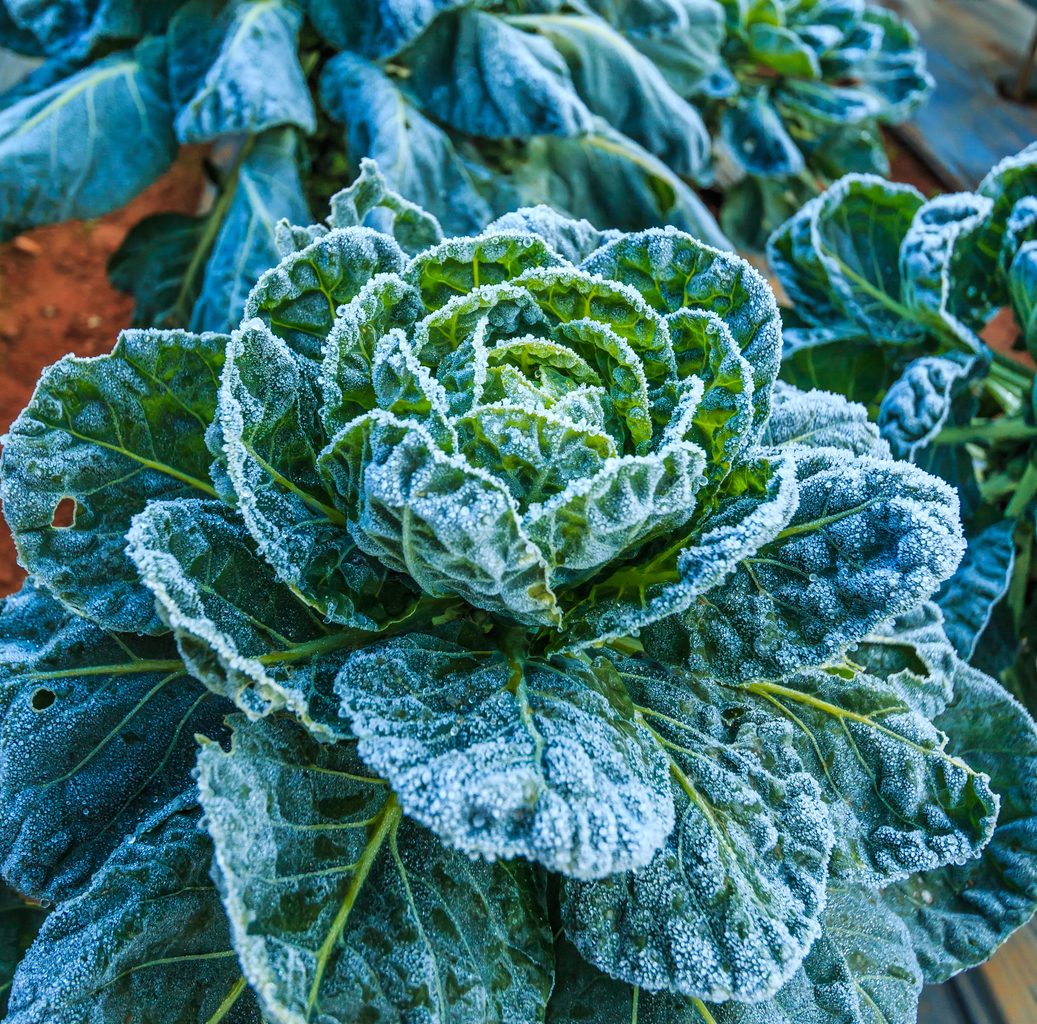
What to expect: Milder average temperatures may come with repeated thaws, disappearing snow cover, and sudden returns to freezing weather.
Southern Ontario and the Great Lakes region may see more winter temperature swings than gardeners are used to during a consistently cold season.
Why It Matters for Your Garden
Repeated thawing and freezing can expose crowns, lift shallow-rooted plants, and cause bulbs or perennials to emerge prematurely.
Fruit trees and flowering shrubs may also become vulnerable if extended warmth pushes buds toward active growth before another hard freeze arrives.
What You Can Do Now
Use winter mulch to stabilize soil temperatures rather than simply keep plants warm. Check shallow-rooted perennials during winter thaws and gently firm them back into the soil if frost heaving occurs. In spring, protect early-emerging plants when sharp freezes are forecast.
What You Can Do to Prepare for a Milder, Less Snowy Winter
Gardeners across much of Canada and the northern United States may face a winter where the bigger issue is not extreme cold, but lack of consistent snow insulation.
A few practical steps can reduce the risk:
- Apply winter mulch only after the soil has cooled.
- Water evergreens and newly planted shrubs before freeze-up if fall is dry.
- Protect strawberries, shallow-rooted perennials, and marginally hardy plants.
- Watch for frost heaving after repeated thaws.
- Avoid removing protective mulch too early in spring.
- Keep frost cloth or lightweight row cover handy if early growth is followed by a cold snap.
5. The Northeast, Quebec, and Eastern Canada May See More Variability
What to expect: El Niño’s influence is less predictable here, so a mix of snow, rain, ice, mild spells, and cold outbreaks may be more important than one dominant trend.
The farther east you move, the less reliable the textbook El Niño pattern becomes.
Why It Matters for Your Garden
Variable winters can be harder on plants than consistently cold ones. Snow may melt during warm spells and expose roots just before cold returns. Rain falling on frozen ground can also create saturated or icy conditions around plants.
What You Can Do Now
Prepare for flexibility. Keep drainage routes clear, leave some insulating mulch around vulnerable plants, and avoid interpreting one warm spell as an early spring. Watch local forecasts closely before uncovering perennials or pruning tender growth.
6. The Midwest and Ohio Valley Could Have a Patchier Winter
What to expect: Northern areas may lean milder with reduced snow cover, while precipitation farther south remains more uncertain.
The Midwest sits in a transition zone between the milder northern El Niño pattern and the wetter southern storm track.
Why It Matters for Your Garden
Some gardeners may experience bare ground for longer stretches than usual. That can increase winter drying on evergreens and expose soil to repeated freezing and thawing.
Spring moisture may also vary widely, making it important not to assume the soil will be either wet or dry simply because El Niño is present.
What You Can Do Now
Water recently planted trees and shrubs before winter if conditions are dry. Use mulch to reduce soil temperature swings. In spring, check soil moisture several inches below the surface before deciding whether irrigation is needed.
7. Texas and the Gulf Coast Could Face a Wetter Winter
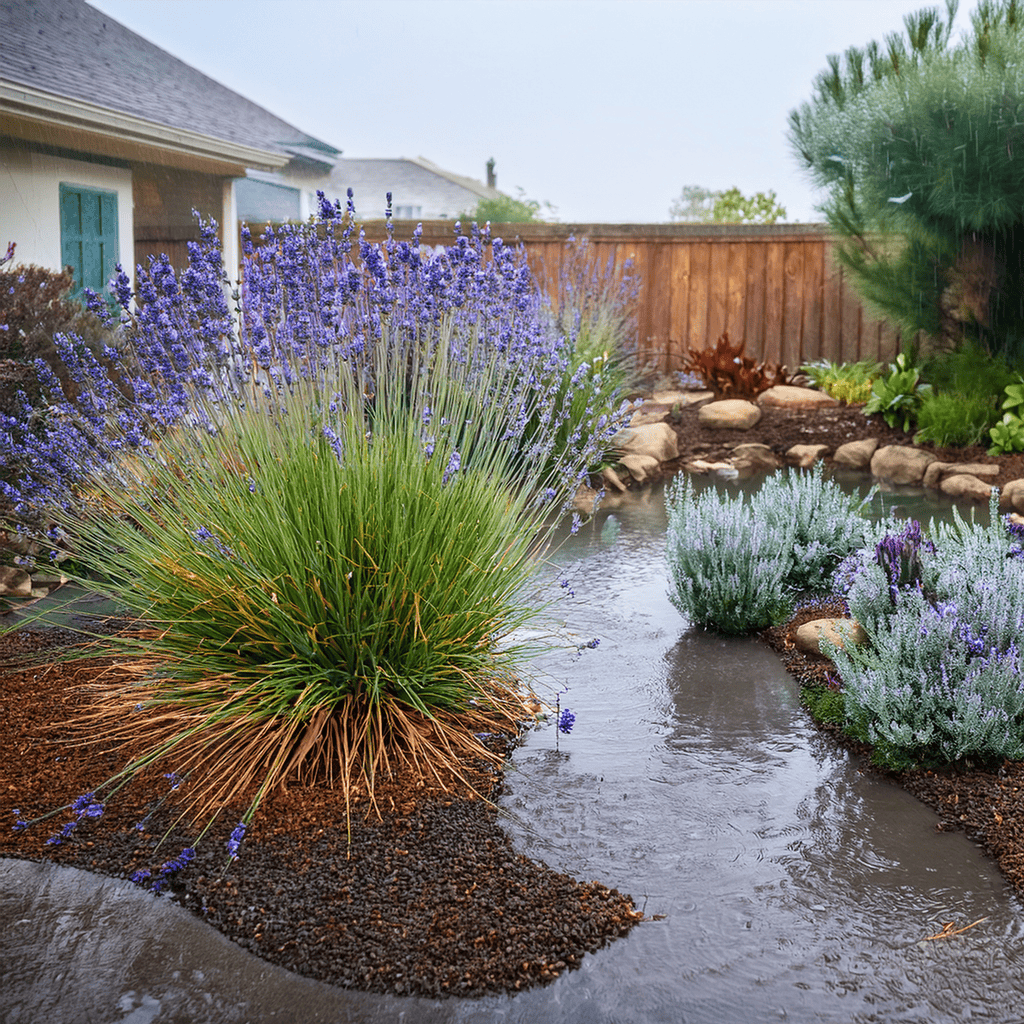
What to expect: Wetter-than-normal conditions are one of the stronger El Niño signals, increasing the chance of prolonged rain and saturated soils.
Across Texas, Louisiana, and the Gulf Coast, El Niño often directs more winter storms across the southern United States.
Why It Matters for Your Garden
Heavy or frequent rain can create drainage problems, root rot, fungal disease, and saturated clay soils. Spring beds may remain too wet to work even when temperatures feel suitable for planting.
What You Can Do Now
Clear drainage channels, check low spots, and raise containers off patios if they tend to sit in water. Reduce automatic irrigation during rainy periods. In spring, give heavy soils time to dry before digging or transplanting.
8. The Southeast Could Have a Cooler, Wetter Winter
What to expect: Increased rainfall and prolonged damp conditions may become bigger concerns than winter cold itself.
The Southeast often experiences a wetter, more active winter storm pattern during El Niño.
Why It Matters for Your Garden
Cool, wet soil can be especially difficult for winter vegetables, bulbs, and newly planted perennials. Root and crown diseases can become more common when soil stays saturated for long periods.
What You Can Do Now
Improve drainage in heavy soils, avoid overmulching around crowns, and reduce irrigation when rainfall is frequent. Raised beds can be especially useful if your soil naturally drains slowly.
What You Can Do to Prepare for a Wetter Winter
For California, the Southwest, Gulf Coast, and Southeast, the most useful preparation may be managing excess water.
Focus on:
- Clearing blocked drains and low spots.
- Moving vulnerable containers out of areas where water collects.
- Raising pots slightly so drainage holes remain open.
- Redirecting downspouts away from planting beds when possible.
- Reducing automatic irrigation during rainy periods.
- Avoiding heavy foot traffic on saturated soil.
- Keeping dense mulch away from crowns that are already staying damp.
A wet winter can be excellent for groundwater and spring soil moisture, but only if roots are not sitting in poorly drained soil for weeks at a time.
9. Atlantic Canada Should Prepare for Changing Conditions
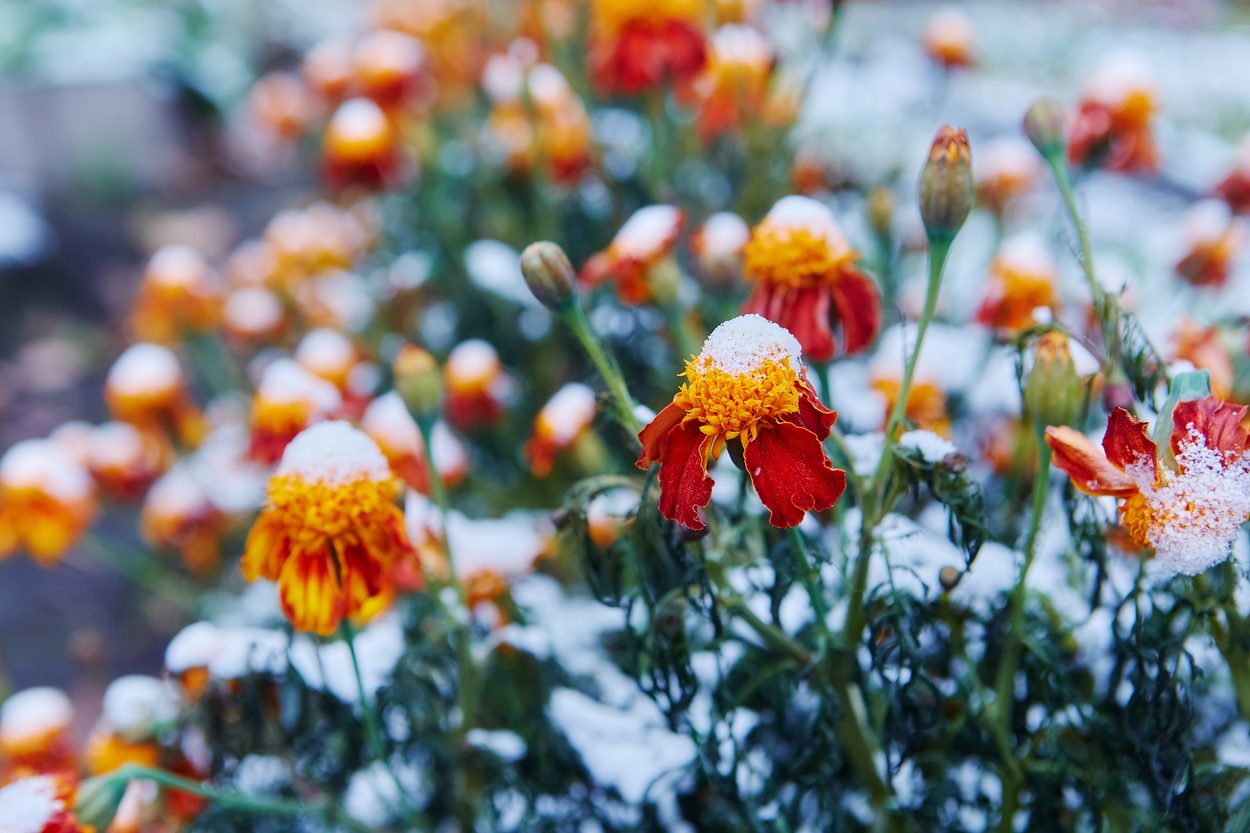
What to expect: El Niño has a weaker influence here, so gardeners should expect variability rather than a reliably mild or snow-free winter.
Atlantic Canada may see a mix of snow, rain, ice, and warm spells rather than one clear seasonal pattern.
Why It Matters for Your Garden
Warm periods can melt insulating snow before colder air returns. Rain and freezing rain can also leave heavy ice on shrubs and create saturated ground around dormant plants.
What You Can Do Now
Protect vulnerable crowns normally, keep drainage routes clear, and avoid pruning storm-damaged branches until you can assess them safely. If winter thaws expose roots, restore mulch around the plant rather than assuming spring has arrived.
10. Why a Mild Winter Can Still Be Hard on Plants
Warmer average temperatures can create more stress if plants repeatedly thaw, lose snow cover, and begin growing too early.
Hardy plants are often very good at surviving consistent cold once they are dormant. What can be harder is repeatedly moving between warm and cold conditions.
That pattern can expose roots, reduce insulation, and push plants toward growth before winter is truly over. This is especially important for shallow-rooted perennials, fruit trees, bulbs, and recently planted shrubs.
11. Watch Fruit Trees and Early Flowering Shrubs Closely
Late-winter warmth becomes risky when buds begin developing before another hard freeze arrives.
Apples, cherries, peaches, and many flowering shrubs gradually lose cold tolerance as buds swell.
A warm late winter can accelerate that process. If a hard freeze follows, flowers or developing buds can be damaged even if the winter overall was milder than average.
What You Can Do Now
Watch bud development rather than relying on the calendar. Have frost cloth available for small trees, shrubs, and tender plants. Avoid fertilizing woody plants too early in spring, since fresh growth is especially vulnerable to sudden cold.
12. Mulch Becomes More Valuable When Snow Is Unreliable
Winter mulch helps stabilize soil temperatures when consistent snow cover is missing.
The goal is not to keep the garden warm. It is to prevent repeated freezing and thawing.
Shredded leaves, straw, or loose organic material can help protect perennial crowns once the soil has cooled. Avoid piling thick mulch directly against woody stems or crowns.
13. Wetter Regions Should Think About Spring Drainage Now
If winter rainfall is unusually high, spring planting may be delayed even if temperatures warm early.
A sunny March afternoon can make a garden look ready before the soil actually is.
Trying to dig or till wet soil can destroy soil structure and create compacted clods that persist through the growing season.
What You Can Do Now
Improve drainage before winter, then test soil before working it in spring. Squeeze a handful in your palm. If it stays in a sticky ball rather than crumbling apart, give it more time to dry.
14. What You Can Do Now to Protect Your Spring Garden
By late winter, gardeners should begin shifting attention from the seasonal El Niño forecast to what actually happened locally.
Check:
- How much snow accumulated over winter.
- Whether rainfall was above or below normal.
- How wet the soil is beneath the surface.
- Whether perennial crowns have lifted.
- Whether fruit-tree buds are developing unusually early.
- Whether beds are still saturated before planting.
- Whether trees and shrubs show winter drying.
- Whether early weeds or pests are appearing sooner than usual.
Spring gardening should respond to those conditions rather than simply following the date on the calendar.
15. Don’t Let El Niño Replace Your Local Forecast
El Niño changes probabilities. It does not predict individual storms, freezes, or rainfall events.
A wetter-than-normal winter can still contain dry stretches. A mild winter can still produce a severe cold snap. A region expected to receive less snow can still experience a major snowstorm.
Use the seasonal outlook to understand what may become more likely, then use short-term local forecasts to decide when to cover plants, water, plant, prune, or delay garden work.
16. This El Niño Could Have Lasting Effects Into Spring
The effects of El Niño do not necessarily stop when winter ends. The condition of your garden entering spring may reflect everything that happened during the previous several months.
A snow-starved northern garden may begin the season drier than expected. A rainy southern garden may remain saturated long after daytime temperatures become warm enough for planting. Fruit trees may develop early after a mild winter, while some perennial beds may emerge later where wet soil remains cold.
That is why the biggest El Niño gardening story may ultimately arrive in spring.
Final Thoughts
El Niño could create two very different gardening seasons across North America. Northern gardeners may face reduced snow cover, temperature swings, and potentially drier soils heading into spring, while gardeners across much of the southern United States may enter the season dealing with excess rainfall and saturated ground.
The best preparation is not to assume one outcome, but to understand your region’s biggest vulnerability. Protect exposed roots where snow may be unreliable. Improve drainage where rainfall could increase. Watch fruit-tree buds after mild spells. Check soil moisture before watering or planting.
And when spring arrives, let the condition of your own soil and plants guide you. El Niño may set the stage, but what happens in your garden will still depend on the weather right outside your door.