

There are few things more frustrating than waiting all winter for spring bulbs to emerge, only to discover that deer have treated the new growth like a salad bar. Tulips are particularly notorious for disappearing almost as soon as their leaves and flower buds become visible. Fortunately, not every spring bulb is equally tempting.
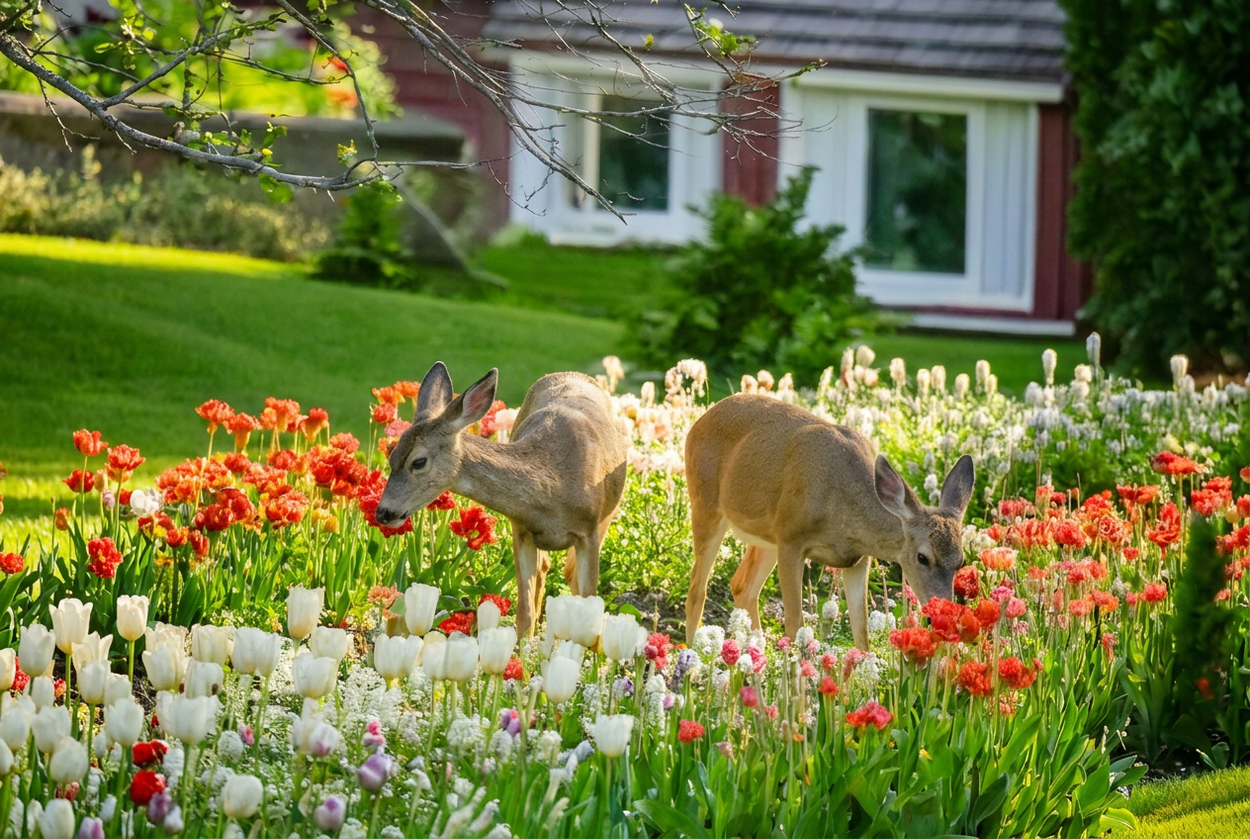
Some bulbs contain bitter, irritating, strongly scented, or even toxic compounds that make them much less appealing to browsing deer. Nothing planted in an open garden is completely deer proof, especially when food is scarce, but choosing less palatable bulbs can greatly improve your odds of actually seeing those spring flowers bloom. Here are 11 bulbs deer usually leave alone.
1. Daffodils
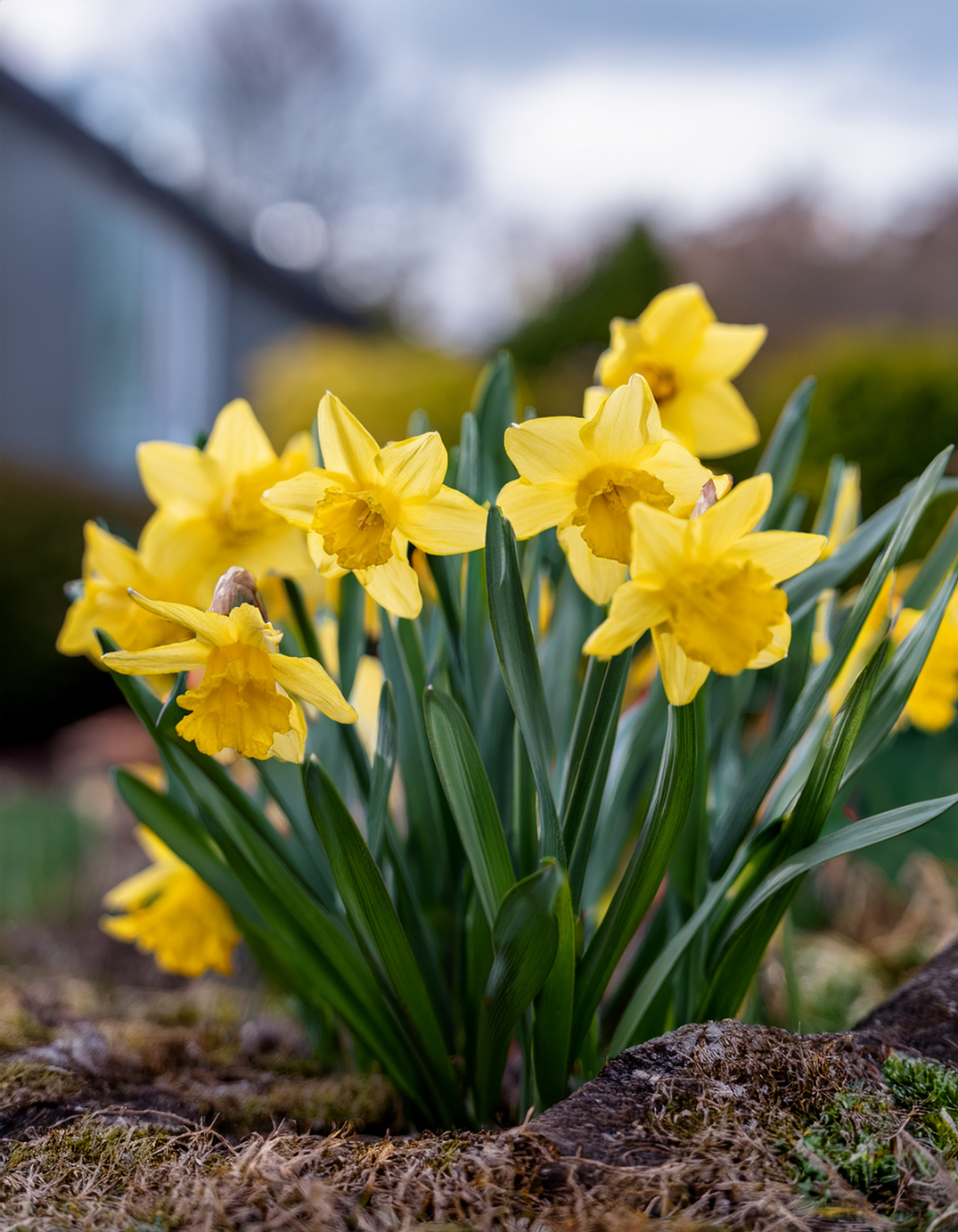
Daffodils are one of the safest choices for gardeners who regularly deal with deer. Their bulbs and foliage contain alkaloids, including lycorine, that make the plants unpleasant and potentially harmful to animals that consume them. Deer generally recognize this and move on to something more appetizing.
They are also incredibly versatile. Plant traditional yellow trumpet daffodils, miniature varieties, fragrant types, or late flowering cultivars to stretch the display over several weeks. Once established, many daffodils multiply gradually, creating larger clumps without requiring much attention from you.
🐝 Fan Favorite
“Feed the Bees” Garden Sign
Give your wildflower patch a pop of color and let your neighbors know there’s purpose in your plants.
Delivered in 5–7 days
- Hand-illustrated design
- Recycled aluminum — won’t fade, rust, or crack
- Plants 1 real tree in the Monarch Corridor
🦋 Every sign funds a tree planted in the North American Monarch Corridor — at no extra cost to you.
2. Siberian Squill
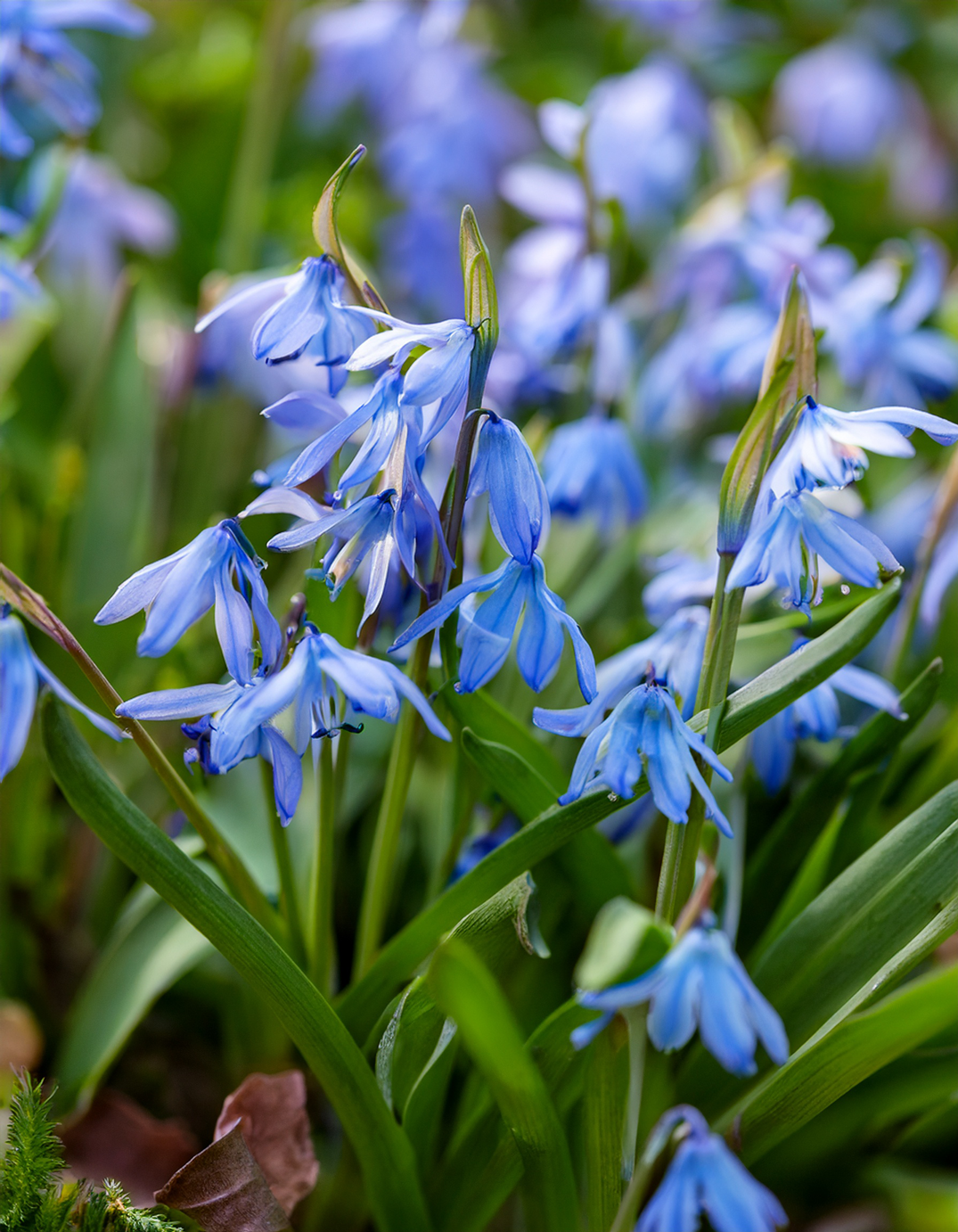
Siberian squill can produce astonishing carpets of blue when allowed to naturalize. Each bulb is small, but established colonies can eventually create hundreds or even thousands of flowers underneath trees, through lawns, or along woodland edges. Deer typically show little interest in the plants.
Because Siberian squill spreads readily by seed and offsets, give some thought to where you plant it. In the right setting, that ability to multiply is exactly what makes it so beautiful. In a tightly controlled border, however, you may prefer keeping it confined to a smaller area or choosing less vigorous bulbs.
3. Ornamental Alliums
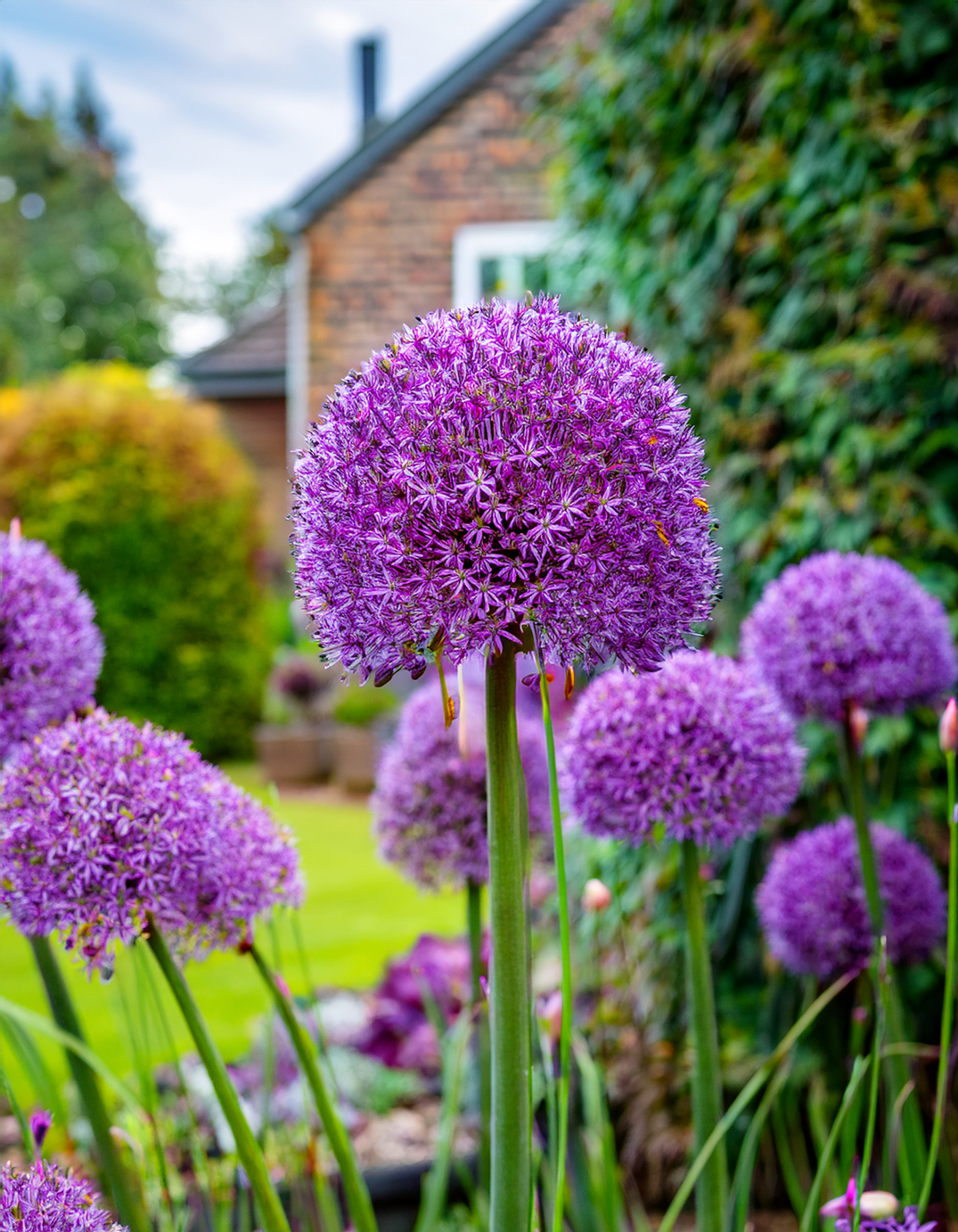
If deer repeatedly wander through your garden, ornamental alliums are worth planting in large numbers. They belong to the same plant family as onions and garlic and contain sulfur compounds that create their distinctive scent. Deer generally dislike that smell and tend to leave the foliage and flowers alone.
There is also far more variety among alliums than the familiar giant purple globes. Some produce small lavender clusters, others have enormous spherical flower heads, and varieties such as drumstick alliums bloom later in the season. Mixing several types can extend flowering from late spring into summer.
4. Fritillaria
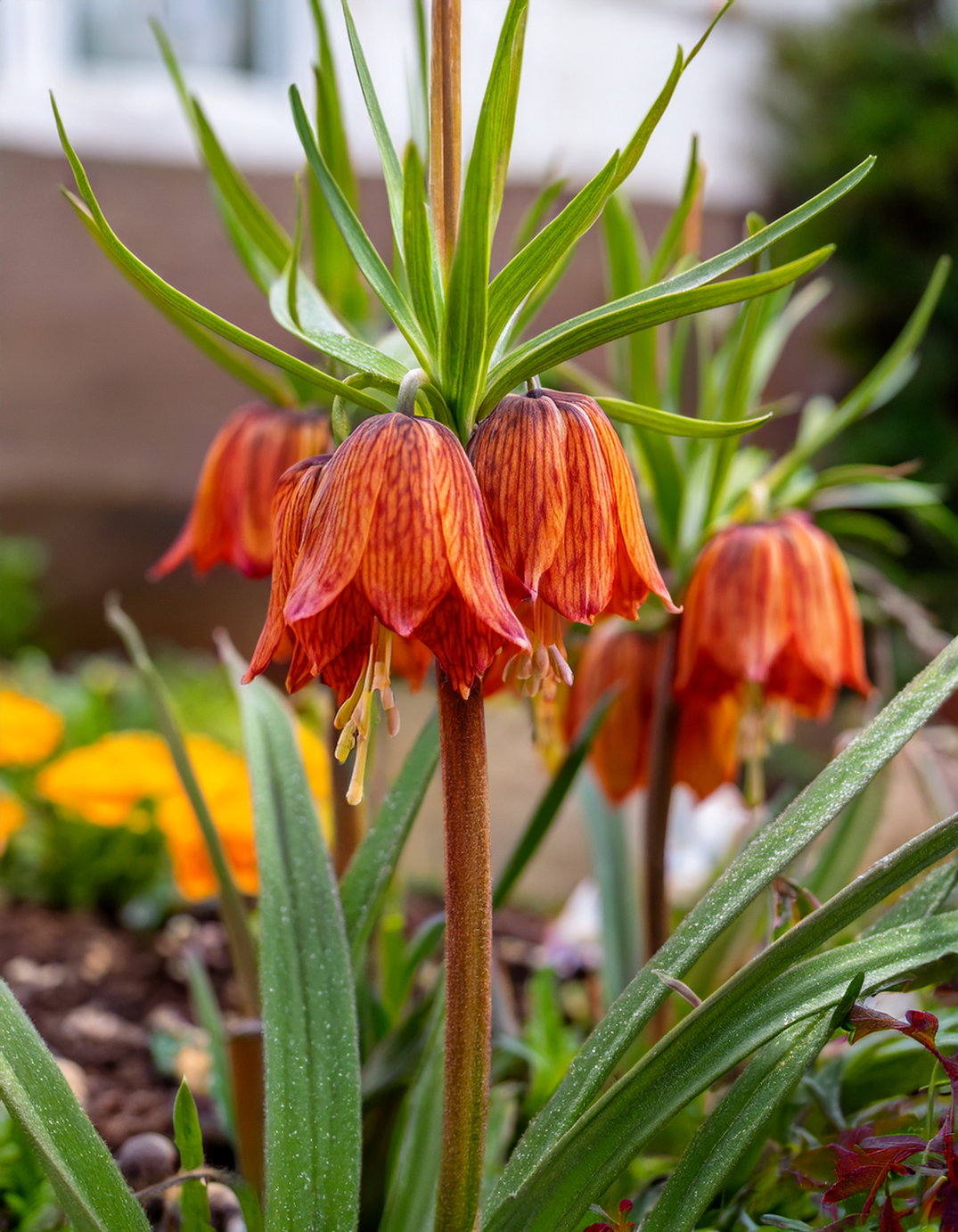
Fritillarias may be among the most interesting deer resistant bulbs you can plant. Crown imperial fritillarias produce tall stems topped with dramatic clusters of bell shaped flowers, while smaller species offer delicate checkered or nodding blooms. Many have a distinctive scent that deer and rodents appear to dislike.
Crown imperials are particularly useful when you want height among spring bulbs. They can rise dramatically above lower daffodils, muscari, and emerging perennials. Give them well drained soil because fritillaria bulbs are much more likely to struggle with persistent winter moisture than with deer.
5. Snowdrops
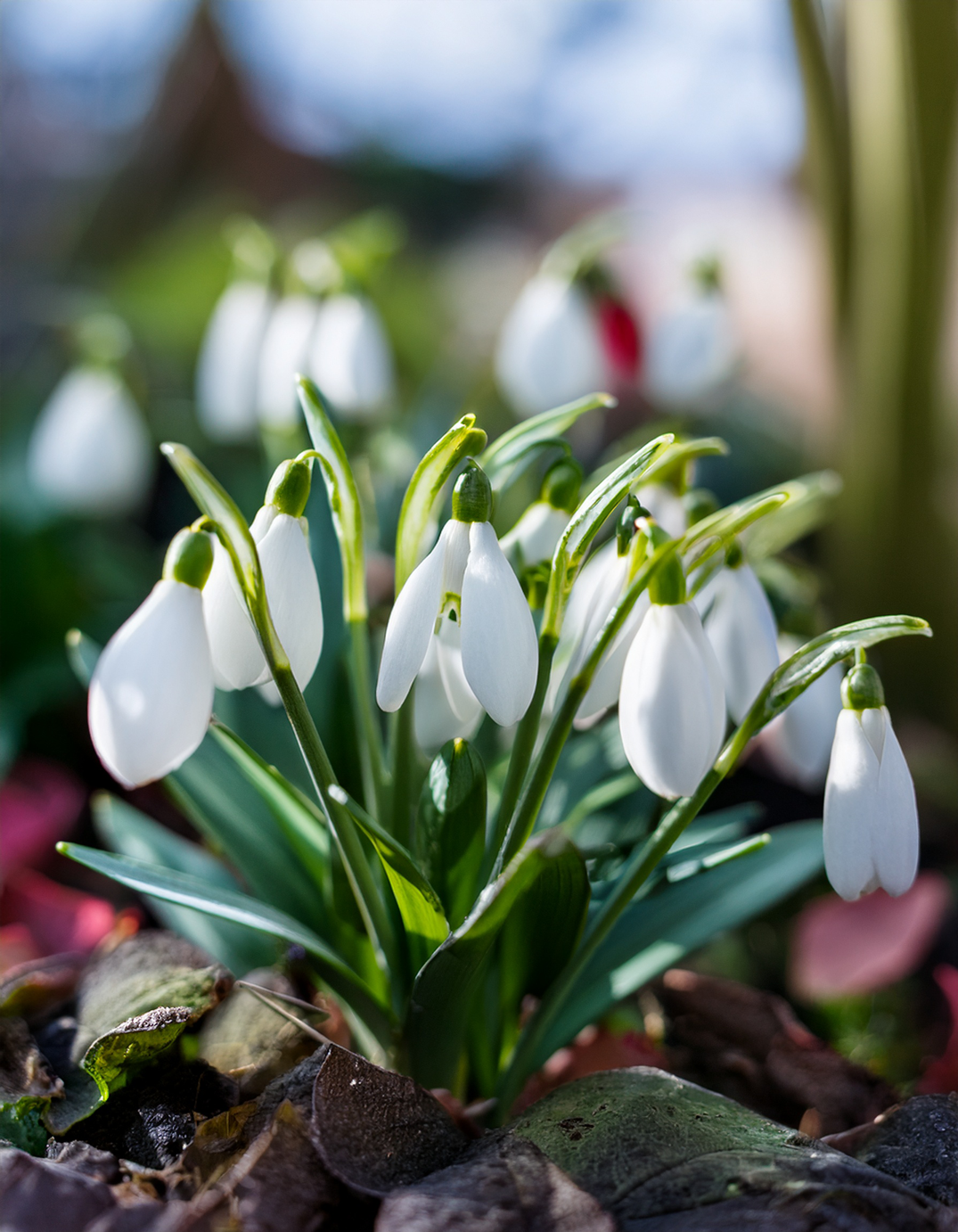
Snowdrops are among the first flowers to appear as winter begins loosening its grip. Their nodding white flowers often emerge while snow is still lingering around the garden, yet deer usually show little interest in eating them. Snowdrops contain natural alkaloids that help discourage browsing.
They are especially useful beneath deciduous trees and shrubs where the ground receives plenty of sunlight in early spring. Over time, happy snowdrops can form increasingly large colonies. Allow their foliage to yellow naturally after flowering so the bulbs can store enough energy for the following year.
6. Grape Hyacinths
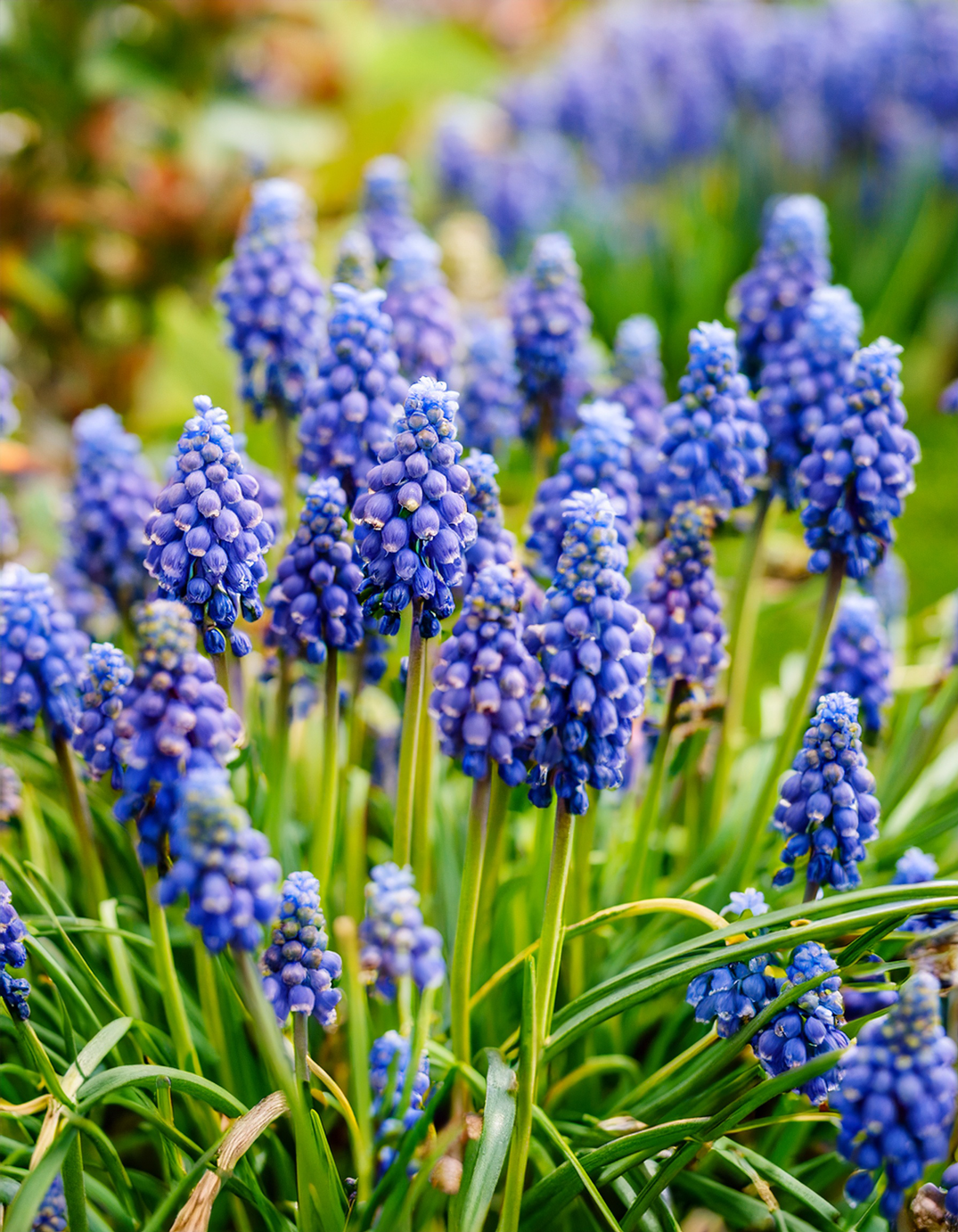
Grape hyacinths are small but surprisingly tough. Their clusters of blue, purple, white, or occasionally pale flowers resemble tiny bunches of grapes. Deer generally pass them by, making them useful for filling spaces between larger bulbs that might otherwise be more vulnerable.
They also multiply readily when growing conditions suit them. A handful of grape hyacinths can gradually become a substantial spring display along pathways, underneath shrubs, or through the front of perennial borders. Their small size makes them especially effective when planted in generous groups rather than individually.
7. Autumn Crocus
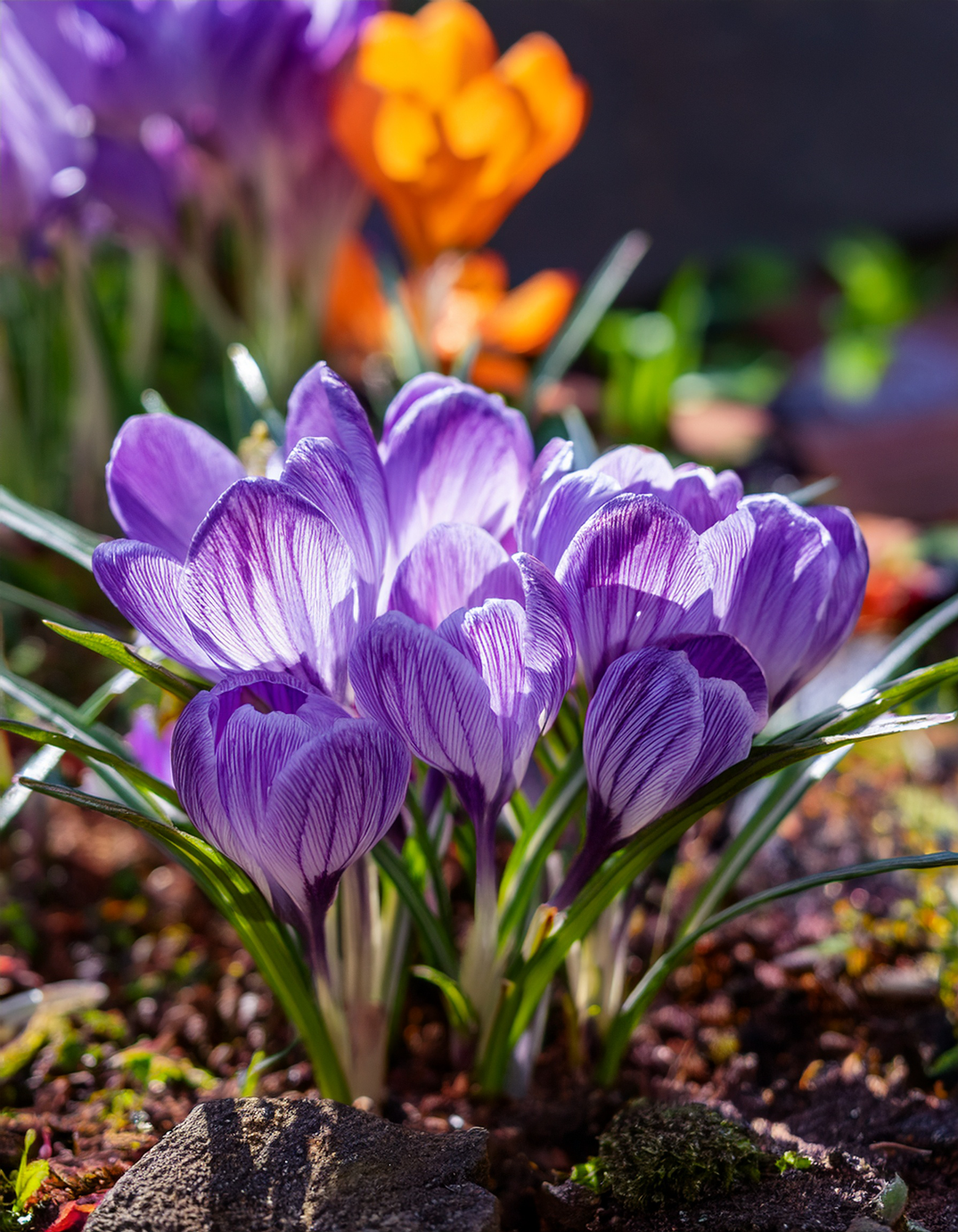
Despite the name, autumn crocus is not the same plant as the familiar crocus that blooms in early spring. Most plants sold as autumn crocus belong to the genus Colchicum. They produce large crocus shaped flowers in late summer or fall, often appearing seemingly out of nowhere after the foliage has disappeared.
Colchicum contains colchicine and other toxic compounds, which makes the plant highly unappealing to deer and many other animals. Plant the corms where their unusual growth habit will not be disturbed. Since the foliage appears separately from the flowers, combining them with surrounding perennials can help disguise the leaves as they mature and eventually fade.
8. Hyacinths
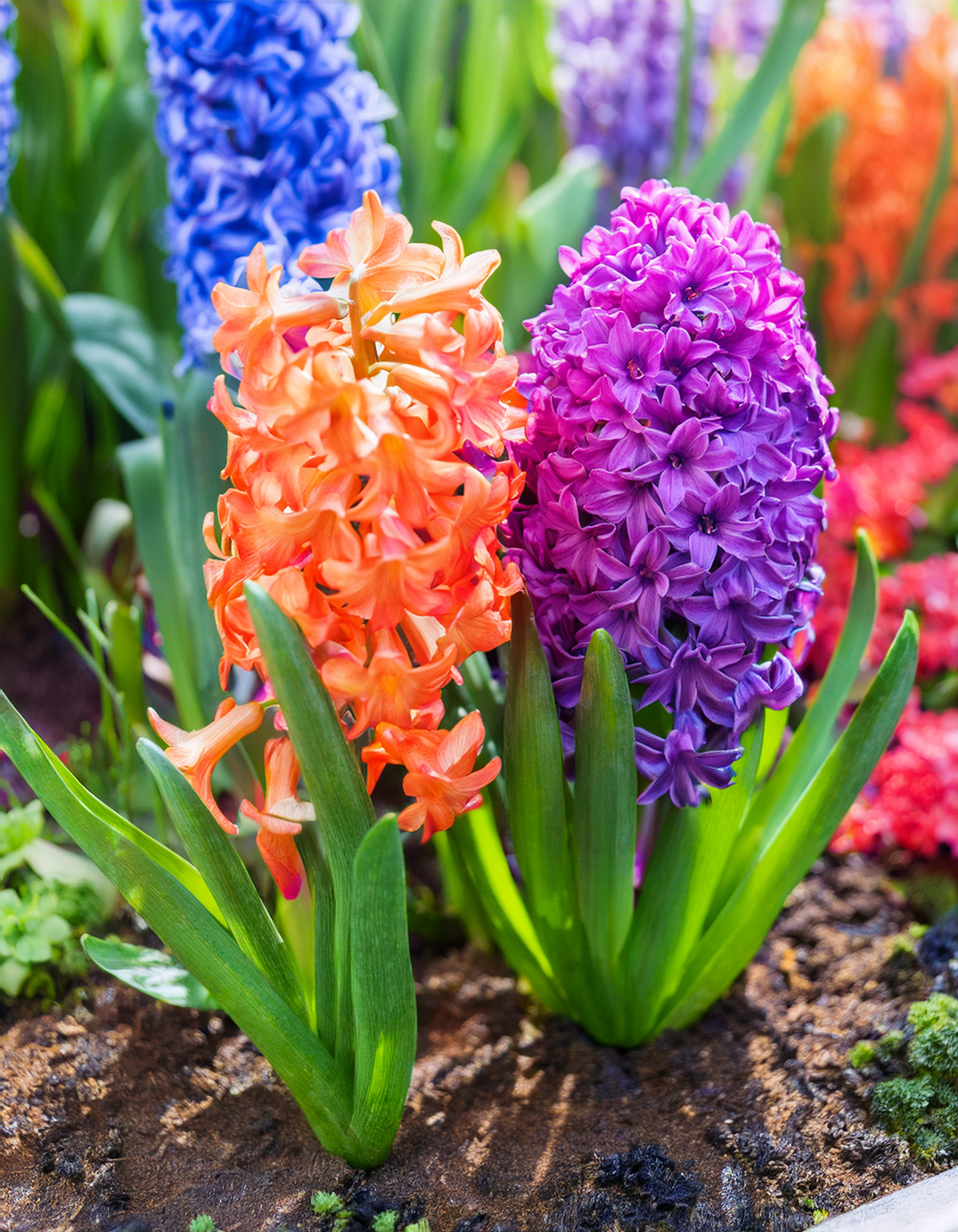
Hyacinths bring something completely different to the spring garden with their dense flower spikes and powerful fragrance. Deer typically show little interest in them, particularly compared with nearby tulips. The plants contain irritating compounds, and their thick foliage does not appear to be especially appealing to browsing animals.
Their fragrance makes hyacinths particularly useful close to patios, pathways, entrances, and other areas where you can enjoy them at close range. Plant them between other perennials or mix them through a bulb border rather than placing every bulb in a single row. The result feels far more natural when spring arrives.
9. Glory of the Snow
Glory of the snow earns its name by flowering incredibly early, sometimes pushing through the remnants of winter snow. The star shaped flowers are usually blue with pale centers, although pink and white varieties are also available. Deer generally leave the plants alone while searching for more palatable spring growth.
Plant glory of the snow underneath deciduous trees, through informal lawns, or along the edges of woodland gardens. The foliage appears early, feeds the bulb after flowering, and disappears as the rest of the garden begins filling in. That makes it particularly easy to combine with hostas, ferns, hardy geraniums, and other later emerging perennials.
10. Summer Snowflake
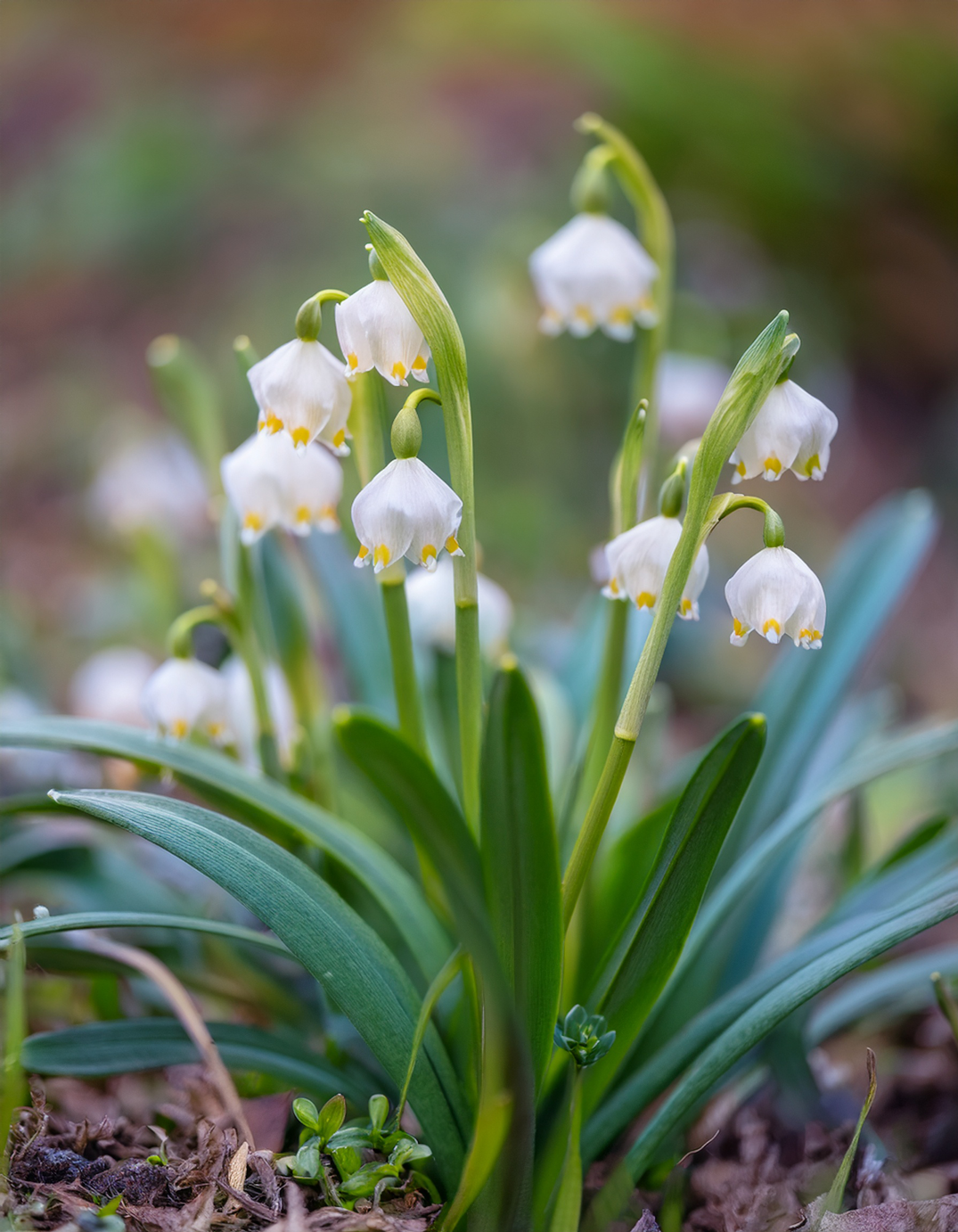
Summer snowflake looks a little like an oversized snowdrop, although it belongs to a different genus. Arching stems hold several white bell shaped flowers, usually marked with small green spots at their tips. Despite its common name, it typically flowers during mid to late spring in many gardens.
Deer tend to avoid summer snowflake because the plant contains alkaloids that make it unpalatable. It also tolerates slightly damper conditions than many traditional spring bulbs, making it useful near rain gardens, pond edges, or areas that remain moist during spring before becoming drier later in the year.
11. Reticulata Iris
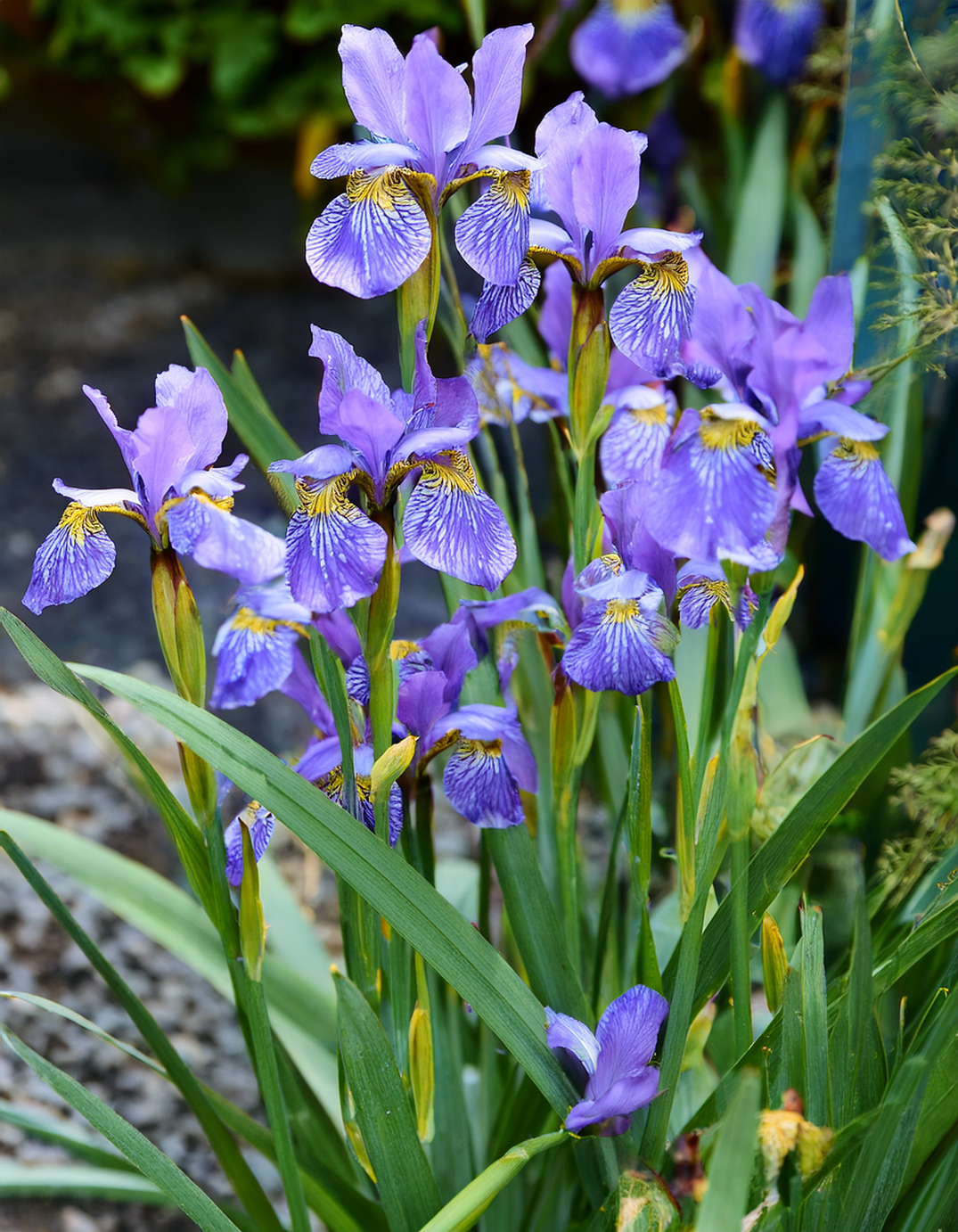
Reticulata irises are tiny compared with traditional bearded irises, but their flowers can be remarkably intricate. Rich blue, violet, purple, and yellow blooms often appear extremely early in spring, sometimes alongside snowdrops and the earliest crocuses. Deer usually leave both the flowers and narrow foliage alone.
These small irises appreciate a sunny location with excellent drainage. Rock gardens, gravel borders, raised beds, and the fronts of sunny borders can all work beautifully. Planting a dozen or more together creates a much stronger effect than scattering individual bulbs around the garden.
Planting Deer Resistant Bulbs Strategically
Even deer resistant bulbs work best as part of a broader planting strategy. Instead of creating one isolated patch, try weaving daffodils, alliums, fritillarias, and other less palatable bulbs through beds where deer regularly browse. Their presence will not create an invisible barrier that deer refuse to cross, but it can reduce the amount of attractive spring food available in those areas.
It is also worth remembering that deer behavior changes throughout the year. A plant that is normally ignored may suddenly be sampled during a particularly harsh winter or early spring when natural food is scarce. Young growth can also be more tempting than mature foliage, so recently planted gardens may still need temporary protection while bulbs establish.
Final Thoughts
Growing bulbs in deer country does not have to mean giving up on a colourful spring garden. Daffodils, alliums, fritillarias, hyacinths, snowdrops, and several smaller naturalizing bulbs give you plenty of options that deer are far less likely to browse than tulips and other favourites.
Plant several varieties with different flowering times and you can create a display that begins while winter is still hanging around and continues well into late spring. Deer may still wander through to investigate, but with the right bulbs in the ground, there should be considerably less on the menu.