

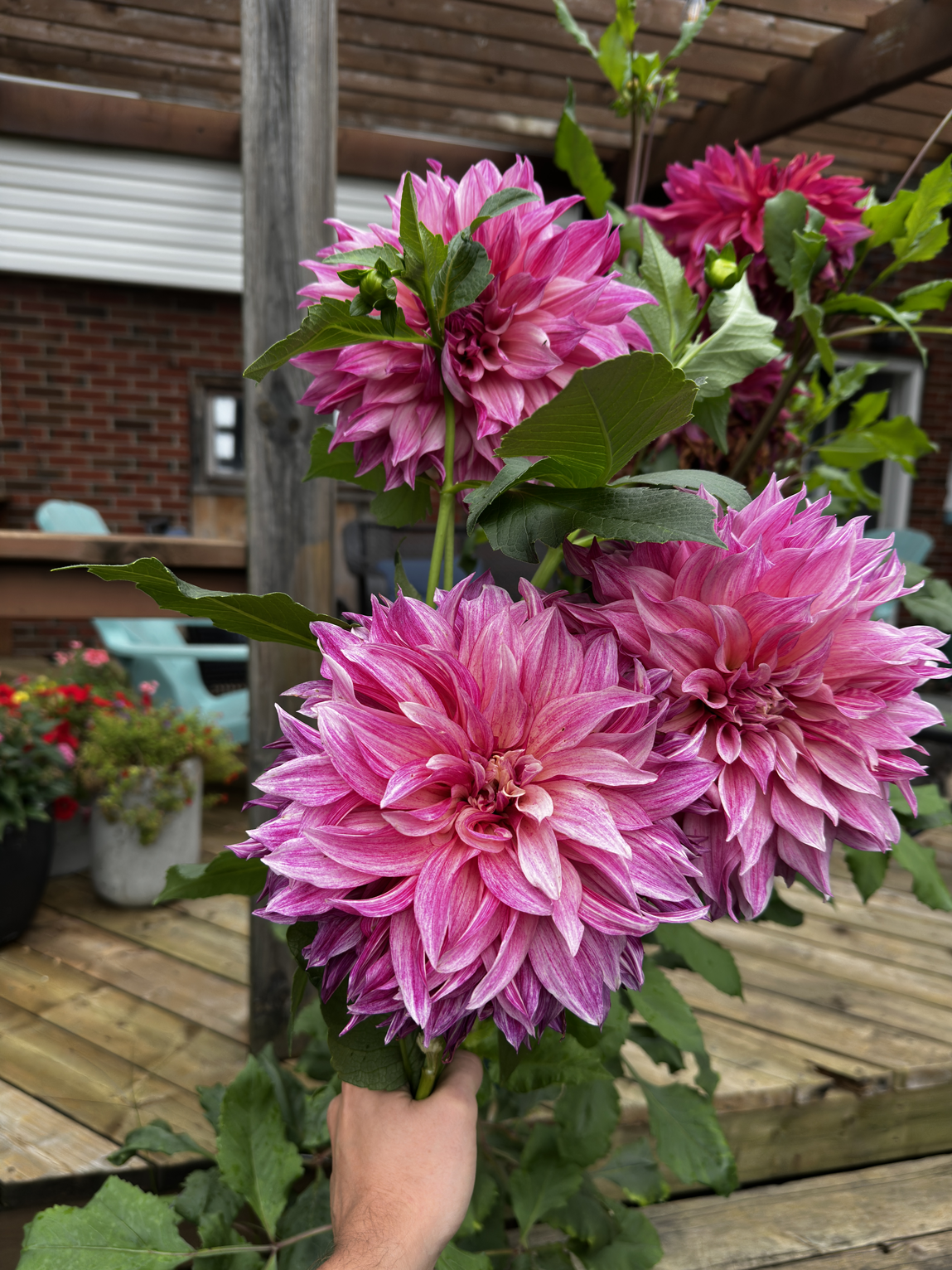
I love growing dahlias because, once they get going, the blooms seem almost endless through summer and into fall. Then there are the varieties. Between the colours, petal shapes, and flower sizes, I honestly think dahlias are the most diverse flowers I know. My favourites are dinnerplate dahlias. Those enormous blooms are exactly the kind of flowers I want in a summer cut flower garden, where a few stems can become the centrepiece of an arrangement.
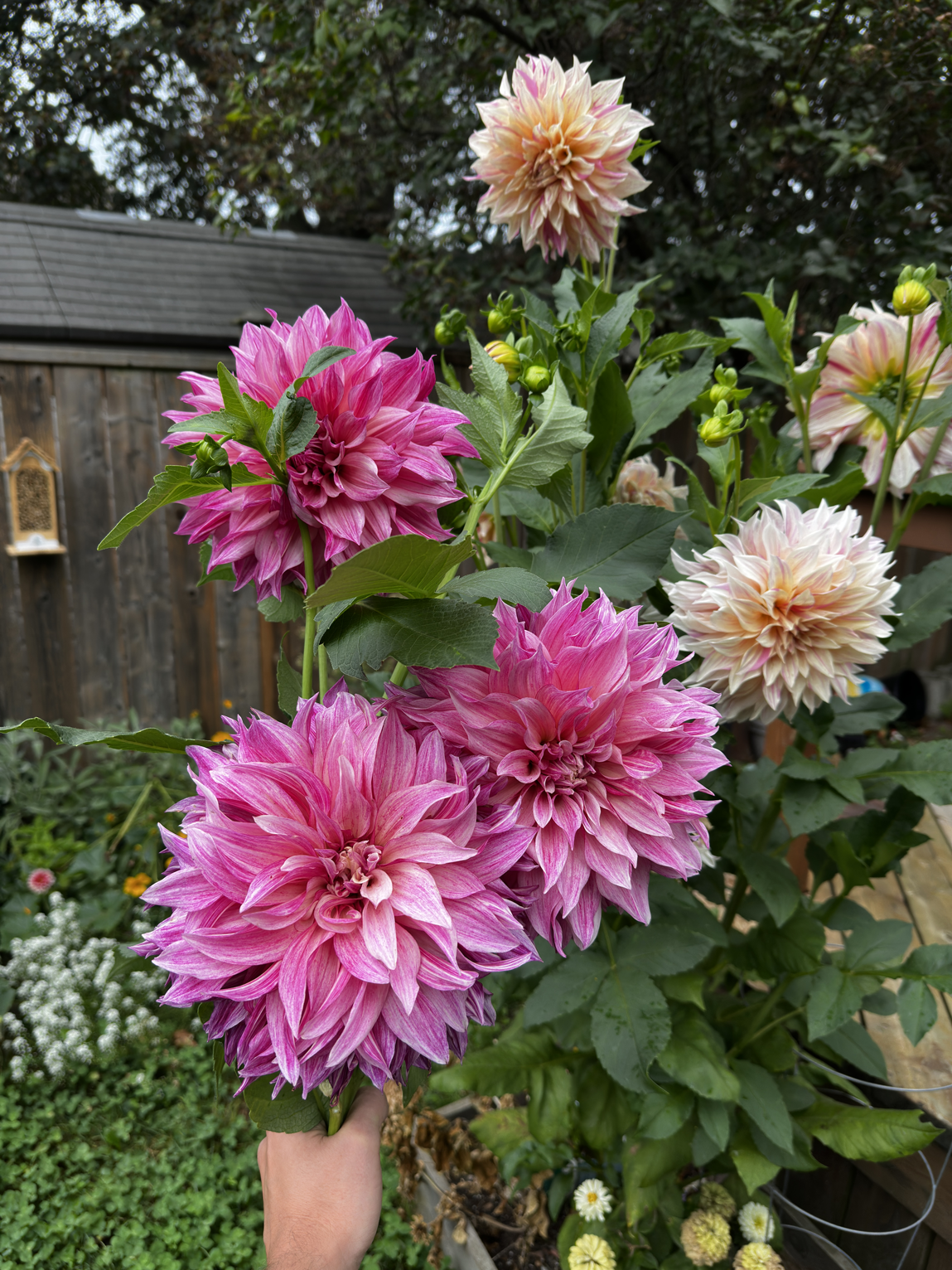
Learning how to propagate dahlias gives you a way to grow more of the flowers you already love. You can divide their tubers, take cuttings from fresh shoots, or grow them from seed. The method you choose matters, especially if you want another plant that looks like your favourite. Below, I’ll explain how each approach works, when to get started, and what to watch for along the way.
At a Glance
- Dahlias can be propagated three main ways: by dividing tubers, rooting fresh stem cuttings, or growing new plants from seed.
- Use division or cuttings when you want an exact copy of a favourite dahlia. Both methods reproduce the parent variety, while seedlings can produce completely different colours, forms, and flower sizes.
- Spring is often the easiest time to divide stored tubers. The growing eyes are usually easier to see, making it simpler to separate the clump without accidentally creating tubers that cannot sprout.
- Every tuber division needs a viable eye, crown tissue, an intact neck, and a healthy tuber. A large tuber without an eye will not produce a new dahlia plant.
- Take cuttings from healthy spring shoots about 3 to 4 inches tall. Keep them warm, brightly lit, humid, and lightly moist while roots develop, which can happen in around two weeks under good conditions.
- Protect propagated dahlias from frost. Harden seedlings and rooted cuttings off gradually, then plant them outdoors once the danger of frost has passed.
1. Choose the Right Dahlia Propagation Method
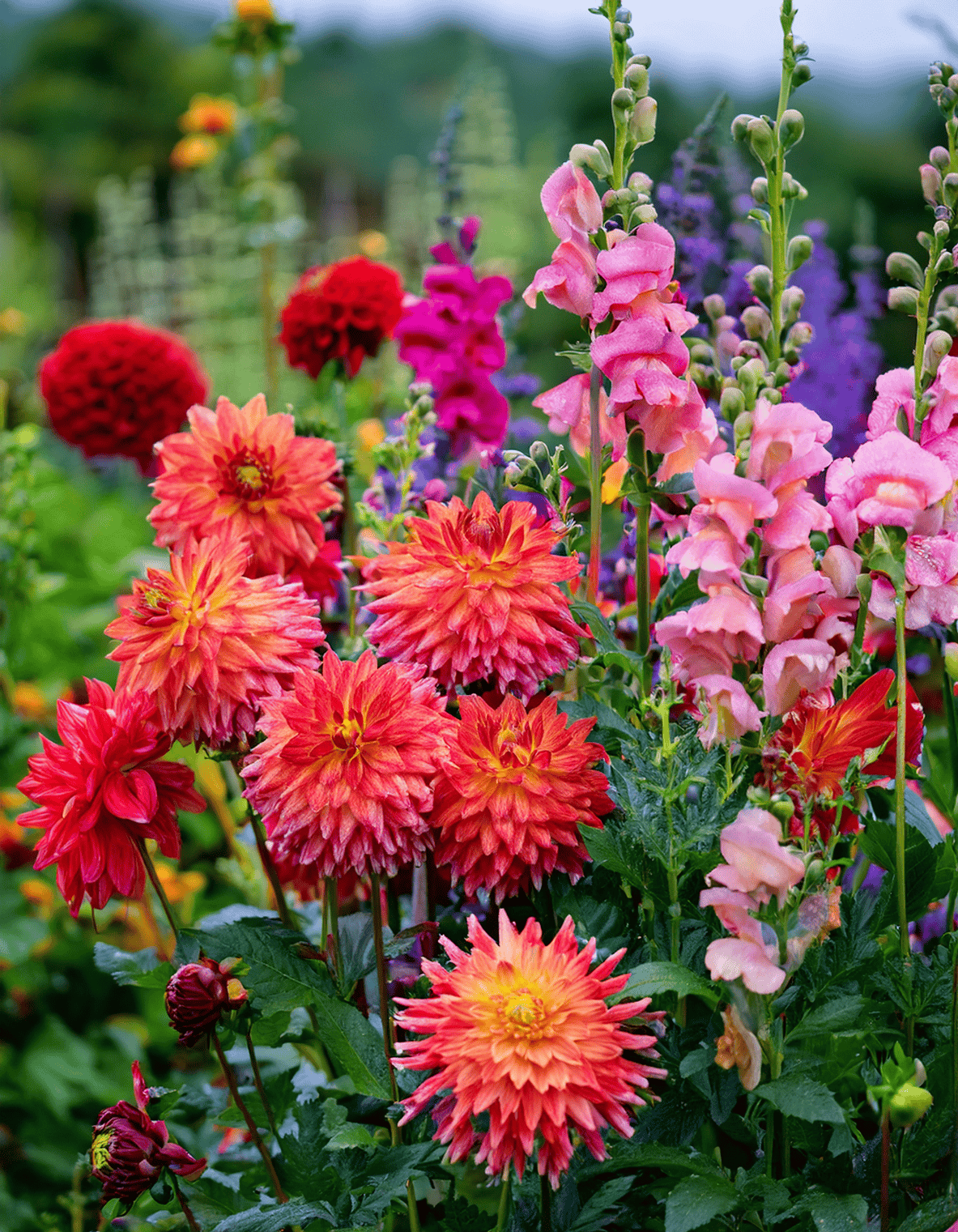
Before reaching for a knife or a seed tray, I would decide what you want from your new plants. If you love a particular dinnerplate dahlia and want more of that same variety, choose division or cuttings. Both are forms of clonal propagation. Seeds introduce variation, so collecting seed from a favourite flower doesn’t guarantee that its offspring will have the same appearance.
I see division as the most straightforward option when you already have a healthy tuber clump. Cuttings are useful when you want to multiply a variety beyond the divisions available in that clump. Seeds suit a different goal: growing a collection with some surprises. You don’t need to try all three at once. Choose the method that fits your starting material and the space you have.
🐝 Fan Favorite
“Feed the Bees” Garden Sign
Give your wildflower patch a pop of color and let your neighbors know there’s purpose in your plants.
Delivered in 5–7 days
🦋 Every sign funds a tree planted in the North American Monarch Corridor — at no extra cost to you.
| Method | What you need | Will it reproduce the parent variety? |
|---|---|---|
| Tuber division | A healthy clump with viable growing eyes | Yes |
| Stem cuttings | Fresh shoots from a healthy plant or sprouting tuber | Yes |
| Seeds | Purchased or collected dahlia seeds | Not reliably |
2. Know When to Propagate Dahlias
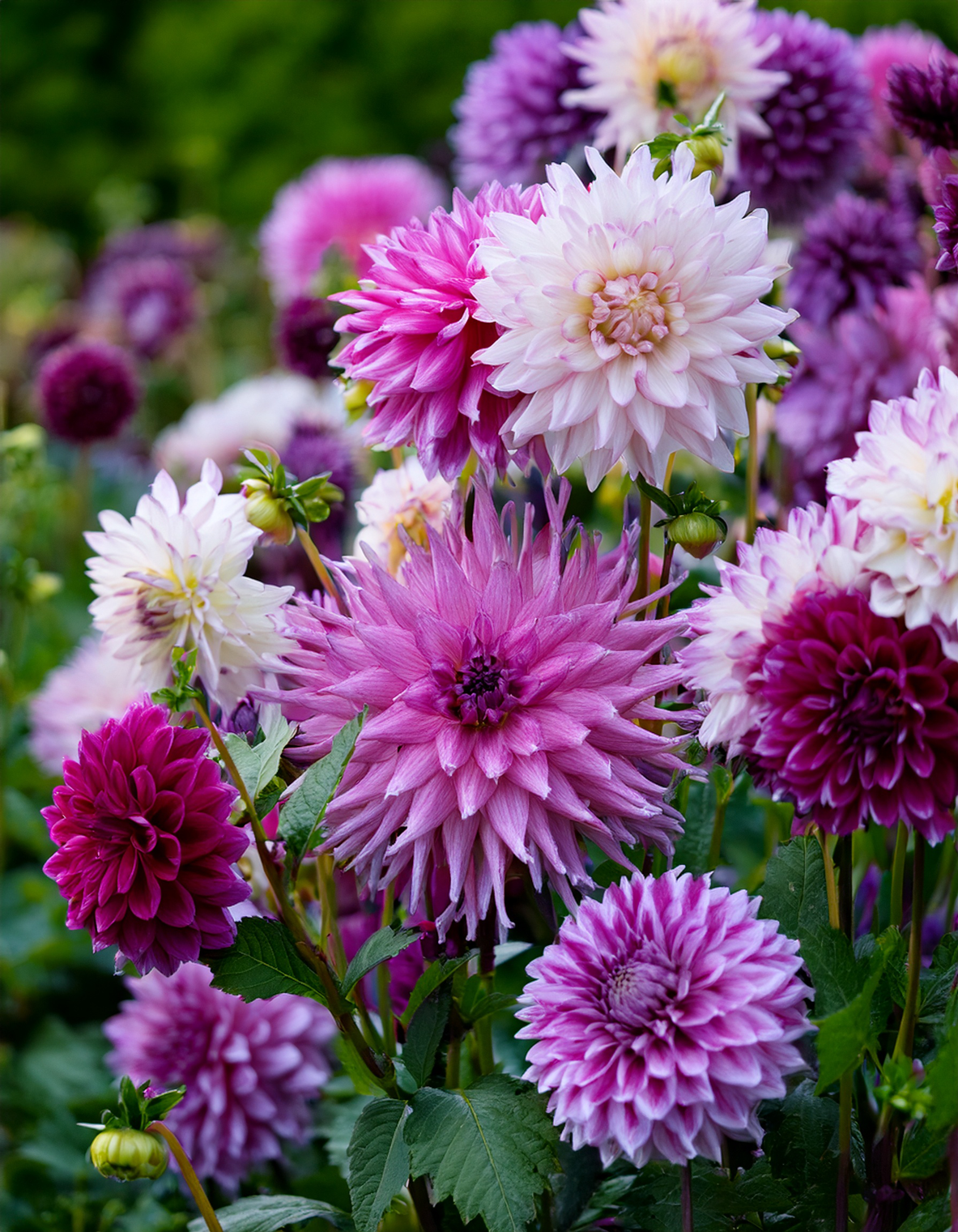
For most home gardeners, spring is the main season for starting cuttings and sowing seeds indoors. Tuber clumps can be divided in fall after lifting or in spring before planting. Fall division can be convenient while the clumps are freshly dug, but the eyes can be harder to identify. Waiting until spring gives those buds time to become more visible, which is helpful when you’re learning.
I would work backwards from your local last frost date rather than copy another gardener’s calendar. Starting early only helps if you can provide enough light and room to keep plants healthy indoors. In a cold climate, protecting your stored tubers over winter is also part of the process. A clump that freezes or rots won’t provide much to work with when spring arrives.
3. Divide Dahlia Tubers to Make More Plants
The most important detail in dahlia division is knowing where new growth comes from. The swollen tuber stores energy, the narrow neck connects it to the crown, and the crown carries the growing eyes. A tuber needs an intact connection to crown tissue with a viable eye to produce a new plant. Simply snapping the individual tubers off a clump can leave you with pieces that won’t grow.
I would take my time here, especially around the necks. The biggest tuber isn’t necessarily the best division, and getting the highest possible number of pieces shouldn’t be the goal. A few healthy divisions with clear growing points are more useful than a tray full of questionable ones. If you cannot confidently identify an eye, leave that section together and wait for growth to make the decision easier.
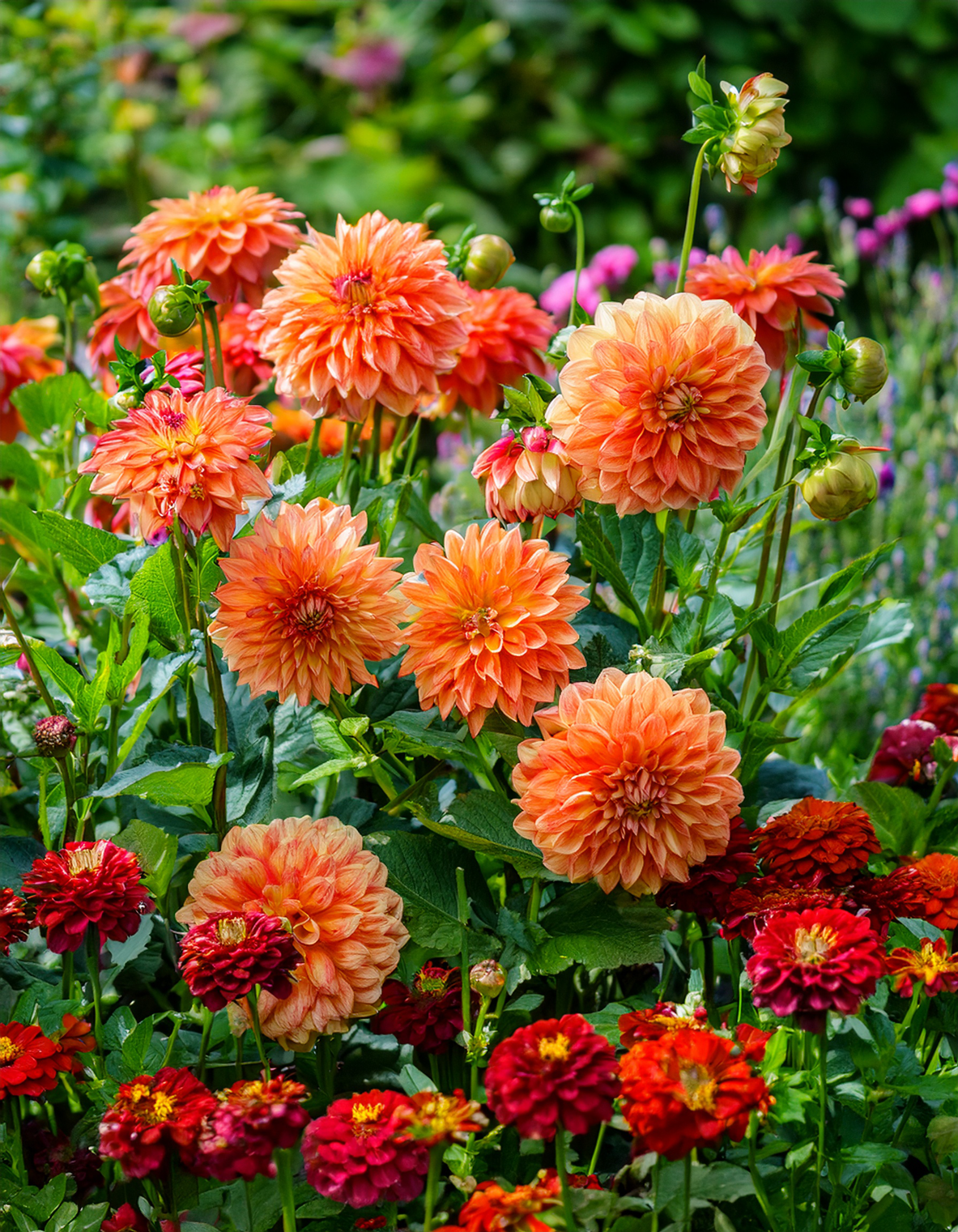
How to Divide Dahlia Tubers
- Inspect the clump. Set aside rotten material and tubers with broken necks.
- Expose the crown. Remove enough soil to see where the tubers join near the old stem.
- Find the eyes. Look for small raised buds around the crown. In spring, these may already be forming shoots.
- Plan each division. Keep a viable eye, supporting crown tissue, an intact neck, and a healthy tuber together.
- Make a clean cut. Use a sharp knife or suitable pruners, keeping the crown and neck intact.
- Disinfect tools between clumps. This helps prevent spreading disease between plants.
- Label immediately. Add the variety name before moving on to another clump.
Allow freshly cut surfaces to dry before planting or packing divisions for storage. If dividing in fall, keep them in a cool, frost-free location and check them periodically for rot or shrivelling.
4. Take Dahlia Cuttings From Fresh Spring Shoots
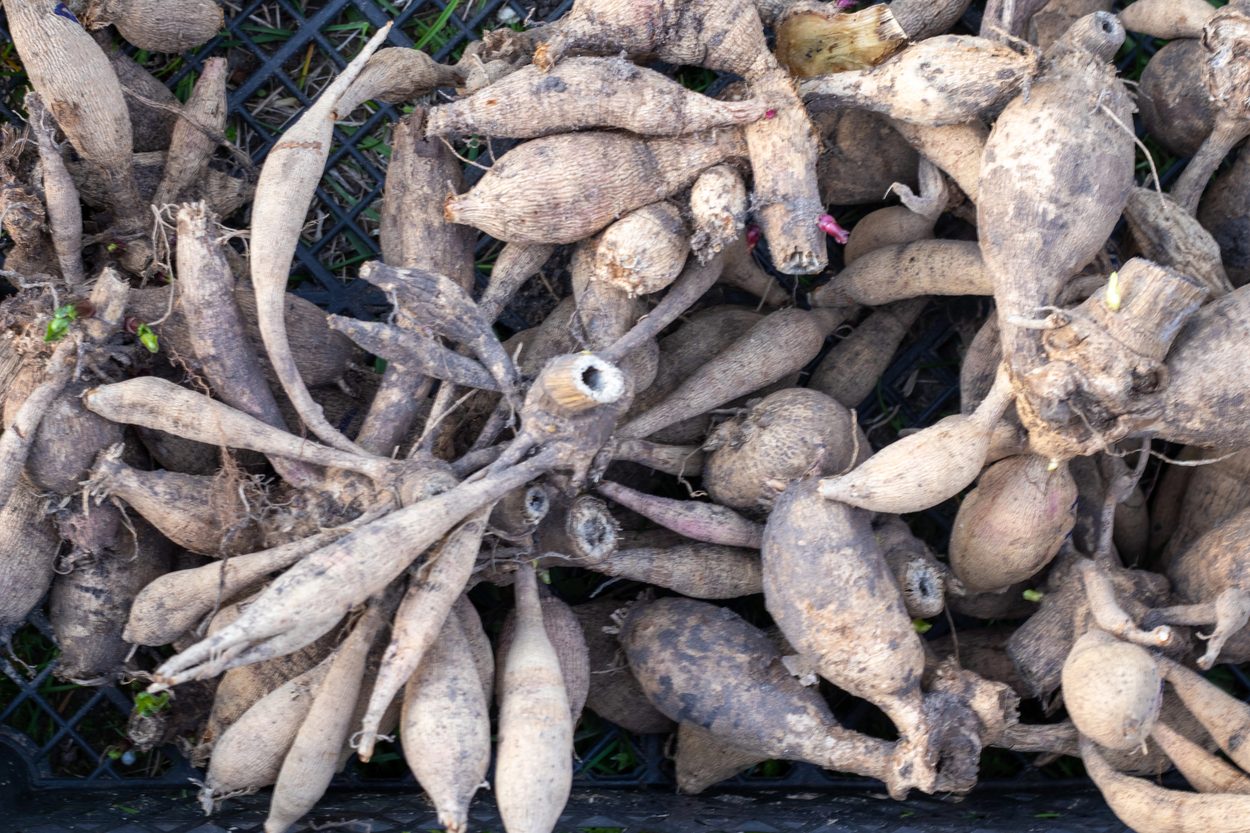
Cuttings give you another way to multiply a favourite dahlia without dividing its tuber into more pieces. Start a healthy stored tuber in a pot of growing mix, leaving the crown exposed so you can see the shoots develop. Keep it somewhere warm and bright, with restrained watering while growth begins. Once shoots are around 3 to 4 inches long, you can select one for a cutting.
For a beginner growing dahlias, I would focus on a small batch that you can monitor easily. These shoots don’t yet have roots of their own, so they need protection from drying out while those roots develop. A clean rooting mix, steady warmth, and controlled moisture matter more than collecting dozens of cuttings. Leave some growth on the parent if you also want to grow it on.
How to Take and Root Dahlia Cuttings
- Prepare a small pot. Fill it with a fresh, free-draining propagation mix and moisten it.
- Choose a healthy shoot. Use fresh growth without a flower bud.
- Cut below a leaf joint. Make the cut with a sharp, clean blade without removing part of the tuber.
- Remove the lower leaves. Keep the upper leaves and avoid burying foliage.
- Add rooting hormone if desired. Use a product labelled for cuttings and follow its directions.
- Insert the cutting. Make a hole first, position the lower node beneath the surface, and gently firm the mix.
- Provide warmth and light. Aim for roughly 65 to 75°F, or 18 to 24°C. A grow light on for about 14 hours daily is useful indoors.
- Maintain humidity. A propagation cover can limit wilting, but ventilate it and keep the mix damp rather than saturated.
Roots can develop in around two weeks under suitable conditions, although some cuttings take longer. Look for developing roots and sustained new growth before potting on. Gradually reduce the humidity around rooted plants rather than removing their cover abruptly.
A successful spring cutting can flower and make tubers in its first season. That makes cuttings particularly appealing if your goal is more plants of one named variety.
5. Grow Dahlias From Seed for Something Different
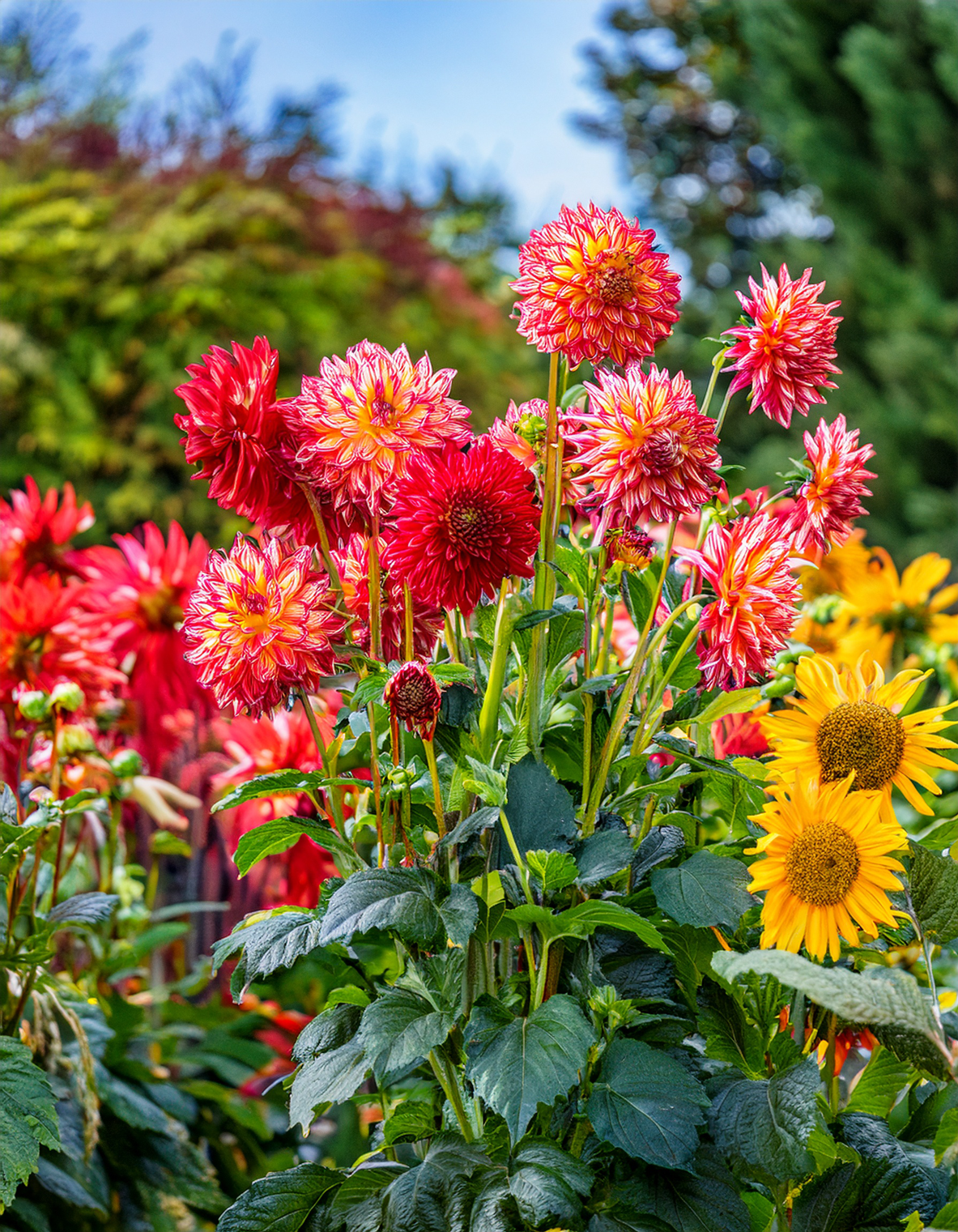
Growing dahlias from seed appeals to the part of me that loves their variety. With division and cuttings, you know which flower you’re multiplying. With seeds, the first bloom reveals what you’ve grown. Seedlings from a named dahlia can differ from the parent in colour, form, and other characteristics. I wouldn’t choose seeds to reproduce a favourite dinnerplate variety, but they offer plenty of room for experimenting.
For a first attempt, I would use purchased seed with clear sowing instructions. Start it indoors in spring using seed-starting mix, following the packet’s guidance for depth and temperature. Keep the mix evenly moist, provide strong light after germination, and move seedlings into individual pots as they develop. Labels are still useful, particularly if you’re comparing different seed mixes.
Saving Seeds From Your Own Dahlias
To collect your own seeds, allow selected flowers to remain on the plant after blooming so their seed heads can mature. Continue deadheading the flowers you aren’t saving for seed. Once mature heads are dry, separate the developed seeds and store them somewhere cool and dry.
Some flower types are harder to collect seed from than others, so a spent bloom doesn’t always provide usable seed. If a seedling produces a flower you especially like, keep its tubers at the end of the season. You can then reproduce that individual through division or cuttings.
6. Help Your New Dahlia Plants Settle Into the Garden
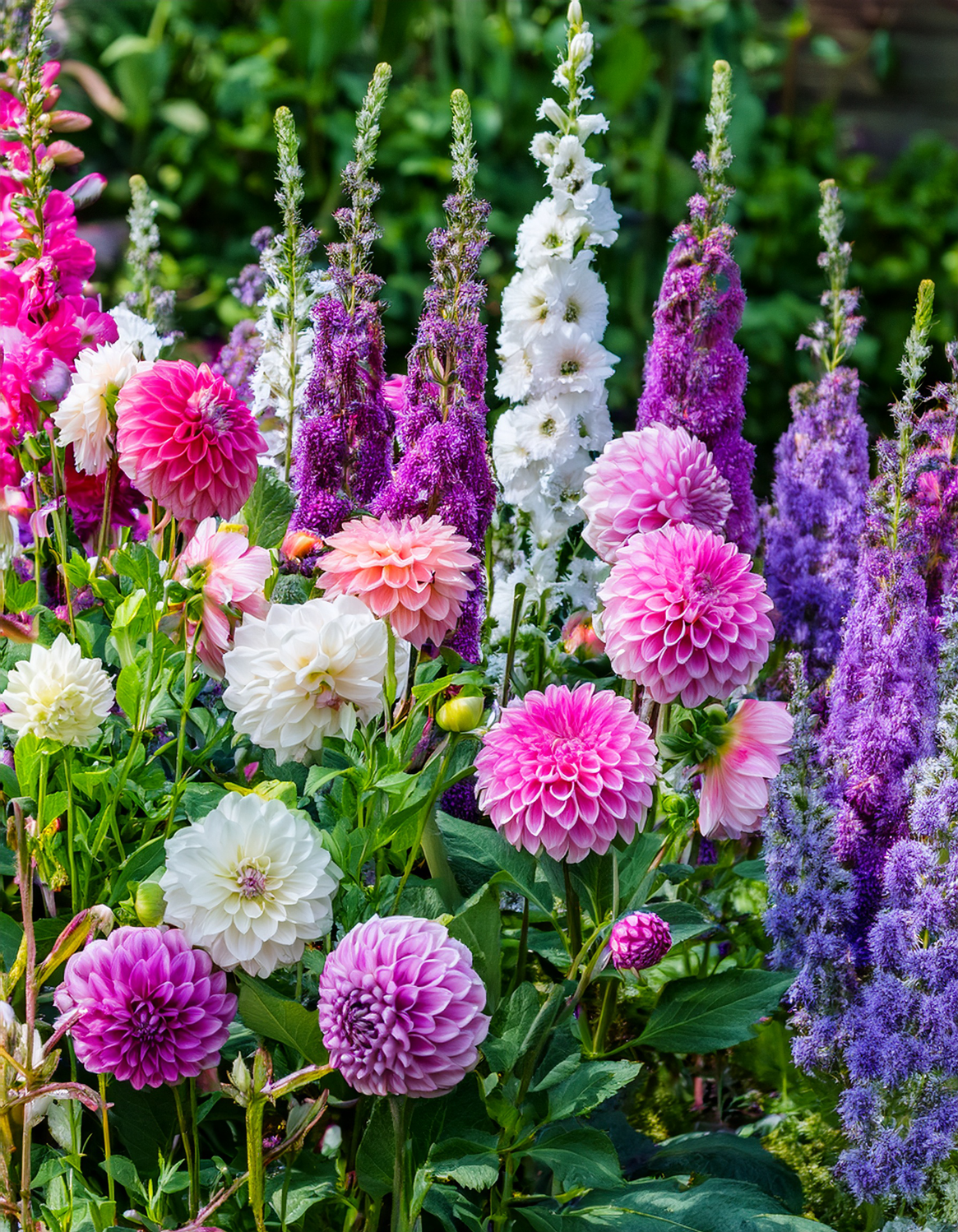
Once cuttings and seedlings are growing well, gradually introduce them to outdoor conditions. Begin with short periods in a sheltered spot, then increase their exposure to light and wind over time. Bring them back under protection when temperatures drop. Plant leafy dahlias outdoors once the danger of frost has passed, choosing a sunny location with fertile soil that drains well.
With dinnerplate dahlias, I would plan support from the beginning. Stakes are easier to position at planting time, and those large blooms need a framework as the stems grow. Water according to the soil and weather, keeping established plants supplied during dry spells. Give each plant enough room for its variety rather than squeezing in every extra dahlia you’ve propagated.
When plants have developed several pairs of leaves, pinching out the growing tip can encourage branching. Later, regular deadheading helps maintain flower production. Those care steps carry your new plants beyond propagation and towards the reason you grew them: more flowers for the garden and vase.
7. Avoid Common Dahlia Propagation Mistakes
The first mistake I would check for is dividing without a viable eye. If a tuber looks healthy but never sprouts, revisit whether it retained the necessary crown tissue and an intact neck. With cuttings, watch for a different problem: a growing mix that stays too wet. Humidity can protect leaves from wilting, but saturated mix can lead to rotting stems.
I would also resist the urge to propagate every plant in the garden. Choose healthy parent material, disinfect cutting tools between plants, and avoid multiplying plants that show suspicious growth or disease symptoms. Keep variety labels with every division and cutting. An extra moment spent labelling is worthwhile when your goal is preserving a particular flower.
Other problems often come down to expectations. A seedling that looks different from its parent is behaving normally. A cutting that needs longer than two weeks hasn’t automatically failed. Check its condition and growing environment before deciding what to do next.
Frequently Asked Questions
Is It Better to Divide Dahlias in Fall or Spring?
Both can work. Fall division lets you process freshly lifted clumps before storage, while spring division often makes the eyes easier to see. For someone learning to identify growing points, I would favour spring.
Can You Propagate Dahlias From a Bouquet?
I would start with fresh, non-flowering shoots from a healthy plant rather than bouquet stems. The spring shoots described above are a much more suitable starting point for this method.
Can Dahlia Cuttings Root in Water?
Some gardeners root them in water, but the method described here uses propagation mix. For a first attempt, I would follow that approach so the cutting develops roots in the medium where it will initially grow.
Do You Need Rooting Hormone?
Dahlia cuttings can root without it. Rooting hormone is an optional aid, and it won’t compensate for poor light, unsuitable temperatures, or overly wet mix.
Will Propagated Dahlias Flower in Their First Year?
Healthy divisions and spring cuttings can flower in the same growing season. Many seed-grown dahlias can too, although timing varies with the seed strain, sowing date, and growing conditions.
Final Thoughts
Dahlias are flowers I always want more room for. Their range is a big part of the appeal, but so is the way they keep producing once the season gets going. Dinnerplate dahlias remain my favourites, and being able to reproduce a variety I love makes propagation especially worthwhile.
If you’re starting with stored clumps, begin by learning to recognise the eyes and making a few careful divisions. Try cuttings when you want more of a particular variety, or seeds when you want to see what new flowers appear. Start with the number of plants you can care for well, then make room for them in next summer’s garden.