

By the end of winter, I’m usually ready to do something in the garden that doesn’t involve looking out the window and waiting. Pruning a few overgrown bushes can be a satisfying place to start. Without leaves covering the branches, it’s easier to see stems rubbing together, old wood crowding the centre, and branches that have wandered into a path. A few thoughtful cuts can make room for fresh growth without changing the character of the shrub.
The important part is knowing which bush you’re cutting and what you want from it. Some summer-flowering shrubs bloom on new growth, while fruit bushes need older productive wood preserved. Others only need occasional thinning. I treat late winter and early spring as a flexible window rather than a date on the calendar, especially in colder gardens where roses and butterfly bushes benefit from a little patience. Start with sharp, clean tools, check for active bird nests, and use the guidance below to decide how much pruning your particular plant needs.
1. Rose of Sharon (Hibiscus syriacus)
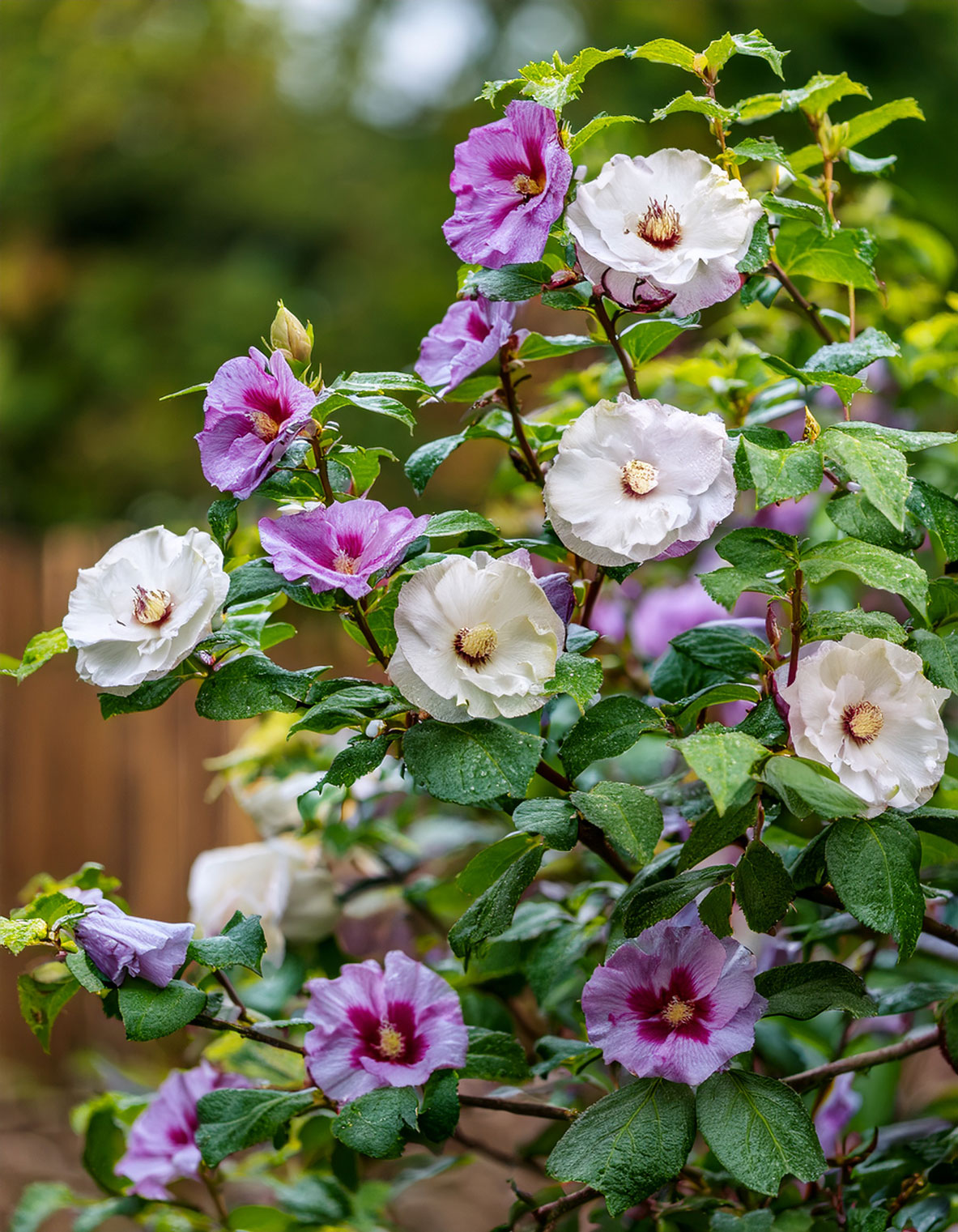
Rose of Sharon earns its space by flowering when many earlier shrubs have finished. Those hibiscus-like blooms develop on the current season’s growth, which makes late winter or early spring a useful time to tidy the framework. I like the idea of keeping its naturally upright shape rather than trimming it into a tight ball. When the stems are bare, you can see whether a few branches are crowding the middle or leaning across another plant.
Start with dead, broken, and rubbing branches, then selectively remove inward-growing stems if the shrub is congested. Shorten an overly long branch just above a healthy bud or suitable side branch instead of cutting every stem to the same height. A well-shaped plant may need very little work. Rose of Sharon can also leaf out late, so don’t assume a quiet-looking branch is dead just because neighbouring shrubs are already green. If you’re planning a border around it, my low-maintenance flowering bushes offer more ideas for building a varied display.
🐝 Fan Favorite
“Feed the Bees” Garden Sign
Give your wildflower patch a pop of color and let your neighbors know there’s purpose in your plants.
Delivered in 5–7 days
🦋 Every sign funds a tree planted in the North American Monarch Corridor — at no extra cost to you.
2. Redcurrant (Ribes rubrum)
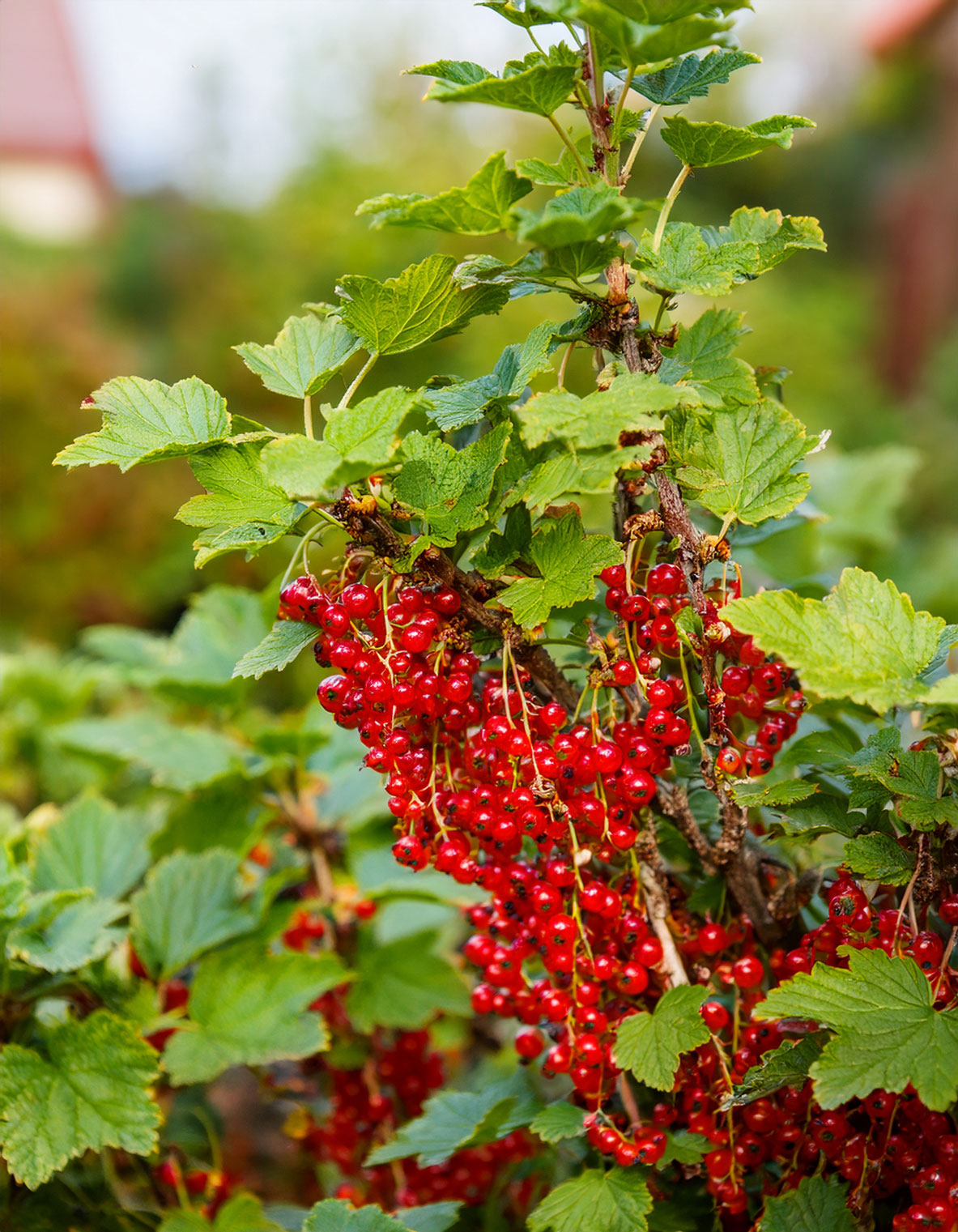
Redcurrants bring something different to a shrub border: glossy strings of fruit hanging beneath fresh green leaves. Their pruning needs are different from those of a summer-flowering ornamental. Fruit buds form on short spurs on older branches and at the base of the previous year’s shoots. I would focus on preserving that productive framework while making the bush easier to reach into at harvest time. A dense knot of branches makes picking those delicate clusters unnecessarily awkward.
Prune while the bush is dormant, before its buds open. Remove dead or damaged growth and branches crossing through the centre, aiming for a well-spaced, open structure. On an established bush trained for spur production, shorten side shoots to one to three buds and shorten the previous year’s extension growth on main branches by about one-quarter. Cordons and fans need their own training routine, so follow the method that matches your plant. Avoid giving redcurrants the same heavy old-cane removal used for blackcurrants; established redcurrant branches can remain productive for several years.
3. Butterfly Bush (Buddleja davidii)
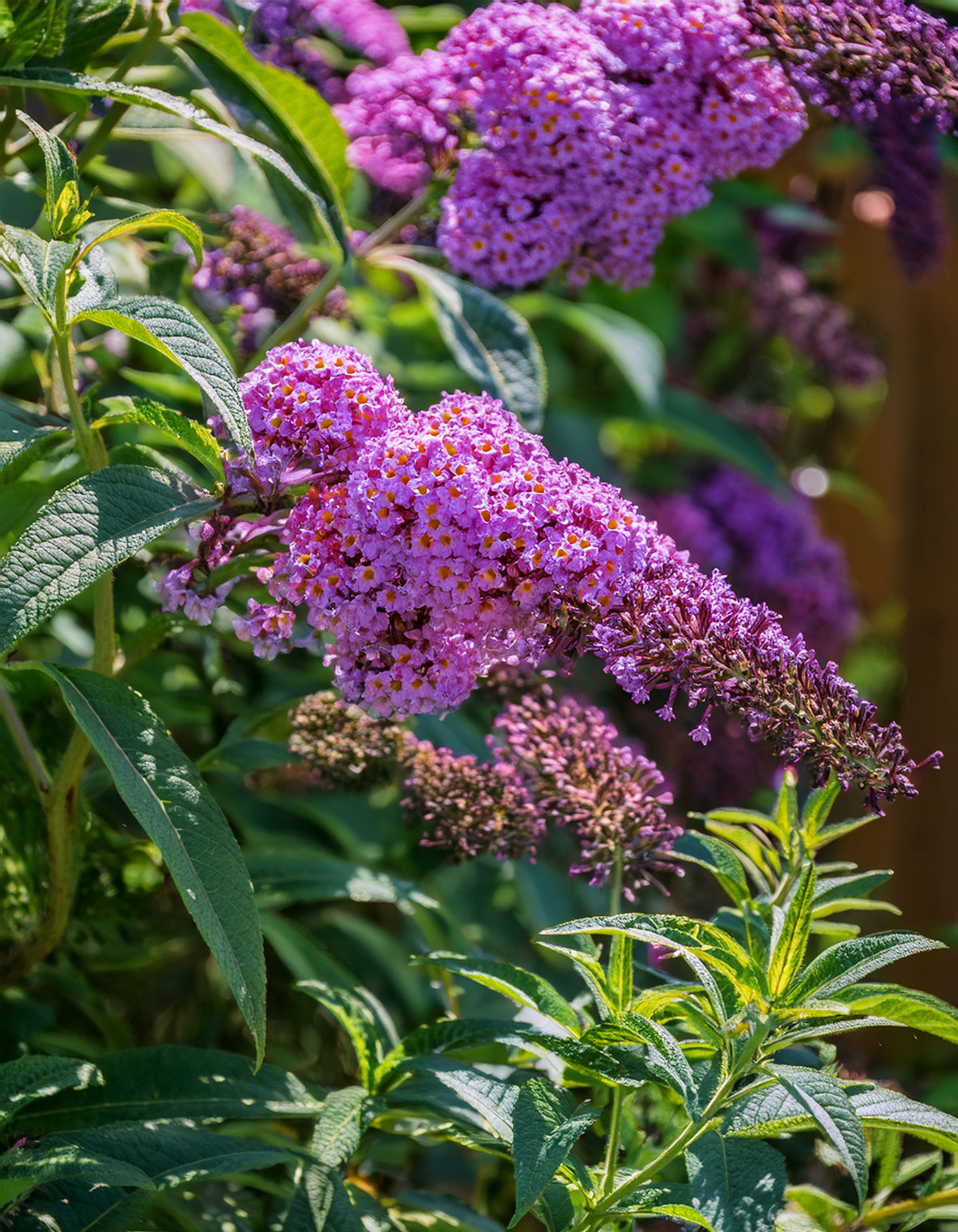
Butterfly bush can put on a surprising amount of growth in one season, leaving a tall collection of faded flower heads and woody stems by winter. Because Buddleja davidii flowers on new growth, spring pruning can help maintain a manageable framework. This is one plant I would let the weather guide. In a mild garden, work may begin near the end of winter, while a colder garden often needs to wait until spring and the threat of severe cold has eased.
Remove dead wood and shorten healthy stems to strong buds on a low framework, adjusting the height to the cultivar and any winter damage. Compact varieties may need much less reduction than a large, established shrub. This advice doesn’t apply to every Buddleja: alternate-leaf butterfly bush flowers on older wood and needs different timing. If you already grow butterfly bush, remember that adult nectar is only part of a butterfly-friendly garden. Pairing appropriate native host plants with wildflowers that attract butterflies creates a more useful planting. Where butterfly bush is invasive, choose locally appropriate alternatives for new plantings.
4. Highbush Blueberry (Vaccinium corymbosum)
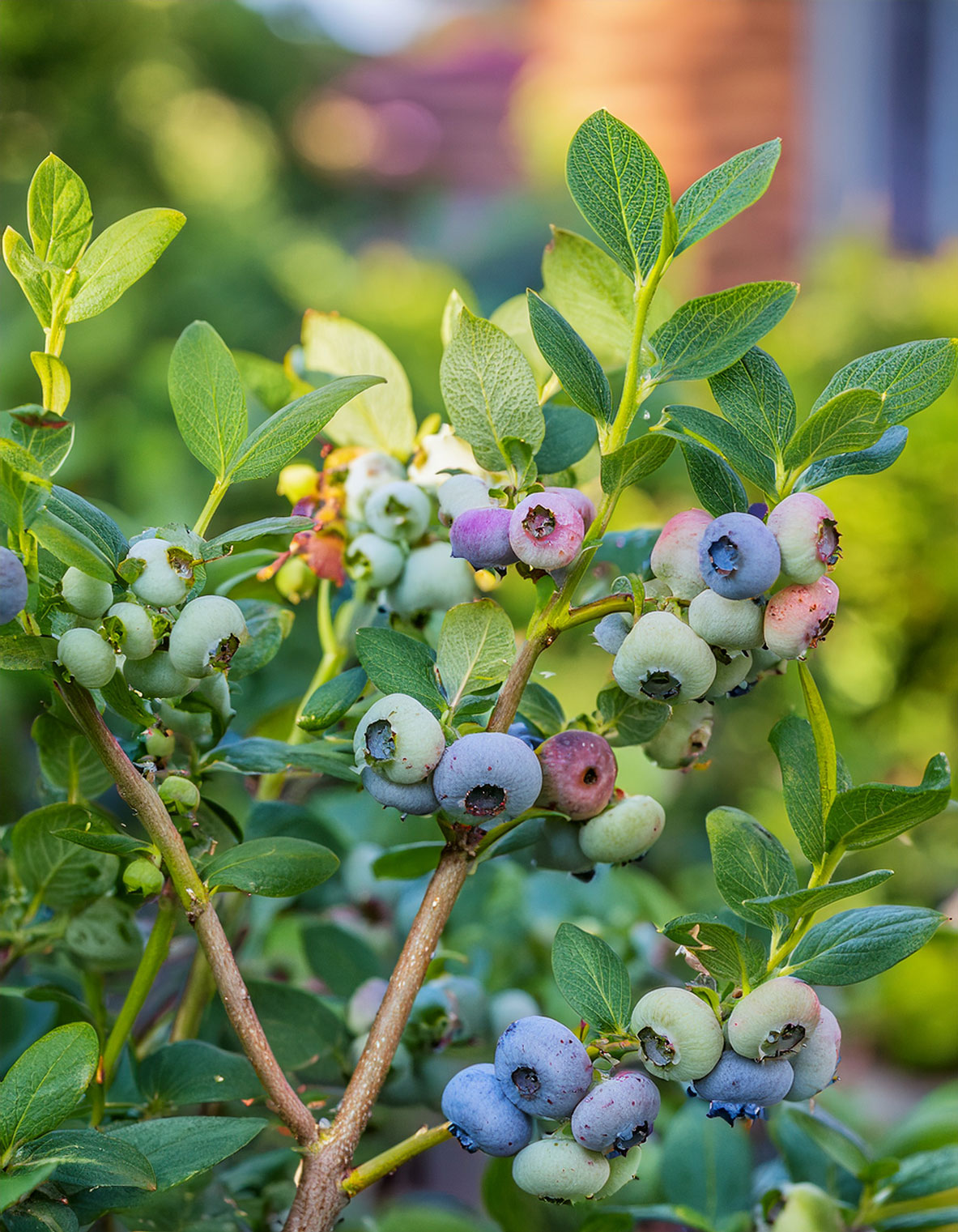
Blueberries are easy to think of purely as fruit plants, but their spring flowers and autumn foliage make them attractive shrubs too. They’re among the plants I’d consider when planning for spectacular fall colour. Late winter gives you a clear view of the canes and the plump flower buds near the tips of productive shoots. Those buds are a useful reminder to slow down before reaching for the pruners.
Young bushes need little structural pruning beyond removing damaged or weak growth. Once a plant is established, gradually remove selected old, poorly productive canes at the base, along with low, twiggy growth that crowds the centre. Keep a mixture of younger and mature canes rather than removing all the older wood in one visit. Avoid shearing the top into a neat dome, which can remove fruit buds across the whole bush. An overgrown blueberry is better renewed over several winters, giving replacement canes time to develop without sacrificing the entire harvest at once.
5. Smokebush (Cotinus coggygria)
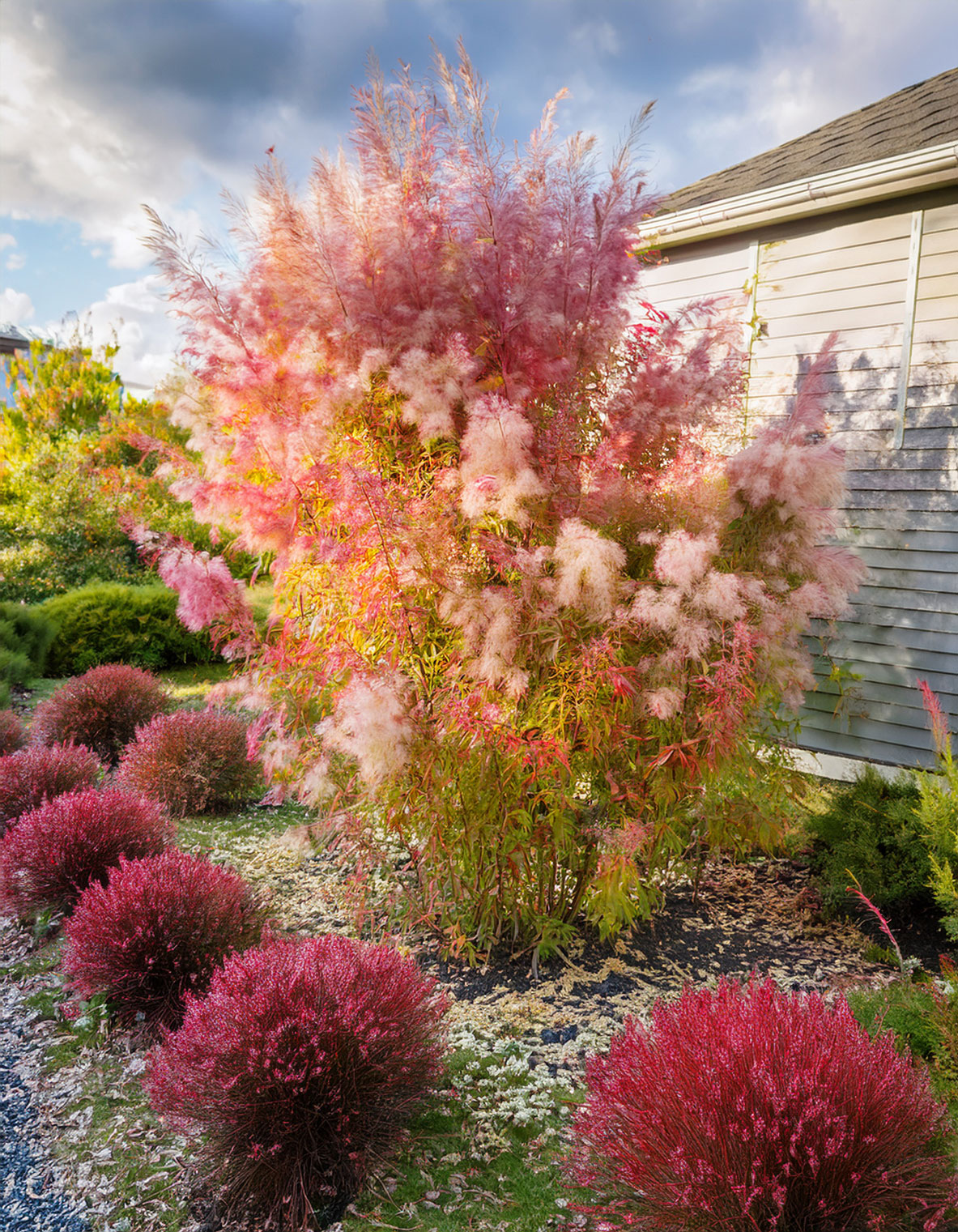
Smokebush needs a decision before it needs a cut: are you growing it mainly for the foliage, or for those airy clouds of summer bloom? Both are appealing, but pruning affects which feature takes the lead. Hard pruning in late winter or early spring encourages vigorous shoots and larger leaves, particularly on colourful cultivars. It also reduces or sacrifices the smoky flower display. I’d decide which look suits the border before shortening any healthy stems.
For a naturally shaped flowering shrub, keep pruning light. Remove dead or crossing branches and make only the selective cuts needed to maintain space and structure. For an established specimen managed primarily for bold foliage, cutting back to a low framework is an option, provided the plant is healthy and well rooted. Newly planted or struggling shrubs should have time to establish before that treatment. There’s no need to hard-prune a smokebush simply because it tolerates it; a lightly managed plant can make a beautiful, substantial focal point with far less annual work.
6. Elderberry (Sambucus canadensis)
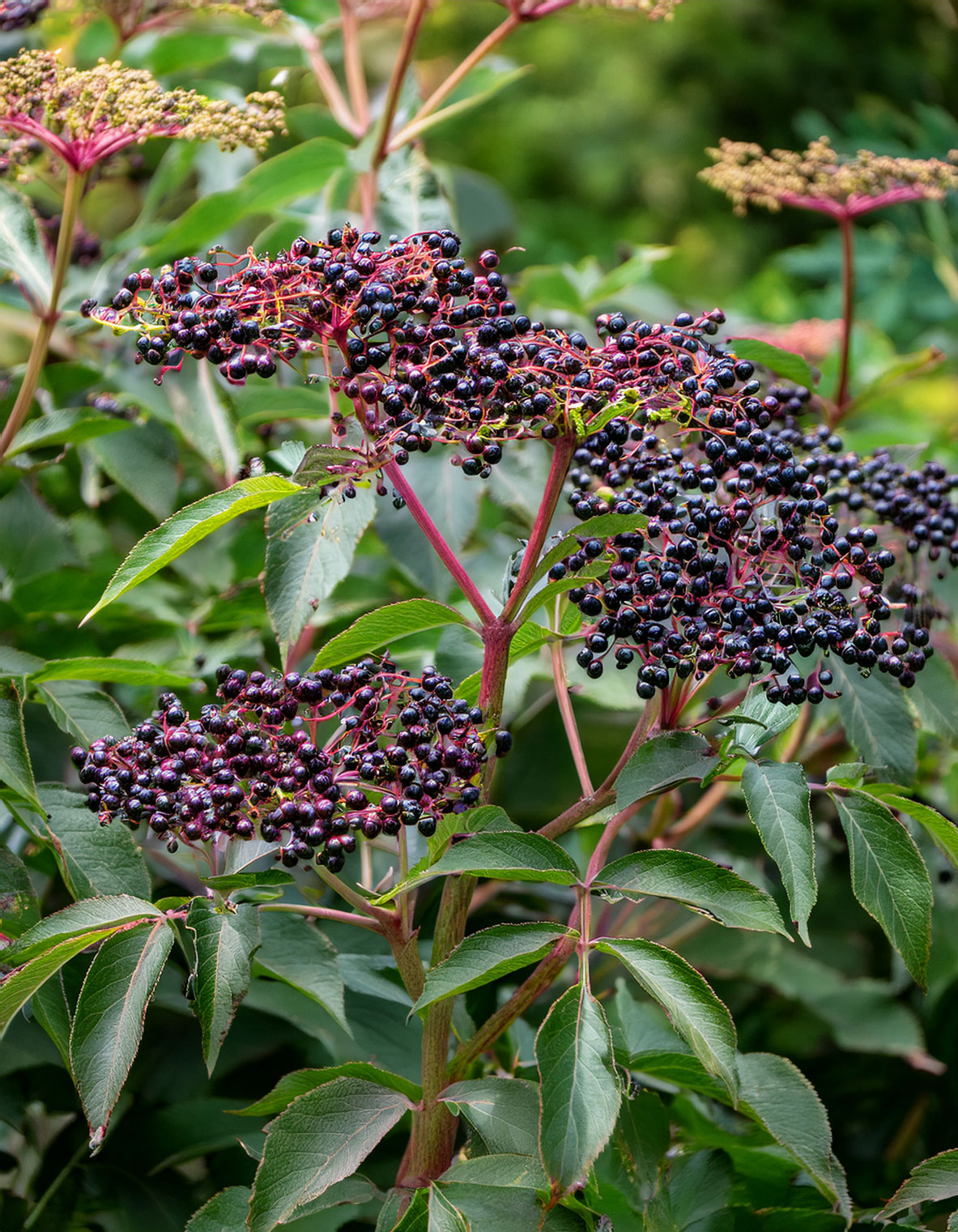
American elderberry grows quickly enough to make a sparse area feel planted within a few seasons. That vigour is useful in a mixed hedge, but it can also produce crowded canes and suckers spreading beyond the space you intended. I like elderberry as part of a productive boundary, which is why it fits naturally among my edible privacy shrub ideas. Late winter or early spring, before bud break, is a practical time to assess its structure.
Once the shrub is established, remove dead, damaged, weak, and selected older canes at ground level, preserving vigorous younger growth for future crops. Remove unwanted suckers where the plant is pushing into paths or neighbouring beds. If berries are your priority, selective renewal is a better starting point than automatically cutting the entire plant down each year. Ornamental elderberries grown for coloured foliage may be managed differently, so check the species and cultivar before borrowing a hard-pruning routine. The aim is a steady supply of healthy replacement stems, with enough space between them to keep the plant accessible.
7. Panicle and Smooth Hydrangeas (Hydrangea paniculata and Hydrangea arborescens)
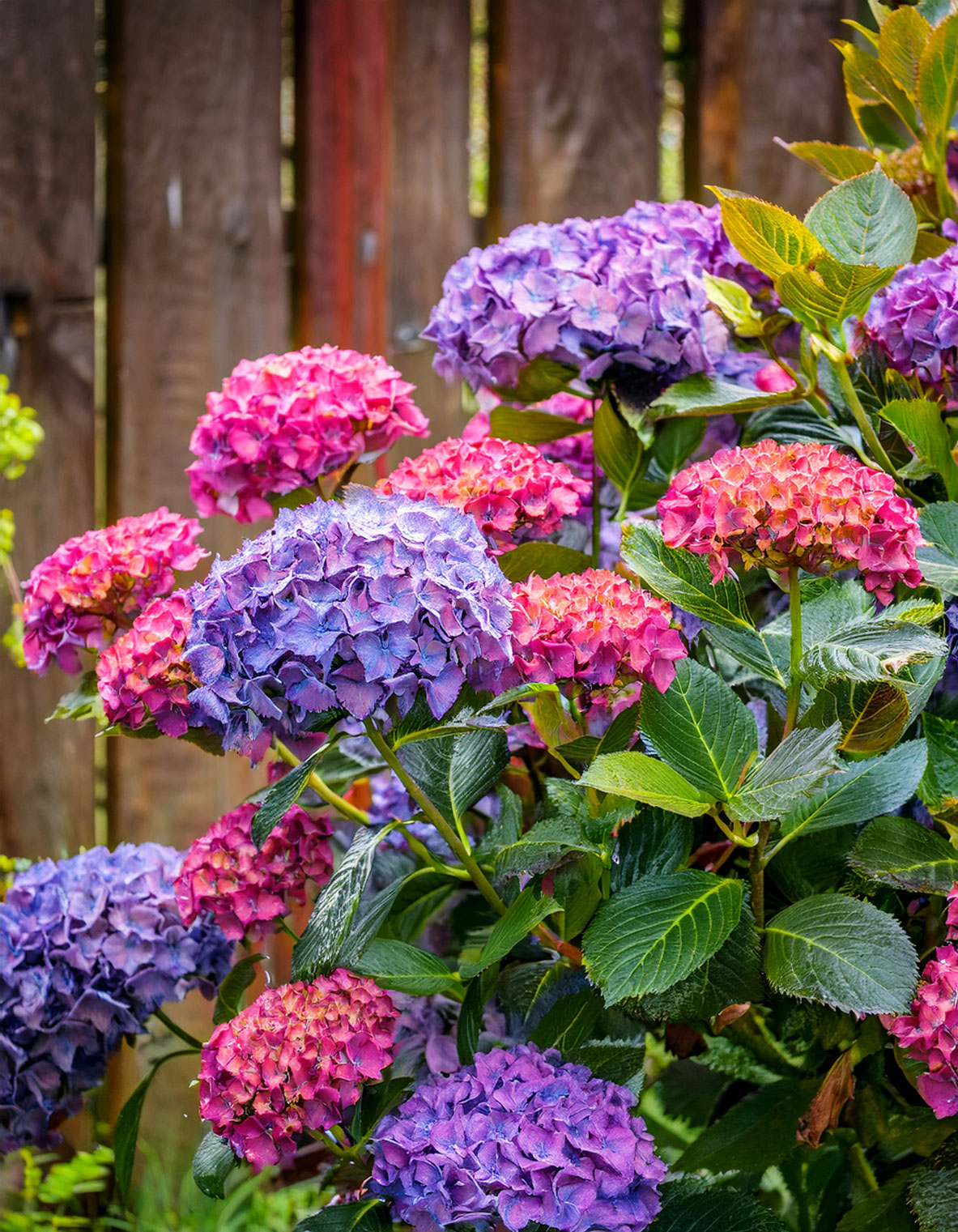
Hydrangeas deserve a careful label in any pruning article because the name covers plants with very different flowering habits. Panicle hydrangeas, including ‘Limelight’, and smooth hydrangeas, including ‘Annabelle’, flower on new growth. They fit this late-winter or early-spring window. Bigleaf and oakleaf hydrangeas often carry flower buds on older stems, so cutting them back at the same time can remove the coming display. That distinction also matters in my guide to plants you should never cut back in fall.
For panicle hydrangeas, remove damaged and crossing wood, thin weak growth, and shorten selected branches only as needed to maintain a sturdy shape. Smooth hydrangeas can tolerate a more substantial cutback once established, but they don’t have to be cut to the ground every year. Retaining some framework can be useful where heavy flowers tend to flop. I’d match the amount of pruning to the variety and the size you want. If you’ve lost the label and can’t confidently identify the type, leave healthy stems intact until you know how the plant flowers.
8. Summer-Flowering Spirea (Spiraea japonica and Hybrids)
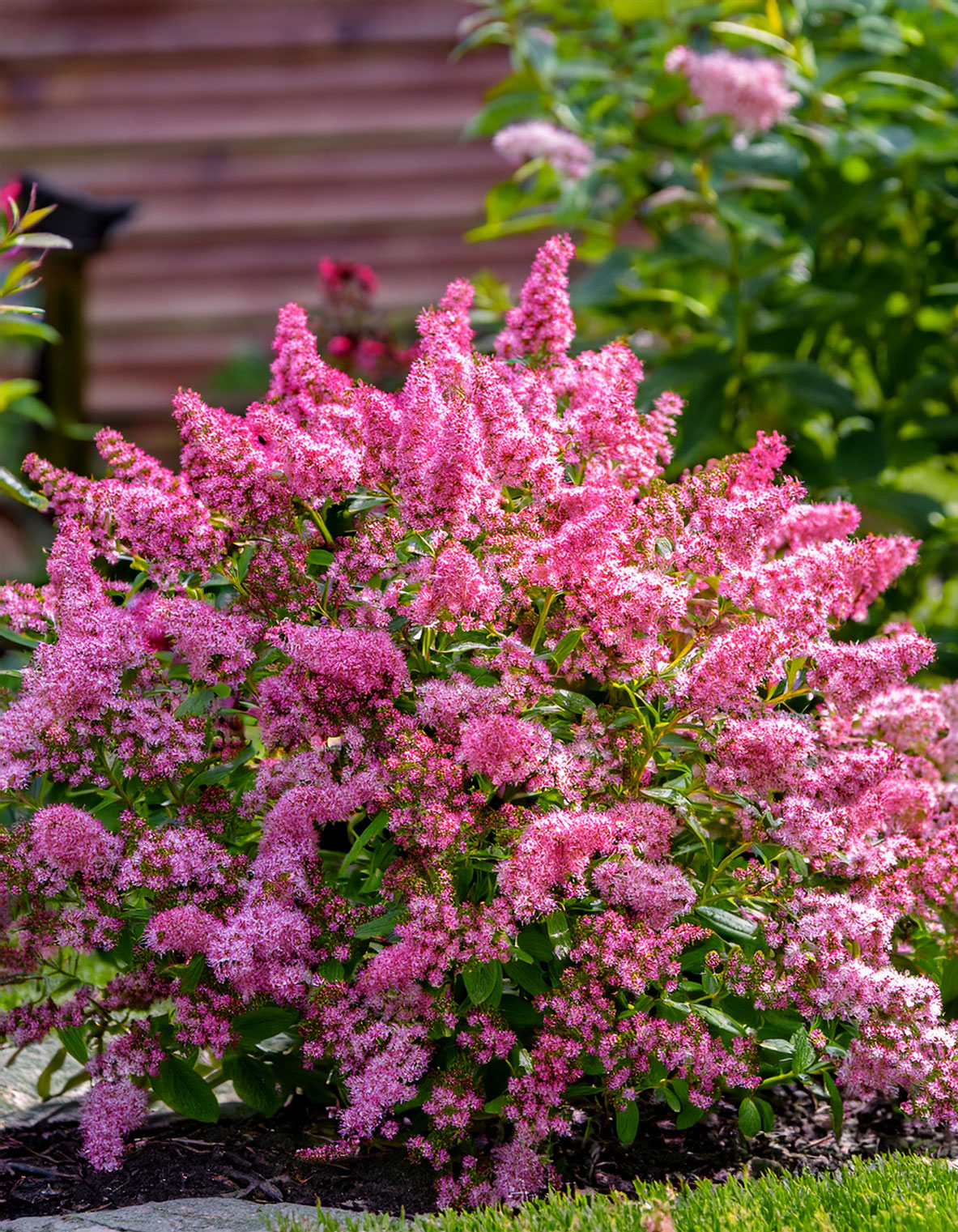
Summer-flowering spirea can become a tangle of fine, twiggy stems, particularly when the outside is repeatedly clipped while the interior is left untouched. Late winter or early spring offers a chance to look beneath that outer layer. Japanese spirea and its related summer-flowering hybrids produce flowers on the current season’s growth. I’d use this window to remove the wood that is making an established shrub crowded, rather than simply giving it another surface trim.
Cut out dead stems and selectively remove some of the oldest growth at the base, then shorten remaining shoots where shaping is needed. A healthy but badly straggly established plant may respond to more substantial rejuvenation, although a compact shrub in good condition won’t need that every year. Confirm which spirea you have first: spring-flowering bridal wreath types bloom on older wood and are generally pruned after flowering. The timing depends on the flowering habit, even when two plants share the same familiar common name. If choosing new plants, check local guidance on Japanese spirea’s invasive status.
9. Repeat-Flowering Shrub Roses (Rosa Hybrids)
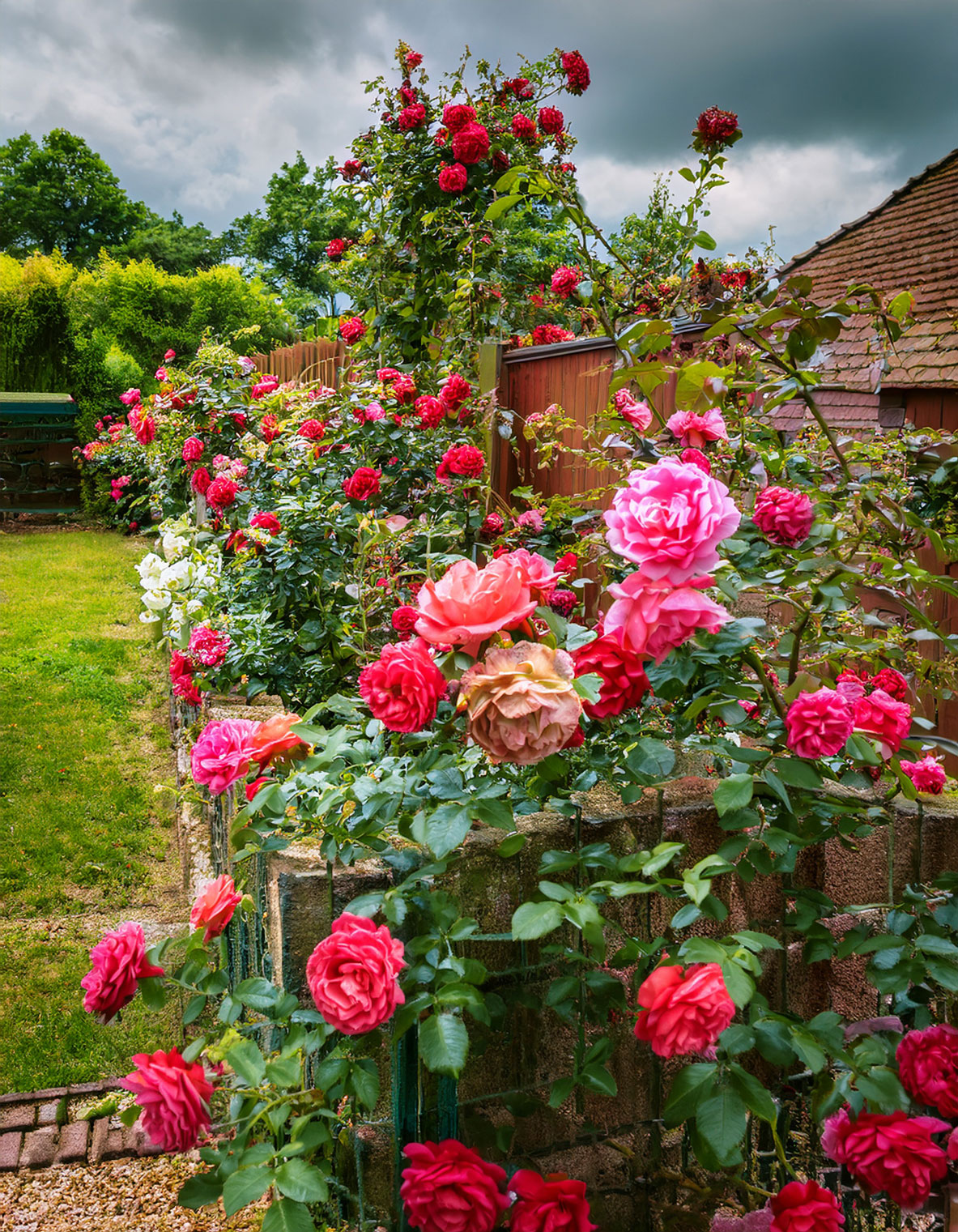
Roses are another reason I prefer a flexible pruning season. In a mild climate, late winter may be suitable, but in a cold garden I’d wait until early spring makes winter damage easier to judge. Repeat-flowering shrub roses can then be thinned and shaped before their main flush of growth. There’s no advantage in guessing how far a cane has died back when a little patience will make the living buds much easier to see.
Begin by removing dead or damaged canes back to healthy tissue, then deal with branches rubbing together and weak growth crowding the centre. Shape lightly according to the variety, cutting above a healthy outward-facing bud where practical. Many landscape roses need less severe pruning than the traditional instructions for hybrid teas suggest. Once-flowering roses and some climbing roses rely on older canes, so they shouldn’t receive the same treatment. I’d check the cultivar’s flowering habit before making large cuts, especially on an established rose that already has an attractive framework and plenty of healthy growth.
10. Summersweet (Clethra alnifolia)
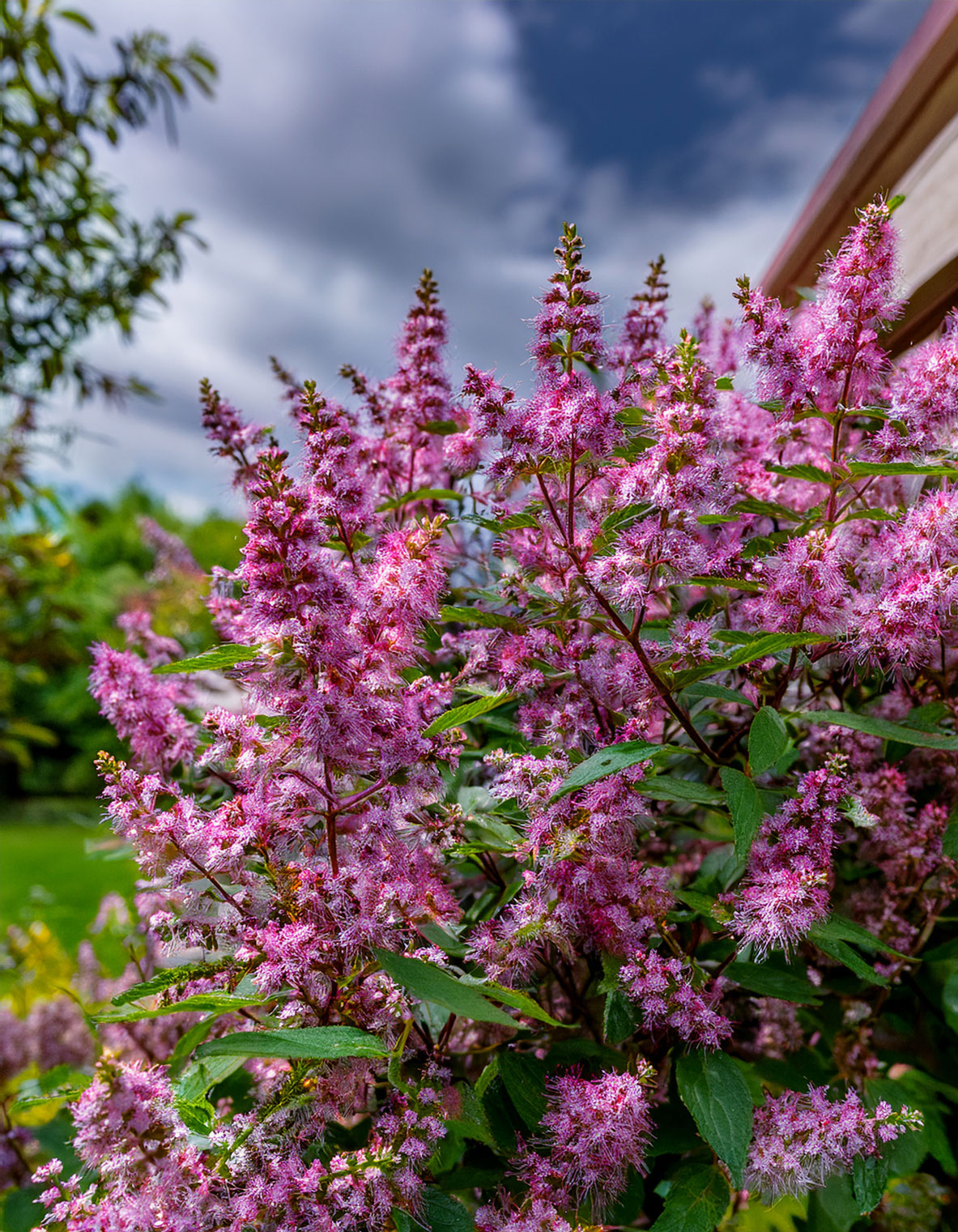
Summersweet is a lovely shrub for gardeners who want fragrance later in the season, with white or pink flower spikes that develop on new growth. It also has a naturally attractive habit, so pruning shouldn’t become a compulsory annual haircut. I’d approach it with a specific job in mind: removing a damaged branch, opening a crowded patch, or keeping suckers from spreading into the next planting. If the shrub is healthy and has enough room, there may be very little to do.
When pruning is necessary, late winter or early spring allows you to remove dead or weak stems and selected older branches before fresh growth fills the plant. Cut unwanted suckers close to their point of origin and preserve the remaining shrub’s natural shape. Avoid shortening every shoot just to make the top level, which creates work without necessarily improving the plant. A light touch keeps the arching stems and summer flower display looking relaxed. It’s a useful reminder that sometimes the best pruning decision is making two or three well-placed cuts and leaving the rest alone.
11. Bush Honeysuckle (Diervilla Species and Hybrids)
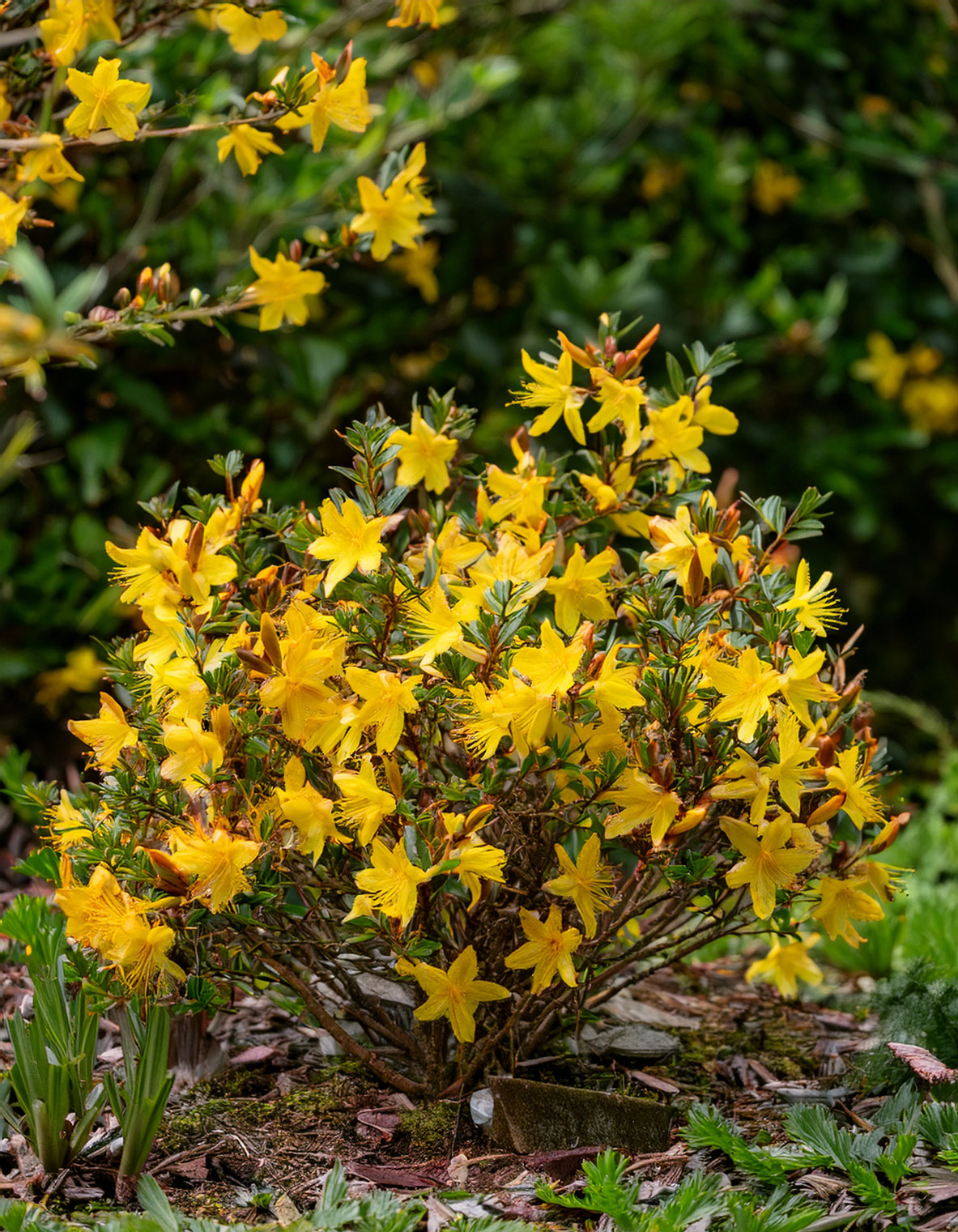
The name bush honeysuckle needs a little care. Here I mean Diervilla, the deciduous shrubs with small yellow flowers, rather than climbing honeysuckles or invasive shrubby Lonicera. Diervilla flowers on new growth and can be pruned in late winter or early spring when size control or renewal is needed. I like that it offers a relatively informal shape, making it useful where a border needs a soft edge rather than another tightly clipped mound.
Remove dead stems first, then thin crowded or older growth near the base if the shrub needs opening up. Shorten branches selectively where they interfere with a path or neighbouring plant. Established clumps can spread through underground stems, so unwanted suckers may need attention too. A healthy shrub growing comfortably within its space doesn’t need severe annual pruning. Check the label before applying these instructions, particularly when buying a plant sold only as honeysuckle. Identifying the genus avoids confusing a manageable native shrub with a vine that has different flowering and pruning requirements.
12. Red-Twig Dogwood (Cornus alba)
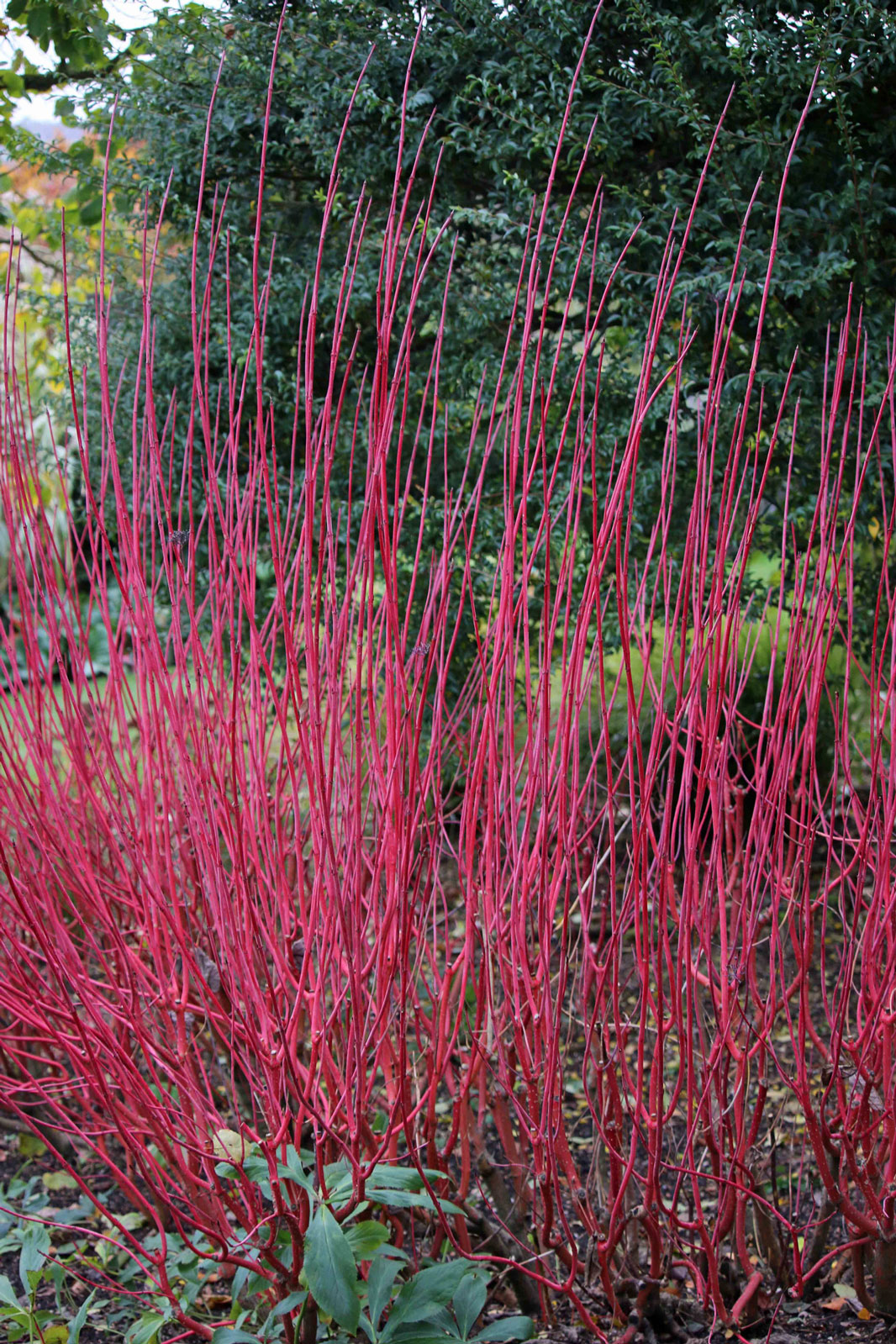
Red-twig dogwood is grown as much for its bare winter stems as for anything it does in summer. Younger stems generally provide the strongest colour, while older wood becomes duller and more congested. That makes late winter or early spring a useful renewal window, after you’ve enjoyed the display through the cold months. I’d keep the purpose of the pruning in mind: encouraging fresh coloured stems while retaining the amount of screening and structure the border needs.
For gradual renewal, remove about one-third of the oldest stems close to ground level, leaving the younger, brighter stems in place. That approach maintains a substantial shrub while making room for replacements. An established, vigorous plant can also be coppiced more heavily for stem colour, but this reduces its immediate size and can sacrifice flowers and berries. Give young plants time to establish before attempting that treatment. These instructions apply to shrubby dogwoods grown for coloured stems, including Cornus alba and similar Cornus sericea, rather than flowering dogwood trees, which need a different approach.
Final Thoughts
I think of late-winter pruning as a chance to make useful decisions while the branches are easy to see. Some bushes need old canes removed, others need a crowded centre opened up, and a few need nothing more than a damaged branch taken out. Start with the plant’s identity and the result you want, then make each cut serve that purpose. A shrub doesn’t need a dramatic before-and-after transformation for the work to be worthwhile.
Let your local weather set the pace, especially with roses and butterfly bush, and leave spring-flowering favourites such as lilacs and forsythia until after their flowers finish. Before putting the tools away, take a quick photo of what you pruned and note how the plant responds through summer. That gives you a useful reference for next year, whether your goal is a better berry harvest, stronger stems, or a flowering bush that finally has enough room to grow comfortably.