


Out with the old unproductive plants, and in with the new – now! today! to make the most of the last of the warm days. Start with a whip around, chopping-and-dropping, or chopping-and-compost making, to create space.



Out with the old unproductive plants, and in with the new – now! today! to make the most of the last of the warm days. Start with a whip around, chopping-and-dropping, or chopping-and-compost making, to create space.
- Chop finished corn and sunflowers off at the roots – those generous biology covered roots are such a gift to your soil. Plant around them and they’ll slowly decompose adding organic matter. Roughly chop the stalks and pile them up on the edge of the vegie patch for a useful stash of organic matter in a years time. Or use them as a rough mulch beneath avocados or citrus.
- Reorganise productive cucumber, pumpkin or zucchini vines onto the paths or out of the way to free up growing space.
- Give all productive crops a big clean up, to not only create light + room for new seedlings, but keep plants healthy and productive a while longer. Snap off ratty, gooey, mildew-y leaves and chuck them in the compost. Because yes! you can compost them.
What to sow and plant in April

Direct sow
- Direct sow greencrops in any gaps – phacelia, lupin, mustard, daikon, broadbeans, wheat or oats.
- Corn salad, miners lettuce, mizuna, coriander, rocket.
- Calendula and poppy
Tray sow
Direct or Tray sow
- Broadbeans
- Spinach, coriander and beetroot can be direct sown in the greenhouse. Though they’ll handle cooler soils outside, they’ll grow faster and be sweeter in the warmth.
- Sweetpeas
Transplant
- Broadbeans, peas, beetroot
- Salad greens. If you are planting salads outside choose varieties with a preference for cool like Little Gem, Drunken Women Fringed Head or Rouge d’Hiver. Cos, buttercrunch and salad bowl types do well. All my saladings will be planted in the greenhouse from now in.
- Endive
- Loads of leafy greens like kale, silverbeet, perpetual beet or chard
- Brassicas for winter eating
- Garlic, spring onions, red onions or brown onions
- Celery – either outside or in the greenhouse
- Companion flowers like stock, larkspur, cornflower and primula to keep your spirits up and beneficial insects fed.
Harvest
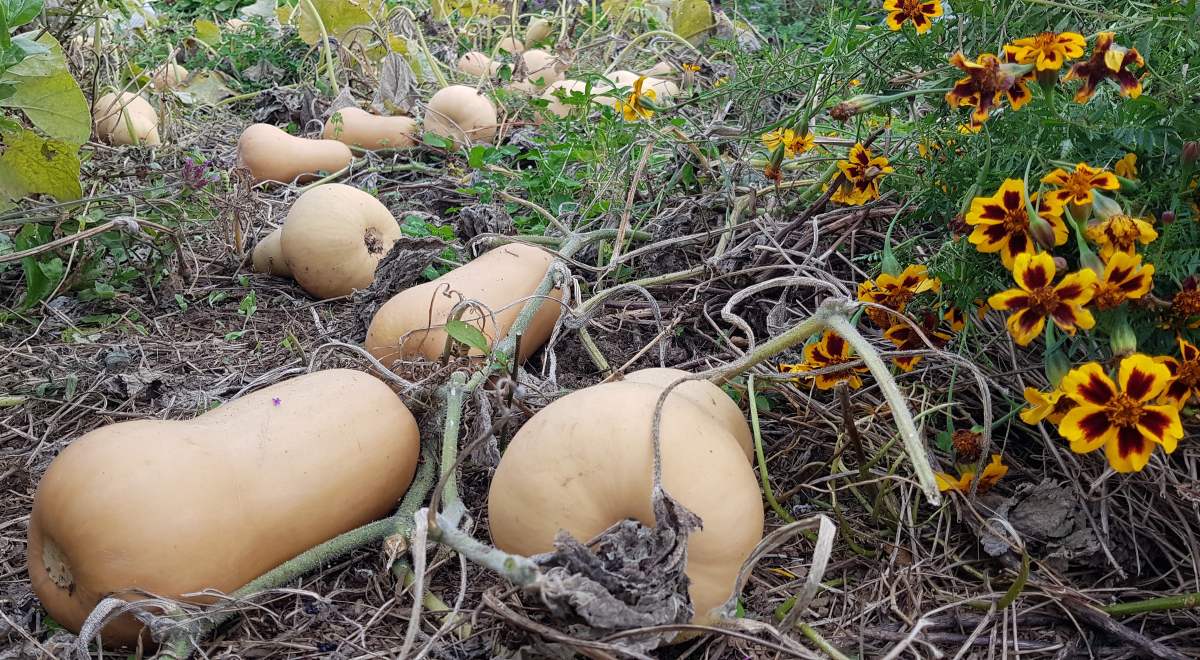
Keep checking in on soon-to-be-ready crops, and wait patiently until they’re perfect for richly flavoured crops that store well. It’s a balancing act though, as cool weather and rain starts up you need to call it, and get them in.
- Harvest pumpkin and squash once the stalks are dry and the skin is a good colour, potatoes once the tops die down, and kumara when its ready.
- Yams fatten up and get sweeter after the first frosts so leave them be.
- As shellout beans dry, get them in undercover. Pop them out of their pods as soon as poss. Any beans that are spongy are no good for storing.
- Keep productive beans, zucchini, leafy greens, parsley, tomato and cucumber crops jogging along with a daily harvest. Don’t let energy get wasted on big old beans or giant marrows! A daily harvest prods new foliage and flowers into being.
Regular + odd jobs
- Thin carrots and parsnips for good sized crops.
- Save seed.
- Move worm farms to a warmer spot for winter, and layer lots of cardboard or hay on top for extra insulation.
- Boost leafy greens, leeks, broccoli, cauliflower and cabbage along with weekly liquid feeds
- Keep an eye on soil moisture levels – its easy to forget as weather cools. Check soil moisture before you water – don’t overwater either!
- Refresh tired old kale, silverbeet or chard plants by chopping off the tops, and leaving a 20cm ish stump. Donate a bit of compost, vermicasts or well rotten manure at the base, pour on liquid feed + mulch with the tops. Pretty soon you’ll have a delightful harvest of little, sweet leaves.
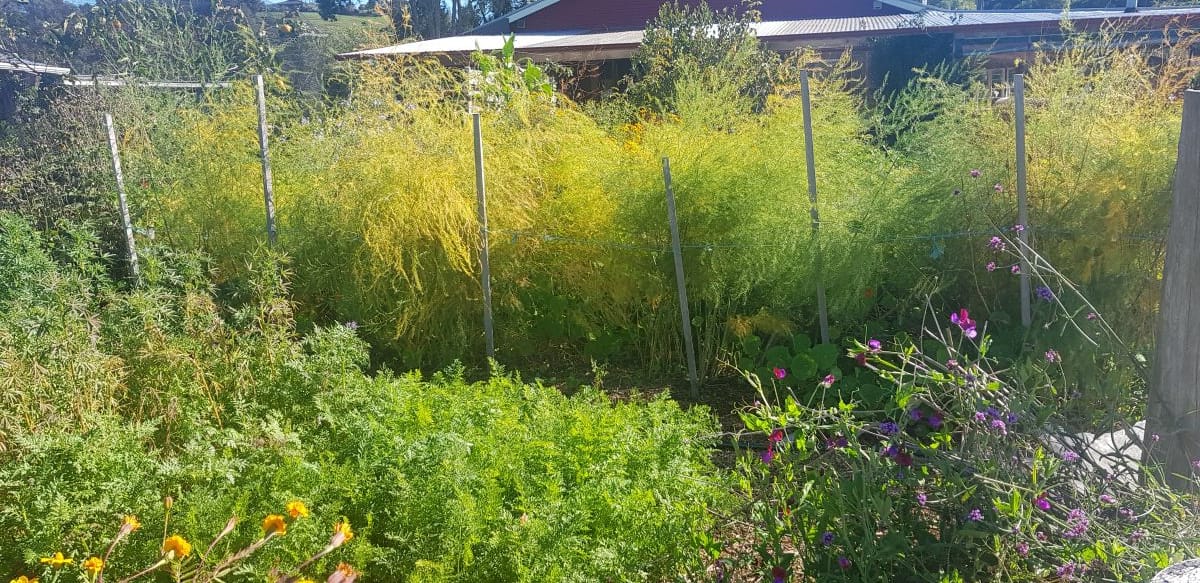
- Tie up asparagus canes so they don’t get in your way while they finish off. Its important that they do – and thus return all those carbs to the roots. The easiest way is to bang a few short stakes in front of the crop and run a line of twine along – holding them up rather than lasso-ing them.
Be chill about the pests

There are plenty of pests in a warm autumn. Don’t panic about them ok! They’ll be done when the cold hits and will toddle off to hibernate or die.
Pests are a fact of gardening life – they come and go, cycling around depending on weather and soil health and predatory population. Add a new practise each year to strengthen your garden and soon enough you’ll have less to deal with – not none, but a lot less.
Tap into natural predators, get them on the job by being spray free and planting heaps of beneficial insect fodder.
- Keep squashing shield bugs, cabbage white caterpillars and aphids on your daily walk about.
- Whitefly can be blasted off with the hose. Pluck off heavily infected leaves, fold them up and squash them.
- Passionvine hoppers are tricky as adults. If you have an overwhelming population, spray with Neem every 4 days or so, and next spring, add Neem granules at the base. As your soil becomes naturally healthy, diversity builds and predatory insects increase you’ll have less and less.