

Keep planting! In a little and often way to keep the food rolling in.


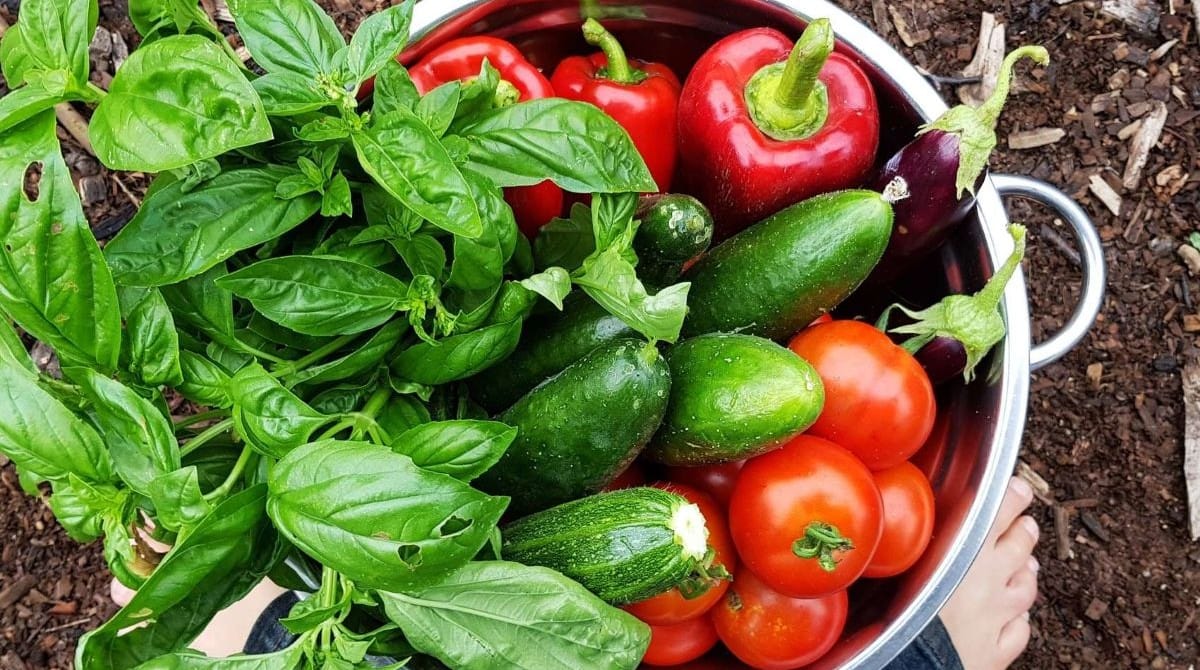
Keep planting! In a little and often way to keep the food rolling in. If it’ll be hot for another few months, plant out more tomatoes, cucumbers, beans and courgettes. If it’ll start cooling off in a month or so – get going with carrots, leeks and broccoli for autumn. If you’re somewhere in between – hedge your bets with a bit of both!
DIRECT SOW
- Alyssum in the greenhouse, in pots as a living mulch beneath taller crops, or in cracks in the paving!
- Carrots and parsnips in places with cool autumns. If autumn is usually hot and dry at yours wait another month.
- Coriander, rocket and radish along the picking edge on the shady side of taller summer crops to keep them cool and prevent them bolting off to seed.
- Flowers like calendula, cornflower, marigold, bishops flower, phacelia, honesty, borage – choose vigorous self seeders that in the future, will pop up of their own accord. Self sufficient plants we love and adore.
- Greencrops in any gaps, and to prep the soil for planting brassicas.
TRAY SOW
- Brassicas. A couple each of cauli, cabbage + broccoli every month from now in, brings mixed, regular harvests from autumn through spring. Be alert to cabbage white caterpillar on seedlings and young transplants. Squash them or spray seedlings fortnightly with BT.
- Celery, silverbeet, chard, perpetual spinach or kale for autumn and winter harvests.
- Cucumber or zucchini for warmer regions or the greenhouse.
- Flowers – keep them coming! Zinnias, sunflowers, stock, hollyhock, aster, anise hyssop, coreopsis, chamomile, to name a few.
- Leeks, early January for winter eating. They take ages from seed (about 10 weeks), so start now.
DIRECT OR TRAY SOW

These are the flexible crops that can, if soil is healthy and you have space, be direct sown. Otherwise tray sow them.
- Beetroot along the picking edges. Such a small efficient crop, they can be squeezed in anywhere and will happily bulb up amongst a mixture of low growing flowers, herbs and saladings.
- Basil is best harvested, and eaten young. Keep a fresh supply all summer/ autumn long with little and often sowings. Sow direct into warm garden or greenhouse soil, or a small tray.
- Green beans – dwarf for cooler places, climbing for warmer regions. Either can go in the greenhouse if needs be. Get climbers in early this month for cropping from mid March. As long as they don’t dry out they’ll crop till May or it gets cold – which ever comes first.
- Saladings – choose heat lovers like Tree lettuce, Merveille de Quarter Saison, Drunken Woman, Oak Leaf or Summer Queen.
TRANSPLANT

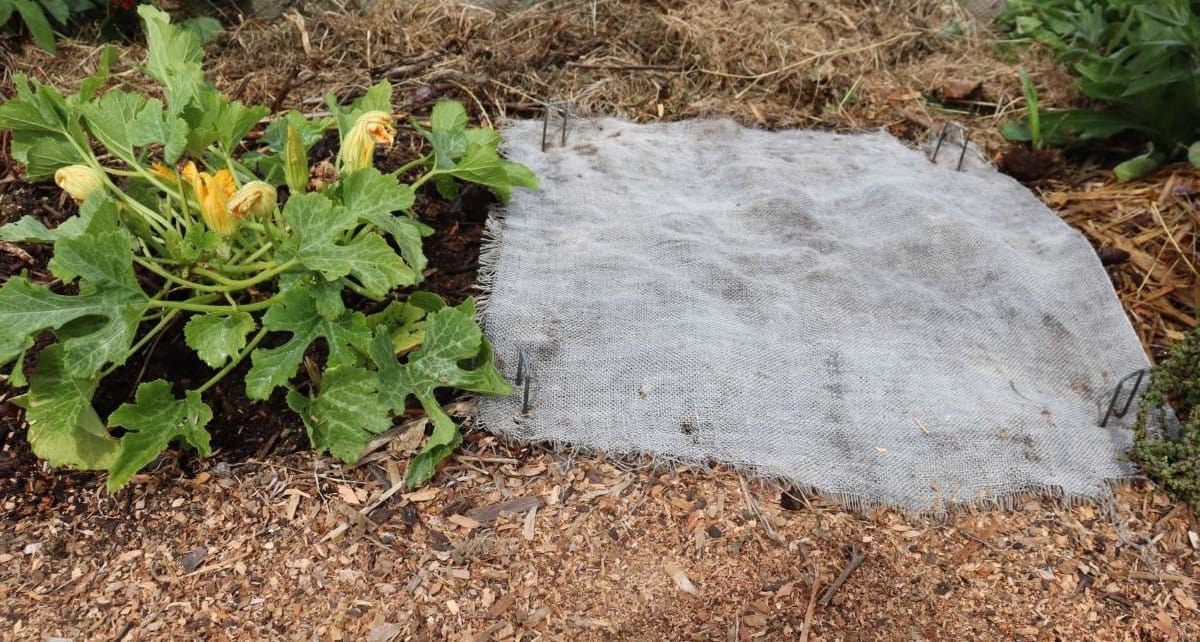
Shade is a huge help in hot places, for newly planted seedlings. The easiest way to score a bit of shade is to plant seedlings under older plants heading off to seed, or amongst greencrops. As the seedlings grow, chop and drop the older crops to make space and light for them. Otherwise create a simple shade house, by laying shade cloth over cloche hoops or stakes. Take it away when the plants are big enough to go it alone.
- Basil
- Brassicas and leafy greens flourish in mild, moist conditions – all the things that the middle of summer is not. Shade is their saving grace.
- Brussels sprouts take ages to fatten up, so get seedlings in the ground this month for winter eating.
- Companion flowers into the garden and greenhouse.
- Corn in warmer regions, if you have enough water.
- Cucumber can go outside if it’ll be warm and toasty for another few months, otherwise plant in the greenhouse.
- Potatoes can go in as long as it isn’t roasting hot and dry at yours. If you’ve no room in the vegie patch, grow them in luscious piles of organic matter beneath fruit trees.
- Spring onions and leeks. Both are most useful when they come into the kitchen in a staggered fashion, so space your plantings out, unless you live somewhere cool, in which case this month may well be your one and only moment.
- Tomatoes. My January planted, greenhouse tomatoes usually out shine spring planted ones. They crop until late autumn/ early winter and are the tastiest tomatoes of the year. If you are planting tomatoes outside (i.e. not in a greenhouse), choose hardy cocktails, or fast to crop bush or determinate varieties like Baxters Early or good old Russian Red.
- Zucchini, for a most useful Autumn harvest.
Odds + ends

Boost the whole garden, greenhouse included, with liquid feed, either a homemade herbal or seaweed brew or a biological brew. If plants are growing poorly, or pests or disease rife, use as often as weekly, otherwise do so as and when your eyes tell you, you need to. Liquid feed is a fab pick me up after stressful weather events like big winds, cold snaps or intense heat.
- Choose your best tomatoes from your best plants and save the seed.
- Collect flower, greencrop and lettuce seeds. Gather them when fully dried, but before the seed drops. Store in labelled paper bags or jars, or crunch them up and lay them down where you want them to grow next.
- Pinch out the tips of pumpkin vines to stop growth and send energy to developing fruits.
- Let a few parsley, chard and perpetual beet plants develop seedheads and go to seed and you’ll never need to buy plants again.
- Harvest onions and shallots when tops start flopping over.
- Harvest shellout beans.
- Make compost. A new, easy peasy compost pile each month will keep your garden going. Build a pile direct on top of any beds that have dried out or been taken over by weeds.
Keep soil health up

Soil health isn’t about fancy products and tricky brews – it’s about 3 simple habits: staying in touch (as in literally!) with your soil, keeping soil moisture up, and keeping your soil covered at all times. Regular, basic care wins the day.
Keep soil moisture up
Soil that dries out and looses its mojo is no good for cropping, and is a big mission to repair. Here are all my pro watering tips.
- If water is in short supply, just water plants that most need it i.e. the youngsters, and those that are fruiting. When transplanting seedlings, water the planting hole before planting.
- If you’ve good water supply, water the whole vegie patch as needed including compost piles, and greencrops too.
Keep soil covered at all times with plants
Sow or plant new stuff immediately as space becomes available, or plant new crops amongst greencrops or soon to be finished crops. Pop a handful of vermicastings +/or homemade compost beneath each new seedling, or spread a little beneath direct sown seed to keep fertility up.
In the Greenhouse

Keep health high and stress low in the summer greenhouse by keeping soil moisture up, and keeping the soil covered – either in plants or homemade mulch.
Shade makes an epic difference, especially in smaller greenhouses that easily overheat – drape shadecloth over overhead wires.