


When I began rewilding parts of my garden, I didn’t have a map or a fixed goal. I was tired of sterile borders and empty mulch beds that seemed to resist life. I wanted motion again, plants that leaned into each other, insects returning, soil that felt alive when turned. What started as small patches became connected habitats, each one shaped by observation rather than control.
It isn’t about letting things grow wild for the sake of it. It’s about watching what wants to happen and learning to work with it. I’ve found that certain flower combinations encourage that balance naturally. Each pairing or cluster attracts a different rhythm of visitors, supports distinct soil life, and shifts with the seasons without needing much intervention. Here are eleven combinations that have helped my garden invite nature back in.
Quickly Find Flowers To rewild your garden:
1. Self-Seeding Symphony
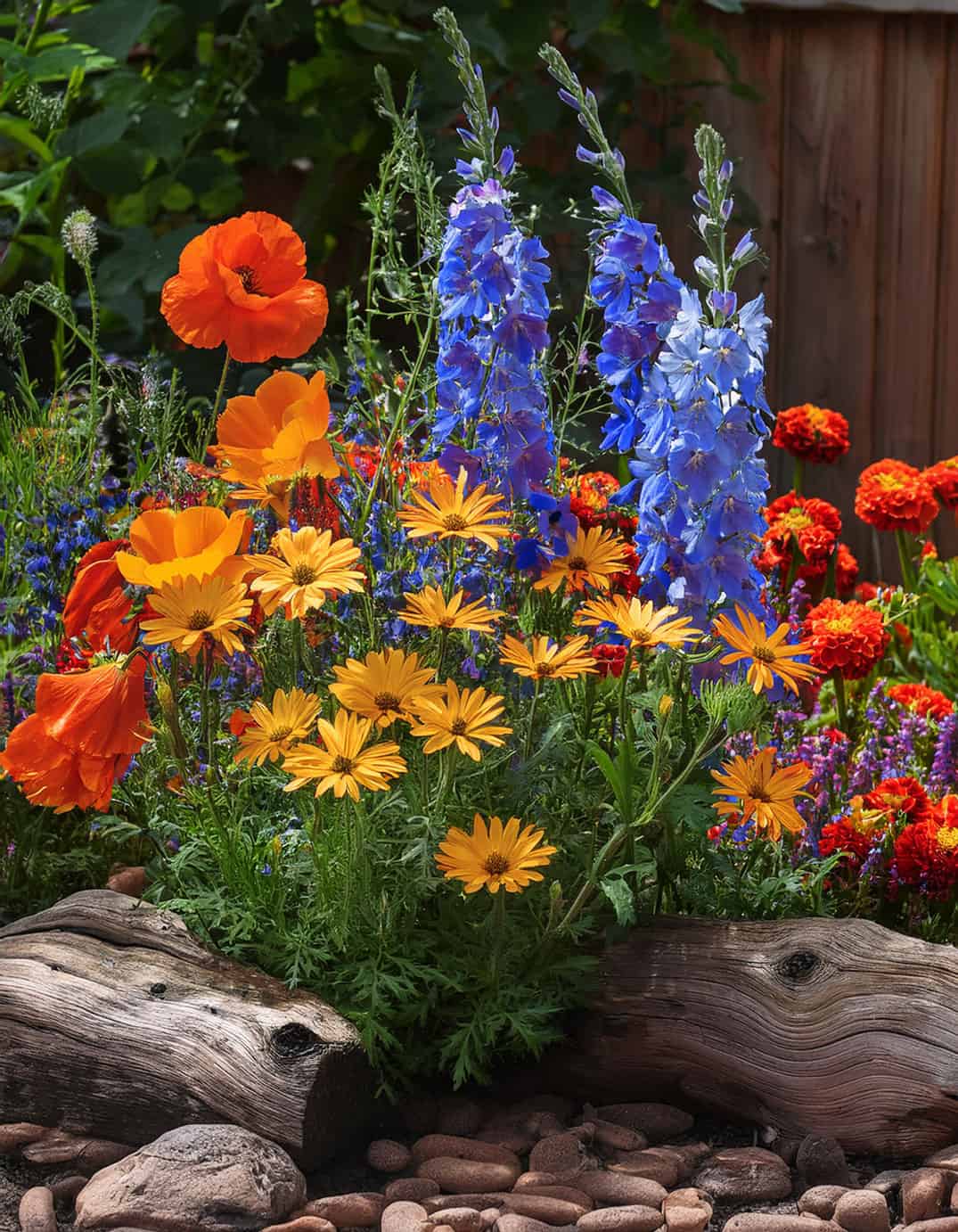
This started with a handful of seed packets; larkspur, nigella, poppies, and calendula scattered into a bed I stopped tending too carefully. By midsummer, the result looked accidental but balanced. The colors overlapped without clashing, and every year since, new arrangements appear without my planning them.
What I like most is how the mix evolves. Some years the poppies dominate, other years the larkspur stretch higher. I’ve stopped labeling the patch entirely. It has its own cycle now, formed by the wind, the bees, and whatever seeds happen to fall.

2. The Pollinator Riot

This one built itself over time. It began with bee balm and coneflowers, then I added goldenrod and cosmos until the area felt like a moving field. When everything blooms together, the red, pink, and yellow tones merge in sunlight, and you can hear the low hum of bees before you see the flowers.
It’s not neat, and that’s the appeal. Every few weeks I notice a new species of bee or butterfly that hadn’t visited before. The mix keeps shifting, the way a crowd changes faces but keeps the same energy.
3. Cottage Chaos Border

At first, I thought I’d overplanted. Delphinium, echinacea, foxglove, and black-eyed Susans competed for space until the border leaned into itself. By midsummer, the layering looked intentional. The taller flowers broke the wind for smaller ones, and gaps filled naturally.
Sweet peas and morning glories thread through the middle, tying the whole thing together. It feels like an old garden that’s been there longer than it has. Once you see how self-balancing it becomes, pruning feels unnecessary.
4. Wildflower Succession Patch

I wanted a section that never looked empty, so I mixed cornflower, coreopsis, rudbeckia, asters, and gaura. The first blooms arrive in early summer, and by the time they fade, others are already opening. There’s no moment when the bed looks bare.
This type of planting teaches patience. You learn how each species takes its turn. The colors and textures shift week to week, more like a slow rotation than a single display. It’s not showy, just constant and calm.
5. Seed Storm Meadow

This is the most unpredictable part of my garden. I threw native wildflower seed into loosened soil and waited. Grasses like little bluestem and switchgrass rose through the mix, setting a frame for color. Milkweed and clover appeared without invitation.
Each year the composition changes as new seeds settle and others disappear. In late summer, it feels more like landscape than garden. Standing in it, you notice how the insects move through layers—some hovering near the tops of grasses, others working close to the soil.
6. Abandoned Border Garden
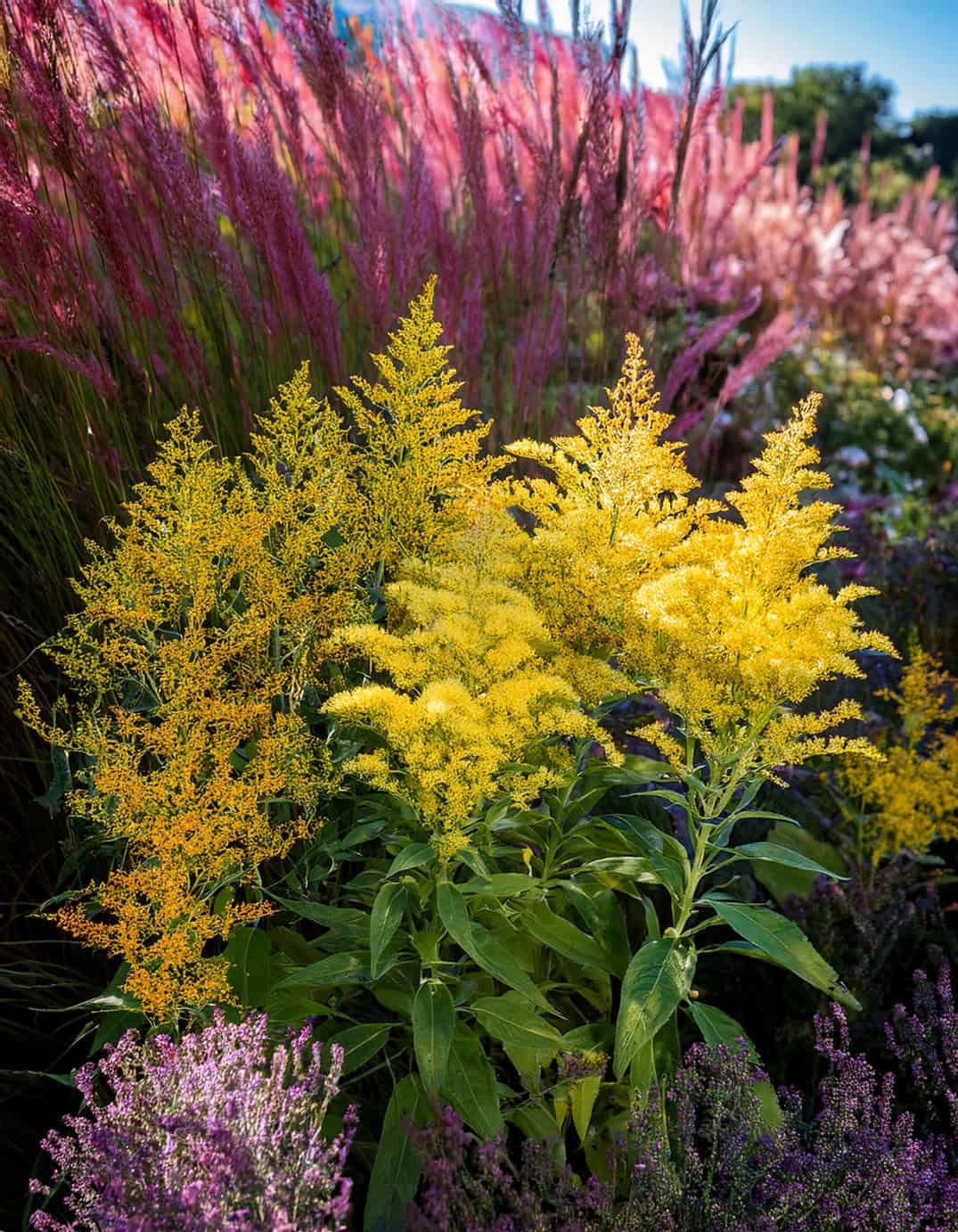
This space began as a standard perennial border but softened over time. I stopped deadheading, and the result was better than anything I’d planned. Monarda, goldenrod, joe-pye weed, and ironweed have taken ownership. Their height creates privacy, and the air around them always feels a little heavier with life.
What looks abandoned is actually well balanced. Birds perch on old stems, and small bees use hollow ones to nest. The structure carries through winter, giving the space a different purpose after flowering ends.
7. Nectar Jungle

The first year I planted agastache, verbena, liatris, and yarrow together, it looked uneven—too tall in some places, too sparse in others. By the second year, the plants had woven together into a dense wall of purple and gold. I added a few sunflowers, and suddenly the whole thing made sense.
Butterflies hover constantly, moving between vertical spires. The density keeps weeds out and soil shaded. It’s a good example of how letting plants compete can produce stability instead of chaos.
8. Dappled Shade Bloom Haven

Not every wild patch needs full sun. Under one of my maples, I built a quiet layer of columbine, hellebore, woodland phlox, and Jacob’s ladder. The light there shifts through the day, and so do the colors. The blooms never come all at once, but there’s always something happening.
Leaf litter stays in place to hold moisture. Moss grows between stones and roots. The air under the canopy feels cooler, even in summer, and it’s often the first spot I notice bees early in the morning.
9. Streamside Rewild

Near the drainage path that stays damp after rain, I planted cardinal flower, marsh marigold, and blue lobelia. The area was once bare clay, but within a season it filled with life. The red and blue flowers stand out against the wet soil, and ferns have slowly crept in from the edges.
This zone never needs watering. The plants manage water flow on their own, keeping the soil from eroding during storms. Frogs use it, and so do dragonflies. It’s become more habitat than garden bed, which was the point all along.
10. Edge of the Forest Bloom Fringe

At the back of my property, sunlight cuts across a narrow line before it hits the trees. That’s where I planted daisies, wild bergamot, and black cohosh. The contrast between open field and dark shade creates a natural frame, and these plants handle the transition well.
The space hums with insect life in late summer. When the wind comes through, the taller stalks sway in unison, and for a moment, the entire edge looks like it’s breathing. The rhythm is steady, not ornamental, and that’s why I like it.
11. Abundance Hill
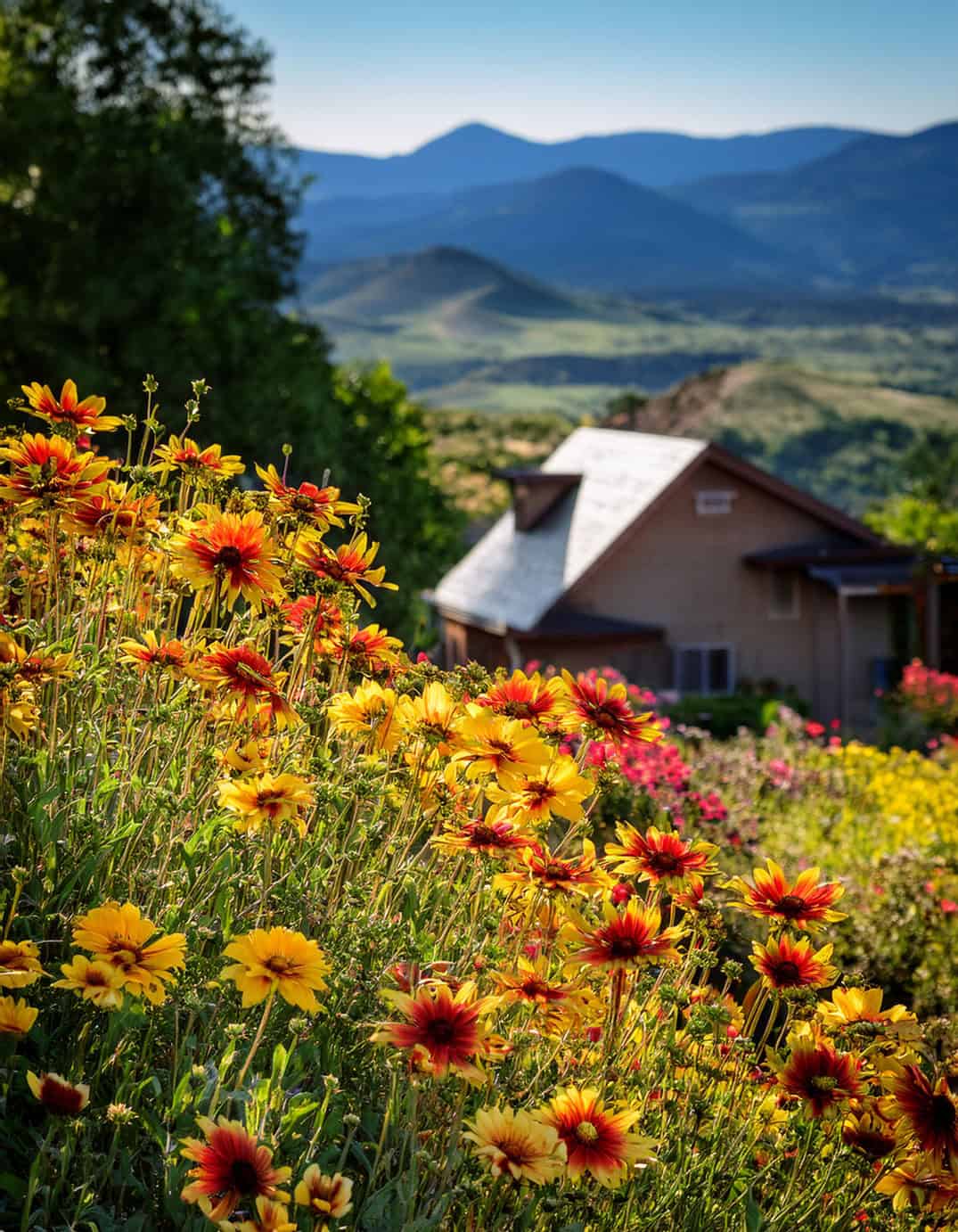
This patch sits on a small mound where drainage is best. Coreopsis, gaillardia, and blanket flower thrive there, forming a continuous sweep of color. The slope means you can see every layer from a distance, which makes it look full even when only a few plants are in bloom.
The soil stays lean and dry, which suits them. I leave the seed heads through fall to let new plants take hold. The hill changes shape each season, slowly blurring its edges into the rest of the garden until the distinction disappears.
Final Thoughts
Rewilding has less to do with neglect than with letting go of perfection. Once you see how plants organize themselves, it becomes hard to garden any other way. I’ve learned to step back, observe, and make small adjustments only when needed.
The reward is a space that feels connected again—alive without being forced, shaped by its own rhythms. Each combination here came from trial and patience, but together they remind me that the best gardens are not static. They move, reseed, and return.