


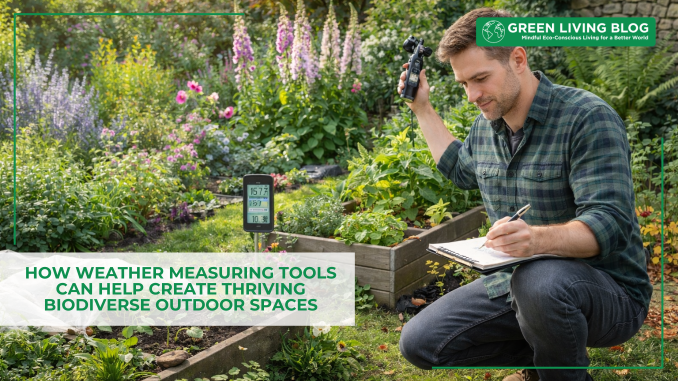
Whether you’re a gardening beginner, starting from scratch again or prepping an established plot, the most rewarding outdoor spaces are those planned with the weather firmly in mind.
Sunlight, shade and natural shelter all play a part in how plants grow, flower and cope with seasonal change. Learning how these elements behave in our own garden helps us work with nature rather than against it.
Every outdoor space has its own subtle variations. Light moves differently across the ground, temperatures fluctuate from one area to another, and exposure can vary even across the smallest of gardens.
These small differences, known as microclimates, influence where plants thrive and where they struggle. By paying attention to these details, gardeners gain confidence in choosing the right plants for the right place and creating a garden that offers more biodiversity, feels balanced, resilient and enjoyable to care for.
Understanding microclimates in your garden

A microclimate is a set of environmental conditions in a specific area that differ from the surrounding space. Even within a compact garden, one corner can be noticeably warmer, cooler or more sheltered than another just a few metres away. These variations are shaped by sunlight, angle, soil moisture, nearby buildings, walls, fences and trees.
Recognising these patterns is one of the most valuable skills a gardener can develop. A south-facing wall, for example, absorbs warmth during the day and releases it slowly overnight, creating a pocket that is less vulnerable to late frost. In contrast, a low-lying area may trap cold air and remain cooler overnight, while shaded areas often hold onto moisture for longer after rainfall.
Once you start to take note of these details, your garden’s overall health suddenly begins to make more sense. Plants that previously struggled often reveal that they were simply growing in conditions that did not quite suit them.
Tracking sunlight throughout the year
Sunlight is the driving force behind plant growth. Supporting photosynthesis, healthy development and encouraging flowering and fruiting. Understanding how sunlight moves across the garden throughout the year is essential when planning for your planting areas.
In the UK, the sun’s position changes significantly with the seasons. During summer, it rises early, sits higher in the sky and provides long hours of daylight. In winter, the sun stays much lower, and daylight hours are shorter. This means that areas receiving plenty of sun in summer may be shaded in winter.
Observing these patterns doesn’t require specialist knowledge. Taking note of which areas receive direct sunlight and for how long provides valuable insight. Many plants described as suitable for full sun need at least six hours of direct sunlight in midsummer. Light shade typically means partial sun or dappled light, while deep shade may only receive a few hours of indirect light each day.
Matching plants to these conditions allows them not only grow but thrive in their environment. Sun-loving plants develop stronger growth and better flowering when given enough light, while shade-tolerant species such as ferns and woodland perennials are far happier away from intense sunlight.
Managing wind exposure through observation
Wind is often less obvious than sunlight or shade, but its effects can be just as influential. Persistent, strong winds can stress plants, increase the risk of water loss and slow growth. In exposed spots, soil may dry more quickly, and young plants may struggle to establish themselves.
Rather than trying to control the wind, it’s often more effective to understand how it moves through your garden. Observing which areas feel calmer and which are more exposed helps guide planting decisions. In many UK gardens, winds most often arrive from the south-west, although buildings, fences and surrounding landscape can alter this pattern significantly.
Placing more delicate plants in naturally sheltered areas, such as near walls or in corners protected by existing structures, helps reduce stress. Hardier plants tend to cope better in more open positions, while low-growing plants help protect soil from drying out. By working with the garden’s existing layout, wind becomes another factor to accommodate rather than fight.
Using weather data to make smarter planting decisions
Weather conditions play an important role in eco-friendly gardening, particularly when it comes to temperature, frost risk and rainfall. Paying attention to these details helps us make better decisions about when and where to plant.
In addition to air temperature, soil temperature plays a vital role in plant health and development because it directly influences germination, root growth and nutrient availability. Soil near the surface warms in response to sunlight and holds heat that feeds into root systems, while shaded soil tends to remain cooler and moister. Affect which plants thrive, and when planting is most successful.
One simple way to understand this is by taking simultaneous soil temperature measurements in different parts of the garden. Using two soil thermometers, one in a sunny spot and one in a shaded area, allows gardeners to compare how conditions vary beneath the surface at the same time of day. This approach makes it easier to judge when the soil is warm enough for sowing seeds or planting crops, and which spots might stay cooler for longer.
Creating weather-friendly plant zones
Once sunlight, shade and exposure patterns are understood, it becomes easier to divide the garden into planting zones that suit specific conditions.
Sheltered spots close to walls or buildings can support plants that prefer steadier temperatures, while more open areas suit hardier plants. Grouping plants with similar needs improves their chances of survival and makes watering and maintenance simpler.
In cooler or wetter gardens, raised beds can also be helpful. Improved drainage allows soil to warm more quickly and prevents growing plants from becoming waterlogged, supporting healthier root development, particularly when beds are positioned in sunnier locations.

Seasonal adjustments and ongoing care
Our gardens change continually throughout the year, and our approach needs to adapt with them. In spring, young seedlings may need protection from late frosts. In summer, shade and careful watering help plants cope with heat and dry spells. During autumn and winter, observing how light levels and temperatures drop informs decisions for the seasons ahead.
Closing Thoughts
Understanding how sunlight, shade and shelter can impact your garden is essential for successful planning throughout the growing season. By recognising microclimates, observing how light and temperature vary across your space, and choosing plants suited to those conditions, you can create a garden that is healthier, more resilient and easier to care for.
Author bio:
Abbey Richold is a content writer with nearly two years’ experience creating gardening and weather-focused content. Passionate about helping people understand how simple weather monitoring tools can make a real difference to their growing spaces, whether that’s a garden, allotment or even indoors. Abbey loves to share practical, everyday tips inspired by the weather, particularly those related to gardening and outdoor living. As a keen indoor gardener, she regularly adopts the monitoring techniques in her articles, and her houseplants have never been healthier!

Author Profile

- Always on the hunt for the latest green living news, tips and stories, proudly sharing them with readers all around the world to make this planet a better place.