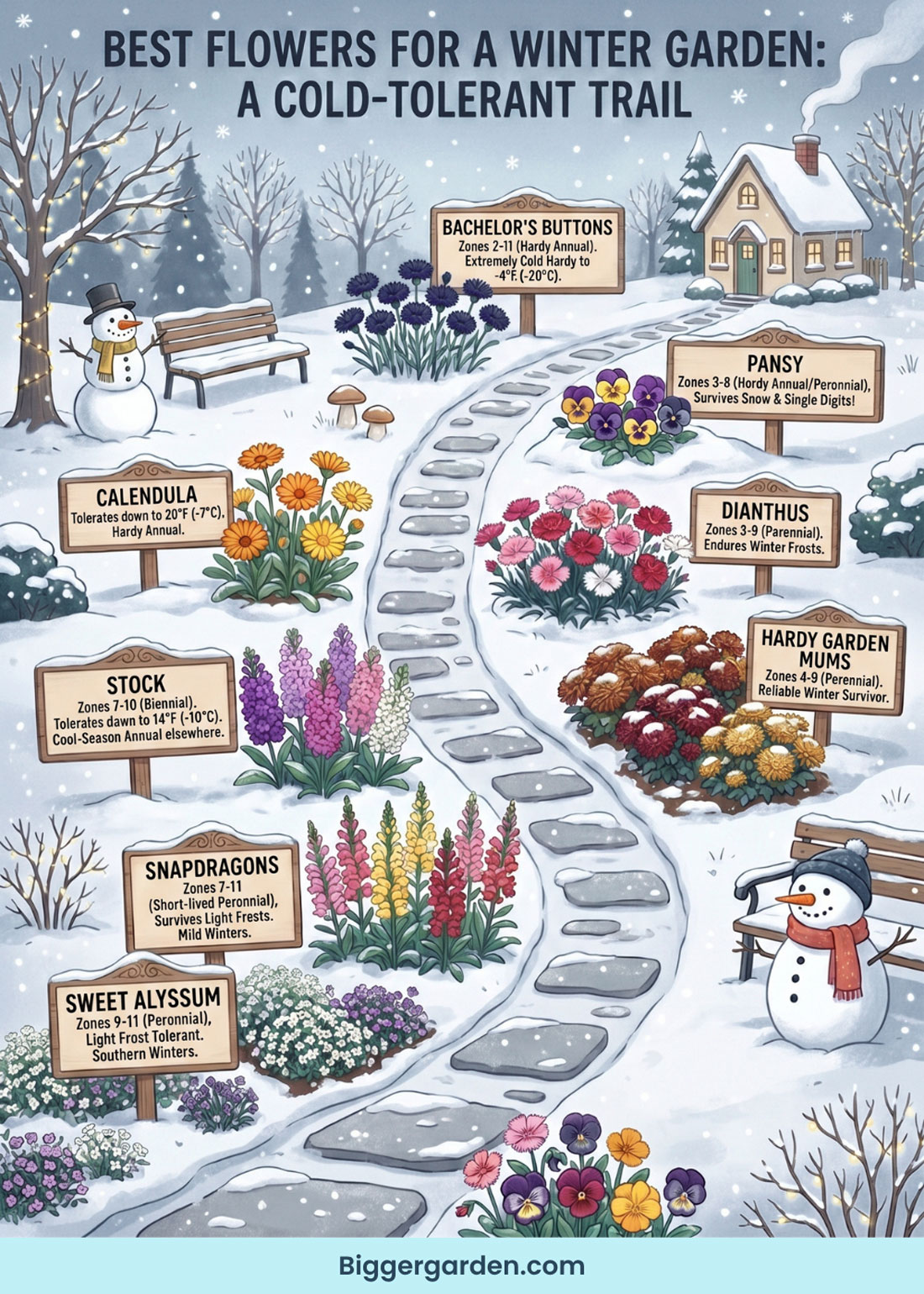

I’m never quite ready to give up on the flower garden when autumn arrives. The vegetables might be slowing down, the leaves are gathering along the fence, and the mornings suddenly call for a jacket. Still, a few bright flowers can make the garden feel wonderfully alive.
The trick is choosing plants that can cope with the change in weather. Some flowers collapse after their first frosty night, while others tolerate a light frost and keep the season going. Cool-season flowers are particularly useful for filling the gap between summer’s final blooms and winter’s arrival.
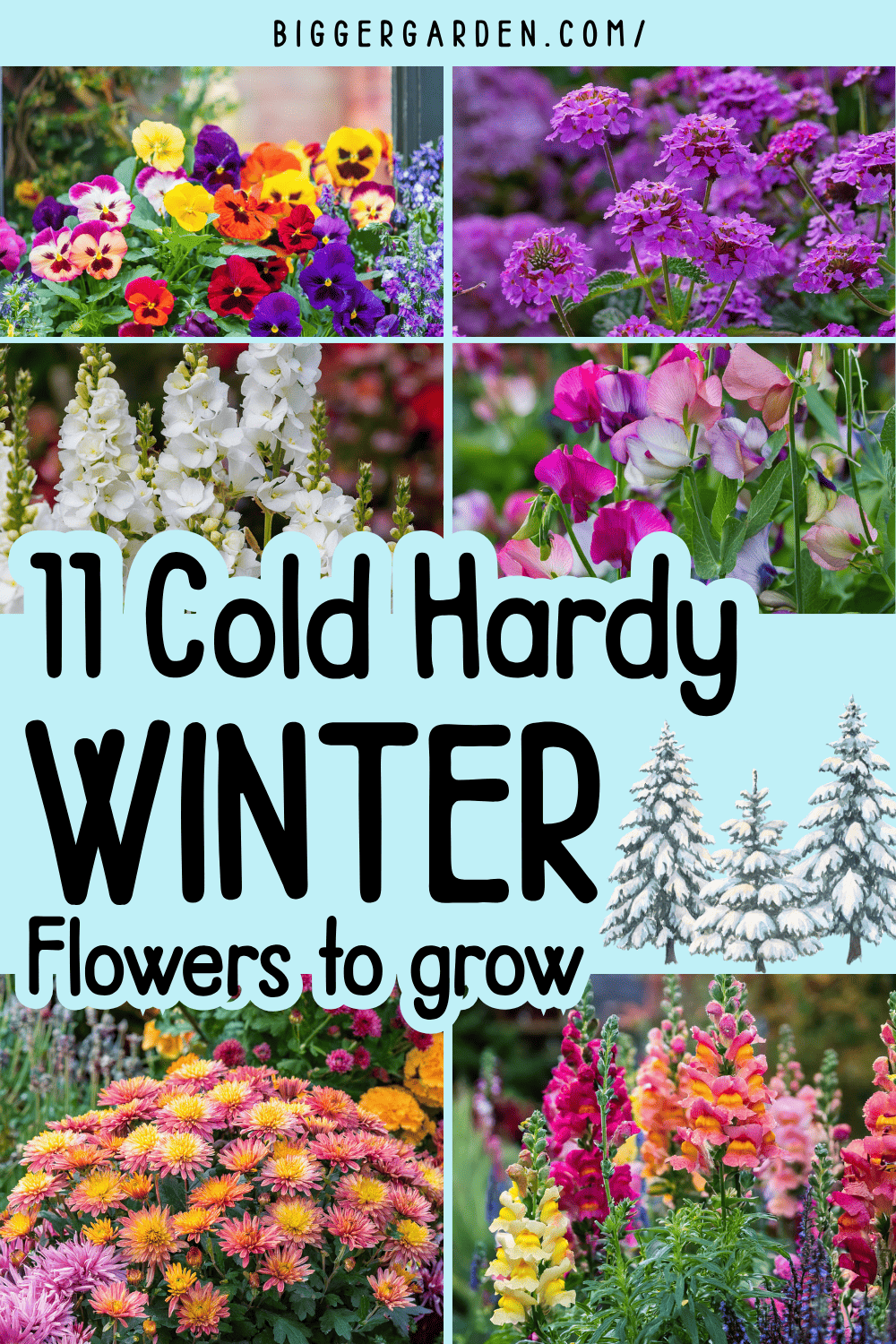
Before we get into the list, there’s one distinction worth making: surviving frost isn’t the same as flowering throughout winter. Here in Ontario, I think of these flowers as a way to stretch the season before persistent freezing temperatures take over. In milder climates, some can continue flowering much further into winter. Variety, shelter, and the length of a freeze all influence the result.
1. Snapdragons
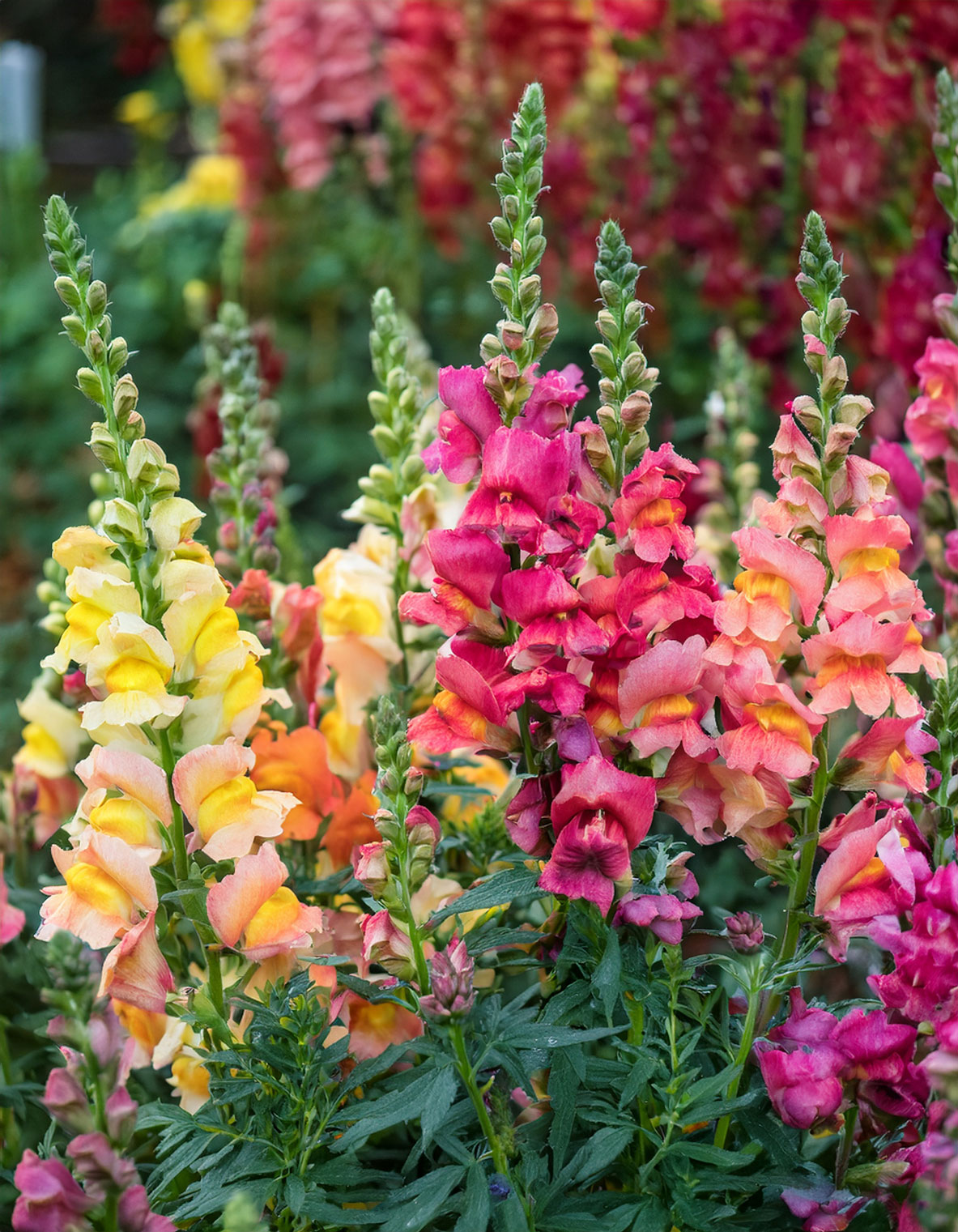
Snapdragons are one of my favourite choices for adding height to a cold-season planting. Their upright flower spikes give a border structure, while the colours range from soft cream and peach to rich pink and red. I’d pair taller varieties with low-growing flowers so the planting still has shape when the surrounding summer garden starts looking tired. They’re particularly appealing if you want flowers you can bring indoors as well.
🐝 Fan Favorite
“Feed the Bees” Garden Sign
Give your wildflower patch a pop of color and let your neighbors know there’s purpose in your plants.
Delivered in 5–7 days
🦋 Every sign funds a tree planted in the North American Monarch Corridor — at no extra cost to you.
Give snapdragons a sunny position and soil that drains freely. Established, acclimated plants can tolerate light frost, making them useful for extending autumn colour. Remove spent flower spikes while the plants are still growing, but expect new blooms to develop more slowly as daylight and temperatures decline. I’d get them established before the cold arrives rather than planting tiny seedlings just as the weather turns. Repeated hard freezes can still end the display.
2. Pansies
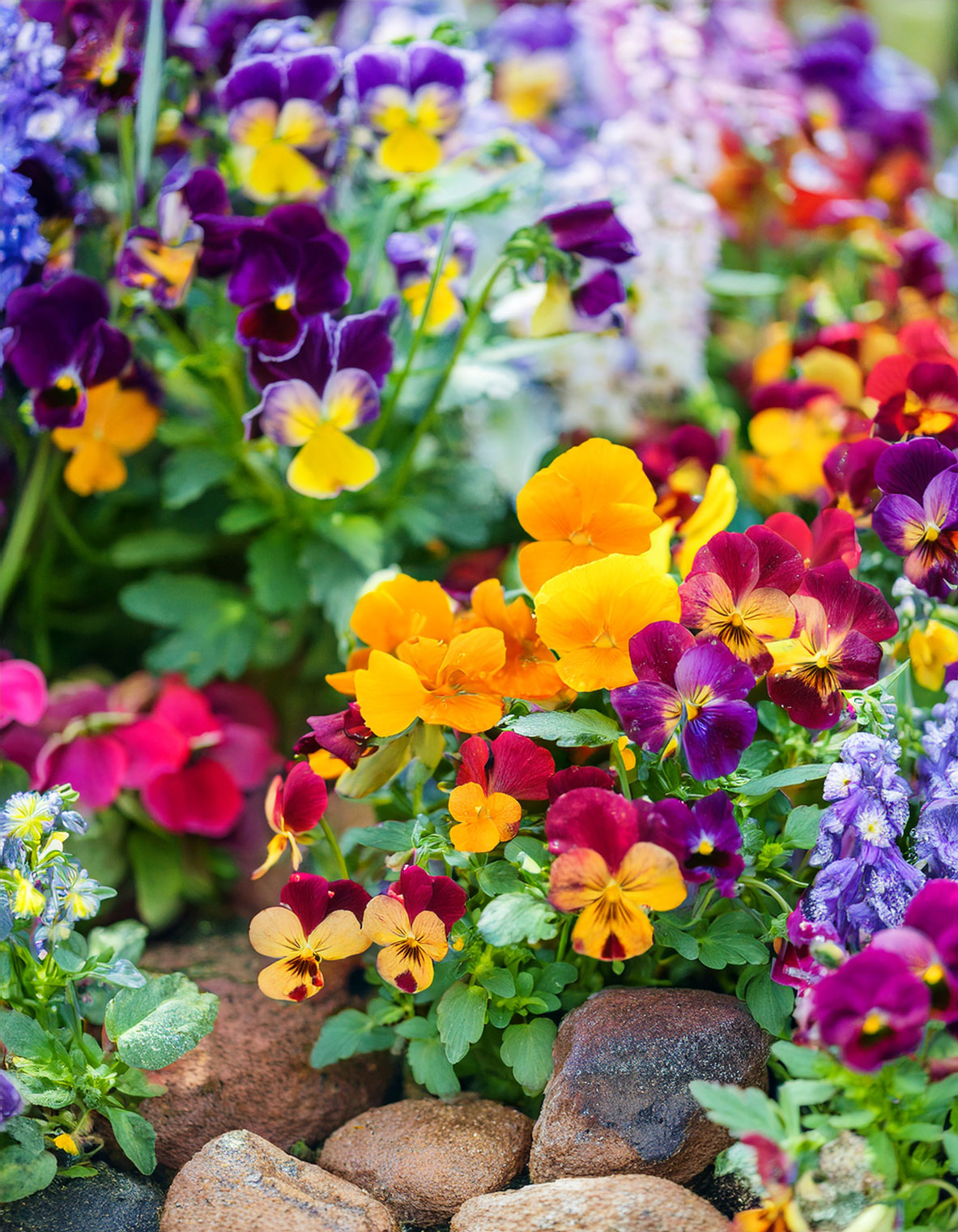
There’s something reassuring about a pansy flowering on a chilly morning. Those little faces bring colour close to ground level, which makes them especially useful beside a path, in a window box, or in a pot near the front door. I like the idea of choosing two or three complementary shades instead of mixing every colour together. Deep purple, pale yellow, and white would make a lovely combination for the quieter months.
Pansies are well suited to cool weather and can handle frost once they’re acclimated. Plant them in well-drained soil, keep the roots from drying out, and remove faded flowers while they’re actively blooming. Don’t assume a plant has died just because flowering pauses during a cold spell. In suitable conditions, pansies may survive weather that temporarily stops their display. However, a plant surviving beneath snow and a plant producing fresh flowers in January are two very different things.
3. Sweet Alyssum
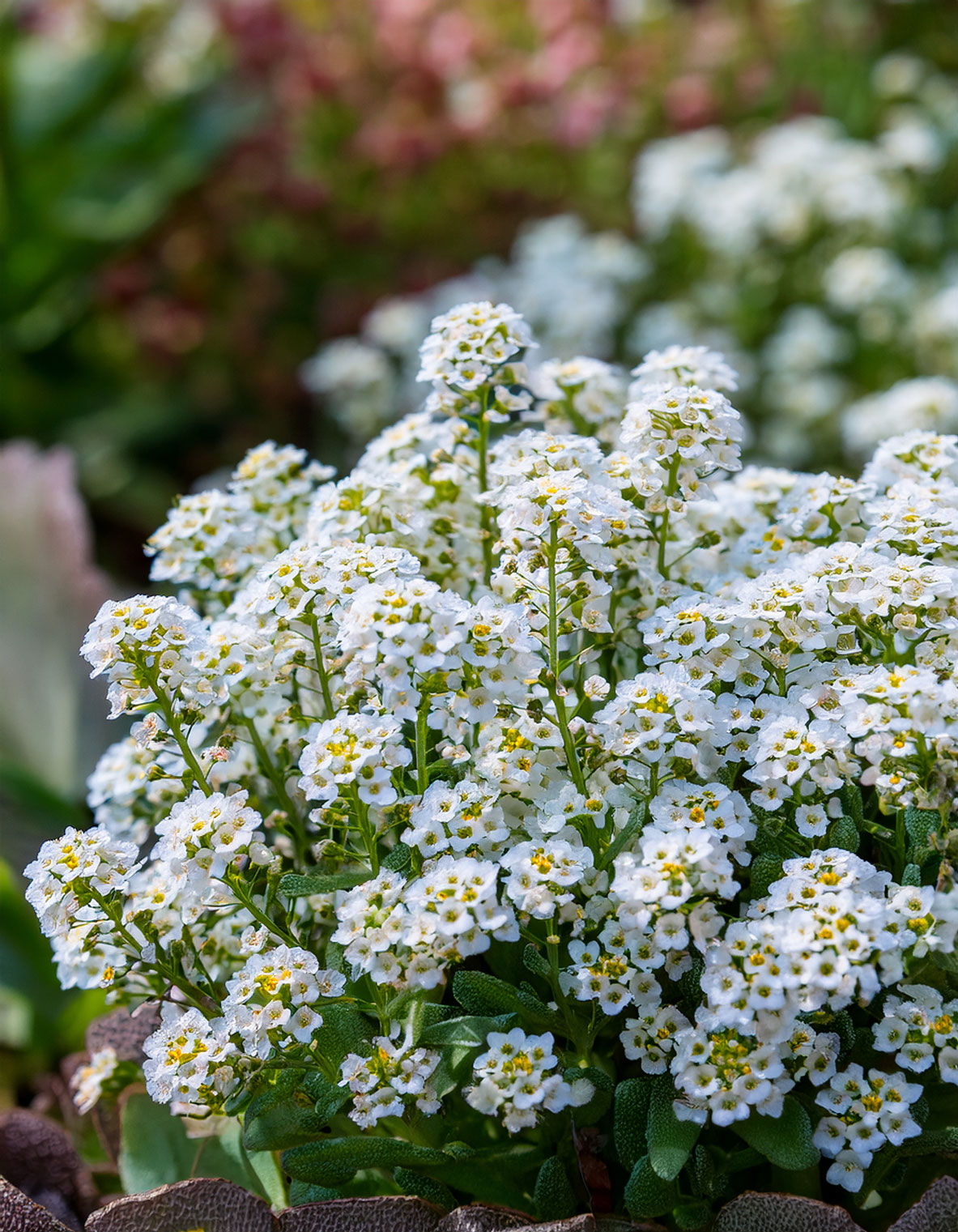
Sweet alyssum is the flower I’d use to soften the edges of a cold-season container. Its tiny flowers form a low carpet, spilling between larger plants without overwhelming them. White varieties look particularly fresh beside purple pansies or pink snapdragons, although lavender and pink options are beautiful too. The honey-like fragrance is another reason to keep it close to a walkway where you can appreciate it.
This cool-season flower tolerates light frost and works well in beds as well as pots. Give it sun to partial shade and enough moisture to prevent the roots from drying out, while avoiding soggy soil. If a planting becomes straggly while the weather is still suitable for growth, a light trim can help tidy it and encourage another flush. Once sustained freezes arrive, though, trimming won’t restart the growing season. Think of alyssum as a generous season extender.
4. Calendula
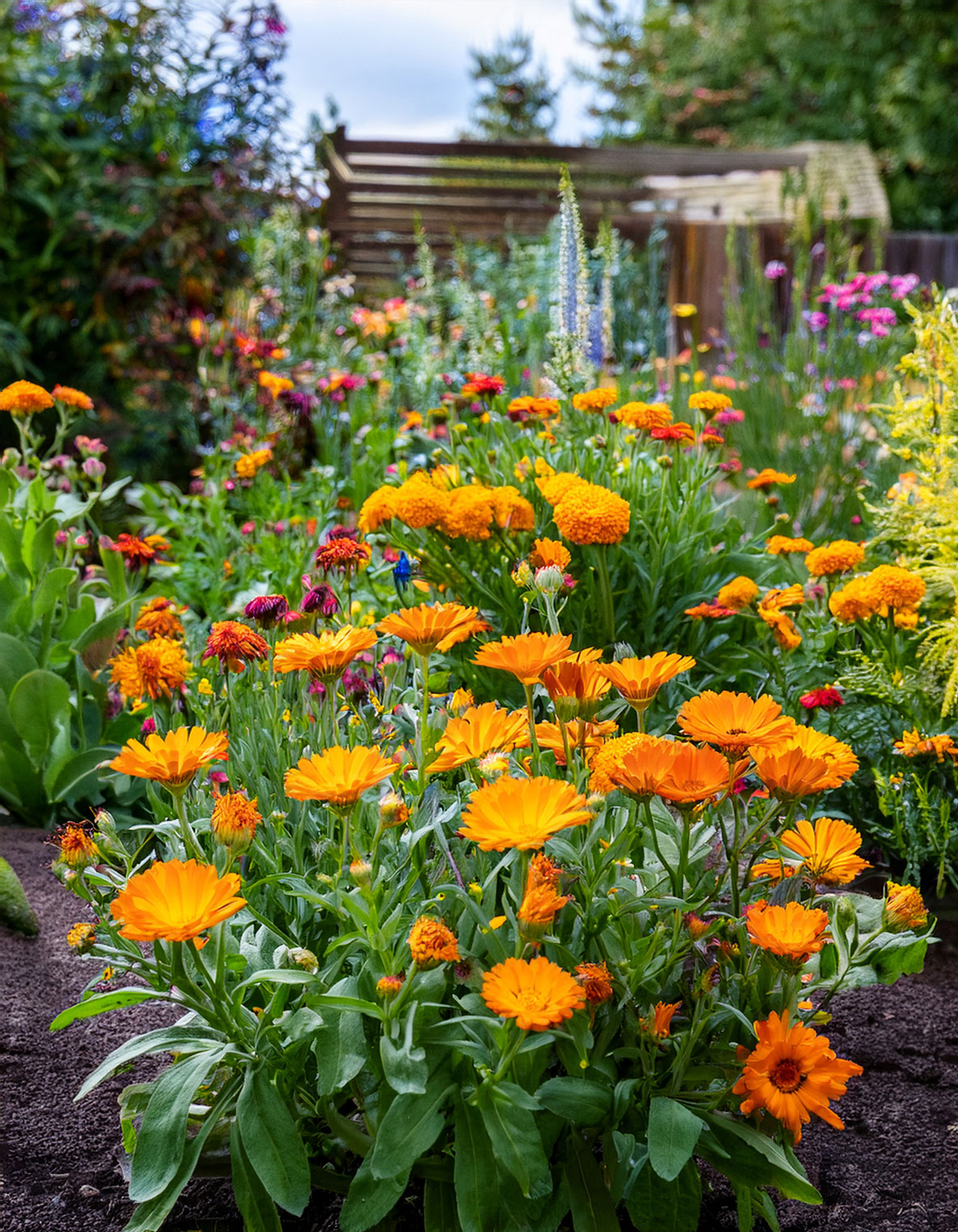
Calendula brings the sort of colour I want when the sky turns grey. Its yellow and orange flowers feel warm even when the air certainly doesn’t. I’d use it in a sunny border or mix it into a vegetable garden for a cheerful final display. You might also see it called pot marigold, but it’s a different plant from the familiar summer marigolds in the genus Tagetes.
Calendula is a hardy annual that tolerates light frost, which makes it a sensible choice for cool-season colour. Give it a sunny spot with good drainage, and remove spent blooms to limit seed production while flowering conditions remain favourable. Planting timing matters: seeds scattered immediately before winter won’t provide instant flowers. For an autumn display, start early enough for plants to mature, or choose established plants. In a mild climate, the flowering season may stretch much further than it does in a northern garden.
5. Dianthus
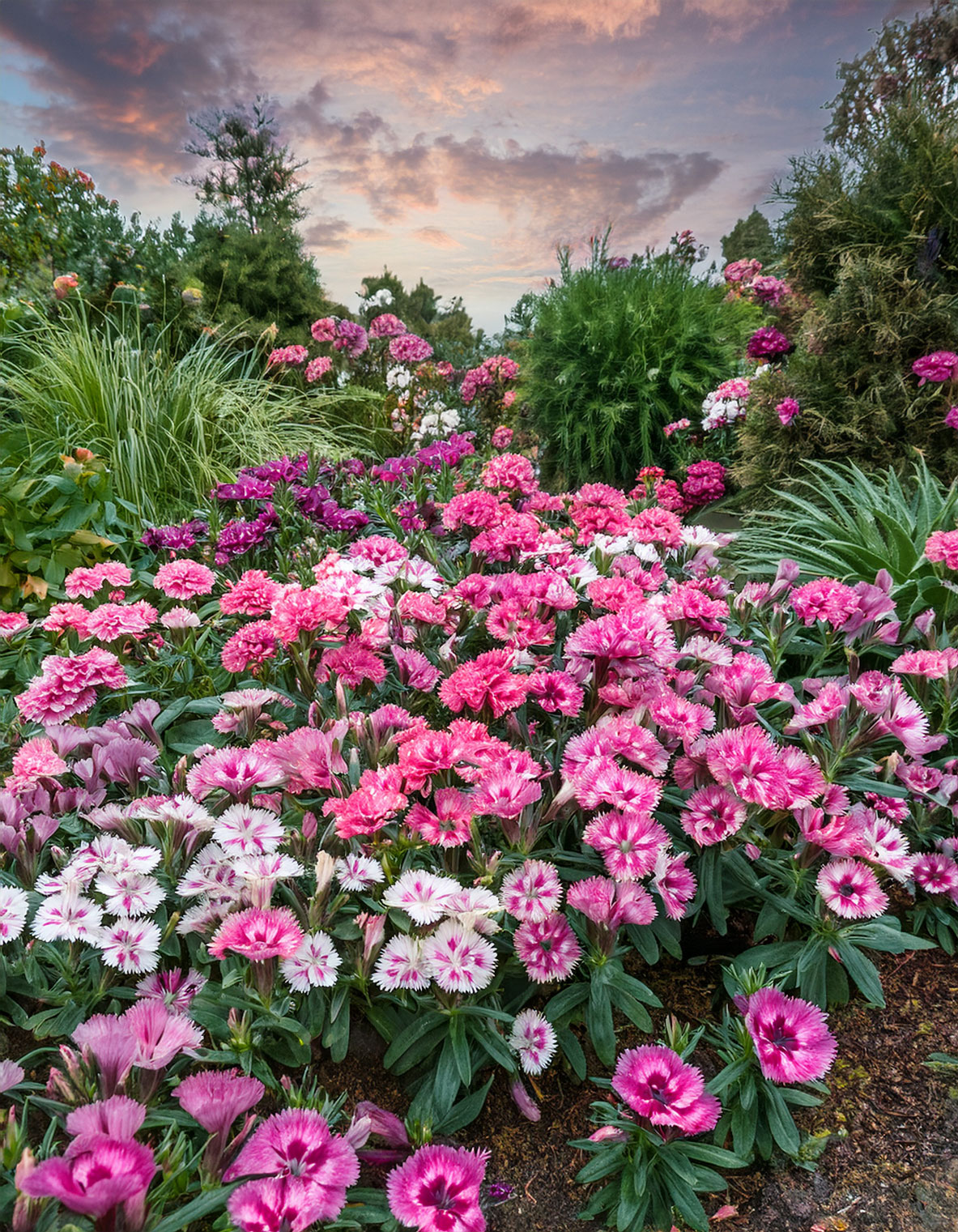
Dianthus offers a different texture from the bigger flower spikes and rounded blooms on this list. Many varieties have neatly fringed petals, and some carry that lovely spicy fragrance that makes you lean closer. Pink, white, and red flowers work beautifully along a path or at the front of a border. I’d choose a compact variety where I wanted a tidy planting rather than something loose and sprawling.
The important part is choosing the right dianthus. This is a broad group, and cold tolerance, flowering season, and perennial hardiness differ between varieties. Look for a cold-tolerant selection with a flowering period that suits your autumn garden. Give it plenty of light and well-drained soil, keeping the crown from sitting in wet conditions. A perennial dianthus may survive winter perfectly well while producing no winter flowers, so read the plant label for more than its hardiness rating.
6. Stock
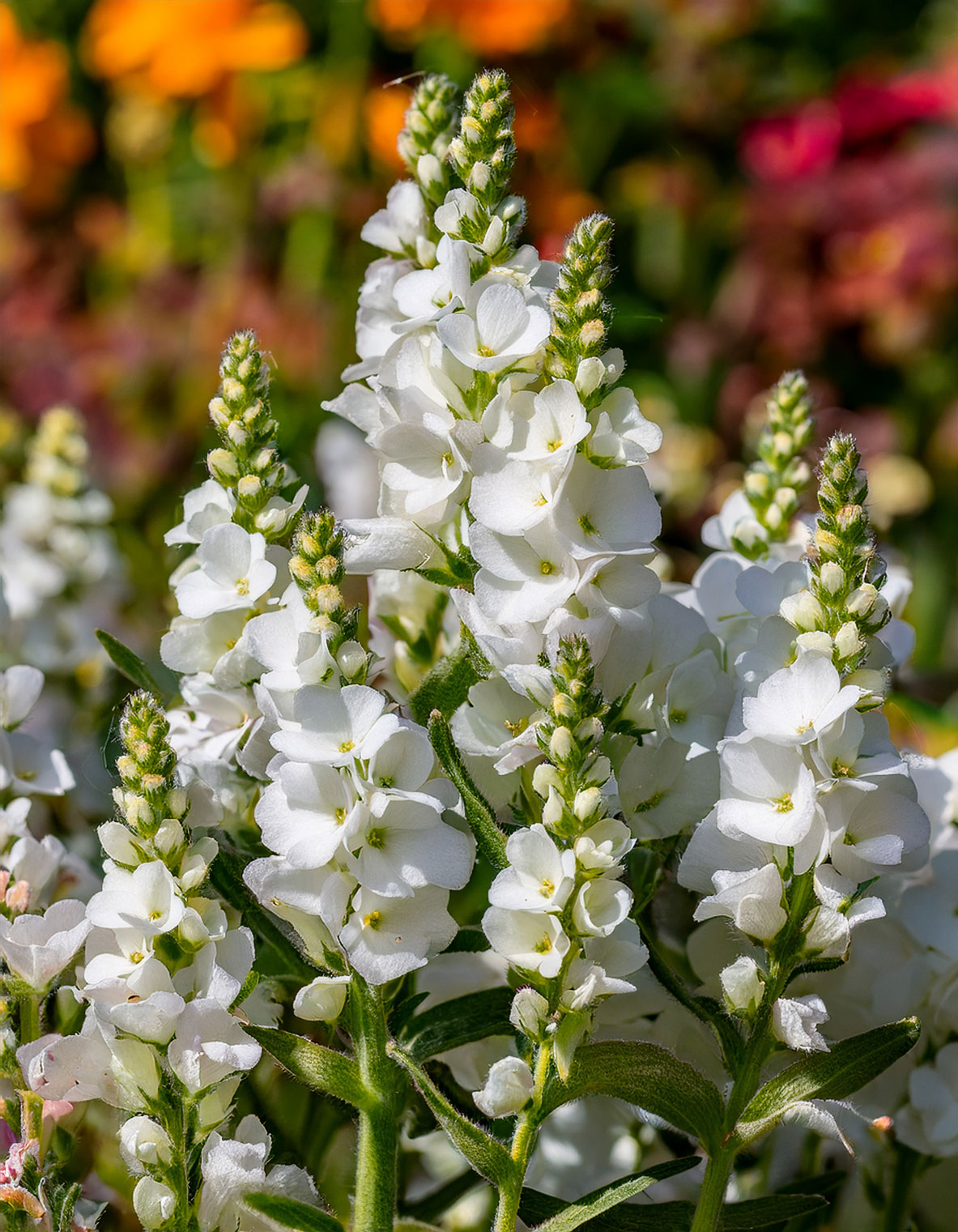
Stock earns its place through fragrance as much as appearance. Its upright stems carry clusters of flowers in shades including white, pink, lavender, and purple, giving a planting a slightly old-fashioned charm. I’d put it somewhere close to the house or beside a frequently used path. A fragrant flower loses some of its appeal if you have to trek across a muddy garden to appreciate it.
Stock prefers cool conditions and is included among cool-season bedding plants, but variety and planting stage influence its performance. Choose plants suited to your local season, with buds still developing rather than a display nearly finished. Give them sunshine, good drainage, and regular moisture without waterlogging the roots. Some selections provide a relatively brief flowering show, so I wouldn’t promise months of continuous blooms from every plant. Used thoughtfully, stock adds scent and height to a mixed autumn container.
7. Bachelor’s Buttons
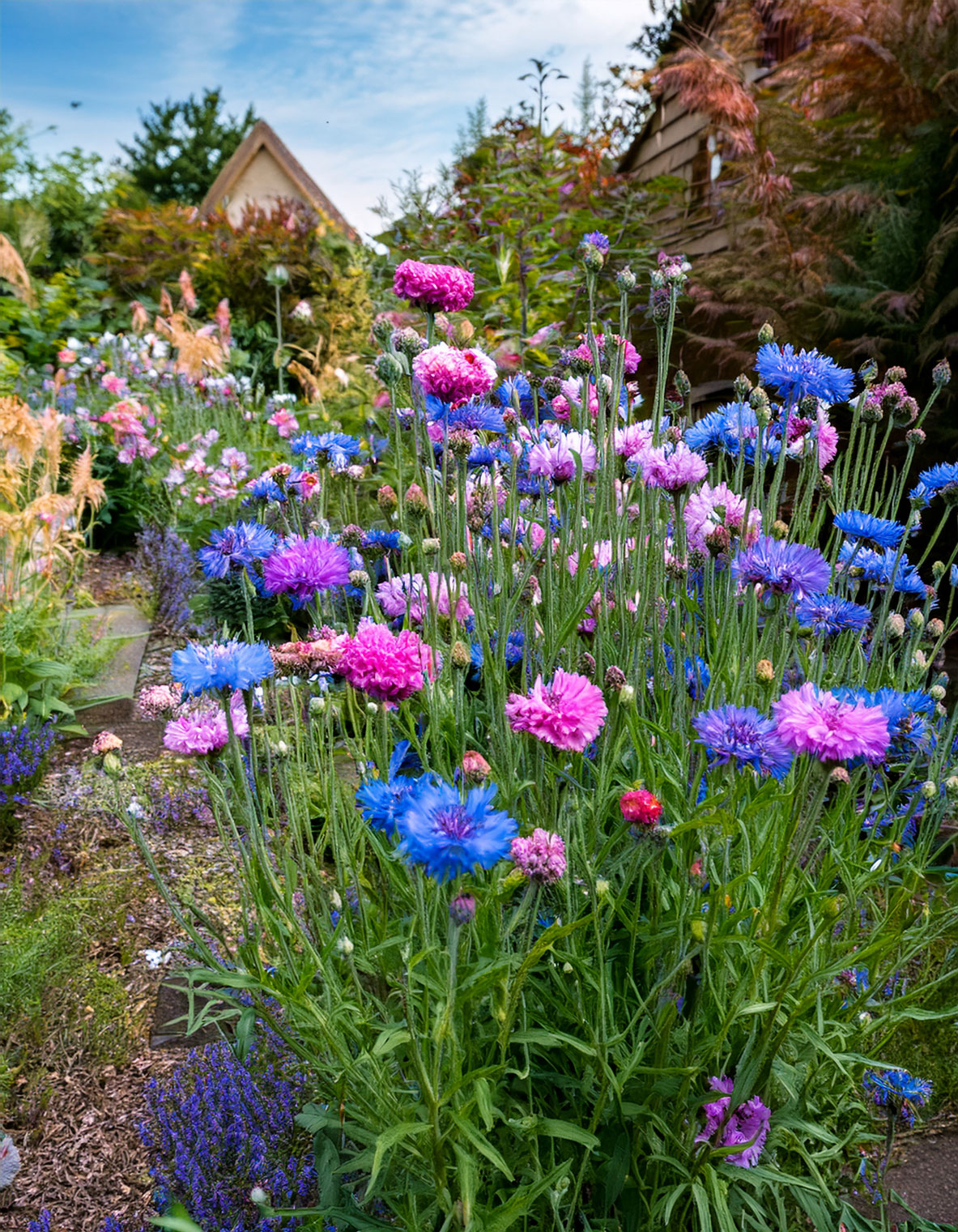
Bachelor’s buttons have a relaxed, cottage-garden feel that I find hard to resist. The classic blue flowers are the obvious attraction, but pink, white, and darker selections give you other possibilities. Their slender stems look lovely among less formal plantings, and they make useful cut flowers. For an autumn garden, I’d treat them as a crop to plan ahead rather than an impulse purchase after the first frosty morning.
These hardy annuals can tolerate light frost, but getting flowers late in the year depends on sowing time and growing conditions. A spring planting may already be finished before autumn arrives, so a suitably timed later sowing can be more useful where the climate allows it. Give plants full sun and well-drained soil, and remove spent flowers to help prolong the display. Autumn-sown seedlings may instead be intended for flowers the following spring. Cold tolerance alone doesn’t tell you when a plant will bloom.
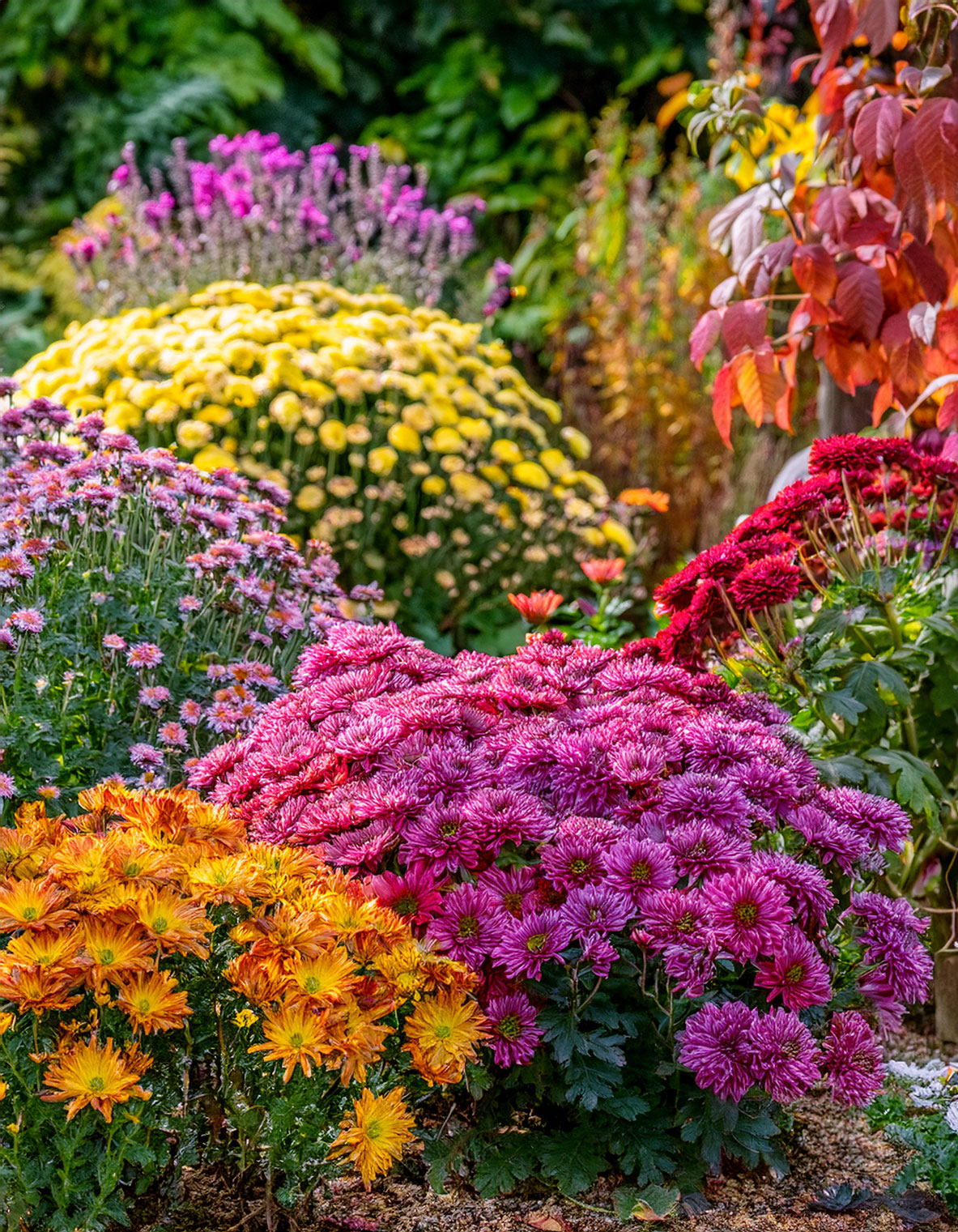
8. Hardy Garden Mums
Mums are the obvious autumn flowers, but there’s a reason they’re so popular. A plant covered in bronze, gold, purple, or pink flowers can transform a tired corner almost instantly. I like them as the main feature in a seasonal planting, with smaller flowers around the edges. For this list, though, I’d be selective about what I bought rather than assuming every decorative pot labelled “mum” had the same cold tolerance.
Choose garden mums appropriate for your growing zone, and look for varieties known to have frost-tolerant flowers. Several Mammoth mum cultivars, for example, are specifically described that way by the University of Minnesota. Planting earlier gives perennial mums more time to establish than dropping a heavily flowering pot into the ground just before winter. Even then, root survival and flower survival are separate questions. Florist mums and late-planted porch displays shouldn’t automatically be expected to return next year.
9. Diascia
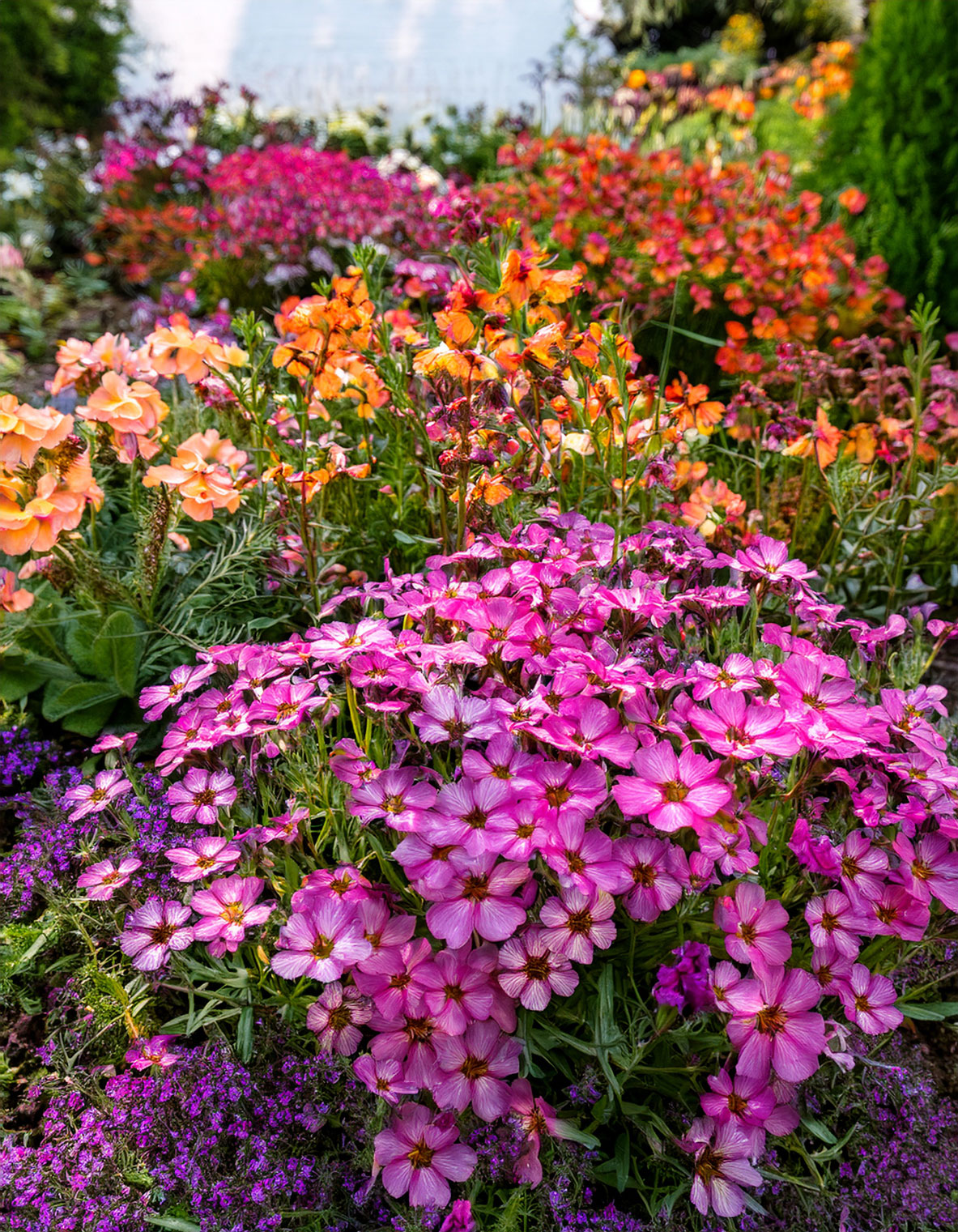
Diascia has a lighter, more delicate look than many traditional autumn flowers. Its small blooms come in lovely pink, peach, and coral tones, and its growth habit makes it useful around container edges. I’d combine it with upright snapdragons for a planting with contrasting shapes. It’s a good option when you want seasonal colour without making every pot look like the usual arrangement of mums and ornamental cabbage.
Diascia enjoys cooler growing conditions, and it’s included among frost-tolerant annuals in UMass guidance for autumn plantings. Still, I’d treat it as a candidate for light-frost weather rather than assume it has the resilience of the toughest pansies. Choose a sheltered position and a freely draining potting mix, and check moisture before watering. If colder nights are forecast, a container gives you the option of moving it temporarily under cover. That flexibility can help preserve an attractive display a little longer.
10. Sweet Peas
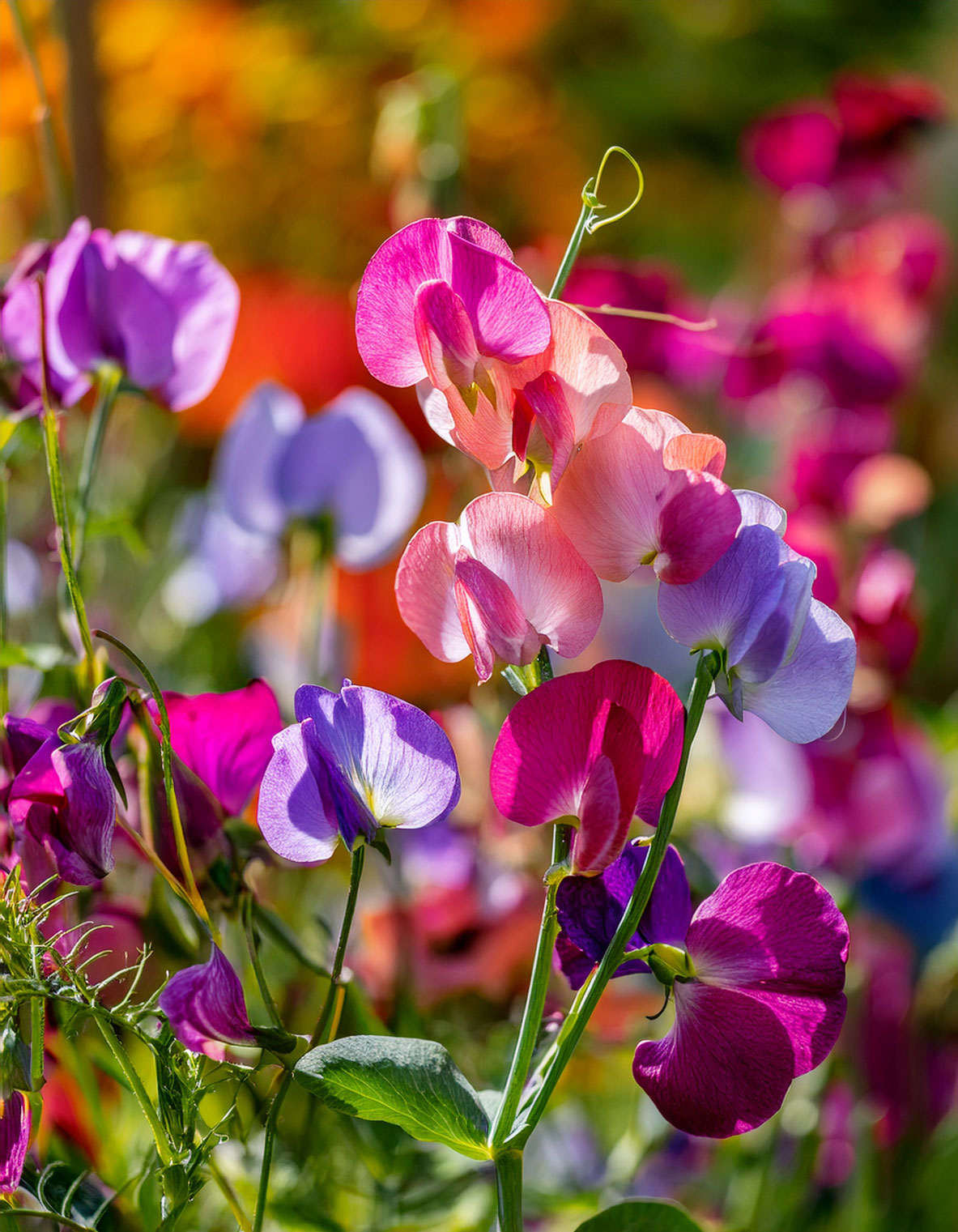
Sweet peas bring fragrance and a climbing habit to the list, which is useful if you have a small trellis or obelisk to fill. Their soft, fluttering flowers have a completely different character from a dense pot of mums. I’d love them near an entrance where a few flowers could also be cut for the kitchen table. They do require more planning than buying a flowering pansy, however.
Sweet peas tolerate light frost, but autumn flowers depend on the plants reaching the right stage at the right time. In hot climates, summer heat may finish them long before frost becomes relevant. Choose a variety and sowing schedule suited to your region, provide support, and keep the roots consistently moist without saturating the soil. Pick flowers and remove developing pods to prolong flowering while conditions allow. Autumn sowing often aims for next spring’s blooms, so it shouldn’t be confused with a guaranteed winter display.
11. Verbena
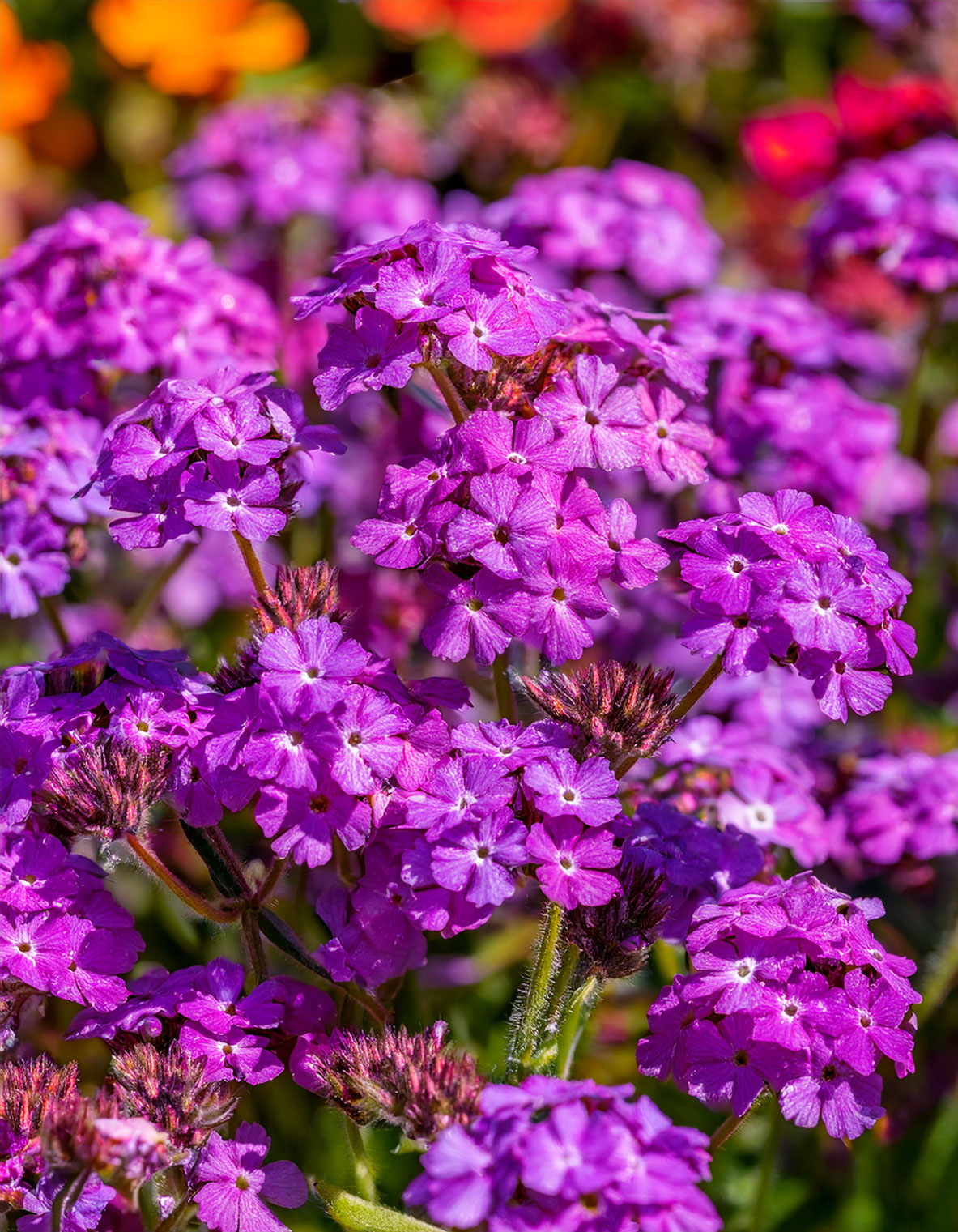
Verbena adds clusters of small flowers that can weave through a border or brighten a container. Depending on the species, you might get a low, spreading plant or something much taller and airier. That variety is part of its appeal, but it’s also why I’d be careful about recommending “verbena” without checking the label. For this post, the goal is a selection that can cope with chilly autumn conditions.
Cold tolerance varies considerably across the genus, and many bedding verbenas are tender or unreliable in freezing weather. Look for a selection with documented tolerance for your conditions rather than expecting every trailing basket variety to survive frost. A sunny, sheltered spot and well-drained soil give it a sensible start, but they won’t make a tender plant winter hardy. I’d use suitable verbena to extend an existing autumn display, with protection when necessary, rather than rely on it for flowers through sustained cold.
How I Help Flowers Last Longer Into Winter
Choosing the right flowers is only part of the job. I’d also give them time to establish before the weather turns. A healthy plant that has gradually adjusted to outdoor temperatures is better prepared for a frosty night than one moved straight from a warm greenhouse.
For a little extra growing time, I focus on a few simple habits:
- Choose a sheltered position. A sunny spot protected from strong winds can offer better conditions than an exposed corner.
- Keep frost cloth handy. Cover suitable plants before a forecast frost and remove or open the cover when conditions improve.
- Check soil before watering. Plants usually need less water as growth slows, but containers can still dry out.
- Prioritize drainage. Cold, saturated soil creates problems even for plants that tolerate low temperatures.
- Give containers extra attention. Their roots are more exposed to temperature changes, and portable pots can be moved under shelter.
- Adjust expectations as winter settles in. Deadheading and protection can help during suitable weather; they can’t replace warmth and daylight.
I don’t need the whole garden to keep flowering for these plants to feel worthwhile. A few pansies beside the door, snapdragons holding their colour, or alyssum spilling over a pot can make the season feel a little longer.
Start with a small combination that suits your climate, and see how it performs as autumn gives way to winter. Those extra flowers are a lovely reason to keep stepping outside.