

Fall cleanup is not about cutting everything down before winter. Some perennials are actually better left standing, while others benefit from having old, diseased, or collapsing growth removed once the growing season winds down. Knowing which plants fall into which group can make a noticeable difference in how healthy and tidy the garden looks next spring.
For these 12 flowering perennials, a well-timed fall cutback can help reduce fungal problems, remove hiding places for pests, prevent soggy foliage from smothering the crown, and clear away stems that have finished their job for the year. The key is timing. I usually wait until flowering has finished, foliage is declining, or frost has pushed the plant toward dormancy before reaching for the pruners.
At a Glance
- Fall pruning can reduce disease pressure by removing foliage affected by mildew, fungal spotting, or other problems before winter.
- Removing dead and collapsing growth can keep wet foliage from matting over plant crowns and creating hiding places for pests.
- Wait until plants are winding down for the season. Yellowing foliage, finished flowering, or frost damage are better signals than the calendar alone.
- Avoid cutting healthy green foliage too early. Plants may still be using those leaves to store energy in their roots before dormancy.
- Do not cut every perennial to ground level. Salvia, blanket flower, and other cold-sensitive plants can benefit from several inches of stems left above the crown.
- Some plants are better left standing. Seed heads and hollow stems can provide winter food and shelter for birds and beneficial insects.
1. Bee Balm
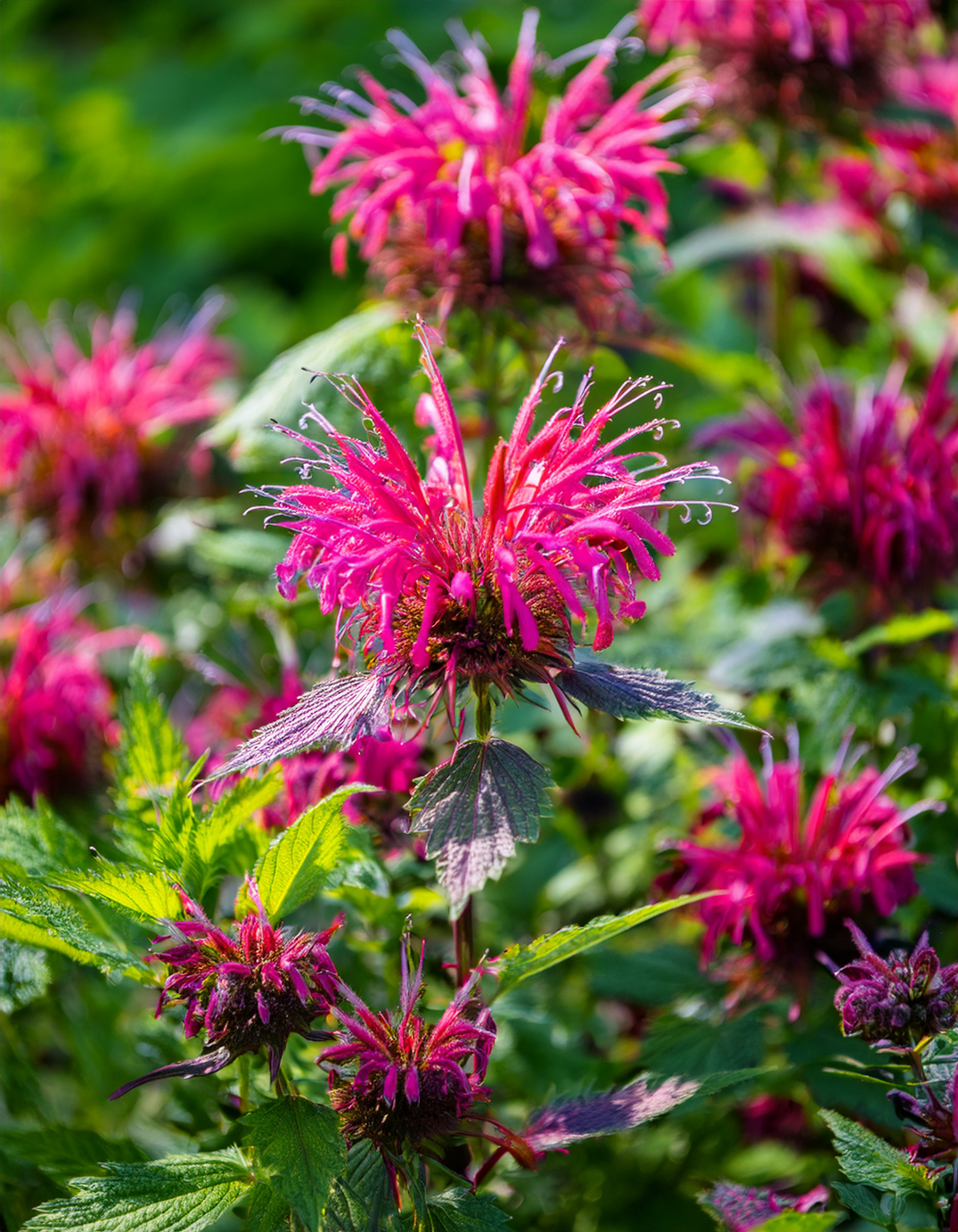
Bee balm can look fantastic through summer and decidedly less fantastic by September. Powdery mildew is especially common on crowded plants, leaving the lower leaves white, brown, and eventually crispy. Once flowering has finished and the foliage begins deteriorating, I cut the stems back rather than carrying all of that damaged material into winter.
This becomes particularly worthwhile when mildew has been a problem. Cut the stems down to several inches above the soil and remove infected foliage from the garden instead of using it as mulch around the plant. I would also avoid adding badly diseased leaves to a cool compost pile. Improving airflow around the remaining crown and neighboring plants can make next year’s bee balm easier to manage.
🐝 Fan Favorite
“Feed the Bees” Garden Sign
Give your wildflower patch a pop of color and let your neighbors know there’s purpose in your plants.
Delivered in 5–7 days
- Hand-illustrated design
- Recycled aluminum — won’t fade, rust, or crack
- Plants 1 real tree in the Monarch Corridor
🦋 Every sign funds a tree planted in the North American Monarch Corridor — at no extra cost to you.
2. Garden Phlox
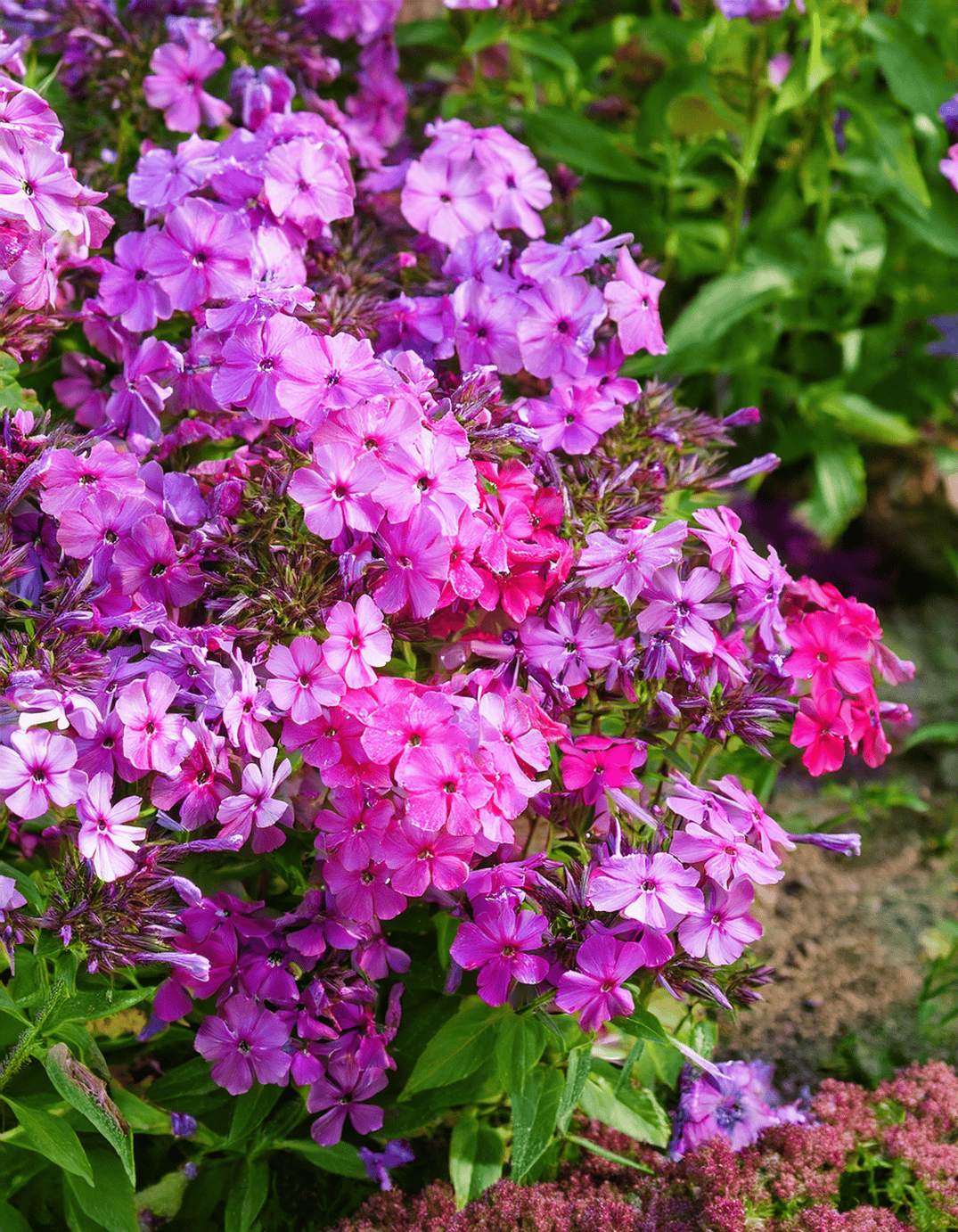
Tall garden phlox is another perennial that frequently arrives at the end of summer wearing a coating of powdery mildew. By the time frost finishes the foliage, there is very little benefit to leaving those stems standing if disease has been present.
After a hard frost, I cut old phlox stems down close to the ground and remove the fallen foliage around them. This reduces the amount of infected plant material sitting directly beside next year’s shoots. While fall cleanup cannot guarantee a mildew free summer, combining it with good spacing, watering near soil level, and thinning crowded stems in spring can make a noticeable difference.
3. Peonies
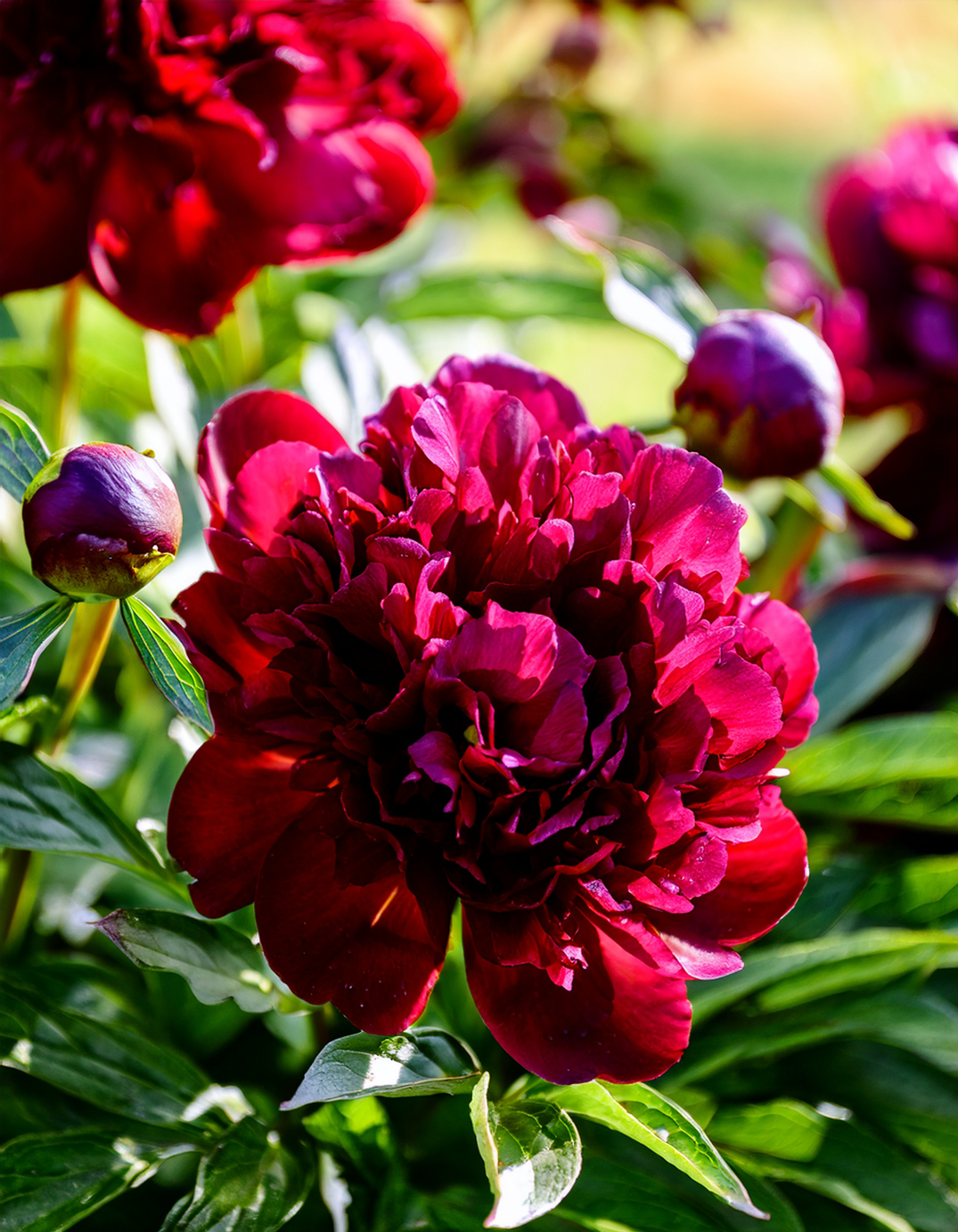
Peonies are near the top of my fall cleanup list. Their beautiful spring display can make them seem delicate, but once their foliage begins collapsing in autumn, there is little reason to keep the old stems around. Peonies can be affected by fungal diseases such as botrytis, and infected plant debris provides a place for trouble to carry over.
Wait until the foliage has yellowed or been hit by frost, then cut herbaceous peony stems down to roughly 1 to 2 inches above the soil. Collect the leaves and stems rather than leaving them around the crown. Tree peonies are different and should not be treated this way, since their woody stems remain alive through winter. For the familiar herbaceous peony, however, a proper fall cutback is one cleanup job I rarely skip.
4. Hostas
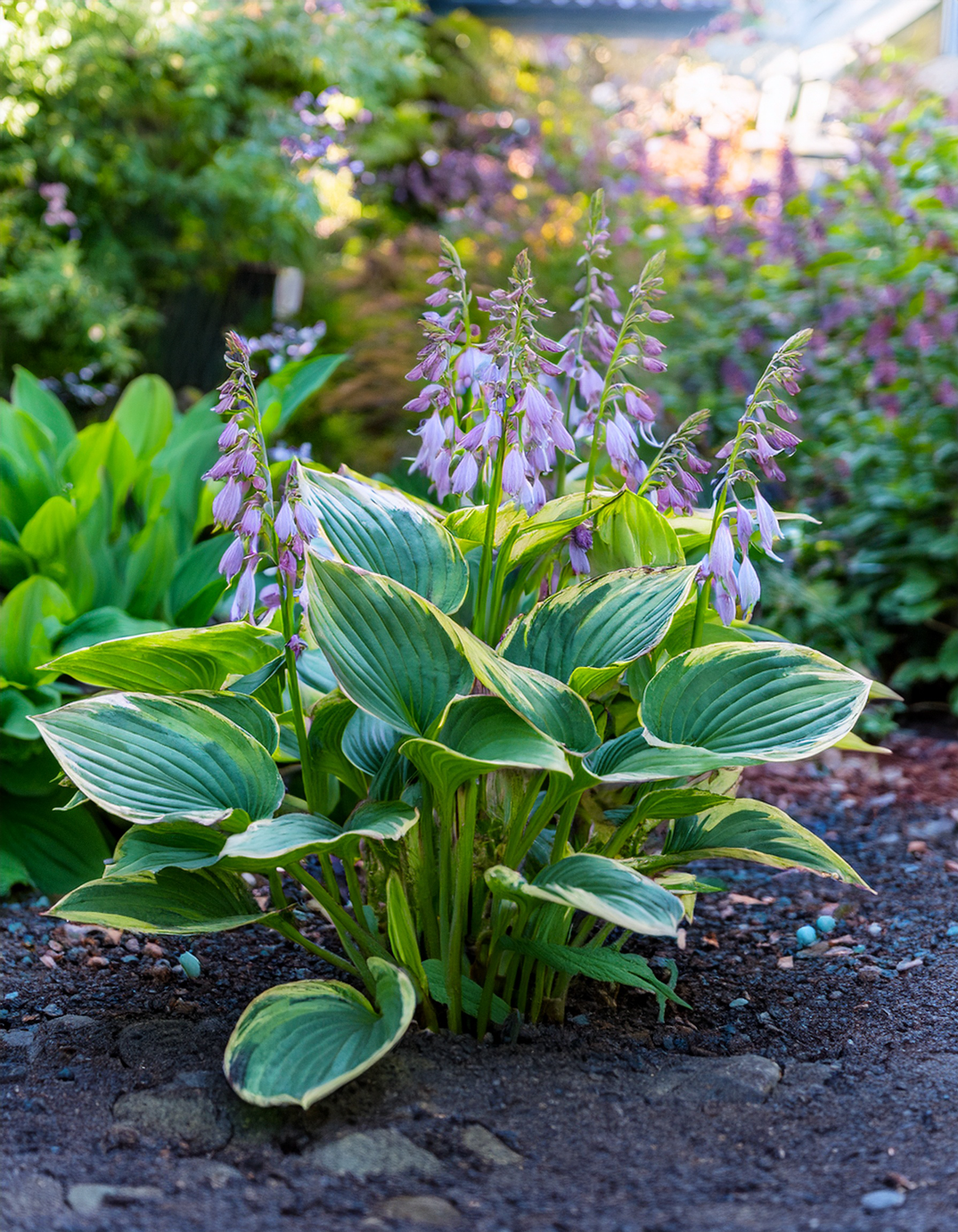
Hostas practically announce when they are ready to be cleaned up. Their broad green leaves turn yellow after frost and then quickly collapse into a soft, wet layer across the soil. Leave them long enough and they can become surprisingly unpleasant to handle.
Once the leaves have been thoroughly damaged by frost, I cut or pull away the foliage near the base. Removing that soggy material reduces the number of hiding places available to slugs and snails and makes the bed considerably easier to work with in early spring. Just avoid cutting healthy green hosta foliage early simply because the calendar says fall. Let the leaves feed the roots until the plant naturally begins shutting down.
5. Daylilies
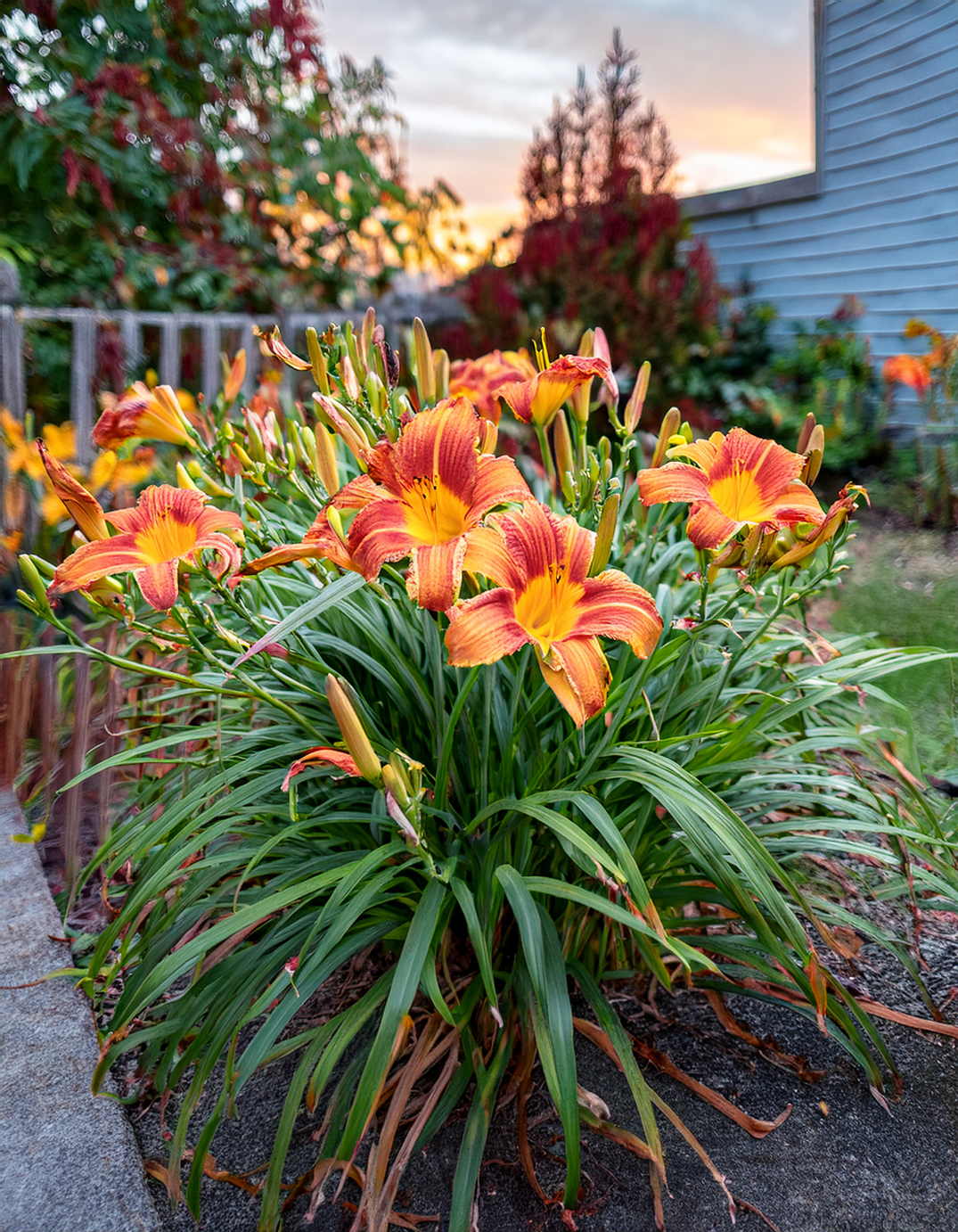
Daylily foliage often gets scruffy long before winter arrives. Leaves yellow from the tips, bend over surrounding plants, and gradually collapse as temperatures fall. Evergreen and semi-evergreen varieties behave somewhat differently, but traditional dormant daylilies can usually be cleaned up once their leaves have clearly started dying back.
I cut the declining foliage down to a few inches above the crown, removing anything yellow, brown, or mushy. If some leaves are still strongly green, there is no urgency to take them all. Waiting until dormancy is underway allows the plant to finish moving resources back into its roots before winter.
6. Catmint
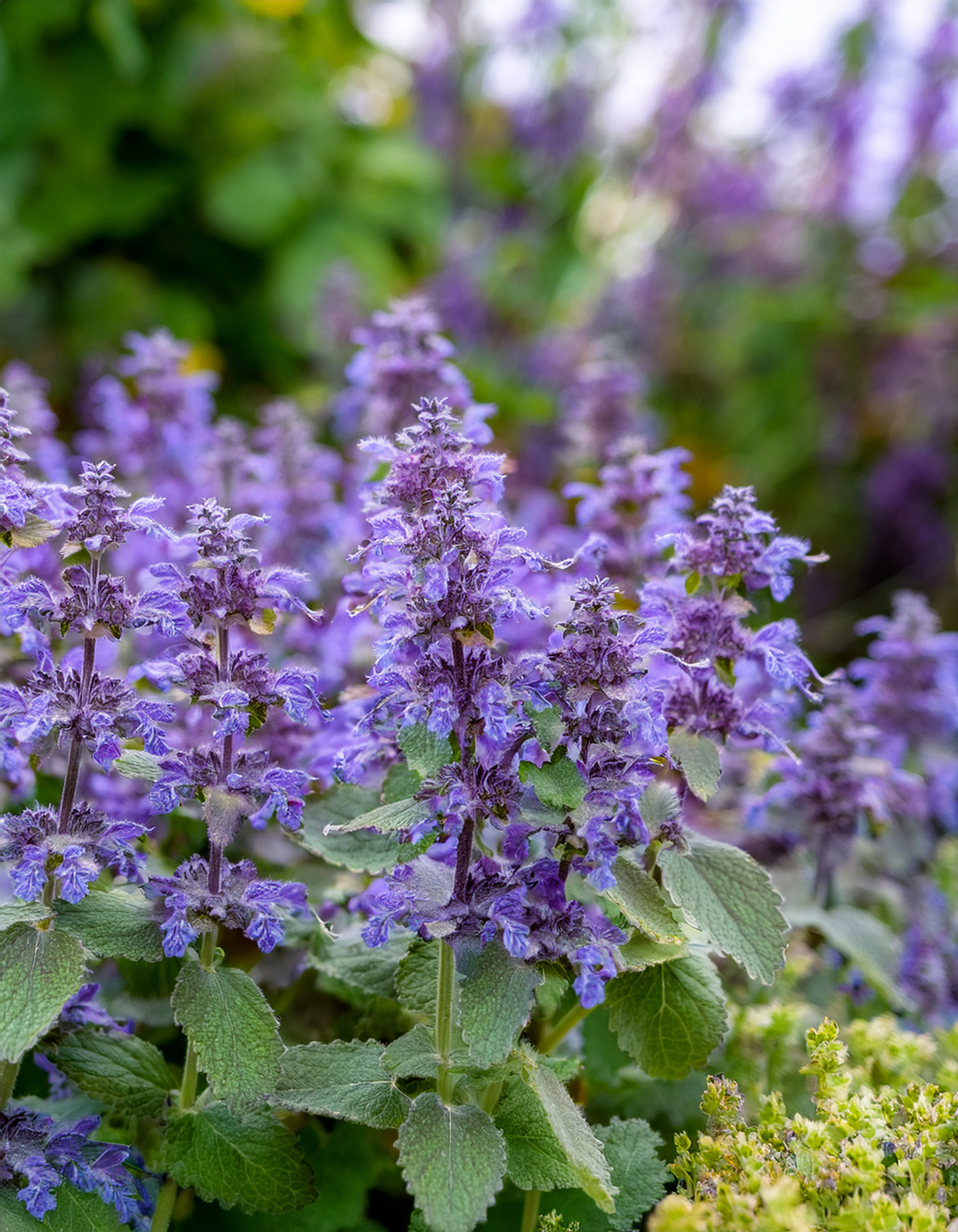
Catmint is wonderfully forgiving, although by fall it can look like a miniature shrub that has fallen asleep sideways. Long flowering stems sprawl across neighboring plants, older leaves become tired, and the whole mound can lose the tidy shape it had earlier in the season.
A moderate fall trim is usually enough. Rather than shaving the plant directly to the soil, I shorten the spent stems and leave a little growth above the crown, particularly in colder gardens. You can also wait until spring for the final cleanup if winters are severe. The goal in fall is mainly to remove sprawling, finished growth without exposing the crown more than necessary.
7. Salvia
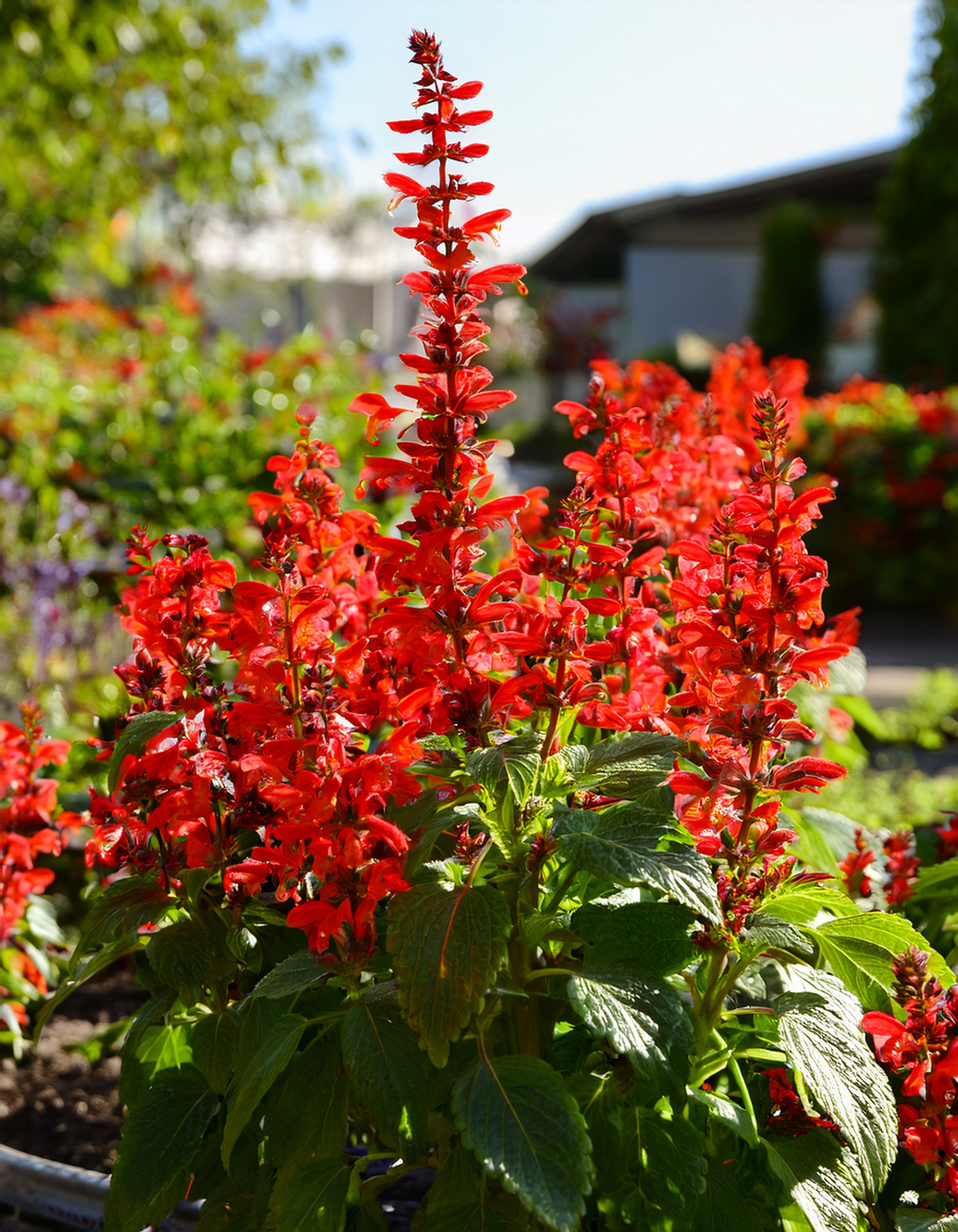
Perennial salvia produces some of the most useful flower spikes in a sunny border, but eventually those stems turn brown and stop contributing much to the garden. Established plants can be shortened once flowering is over and active growth is slowing.
Still, salvia is one plant I would not scalp to ground level in a cold climate. Leaving several inches of stems can help catch insulating snow and gives the crown a little additional protection. Remove spent flower spikes and collapsing growth, then save the most aggressive cleanup for spring. Gardeners in warmer regions can generally cut more heavily in fall than gardeners dealing with repeated freeze and thaw cycles.
8. Yarrow
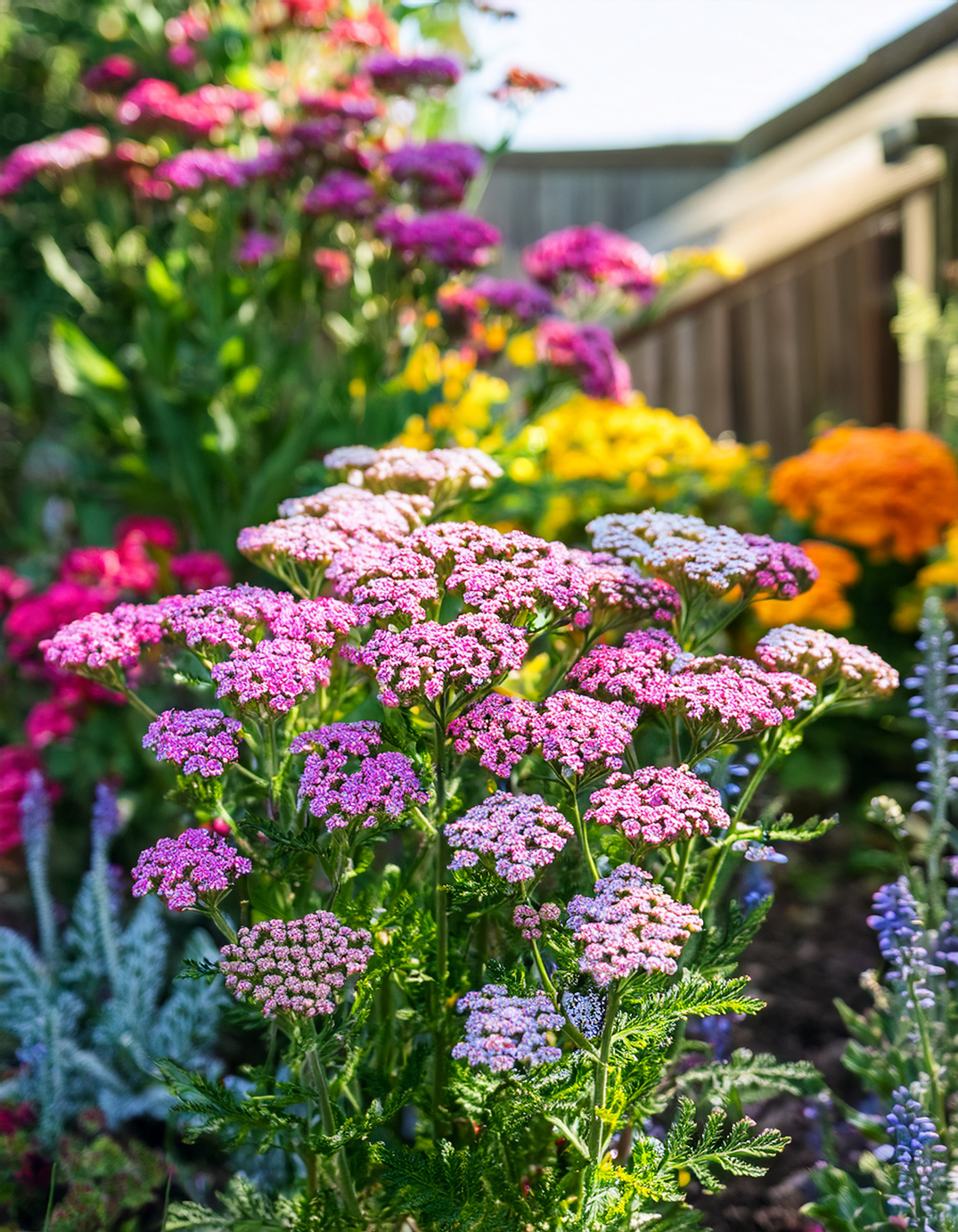
Yarrow can remain attractive well into fall, especially when its flat flower heads dry neatly on the plant. If you like the winter structure, there is no requirement to remove them immediately. Where yarrow has become floppy, diseased, or overly enthusiastic about producing seed, however, fall topping can be useful.
Once the flowering stems turn brown, cut them back toward the lower leafy growth. I like to preserve any healthy basal foliage rather than cutting straight through everything at soil level. This tidies the plant while leaving its low growing crown protected. Removing seed heads before they scatter is also useful when yarrow is spreading into parts of the garden where you would rather it did not.
9. Shasta Daisies
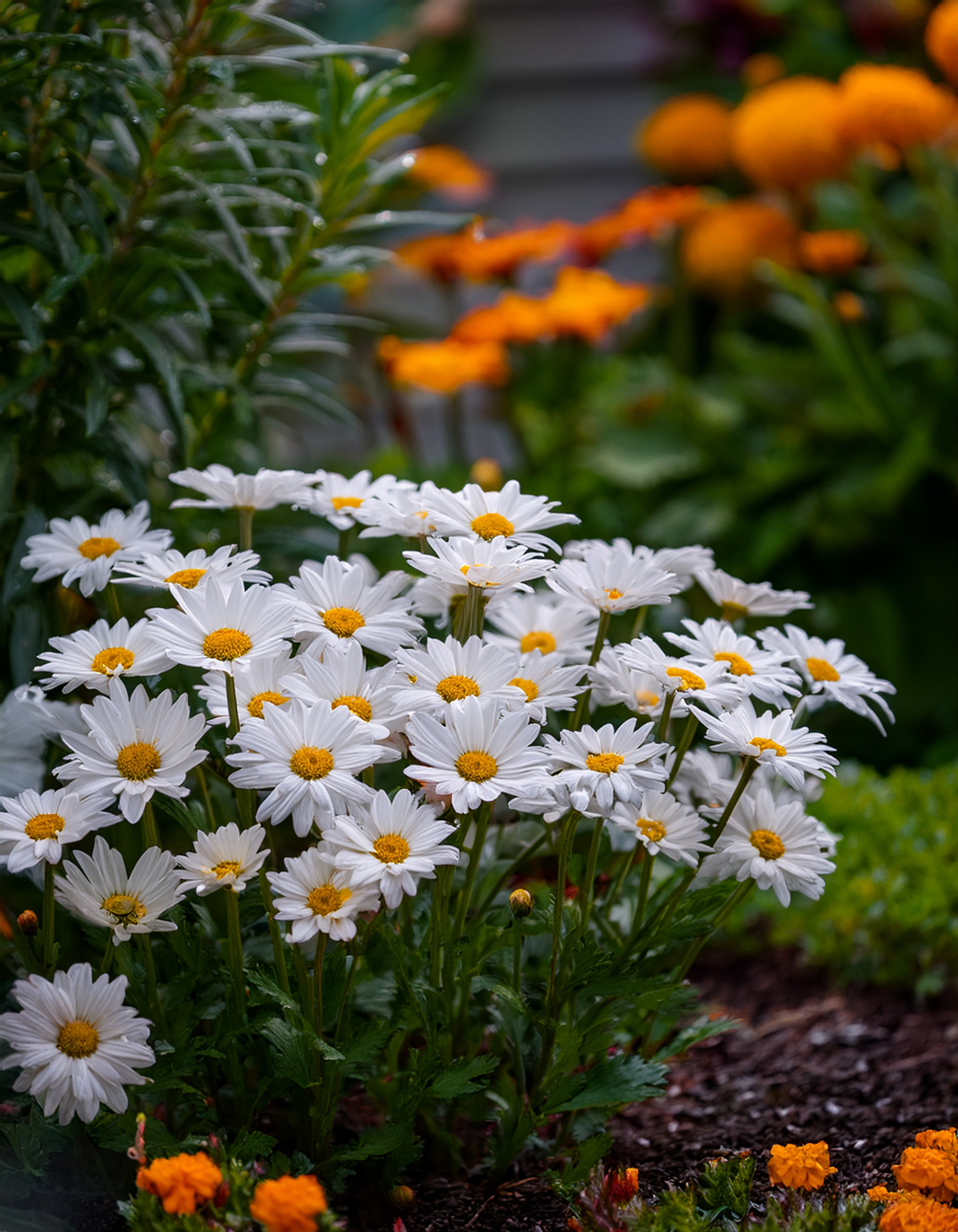
Shasta daisies put a lot of energy into producing tall summer stems, and by fall those same stems can become yellow, floppy, and rather messy. Once flowering has ended, the upper portion of the plant usually contributes little beyond collecting rain and leaning over its neighbors.
Cut finished stems back toward the lower basal leaves, particularly once frost begins knocking the plant down. Healthy green leaves close to the crown can remain. Those low leaves help protect the plant and continue photosynthesizing whenever conditions allow. Cleaning away deteriorating top growth also makes it easier to see where clumps may need dividing next spring.
10. Blanket Flower
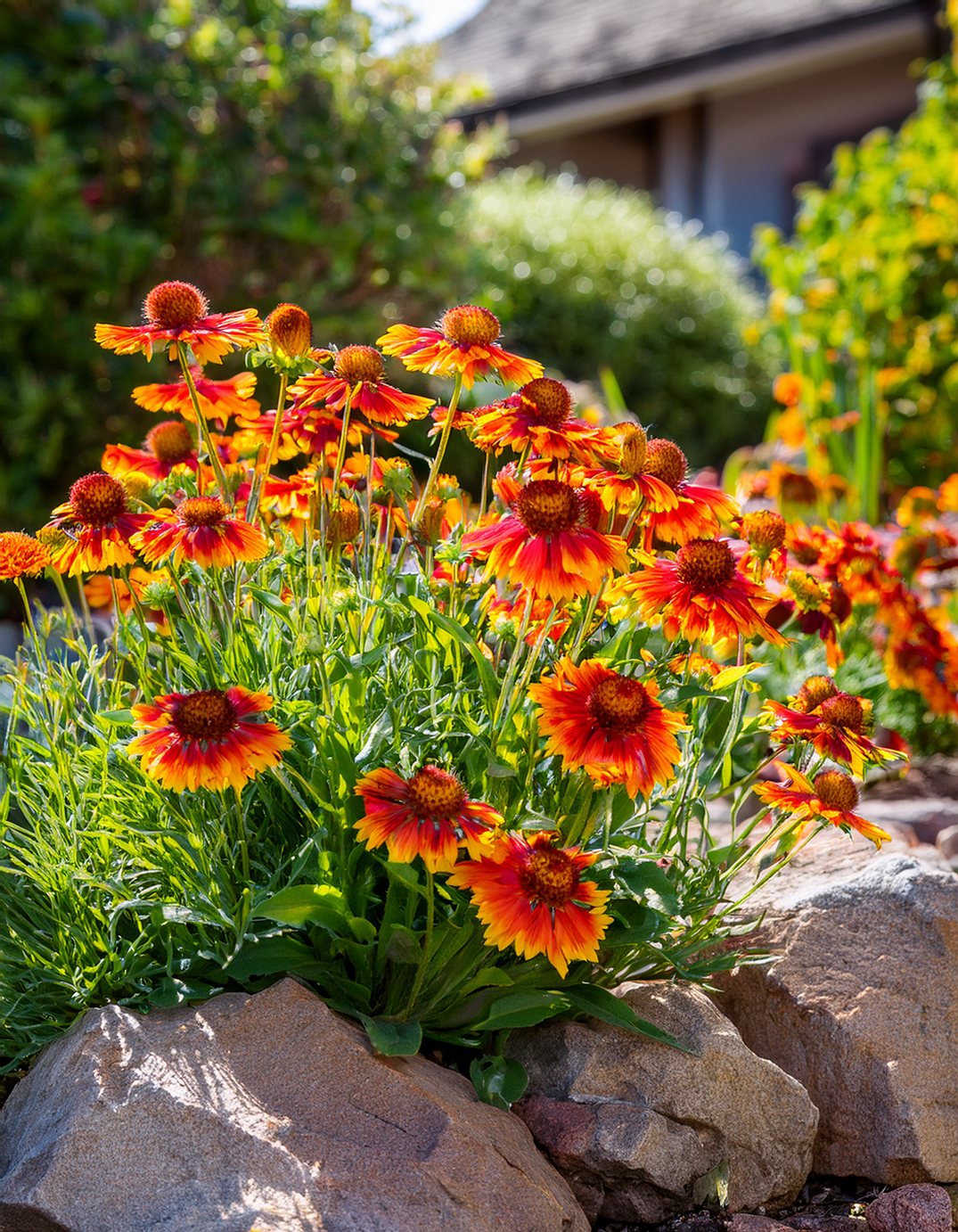
Blanket flower is a little different from the more aggressive fall cutback candidates on this list. Removing spent flower stems can tidy the plant and reduce excessive self seeding, but cutting the entire plant down hard before a cold winter can sometimes do more harm than good.
Instead, I remove old flowers and obviously dead upper growth while keeping some foliage and stems around the crown. This is especially important in colder growing zones, where blanket flower can struggle with winter moisture and fluctuating temperatures. Good drainage matters enormously. Think of its fall haircut as a trim rather than a buzz cut.
11. Hardy Geraniums
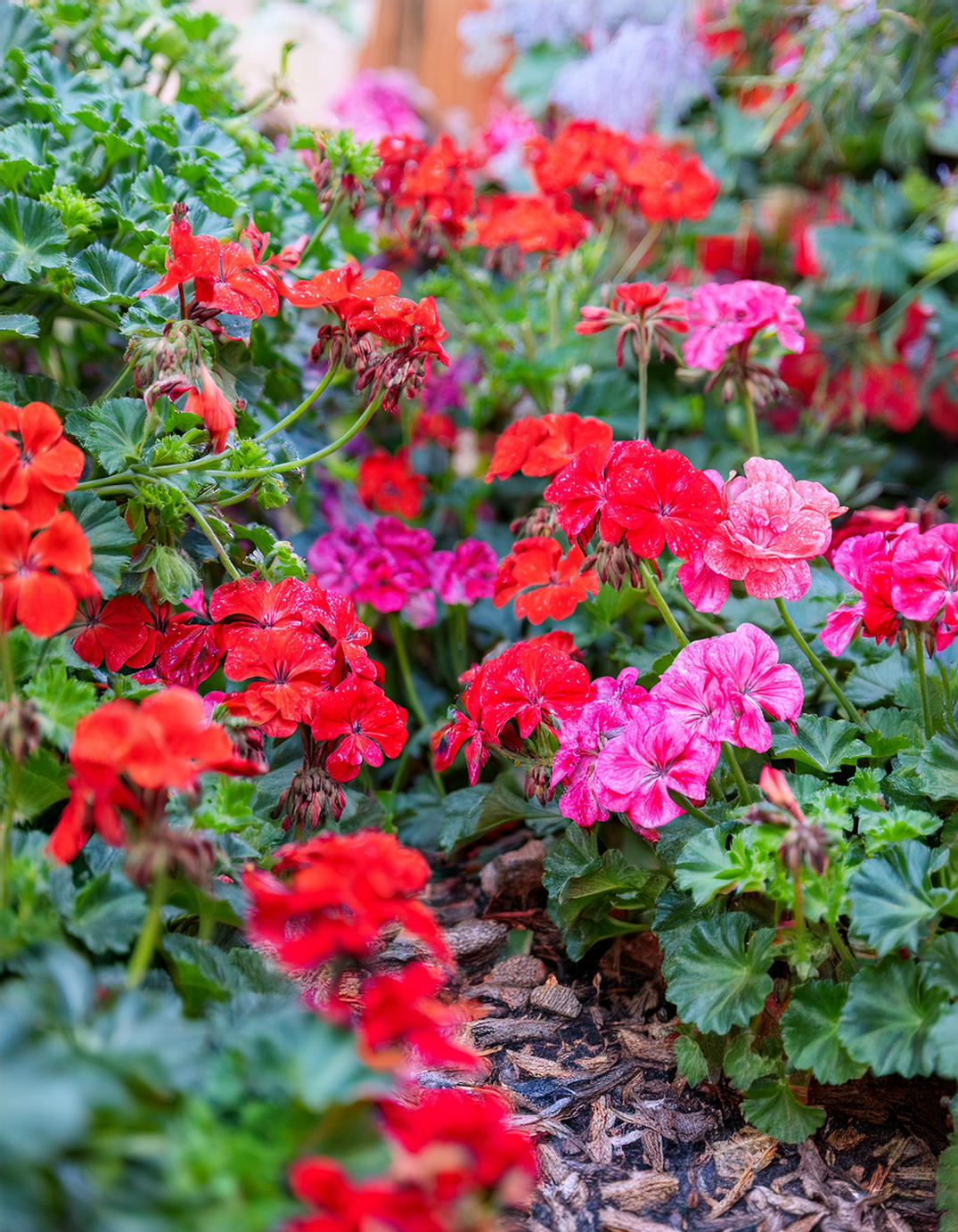
Hardy geraniums can be surprisingly unruly by the end of the growing season. A plant that formed a beautiful rounded mound in May may be sprawling across a pathway by October, with older leaves showing spots, tears, or general exhaustion.
Cutting away the tired upper growth exposes the healthier basal foliage underneath and clears space around the crown. Depending on the variety and your climate, I may leave some fresh low growth in place through winter rather than cutting everything to bare soil. Hardy geraniums are tough plants, but there is little advantage to removing healthy foliage simply for the sake of making the bed perfectly tidy.
A Few Fall Cutting Rules I Follow
The biggest mistake with fall pruning is assuming every perennial should be cut back at the same time and to the same height. I pay more attention to what the plant is doing than to a particular date. Green foliage is still working. Yellow, brown, diseased, or frost collapsed foliage usually is not.
I also make an exception for plants with useful winter seed heads or hollow stems that provide habitat for insects. Coneflowers, black eyed Susans, ornamental grasses, sedums, and many native perennials often earn a place on my “leave it standing” list instead. A slightly untidy winter garden can be an extremely useful one.
Final Thoughts
Fall cutting back works best when it solves a specific problem. With peonies, bee balm, and garden phlox, removing old growth can help reduce diseased material. With hostas and daylilies, it clears away foliage that would otherwise collapse into a soggy mat. Plants such as catmint, yarrow, Shasta daisies, veronica, and hardy geraniums mainly benefit from having their finished top growth removed while healthier growth remains protected below.
The plants I am most cautious with are salvia and blanket flower. In colder climates, cutting either one too aggressively can remove useful winter protection around the crown. A lighter trim is often the smarter choice.
That is really the trick with fall cleanup. Cut back what is finished, diseased, or collapsing, but do not assume that every stem needs to disappear before winter. Sometimes the healthiest fall garden is the one where the pruning shears know when to stop.