

There’s always a point near the end of the gardening season when I start bargaining with the weather. Just a few more days for the cosmos. Another week for the zinnias. Surely those marigolds have a little more left in them? After months of growing, watering and watching everything come into bloom, it feels a bit abrupt to let the whole show end with a cold night. Pressing and drying flowers gives some of that colour somewhere to go, whether it’s into a frame, a handmade card or a vase that won’t need its water changed.
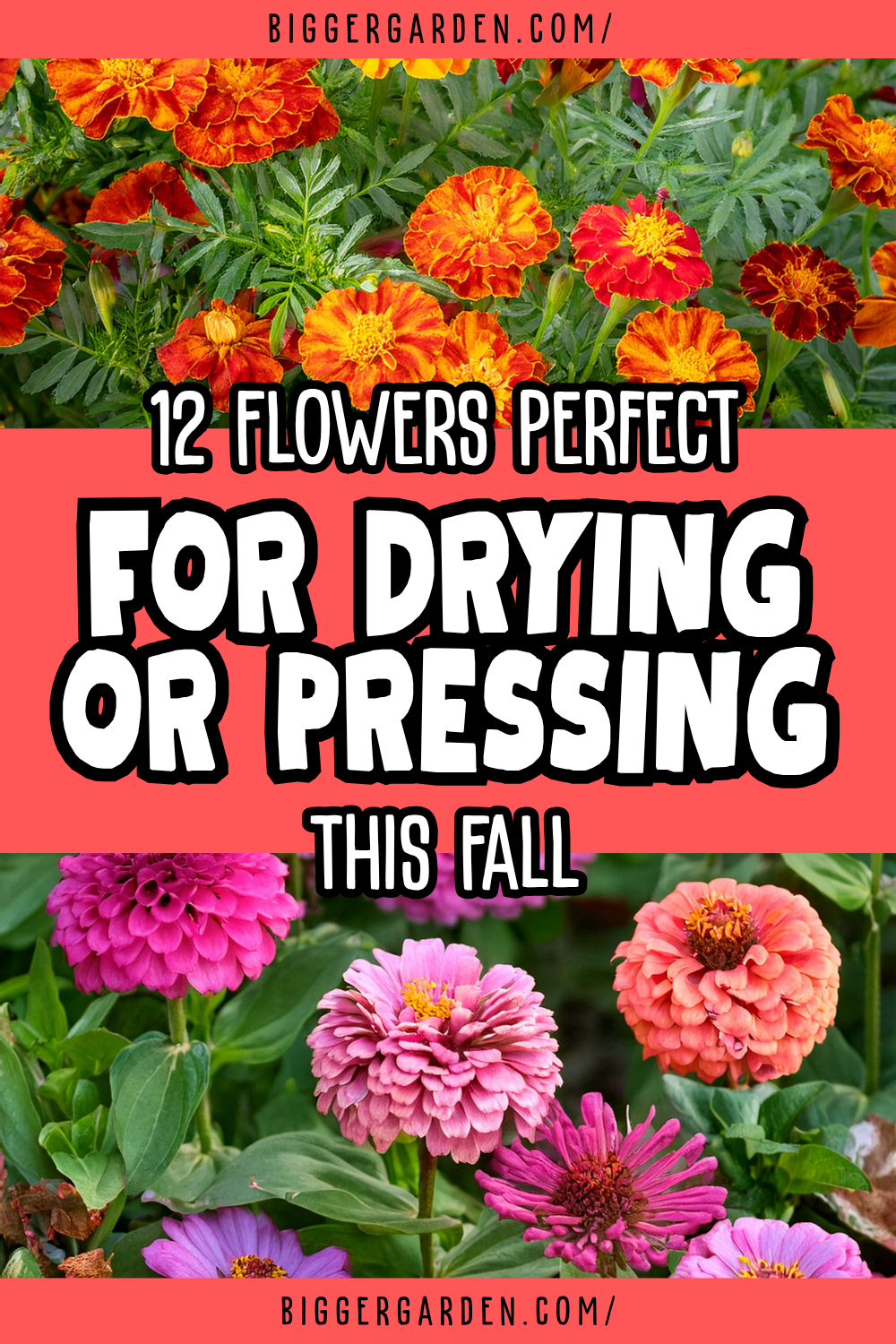
You don’t need to preserve an entire garden to make it worthwhile. A few good stems or a handful of petals is plenty to start with. Choose healthy flowers after the dew has dried, before they become battered or brown, and match the method to the bloom. Thin flowers suit pressing, papery flowers are good candidates for air drying, and fuller blooms often keep their shape better in floral silica gel. Here are 12 flowers worth gathering before the season slips away.
1. Cosmos (Cosmos bipinnatus)
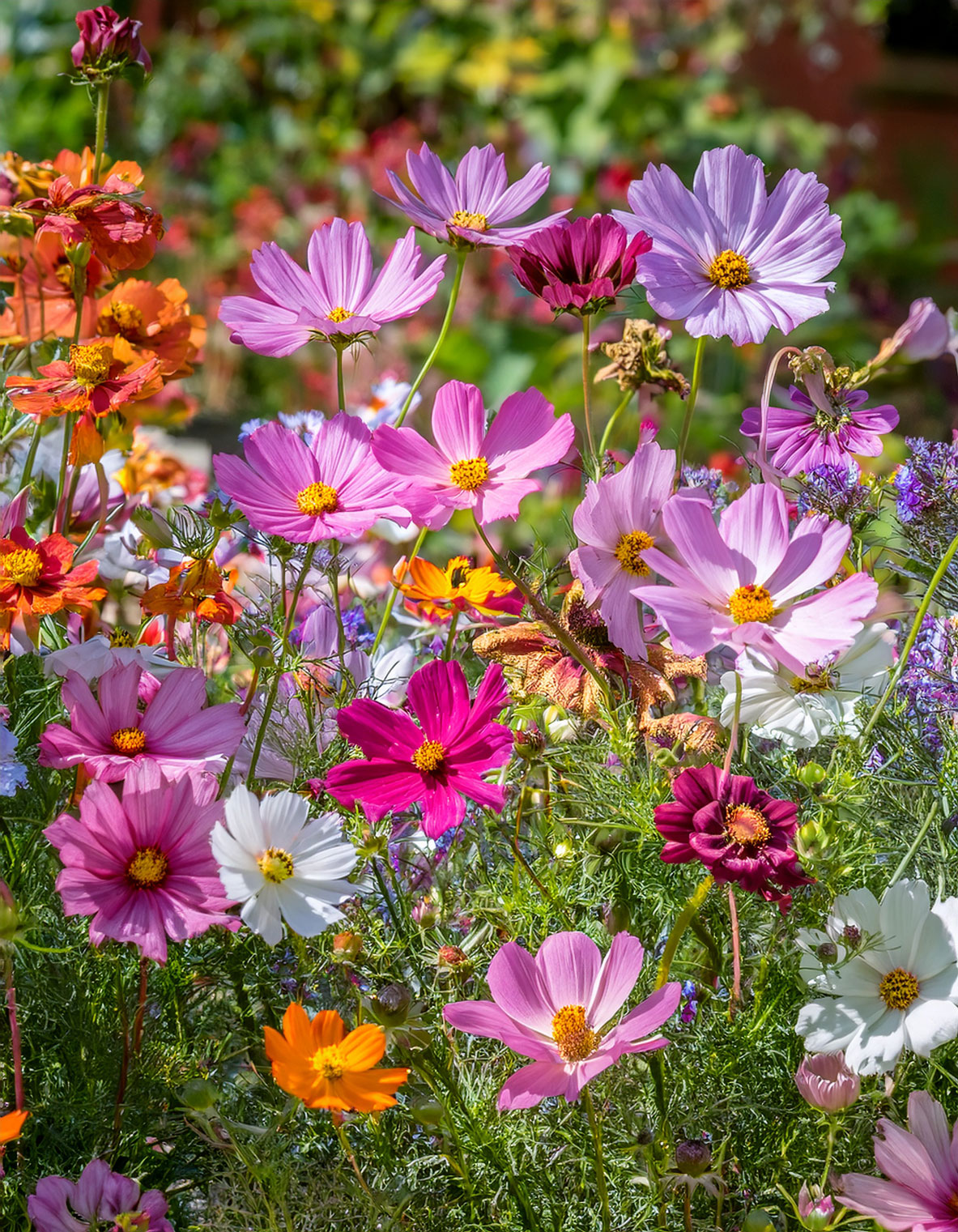
Cosmos have that wonderfully loose, slightly untidy look that makes a garden feel alive, and their flowers translate beautifully into pressed artwork. The thin petals spread into soft circles of pink, white or burgundy, with enough detail to make even a single bloom worth framing. I’d choose the simple, single-flowered varieties for this project. They’re easier to flatten than the heavily ruffled doubles, and you can actually see the shape of each petal instead of ending up with a thick stack of them.
For pressing, snip off most of the stem and arrange the flower face down between sheets of smooth, absorbent paper. Gently spread any folded petals before adding weight, and keep the flowers from touching. A flower press works well, but a heavy book with protective paper is enough for a small batch. If the centre is especially bulky, press the petals separately and arrange them into a flower shape later. Cosmos would be my pick for a simple botanical picture with plenty of empty space around the blooms.
🐝 Fan Favorite
“Feed the Bees” Garden Sign
Give your wildflower patch a pop of color and let your neighbors know there’s purpose in your plants.
Delivered in 5–7 days
🦋 Every sign funds a tree planted in the North American Monarch Corridor — at no extra cost to you.
2. Pansies and Violas (Viola × wittrockiana and Viola cornuta)
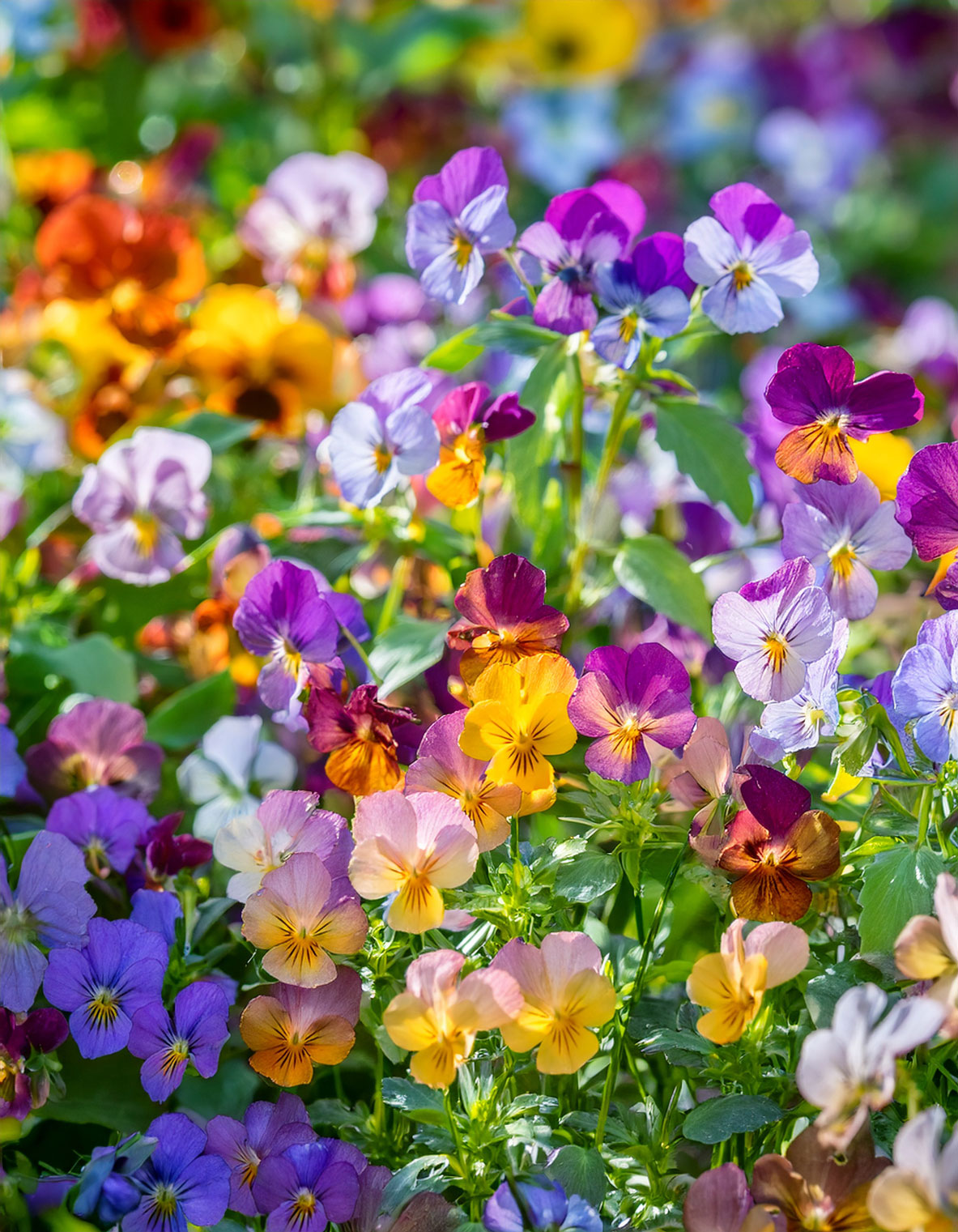
Pansies and violas almost look as though someone designed them specifically for a flower press. Their relatively flat faces, delicate petals and little markings give you plenty to admire once they’re dried. They’re also a lovely fit for an autumn project if you have fresh plants flowering in containers or along a border. I like the idea of saving a few different colours together, especially the deep purples, buttery yellows and smaller flowers with contrasting faces. Colour can shift during drying, which is part of the charm.
Lay each flower flat between absorbent sheets, taking a moment to unfold the petals rather than letting them bunch underneath one another. Press them promptly after picking and allow enough time for the flower bases to dry completely. Depending on the materials and conditions, that can mean several weeks. Once ready, they’re a good size for bookmarks, gift tags or a small framed collection. A row of tiny viola faces on cream paper would make a lovely reminder of the garden through winter.
3. Zinnias (Zinnia elegans)
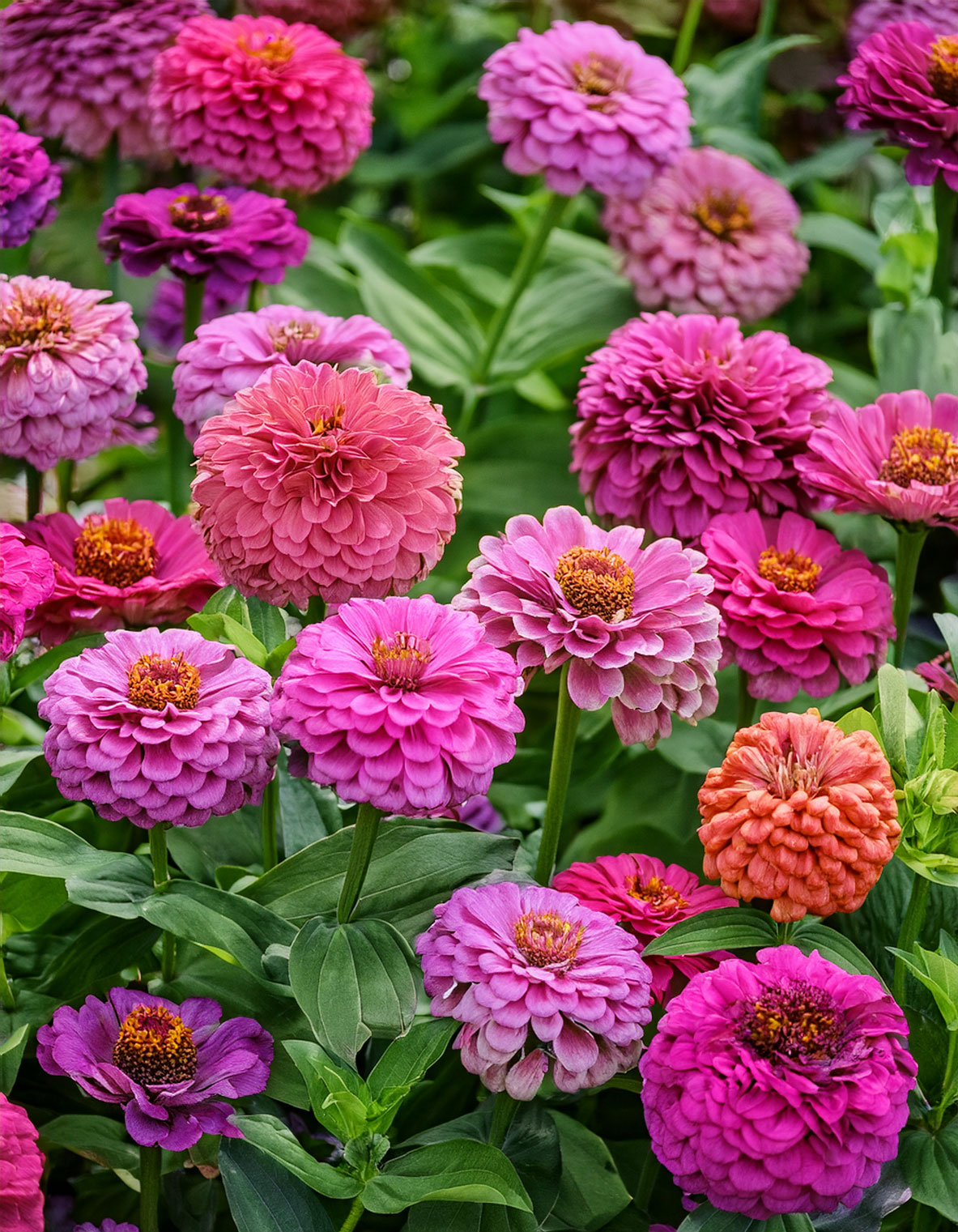
Zinnias are difficult to leave behind at the end of the season. They can still be producing those glorious, almost-too-bright flowers when other plants have started looking thoroughly finished. For preserving, though, flower shape matters. A big double zinnia holds a lot more moisture than its petals suggest, so pressing the whole thing can be frustrating. I’d use floral silica gel for those full blooms and save the individual petals for pressing. That way, you can work with whichever varieties are already flowering in your garden.
To dry a flower whole, nestle it face up on a layer of floral silica gel in a suitable container, then gently work more granules around and between the petals until covered. Follow the product instructions for sealing and drying times. For pressing, pull off sound petals and spread them in a single layer between absorbent paper. Those individual petals offer plenty of possibilities: overlapping borders, little flower shapes or colourful patterns on handmade cards. You don’t have to keep the original bloom intact to make something beautiful from it.
4. Marigolds (Tagetes patula and Tagetes erecta)
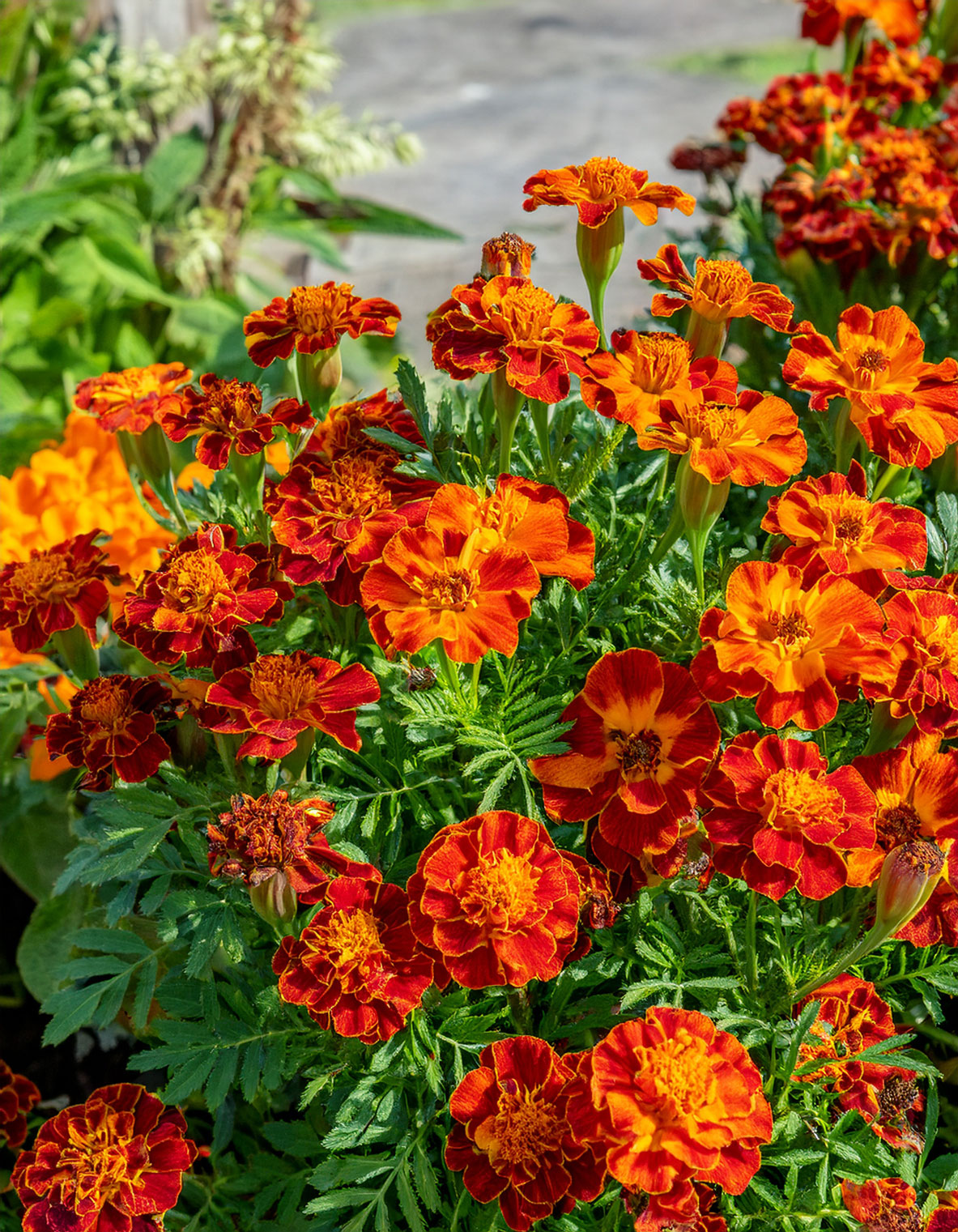
Marigolds bring exactly the right colours to an end-of-season project. Gold, burnt orange, yellow and rusty red already feel at home beside autumn leaves and dried grasses. They’re also useful because you can preserve them in more than one way. Small flower heads can be dried for arrangements, while the separate petals are much easier to press than a dense, fully double bloom. I’d happily save a mixture of shades rather than trying to make everything match.
For a flat project, separate the petals and lay them out without overlapping. They’re lovely for building little sunbursts or adding a warm border around a pressed-flower picture. If you want to preserve the heads, allow plenty of airflow around them and remember that larger, denser flowers take longer to dry. Floral silica gel is another option when keeping the rounded shape matters. Whatever method you choose, start with fresh, firm flowers. Drying won’t improve a marigold that’s already turning soft and brown around the edges.
5. Roses (Rosa spp.)
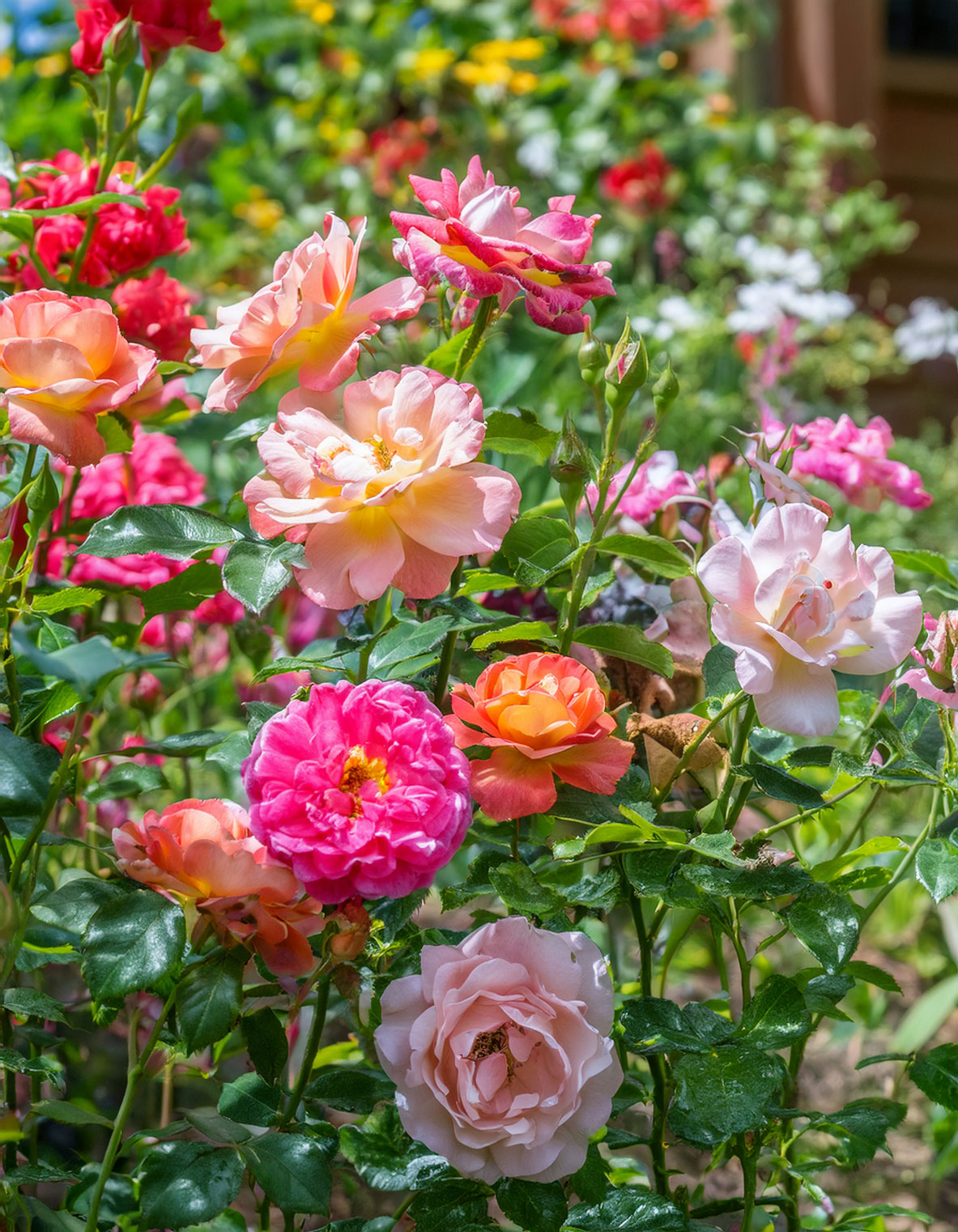
A late rose feels like a small bonus, especially once the rest of the garden has started packing up. Saving a few gives those last flowers a longer life indoors, and you can choose the finish you like. Air-dried buds develop a softly aged appearance, while pressed petals are useful for artwork. If you’re hoping to preserve the shape of an open flower more closely, floral silica gel is worth considering. I like roses with a little character after drying, even when their colours deepen or soften.
For hanging, choose healthy buds or partly open blooms, remove the leaves and make small, loose bunches. Hang them upside down somewhere dry, shaded and well ventilated. Crowding a large bouquet together slows drying, particularly around the flower heads. For pressing, separate the petals instead of forcing a thick rose into a book. Once completely dry, those petals can become part of a framed arrangement or a handmade card. Small dried rose bunches also look lovely tucked into a narrow vase without much else competing for attention.
6. Strawflowers (Xerochrysum bracteatum)
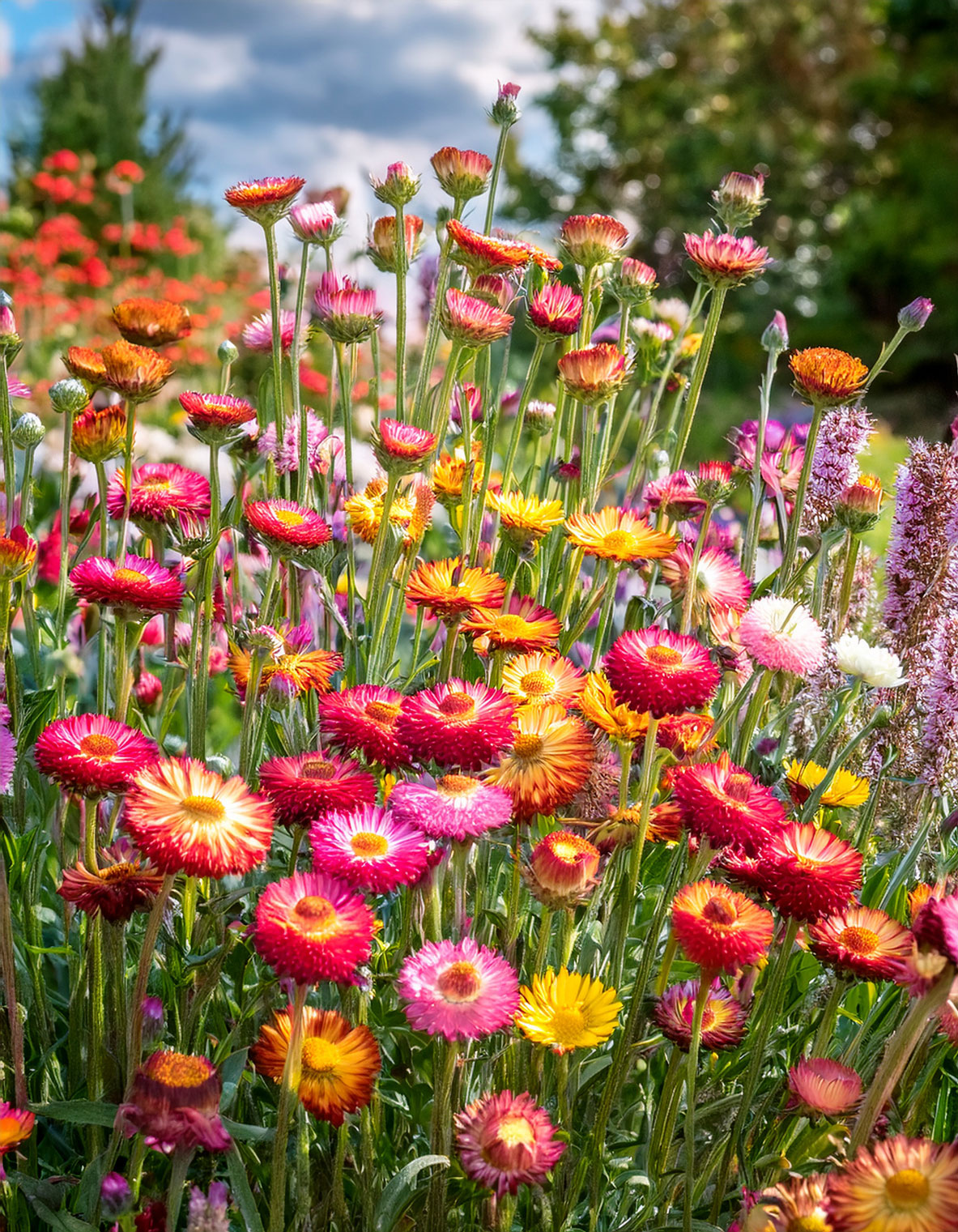
Strawflowers are an excellent place to start if drying flowers sounds appealing but a little fiddly. Their colourful, papery bracts already have a dry texture while the plant is growing, which makes the transition indoors feel wonderfully straightforward. They also offer a huge range of colours, from soft cream and peach to vivid pink, orange and deep red. I’d choose these for a cheerful winter arrangement, especially if the idea of an entirely brown dried bouquet doesn’t do much for you.
Harvest flowers with the outer bracts open but the centres still fairly tight, since they continue opening as they dry. Remove the leaves and hang small bunches upside down in a dry place with good airflow and little direct light. Some flower heads can droop on their natural stems, so florist wire is useful if you need them upright for a particular arrangement. You can also save the heads for wreaths. Handle them gently once dry; that papery texture is beautiful, but it won’t appreciate being squeezed into a crowded storage box.
7. Statice (Limonium sinuatum)
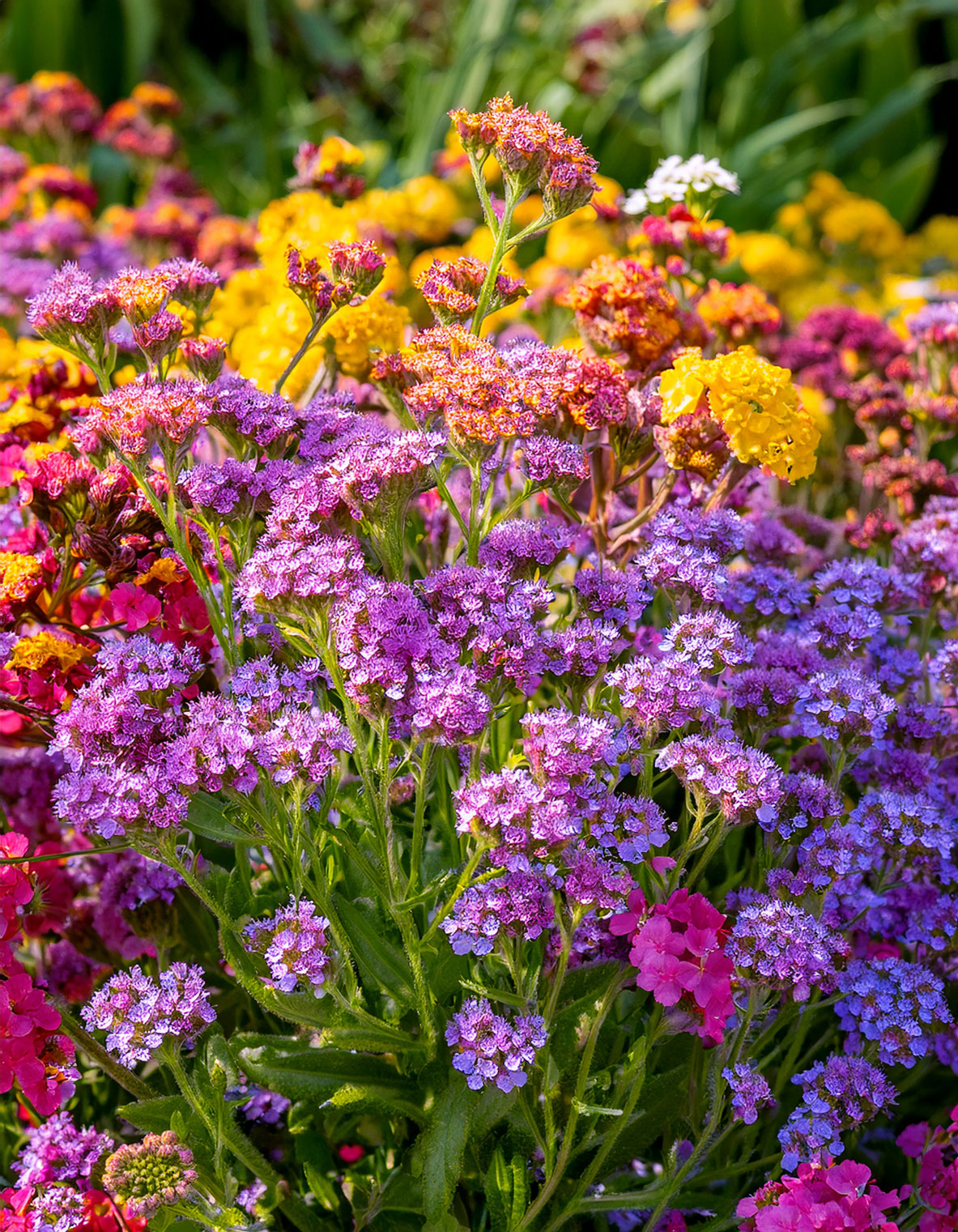
Statice might spend much of its life playing a supporting role in bouquets, but it deserves some attention of its own. The branching stems carry clusters of colourful, papery calyces that remain after the tiny true flowers fade. That’s what makes it so useful for drying. Purple and blue varieties are especially appealing when you want to add cooler colours to an arrangement full of golden flowers and grasses, although pink, white and yellow varieties have plenty to offer too.
Cut stems once the coloured cups are open, strip away the leaves and hang them in small, loose bunches. Choose a dry, ventilated spot away from direct sunlight, then leave them until thoroughly dry. Statice is useful for filling gaps in a wreath or adding a little colour around larger flower heads, but I’d also try a few stems alone in a small bottle. You don’t always need a complicated arrangement. Sometimes giving one flower enough room to show its branching shape is the nicest way to display it.
8. Globe Amaranth (Gomphrena globosa)
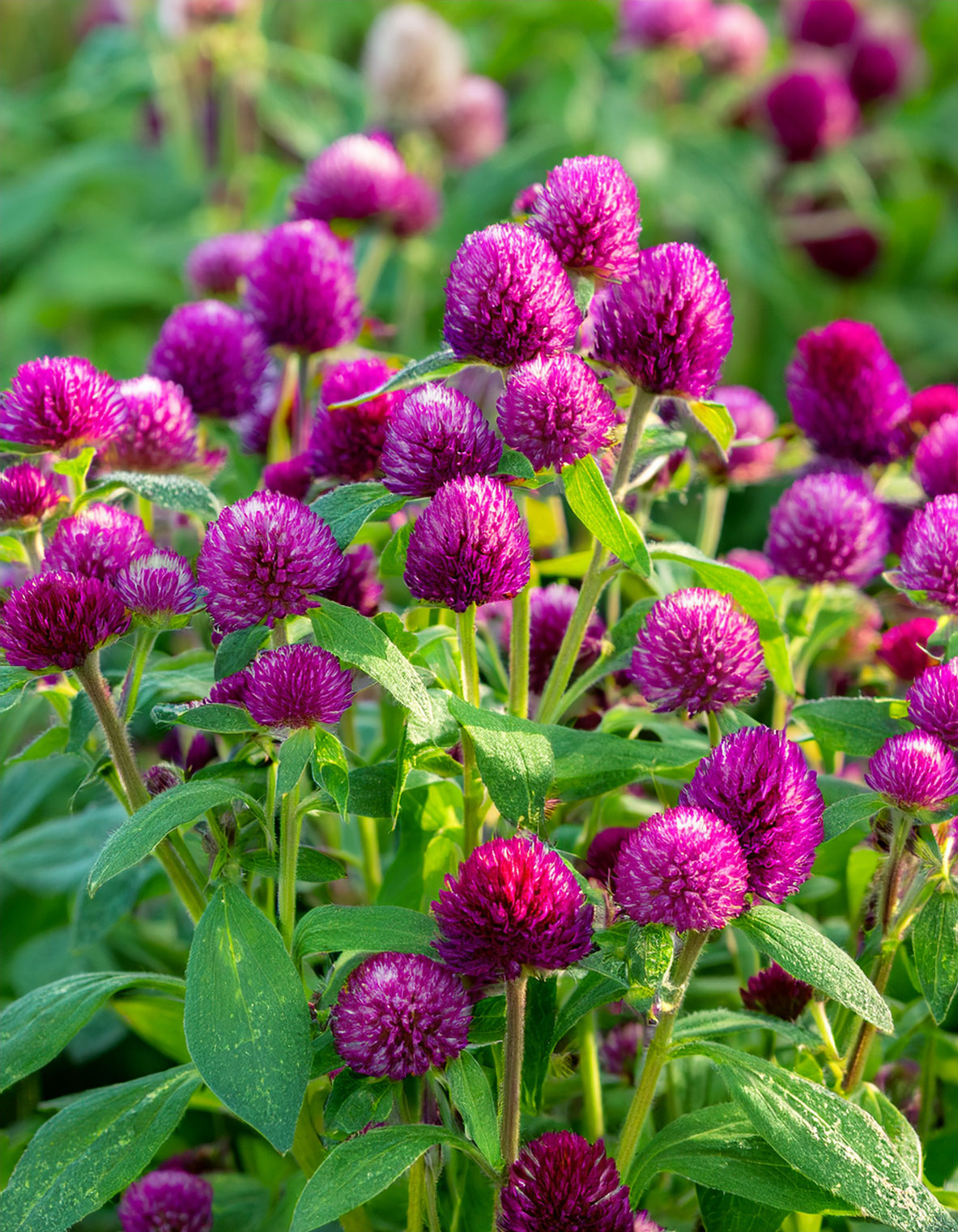
Globe amaranth looks like a collection of tiny colourful buttons on stems, and that shape is part of its appeal after drying. The rounded heads bring a little order to arrangements full of loose petals, feathery plumes and branching flowers. They’re a lovely size for small projects too. If a big wreath feels ambitious, a few dried heads attached to a gift tag or tucked into a miniature bunch would be a perfectly good use of the last flowers.
Gather stems while the heads have strong colour and are still in good condition. Remove the leaves, tie the stems into small bunches and hang them upside down to dry with space around the flower heads. There’s no advantage to leaving them outside until they’ve started fading just because the growing season is nearly over. For a simple arrangement, I’d combine them with statice and a few strawflowers, letting the different flower shapes do most of the work. It’s an easy way to make a small handful of stems feel like a proper bouquet.
9. Celosia (Celosia argentea)
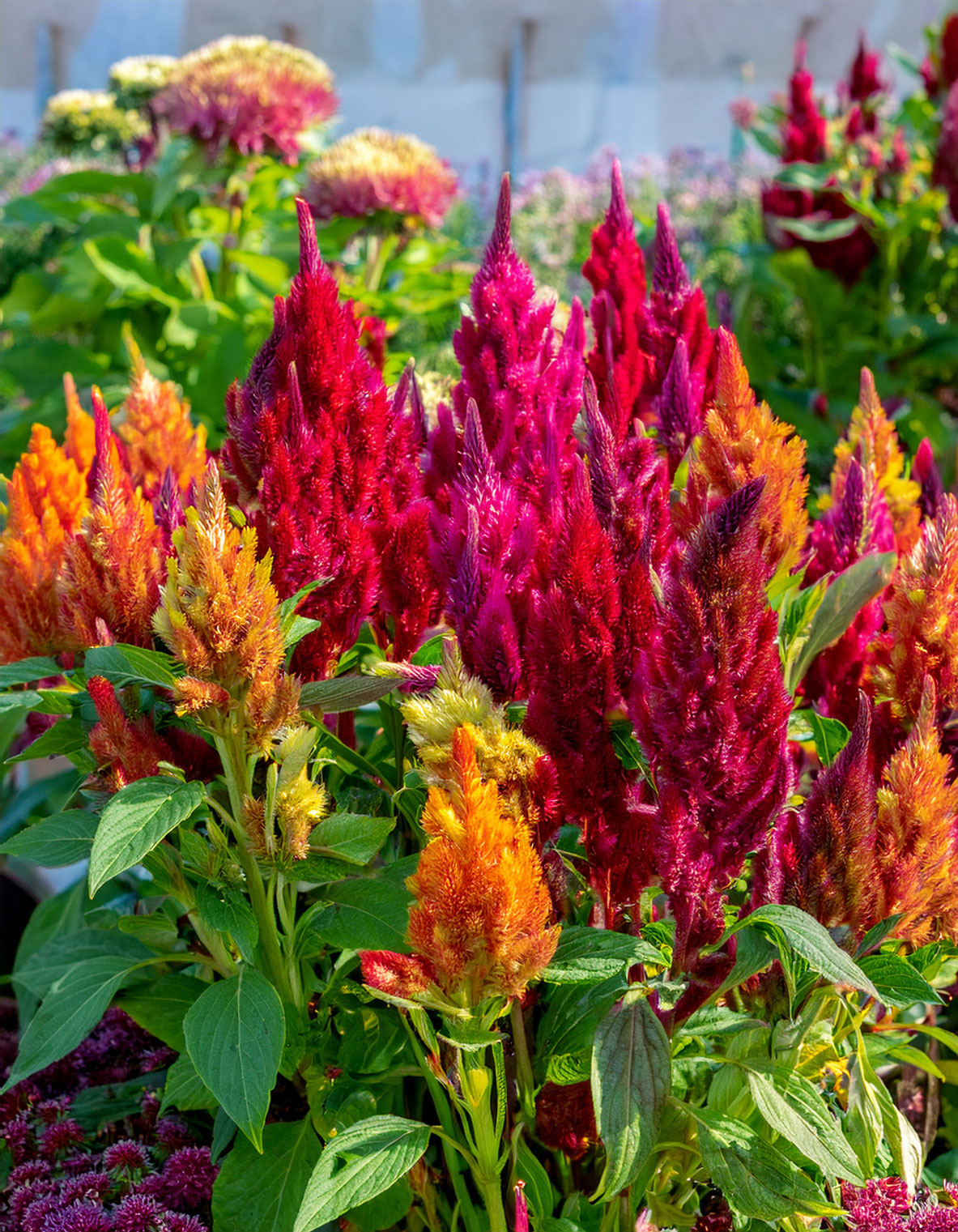
Celosia is the choice for anyone who wants a dried arrangement with a bit of drama. Depending on the variety, you might have upright plumes, wheat-like spikes or those wonderfully odd, folded cockscomb heads. All bring a different texture from the usual rounded flowers. The rich reds, oranges and pinks suit autumn displays particularly well, and the larger crested forms can become the main feature of an arrangement rather than disappearing among the other stems.
Harvest while the flower heads have good colour, remove the foliage and hang the stems upside down in a dry, airy place. Give thick crested heads extra room instead of pressing them together in a tight bundle. They need air moving around those folds as they dry. Once ready, I’d keep the arrangement fairly simple: a few celosia stems, some dried grasses and perhaps a smaller flower for contrast. With shapes this interesting, it’s easy to overdo the supporting cast.
10. Hydrangeas (Hydrangea spp.)
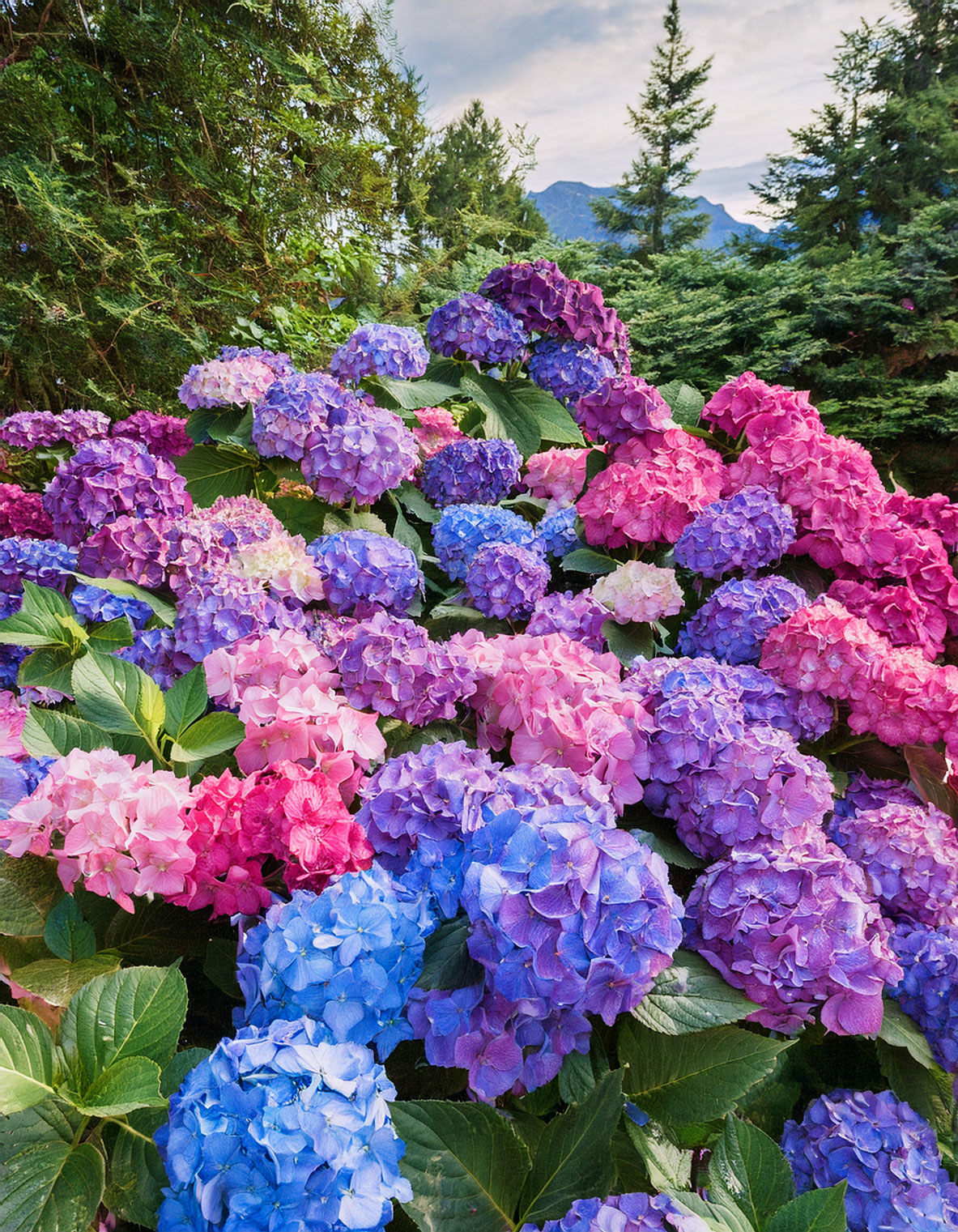
Hydrangeas make preserving flowers feel very rewarding because just a few heads can fill a vase. They also suit the end-of-season theme beautifully, with many varieties developing muted pink, green or antique tones as the blooms mature. The trick is choosing the right stage. Fresh, soft flower heads often shrivel when dried, while mature heads with a slightly papery feel are generally better candidates. I’d judge by the texture of the bloom rather than picking simply because the calendar says autumn.
Cut sound, mature flower heads, remove the leaves and hang the stems individually in a dry, ventilated place out of direct sun. Keeping them separate gives the large clusters room to dry without crushing one another. If you’d rather make pressed artwork, take a head apart and press the small decorative florets individually. That gives you lots of pieces from a single bloom. Their shape looks lovely scattered across a page, and the faded colours can be just as appealing as the fresh ones.
11. Yarrow (Achillea millefolium)
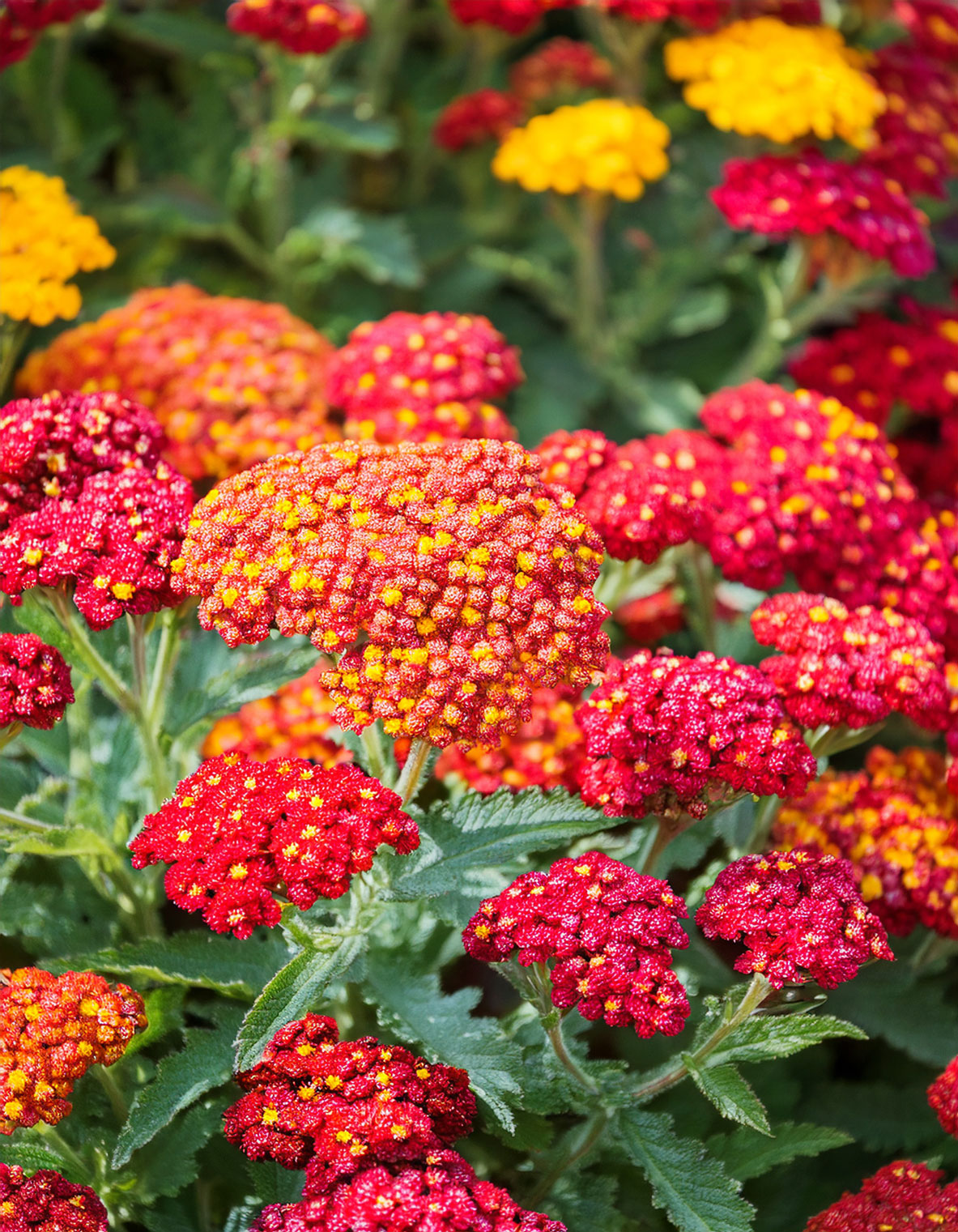
Yarrow brings a different outline to a dried bouquet. Its broad, fairly flat clusters give your eye somewhere to rest among the round heads and upright stems, which is useful when an arrangement starts looking a bit busy. Garden varieties offer soft pinks, reds, creams and other shades, so there’s room to work with whatever suits your planting. If you still have a fresh late flush, it’s worth gathering a few stems before the clusters become weathered or start falling apart.
Pick firm flower heads at their best colour, strip the leaves and hang small bunches upside down to dry. Keep them away from direct sunlight and allow good airflow between the stems. Yarrow is particularly useful in wreaths because the clusters help cover space without needing a huge number of individual flowers. I’d also pair it with globe amaranth in a small vase, where the contrast between flat clusters and little rounded heads is easy to appreciate. Save the strongest stems for arrangements and smaller pieces for craft projects.
12. Sweet Alyssum (Lobularia maritima)
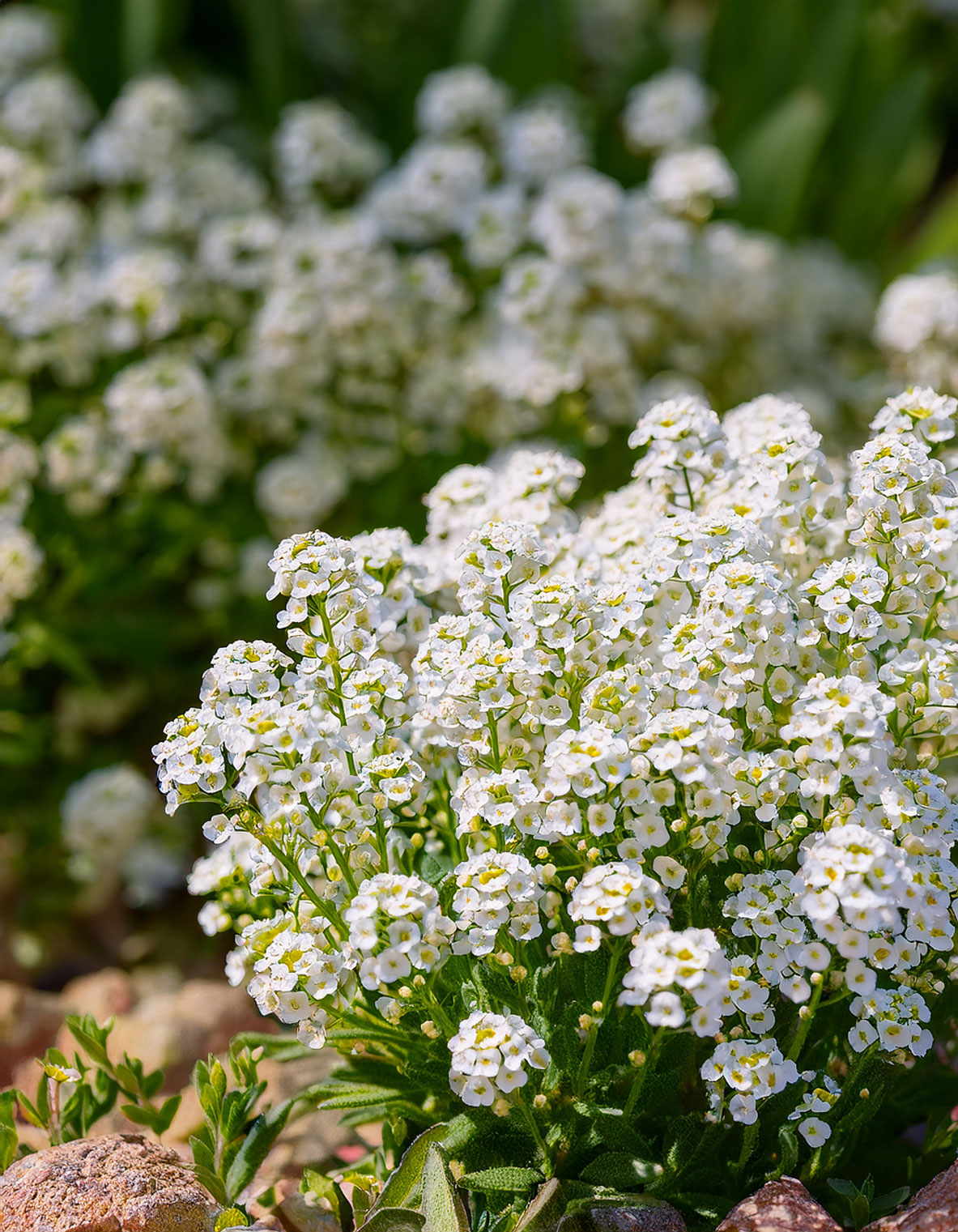
Sweet alyssum is easy to overlook when you’re gathering the showier flowers, but those tiny clusters are lovely for pressing. They give you the small details that help a pressed-flower picture feel complete, especially beside larger cosmos or pansy blooms. I like the idea of treating it as the finishing touch: a few little sprigs around the edge of a design, or a delicate trail running along a bookmark. White and purple varieties offer different effects, although the colour may change as they dry.
Snip short, healthy sprigs and arrange them between smooth, absorbent sheets, spreading crowded clusters where needed. Press promptly and wait until the flowers and stems are fully dry before using them. Tweezers help when it’s time to move the smallest pieces, and a light touch matters more than speed. Keep the finished artwork out of direct sunlight to slow fading. A few tiny alyssum flowers beside one larger bloom would be a lovely place to start, especially if you’re saving just a small piece of the garden this year.
Final Thoughts
I’m never quite ready to say goodbye to the garden, especially when a few flowers are still putting on a good show. Pressing or drying some of those last blooms feels like a lovely way to bring a little of the season indoors. A handful of cosmos tucked into a flower press or a few hydrangea stems hanging to dry gives you something to look forward to while the beds settle down for winter.
Start with whatever is still looking healthy in your garden, and keep the first project simple. A bookmark, a small framed flower or a few dried stems in a favourite vase is plenty. The petals might change colour, and the finished bunch might look a little rustic, but that’s part of what makes it yours. Come January, even a slightly crooked strawflower can be a welcome reminder of warmer days.