

Fall cleanup has a way of making everything in the garden look like it needs attention. Leaves are dropping, perennials are fading, and suddenly I find myself trimming back a summers worth of growth over the course of an afternoon. Sometimes these trims are productive and can be used to propagate next years plants. Other times cutting the wrong branches back and you may sabotage next years blooms, or worse yet leave a plant helpless over the cold winter months.
Cutting the wrong plant back in fall can remove flower buds that are already waiting for spring, expose tender crowns to freezing weather, or leave woody herbs vulnerable to winter damage. In some cases, that innocent-looking trim can mean an entire season with fewer flowers. Before you start clearing beds, these are 14 plants I would think twice about cutting back in fall.
1. Hydrangeas
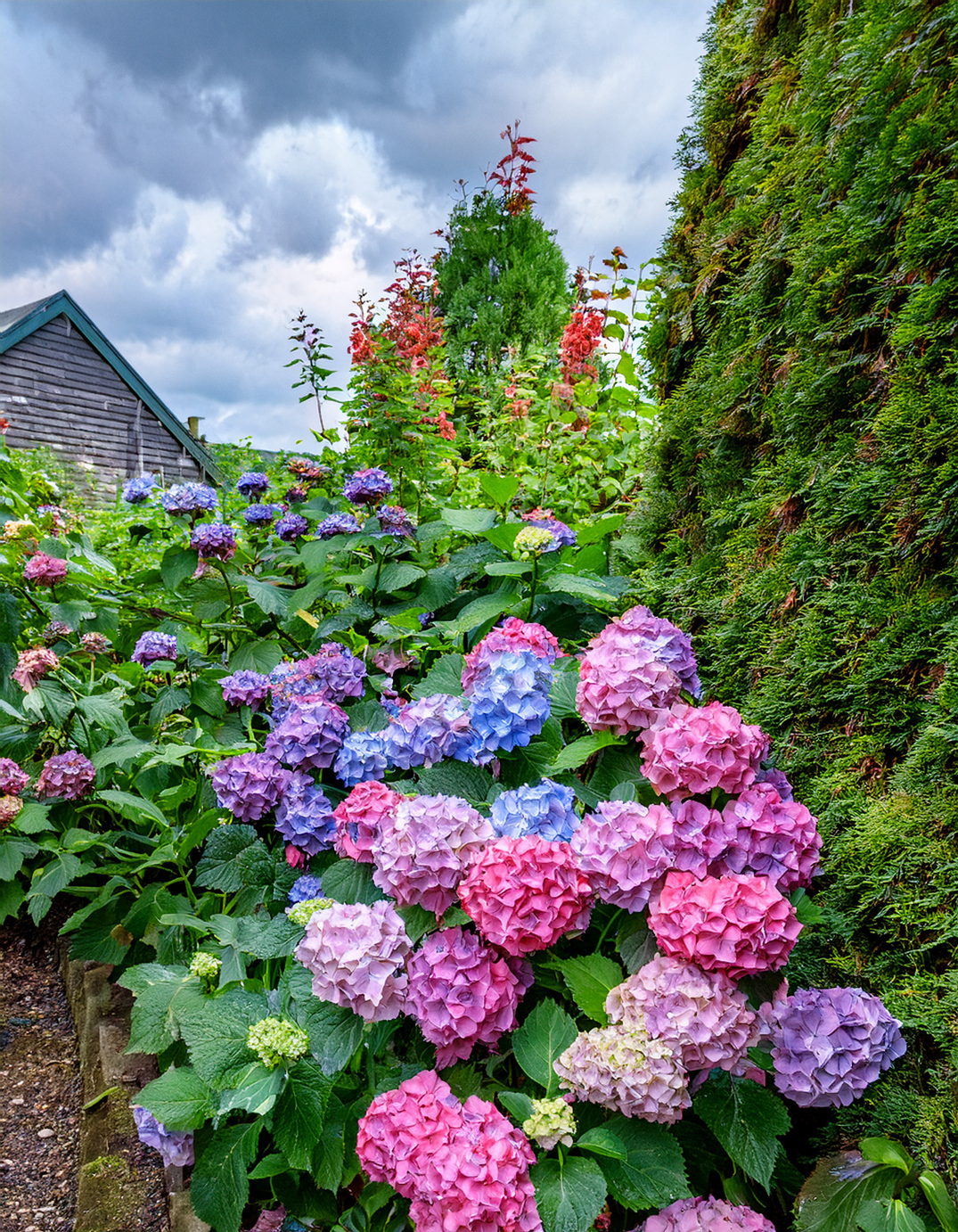
Hydrangeas are probably the best example of why knowing when a plant flowers matters before you start pruning. Bigleaf, mountain, and many oakleaf hydrangeas can produce flowers from buds formed on older stems. By fall, some of next summer’s flowers are already sitting on the plant.
Cut those stems down now and you may be removing the very buds you have been waiting all winter to see. I generally leave hydrangeas alone in fall and wait until I know exactly what type I am growing. Panicle and smooth hydrangeas flower differently and are more forgiving, but when the variety is unknown, waiting is the safer option.
🐝 Fan Favorite
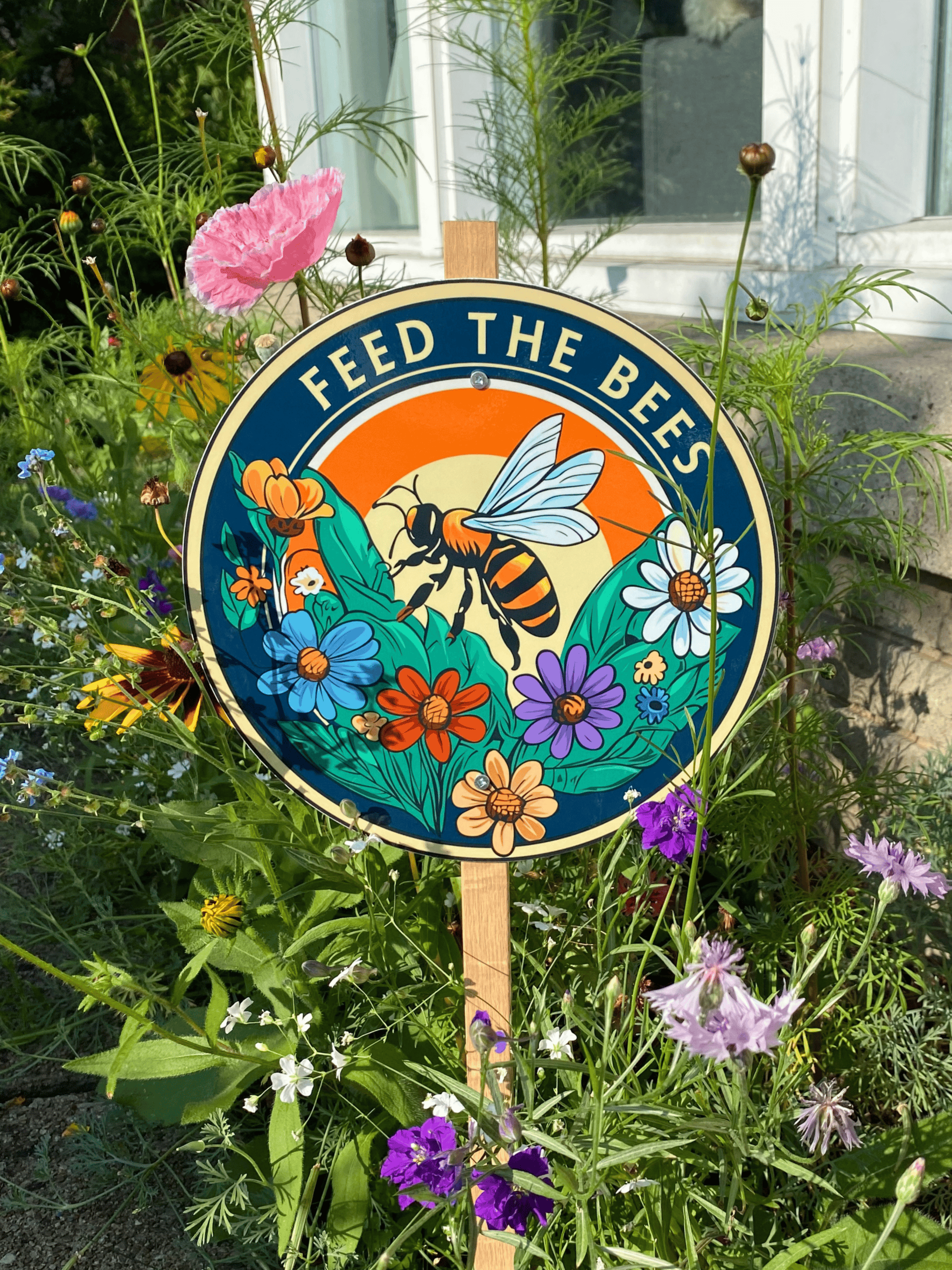
“Feed the Bees” Garden Sign
Give your wildflower patch a pop of color and let your neighbors know there’s purpose in your plants.
Delivered in 5–7 days
- Hand-illustrated design
- Recycled aluminum — won’t fade, rust, or crack
- Plants 1 real tree in the Monarch Corridor
🦋 Every sign funds a tree planted in the North American Monarch Corridor — at no extra cost to you.
2. Azaleas
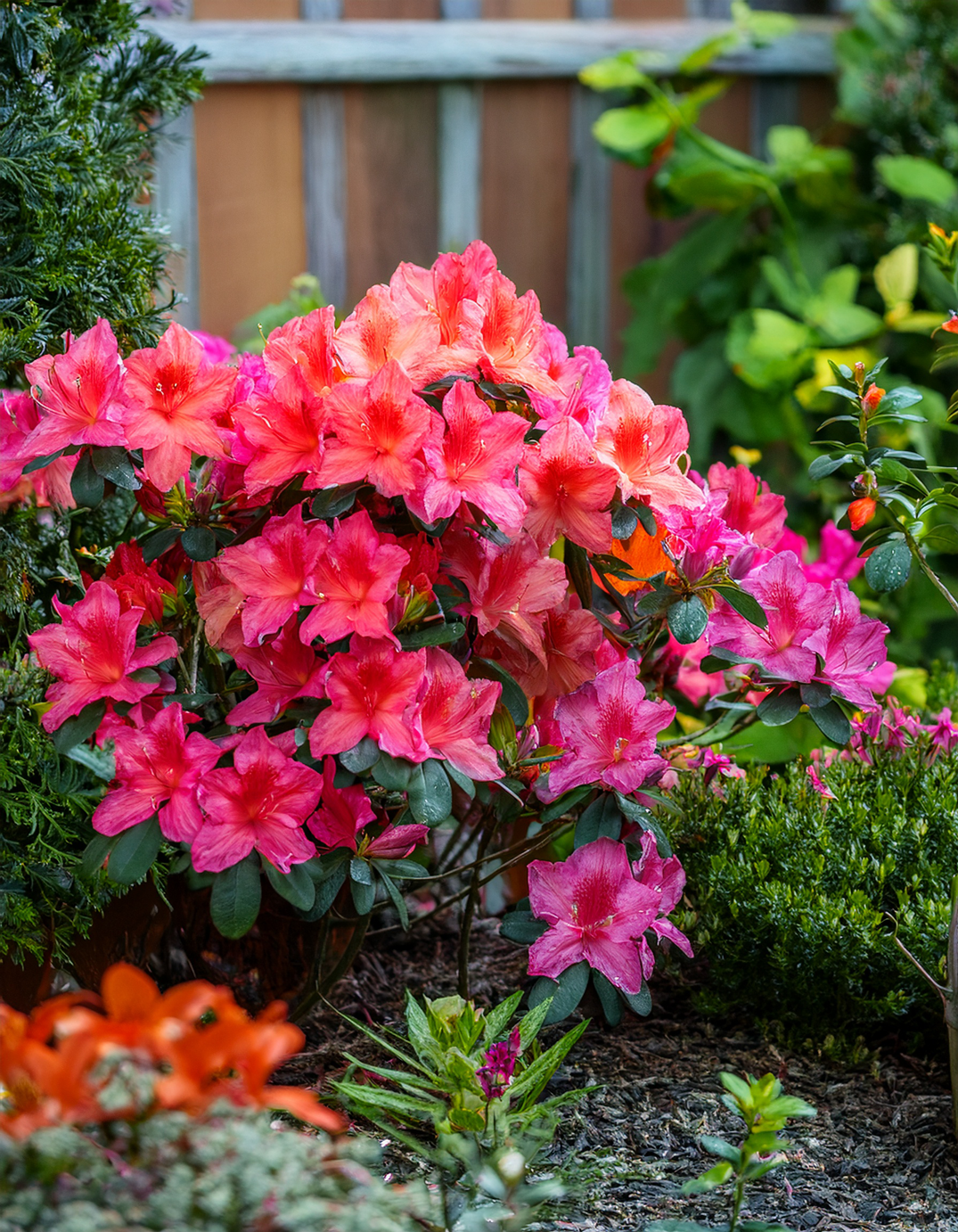
Azaleas can look a little unruly by the end of the growing season, particularly if they pushed out several long shoots over summer. Resist the urge to shape everything neatly before winter.
Most spring-flowering azaleas develop their flower buds months before they actually bloom. A fall trim can quietly remove those buds without giving you much indication that anything went wrong until spring arrives. If an azalea needs reshaping, I prefer to tackle it soon after flowering rather than during fall cleanup.
3. Lilacs
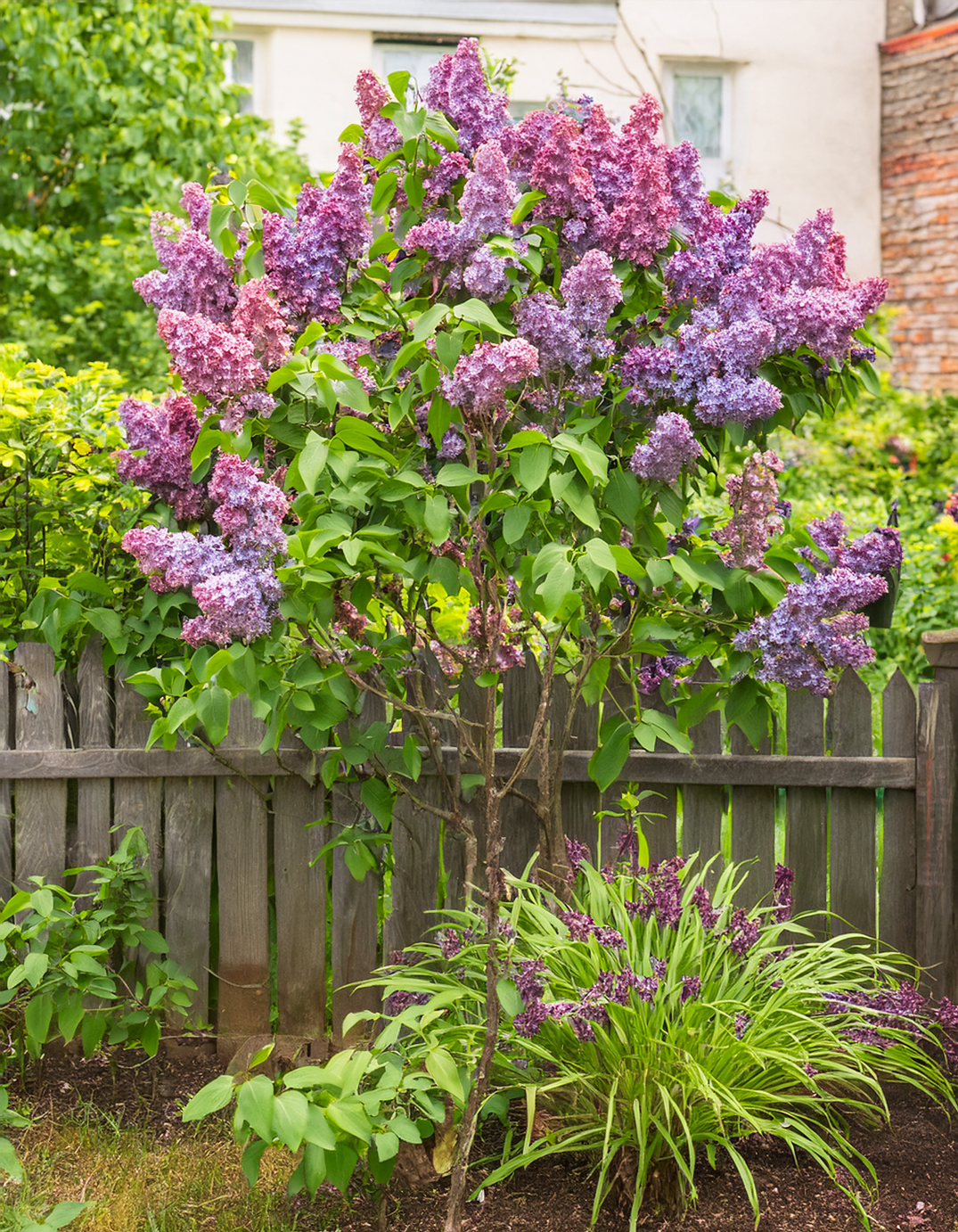
By the time the leaves begin dropping from a lilac, next spring’s flower show is already largely planned. Lilacs form flower buds on growth from the previous season, which is why a vigorous fall haircut can produce a lush green shrub the following year with surprisingly few flowers.
The best pruning window comes shortly after flowering ends. That gives the shrub plenty of time to produce fresh growth and develop buds for the following spring. In fall, I limit myself to obviously dead, broken, or damaged branches and leave healthy stems where they are.
4. Rhododendrons
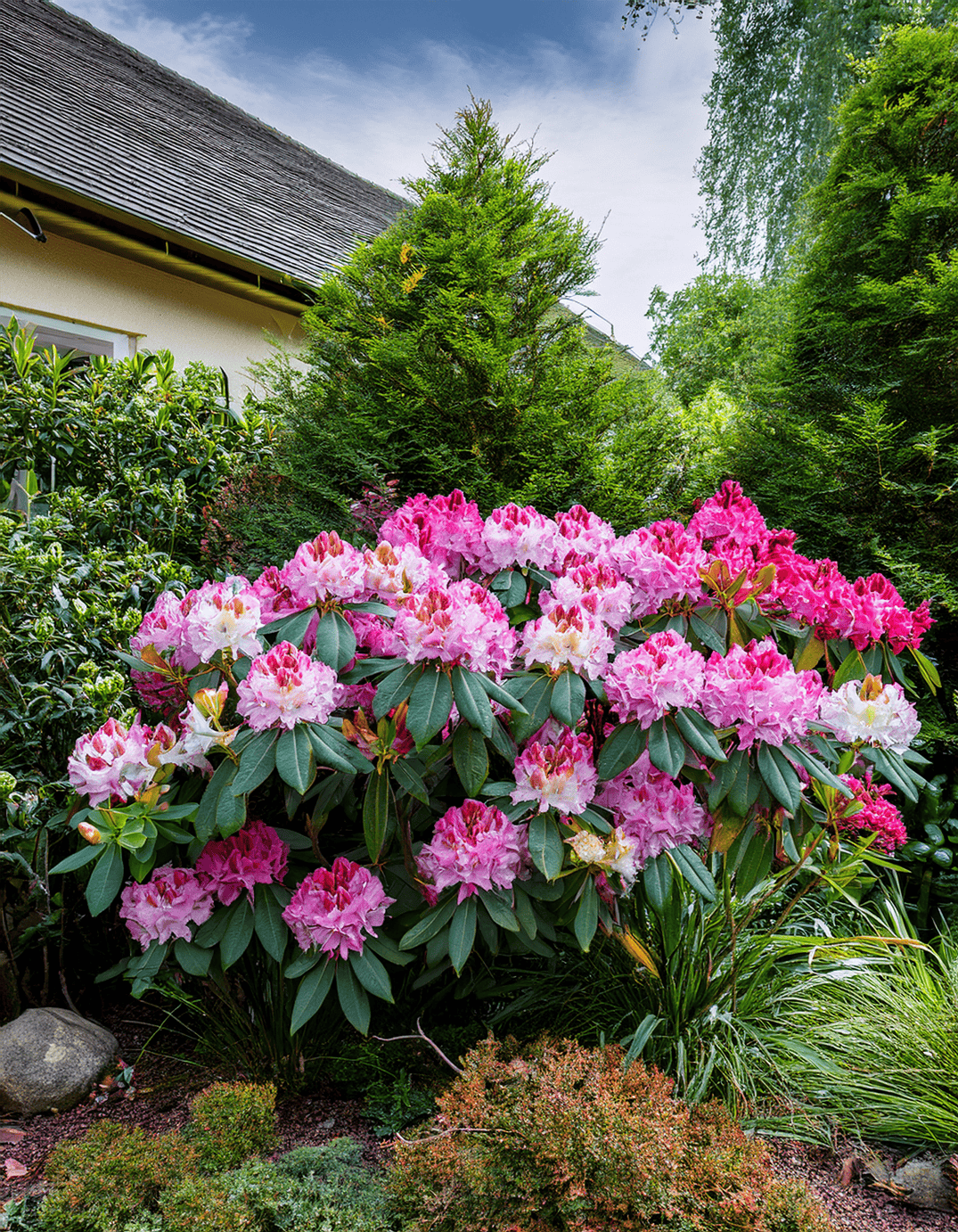
Rhododendrons make this mistake particularly easy to see. Look closely at the ends of the branches in fall and you can often spot plump buds already sitting there, waiting for warmer weather.
Heavy pruning now sacrifices those future flowers. Rhododendrons generally require less pruning than many gardeners expect anyway. Remove dead or damaged growth when necessary, but save any significant reshaping for after the plant has flowered.
5. Forsythia
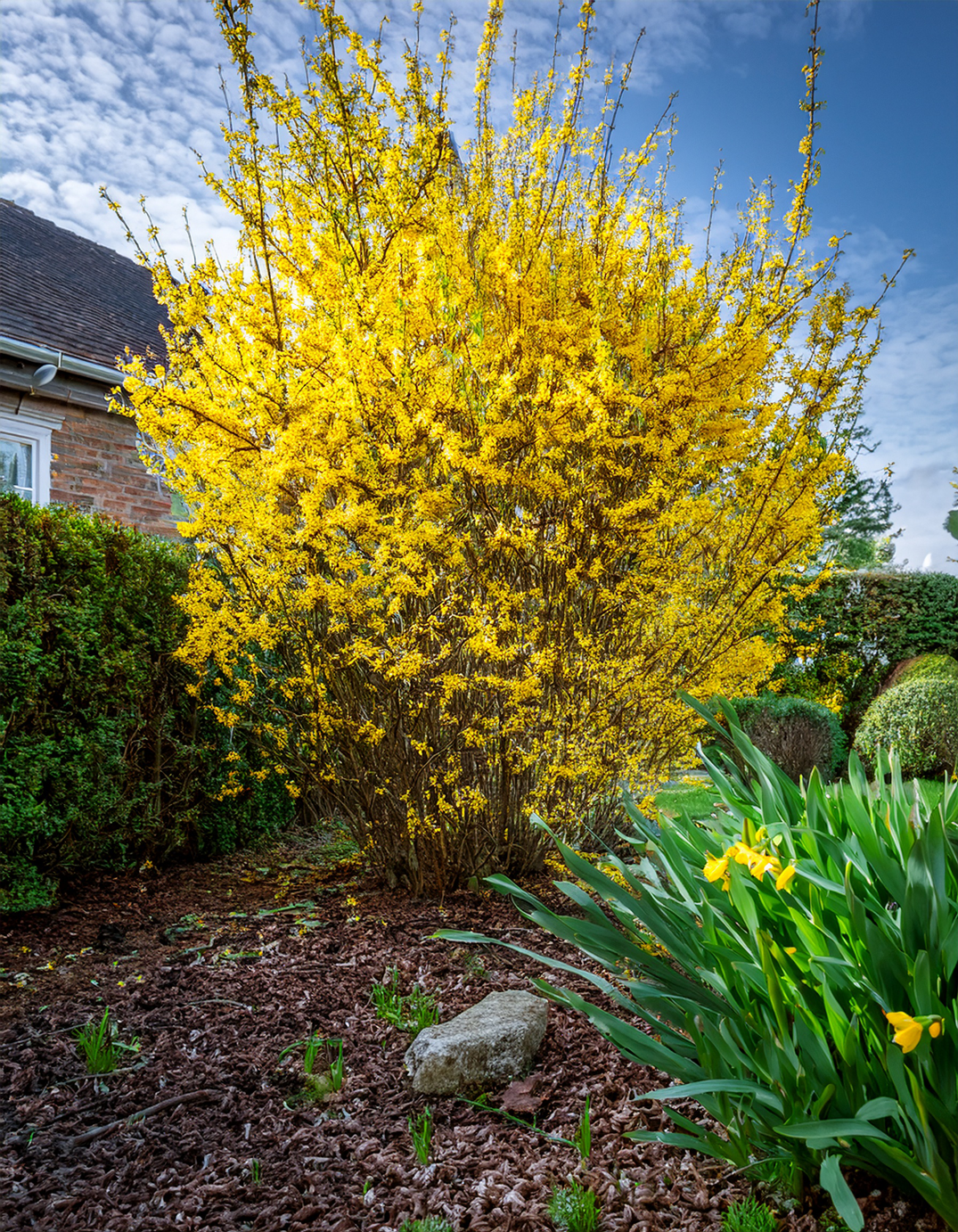
Forsythia is one of the first shrubs to announce spring, but those yellow flowers depend on stems that survived the previous growing season. The plant flowers on older wood rather than producing all of its blossoms on brand-new spring growth.
That makes fall one of the worst times to give an overgrown forsythia a major haircut. It may survive perfectly well, but much of next spring’s yellow display can disappear with the branches. Once flowering finishes in spring, thin older stems and reshape the plant then.
6. Spring-Flowering Clematis
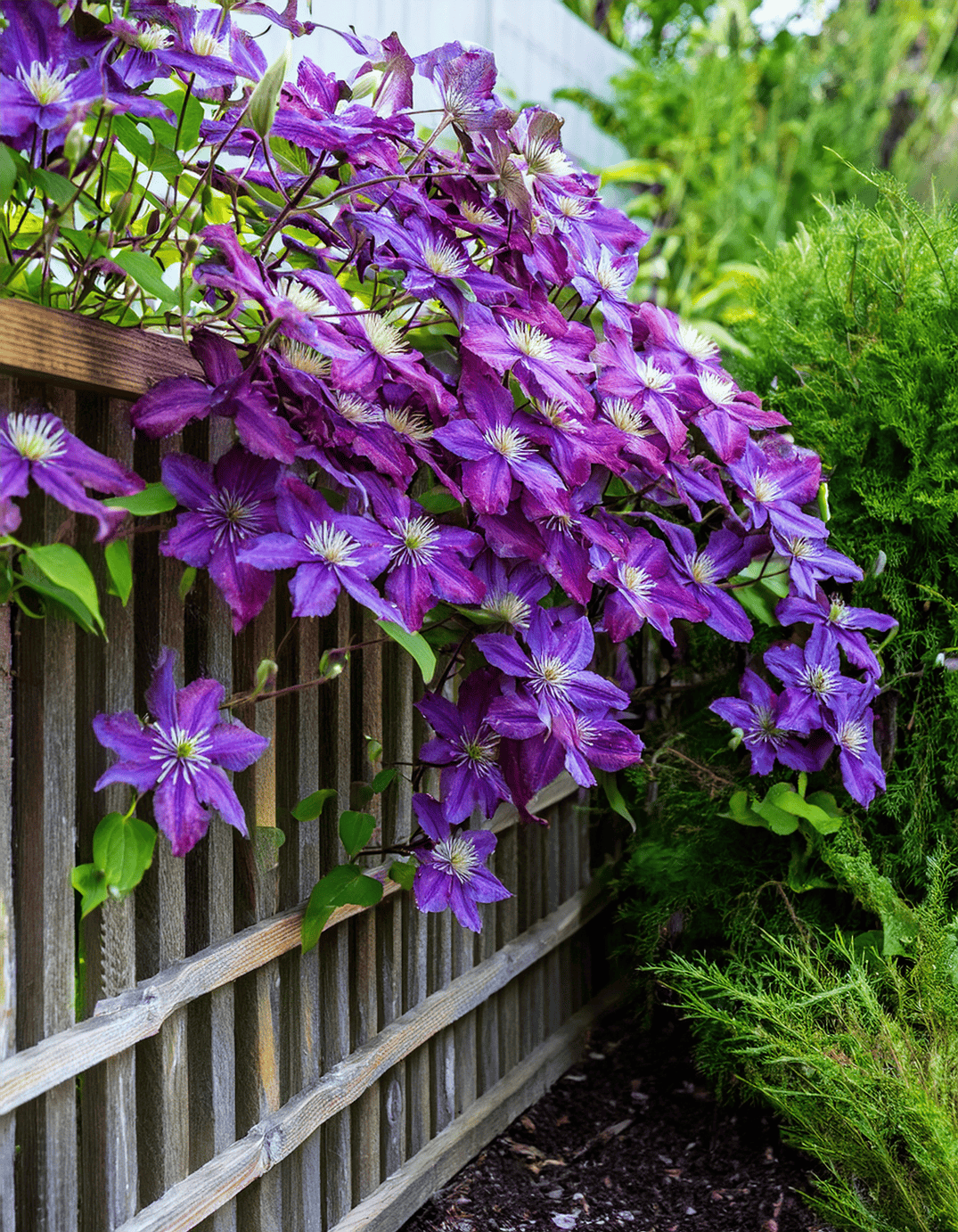
Clematis pruning gets confusing because different types follow completely different rules. Early-flowering clematis, particularly those in pruning group one, produce flowers on shoots formed during the previous growing season.
Cutting those vines back in autumn can remove the flowering wood before it ever gets a chance to perform. I leave spring-flowering clematis largely untouched through fall and winter, then prune after flowering if the vine actually needs thinning or controlling.
7. Lavender
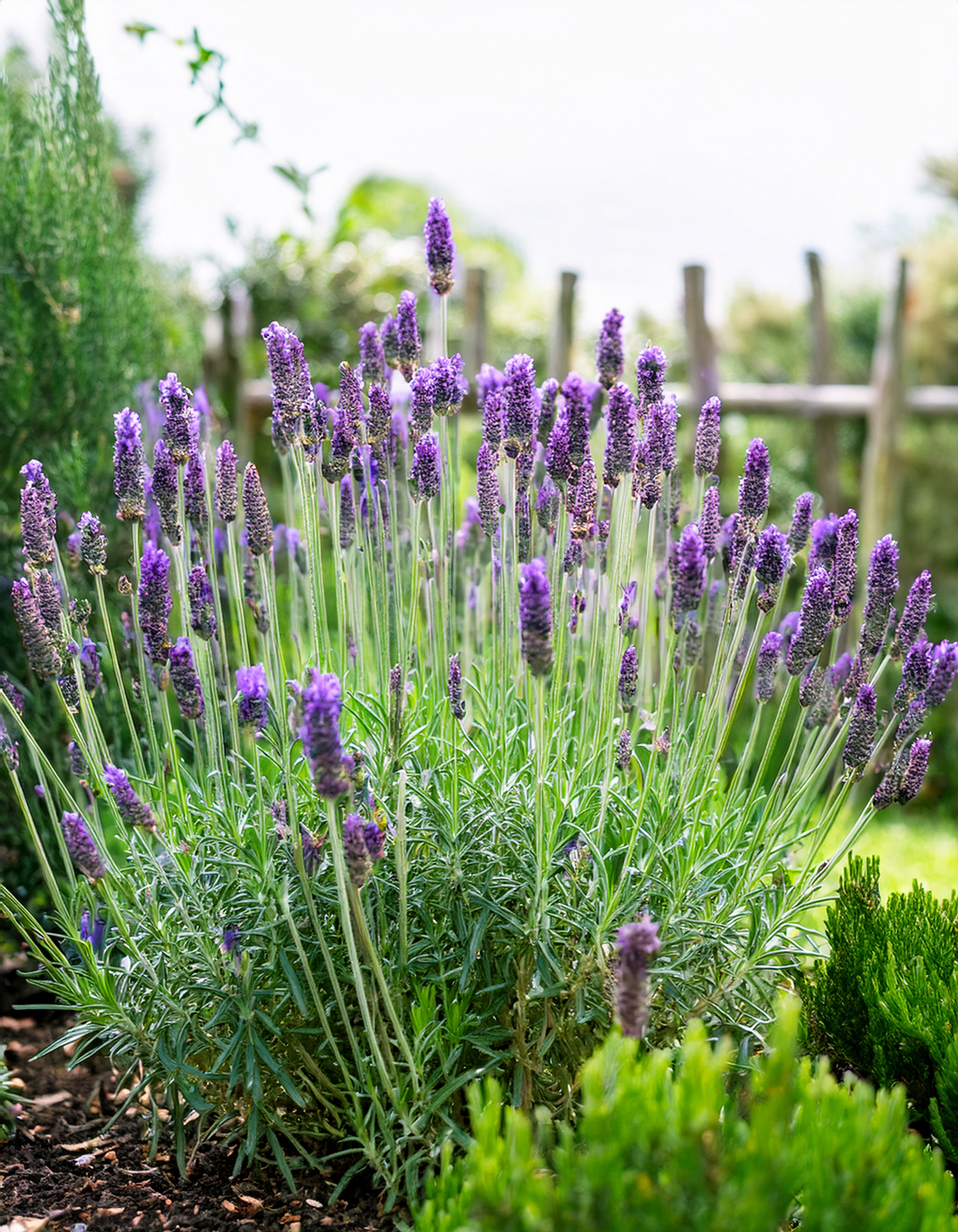
Lavender seems tough during summer, but cold, wet winter conditions can expose its weaknesses. Cutting deeply into the plant in autumn removes foliage and stems that provide some protection while also leaving fresh pruning cuts heading into cold weather.
A light trim after flowering is one thing. A hard fall cutback is another. I especially avoid cutting into old woody growth, since lavender does not reliably regenerate from bare older stems. In colder gardens, it is better to carry the plant through winter with most of its structure intact and tidy it once active growth returns.
🍂 Cold Prep Tip: Recharge the beds you actually cleared
Instead of stripping every perennial bed bare, focus your fall cleanup on empty vegetable beds and annual spaces. Add a thin layer of finished compost, or sow a cold-tolerant cover crop such as winter rye where your season allows. Roots left growing in the soil can reduce erosion, capture nutrients, and give tired garden soil something useful to do all winter.
8. Weigela
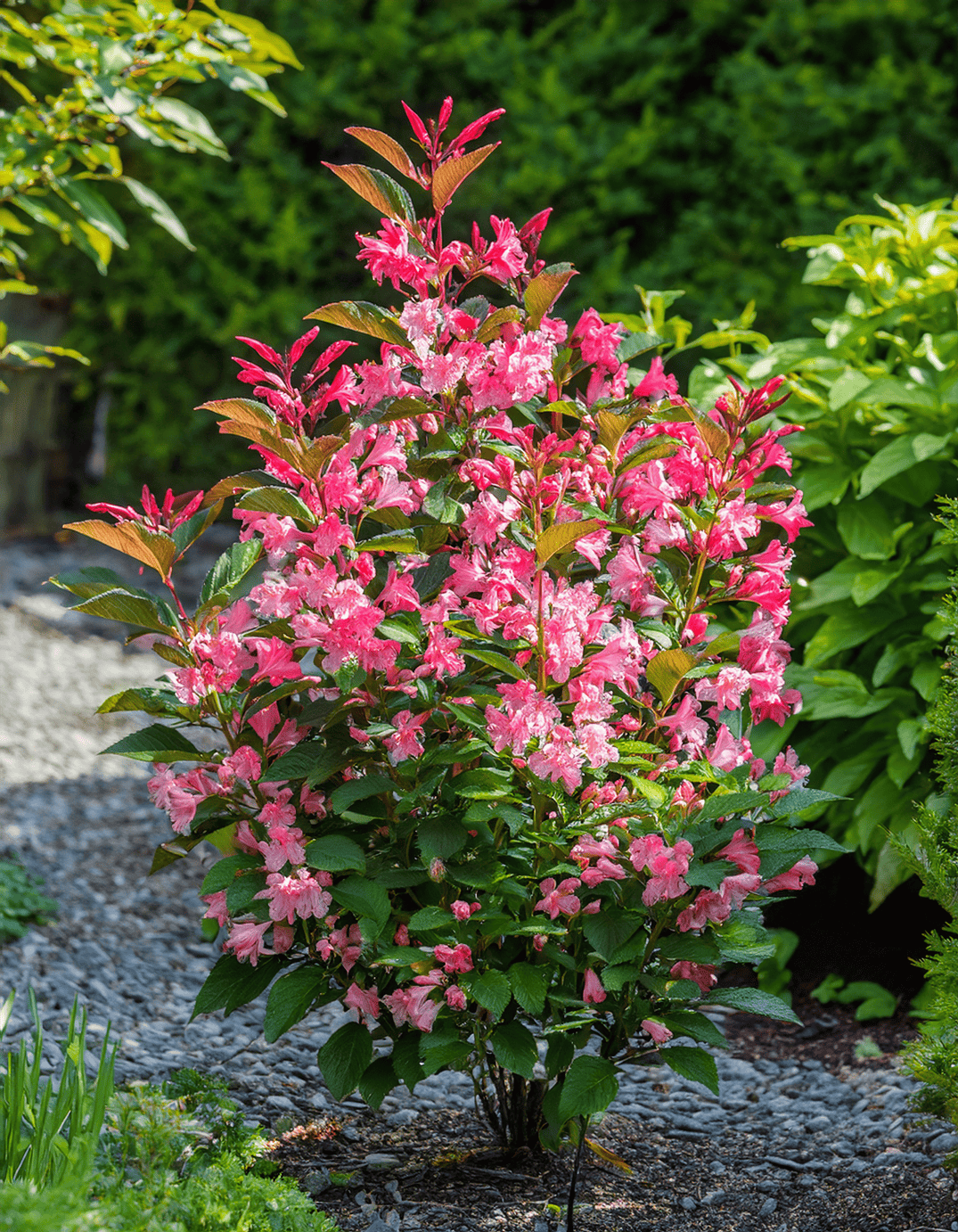
Weigela produces much of its spring and early summer display from stems grown the previous year. That means a tidy fall pruning can remove perfectly healthy branches that are already destined to flower.
If the shrub has become oversized, wait until the main flush of flowers finishes. That is the time to shorten flowered branches and remove some of the oldest stems near the base. Done then, the plant has the rest of summer to build the growth that will carry next year’s flowers.
9. Russian Sage
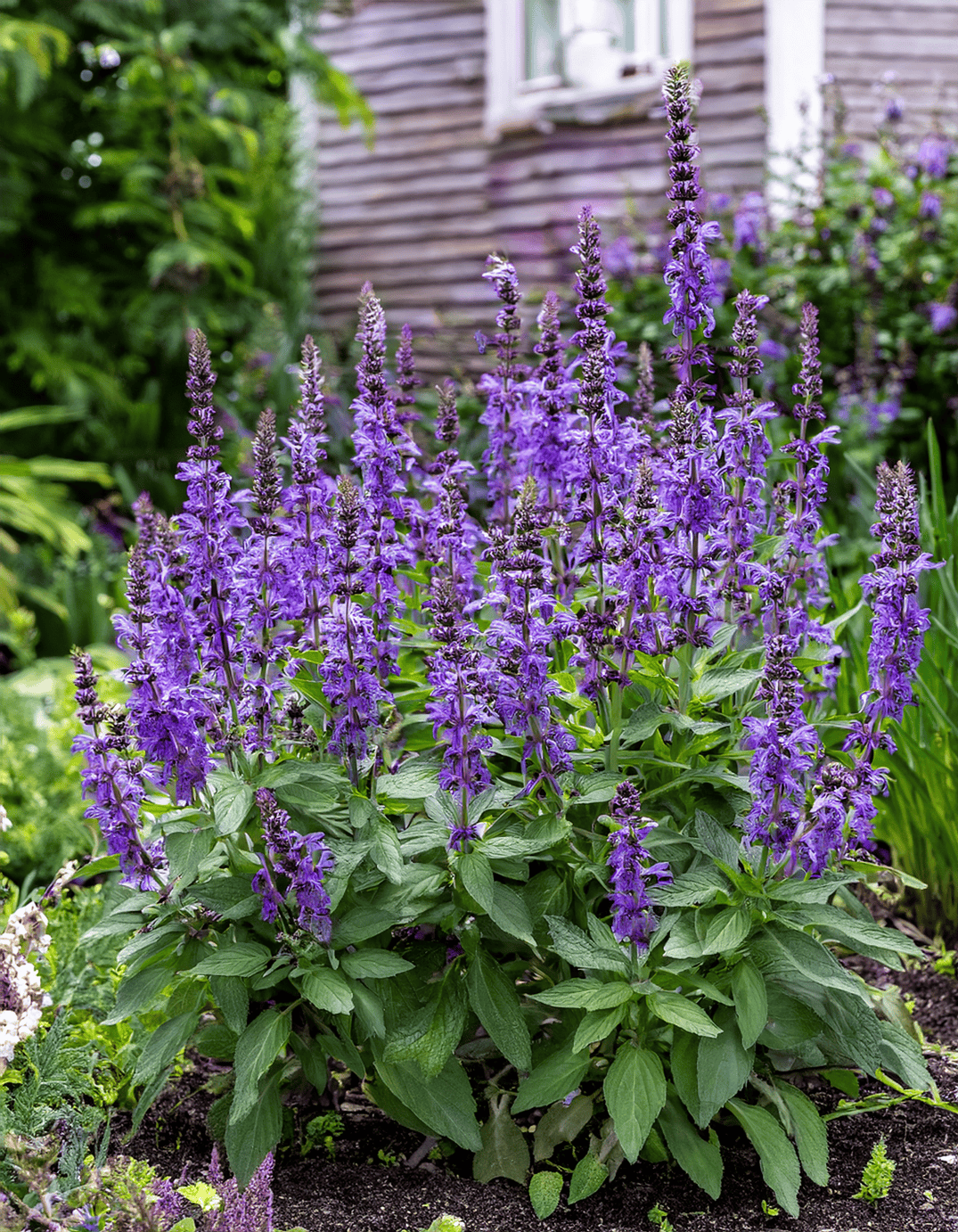
Russian sage, now botanically grouped with salvias, often looks completely finished once frost arrives. Its pale stems are still worth keeping.
The old framework helps protect the base of the plant through winter, especially where alternating freezes and thaws are common. Russian sage responds very well to a hard pruning once spring growth starts. I wait until I can see new shoots emerging near the bottom, then cut the previous year’s stems back above that fresh growth.
10. Spirea
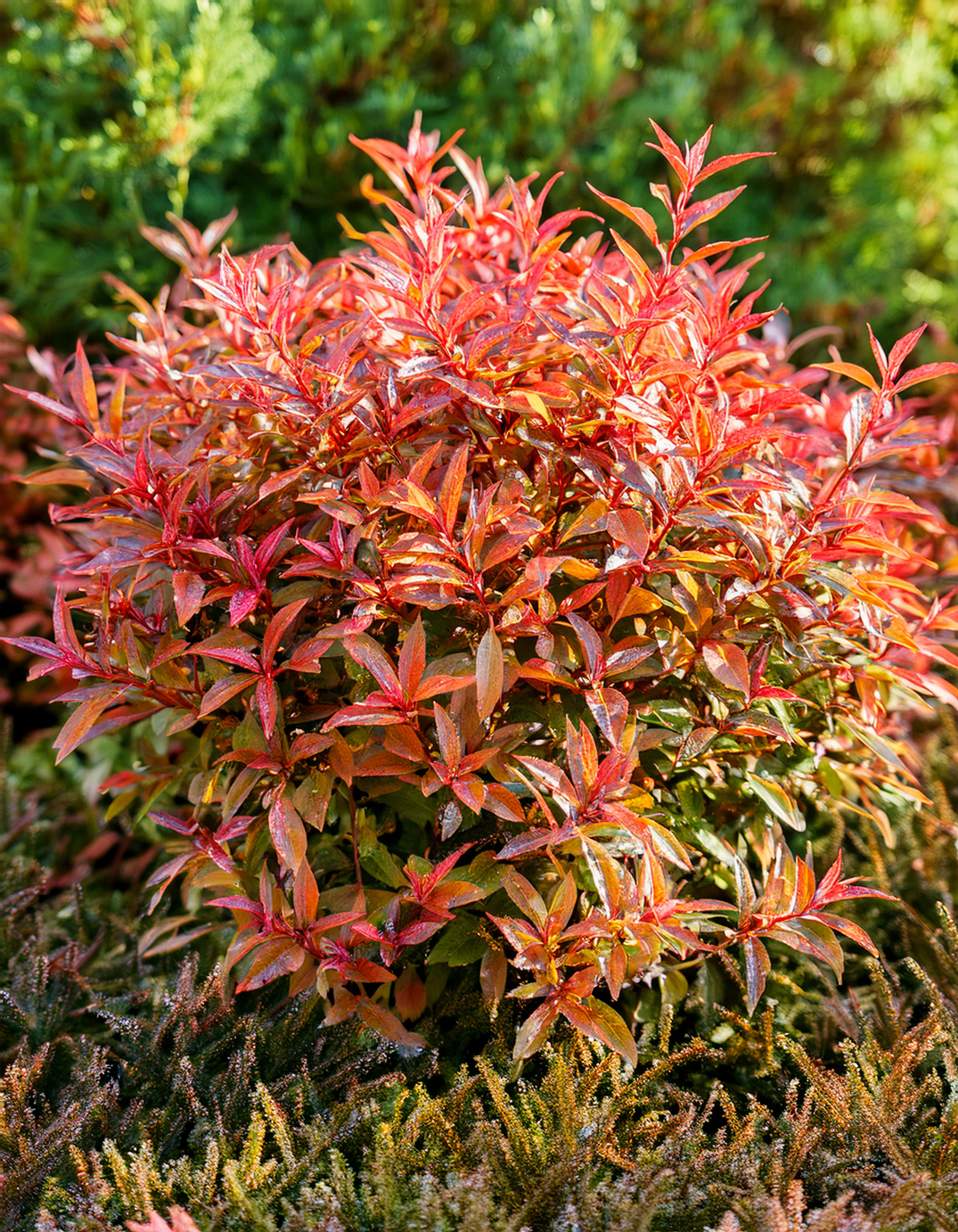
This one comes with an important distinction. Spring-flowering spireas, including bridal wreath types, should not be cut back heavily in fall. Their flowers are carried on older wood, and removing that wood means removing the next round of blooms.
Summer-flowering spireas such as many Japanese spirea varieties flower on new growth and tolerate different pruning schedules. If you are not sure which kind is growing in your yard, look at when it flowers before reaching for the shears. For spring bloomers, prune after flowering and leave them alone in fall.
11. Hardy Hibiscus
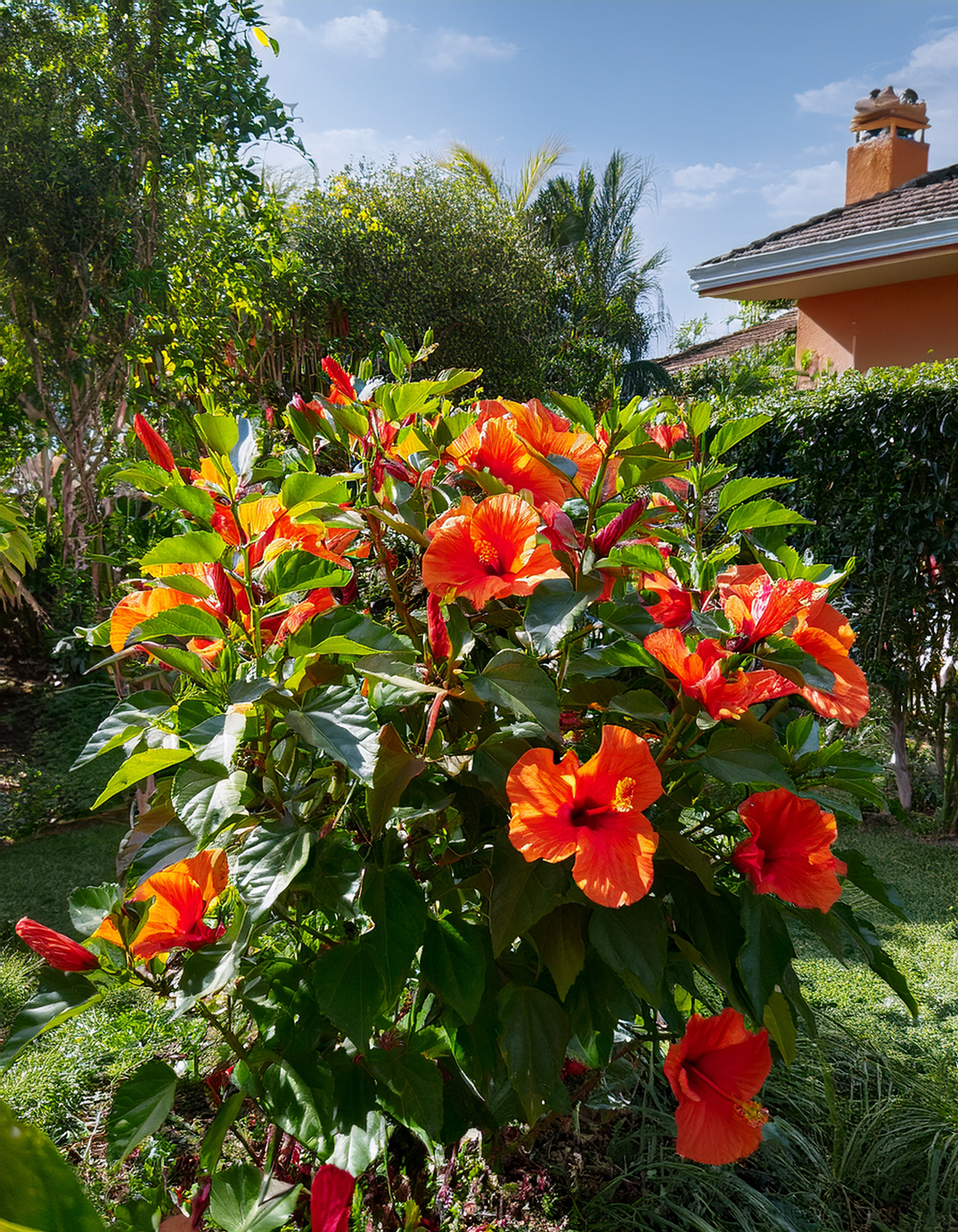
Hardy hibiscus disappears so completely in winter that cutting the dead stems down seems harmless. Technically, established plants can be cut after dormancy, but in a cold garden I prefer leaving at least some of the stems until spring.
Those old stems mark exactly where one of the latest perennials to emerge is hiding. That matters more than it sounds. Hardy hibiscus can remain dormant long after surrounding plants have started growing, and it is surprisingly easy to dig into the crown while planting something else nearby. Leaving the stems also keeps some material around the crown through winter.
❄️ Cold Prep Tip: Mulch after the garden gets cold
For marginally hardy plants such as mums and penstemon, a loose layer of straw, pine needles, or shredded leaves can help buffer the crown from repeated freezing and thawing. Wait until the soil has cooled and the plant is dormant rather than piling mulch onto warm soil too early.
12. Penstemon
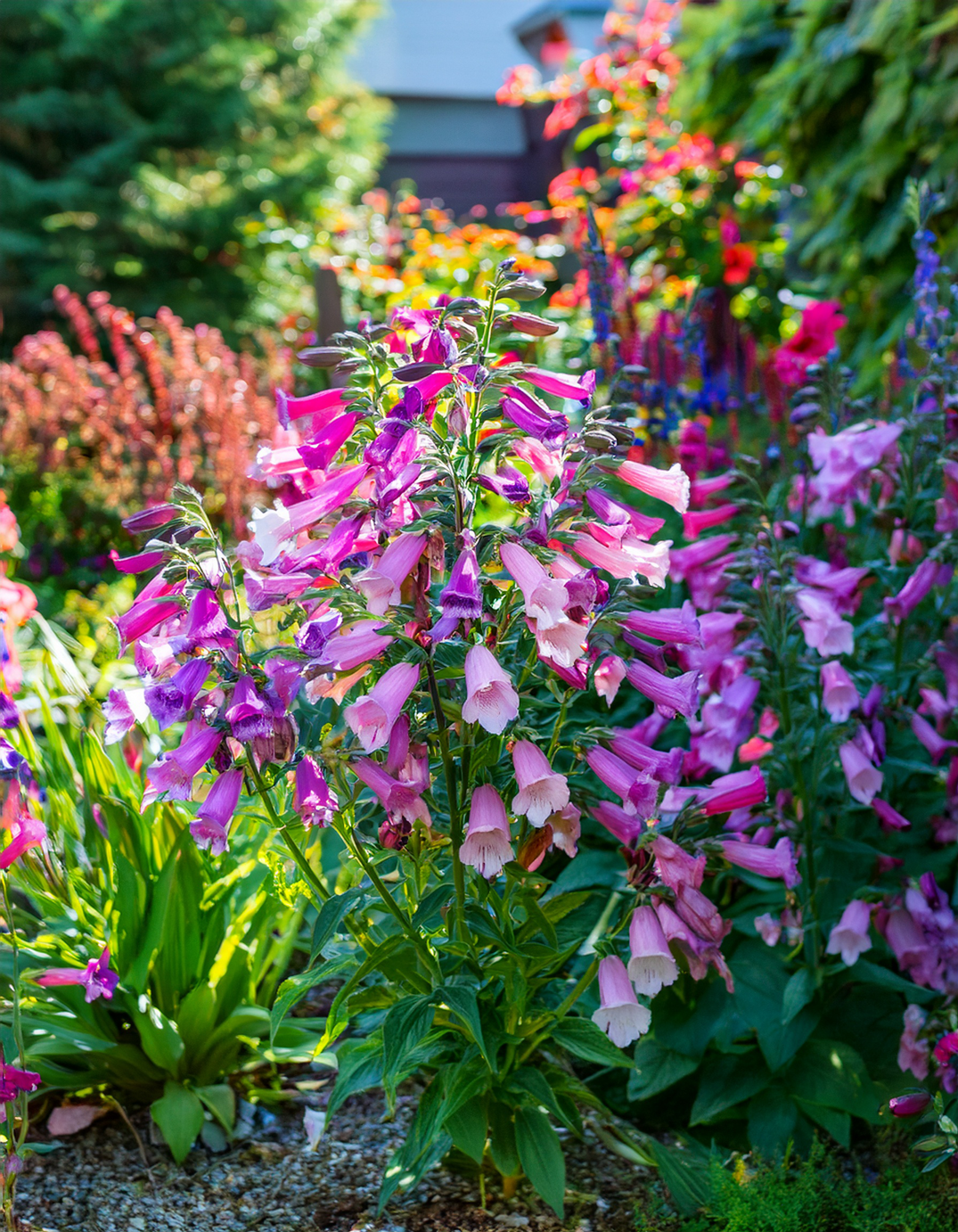
Penstemon is one plant I would rather see looking slightly scruffy in December than perfectly trimmed. The remaining stems and foliage give the crown some additional protection from winter weather, particularly in colder climates.
You can remove flower stalks or shorten unruly growth, but avoid shearing the entire plant to soil level in fall. Wait until spring growth appears, then cut the old stems back to healthy shoots. In colder regions, a dry protective mulch around the plant can also improve its odds of returning.
13. Garden Mums
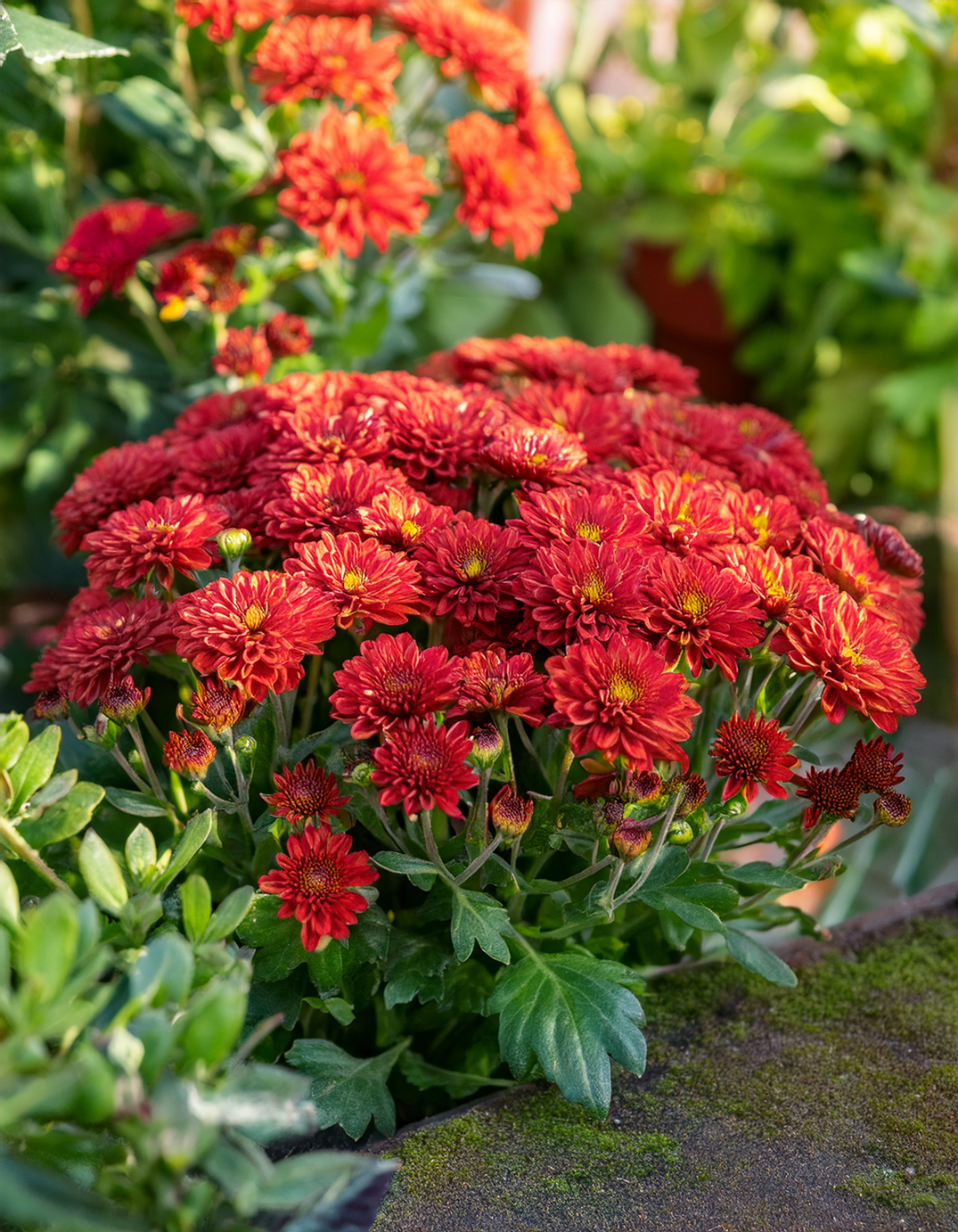
If you planted hardy mums into the garden instead of treating them as disposable porch decorations, do not rush to cut them down after the flowers fade. Leaving their old growth standing can actually help the plants survive winter.
The stems catch leaves and snow around the crown, creating a little extra insulation exactly where the plant needs it. Once new shoots emerge in spring, cut away last year’s stems. This is one of the fall pruning decisions where being a slightly lazy gardener can genuinely work in your favor.
Mums are also a good reminder not to throw every faded flower head directly into the compost pile. Some of those dry flowers around the garden are full of viable seed. Before cleaning everything away, take a look at my guide to flower seeds worth collecting in fall for plants you may be able to grow again next year for free.
14. Sage
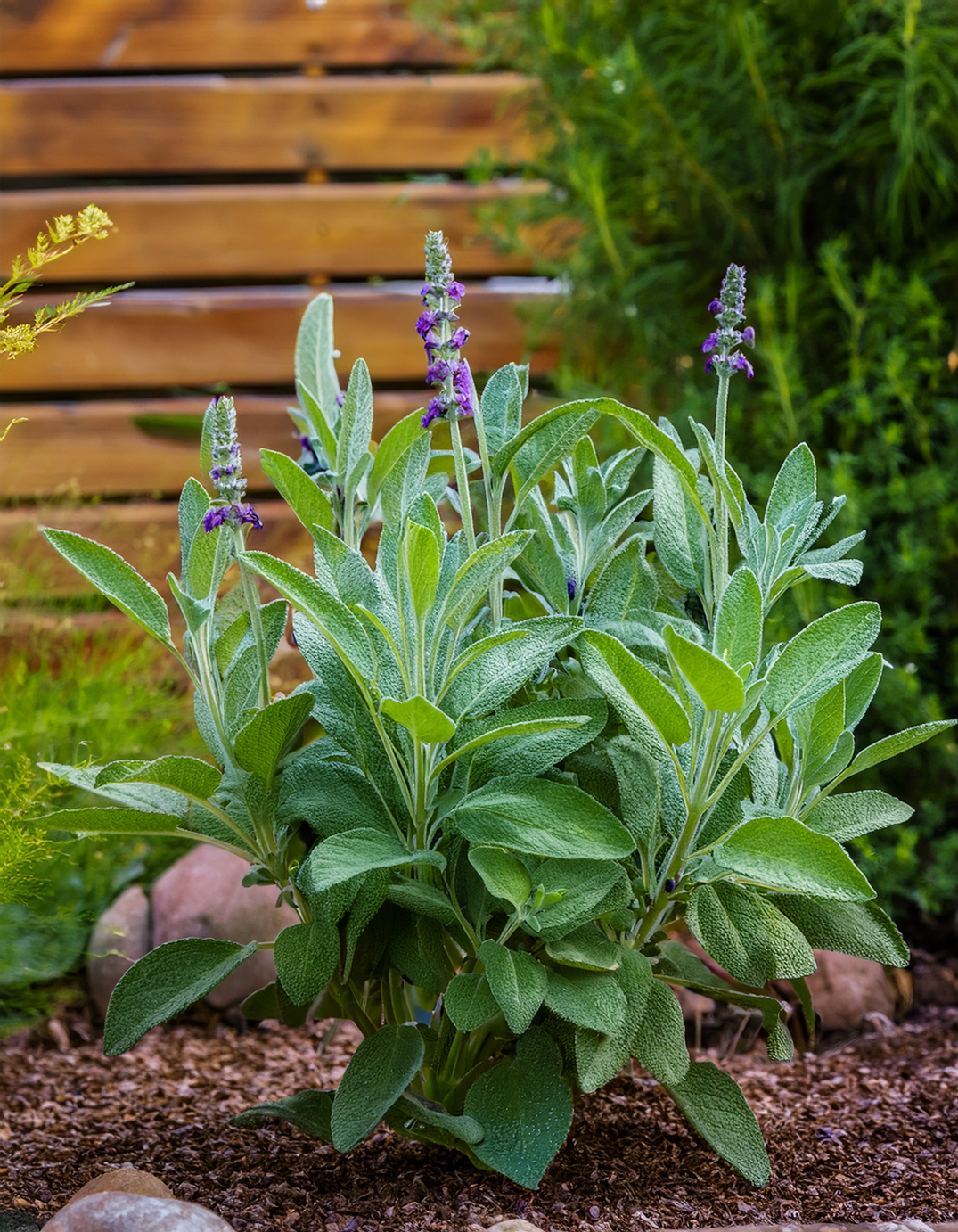
Common culinary sage gradually develops woody stems, which makes it behave differently from soft annual herbs such as basil. A hard fall pruning can leave the plant unnecessarily exposed just as cold and wet weather arrives.
I harvest what I need through the growing season and remove spent flowers, but save major reshaping for spring when new growth starts. Sage also hates sitting in wet winter soil, so good drainage may be just as important as what you do with the pruners. If your sage is planted in heavy soil, avoid smothering the crown with a thick, moisture-holding mulch.
Final Thoughts
A clean garden is satisfying, but completely bare beds are not necessarily the healthiest goal. Sometimes the best fall pruning decision is simply to put the shears down. Hydrangeas, lilacs, weigela, forsythia, and other spring bloomers may already be carrying next year’s flowers. Mums, penstemon, lavender, Russian sage, and other cold-sensitive plants can benefit from keeping some of their growth through winter.
I still clean up diseased foliage, broken stems, and anything that could create a genuine problem. The rest can wait. Once spring begins pushing fresh growth through the beds, it becomes much easier to see exactly what survived, what should be removed, and where each cut should go. A little restraint in October can pay you back with healthier plants and a lot more flowers next year.