

Just because the garden has gone quiet for winter doesn’t mean I have to stop growing things. In fact, some of my favourite gardening projects happen indoors, when there’s snow on the ground and I’m itching to get my hands back into some soil. Propagating houseplants is one of the easiest ways to scratch that gardening itch, and there’s something incredibly satisfying about turning a single cutting or leaf into an entirely new plant without spending a penny.

While spring and summer are generally the fastest times to propagate plants, plenty of houseplants can be multiplied throughout winter with a little patience. A bright windowsill, a warm room, and a few small pots or jars are often all you need to get started. Whether you’re looking to fill an empty shelf, make your favourite houseplants fuller, or grow something special to share with a friend, these 15 plants are all worth trying while you wait for spring.
1. String of Hearts (Ceropegia woodii)
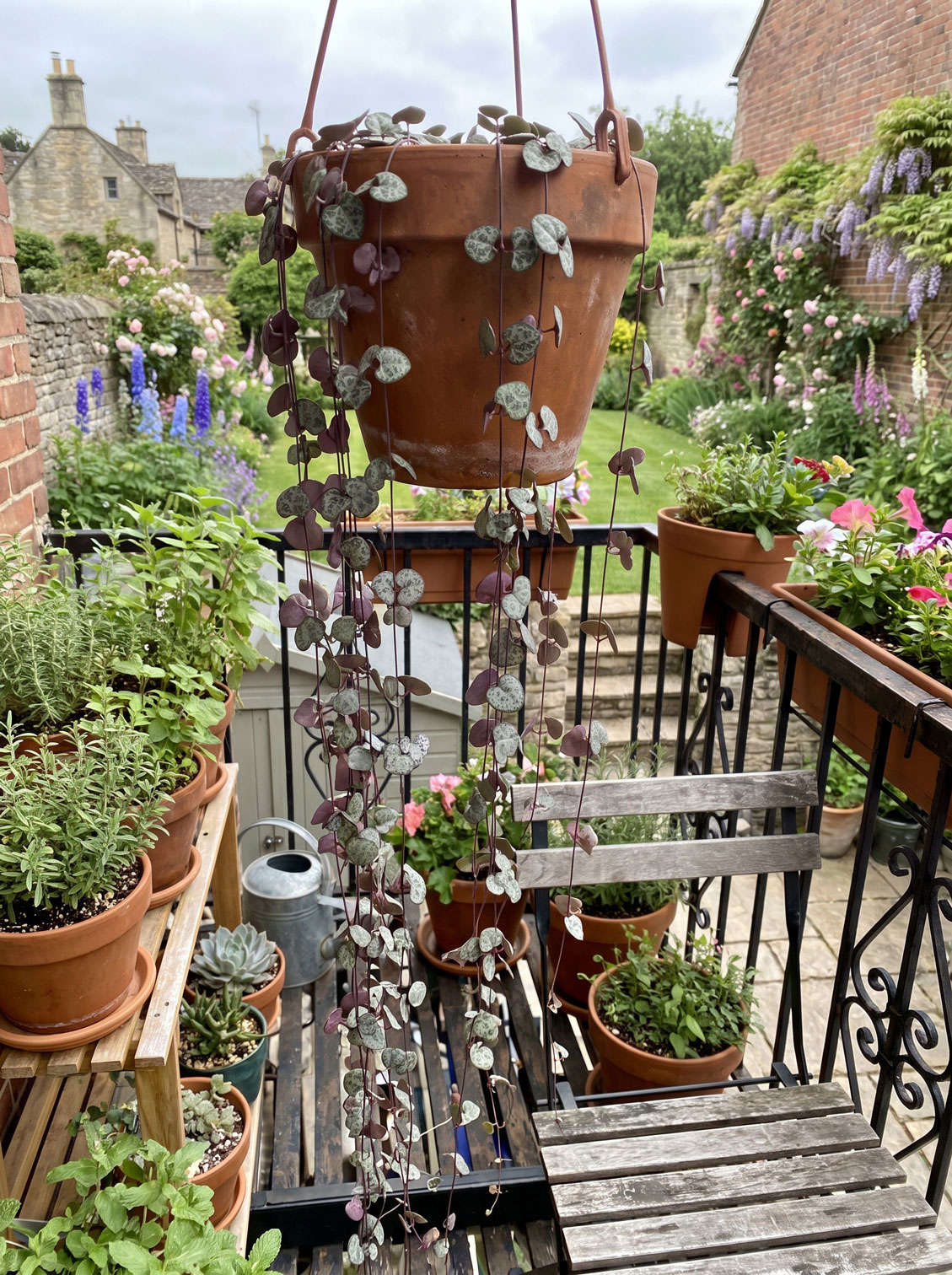
String of Hearts is one of those houseplants that looks almost too delicate to be easy to propagate. Its long, slender vines are covered in tiny heart-shaped leaves with beautiful silver markings and purple undersides. I especially love how it looks spilling over the edge of a hanging planter or trailing down from a shelf. Fortunately, this charming little plant is surprisingly easy to multiply, even when the garden outside is buried under snow.
To propagate String of Hearts, cut a healthy vine into short sections, making sure each piece contains at least one node. Remove any leaves that would sit underwater and place the nodes in a small jar of water, or lay the cuttings across lightly moist potting mix with the nodes touching the soil. Keep them somewhere warm with bright, indirect light. Once roots have developed, plant several cuttings together in a small pot to create a fuller, cascading display.
2. ZZ Plant (Zamioculcas zamiifolia)
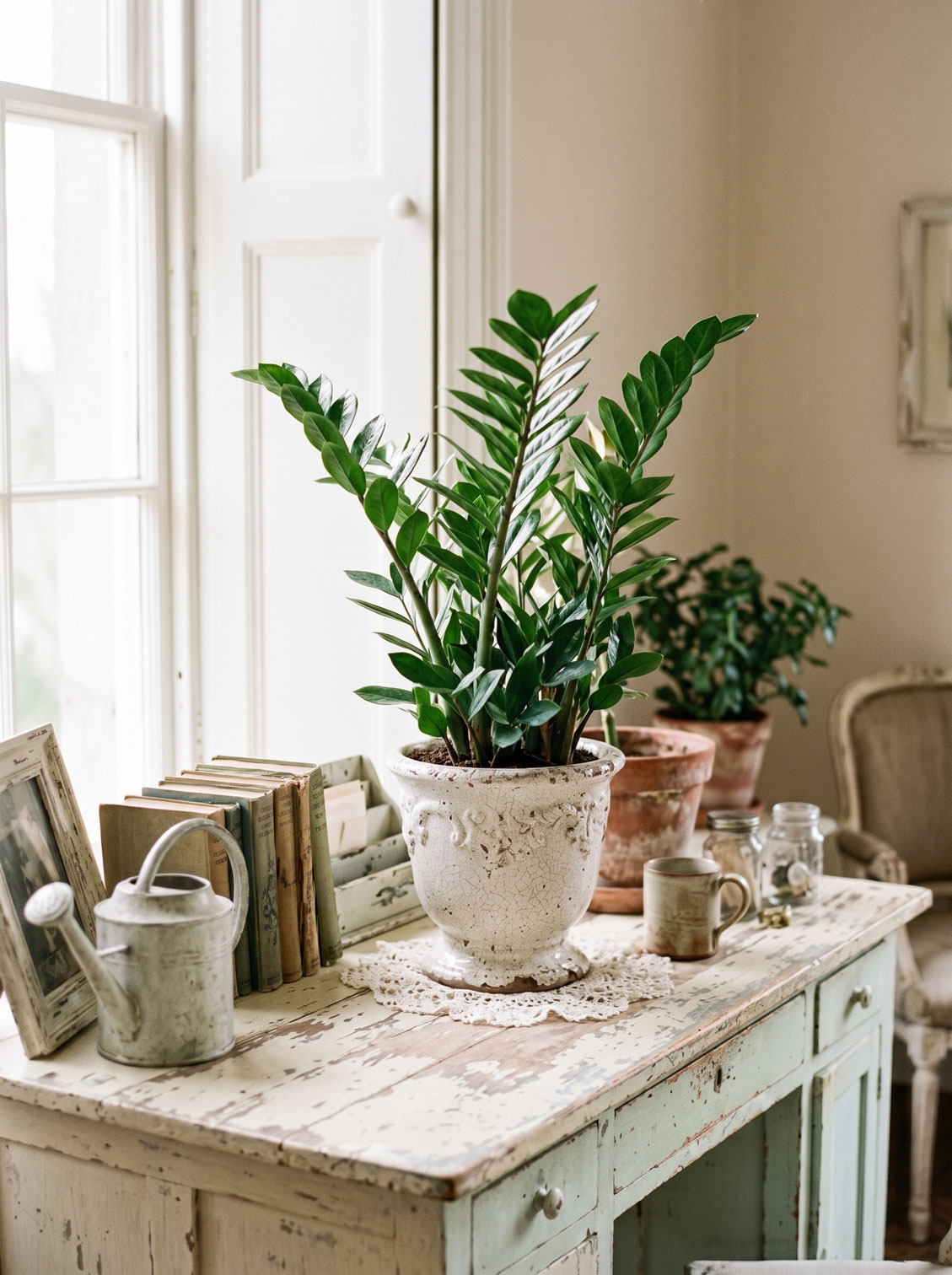
The ZZ Plant has earned its reputation as one of the toughest houseplants around. Its glossy, deep green leaves almost look polished, and it’s remarkably forgiving when it comes to occasional missed waterings. What makes this plant particularly interesting is that you can grow an entirely new plant from something as small as a single leaflet. It sounds almost too good to be true, but it really does work.
Remove a healthy leaflet with a small piece of its base intact, allow the cut end to dry briefly, and insert it into a lightly moist, well-draining potting mix. You can also propagate ZZ Plants through stem cuttings or by dividing their underground rhizomes. The only catch is that ZZ Plants are exceptionally slow to propagate, especially during winter. A leaflet may take several months to develop a rhizome before any new growth appears, so this is definitely a project for patient gardeners.
3. Tradescantia (Tradescantia zebrina)

If you’re looking for a houseplant that offers almost instant gratification, Tradescantia is hard to beat. Its trailing stems and striking striped leaves bring beautiful shades of purple, silver, and green into the house. It’s also one of the first plants I’d recommend to someone who’s never propagated anything before. Even during winter, Tradescantia can root remarkably quickly when given enough warmth and light.
Simply snip a healthy stem just below a node, remove the lowest leaves, and place the cutting in water or directly into moist potting soil. Roots can begin appearing within a couple of weeks under favourable conditions. I also like using propagation to refresh older Tradescantia plants that have become a little bare near the top. Instead of starting a completely new plant, tuck a few rooted cuttings back into the original pot to give it a fuller, bushier appearance.
4. African Violet (Streptocarpus ionanthus)
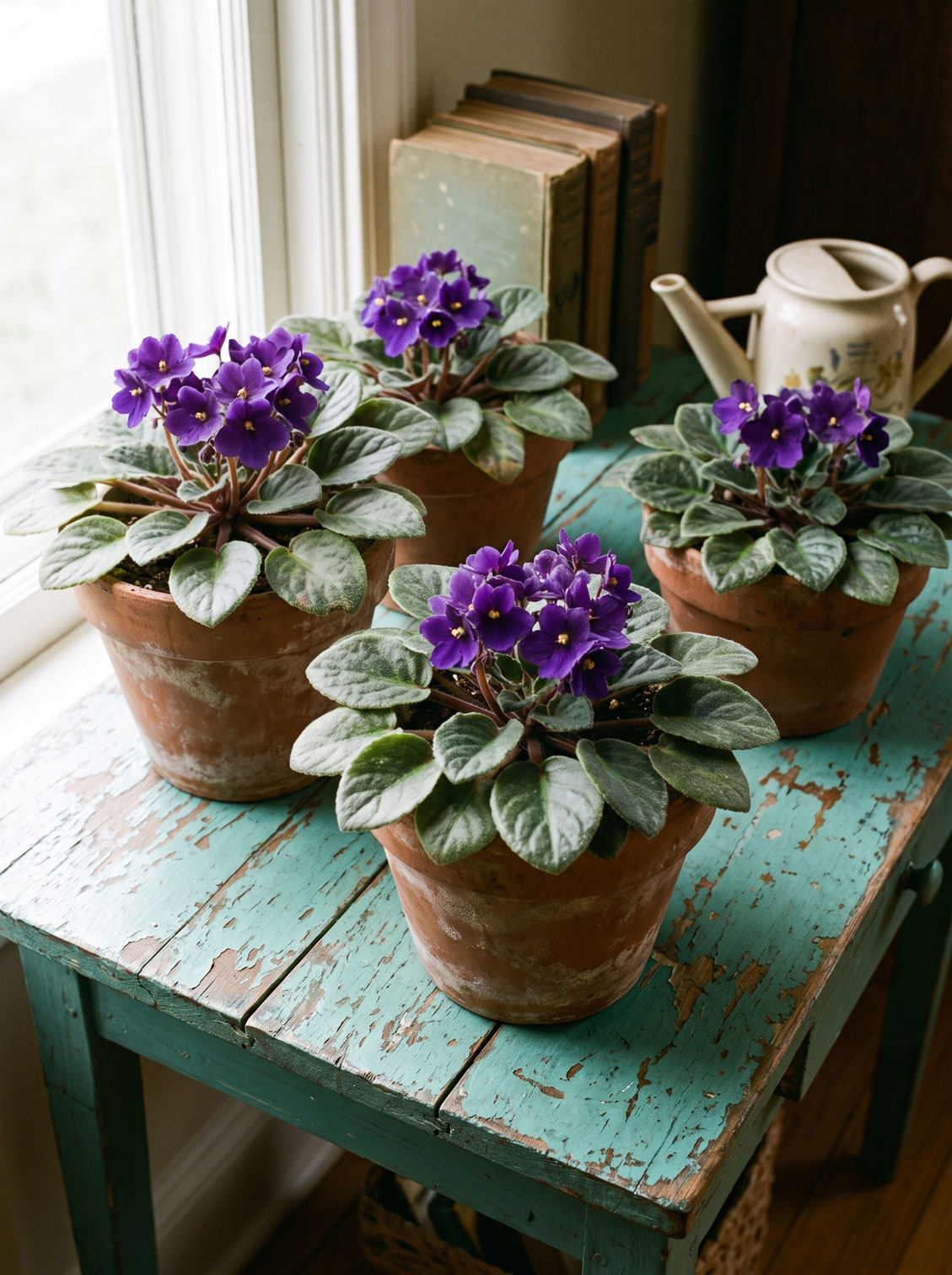
African Violets are a welcome splash of colour when everything outside looks grey and lifeless. Their fuzzy leaves and clusters of purple, pink, or white flowers make them especially appealing during the colder months. One of the most fascinating things about these little houseplants is that an entirely new plant can grow from a single leaf. If you’ve never tried leaf propagation before, African Violets are a wonderful place to start.
Choose a healthy, mature leaf and remove it with about an inch of its stem attached. Insert the stem into a small pot of lightly moistened African Violet potting mix, keeping the leaf itself above the soil. Place it somewhere warm with bright, indirect light, and maintain gentle moisture without soaking the soil. After several weeks or longer, tiny plantlets should begin emerging near the base of the cutting. Once they’ve developed several leaves of their own, they can be carefully separated and potted individually.
5. Chinese Evergreen (Aglaonema spp.)
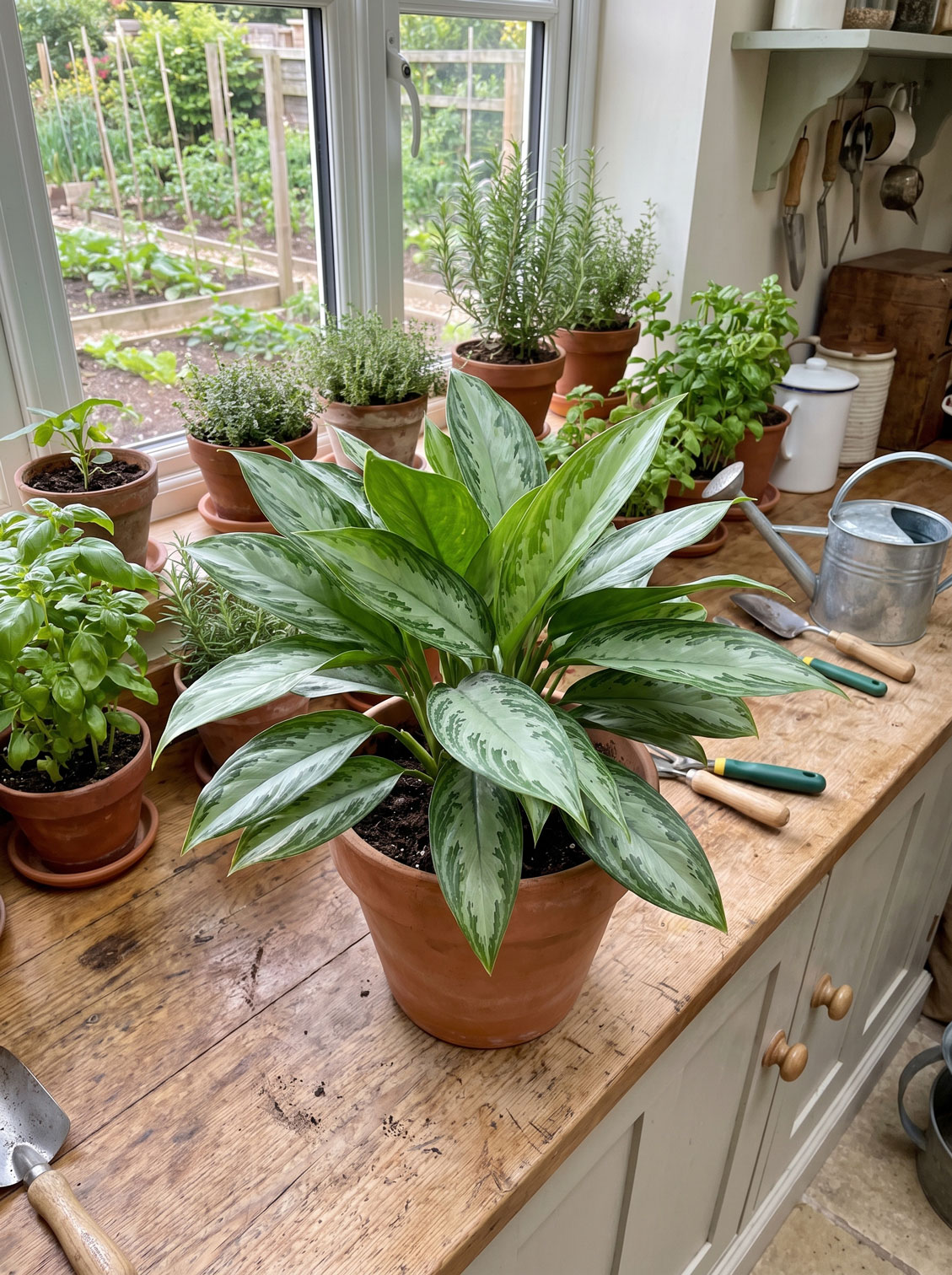
Chinese Evergreens are wonderful houseplants for adding colour and texture without demanding constant attention. Their broad, patterned leaves come in beautiful combinations of green, silver, cream, pink, and red. I particularly like the varieties with silvery foliage because they brighten up darker corners of the house. While Chinese Evergreens are generally slow growers, they’re also surprisingly easy to multiply once a mature plant develops several shoots.
The simplest method is to divide an established plant that has multiple rooted stems. Carefully remove it from its pot, loosen the root ball, and separate a section with healthy roots and leaves attached. You can also propagate Chinese Evergreen from stem cuttings, provided each section contains a node. Place the cuttings in water or lightly moist potting mix and keep them warm. During winter, I prefer division because you’re starting with an established root system rather than waiting weeks for new roots to form.
6. Christmas Cactus (Schlumbergera spp.)

A Christmas Cactus is one houseplant that really earns its place during winter. While many plants are slowing down, a healthy Christmas Cactus can be covered in bright pink, red, white, or purple flowers. I’ve always loved the idea of propagating these plants because they can live for decades, becoming something that gets passed along to friends and family. Better yet, growing a new one from a cutting is surprisingly straightforward.
Once the plant has finished flowering, gently twist off a healthy section containing two or three connected stem segments. Allow the broken end to dry for a day or two before inserting the bottom segment into a small pot of well-draining potting mix. Keep the soil lightly moist and place the cutting somewhere with bright, indirect light. Roots generally develop over several weeks, although winter conditions can slow the process. Avoid keeping the soil constantly wet, since the developing cutting is vulnerable to rot.
7. Hoya Plant (Hoya spp.)
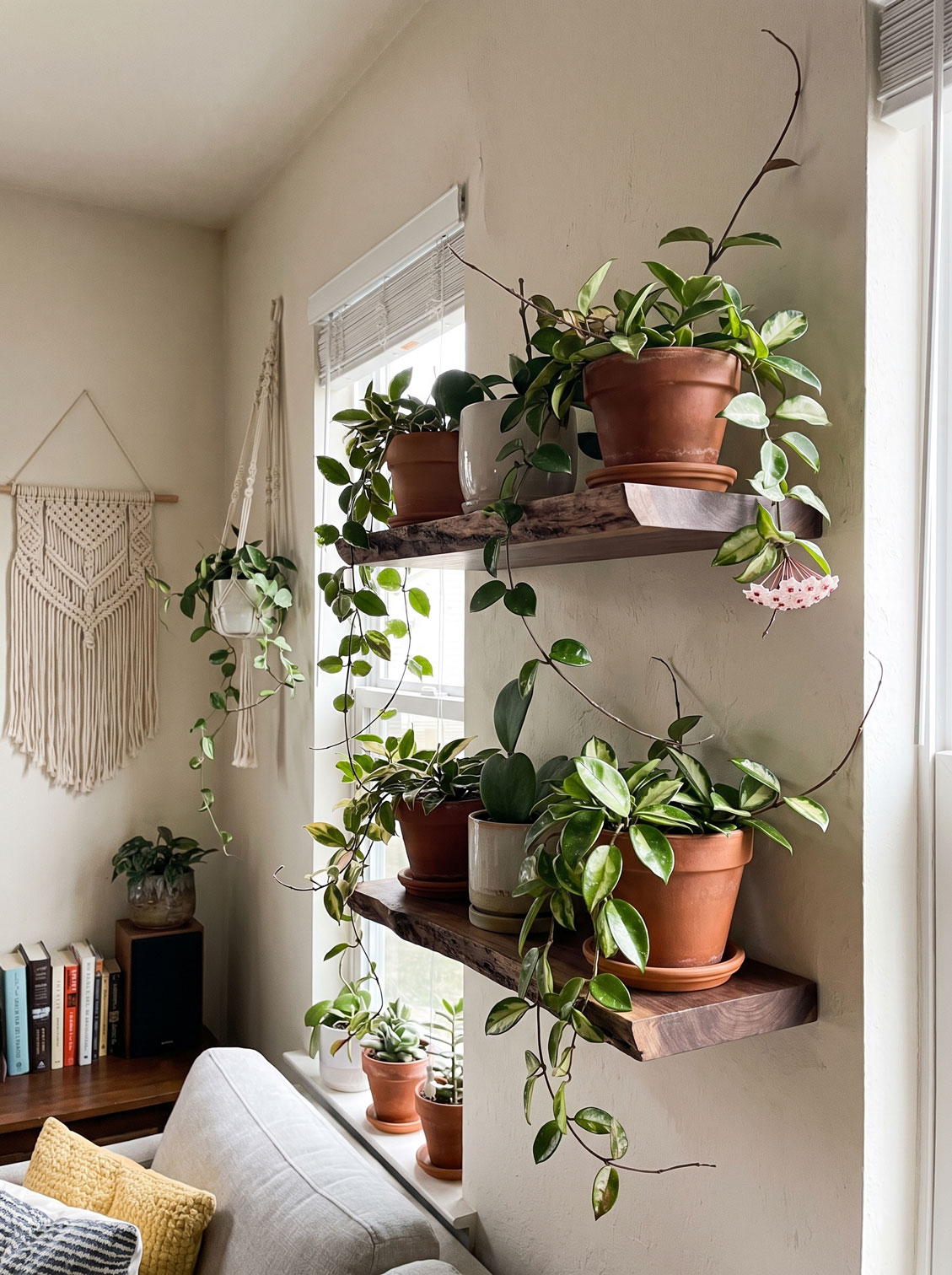
Hoyas, often called Wax Plants, are some of the most beautiful trailing houseplants you can grow indoors. Their thick, waxy leaves come in an incredible variety of shapes and patterns, and mature plants may eventually reward you with clusters of delicate, star-shaped flowers. Some varieties have beautiful cream or pink variegation, making them attractive even when they’re not blooming. They’re also excellent candidates for propagation if you want to fill out a hanging basket or share a favourite variety.
Choose a healthy vine and cut a section containing at least one or two nodes. Remove the leaves closest to the cut end, then place the nodes in water, moist sphagnum moss, or a well-draining propagation mix. Keep your cuttings somewhere warm with bright, indirect light, and don’t be surprised if they take several weeks to develop roots. One thing worth remembering is that a Hoya leaf without a suitable section of stem may develop roots but generally won’t produce an entirely new vine.
8. Jade Plant (Crassula ovata)
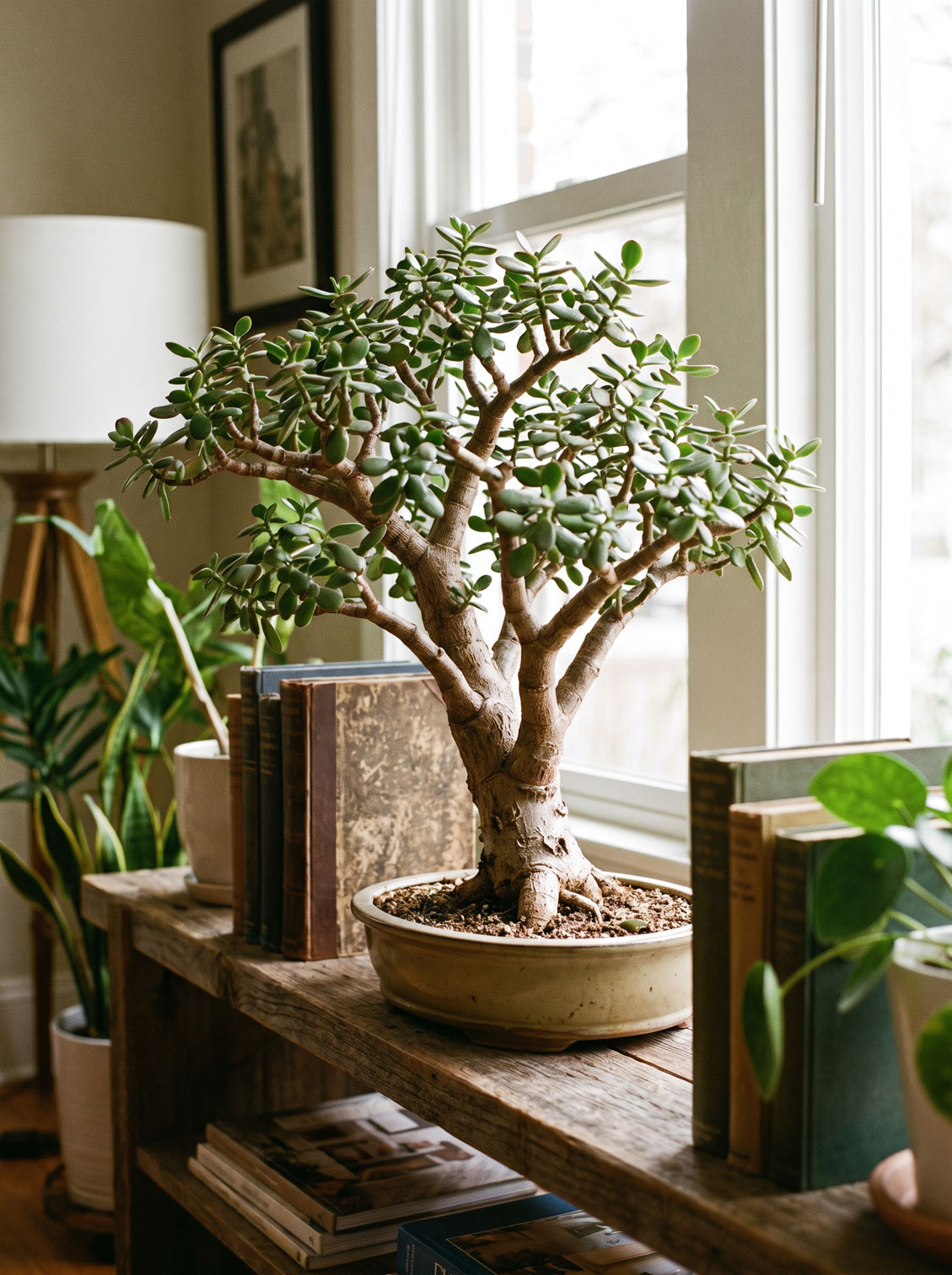
Jade Plants are among my favourite succulents because of their thick, glossy leaves and miniature tree-like appearance. A mature Jade Plant can look almost like a tiny bonsai, especially after developing a thick, woody trunk over the years. They’re also incredibly easy to share with friends because even a small branch can eventually grow into a beautiful plant of its own. You can propagate them from either stems or individual leaves, although stem cuttings are usually faster.
Take a healthy branch several inches long, remove the lower leaves, and allow the cut end to dry for a few days until it forms a callus. Then place the cutting into a small pot of well-draining succulent mix. Winter propagation requires a little extra caution because Jade Plants don’t appreciate sitting in wet soil, especially when light levels are low. Keep the cutting somewhere bright and warm, water sparingly once rooting begins, and don’t expect much visible growth until the days start getting longer.
9. Monstera (Monstera deliciosa)
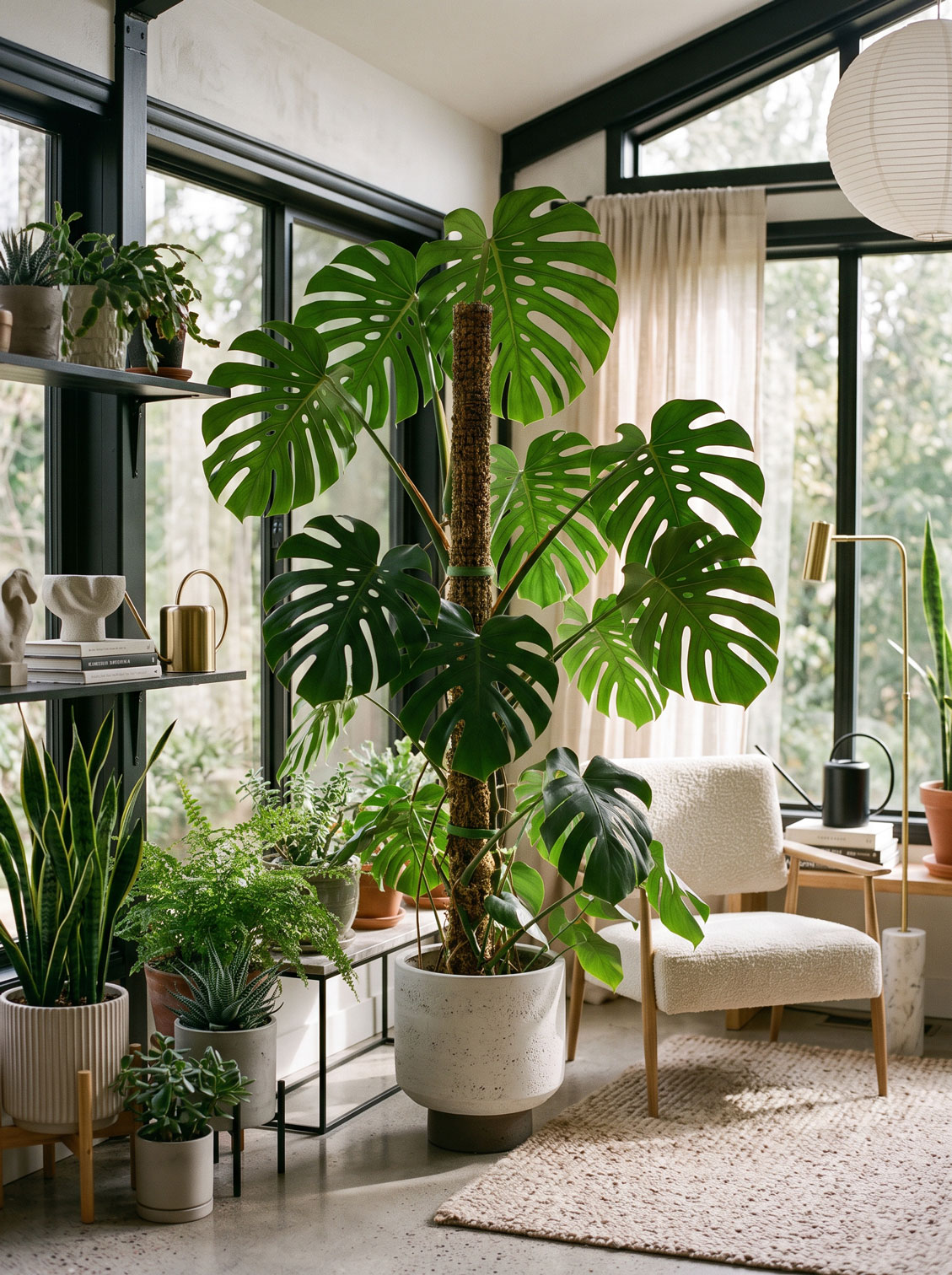
Few houseplants make quite the same statement as a Monstera. Those enormous, glossy leaves with their dramatic splits and holes can transform an ordinary corner into something that feels almost tropical. Despite its impressive size, Monstera is surprisingly easy to propagate once you know where to make the cut. In fact, propagating a large plant is a great way to control its size while creating smaller plants for other rooms.
Look for a healthy section of stem containing at least one node, which is the slightly swollen area where leaves and aerial roots emerge. Make a clean cut below the node, then place the cutting in water with the node submerged and the leaf above the surface. Keep the jar somewhere warm with bright, indirect light and replace the water regularly. Once a healthy network of roots develops, transfer the cutting into a chunky, well-draining potting mix. Just remember that a Monstera leaf without a node won’t grow into a complete new plant.
10. Peperomia (Peperomia spp.)
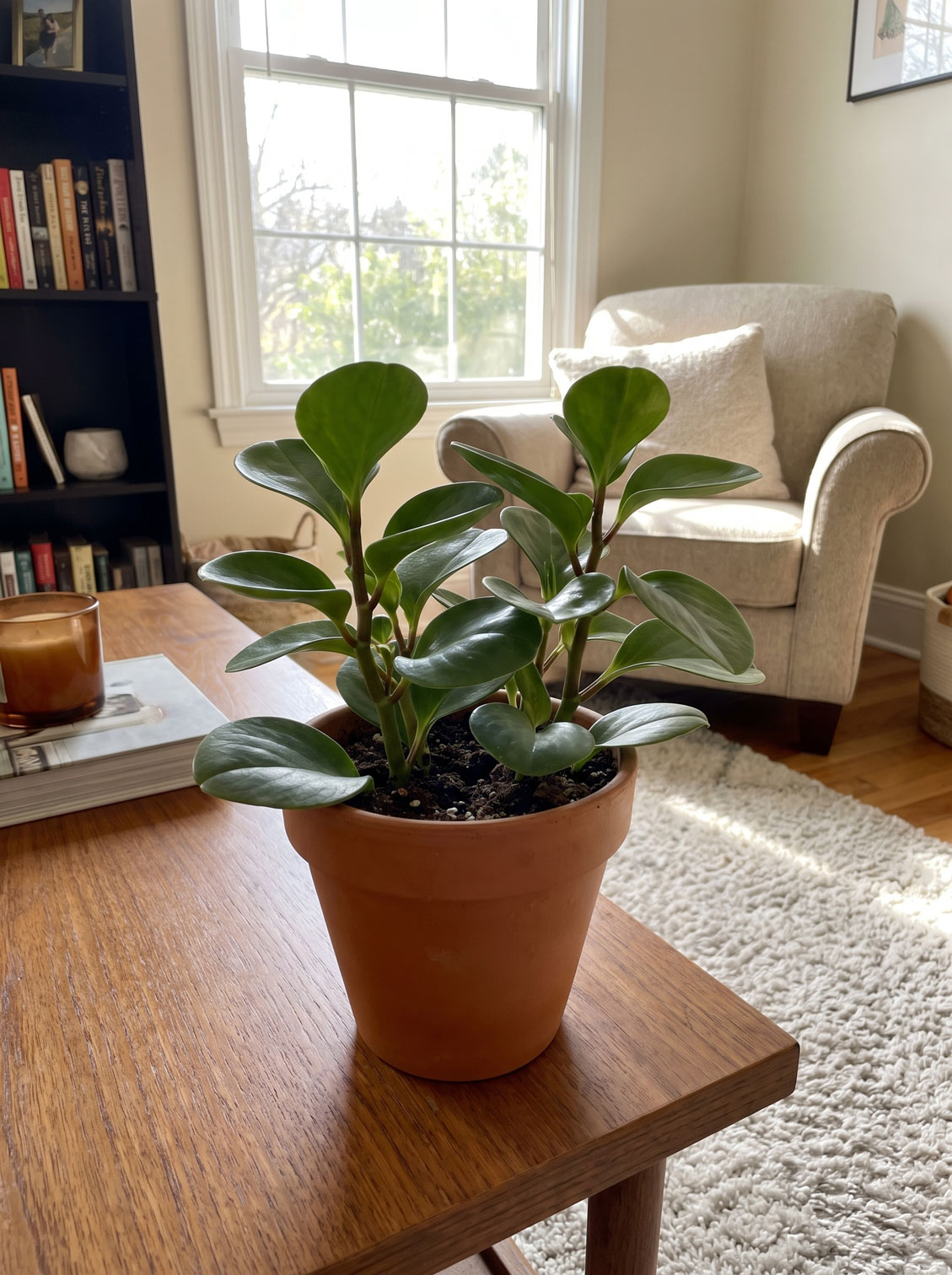
Peperomia is a wonderfully diverse group of houseplants, with varieties featuring everything from thick, rounded leaves to beautifully textured foliage with silver stripes. Most stay relatively compact, making them perfect for crowded windowsills, bookshelves, and smaller indoor spaces. Their interesting foliage also makes them especially appealing during winter when I’m looking for something green to brighten up the house.
The best propagation method depends on the variety. Baby Rubber Plants can be propagated from healthy stem cuttings, while varieties such as Watermelon Peperomia can grow from leaves with their stalks attached. Insert the cutting into a lightly moist potting mix and place it somewhere warm with bright, indirect light. Because many Peperomias store moisture in their fleshy leaves and stems, avoid keeping the soil soaking wet. New growth can be slow during winter, but those tiny emerging leaves are well worth the wait.
11. Polka Dot Plant (Hypoestes phyllostachya)
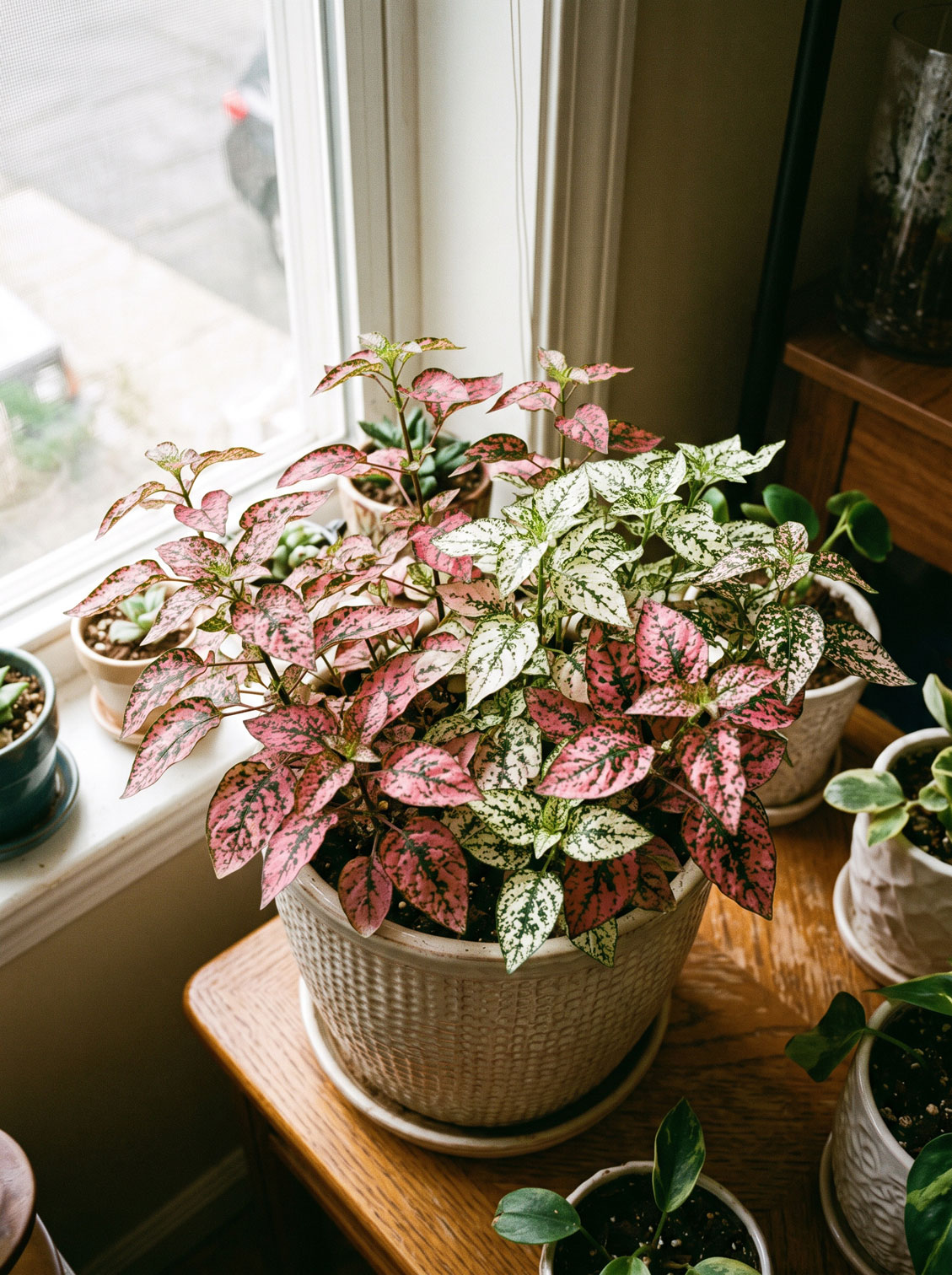
If your indoor plant collection could use a little colour, the Polka Dot Plant is an easy choice. Its leaves are splashed with pink, red, white, or cream markings, making it look almost as though someone has taken a paintbrush to the foliage. These cheerful little plants grow quickly under the right conditions, but they can become leggy when indoor light is limited. Fortunately, those longer stems are perfect for starting new plants.
Snip a healthy stem just below a node, remove the bottom leaves, and place the cutting in a small glass of water or directly into moist potting soil. Roots can appear relatively quickly when the cuttings are kept warm, although supplemental lighting helps during the darkest winter months. Once your new plant is established, pinch back the growing tips to encourage a fuller, bushier appearance. Rather than throwing those trimmed stems away, you can root them too.
12. Pothos (Epipremnum aureum)
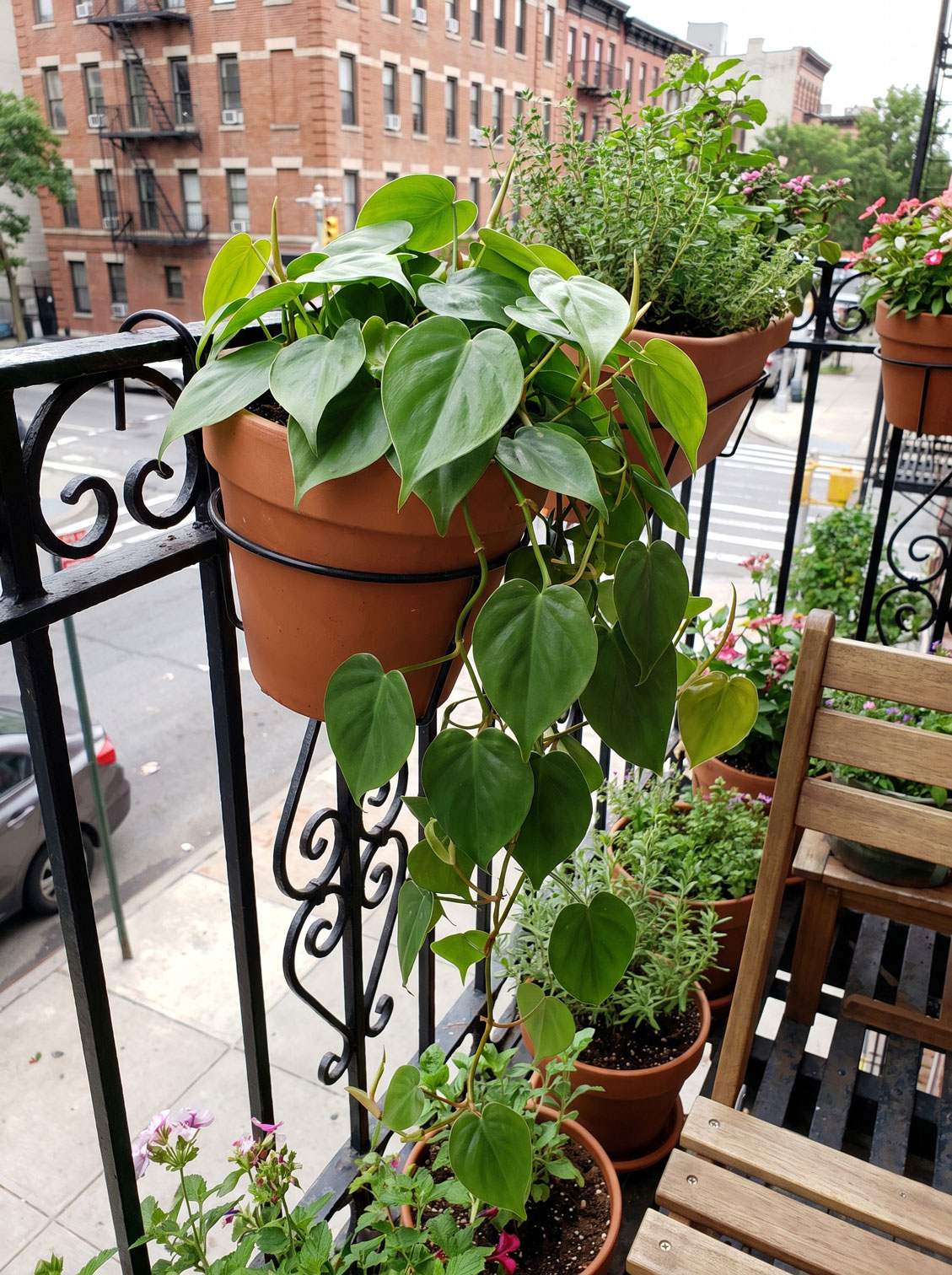
Pothos might be the ultimate beginner-friendly houseplant to propagate. Its heart-shaped leaves and long trailing vines look beautiful hanging from shelves, climbing a support, or spilling over the edges of a decorative pot. It’s also one of those plants that can quickly become a little too long for its own good, which makes propagation the perfect excuse to give it a trim.
Cut a healthy vine into sections, making sure each piece includes at least one node. Remove any leaves that would sit underwater, then place the nodes in a glass of clean water somewhere with bright, indirect light. Change the water regularly, and roots may begin appearing within a couple of weeks under favourable conditions. Once they’ve grown a few inches long, transfer the cuttings into potting soil. I like planting several rooted cuttings together to create a fuller plant almost immediately.
13. Rex Begonia (Begonia Rex Cultorum Group)
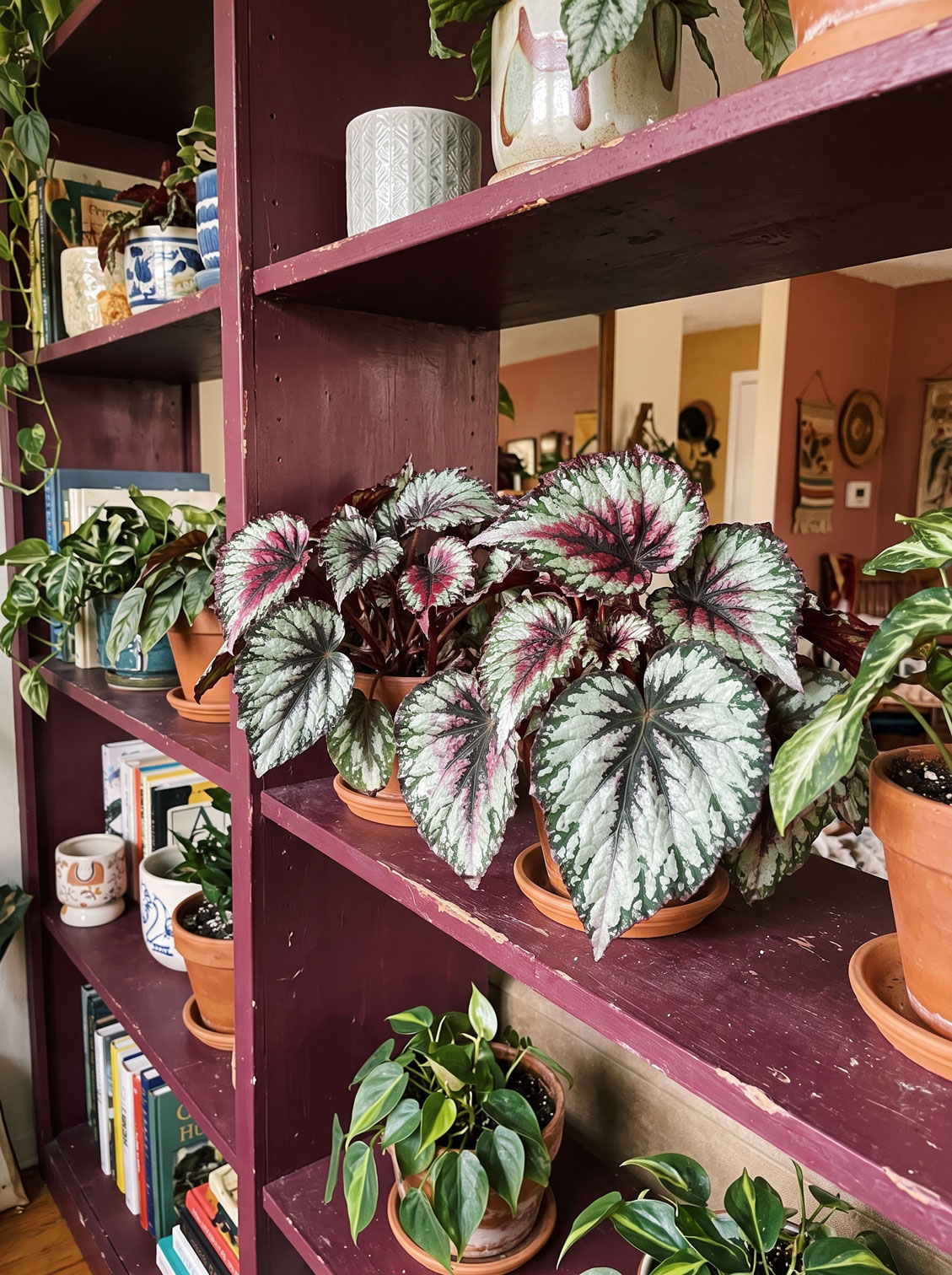
Rex Begonias are grown primarily for their extraordinary foliage, and it’s easy to understand why. Their leaves can feature dramatic spirals, metallic silver patterns, deep burgundy tones, and shades of pink that almost seem too colourful to be real. They’re one of those houseplants that can steal the show without producing a single flower. Even more interesting is the fact that you can grow an entirely new Rex Begonia from a section of its leaf.
Choose a healthy, mature leaf and remove it from the plant. Cut it into wedges, making sure each piece contains part of a prominent vein, then insert the cut edges into a lightly moist propagation mix. You can also make small cuts across the main veins on the underside of a whole leaf and pin it flat against the soil. Keep the cuttings warm and humid with bright, indirect light, using a clear propagation container if necessary. Tiny new plants may begin forming after several weeks or longer, making this one of the most fascinating propagation projects on the list.
14. Snake Plant (Dracaena trifasciata)
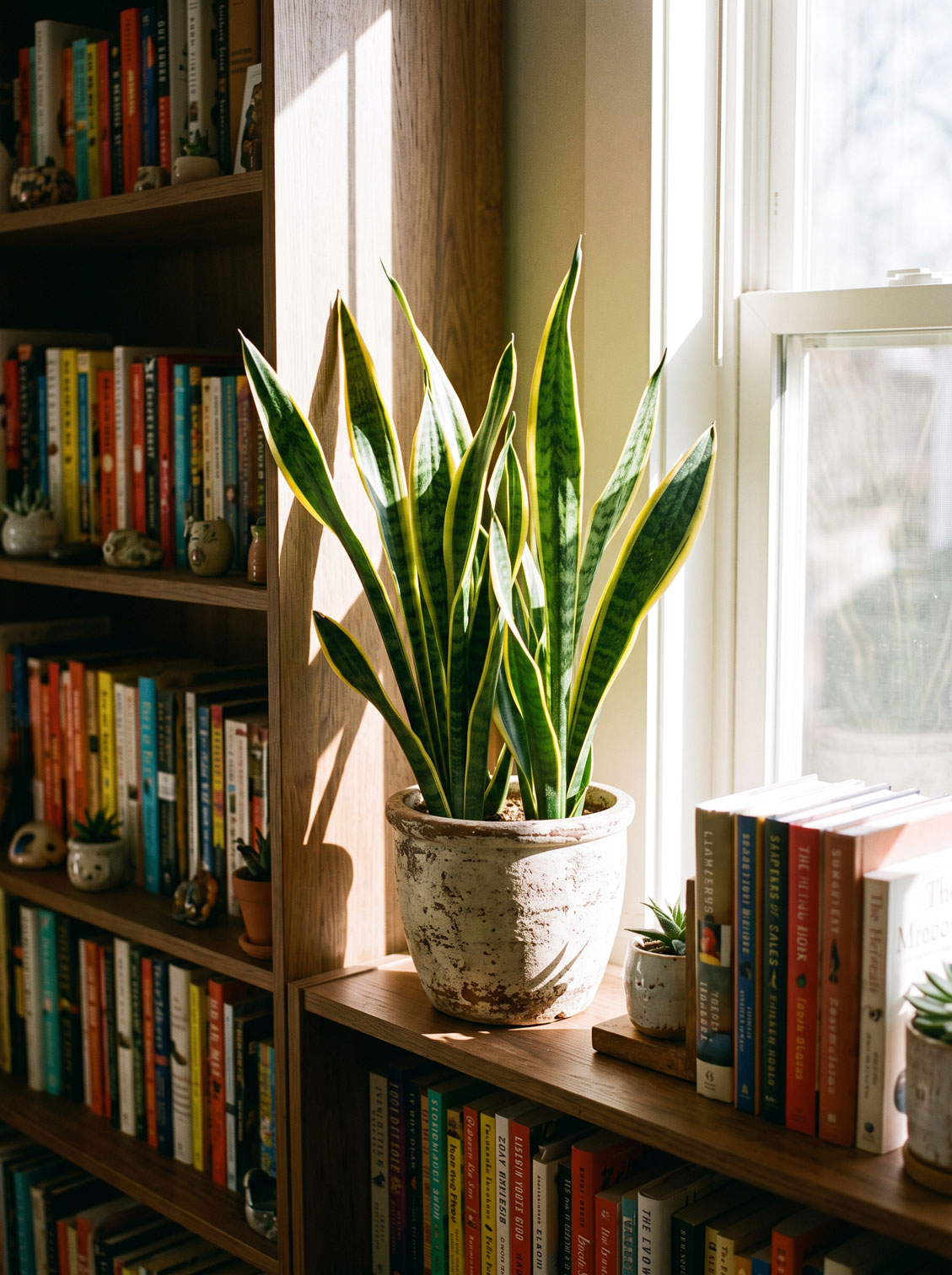
Snake Plants are famous for their tall, sword-like leaves and remarkable ability to tolerate less-than-perfect growing conditions. They’re a favourite for bedrooms, offices, and just about anywhere that could use a little greenery. What makes them particularly interesting is that you can grow new Snake Plants from sections of a single leaf. It’s a fun experiment, although I wouldn’t recommend it to anyone who’s expecting quick results.
Cut a healthy leaf near its base, then divide it into sections several inches long. Make sure you remember which end of each piece was originally pointing downward, since Snake Plant cuttings need to be planted in the correct orientation. Allow the cut ends to dry before inserting them into well-draining potting mix. Roots can take weeks or months to develop, and new shoots may take even longer during winter. If you’re propagating a yellow-edged variegated variety, keep in mind that leaf cuttings often lose their yellow margins. Dividing the underground rhizomes is the better option for preserving those markings.
15. Spider Plant (Chlorophytum comosum)
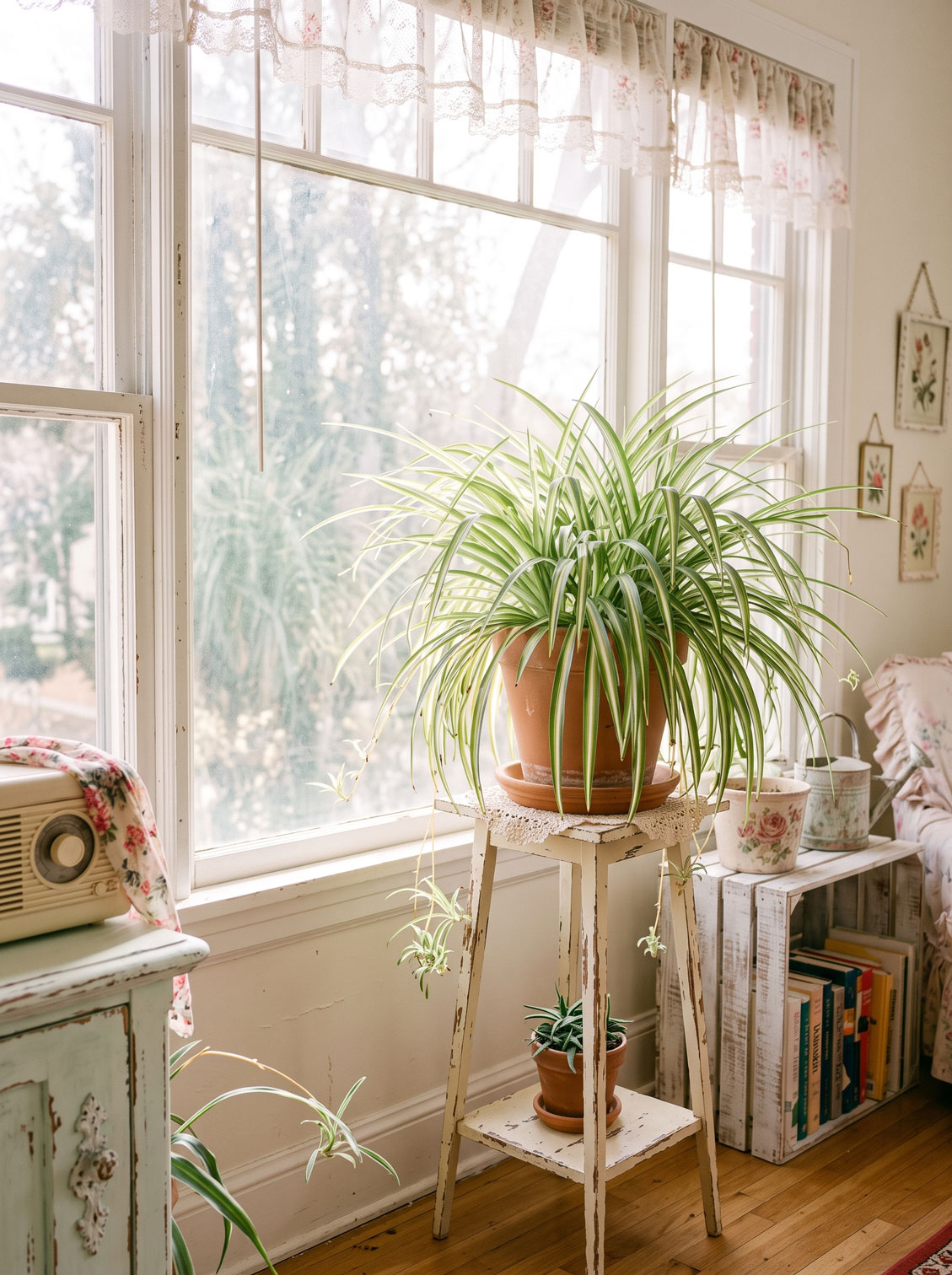
Spider Plants are practically built for propagation. Mature plants often produce long arching stems with tiny baby plants dangling from the ends, making it look as though they’re growing miniature versions of themselves. These little spiderettes are one of the easiest ways to multiply a houseplant, and they’re particularly rewarding for beginners who want to see results without too much fuss.
Choose a plantlet that already has small root bumps forming at its base and place it in water or lightly moist potting soil. You can even leave the baby attached to the parent plant while it develops roots in a nearby pot, then snip the connecting stem once it’s established. Keep the young plant somewhere warm with bright, indirect light. Before long, you may find yourself with more Spider Plants than you know what to do with, which isn’t necessarily a bad problem to have!
Tips for Propagating Houseplants Successfully During Winter
Winter propagation is a little different from taking cuttings during spring and summer. The shorter days and weaker sunlight mean plants generally grow more slowly, and their roots may take longer to develop. Fortunately, a few simple adjustments can make a big difference.
- Provide plenty of light. Place cuttings somewhere with bright, indirect sunlight, or use an LED grow light if your windows don’t receive enough natural light.
- Keep temperatures consistent. Most tropical houseplants appreciate temperatures around 65 to 75°F (18 to 24°C). Keep cuttings away from cold windows, exterior doors, and chilly drafts.
- Avoid overwatering. Soil stays wet longer during winter, especially when plants aren’t actively growing. Keep propagation mixes appropriately moist without allowing them to become waterlogged.
- Start with healthy cuttings. Choose strong stems and leaves without signs of pests, disease, or damage. Always use clean scissors or pruning shears.
- Use smaller containers. Small pots are easier to manage because they don’t hold excessive amounts of wet soil around developing roots.
- Be patient. Pothos and Tradescantia may root fairly quickly, while ZZ Plants, Jade Plants, and Snake Plants can take several months to establish.
I also recommend checking your cuttings regularly without constantly disturbing them. It’s tempting to pull a cutting out of the soil to see whether roots have appeared, but doing so can damage the delicate new growth you’re waiting for.
Is It Better to Propagate Houseplants in Water or Soil?
I have a soft spot for water propagation because I love watching those first little white roots begin to develop. It’s also reassuring to see exactly what’s happening beneath the surface, especially when winter growth is slow. Plants like Pothos, Tradescantia, and Monstera are particularly well suited to rooting in water, making them wonderful choices for beginners.
Soil propagation is often better for succulents, including Jade Plants, and for leaf propagation projects involving African Violets and Rex Begonias. It allows roots to establish directly in the medium where the plant will continue growing, without requiring a transition from water to soil. Neither method is universally better, so I like choosing whichever approach works best for the particular houseplant.
Keep Growing, Even When It’s Snowing
One of the things I love most about houseplants is that they keep gardening within reach all year long. Even when the outdoor beds are frozen and spring feels months away, there’s always something you can grow on a windowsill. You don’t need an elaborate indoor growing setup either. A few cuttings, some recycled glass jars, and a reasonably bright location are often enough to get started.
If you’re new to propagation, I’d begin with Pothos, Tradescantia, or Spider Plants. They’re forgiving, rewarding, and a great way to build confidence before experimenting with slower plants like ZZ Plants and Snake Plants. By the time spring arrives, you might have an entire collection of new houseplants ready to display around your home or share with friends. And really, is there a better way to make the winter months go by a little faster?