

Before you empty the patio pots or say goodbye to that spectacular coleus, reach for your pruners. Some of next year’s best plants could be growing in your garden already.
Taking cuttings is a satisfying way to save favorite colors, preserve a treasured plant, and stretch your gardening budget. A few small pots also take up considerably less winter space than a collection of overflowing hanging baskets.
The trick is matching the cutting to the season. Tender plants need attention before frost, semi-ripe cuttings come from stems beginning to firm up, and dormant hardwood cuttings are taken after leaf fall.
Start with clean pruners, healthy plants, labelled pots with drainage holes, and fresh propagation mix. For leafy stem cuttings, remove flowers and any leaves that would sit below the water or growing medium. A node is the point where a leaf or bud joins the stem; make your lower cut just beneath one.
Ready to give a little piece of summer a second season?
1. Coleus (Coleus scutellarioides)
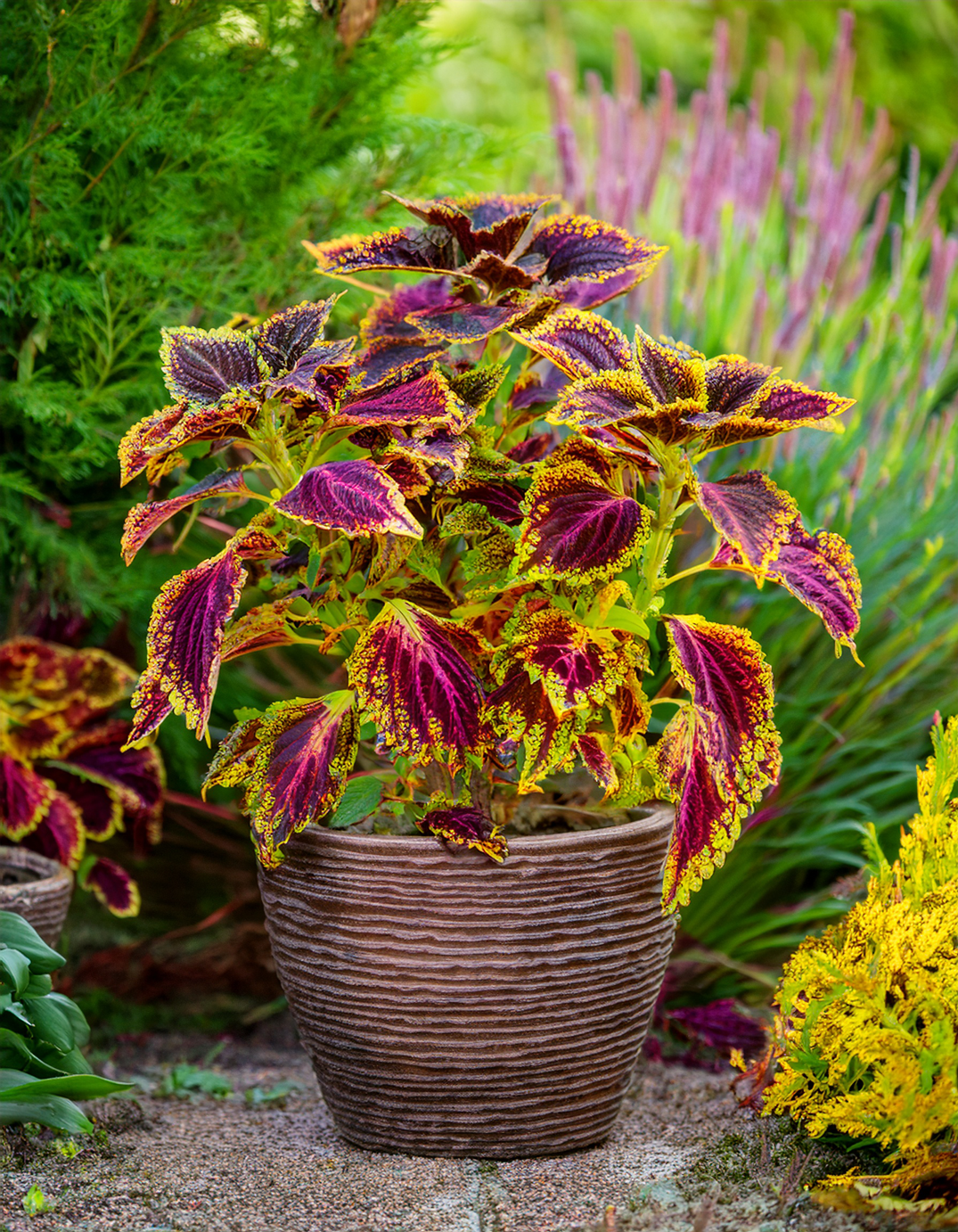
If you have never taken a cutting before, start with coleus. Its wonderfully colourful foliage makes every successful little plant feel like a prize, whether you are saving a lime-green showstopper or a favourite burgundy ruffle.
Take cuttings while the parent plant is still healthy and growing, before chilly weather spoils the leaves. Coleus roots readily in water, making it especially fun to watch on a bright windowsill.
🌿 Coleus Propagation Chart
| Propagation detail | What to do |
|---|---|
| 🍂 When | Late summer or early fall, before frost. |
| ✂️ Cutting | A 4–6-inch healthy, non-flowering stem tip. |
| 🪴 Rooting method | Water or moist, airy propagation mix. |
| ☀️ Conditions | Warmth and bright, indirect light. |
| 💡 Propagation tip | Keep lower nodes submerged when using water, with all leaves above the surface. |
Once water-grown roots are about an inch long, pot the cutting into a small container. After it establishes, pinch the growing tip to encourage a fuller plant.
2. Geraniums (Pelargonium spp. and hybrids)
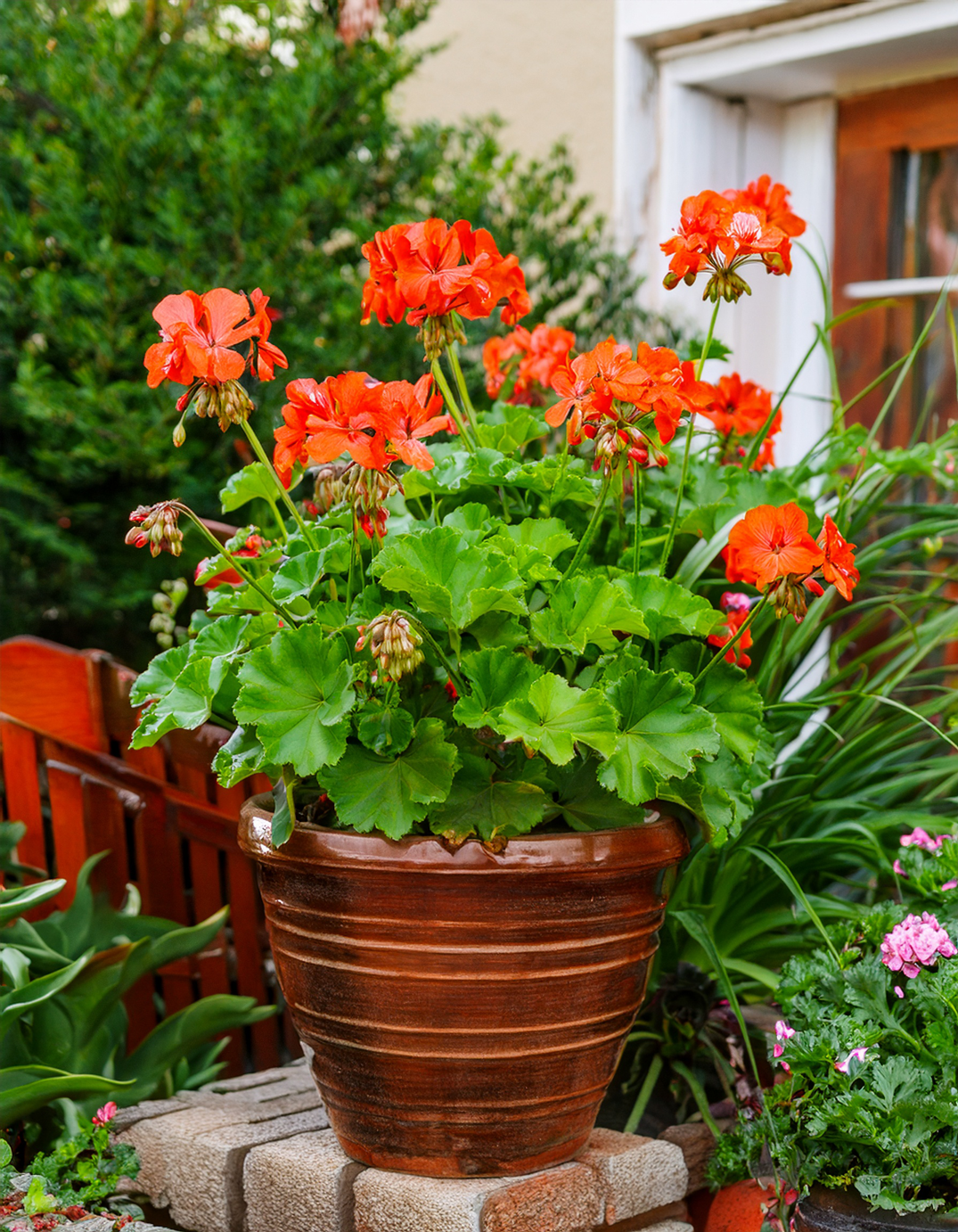
Those cheerful geraniums that carried your containers through summer deserve an encore. The bedding plants commonly called geraniums are pelargoniums, and cuttings are a practical way to carry them through winter.
Choose fresh, healthy shoots rather than thick, old stems. Small rooted plants are easier to accommodate indoors and can provide vigorous growth for next year’s pots.
🌿 Geranium Propagation Chart
| Propagation detail | What to do |
|---|---|
| 🍂 When | Late summer to early fall, before frost. |
| ✂️ Cutting | A 3–5-inch shoot with a few healthy upper leaves. |
| 🪴 Rooting method | Insert into free-draining propagation mix. |
| ☀️ Conditions | Bright, indirect light and good airflow. |
| 💡 Propagation tip | Remove flower buds and avoid keeping the mix constantly wet. |
Propagation tips: Leave pots uncovered to reduce the risk of mildew. Once rooted, give the plants plenty of light and water sparingly through winter, adjusting to how quickly the mix dries.
3. Fuchsia (Fuchsia spp. and hybrids)
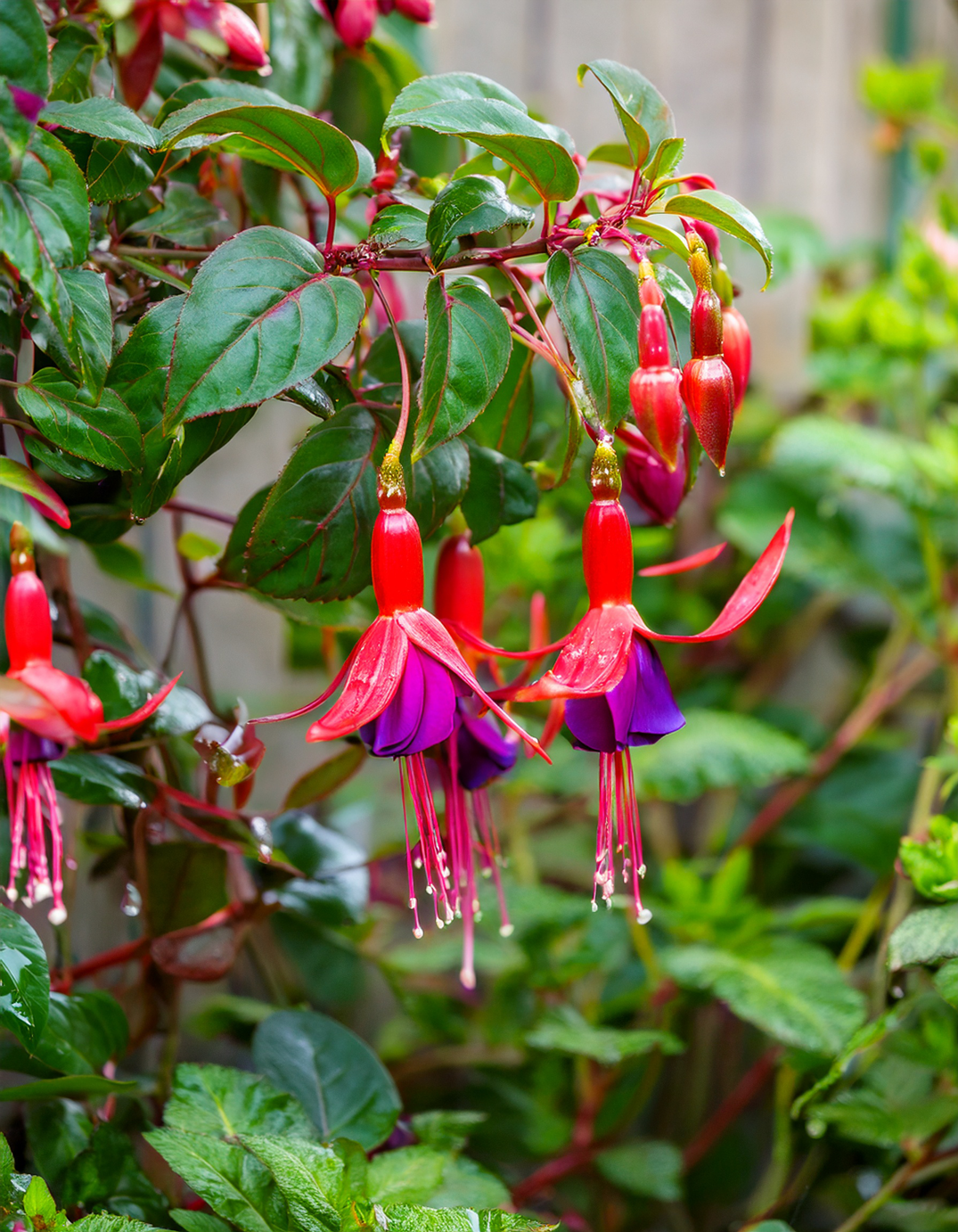
A fuchsia dripping with pink, purple, or white flowers can be hard to part with when summer ends. Taking a few cuttings is particularly worthwhile when you have a cultivar you would struggle to find again.
Look beneath the flowers for healthy growing shoots. Fuchsias can root from soft tips while suitable growth is available, and semi-ripe cuttings are another option from midsummer into early autumn.
🌿 Fuchsia Propagation Chart
| Propagation detail | What to do |
|---|---|
| 🍂 When | Late summer or early fall, while healthy shoots remain. |
| ✂️ Cutting | A 2–4-inch non-flowering tip with several nodes. |
| 🪴 Rooting method | Moist propagation mix; soft tips can also root in water. |
| ☀️ Conditions | Bright, indirect light with protection from cold. |
| 💡 Propagation tip | Remove buds, including small ones tucked into leaf joints. |
Propagation tips: A clear cover can help leafy cuttings in mix retain moisture; ventilate it regularly. Once the cutting roots and resumes growth, pinch the tip to encourage branching.
4. Salvia (Salvia spp. and hybrids)
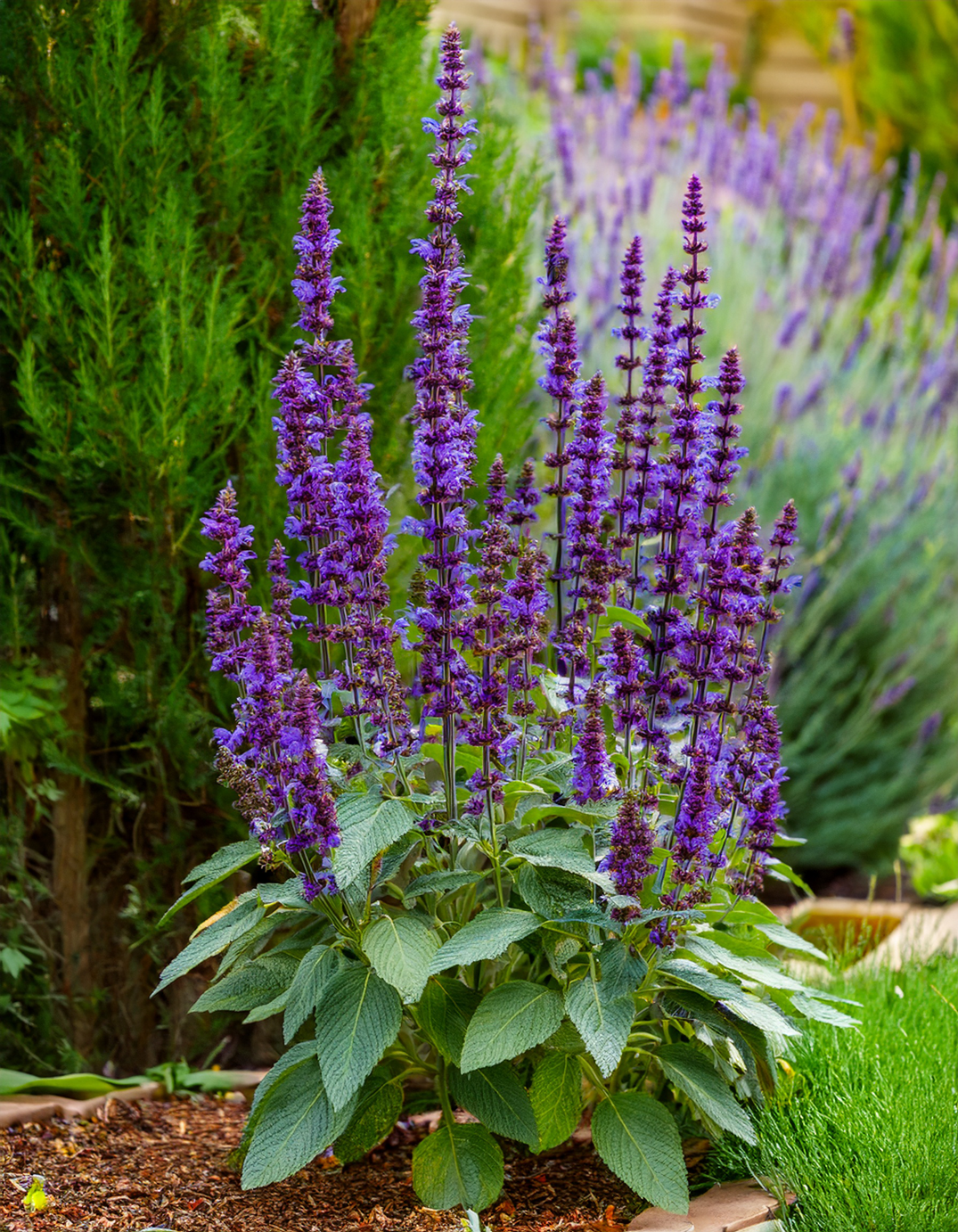
If the hummingbirds have been enjoying your tender salvias all summer, save a few stems for next year’s visitors. Favourites such as ‘Black and Blue’ and ‘Amistad’ make this a particularly rewarding fall project.
Choose shoots without flowers, with bases beginning to firm up. Early autumn offers an opportunity for semi-ripe cuttings, but take them before cold weather damages the plant.
🌿 Salvia Propagation Chart
| Propagation detail | What to do |
|---|---|
| 🍂 When | Late summer to early fall, before frost. |
| ✂️ Cutting | A 3–5-inch non-flowering shoot with a slightly firm base. |
| 🪴 Rooting method | Airy propagation mix; rooting hormone is optional. |
| ☀️ Conditions | Warm, sheltered conditions and bright, indirect light. |
| 💡 Propagation tip | Choose side shoots without flower spikes whenever possible. |
Propagation tips: Keep the medium lightly moist. A ventilated humidity cover can help prevent wilting, but remove any fallen leaves promptly. Overwinter rooted tender salvias somewhere bright and frost-free.
5. English Ivy (Hedera helix)
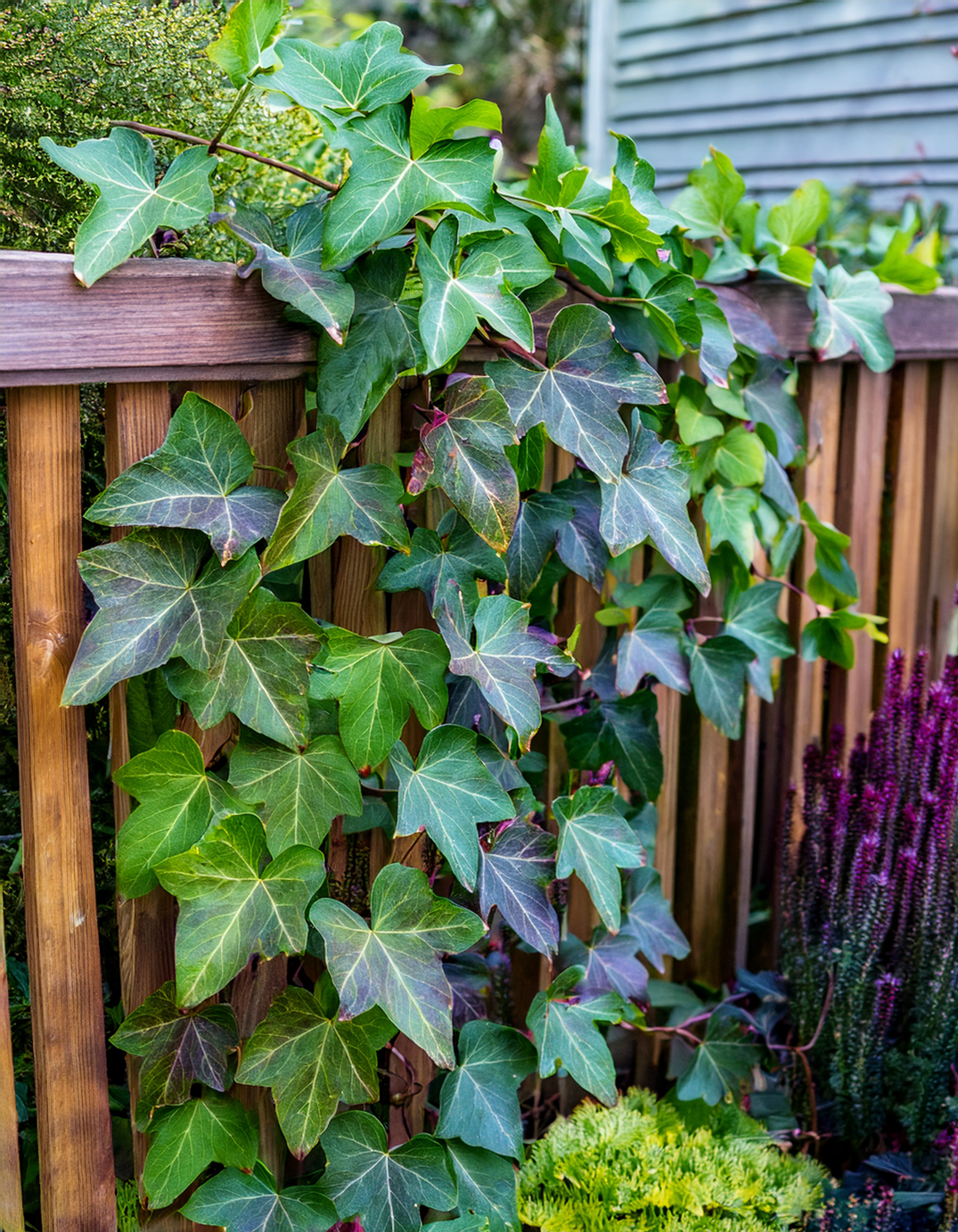
English ivy brings a different kind of beauty to the propagation shelf: trailing stems, sculpted leaves, and, in some cultivars, creamy variegation.
Young, leafy shoots are useful cutting material. Keep your new plants as contained houseplants; English ivy can spread aggressively outdoors and is invasive in parts of North America.
🌿 English Ivy Propagation Chart
| Propagation detail | What to do |
|---|---|
| 🍂 When | Late summer to early fall. |
| ✂️ Cutting | A 4–6-inch young, non-flowering vine section. |
| 🪴 Rooting method | Moist, free-draining propagation mix. |
| ☀️ Conditions | Bright, indirect light with humidity and ventilation. |
| 💡 Propagation tip | Bury the lowest leafless node and keep upper leaves clear of the mix. |
Propagation tips: Choose shoots displaying the foliage pattern you want to preserve. Several rooted cuttings planted together will give a small pot a fuller appearance.
6. Sweet Potato Vine (Ipomoea batatas)
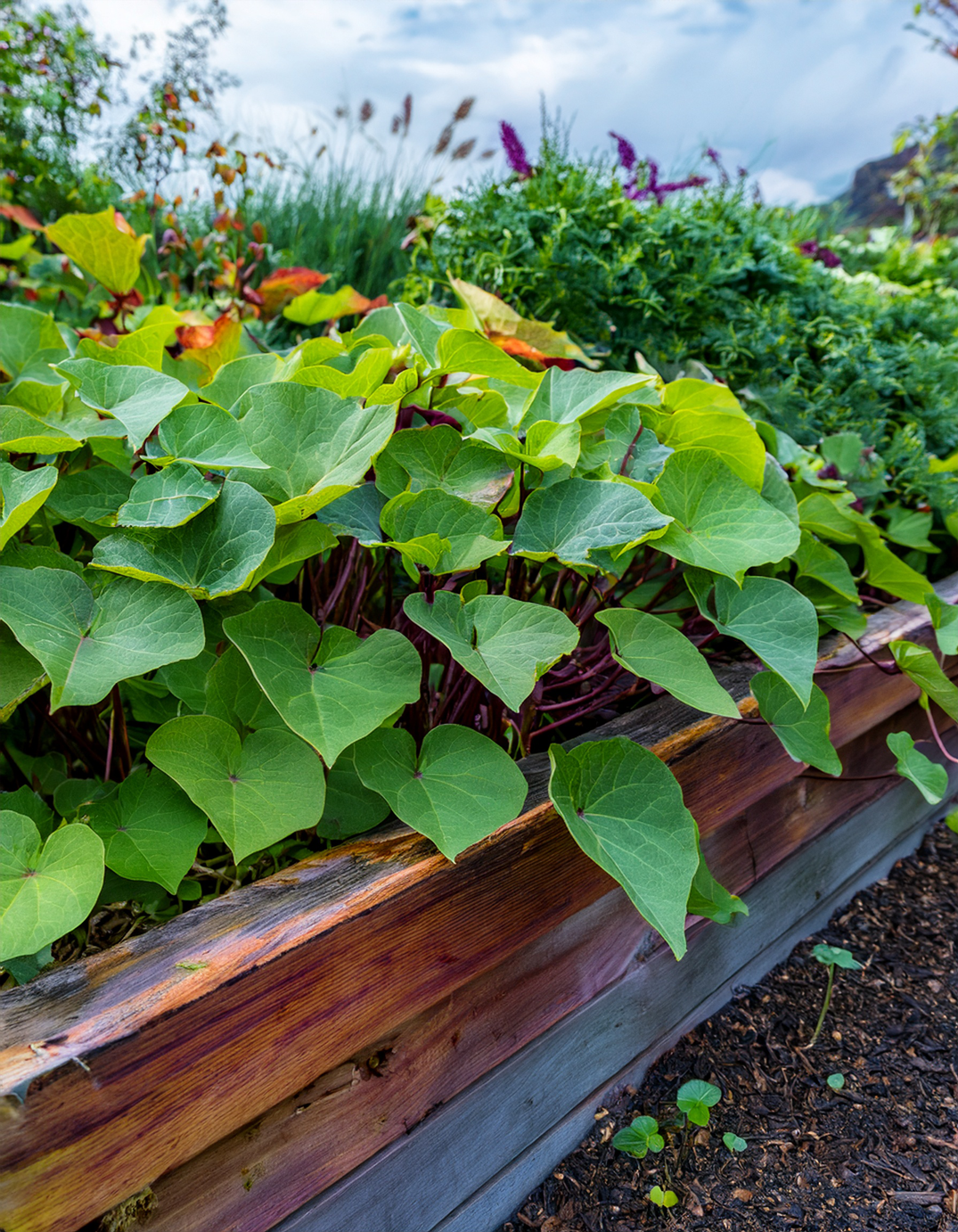
That waterfall of chartreuse or deep-purple foliage spilling from your summer containers is surprisingly easy to save. A few short pieces of sweet potato vine can become manageable little plants for winter windowsills.
Take healthy vine tips before frost. This ornamental favourite is among the annual container plants that root readily from cuttings.
🌿 Sweet Potato Vine Propagation Chart
| Propagation detail | What to do |
|---|---|
| 🍂 When | Before frost, while foliage is healthy. |
| ✂️ Cutting | A 4–6-inch vine tip with several nodes. |
| 🪴 Rooting method | Water or moist propagation mix. |
| ☀️ Conditions | Warm indoor conditions and bright light. |
| 💡 Propagation tip | Strip lower leaves so they cannot rot in the water or mix. |
Propagation tips: Pot up water-rooted cuttings once they develop a small root system. Give overwintering plants strong light and trim sprawling growth as needed to keep them manageable.
7. Begonias (Begonia spp. and hybrids)
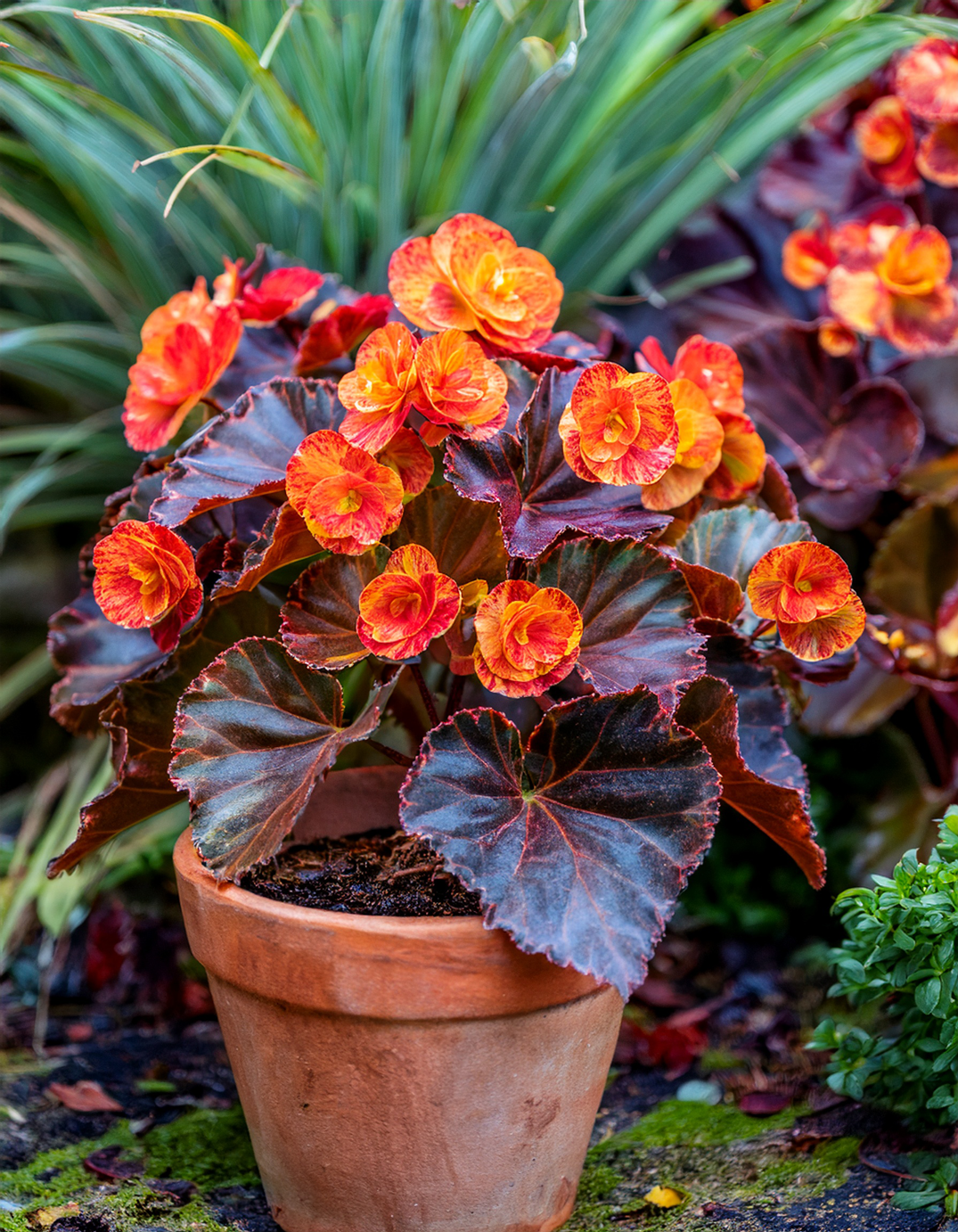
Begonias offer enough variety to turn one propagation project into a collection. Cane begonias bring spotted leaves and striking shapes, while growing rex begonias offer swirls of silver, plum, pink, and green.
Match your method to the plant. Many cane and fibrous begonias grow from stem cuttings; rex begonias can produce new plants from leaf cuttings or sections containing a main vein.
🌿 Begonia Propagation Chart
| Propagation detail | What to do |
|---|---|
| 🍂 When | Before frost outdoors; healthy indoor plants offer more flexibility. |
| ✂️ Cutting | A 3–4-inch stem for cane/fibrous types; a healthy leaf for rex types. |
| 🪴 Rooting method | Use airy mix; place rex leaf sections with a cut vein contacting the medium. |
| ☀️ Conditions | Warmth, indirect light, and gentle humidity. |
| 💡 Propagation tip | Cane begonias need a stem node; a detached leaf alone usually will not make a new plant. |
Propagation tips: Keep leaves from sitting on soggy mix. Rex leaf propagation takes patience because roots and new plantlets develop in stages.
8. Rosemary (Salvia rosmarinus)
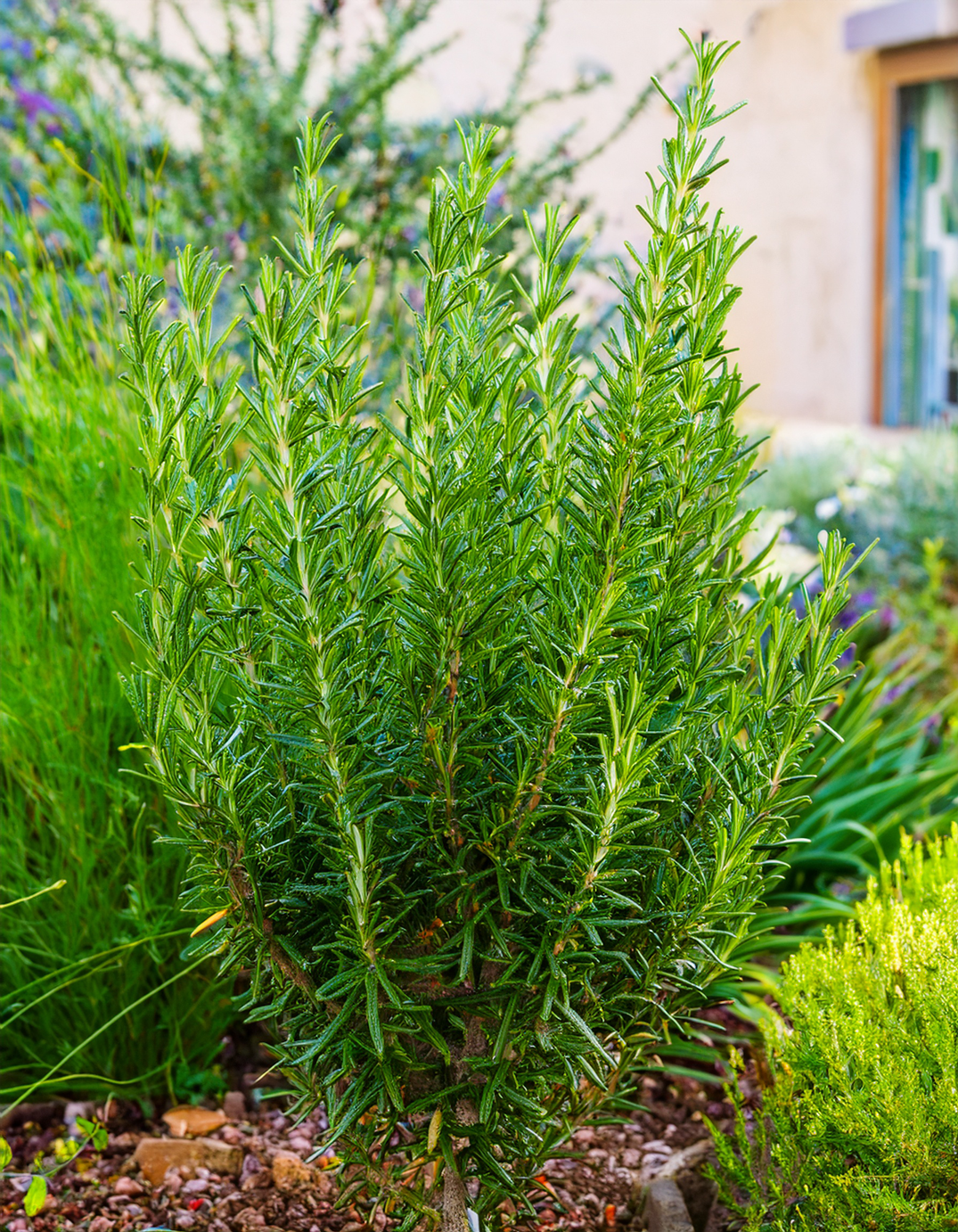
A little rosemary on the windowsill keeps the garden feeling close, even when the weather turns. Taking cuttings also gives you a way to preserve a particularly fragrant or well-shaped plant through an Ontario winter.
Choose this season’s shoots with firming bases, avoiding thick, old wood. Rosemary’s current scientific name is Salvia rosmarinus, though you may still see Rosmarinus officinalis on labels.
🌿 Rosemary Propagation Chart
| Propagation detail | What to do |
|---|---|
| 🍂 When | Late summer to early fall. |
| ✂️ Cutting | A 3–4-inch non-flowering, semi-ripe shoot. |
| 🪴 Rooting method | Propagation mix with added perlite or horticultural grit. |
| ☀️ Conditions | Bright, indirect light while rooting; stronger light once established. |
| 💡 Propagation tip | Strip lower needles carefully and keep the medium barely moist. |
Propagation tips: Take several cuttings and give them time. Resist repeatedly pulling them out to check for roots, and postpone harvesting until the new plants are growing well.
9. Lavender (Lavandula spp. and hybrids)
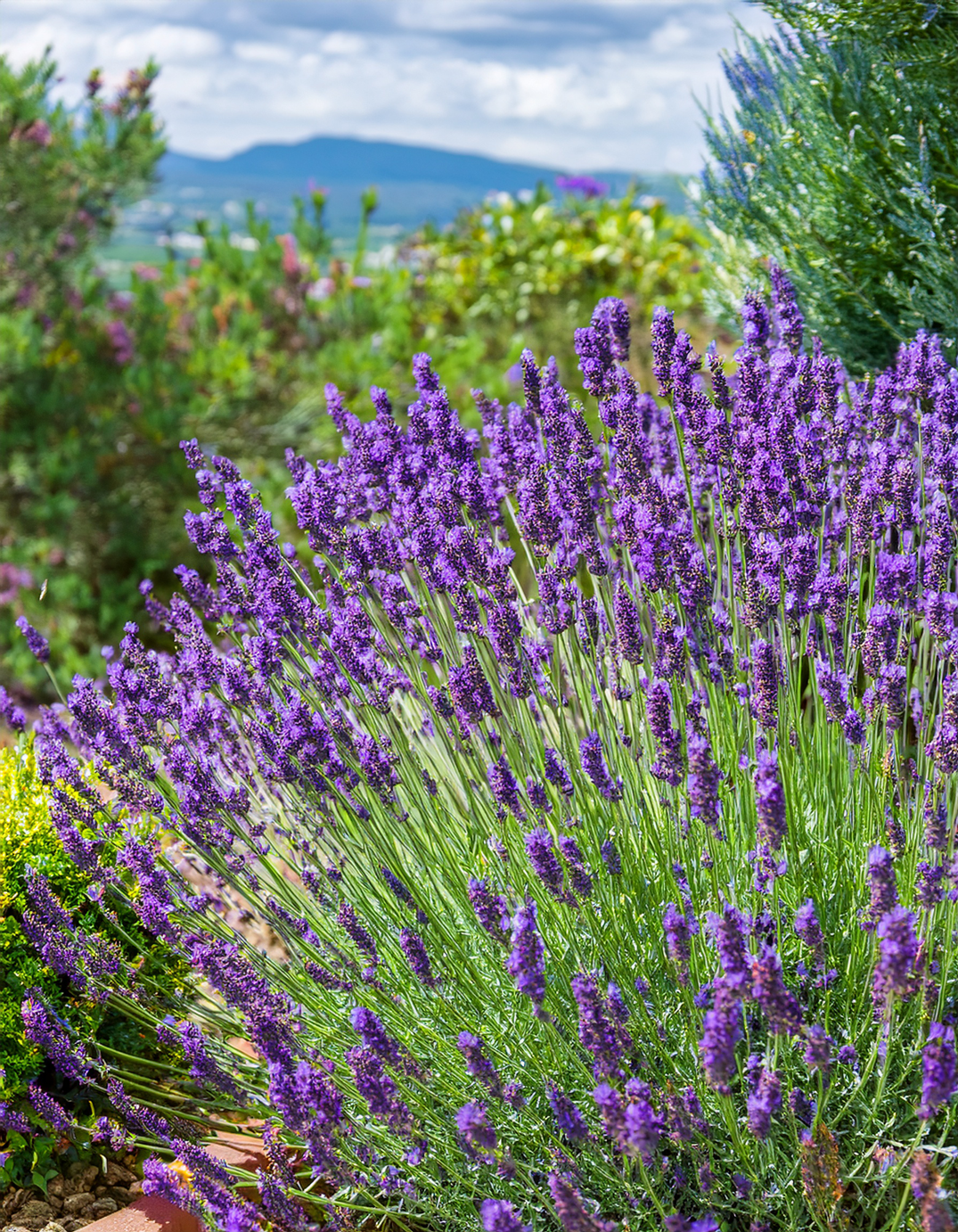
A few lavender cuttings can be the beginning of a fragrant path edging or a new collection of patio pots. Propagating a favourite plant also helps preserve the flower colour and growth habit you already love.
Late summer into early fall can provide suitable semi-ripe shoots. Choose short, leafy growth with a firming base, and avoid flower stalks.
🌿 Lavender Propagation Chart
| Propagation detail | What to do |
|---|---|
| 🍂 When | Late summer or very early fall, while suitable shoots remain. |
| ✂️ Cutting | A 3–4-inch non-flowering shoot. |
| 🪴 Rooting method | A gritty, free-draining propagation mix. |
| ☀️ Conditions | Bright, sheltered conditions with good ventilation. |
| 💡 Propagation tip | Use leafy current-season growth rather than bare, old branches. |
Propagation tips: Keep the mix lightly moist without saturating it. Protect young plants through their first winter; even a hardy lavender variety is more vulnerable as a tiny plant in a small pot.
10. Hydrangea (Hydrangea spp.)
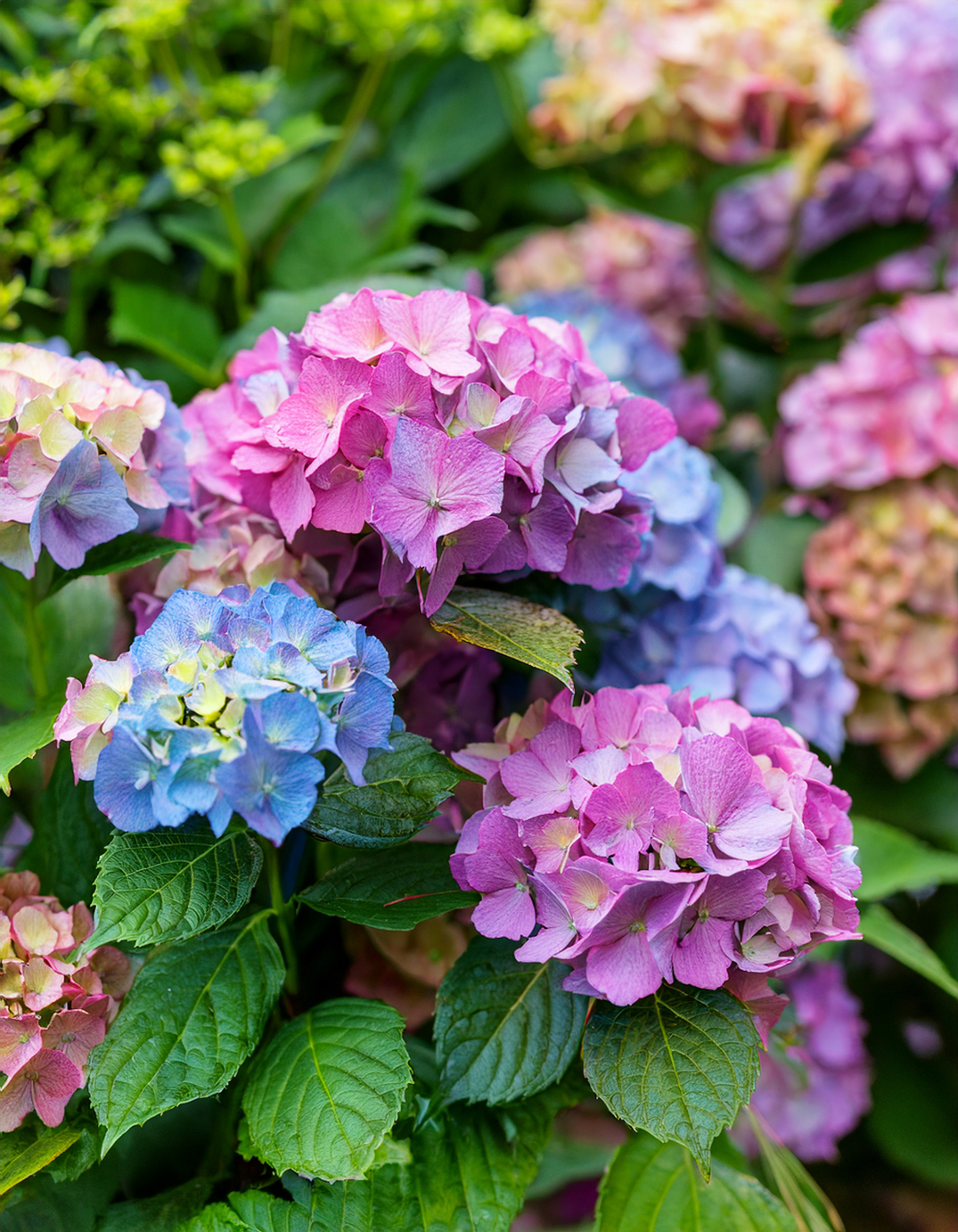
One beautiful hydrangea has a way of making you imagine an entire border. Cuttings let you begin that project on a smaller budget.
Early-fall semi-ripe cuttings are worth trying while stems and leaves remain healthy. September success depends on your climate, the species, and the maturity of the shoots; summer is often an easier rooting window.
🌿 Hydrangea Propagation Chart
| Propagation detail | What to do |
|---|---|
| 🍂 When | Late summer to early fall, before leaf decline. |
| ✂️ Cutting | A 4–6-inch non-flowering stem with several nodes. |
| 🪴 Rooting method | Moist, airy propagation mix; rooting hormone may help. |
| ☀️ Conditions | Indirect light beneath a ventilated humidity cover. |
| 💡 Propagation tip | Remove lower leaves and halve very large upper leaves to reduce water loss. |
Propagation tips: Keep foliage from touching the cover. Smooth, panicle, and bigleaf hydrangeas can be propagated from stems, but rooting speed varies. Protect newly rooted plants from severe winter cold.
11. Rose (Rosa spp. and hybrids)

Some roses are worth keeping for more than their flowers. Perhaps yours came from a family garden, has an unforgettable fragrance, or blooms beside your favourite place to sit.
Fall cuttings offer a way to carry that connection forward. Semi-ripe shoots can be tried earlier in the season; once plants are dormant, hardwood cuttings provide another route, with roots often developing the following spring.
🌿 Rose Propagation Chart
| Propagation detail | What to do |
|---|---|
| 🍂 When | Early fall for semi-ripe shoots; after leaf fall for hardwood. |
| ✂️ Cutting | About 6 inches for semi-ripe growth; 8–12 inches for hardwood. |
| 🪴 Rooting method | Free-draining medium; rooting hormone may improve results. |
| ☀️ Conditions | Humid, indirect light for leafy cuttings; cool protection for dormant ones. |
| 💡 Propagation tip | On grafted plants, select stems above the graft union. |
Propagation tips: Take several cuttings because success varies considerably by rose. A cutting grows on its own roots, so its vigour and performance may differ from those of the grafted parent.
12. Weigela (Weigela florida and hybrids)
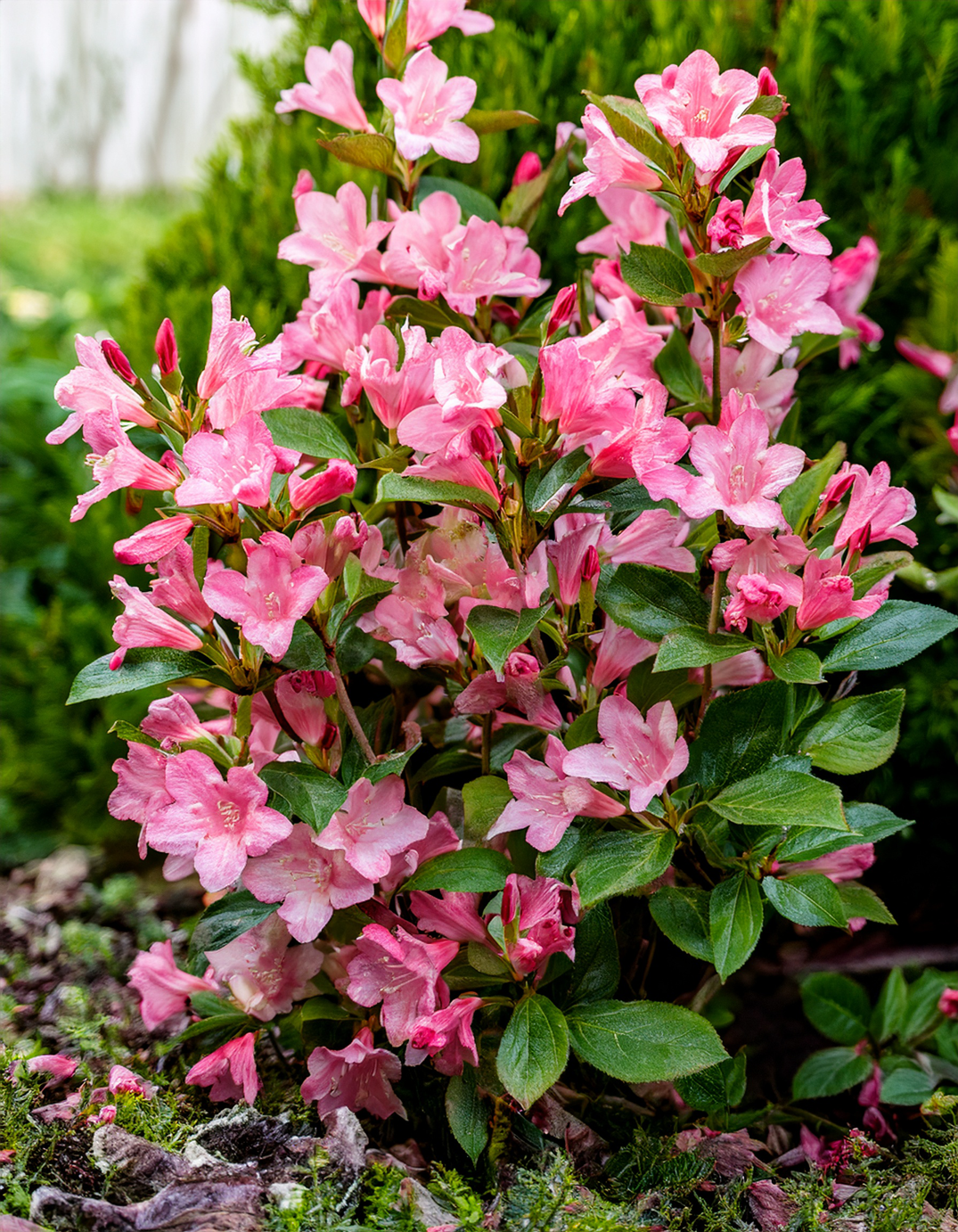
Weigela earns its space with generous flowers and, in many cultivars, foliage that stays interesting long after blooming ends. A variegated or dark-leaved favourite makes an appealing propagation project.
If suitable semi-ripe growth remains in early fall, you can try it. Later in autumn, dormant hardwood cuttings offer a useful second opportunity.
🌿 Weigela Propagation Chart
| Propagation detail | What to do |
|---|---|
| 🍂 When | Early fall for suitable semi-ripe stems, or late fall after leaf drop. |
| ✂️ Cutting | A 4–6-inch semi-ripe shoot or 8–12-inch hardwood section. |
| 🪴 Rooting method | Insert into free-draining propagation medium. |
| ☀️ Conditions | Indirect light and humidity for leafy cuttings; cool shelter for hardwood. |
| 💡 Propagation tip | Choose shoots with the foliage colour or variegation you want to retain. |
Propagation tips: Label the cutting type and date. Dormant hardwood cuttings need patience, and new shoots alone do not prove that a strong root system has formed.
13. Ninebark (Physocarpus opulifolius)
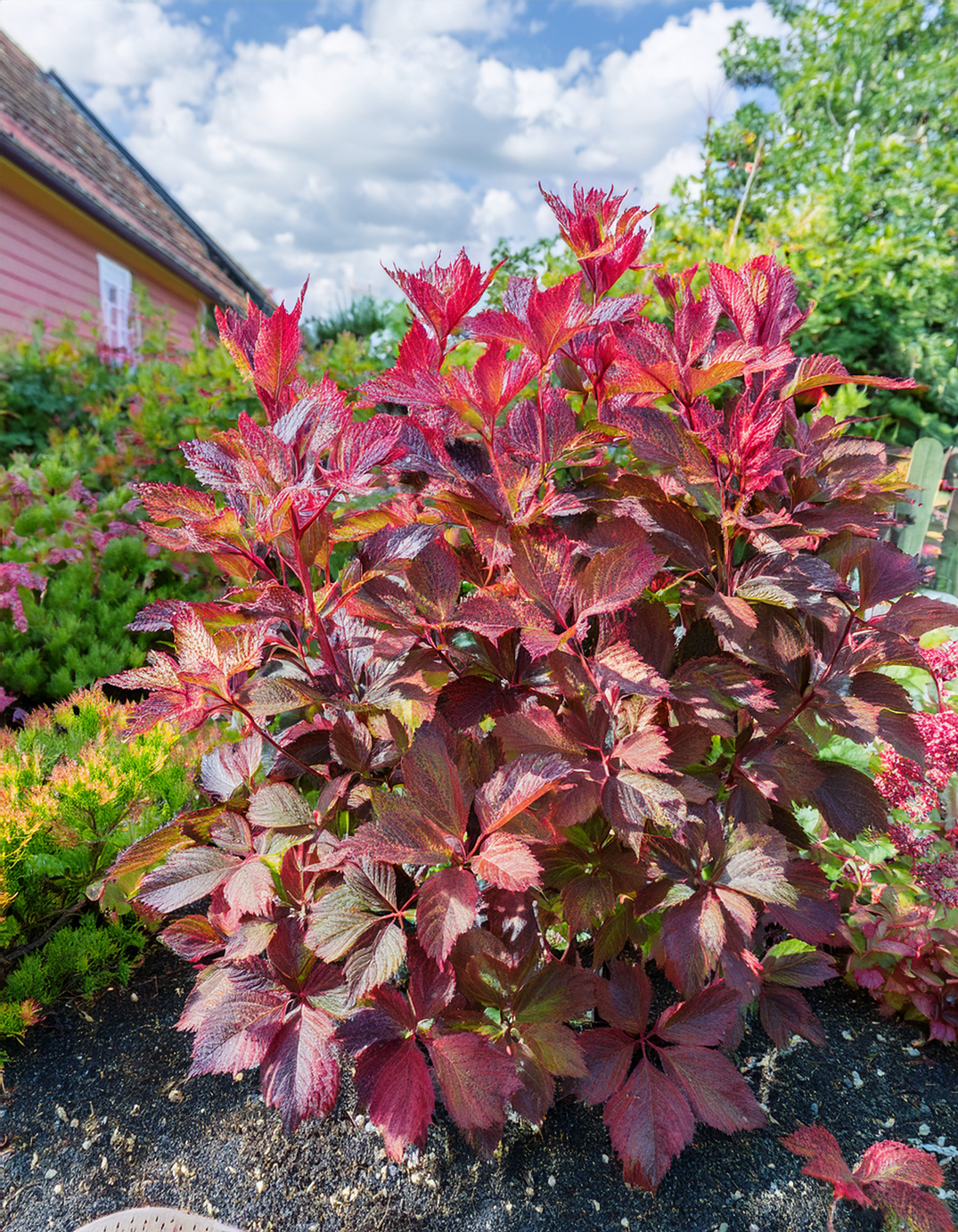
With peeling bark, arching branches, and foliage that can range from green to deep purple for full fall foliage, ninebark brings plenty of character to a garden. Cuttings can help repeat a favourite plant elsewhere in the landscape.
For fall propagation, dormant hardwood is a useful choice. Ninebark also roots readily from early-summer softwood cuttings, so keep that option in mind if your autumn attempt is slow or unsuccessful.
🌿 Ninebark Propagation Chart
| Propagation detail | What to do |
|---|---|
| 🍂 When | Late fall, after the plant becomes dormant. |
| ✂️ Cutting | A 6–10-inch section of healthy current-season wood. |
| 🪴 Rooting method | Free-draining medium in a deep pot or protected nursery bed. |
| ☀️ Conditions | Cool winter protection with steady, light moisture. |
| 💡 Propagation tip | Mark the top so each cutting is planted the right way up. |
Propagation tips: Choose healthy stems without obvious disease. Allow a full growing season for young plants to build roots before expecting them to fill a permanent spot.
14. Elderberry (Sambucus spp.)
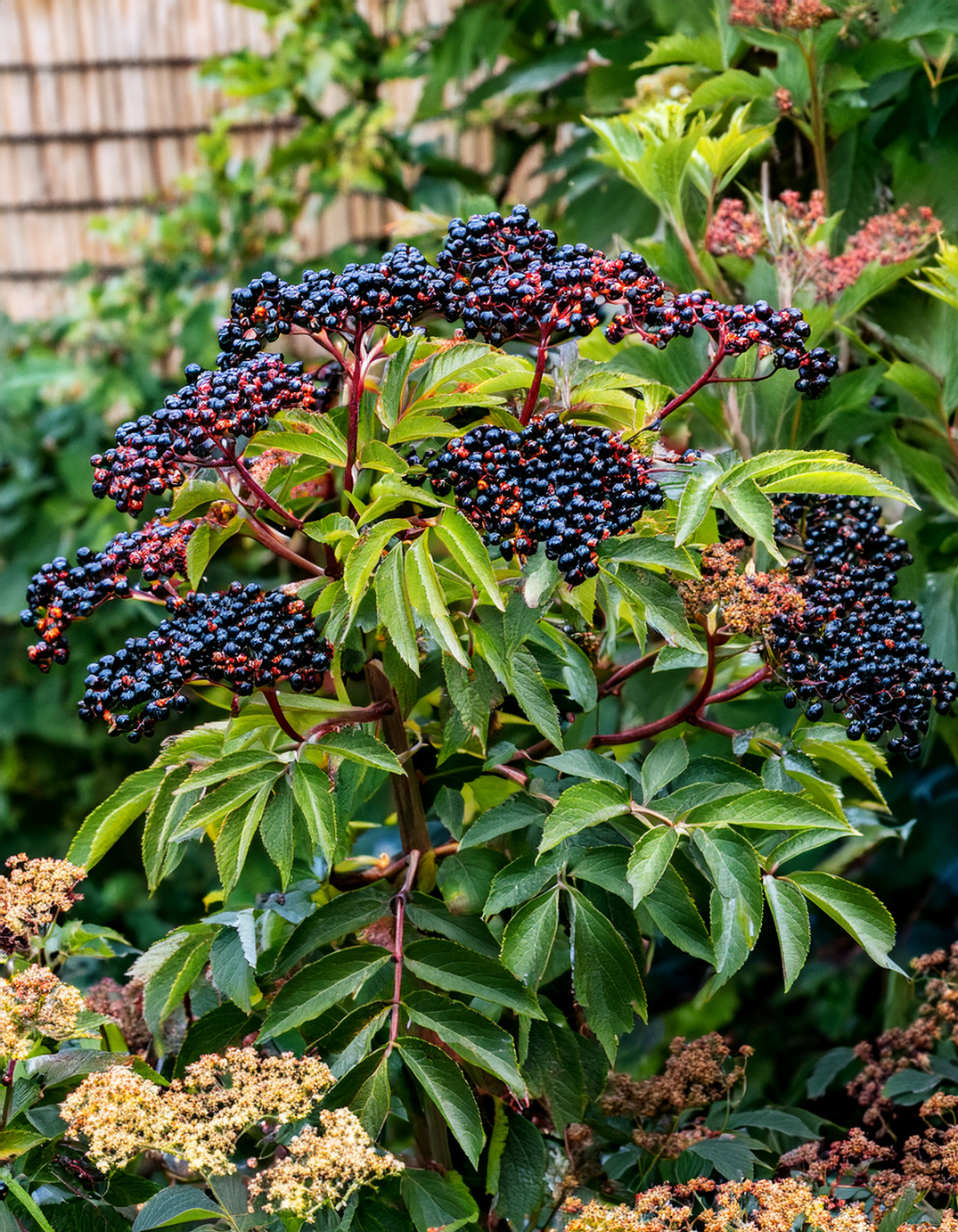
Elderberry is on of my favorite options when fighting a cold, so its no wonder this berry bush makes the list for propagation, especially if your looking for quick growth from a tiny cutting. Ornamental selections with dark or finely divided foliage can be especially striking.
For a straightforward fall project, wait until leaf drop and take dormant hardwood cuttings. Elderberries are commonly propagated this way, avoiding the extra humidity management needed for leafy softwood cuttings.
🌿 Elderberry Propagation Chart
| Propagation detail | What to do |
|---|---|
| 🍂 When | Late fall after leaf drop, or later in dormancy. |
| ✂️ Cutting | An 8–12-inch healthy stem section with several pairs of buds. |
| 🪴 Rooting method | Insert into moist, free-draining medium with upper buds exposed. |
| ☀️ Conditions | Cool, sheltered conditions while dormant. |
| 💡 Propagation tip | Keep the original lower end down and prevent the stems from drying out. |
Propagation tips: Plan for the mature shrub’s size before making a whole row of new plants. Keep dormant cuttings lightly moist and allow developing roots time to establish before transplanting.
15. Fig (Ficus carica)
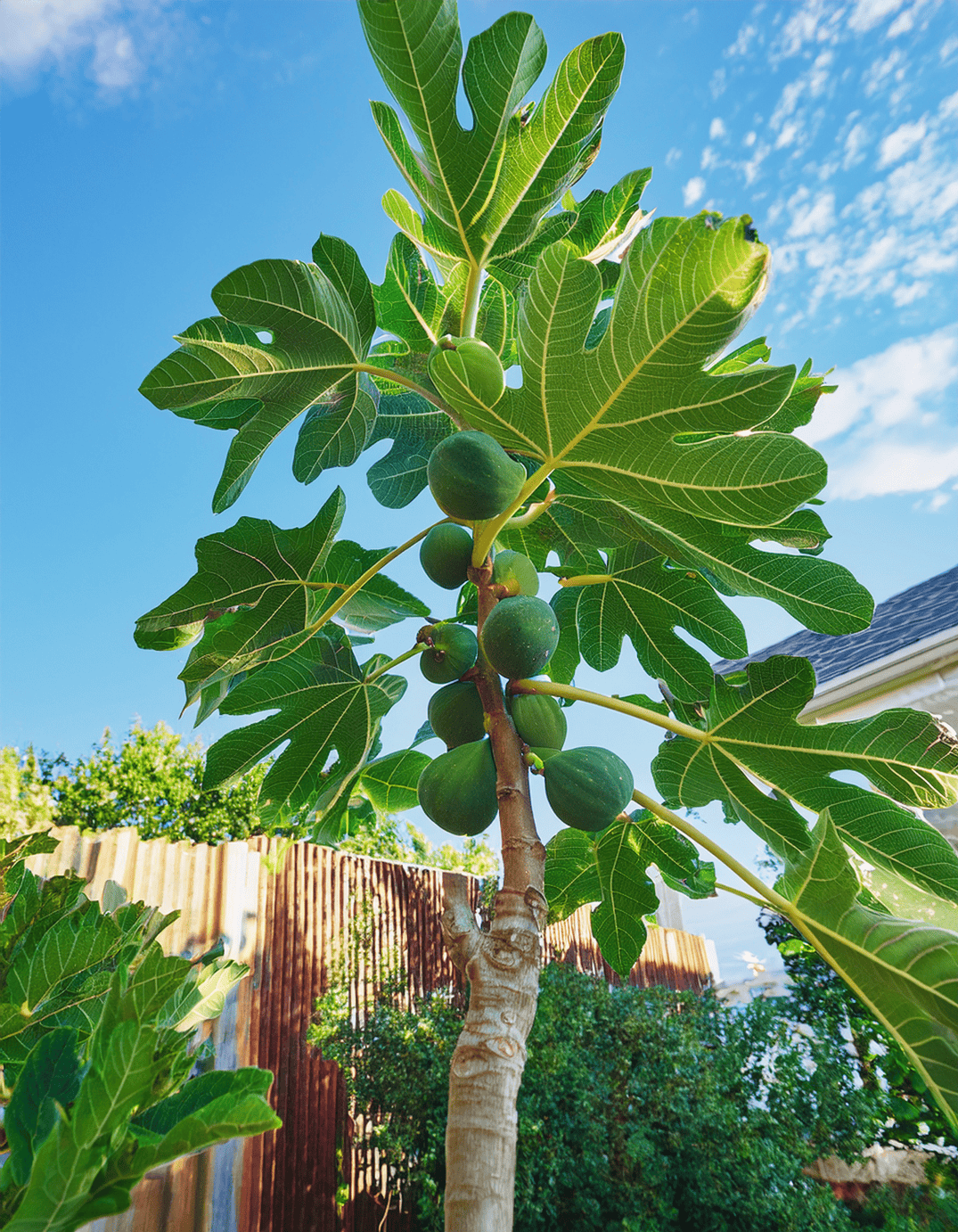
Easily the most satisfying Mediterranean fruit I’ve grown. It is a propagation project with the promise of broad leaves, a handsome container plant, and eventually a homegrown harvest.
For a fall start, collect mature hardwood after the plant drops its leaves. Figs are commonly grown from dormant stem cuttings, making them a rewarding option for gardeners willing to provide winter protection.
🌿 Fig Propagation Chart
| Propagation detail | What to do |
|---|---|
| 🍂 When | After leaf fall, once the wood is dormant. |
| ✂️ Cutting | An 8–10-inch mature stem section with several nodes. |
| 🪴 Rooting method | Root indoors in a deep container of airy propagation mix. |
| ☀️ Conditions | Gentle warmth for rooting; strong light once leaves emerge. |
| 💡 Propagation tip | Keep upper buds exposed and the medium lightly moist rather than wet. |
Propagation tips: Buds may open before roots are well developed, so avoid rushing to repot. In Ontario, keep tender young figs protected through winter and gradually introduce actively growing plants outdoors after frost danger passes.
Give your cuttings a good first winter
Leafy tropical plants need warmth and sufficient light, while dormant shrub cuttings need cool protection and occasional moisture checks. In Ontario, a small pot in an exposed cold frame can still freeze severely; choose winter shelter with that in mind.
Once roots are established, gradually remove humidity covers and move plants into suitable individual pots. Let shrubs develop substantial roots before planting them permanently, and introduce indoor-grown plants to outdoor conditions gradually.
You do not need to propagate all 15 plants to make this worthwhile. Save the coleus colour you cannot bear to lose, the fuchsia you searched everywhere to find, or a rose with a story behind it. A few labelled pots this fall can give you something lovely to look forward to when the garden wakes again.