


The Invisible Highway Ants Are Already Using in Your Kitchen
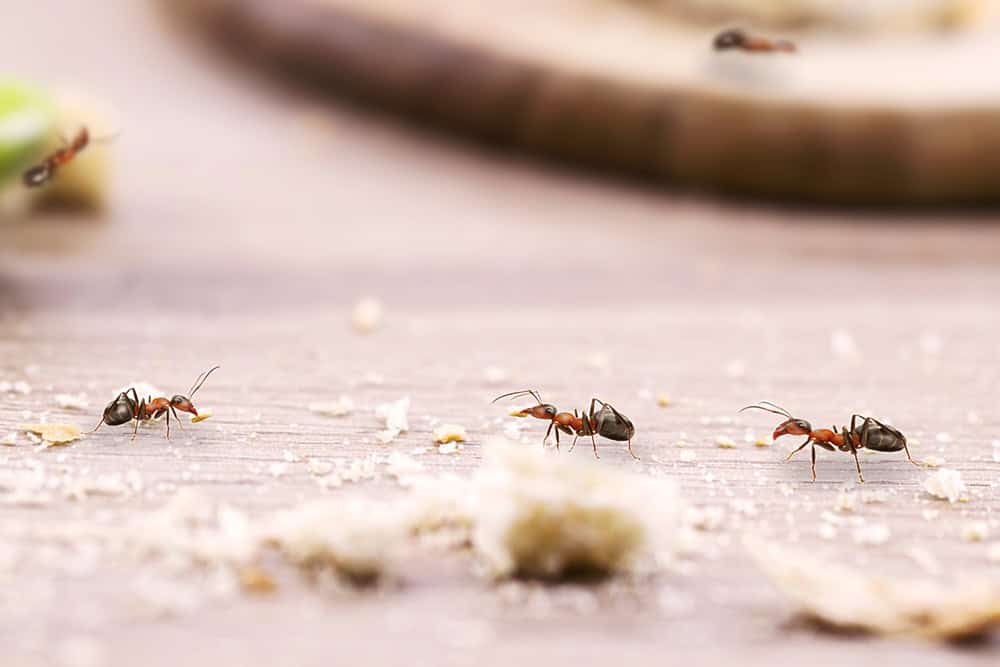
You walk into the kitchen to grab your morning coffee, flip on the light, and there it is: a perfectly organized, single-file line of ants marching across your counter toward the fruit bowl like they pay rent here.
Before you blast toxic bug spray across the same counters where you chop vegetables, consider a safer trade-off. You can destroy the colony at its source with DIY ant traps for under 2 cents, or instantly stop the marching line right now using these five natural kitchen ingredients.
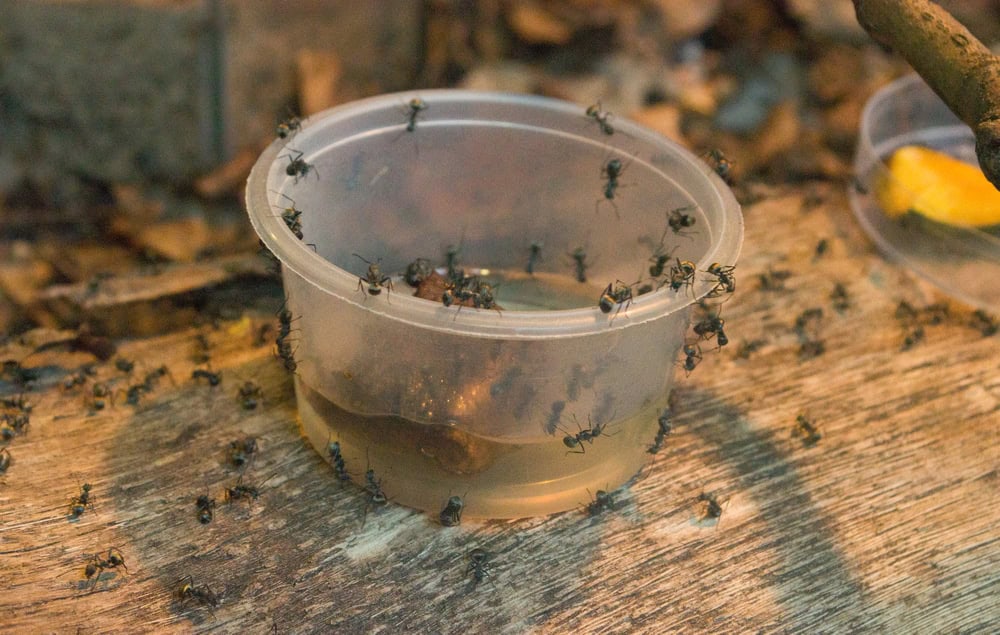
Here’s the other problem with just spraying: it doesn’t actually solve anything. Because the ants you can see are not the problem. The invisible highway underneath them is.
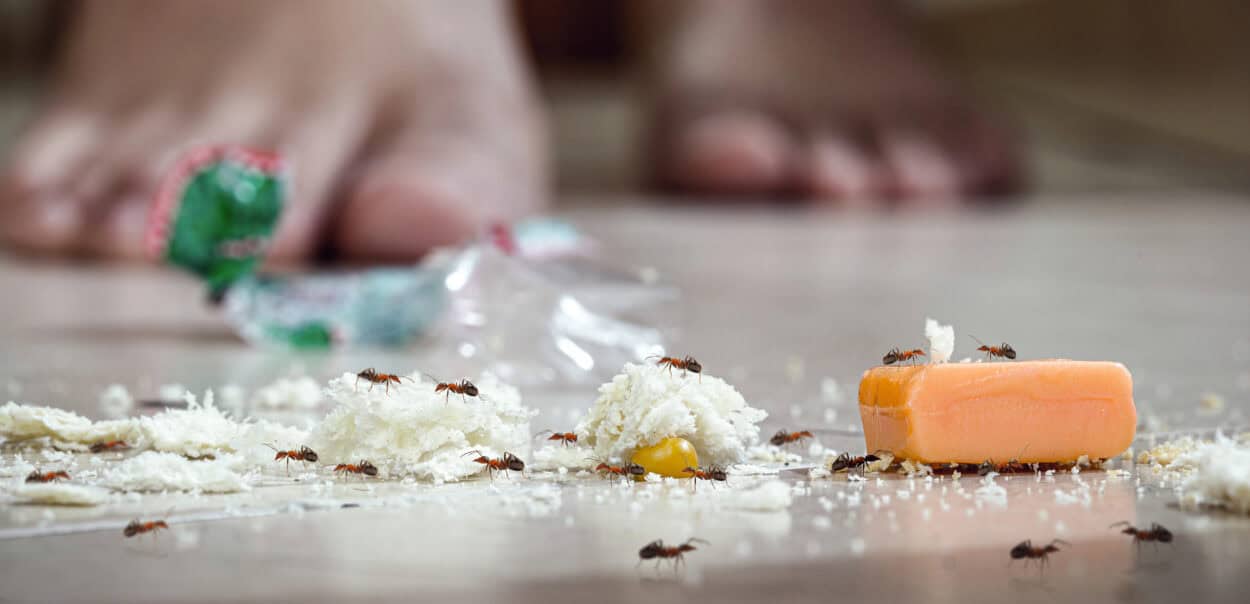
Ants are not wandering randomly. They operate on an intricate chemical communication system using pheromones, invisible scent signals that act like GPS coordinates pointing their colony directly to your kitchen. A scout ant finds your fruit bowl, takes a crumb, and on the way back to the nest leaves a trail of pheromones that says, in effect: food this way, follow me. The colony obliges. Kill the ants on the counter and do nothing else, and tomorrow morning you’ll have a fresh wave following the exact same map.
The goal of what follows isn’t just to repel the ants you can see. It’s to erase the map entirely, and do it with five things you already have in your pantry.
The 5 Kitchen Ingredients
Quick Reference Guide
| Ingredient | How it works | Best placement | Reapply | Pet safe? |
|---|---|---|---|---|
| White vinegar Trail eraser |
Acetic acid destroys pheromone trails so scouts can’t guide the colony | Countertops, baseboards, active ant paths | Every 2–3 days | ✓ |
| Cinnamon Sensory overload |
Cinnamaldehyde overwhelms ants’ smell receptors — navigation becomes impossible | Windowsills, pantry shelves, door thresholds | Weekly | ✓ * |
| Citrus / lemon Toxic barrier |
D-limonene in peels breaks down the waxy exoskeleton — lethal on contact | Entry cracks, door thresholds, exterior gaps | Every 2–3 days | ✓ |
| Cayenne / pepper Irritant wall |
Fine particles irritate spiracles (breathing pores), making the line impassable | Behind stove, under sink, hidden entry points | Every 2–3 weeks | ✓ |
| Coffee grounds Scent masker |
Nitrogen-rich odor masks the food smells that attract scout ants in the first place | Exterior foundation, outdoor entry cracks | After rain / weekly | ✓ |
(See the table above for the full breakdown: ingredient, mechanism, best placement, reapplication frequency, and pet safety at a glance.)
1. White Vinegar: The Trail Eraser
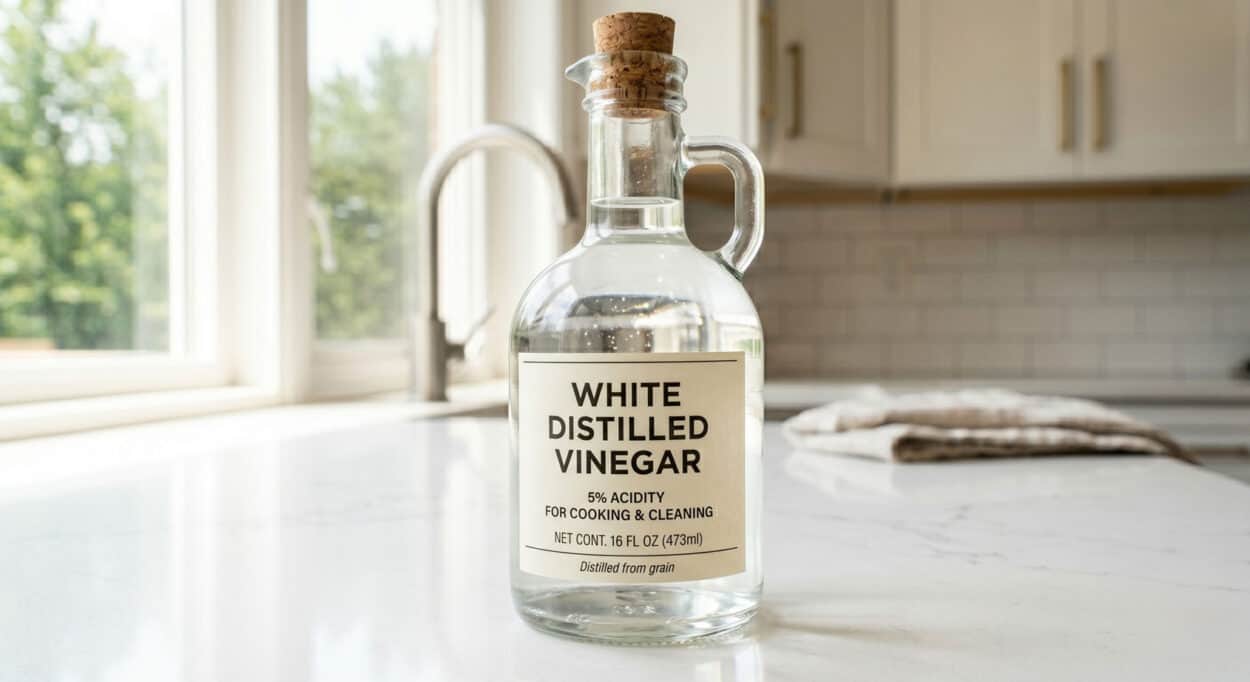
If there’s a single ingredient that deserves a permanent place under your kitchen sink, it’s plain white vinegar. It is the most direct and effective weapon you have against the pheromone highway, not because it smells bad to ants (though they’re not fans), but because of what it does on a chemical level.
How the science works: Vinegar is rich in acetic acid. When you wipe down a surface with a vinegar solution, the acetic acid doesn’t just smell sharp for a moment and evaporate. It actively neutralizes and scrambles the chemical structure of the pheromone trail. To the next ant that comes looking for the route, the highway is simply gone. There are no breadcrumbs, no signal, no reason to continue forward.
This is why killing visible ants without addressing the trail is a losing game. You’re removing the cars but leaving the road intact.
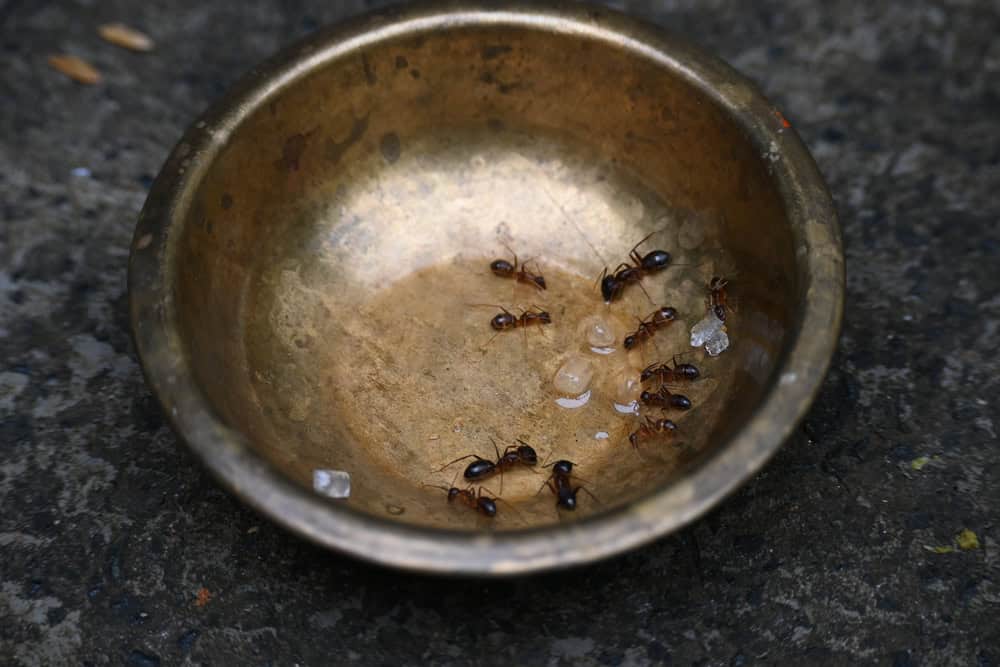
How to use it: Mix a 50/50 solution of white vinegar and water in a small spray bottle. Wipe down your countertops, baseboards, windowsills, and the floor near exterior doors. Don’t just spray where you see the ants. Trace their entire path and spray the whole route.
Best for: Active infestations. Countertops, baseboards, and hard floors during peak ant season.
Pro tip: Keep a small spray bottle of the 50/50 mix right next to your sink. Use it as your daily counter wipe during spring and summer. You’ll disrupt trails before they become full invasions.
2. Cinnamon: The Sensory Overload
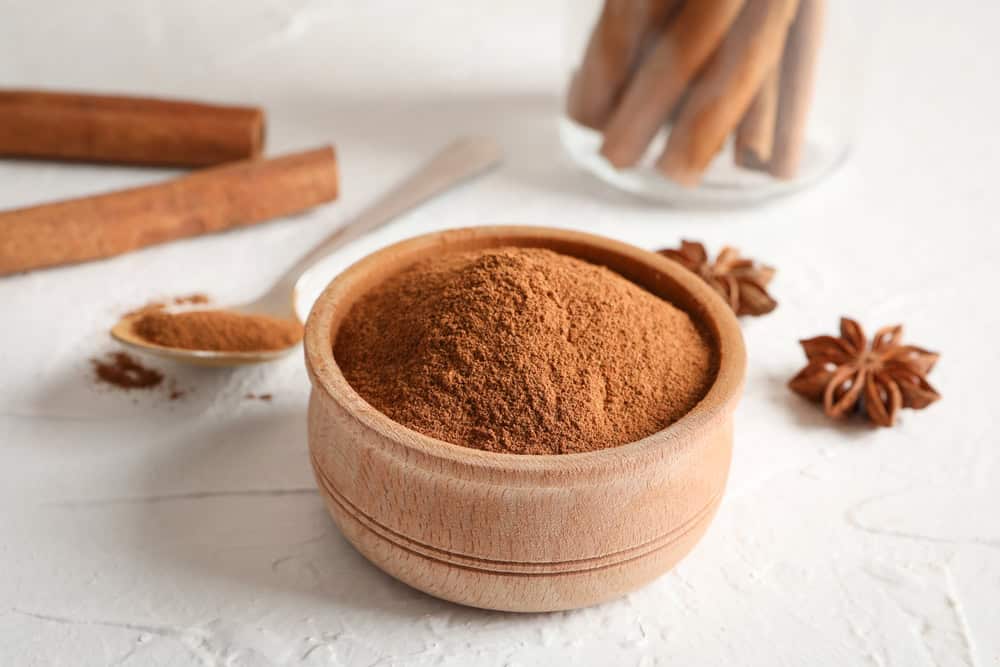
Cinnamon smells like cozy autumn baking to us. To an ant, it is something closer to a chemical assault.
How the science works: Cinnamon contains a compound called cinnamaldehyde, which is intensely disruptive to the way ants perceive the world. Ants rely almost entirely on their olfactory receptors, their sense of smell, to navigate, communicate, and identify food. When they encounter cinnamaldehyde in meaningful concentrations, it doesn’t just smell unpleasant; it overwhelms and effectively shuts down their navigational system. It’s the rough equivalent of someone releasing tear gas in a room where you’re trying to read a map. You’re not just inconvenienced. You can’t function.
How to use it: Sprinkle ground cinnamon directly across windowsills, door thresholds, and any visible entry points. You can also place whole cinnamon sticks near your pantry staples or in the back of cupboards where ants tend to probe.
Pet safety note: Plain ground cinnamon is safe around dogs and cats. However, if you have cats specifically, avoid using concentrated cinnamon essential oil. Their livers lack the enzyme needed to process it safely, and even skin contact with the oil can be harmful.
3. Lemon Juice and Citrus Peels: The Toxic Barrier
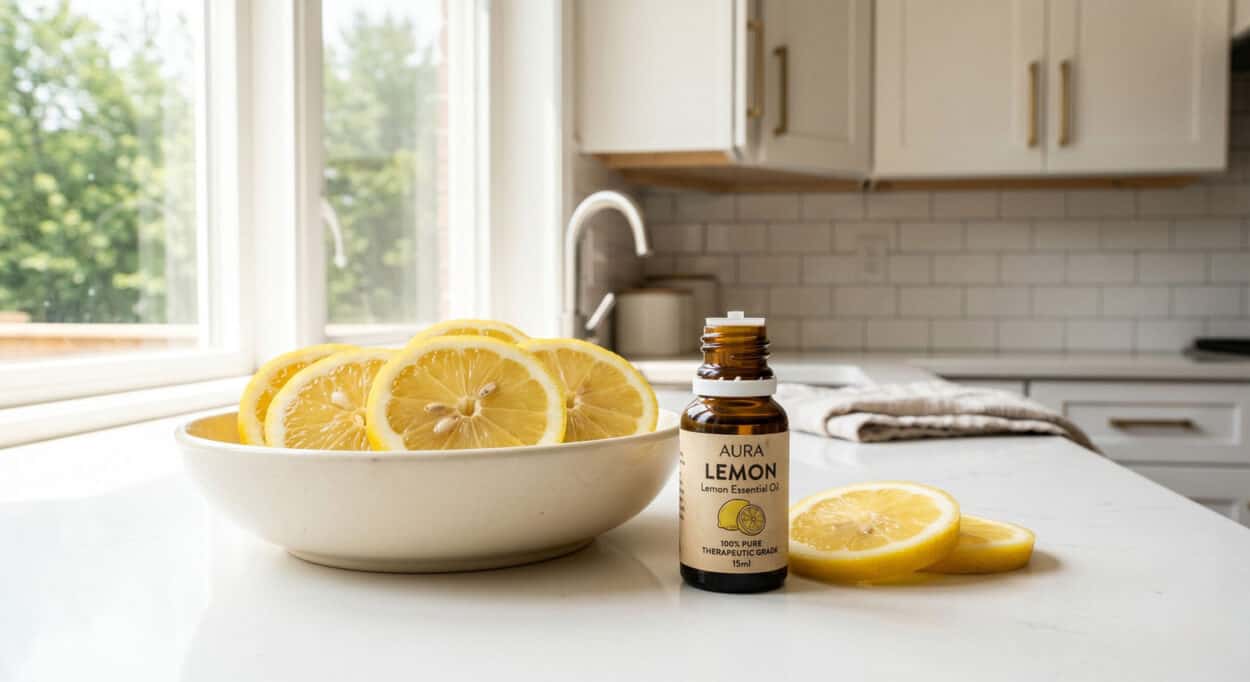
That lemon you squeezed for your water this morning? Don’t throw the peel away. The rind is doing something far more interesting to ants than just smelling fresh.
How the science works: Citrus peels contain a compound called d-limonene. While d-limonene gives oranges and lemons their clean, bright scent that we find appealing, it is actually highly toxic to ants. On contact, it breaks down the protective waxy coating on an ant’s exoskeleton, a layer that’s essential for moisture regulation and survival. Without it, the ant dies. Even the scent alone, without direct contact, is enough to make scout ants turn around and abandon the route.
How to use it: Squeeze fresh lemon juice directly into cracks, gaps, and crevices around your doors and windowsills where ants are getting in. Scatter orange or lemon rinds near exterior entry points as a physical deterrent.
Pro tip worth trying: Don’t waste those peels. Collect leftover citrus rinds and simmer them in water for 15 to 20 minutes to make a concentrated citrus spray. Let it cool, strain it into a spray bottle, and apply it along your home’s entry points. You get far more d-limonene per application than fresh juice alone, and you’re turning kitchen scraps into a functional repellent at the same time.
4. Black or Cayenne Pepper: The Irritant Wall
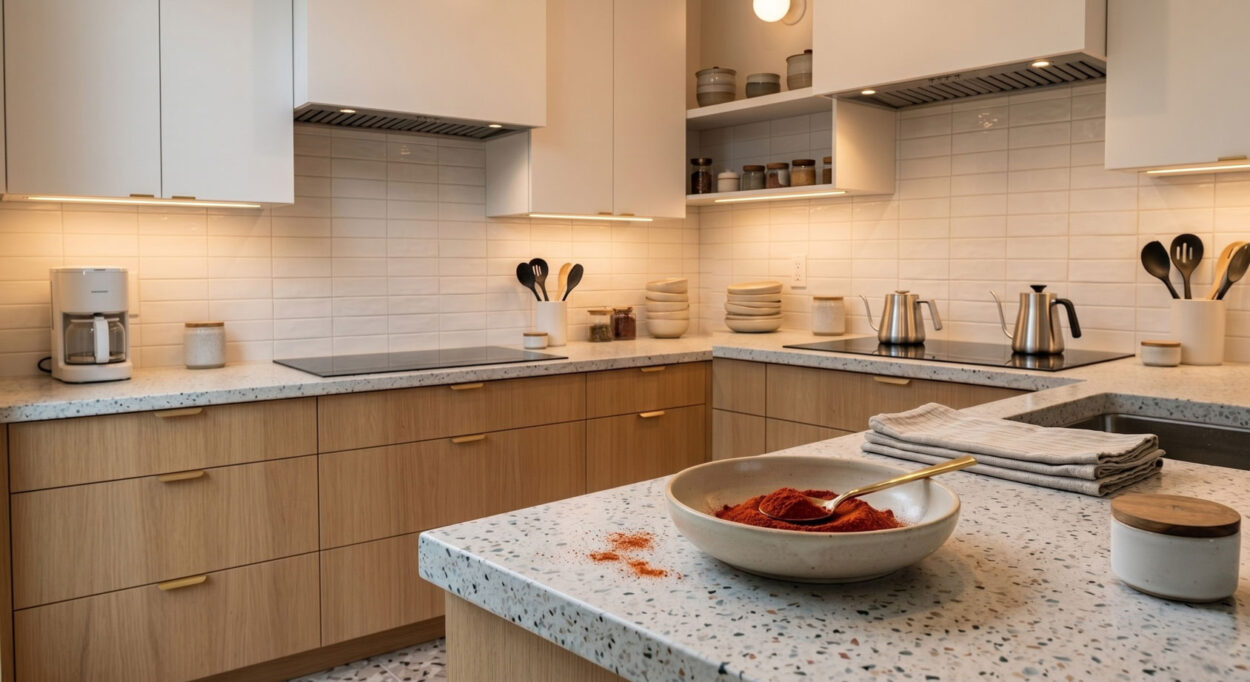
Sometimes you just need a hard line that ants will not cross. Pepper is that line.
How the science works: Ants don’t have lungs the way mammals do. They breathe through a series of tiny pores on the sides of their bodies called spiracles. Fine, irritating powders like black pepper or cayenne pepper are intensely disruptive to these pores, both as a physical particle that clogs and irritates, and as a chemical irritant. The result is that ants instinctively refuse to walk through it. It’s not a preference; it’s a physiological aversion. Draw a solid line of pepper across a threshold, and you’ve created a barrier that ants will reliably route around.
How to use it: Sprinkle a solid, unbroken line of ground black pepper or cayenne across door thresholds, behind appliances, or at the back of lower cupboards.
Best for: Hidden entry points. Pepper can be messy and visible, so it’s most effective in areas where you don’t mind leaving a powder undisturbed. Behind the stove, under the sink, inside cabinet corners. The upside is that in these low-traffic spots, a single application can last several weeks without needing a refresh.
5. Used Coffee Grounds: The Scent Masker
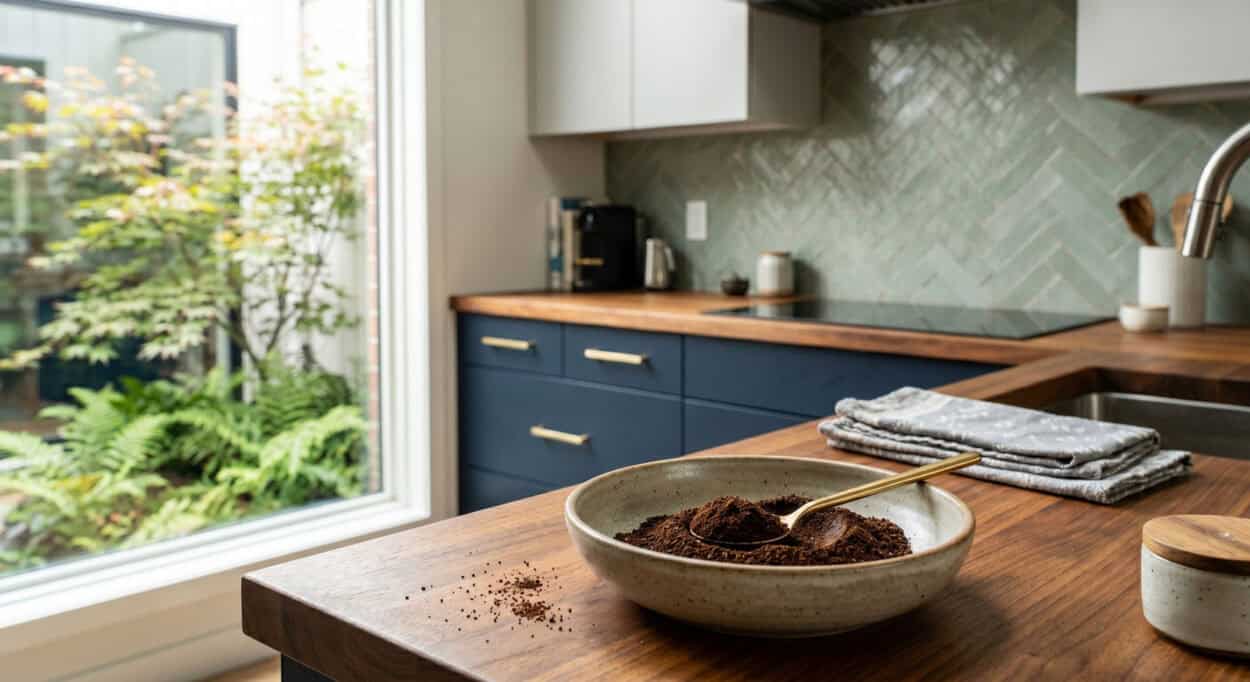
Your morning brew has a second job: perimeter defense.
How the science works: Coffee grounds have an extraordinarily potent nitrogen-rich odor that works in a fundamentally different way than the other ingredients on this list. Rather than destroying pheromone trails or physically blocking entry, coffee grounds mask the food smells that attract scout ants in the first place. If a scout ant can’t detect the faint sweet or savory odors drifting out of your kitchen, it has no reason to investigate and no trail to lay. You’re preventing the map from being drawn at all.
How to use it: Let your used grounds dry completely before applying. This is non-negotiable if you’re using them indoors, as wet coffee grounds will grow mold quickly. Once dry, scatter them around the exterior foundation of your home or near outdoor entry cracks and gaps.
Eco-cycling angle: This is one of those genuinely satisfying cases where something you’d normally rinse down the drain has a direct, practical second life. Collect grounds in a jar near your coffee maker, let them air dry, and deploy them around your foundation as part of your weekly outdoor tidying routine.
The Reality Check: Why Natural Remedies Seem to “Fail”
If you’ve tried one of these ingredients before and felt like it didn’t work, you’re not imagining things. But the problem is almost certainly one of two things, neither of which is the ingredient itself.
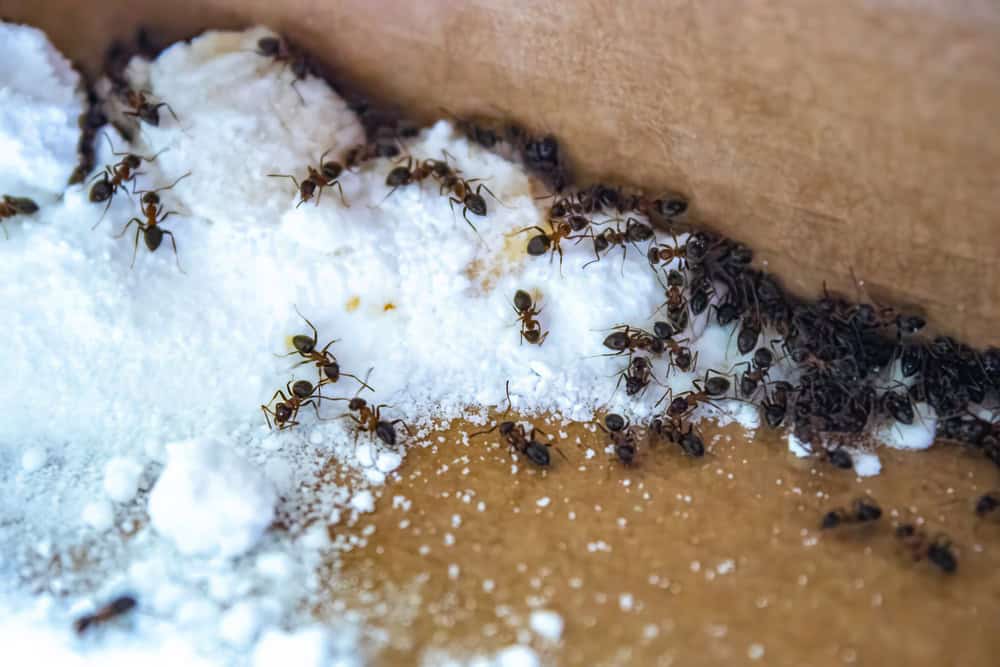
The reapplication rule
Chemical pesticide sprays are formulated to leave a toxic residue that persists for weeks or months. Natural ingredients don’t work that way. Vinegar evaporates. Citrus oils break down. Coffee grounds get blown around by wind or diluted by rain. They’re volatile by nature, which is actually part of why they’re safer to use around food, but it also means they require consistent reapplication.
A vinegar wipe is highly effective today. It will not protect your kitchen next Tuesday if you don’t reapply it. Think of these as a daily or weekly maintenance habit during ant season, not a one-time fix.
Repelling vs. baiting: understanding what these tools actually do
Every ingredient on this list is a repellent. That’s important to understand, because repellents come with a limitation: they can redirect an infestation without eliminating it.
If you have a large, established colony living inside a wall void or under a slab, blocking your kitchen counter with vinegar may just push them to probe the bathroom instead. You’ve inconvenienced the colony, not ended it.

There’s also an important distinction between ant types that changes which approach you need. The small, pale ants most people call “sugar ants” are attracted to carbohydrates and sweets, and they’re generally the ones responding best to pheromone disruption. But if your ants seem uninterested in crumbs and are instead clustering near grease, pet food, or protein-based scraps, you may be dealing with grease ants (sometimes called thief ants). These operate on different attractants and don’t respond as predictably to the repellents on this list.
For a severe infestation of either type, the most effective approach is to combine repellents with a slow-acting bait. A simple borax and sugar syrup bait (for sugar ants) or a protein-based bait (for grease ants) works because the worker ants carry the toxic bait back to the colony and share it, taking the fight directly to the queen. Repellents alone will never do this. They push ants away; baits eliminate the source.
The Bottom Line
You don’t need a hazmat suit or a pest control bill to deal with most ant invasions. These five ingredients, white vinegar, cinnamon, citrus peels, pepper, and used coffee grounds, each disrupt ants at a different point in the cycle: erasing their trail, overloading their senses, poisoning their exoskeletons, blocking their breath, and masking the food smells that started the whole problem.
The catch is commitment. Reapply consistently, target the full trail not just the visible ants, and know when a repellent strategy needs to be supplemented with a bait if the colony is deeply established.
Now look in your pantry. You almost certainly have at least three of these items sitting there right now.
Which one are you trying today? And if you have a family remedy that’s been passed down or discovered through trial and error, a garlic trick, a chalk line, a bay leaf ritual, drop it in the comments. The best pest control knowledge often lives in someone’s kitchen, not in a product manual.
A note on the quick reference table above: “reapply” timelines are guidelines based on typical indoor conditions. Humid kitchens, high-traffic surfaces, and outdoor applications will all shorten the effective window. When in doubt, reapply sooner.