


I’ve had mornings where I walk out with my coffee, expecting to admire a bed that looked perfect the night before… only to find leaves full of holes like something hosted a midnight buffet.
It’s frustrating because the damage shows up fast, and the culprit is nowhere in sight. You scan the plants, flip a few leaves, maybe even blame the weather for a second. But the truth is, most of the damage is happening while you’re asleep.

At a Glance
- Leaf damage that appears overnight is usually caused by nocturnal pests that feed while it’s cool and hidden from view.
- Common culprits include slugs, snails, earwigs, cutworms, and vine weevils, each leaving distinct types of holes or edge damage.
- Checking your garden after dark with a flashlight is one of the fastest ways to identify what’s actually causing the damage.
- Signs like slime trails, ragged edges, or clean-cut stems can help narrow down the specific pest even if you don’t see it directly.
- Once identified, targeted solutions like traps, barriers, or hand removal can quickly bring the problem under control.
A lot of common garden pests are strictly night shift workers. They hide from heat, sunlight, and predators during the day, then come out once things cool down and the coast is clear. By the time you see the damage, they’re already tucked away again.
The good news is once you understand that pattern, the whole situation becomes a lot easier to manage. You’re not guessing anymore. You’re just working on their schedule.
Quickly Find Pest Problems
The Midnight Patrol: How to Actually Catch Them in the Act
If you want real answers, you need to go out when they’re active. It doesn’t have to be complicated.
Grab a flashlight and head outside about an hour or two after dark. That’s usually peak activity time for most of these pests. If you happen to have a UV or blacklight, even better. Some trails and residues show up more clearly under it.
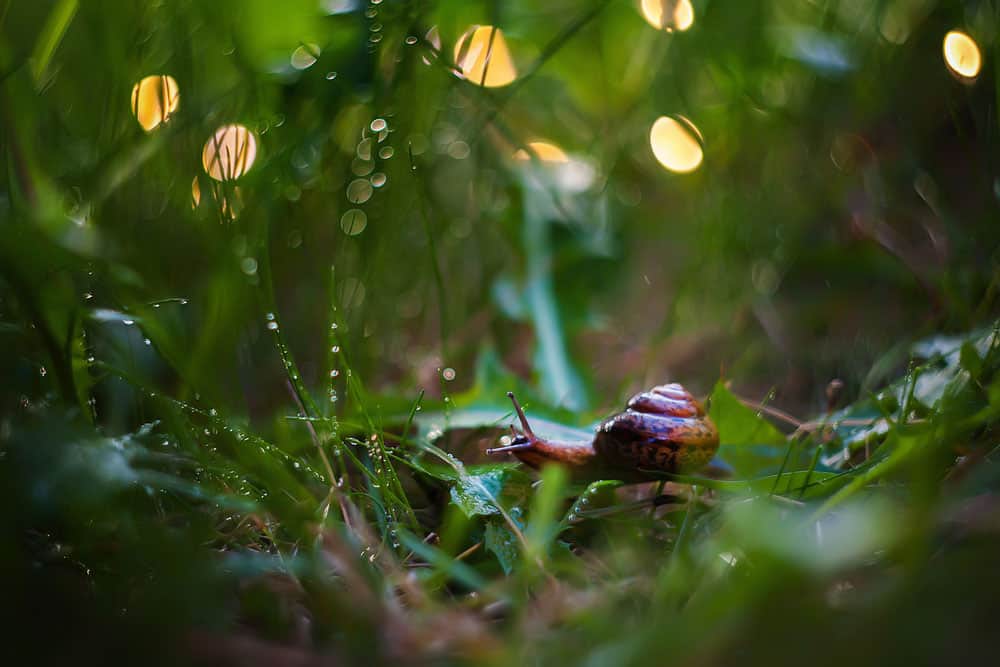
Start with the obvious spots, but don’t rush it.
Check the undersides of leaves carefully. A lot of pests stay tucked underneath where it’s cooler and harder to spot. Then move down to the base of the plant. Some of the worst offenders hang out right at soil level.
Also look under anything nearby that creates cover. Mulch, stones, boards, empty pots, even dense ground cover can all act as daytime hiding spots.
And don’t just look for bugs. Sometimes the clues tell you more than the pest itself.
Silvery slime trails, small black droppings, or fresh chew marks can point you in the right direction even if you don’t catch them immediately.
Once you’ve done this once or twice, patterns start to show up pretty quickly.
The Usual Suspects: Who’s Eating Your Plants at Night
Slugs and Snails
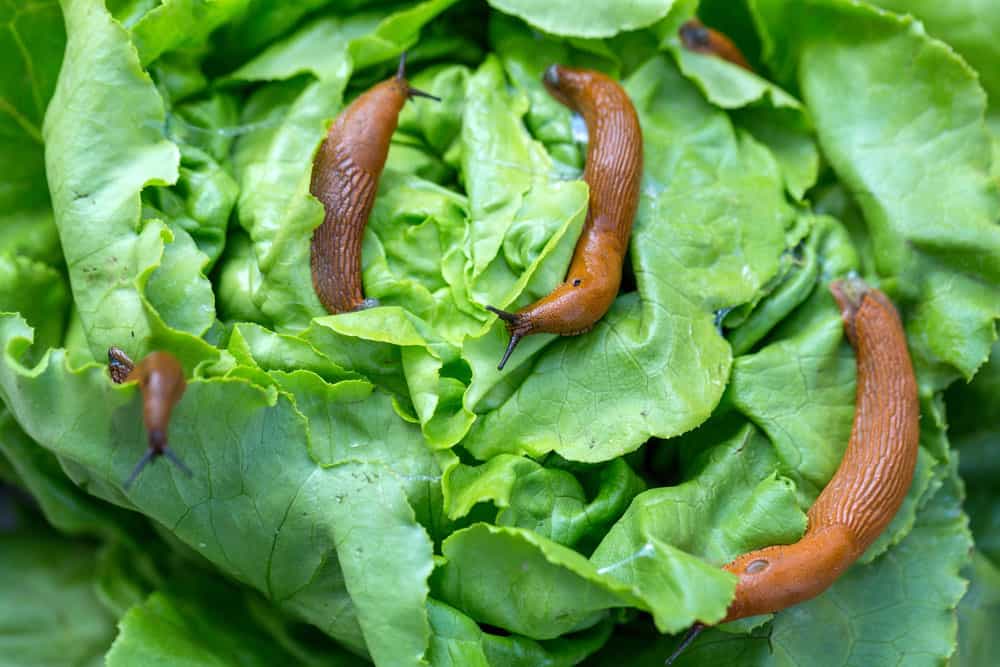
These are usually the first place I look, especially if the damage looks messy and widespread.
They leave large, irregular holes, often right through the center of leaves instead of just along the edges. And they’re not subtle about it.
The giveaway is the slime. If you see shiny, silvery trails on leaves, soil, or even nearby hard surfaces, that’s your answer.
They tend to go after softer plants. Hostas, lettuce, seedlings, and strawberries are all easy targets.
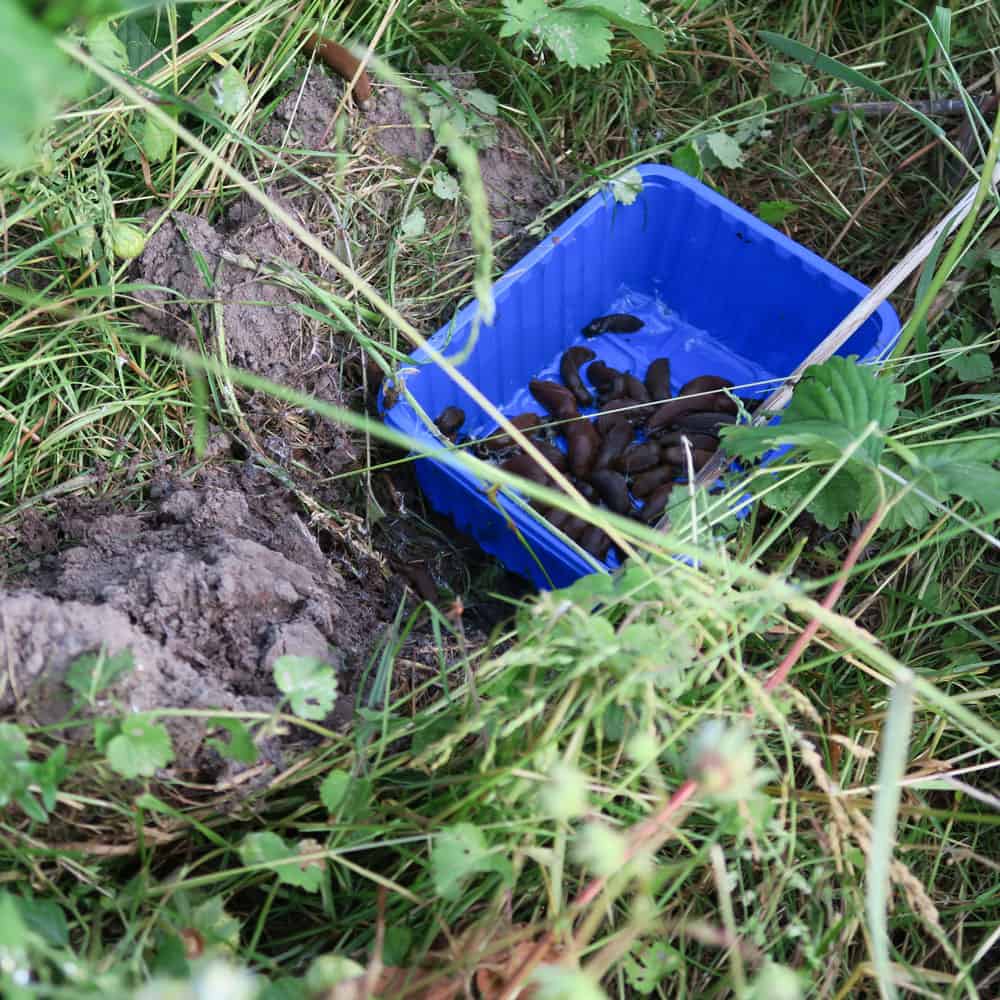
There are a few ways to deal with them depending on how hands-on you want to be. Beer traps still work surprisingly well. So do copper barriers around beds or containers. And honestly, going out at night and hand-picking them is one of the fastest ways to get things under control if the population is high.
If you want something low-effort, iron phosphate baits are a solid option and won’t throw off the rest of your garden ecosystem.
Earwigs
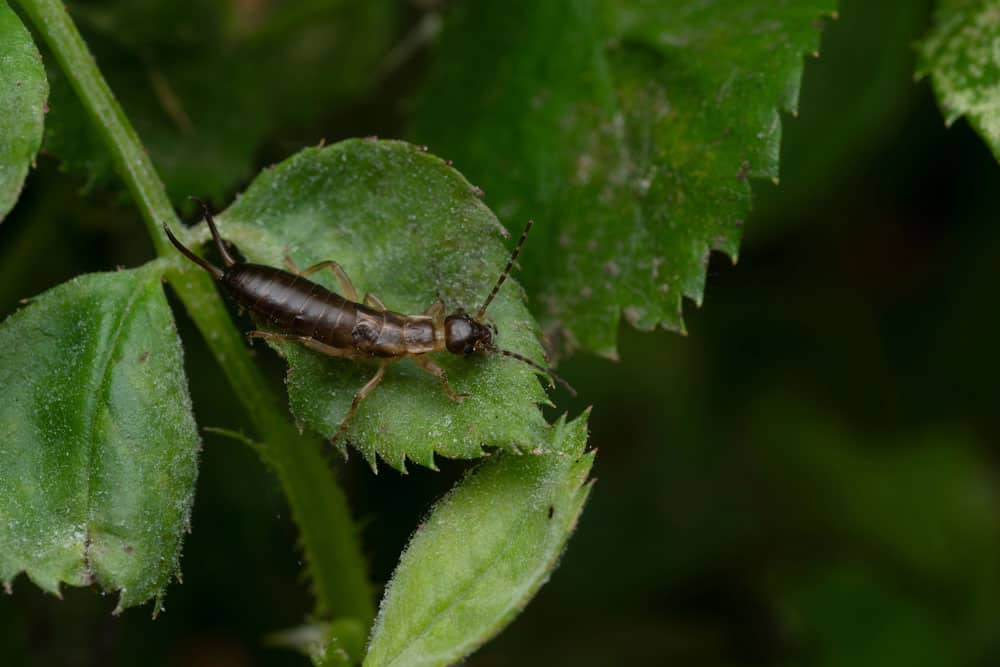
Earwigs get a bad reputation, but in the garden they’re more of a mixed bag. The issue is when their numbers get too high.
They tend to chew along the edges of leaves and flower petals, leaving behind ragged, uneven damage that looks a bit different from slug holes.
During the day, they hide anywhere that’s tight, dark, and damp. Inside blooms, under mulch, in crevices around pots. Anywhere they can squeeze into.
They seem to have a soft spot for flowers like dahlias, zinnias, and marigolds, along with tender greens.
One of the easiest ways to trap them is by rolling up damp newspaper and leaving it out overnight. They crawl inside, and you can dispose of them in the morning.
Another simple trick is a shallow dish with soy sauce and a bit of vegetable oil. It attracts them and takes care of the rest.
If you’re seeing a lot of them, it’s usually a sign there’s too much debris or moisture hanging around.
Cutworms and Other Caterpillars
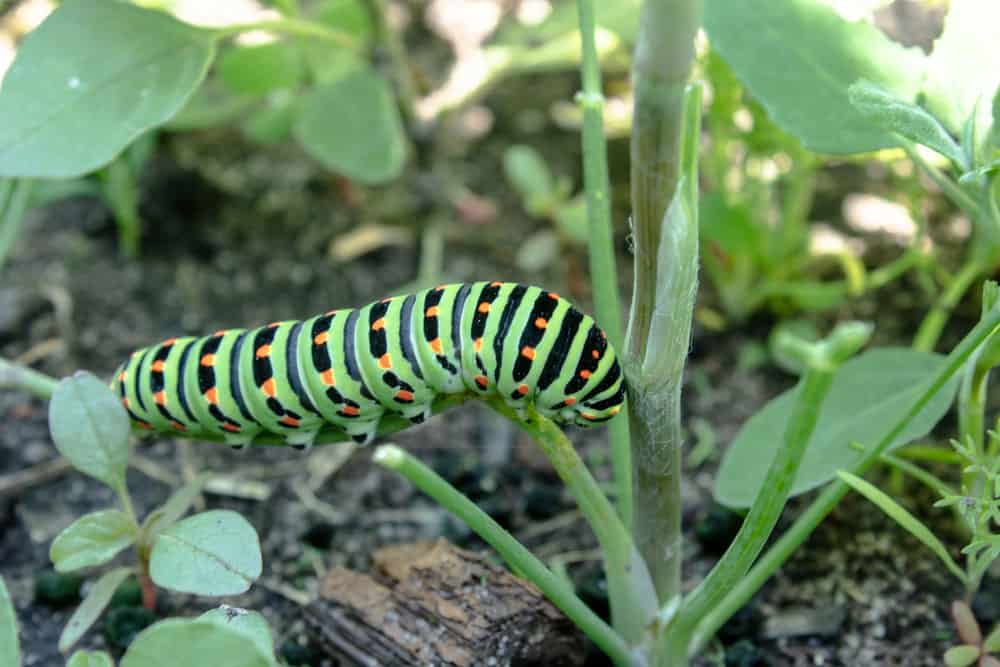
These are the ones that can feel the most aggressive, especially if you’re growing vegetables from seed.
You’ll come out in the morning and find a seedling just… gone. Or lying on the ground like it’s been cleanly snipped at the base.
That’s classic cutworm damage.
They hide just below the surface of the soil during the day, usually within an inch or so of the stem. If you gently dig around the base of an affected plant, you’ll often find a thick, curled-up caterpillar.
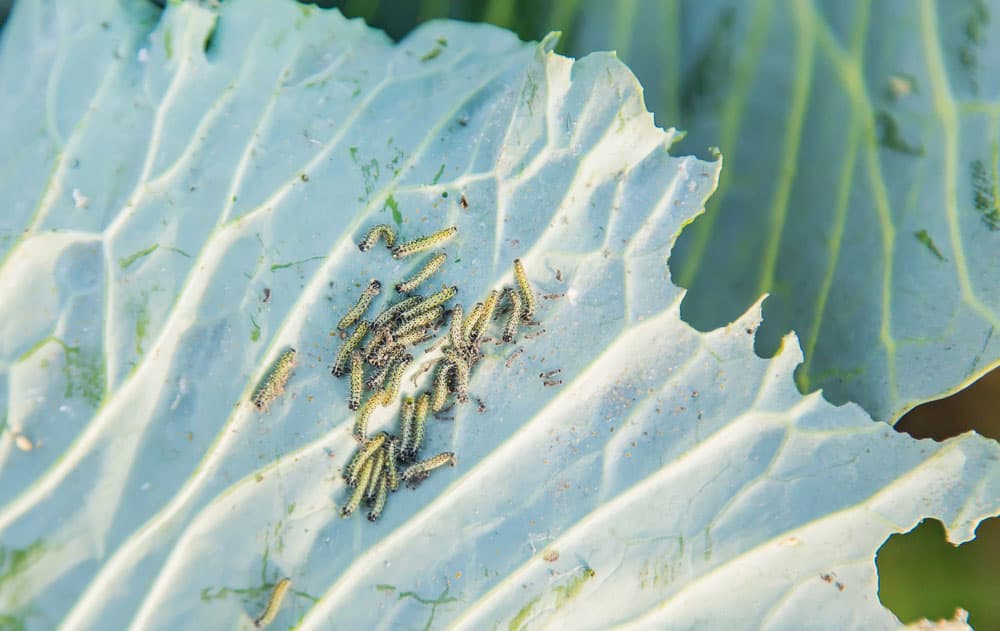
They love young plants. Tomatoes, peppers, and brassicas are common targets.
The simplest protection is a physical barrier. A small cardboard collar around the base of the plant makes it a lot harder for them to do damage.
Diatomaceous earth around the stem can help as well, especially when conditions are dry.
And if you’re already dealing with them, hand-picking in the evening works quickly once you know where to look.
Adult Vine Weevils
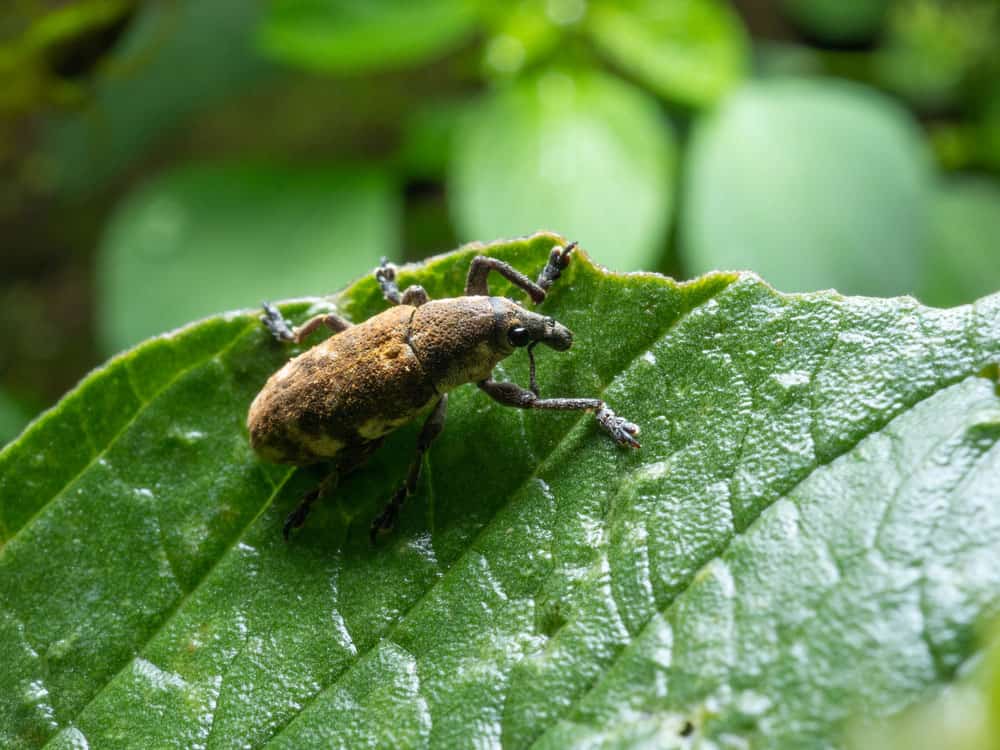
These are a bit more subtle, but once you know the pattern, they’re easy to recognize.
Instead of random holes, they leave very clean, C-shaped notches along the edges of leaves. It almost looks intentional, like someone went around trimming each leaf with scissors.
They feed at night and hide during the day. If you shine a flashlight on them, they’ll often drop to the ground and play dead, which makes them easy to miss if you’re not expecting it.
They’re especially common on plants like rhododendrons, heuchera, euonymus, and anything in containers.
You can hand-pick them at night if you catch them early. Sticky barriers on stems can help limit movement.
But the real issue is usually the larvae in the soil, which feed on roots. That’s where beneficial nematodes come in. They target the larvae directly and can make a big difference over time.
Preventing the Problem Before It Starts
Once you’ve dealt with the immediate damage, a few small changes can make your garden a lot less appealing to nighttime pests.
Watering is one of the biggest ones. If you’re watering in the evening, the soil stays damp overnight, which creates the exact conditions a lot of these pests love. Switching to morning watering gives the surface time to dry out before nightfall.

Cleaning up the garden helps more than people expect. Leaf litter, old plant material, unused pots, and random debris all create hiding spots. The less cover they have, the fewer places they can settle in.
You can also layer in some natural deterrents. Strong-smelling herbs like garlic, mint, and rosemary won’t solve everything on their own, but they can help reduce pressure in certain areas.
A Quick Reality Check
A few holes here and there don’t mean you’re doing anything wrong.
They’re actually a sign your garden is part of a living system, not a sealed environment. You’ve got insects, predators, soil life, and everything in between doing their thing.
The goal isn’t perfection. It’s balance.
Once you know who’s showing up at night and how they operate, you can keep things in check without overreacting or throwing off the rest of your garden.
If you’ve dealt with a particularly frustrating nighttime pest, I’m always curious what showed up and what ended up working for you. Those patterns tend to repeat more than people think.