


I still remember walking down a side street in Spello in the dead of July, sweating through my shirt, watching tourists duck into every sliver of shade they could find. But up above us, on every balcony and windowsill, sat these overflowing terracotta planters absolutely loaded with flowers. Not wilted. Not scorched. Just… thriving, in heat that had the rest of us questioning our life choices.
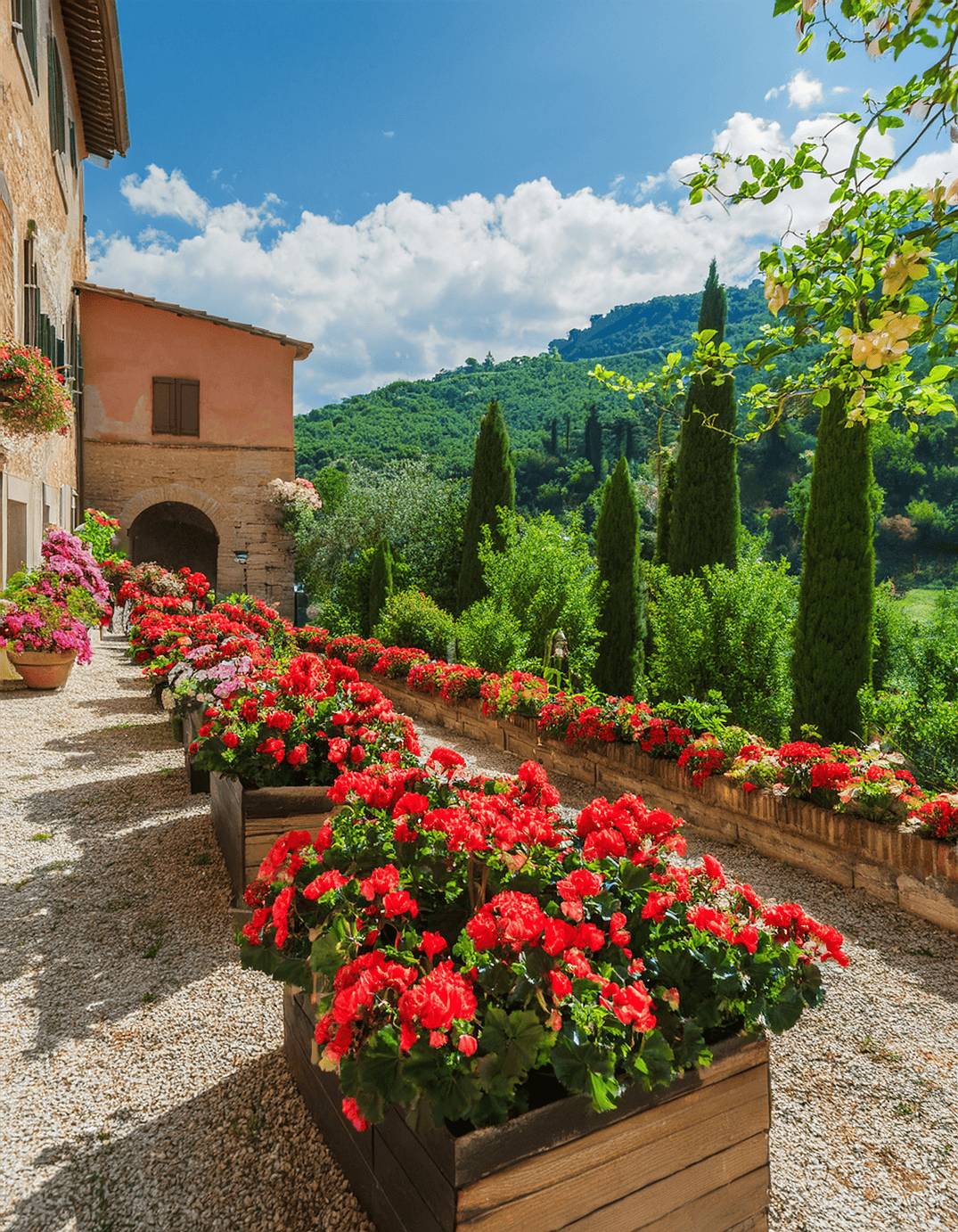
Same story a few days later on a cliffside in Adriatic coast. The plants up there weren’t just surviving the Mediterranean sun, they looked better than anything I’d managed to grow at home with far gentler weather.
While Begonias aren’t often the first on my planting list, they’ve earned their place now.
At a Glance
- Match the variety to the light: Wax begonias handle full sun and heat, tuberous varieties need afternoon shade, and Rex begonias thrive in full shade for their foliage.
- Use the right container: Terracotta pots paired with rich, well-draining soil allow excess moisture to evaporate, preventing deadly root rot.
- Water the soil, not the leaves: Water deeply at the base and let the top inch of soil dry out completely between waterings to avoid powdery mildew.
- Feed consistently: Apply a balanced, water-soluble fertilizer every two to three weeks to fuel continuous blooms from spring until the first frost.
- Build a beautiful planter: Pair sun-loving begonias with Angelonia or sweet alyssum, and shade-lovers with caladiums, ferns, or trailing English ivy for a lush, overflowing display.
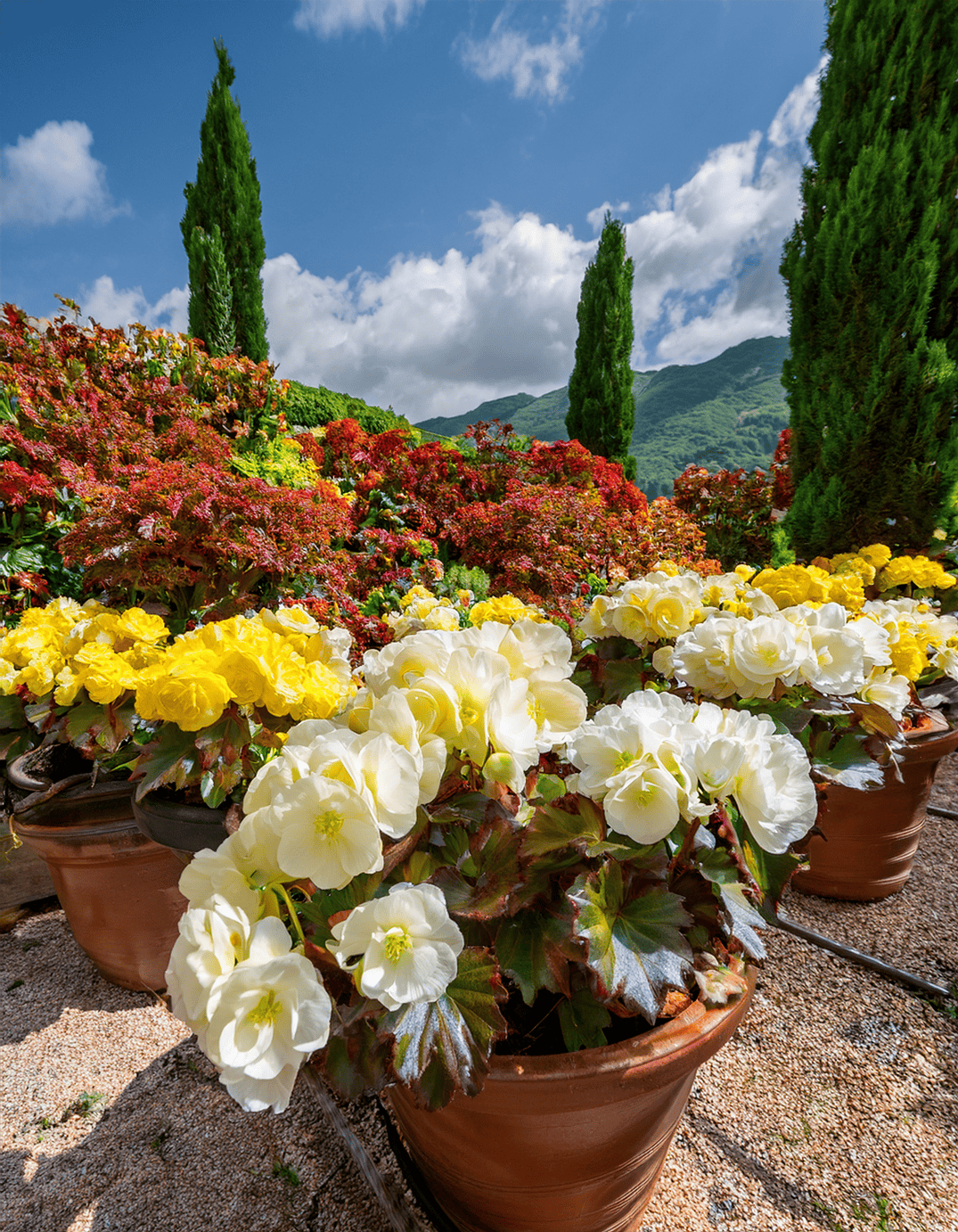
Here’s the good news: you don’t need an Italian coastline or a Tuscan courtyard to pull this off. Begonias are far tougher and more forgiving than their delicate, ruffled blooms let on. Get the basics right and you can have that same relentless, overflowing look on your own porch or patio, from spring right up until the first frost.
Meet the Begonia Family
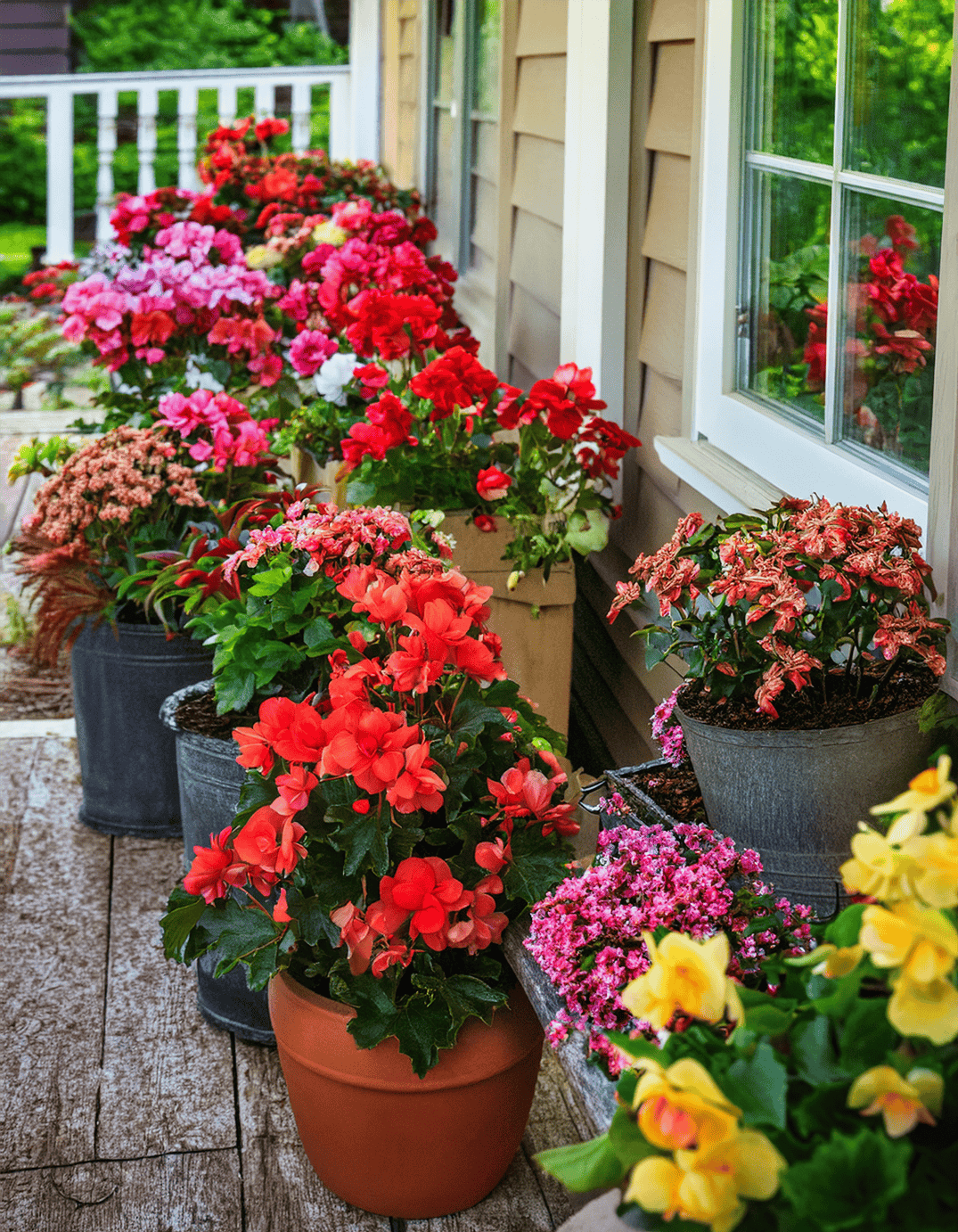
Before you buy a single plant, it helps to know which begonia you’re actually dealing with. They’re not all built the same.
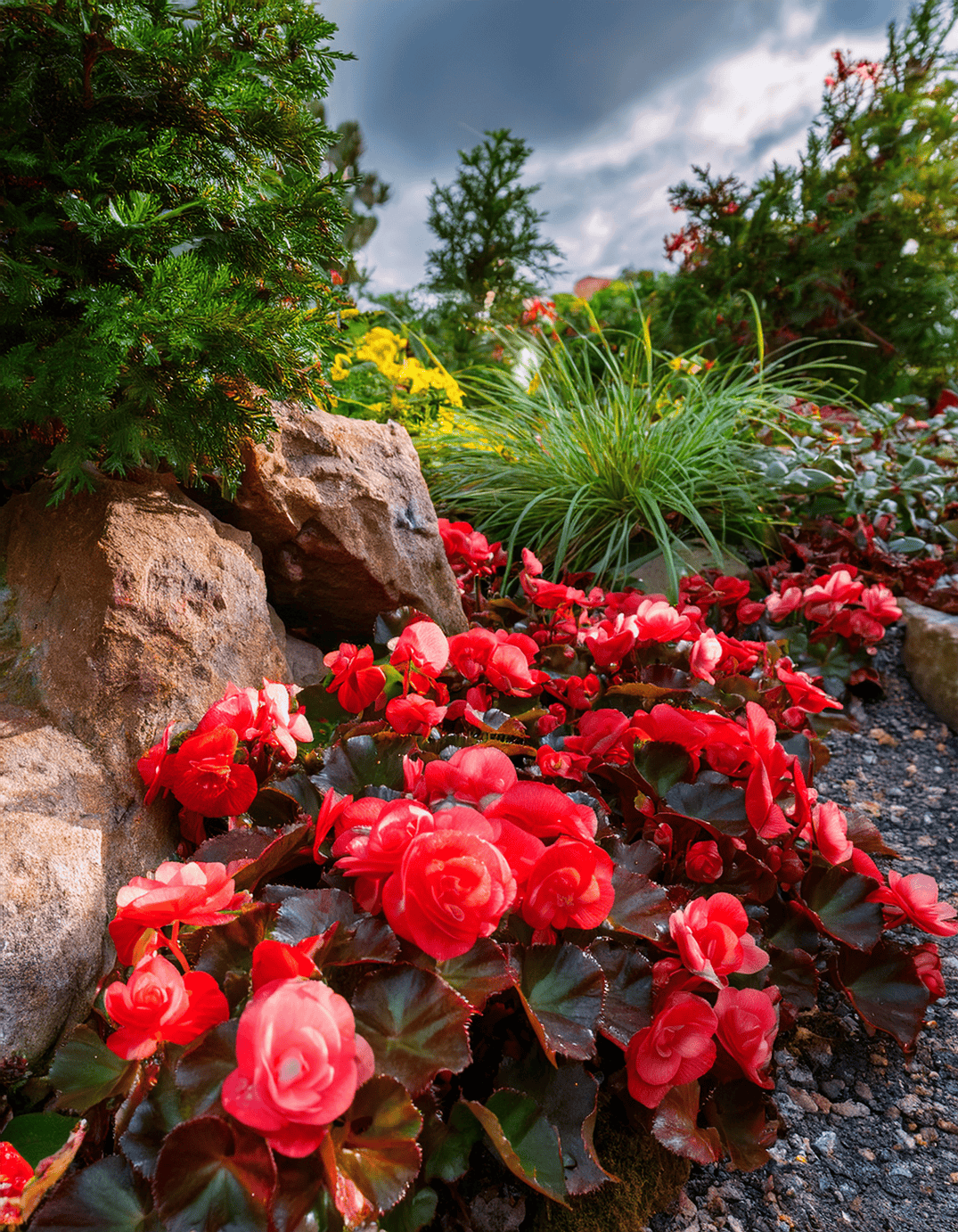
Wax begonias (Begonia semperflorens) are the workhorses of the group. These are your sun-lovers and heat-survivors, the ones that’ll take a full day of exposure and just keep pushing out blooms. If you want something for a hot, exposed planter or a bedding strip that gets baked all afternoon, this is your begonia.
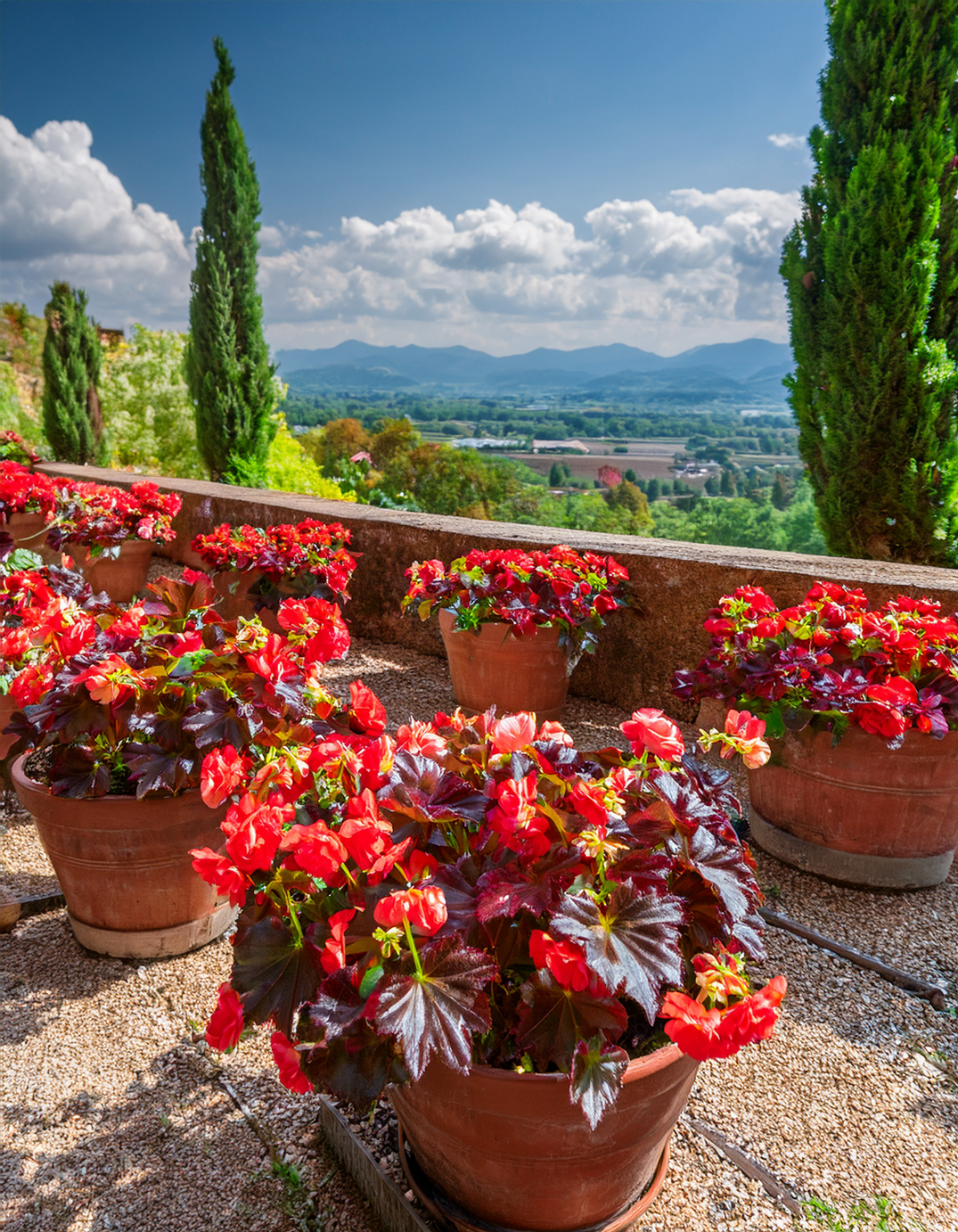
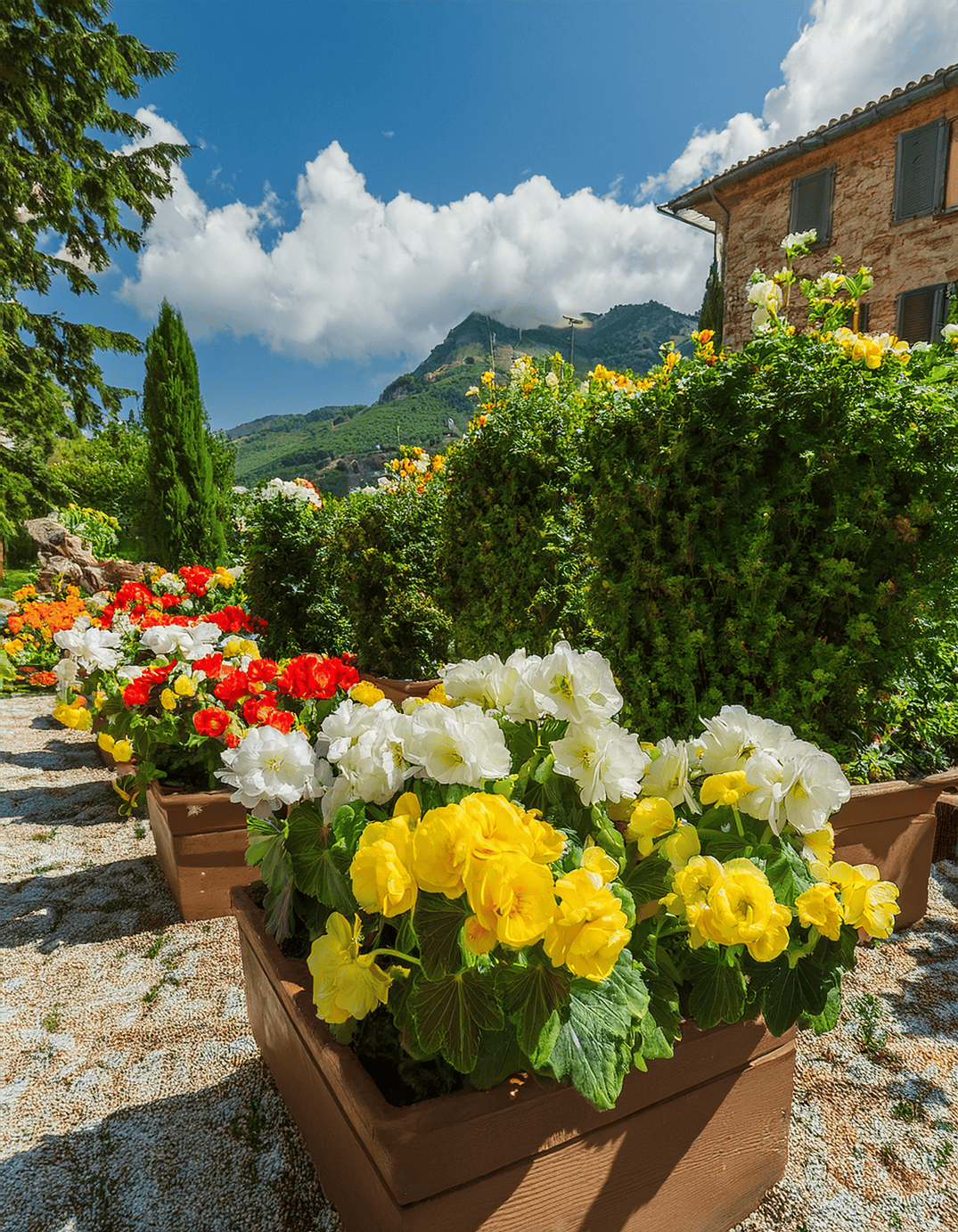
Tuberous begonias are the showstoppers. The blooms are massive, almost rose-like, and come in colors that stop people mid-walk. The tradeoff is they want a bit more protection, ideally some afternoon shade, so they’re better suited to a spot that isn’t getting hammered by direct sun all day.
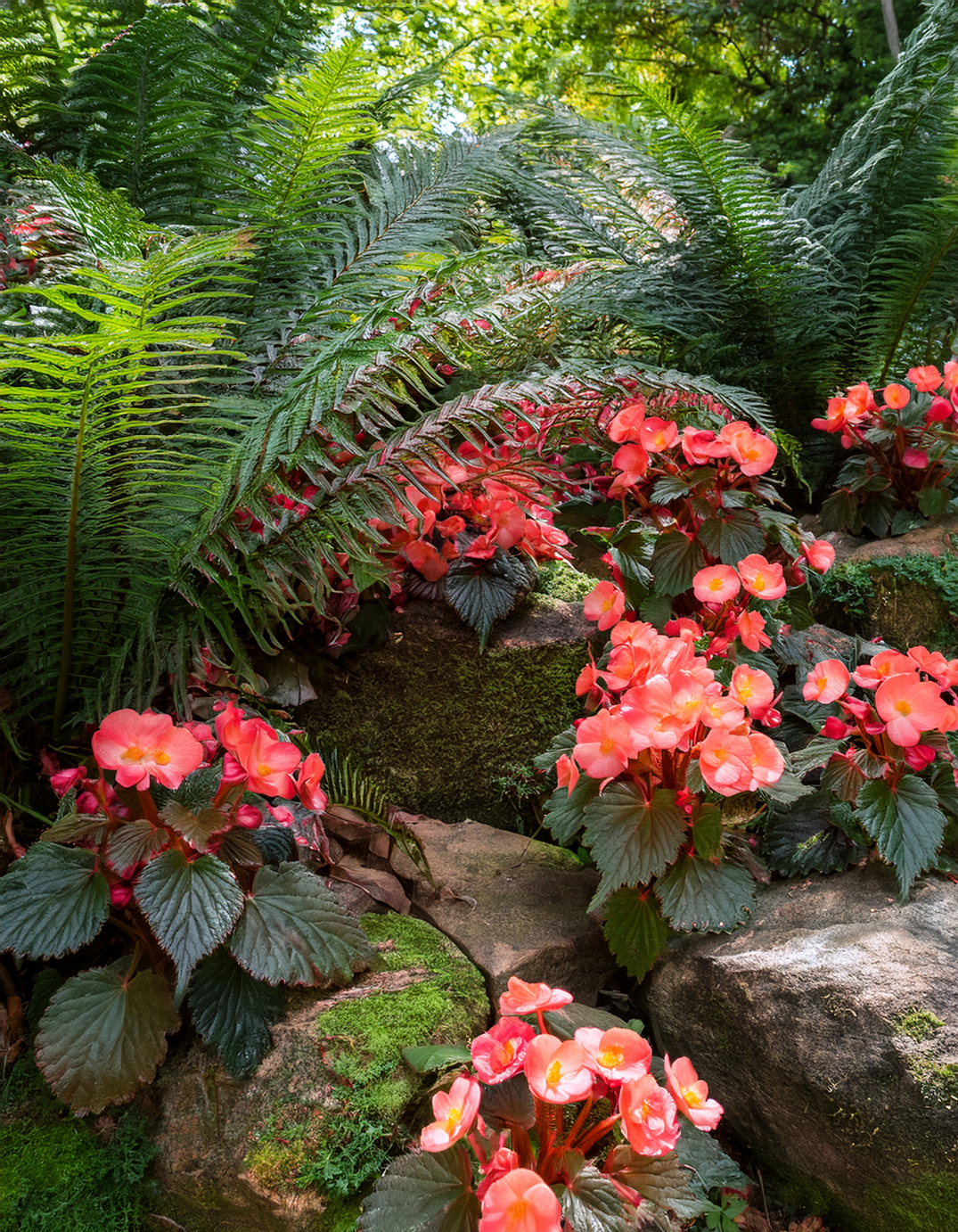
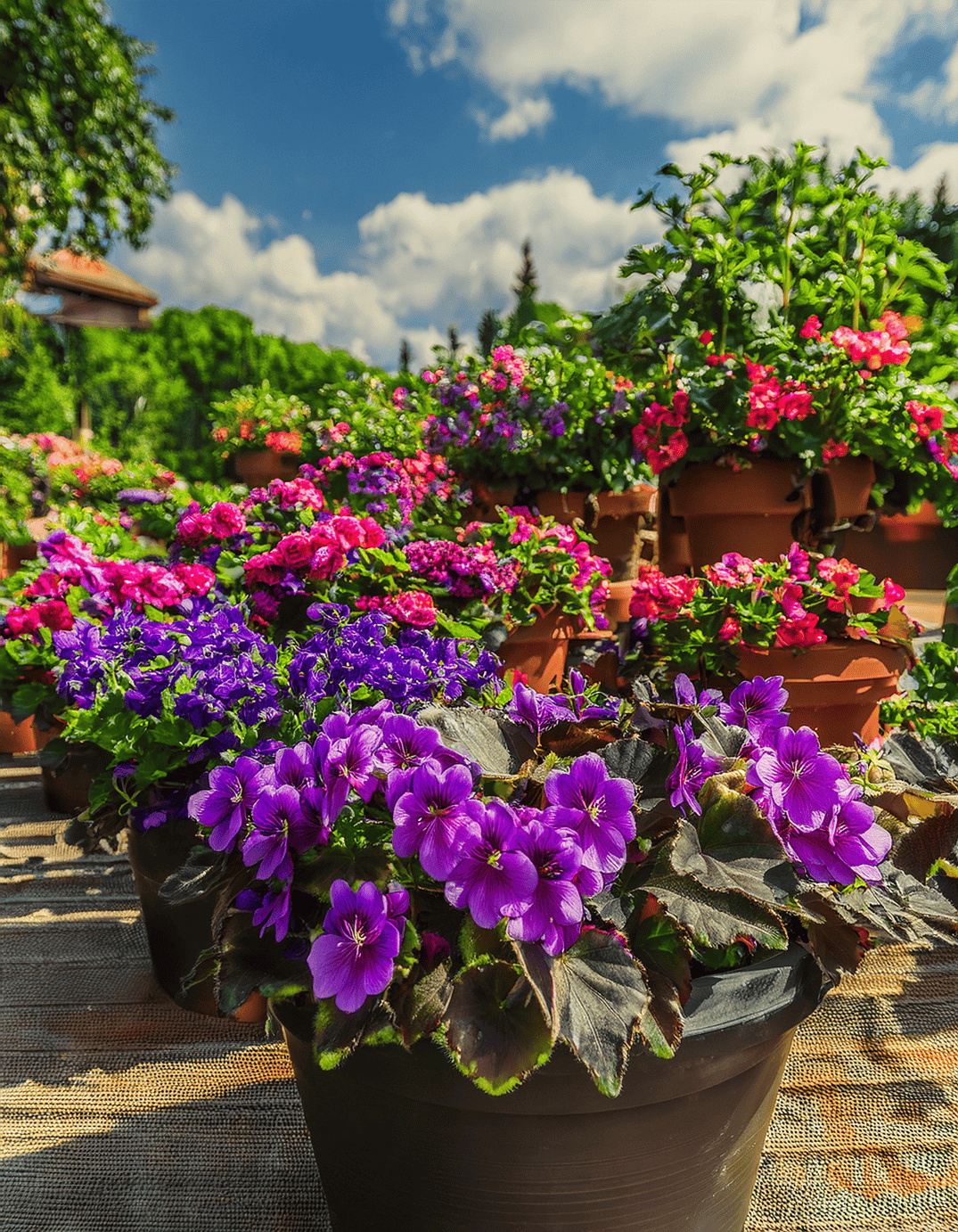
Rex begonias aren’t really grown for their flowers at all. It’s the foliage that does the work here, dramatic, almost painted-looking leaves in deep reds, silvers, and greens. These do best on a shady porch or as a container plant indoors where you can actually appreciate the detail up close.
Replicating the “Planter Magic”
Once you know which type you’re working with, the setup matters almost as much as the plant itself.
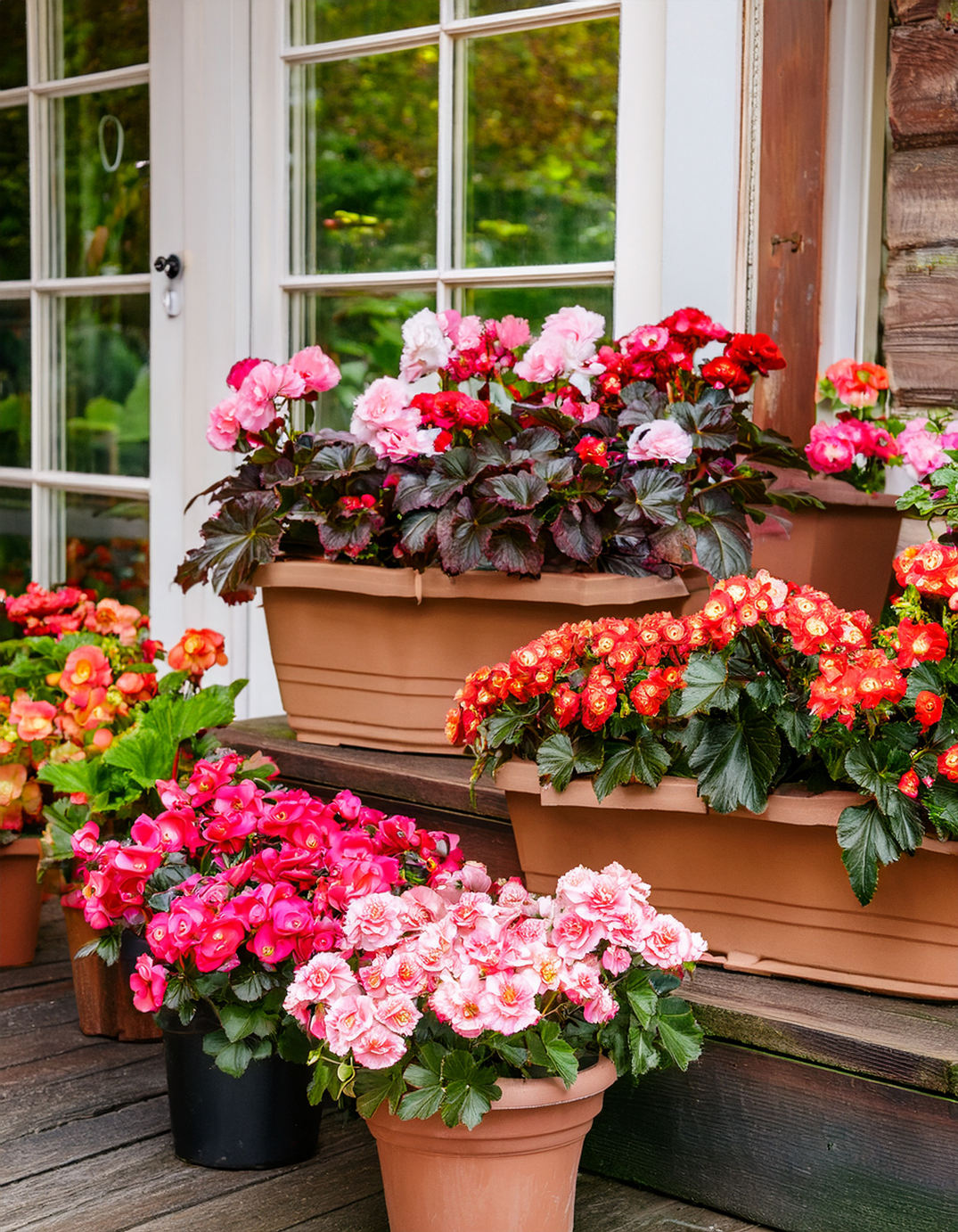
The right container. This is where a lot of people miss the mark. Terracotta or clay pots aren’t just a look, they actually do the plant favors. The porous material lets excess moisture evaporate and helps regulate soil temperature, which matters a lot when you’re dealing with a plant that hates sitting in soggy soil. It’s also just the classic aesthetic if you’re chasing that Italian balcony feel.
Soil that drains. Begonias hate wet feet. That’s the phrase you’ll hear over and over with this plant, and it’s true. Go with a rich, lightweight, well-draining potting mix. If your soil holds water like a sponge, you’re setting yourself up for root rot before you even get to enjoy the blooms.
Sunlight, matched to variety. This is where knowing your begonia type pays off. Wax begonias can handle full sun to partial shade without much complaint. Tuberous and Rex begonias are happier with dappled light or a morning sun, afternoon shade arrangement. Put a tuberous begonia in blazing afternoon sun and you’ll be dealing with crispy leaf edges fast.
Perfect Partners: Companion Planting with Begonias
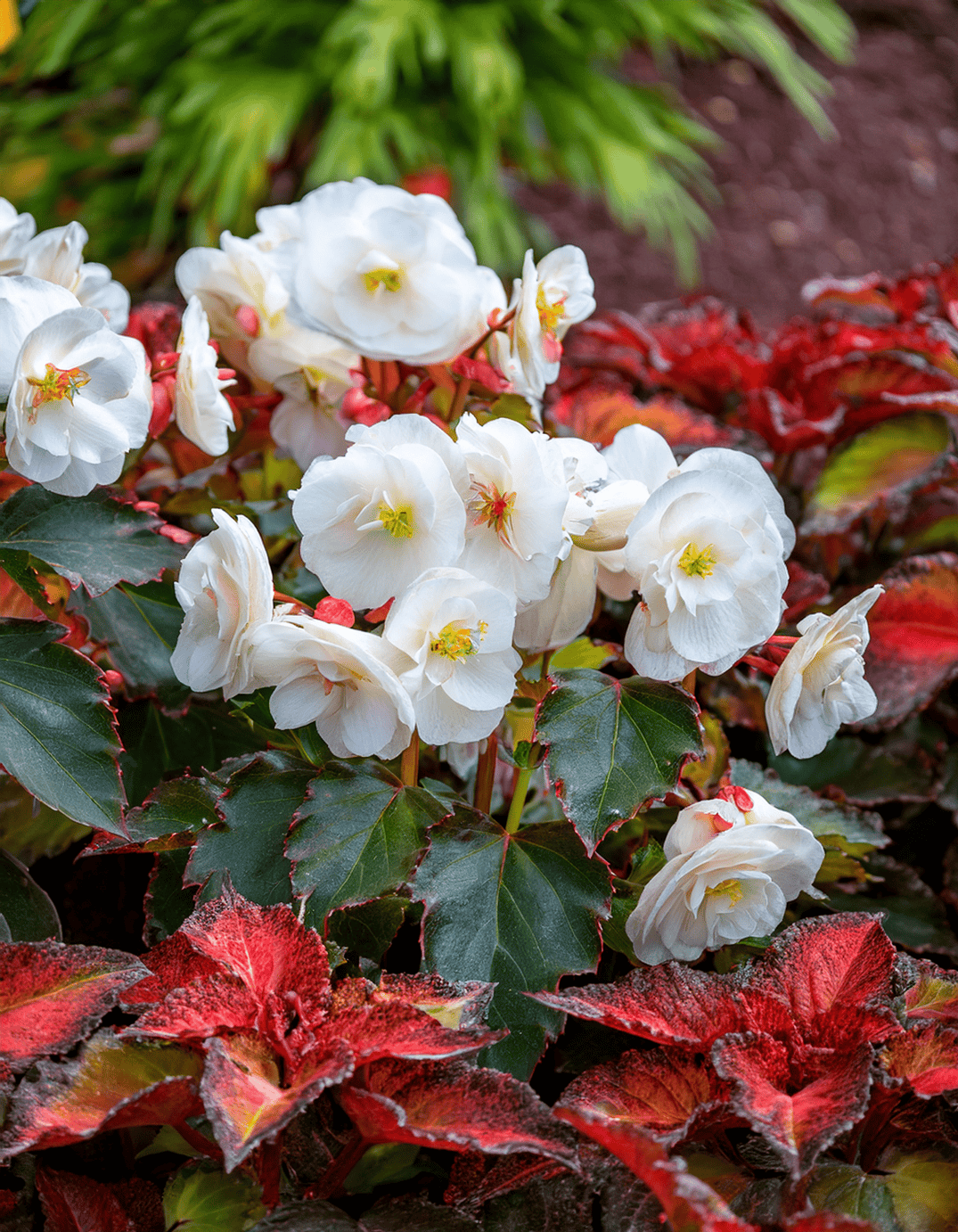
Here’s the part that actually gets you that lush, overflowing Italian balcony look, because begonias rarely do that job alone. Pair them with plants that share their soil and light preferences and you get a display that looks intentional and professional instead of just “one plant in a pot.”
For sun-loving wax begonias, think in terms of the classic thriller, filler, spiller formula:
- Angelonia (Summer Snapdragon) gives you that vertical “thriller” element, height that contrasts nicely against the bushier begonia mounds.
- Sweet Alyssum or Lobelia are your low, spilling companions, perfect for cascading over the edge of a terracotta pot.
- Lantana matches the wax begonia’s relentless blooming energy and shrugs off heat just as well.
For shade-loving tuberous and Rex begonias, it’s more about texture and contrast:
- Caladiums bring big, heart-shaped leaves that play beautifully against the delicate blooms of tuberous begonias.
- Coleus gives you endless foliage color combinations that can echo or contrast the tones already happening in a Rex begonia’s leaves.
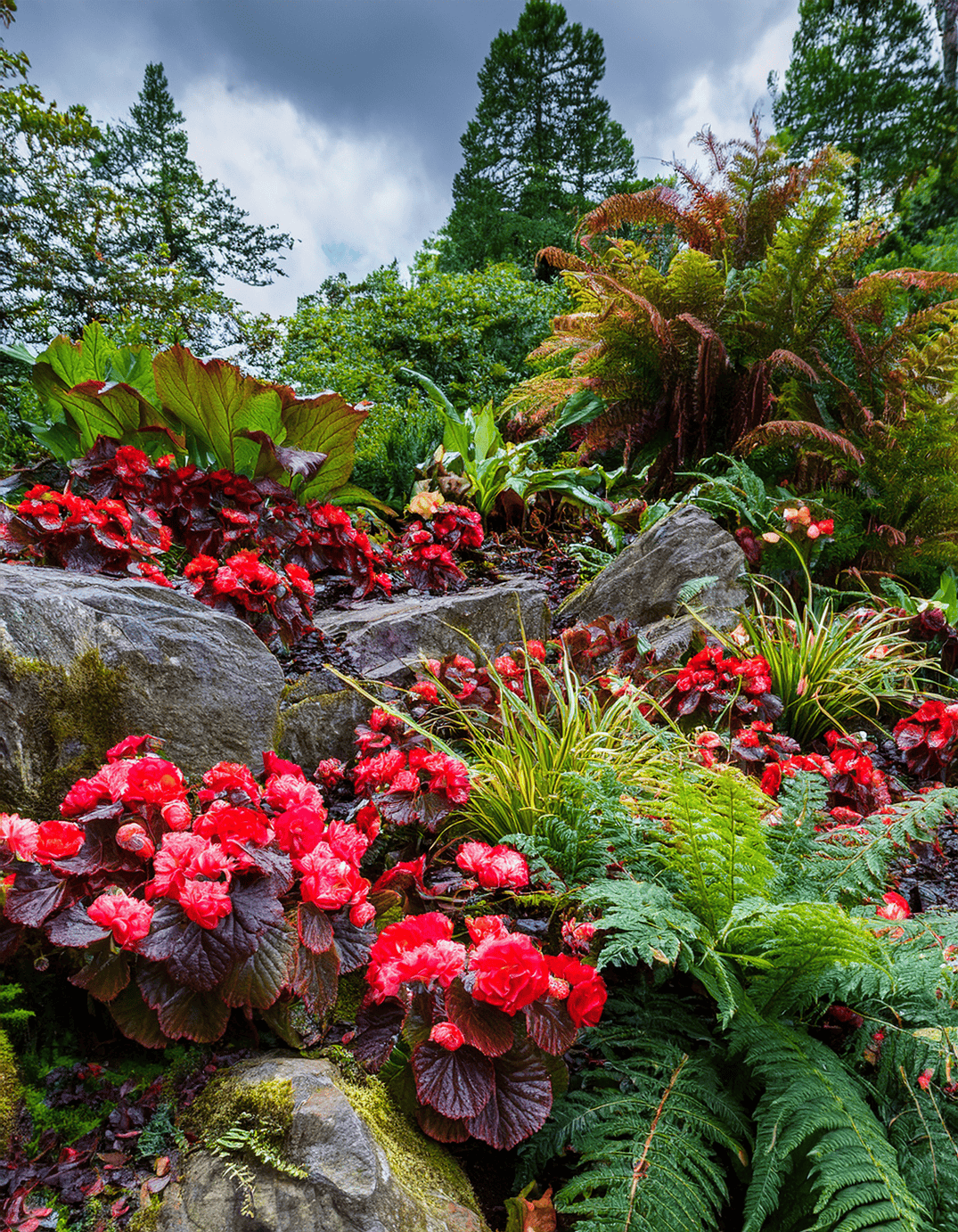
- Ferns or hostas add that lush green backdrop that makes bright begonia colors really pop.
And if you want that timeless, overflowing estate look no matter which begonia you’re working with, pair it with trailing English Ivy or Creeping Jenny. That’s the detail that pulls a planter from “nice” to “how did they do that.”
The Care Routine: Keeping Them Relentless
Watering, the Goldilocks rule. Water deeply, then let the top inch of soil dry out before you water again. Not bone dry, just dry to the touch at the surface. And water at the base, not over the leaves. Wet foliage sitting around is basically an invitation for powdery mildew.
Feeding the bloom machine. A begonia in full bloom is working hard, and it needs the fuel to match. A balanced, water-soluble fertilizer every two to three weeks will keep the flowers coming instead of tapering off by midsummer.
Deadheading, or the lack of it. Good news here: many modern wax begonia varieties are self-cleaning, meaning spent blooms drop on their own without you having to pinch anything. That said, if a plant starts getting leggy or sparse, pinching back the longer stems will encourage a fuller, bushier shape.
Troubleshooting Common Issues
| Symptom | Likely Cause | Quick Fix |
|---|---|---|
| Yellowing leaves / rotting stems | Overwatering | Let the soil dry out; check that the pot actually drains |
| Crispy, brown leaf edges | Scorching heat or underwatering | Move to afternoon shade; increase watering frequency |
| White powder on leaves | Powdery mildew | Improve air circulation; water at the base, not the leaves |
Bring a Piece of Italy Home
Begonias have a reputation for being fussy that they honestly don’t deserve. They’re tougher than they look, they just want good drainage, consistent watering, and a bit of thought put into what’s growing alongside them. Get those pieces right and you’ll have blooms going strong from spring straight through to the first frost, no Mediterranean climate required.