


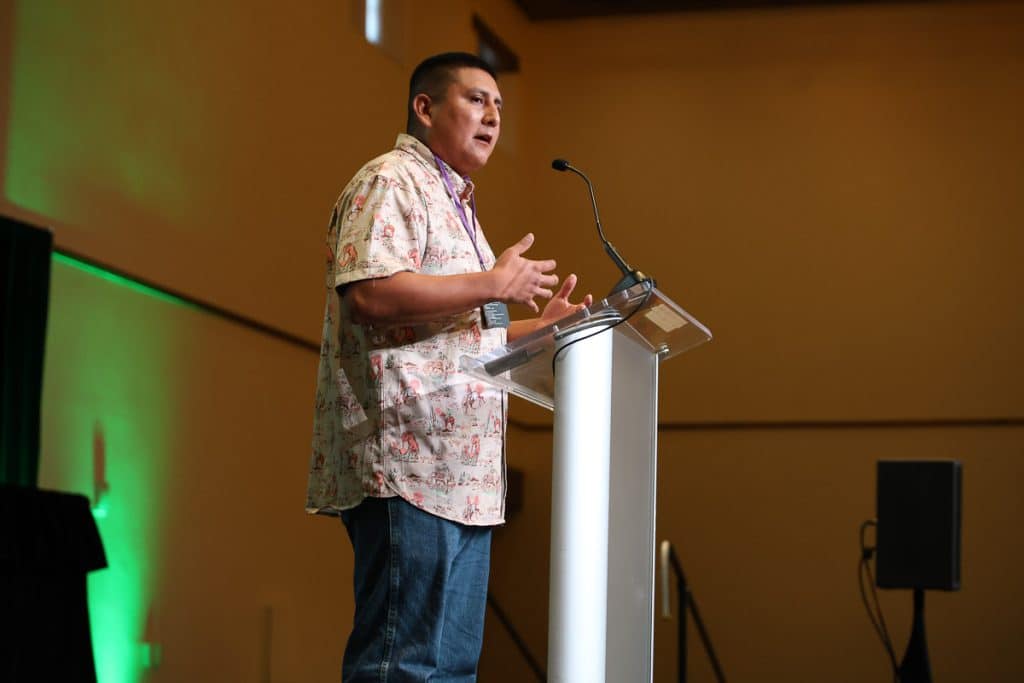
With so much on its plate, I’m often asked: What exactly does Quivira do? I’d sum it up as three things: convening, working on the land, and cultivating the next generation. Quivira’s convenings range from webinars for half a dozen people trying to learn the Farm Service Agency’s (FSA) farm loan system to our annual REGENERATE CONFERENCE, where more than 600 people gather. No matter the topic or size, these convenings center around opportunities to spread demonstrated success to new places and practitioners. But, we’ve learned something along the way: those successes spread faster when we’re also honest about failures. Those failures include personal experiments on the ranch and much larger societal ones. At that same REGENERATE Conference, James Calabaza from Trees, Water, People gave a talk about indigenous practices in land stewardship. After his presentation, a young woman raised her hand and asked a question that made the room go silent. As a rancher, she asked how she could “do better” in spite of our nation’s history and the injustices that had allowed her family to own a ranch in California to begin with. That question, and Calabaza’s response, turned an uncomfortable, potential rift in our community into an opportunity for dialogue. Ranchers asked follow-up questions about their role in this moment, when history cannot be undone, but they want to take a better next step. That vulnerability is, to me as a newcomer, what Quivira is all about. Our convenings work because we seek out areas of potential conflict with a willingness to learn from different perspectives. The differences are what make the difference.

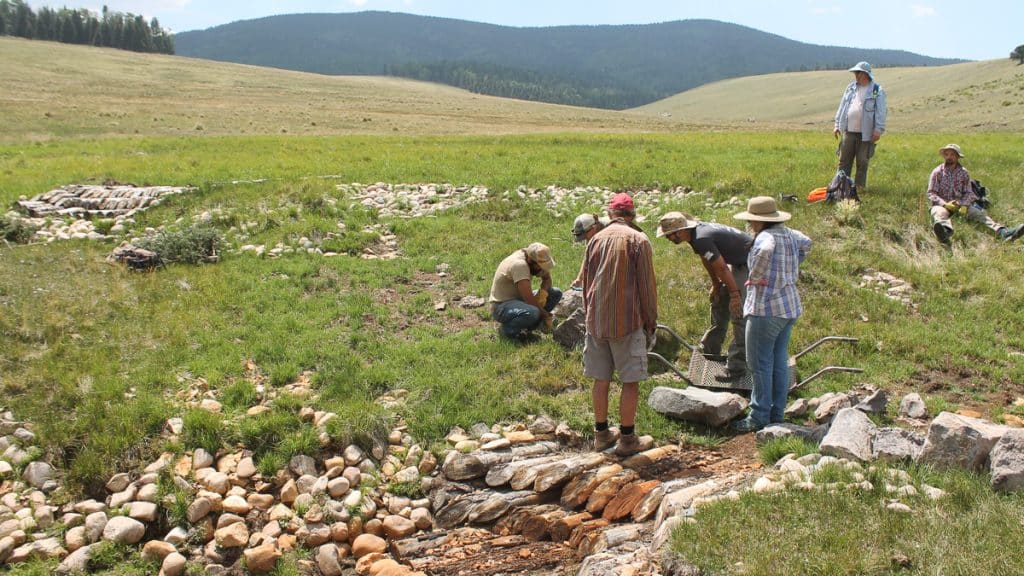
Working on the land comes naturally to Quivira. Originally described by White as a “do-tank,” Quivira exists to demonstrate how emerging research can result in real impact on the land. From enormous water catchment systems on Quivira’s own Red Canyon Reserve to rancher-led workshops that demonstrate compost techniques they’ve applied to their own fields, Quivira shows that a Radical Center is possible. Thanks to a recently revived investment from the Natural Resources Conservation Service (NRCS), Quivira will be launching a new opportunity to continue showing that these practices can be profitable as well. Stay tuned for more soon.
The future of Quivira hinges on the third big bucket of our work. After years of convening people and working on the land, Quivira realized it had a problem. No matter how many good ideas and demonstrated successes Quivira shared, the future was limited unless we also invested in future generations. In the early 2000’s, Quivira partnered with ranchers on the Navajo Nation to engage Navajo youth through hands-on mentorship. Later, Quivira developed the New Agrarian Program, which now has over 160 alumni. Over 80 percent of these alumni are, like Jesse and Leah, still working in agriculture today. This is something we’re immensely proud about.
So, after 30 years, what can Quivira tell you about healthy lands and healthy ranches? We can tell you the challenges keep coming. From hollowed-out rural towns to megadroughts and megafires, the range wars have morphed into an existential crisis for the rural West. Thankfully, resilient land and people are rising to the challenge. What brings me hope is that the Quivira community continues to explore the Radical Center, to learn from our failures, and to share our successes as the next generation takes bold steps into the future.
The 2026 REGENERATE Conference is being held October 28-30 in Santa Fe, NM. Find out more about the event here.
Article by Xochitl Torres Small, who is a sunny New Mexican who loves the land. The granddaughter of farmworkers, Xoch went on to serve her home as an attorney practicing water and natural resources law, a United States Representative, and U.S. Department of Agriculture Deputy Secretary. Now, she’s proud to continue forging solutions as executive director of the Quivira Coalition, which fosters resilience on working lands.
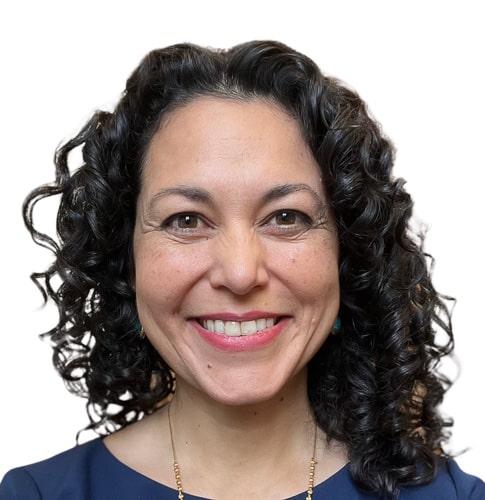

In Congress, Xoch represented the largest district that wasn’t a whole state. She changed complex regulations to support collaborative water conservation and made White Sands a National Park. During COVID, she helped keep farmers, small business owners, and rural hospitals from bankruptcy. At the Department of Agriculture, Xoch first worked at Rural Development, overseeing an annual $40 billion to connect people to high-speed internet and water systems, invest in rural health care and businesses, build homes, and expand clean energy. As deputy secretary, Xoch served as chief operating officer for over 100,000 civil servants. During her tenure, she helped make permitting more efficient and created the USDA’s first drought program financed through the Commodity Credit Corporation. She’s been confirmed by a bipartisan United States Senate twice.
Xochitl lives in Las Cruces, New Mexico with her husband, horses, dogs, and cats. They spend as much time as possible hunting and exploring the great outdoors.