

Most gardeners pack away their seeds when the temperatures drop, but some of the most beautiful flowers in the garden actually benefit from a long, cold winter. While we’re waiting for spring to arrive, nature is already preparing certain seeds for the growing season ahead.
It’s a process called cold stratification, and it’s one of the easiest ways to improve germination for many perennial flowers and native wildflowers. Seeds spend weeks or months in cold, moist conditions, which helps break dormancy and prepares them to sprout when warmer weather returns.
The best part is that you don’t necessarily need seed-starting lights, heated trays, or even space indoors. By sowing the right seeds in late fall or winter, you can let the weather handle much of the preparation. From enormous Oriental poppies to delicate Virginia bluebells, these 15 flowers are worth starting before spring arrives.
At a Glance
-
Why cold stratify flower seeds?
Many perennial flowers need or benefit from a period
of cold, moist conditions to break seed dormancy
and encourage germination in spring. -
Which flowers benefit?
Oriental poppies, wild lupines, columbines,
coneflowers, blazing stars, and Virginia bluebells
are among the beautiful flowers worth winter sowing. -
When should you start?
Late fall and early winter are ideal in cold
climates. Depending on the species, seeds may
benefit from 10 to 120 days of cold treatment. -
How do you cold stratify seeds?
Sow seeds outdoors before spring, use winter
sowing containers, or place seeds in a moist
medium in the refrigerator at 33 to 40°F
(1 to 4°C).
1. Oriental Poppy (Papaver orientale)
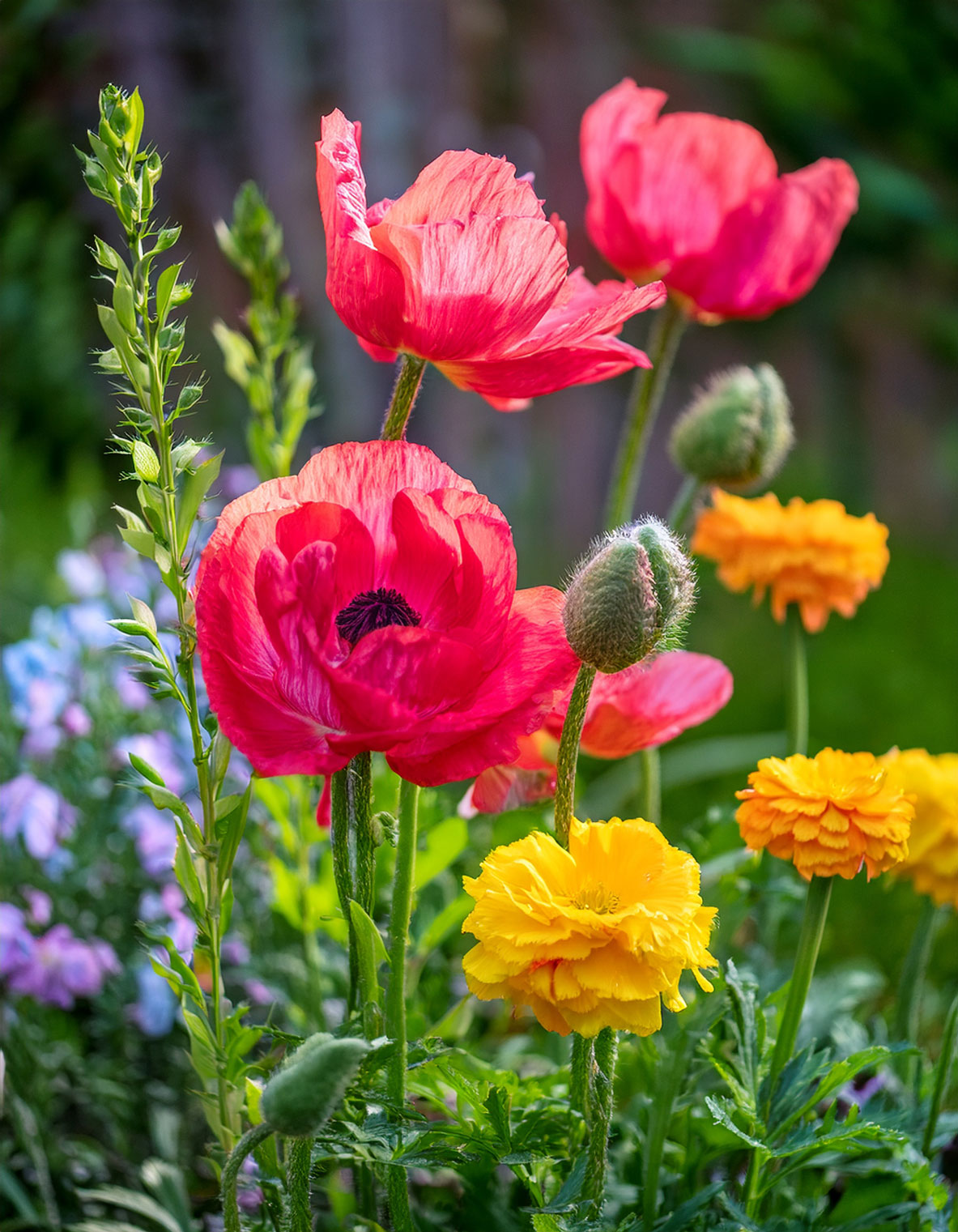
Few flowers make an entrance quite like Oriental poppies. Their enormous, silky petals look almost like crinkled tissue paper, opening in brilliant shades of scarlet, coral, orange, and soft pink. Many varieties have dramatic black markings surrounding their centres, making each flower look like a piece of artwork. I particularly love the idea of planting these among softer perennials, where their bold colours can steal the show for a few glorious weeks in late spring or early summer.
🐝 Fan Favorite
“Feed the Bees” Garden Sign
Give your wildflower patch a pop of color and let your neighbors know there’s purpose in your plants.
Delivered in 5–7 days
🦋 Every sign funds a tree planted in the North American Monarch Corridor — at no extra cost to you.
Oriental poppy seeds don’t always require cold stratification, but a cool period of approximately two to four weeks can improve germination in some seed lots. They’re excellent candidates for fall or winter sowing, particularly because their tiny seeds can be pressed onto prepared soil rather than buried deeply. Keep the surface lightly moist, and choose a permanent location with plenty of sunshine and good drainage. These perennials develop substantial roots and don’t appreciate being moved once established. Their foliage may also die back during summer, so surrounding plants can help fill the gap.
2. Wild Lupine (Lupinus perennis)
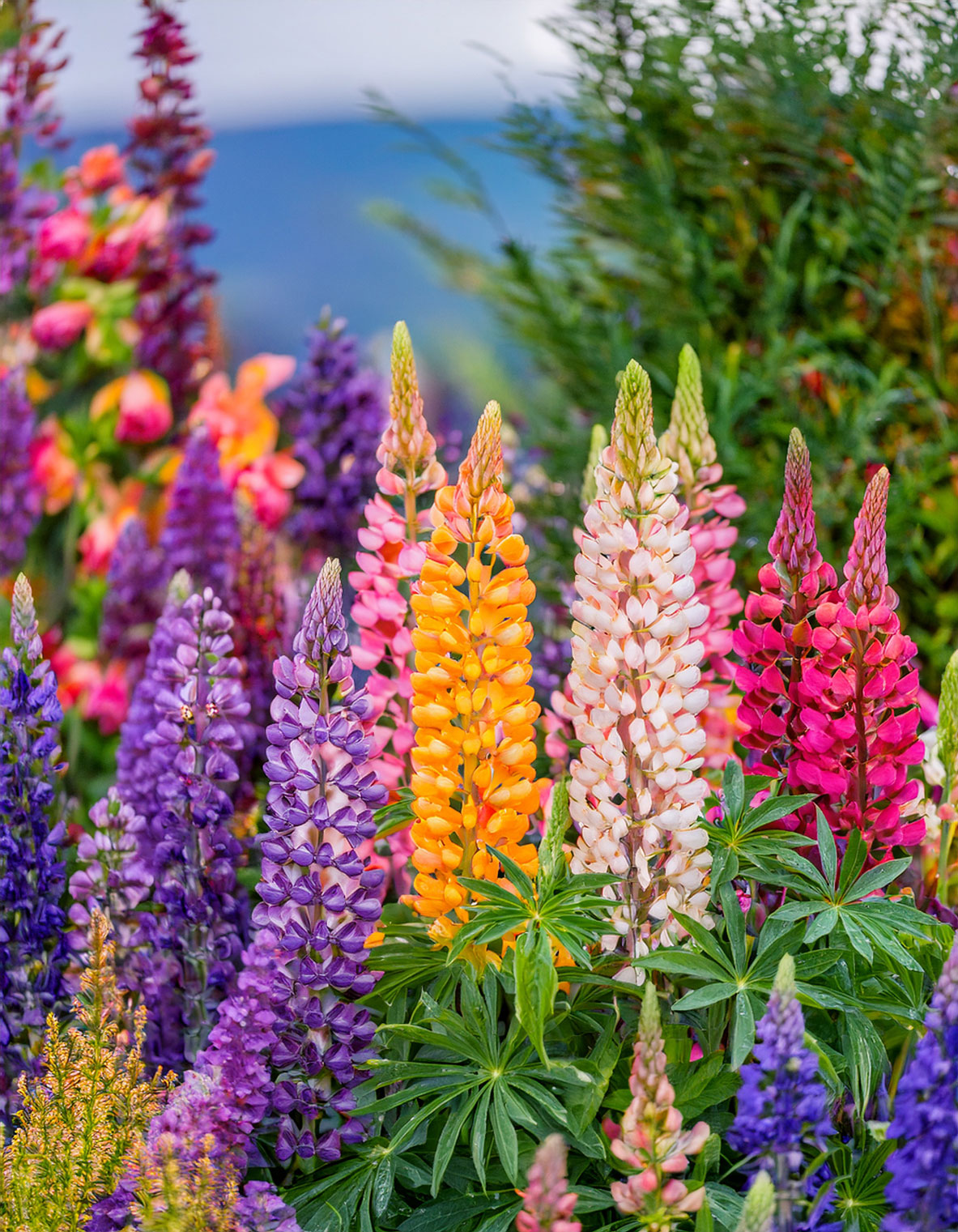
Wild lupines are some of the prettiest flowers you can introduce into a naturalistic garden. Their tall, blue-purple flower spikes rise above attractive, palm-shaped leaves, creating a beautiful combination of colour and texture. Unlike some of the enormous hybrid lupines sold at garden centres, wild lupines have a softer, more delicate appearance that looks right at home among ornamental grasses and native wildflowers. They’re also an important host plant for certain butterflies, including the endangered Karner blue butterfly within its native range.
Wild lupine seeds have a tough outer coating that can prevent moisture from reaching the developing embryo. For artificial propagation, Prairie Moon Nursery recommends approximately 10 days of cold, moist stratification along with scarification, which involves gently weakening the seed coat with sandpaper. However, I would skip scarification when sowing outdoors in late fall or winter, allowing natural weathering to work on the seeds instead. Lupines prefer sunny locations with well-drained, sandy soil, and their deep taproots make them difficult to transplant once established.
3. Garden Phlox (Phlox paniculata)
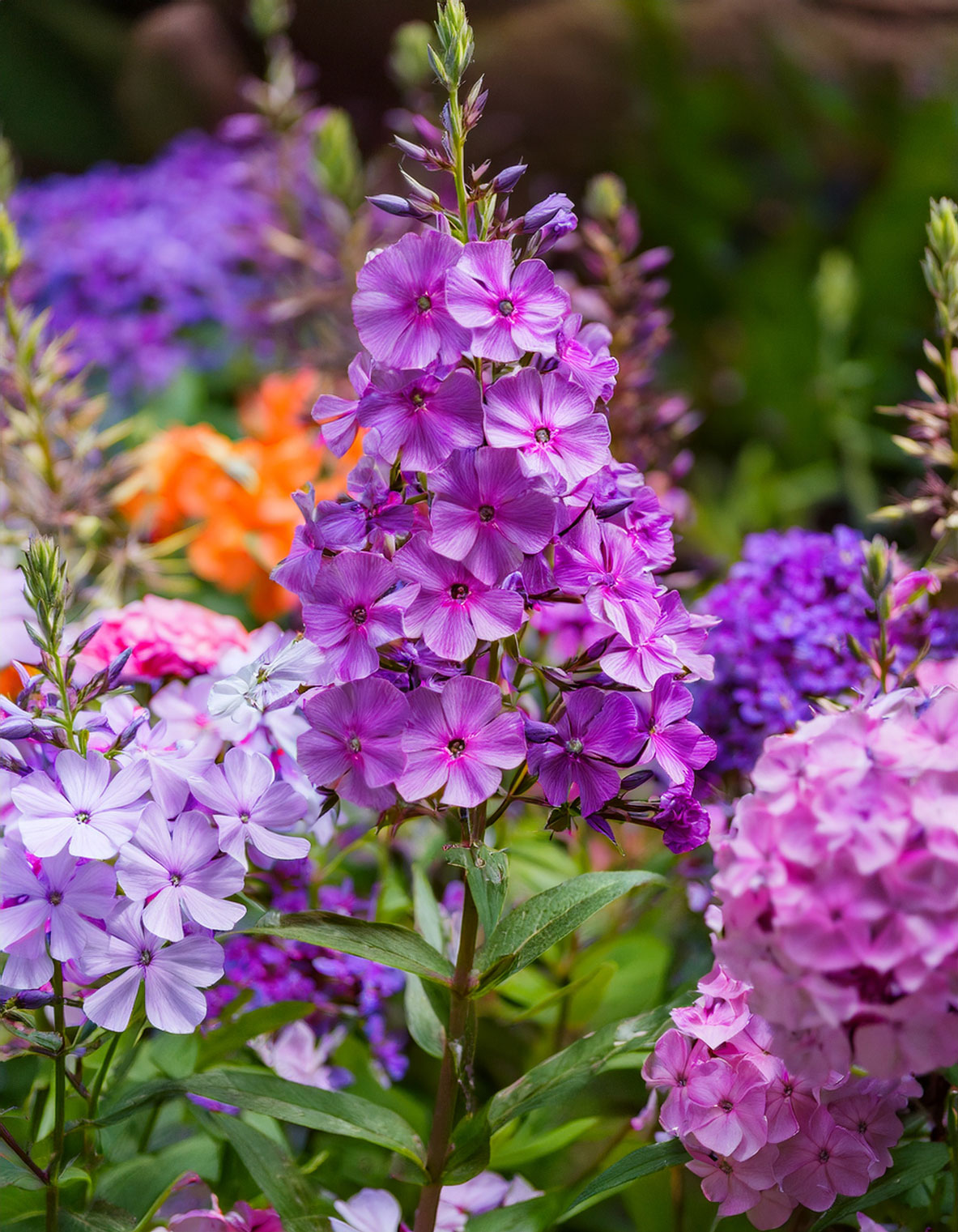
If I wanted a perennial border filled with colour and fragrance through the summer, garden phlox would be near the top of my list. Its generous clusters of pink, lavender, purple, and white flowers create clouds of colour above sturdy green stems. Some varieties have contrasting centres, while others feature soft pastel shades that blend beautifully with roses, coneflowers, and ornamental grasses. Butterflies are frequent visitors, and the flowers can bring a lovely fragrance to the garden during warm summer evenings.
Garden phlox seeds benefit from approximately 60 days of cold, moist stratification, making autumn sowing a practical option. You can sow them in prepared outdoor beds or containers and allow winter temperatures to provide the chilling period. Once germinated, seedlings appreciate fertile soil, consistent moisture, and good air circulation to reduce problems with powdery mildew. Keep in mind that phlox grown from seed may not produce flowers identical to the parent plant, particularly when seeds come from named cultivars. I actually think that unpredictability can be part of the fun.
4. Macedonian Scabious (Knautia macedonica)
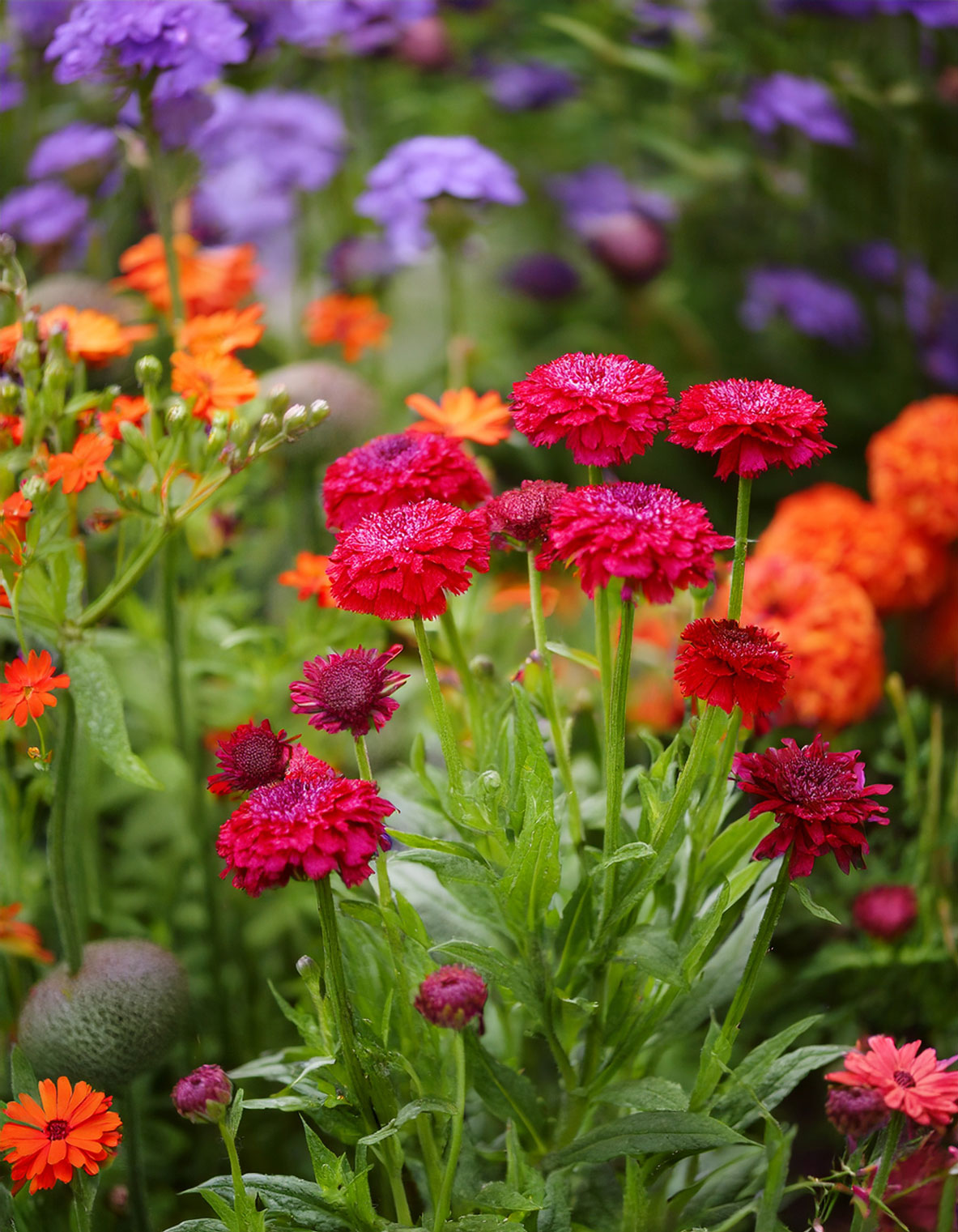
Macedonian scabious has a wonderfully romantic appearance, with small, deep crimson flowers floating above thin, branching stems. The pincushion-shaped blooms are almost burgundy in certain lighting, creating a beautiful contrast against surrounding greenery. Rather than forming a stiff, formal clump, this perennial has an airy habit that allows it to weave between other flowers. I’d pair it with pale pink roses, ornamental grasses, or lavender-coloured perennials for a relaxed cottage-garden look.
These seeds benefit from cold, moist stratification and are particularly well suited to sowing in autumn. Scatter them over moist seed-starting compost, cover very lightly with fine grit, and place the containers outdoors where they can experience natural winter temperatures. Germination can be irregular, so don’t be discouraged if some seedlings appear well before others. Once established in a sunny, well-drained location, Macedonian scabious can flower over a long period and may gently self-seed around the garden.
5. Candelabra Primrose (Primula Candelabra hybrids)
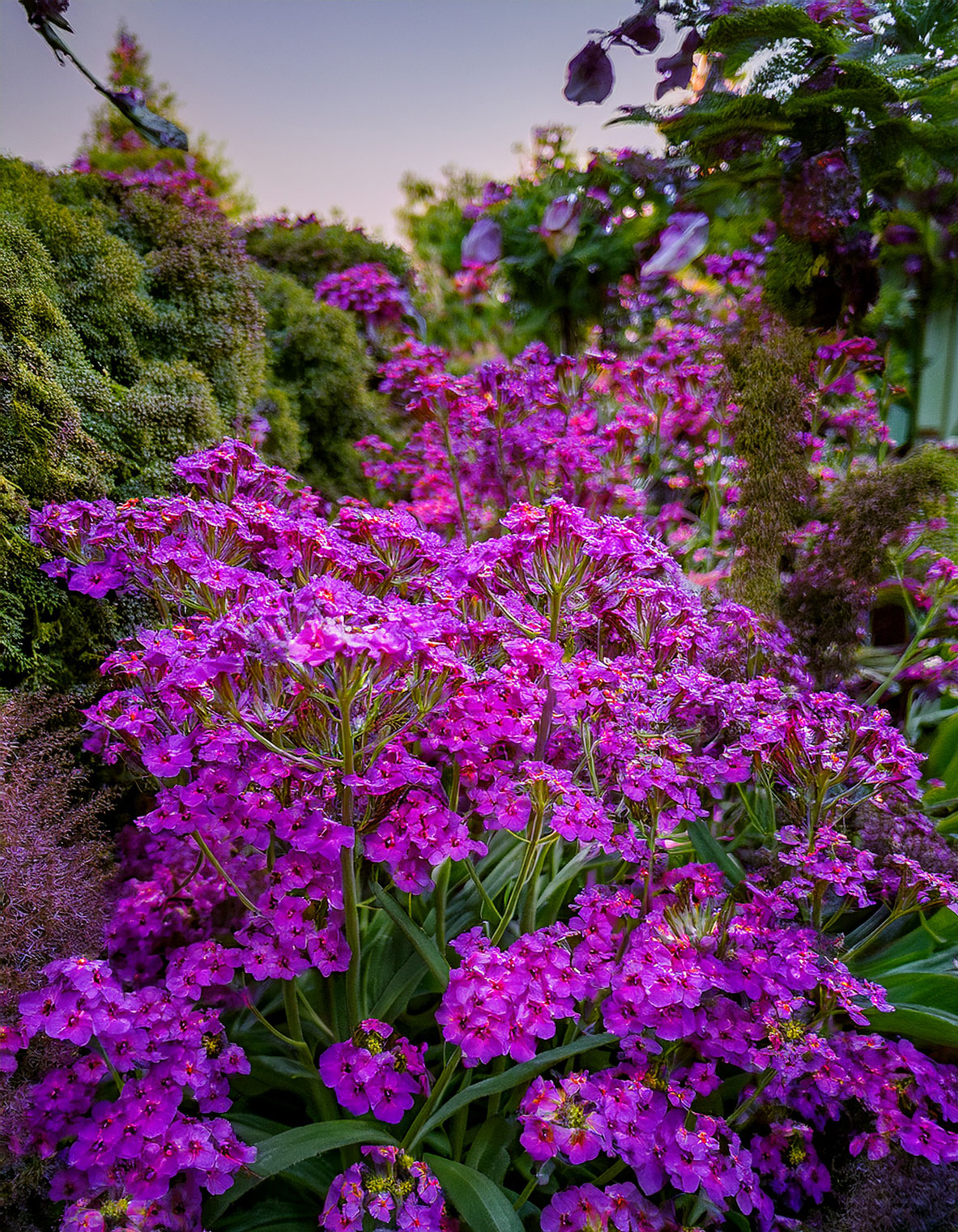
Candelabra primroses look almost too exotic to belong in a temperate garden. Their flowers appear in colourful rings stacked along upright stems, creating tiers of pink, orange, red, yellow, and purple blooms. Some varieties look like miniature flowering towers, and planting several together produces an incredible display in late spring and early summer. They’re particularly beautiful beside ponds, streams, or shaded garden paths where their bright flowers stand out against lush foliage.
Many candelabra primroses benefit from cold stratification, although exact requirements vary between species and hybrids. Winter sowing in containers is a good approach because it gives the seeds a naturally cool, moist period without exposing them to excessive indoor heat. The seeds need light for germination, so press them onto the compost surface without covering them. Unlike many other flowers on this list, candelabra primroses prefer consistently moist soil and generally perform best in partial shade, especially where summers are hot.
6. Wild Columbine (Aquilegia canadensis)
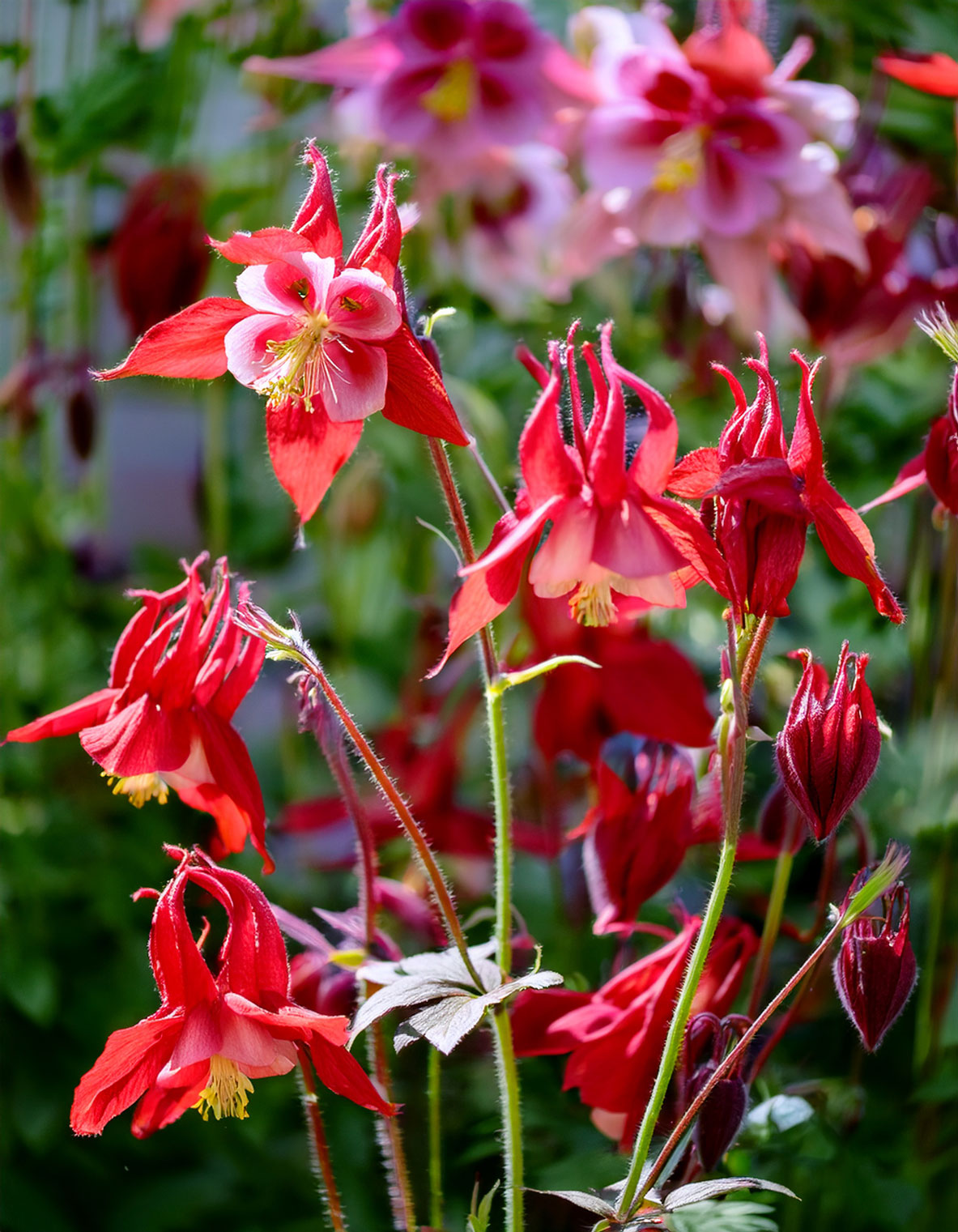
Wild columbine is one of those flowers that becomes more interesting the closer you look. Its delicate red-and-yellow blossoms hang from slender stems, with long, backward-pointing spurs giving each flower an unusual shape. The blooms appear in spring, often before many summer perennials have started growing. I love how naturally these flowers fit into woodland edges, rocky gardens, and lightly shaded borders. They’re also an important early nectar source for hummingbirds arriving in spring.
Wild columbine seeds benefit from approximately 60 days of cold, moist stratification. In nature, seeds disperse during the warmer months and spend winter exposed to changing temperatures and moisture levels before germinating. You can imitate this process by sowing them outdoors in late fall or winter, pressing the small seeds onto the soil surface or covering them very lightly. Keep the seedbed moist during germination, and be patient with the tiny seedlings. Once established, wild columbines can self-seed and appear in unexpected corners of the garden.
7. Tall Larkspur (Delphinium exaltatum)
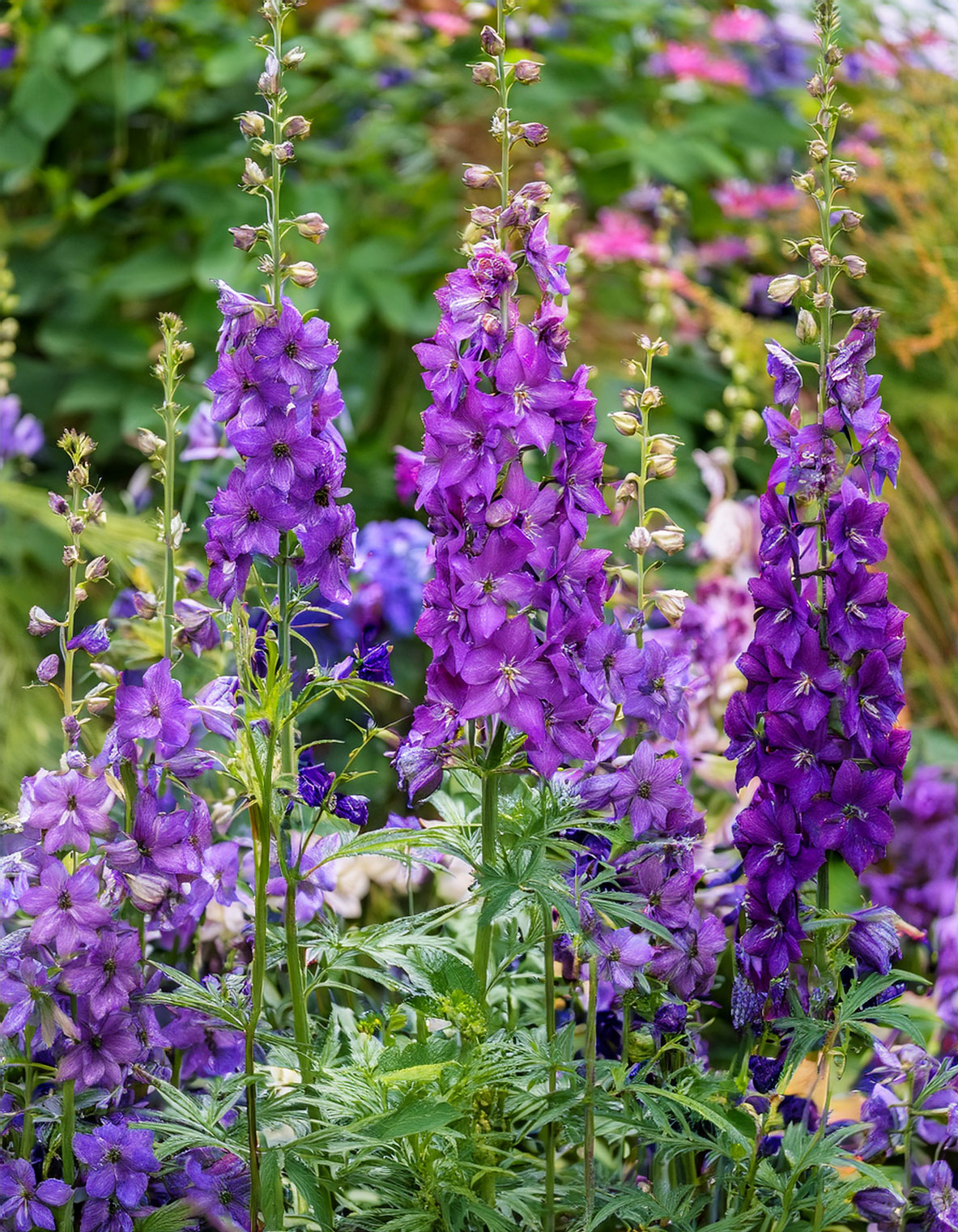
There’s something especially beautiful about flowers that grow vertically, and tall larkspur makes wonderful use of that height. This native perennial produces slender stems lined with delicate blue-purple flowers, creating an elegant display that looks striking among shorter plants. Its airy flower spikes have a more natural appearance than the densely packed blooms of many cultivated delphiniums. If you enjoy flowers that give a garden height without making it feel crowded, tall larkspur is worth considering.
Tall larkspur requires a relatively long cold stratification period of approximately 120 days, making it one of the best reasons to start winter sowing early. Seeds sown outdoors in late autumn can experience the extended chilling period needed to overcome dormancy. Choose a well-drained site with partial shade or morning sunshine, and avoid disturbing seedlings unnecessarily once their roots begin developing. This is a perennial that rewards patience, as flowering may take more than one growing season. Like other delphiniums, all parts of the plant are poisonous if eaten.
For more vertical flower inspiration, see my guide to growing larkspur for gorgeous summer flowers, which also covers the more familiar annual types.
8. Jacob’s Ladder (Polemonium reptans)
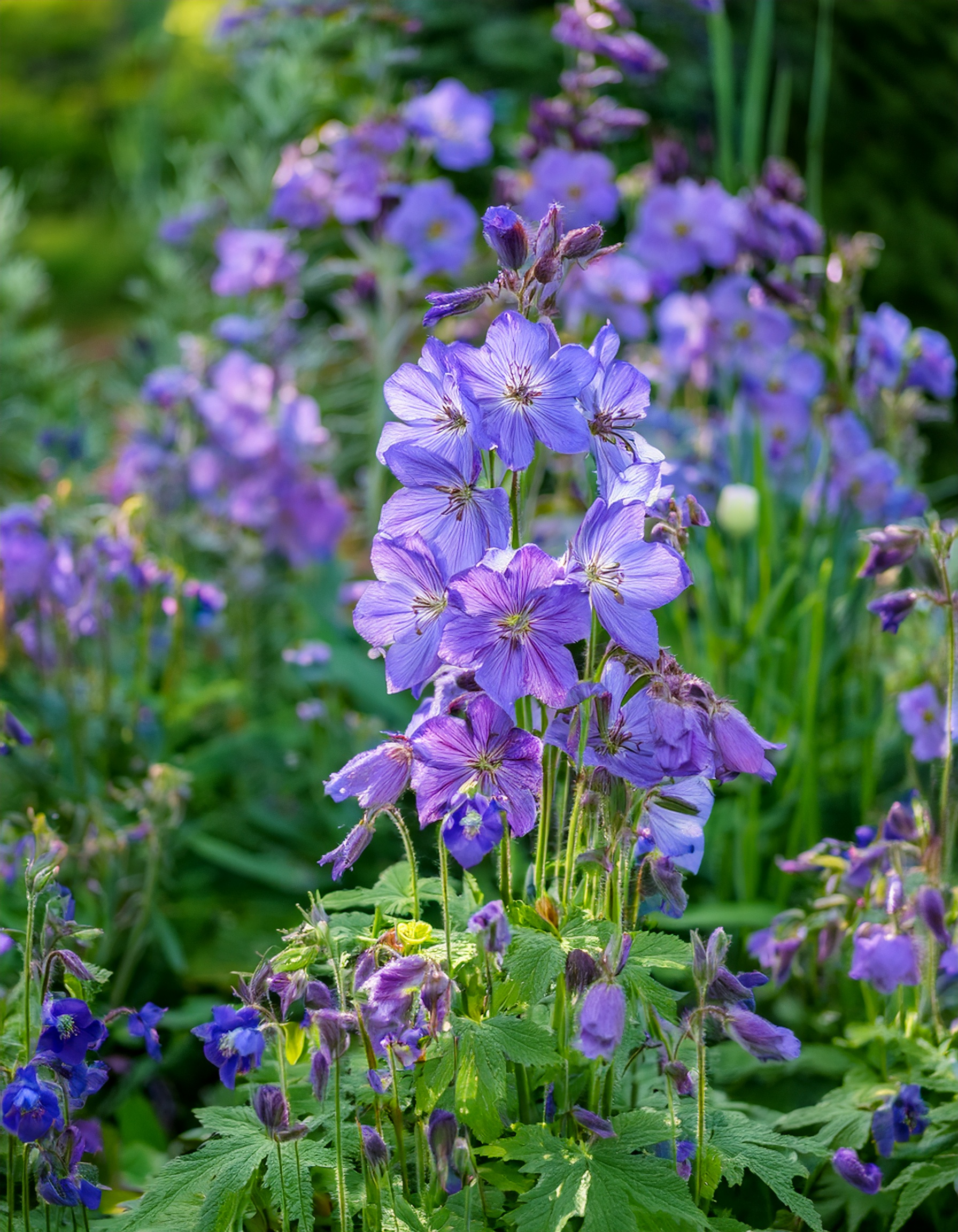
Jacob’s ladder offers a beautiful combination of delicate flowers and interesting foliage. Clusters of soft blue-violet blooms appear above finely divided leaves arranged in pairs along each stem, resembling the rungs of a miniature ladder. It’s an understated perennial compared with something like an Oriental poppy, but that makes it especially useful for softening the edges of garden beds. I think it would look lovely planted alongside Virginia bluebells, woodland phlox, or ferns in a lightly shaded garden.
The seeds benefit from approximately 60 days of cold, moist stratification, which can be provided naturally through late-fall or winter sowing. Scatter them over prepared soil or sow them shallowly in outdoor containers, keeping the growing medium moist without allowing it to become waterlogged. Jacob’s ladder generally prefers rich, well-drained soil with consistent moisture, and it tolerates more shade than many other flowering perennials. Once established, it can provide attractive spring colour without requiring a sunny garden bed.
9. Pale Purple Coneflower (Echinacea pallida)
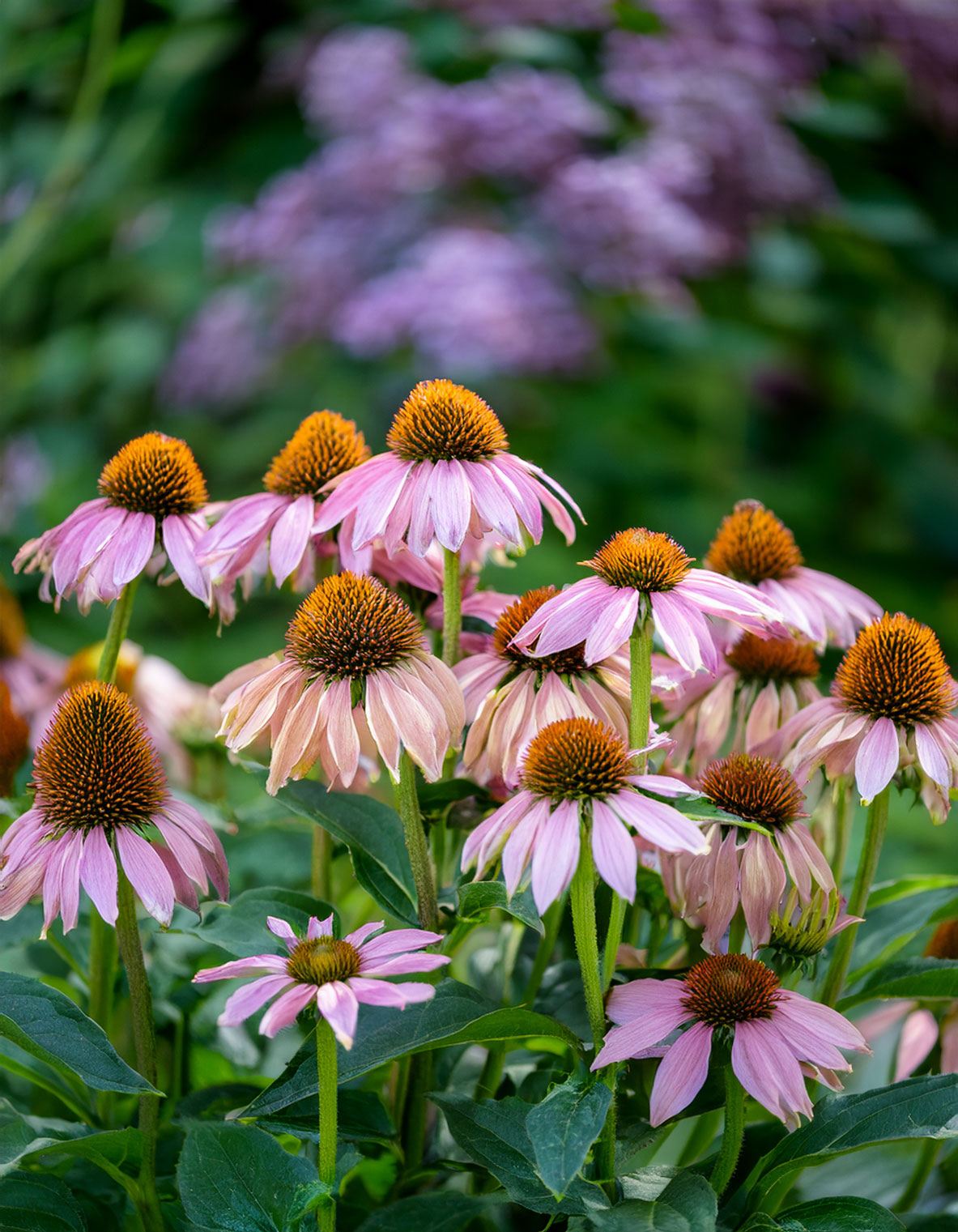
Pale purple coneflower has a completely different personality from the traditional purple coneflower most gardeners recognize. Its narrow, lavender-pink petals hang gracefully downward from a prominent copper-coloured cone, giving each flower a delicate, almost windswept appearance. The blooms stand above slender stems and look particularly beautiful when planted among grasses and other prairie flowers. They’re also valuable nectar sources for bees and butterflies, while their mature seed heads can provide food for birds later in the season.
Unlike the more commonly grown Echinacea purpurea, pale purple coneflower benefits significantly from a prolonged cold period. Approximately 90 days of cold, moist stratification is recommended before spring sowing. I would start these in late fall or early winter to give them plenty of time outdoors, particularly in regions with reliable winter temperatures. Once established, they’re remarkably drought-tolerant thanks to their deep root systems and perform best in sunny locations with well-drained soil.
10. Dense Blazing Star (Liatris spicata)
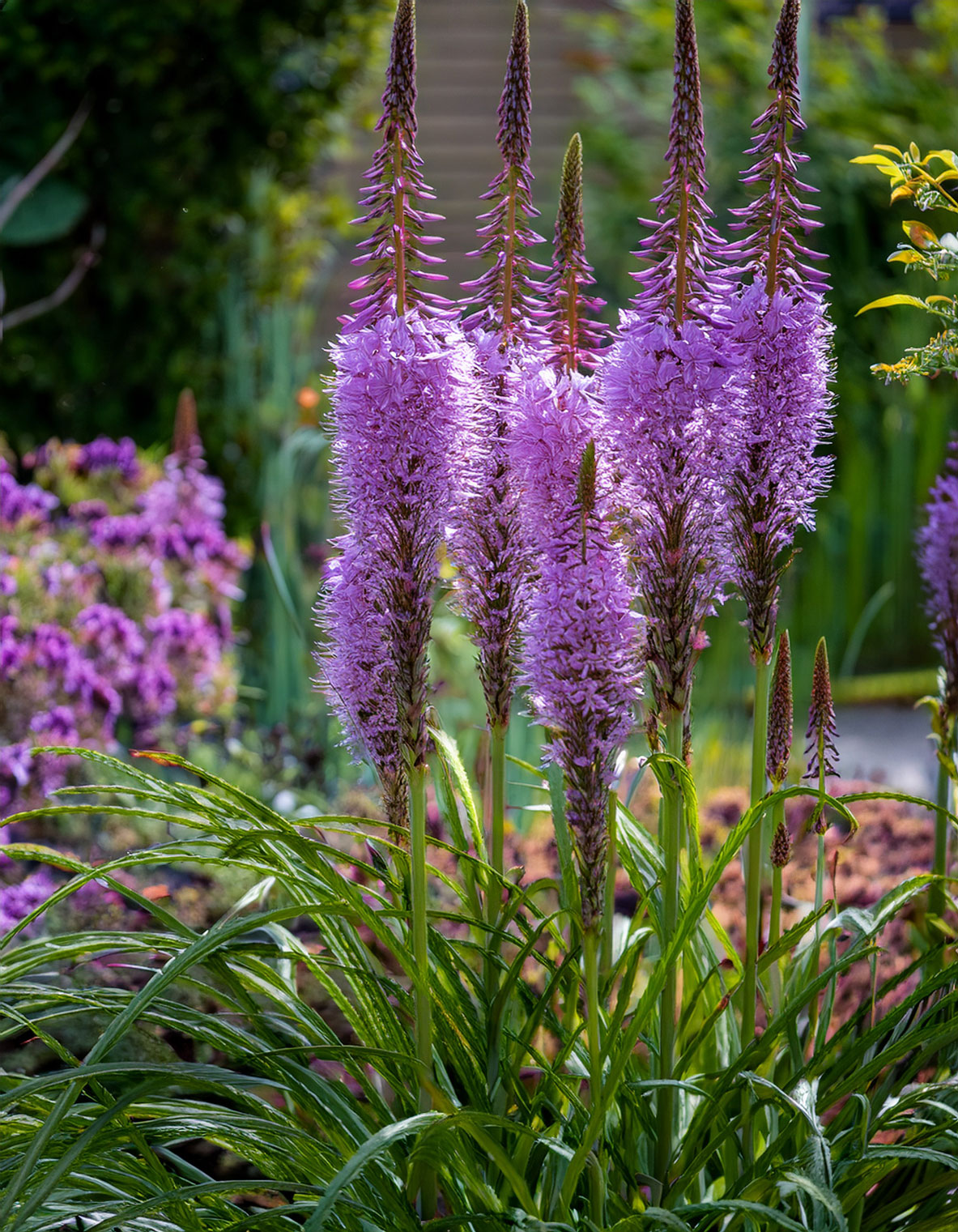
Dense blazing star brings a completely different flower shape to the garden. Its tall, upright spikes are covered in fluffy purple blossoms that gradually open from the top downward, creating a striking display through the summer months. When planted in groups, the flowers almost resemble colourful bottle brushes rising above surrounding plants. Butterflies are especially attracted to the blooms, making blazing star an excellent choice for a garden designed to support pollinators.
Seeds benefit from approximately 60 days of cold, moist stratification, which makes winter sowing a natural choice. Sow them shallowly in prepared beds or outdoor containers, allowing winter weather to soften their dormancy before temperatures rise in spring. Dense blazing star prefers full sun and soil that retains some moisture while still draining well. As the plants mature, they develop underground corms that help them return year after year, gradually creating a more impressive display.
11. Cardinal Flower (Lobelia cardinalis)
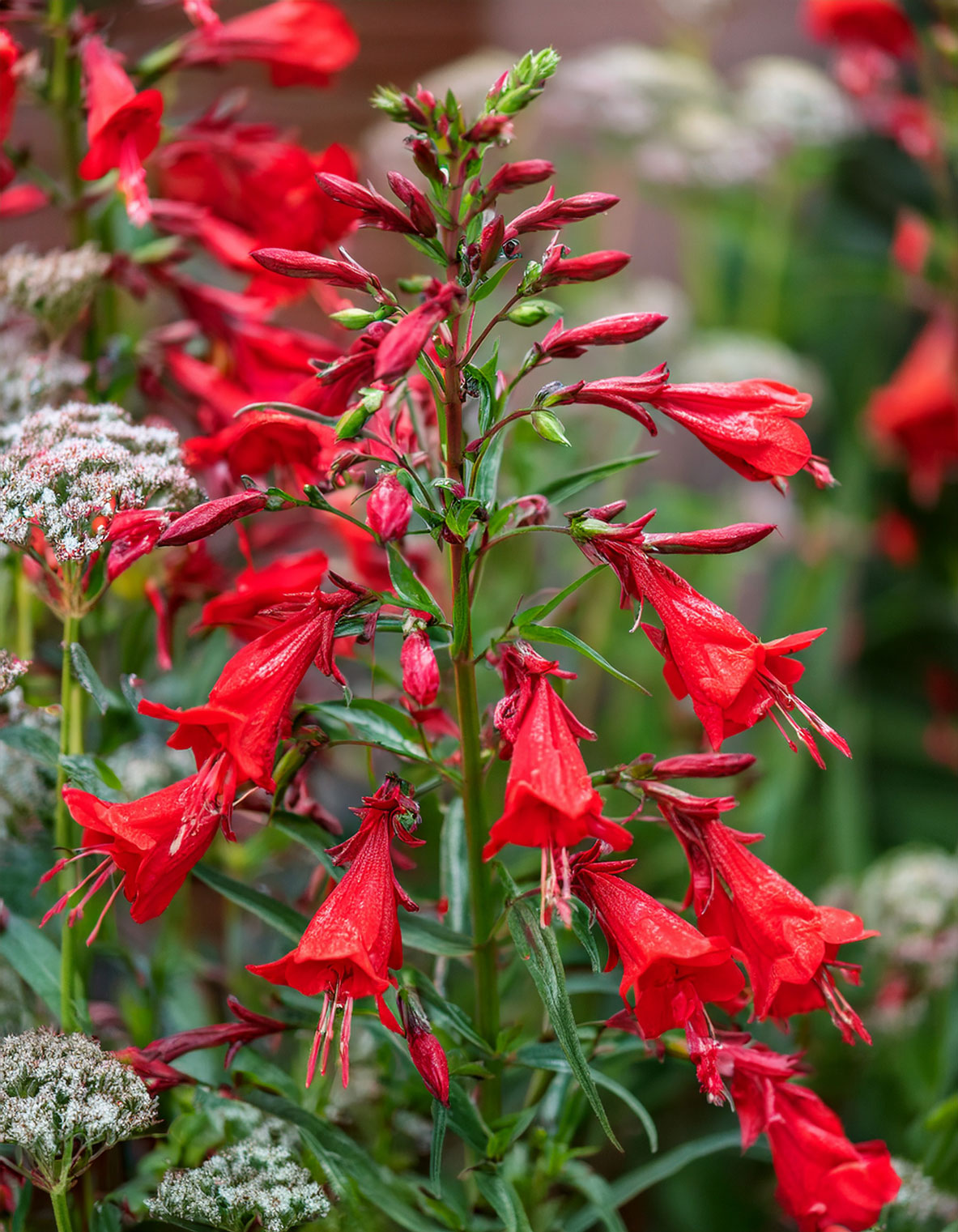
If you’re looking for a flower that practically glows in the garden, cardinal flower is difficult to beat. Its brilliant scarlet blossoms appear along tall stems, forming vivid columns of colour in late summer. The flowers have an unusual tubular shape that makes them especially attractive to hummingbirds, which are perfectly adapted to reach the nectar inside. I love the idea of planting cardinal flowers near a pond or water feature, where their bright red blooms would contrast beautifully with surrounding greenery.
Cardinal flower is often recommended for approximately 60 days of cold, moist stratification, although some seed lots can germinate successfully without chilling. Winter sowing is still a useful method, particularly when working with native seed. The most important detail is that these seeds are extremely small and require light to germinate. Press them gently onto moist compost without burying them, and keep the surface consistently damp. Once established, cardinal flowers thrive in moist soil and are excellent choices for rain gardens or the edges of water features.
12. New England Aster (Symphyotrichum novae-angliae)
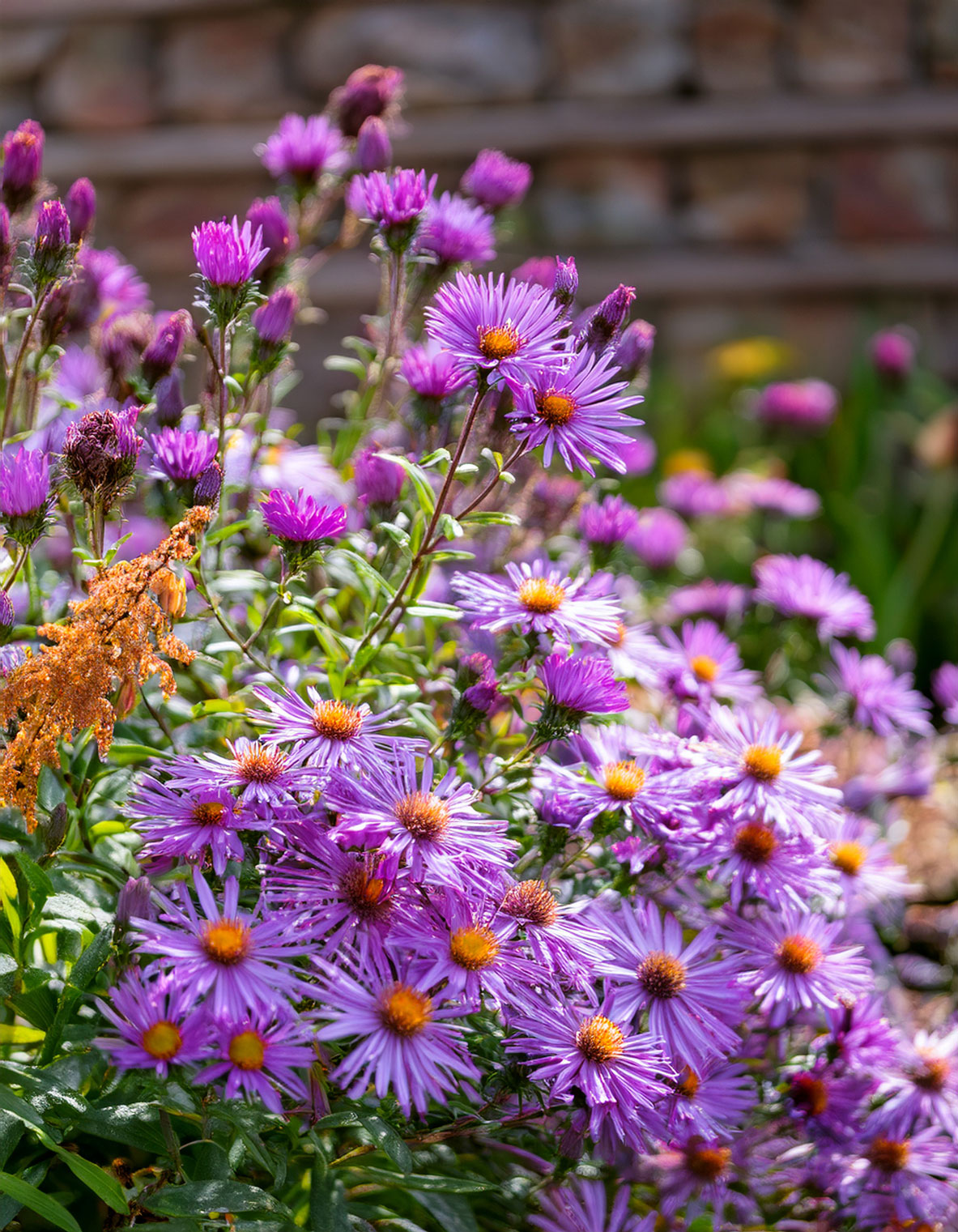
Just when many summer flowers are beginning to fade, New England asters arrive with an incredible display of colour. Their branching stems become covered in purple, violet, pink, or lavender flowers with bright golden centres, creating a cloud of daisy-like blooms. They’re among my favourite types of flowers to include in a garden designed for seasonal interest because they keep the landscape looking alive well into autumn. Bees and migrating butterflies also benefit from their late-season nectar.
New England aster seeds benefit from approximately 60 days of cold, moist stratification. Sowing them outdoors during late fall or winter closely imitates their natural reproductive cycle, allowing the seeds to remain dormant through the coldest months before germinating in spring. These perennials prefer full sun and moderately moist soil, although established plants can tolerate occasional dry conditions. Give them enough space to develop, as mature plants can become quite large and may benefit from cutting back in early summer to encourage bushier growth.
13. Virginia Bluebells (Mertensia virginica)
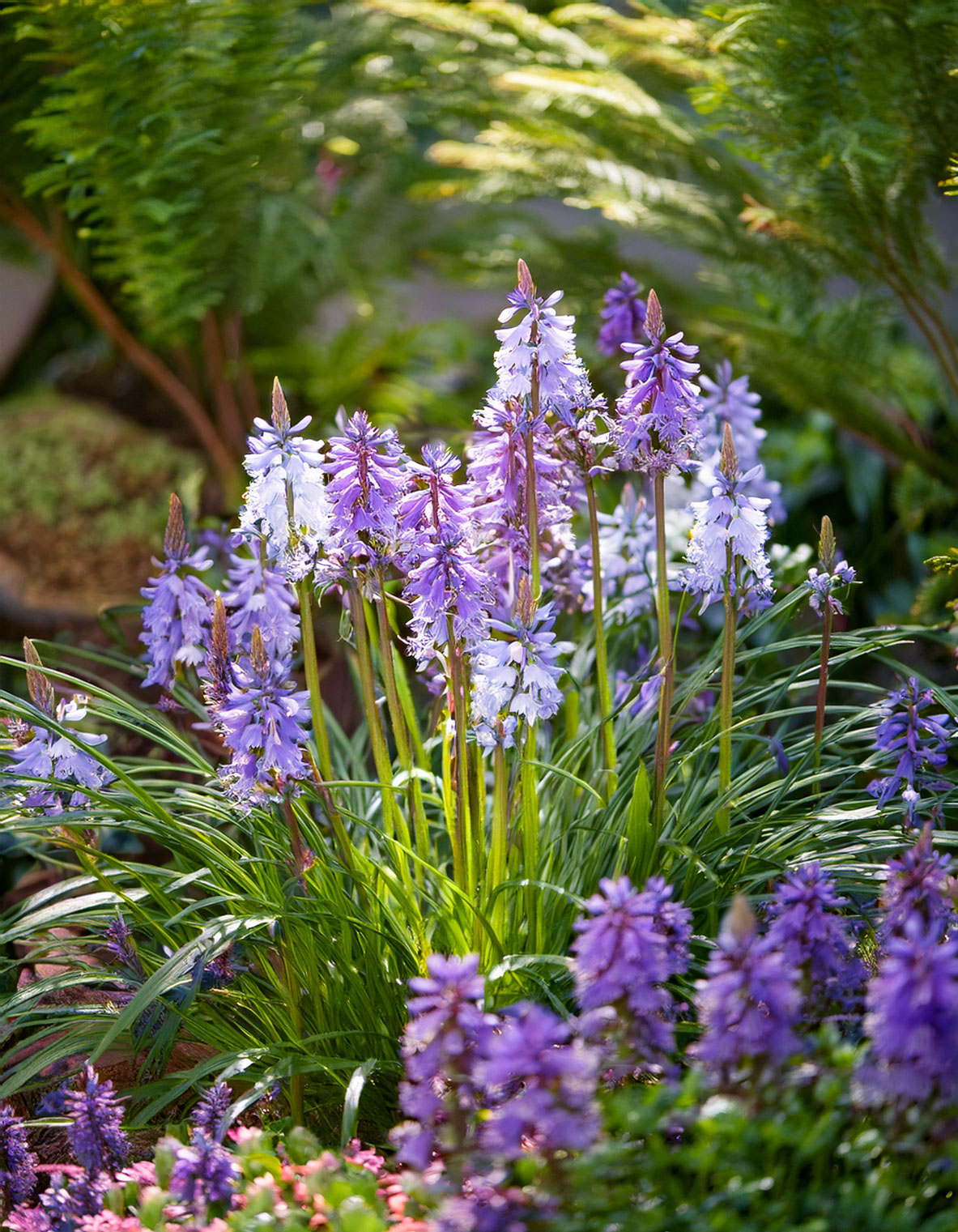
Virginia bluebells create one of the prettiest displays in a spring woodland garden. The flower buds begin in shades of pink before opening into clusters of delicate, sky-blue bells that hang gracefully above soft green foliage. When planted in large groups beneath deciduous trees, they can form breathtaking drifts of colour before the tree canopy fills in. I particularly like their ability to bring colour to areas that might otherwise remain fairly quiet during early spring.
Virginia bluebell seeds benefit from approximately 60 days of cold, moist stratification, and autumn sowing is especially useful for encouraging natural germination. Sow them in moist, organically rich soil where they’ll receive spring sunshine followed by partial shade as nearby trees develop their leaves. One unusual characteristic is their summer dormancy. After flowering and producing seeds, the foliage gradually disappears until the following spring. Planting ferns or other shade-loving perennials nearby can help fill the empty space while the bluebells rest underground.
14. Pasque Flower (Pulsatilla vulgaris)
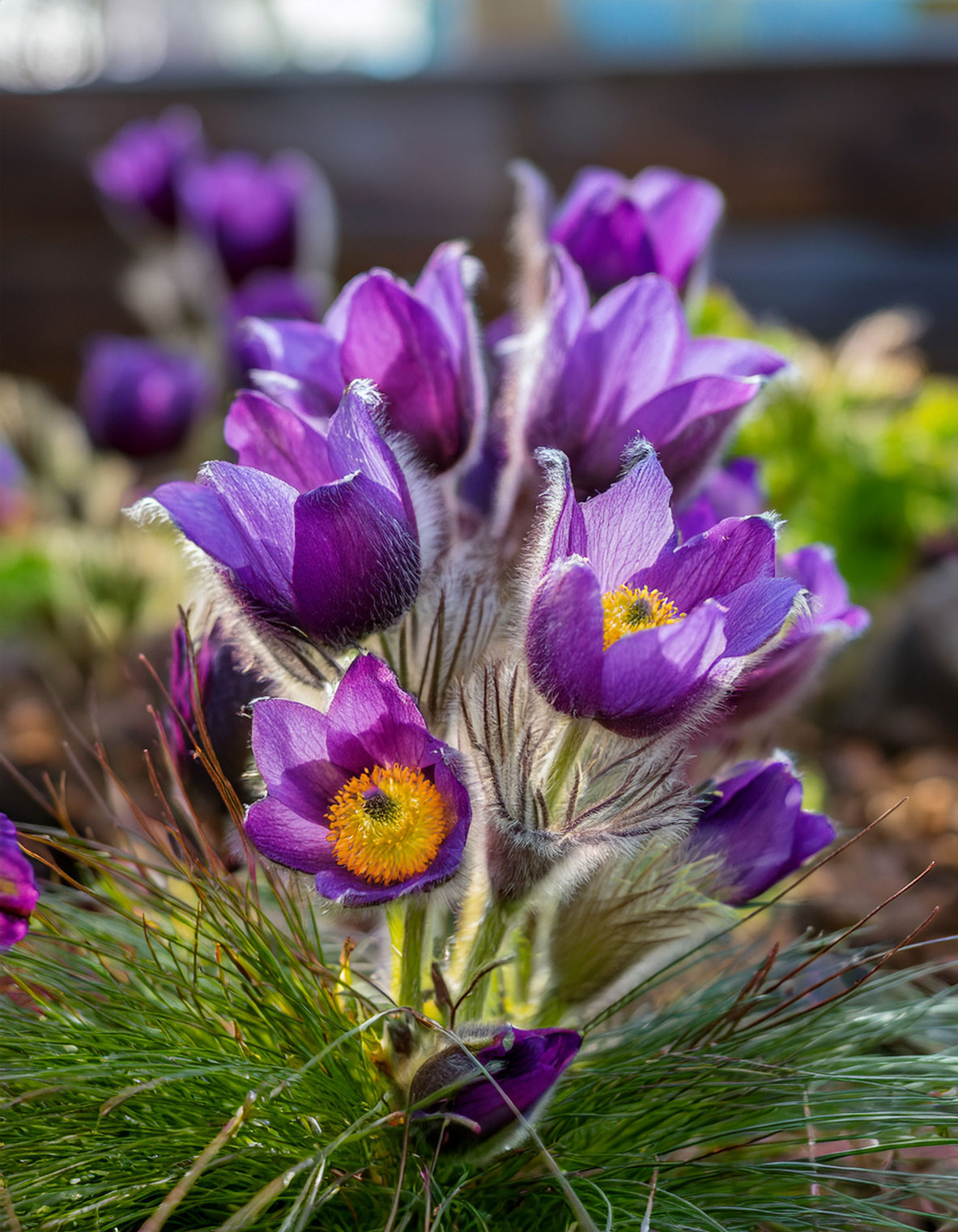
Pasque flowers have an almost magical appearance when they emerge in early spring. Their silky, bell-shaped blossoms come in shades of violet, purple, pink, and white, with bright yellow stamens glowing at the centre. The stems and flower buds are covered in fine hairs that catch the morning light, making them particularly beautiful when photographed close up. Even after the petals fade, the plants continue putting on a display with their feathery, silvery seed heads.
Cold, moist stratification can help break dormancy in pasque flower seeds, although germination can still be slow and unpredictable. Fresh seeds generally offer the best starting point, so I would sow them in late autumn or provide a suitable chilling period before spring. Cover the seeds lightly with compost and maintain moisture without keeping them soggy. Pasque flowers prefer sunny locations with sharp drainage, particularly in winter, and don’t appreciate being disturbed after establishment. Keep the seed trays labelled and give them time, as germination can sometimes take many months.
15. Wild Geranium (Geranium maculatum)
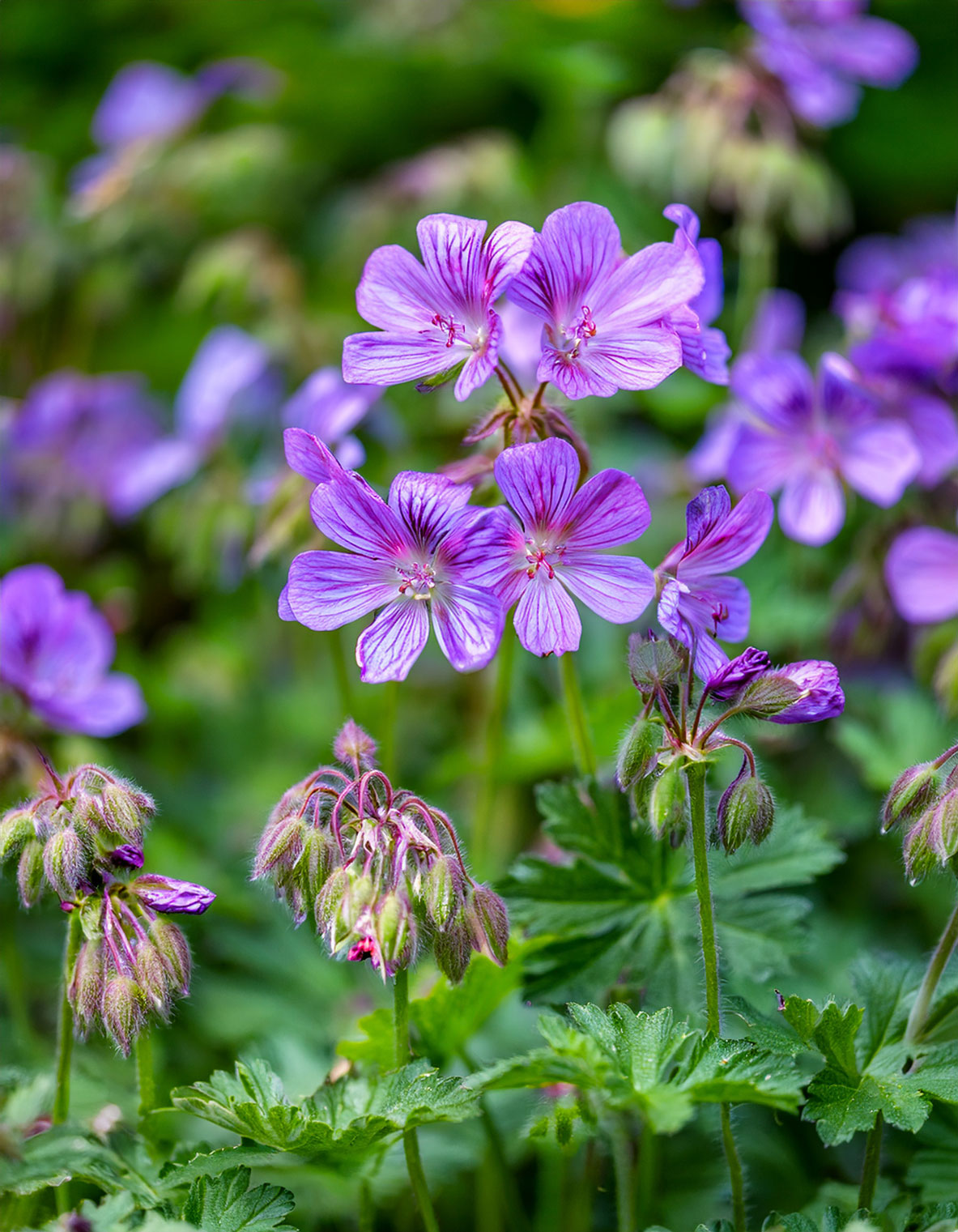
Wild geranium is a lovely choice for gardeners who appreciate softer, more natural-looking flowers. Its lavender-pink blossoms have five rounded petals marked with delicate purple veins, creating a simple but beautiful display in late spring. The flowers rise above deeply divided green foliage that forms attractive clumps in woodland gardens and partially shaded borders. Unlike the annual geraniums commonly sold for summer containers, this is a hardy native perennial that returns year after year.
Wild geranium seeds benefit from approximately 60 days of cold, moist stratification, and sowing outdoors in fall is particularly effective for this species. Scatter seeds over prepared soil or place them in outdoor containers, allowing winter weather to provide the necessary chilling period. Germination may be uneven, so avoid discarding containers too early. Once established, wild geraniums are relatively low-maintenance and grow well in moderately moist, well-drained soil with partial shade. They’re an excellent addition to a naturalistic woodland garden.
How to Cold Stratify Flower Seeds Naturally
Cold stratification sounds more complicated than it really is. Essentially, you’re exposing seeds to the same cold, moist conditions they would experience in nature before spring arrives.
There are three practical ways to accomplish this, depending on your climate, available space, and how much control you want over the germination process.
1. Direct Sow Seeds Before Winter
This is my favourite option for gardeners who have a dedicated flower bed ready for planting. Once temperatures have cooled enough that seeds are unlikely to germinate immediately, prepare the soil by removing weeds and loosening the surface.
Scatter the seeds according to their recommended spacing and sowing depth. Some species can be gently pressed onto the surface, while others need a light covering of soil.
Over winter, rain, snow, and fluctuating temperatures provide the cold, moist conditions that help break dormancy. As the soil warms in spring, the seeds can begin germinating naturally.
The biggest challenge is keeping the seedbed free from weeds and preventing seeds from being washed away or eaten by wildlife.
2. Winter Sow Seeds in Milk Jugs
Winter sowing in plastic milk jugs is an excellent alternative if you don’t have space available in your flower beds.
Start with clean, translucent milk jugs and cut them horizontally, leaving a small section attached to act as a hinge. Make several drainage holes in the bottom, fill the containers with approximately three to four inches of damp seed-starting mix, and sow your seeds.
Label each jug with the flower name and planting date, then close the container and secure it with tape. Leave the cap off to allow ventilation and rainfall to enter.
Place the jugs outdoors where they’ll experience natural winter temperatures. Check them occasionally to ensure the compost doesn’t dry out or become waterlogged.
As spring approaches, open the containers more frequently on warm days to prevent seedlings from overheating. Once the plants have developed sufficiently, gradually acclimate them before transplanting them into the garden.
3. Cold Stratify Seeds in the Refrigerator
If you live somewhere with mild winters, or you’d simply prefer more control over the process, refrigerator stratification is an excellent option.
Mix the seeds with a small amount of damp sand or vermiculite, then place the mixture in a labelled, sealed container or plastic bag. The medium should feel damp but never dripping wet.
Store the seeds in the refrigerator at approximately 33 to 40°F (1 to 4°C) for the recommended number of days. Check them periodically for mould, drying, or signs of germination.
Once the chilling period is complete, sow the seeds according to their individual requirements. If seeds begin sprouting inside the refrigerator, remove and plant them promptly.
Remember that cold stratification isn’t simply freezing dry seeds. Moisture is an important part of the process, and a household freezer generally isn’t a substitute for proper cold, moist treatment.
When Should You Start Cold Stratifying Flower Seeds?
For gardeners living in regions with cold winters, late autumn through early winter is generally the best time to sow seeds that require lengthy stratification.
Seeds needing 90 to 120 days of cold treatment, such as pale purple coneflower and tall larkspur, should be started earlier than those requiring only a few weeks.
In areas with reliable winter temperatures, November through January is a useful window for dormant sowing, provided the seeds have enough time to experience the cold conditions required by their species.
If you miss that window, there’s no need to abandon the project. Refrigerator stratification offers another way to prepare seeds before planting outdoors in spring.
I would also avoid assuming that all winter-sown perennials will flower during their first growing season. Some plants devote much of their early energy to developing strong roots and foliage before producing their first significant display of blooms.
That little bit of patience can be worth it, especially when those seedlings eventually become established perennials that return for years.
Common Cold Stratification Mistakes to Avoid
One of the most common mistakes is treating every flower seed the same way. Some seeds need several months of cold, moist conditions, while others need only a few weeks. Certain species also require scarification, light exposure, or other germination treatments.
Sowing depth is another important detail. Tiny seeds, including cardinal flowers and candelabra primroses, can struggle to germinate when buried too deeply because they require light.
Moisture management is equally important. Seeds should remain appropriately damp during cold stratification, but excessive water can encourage mould and decay. Outdoor containers need drainage, while refrigerator-stored seeds should be checked regularly.
Finally, don’t give up too quickly. Many native perennials germinate unevenly, and some seeds may remain dormant until the following growing season.
Frequently Asked Questions
Can I cold stratify flower seeds in the freezer?
A household freezer isn’t recommended for most cold-stratification treatments. Seeds generally need cold, moist conditions just above freezing rather than prolonged exposure to extremely low temperatures. Refrigeration or natural winter sowing is usually a better approach.
Do all perennial flower seeds need cold stratification?
No. Many perennial flowers germinate successfully without any cold treatment. Others benefit from chilling but don’t strictly require it. Always check the germination requirements for the specific species you’re planting.
Can I scatter flower seeds directly onto snow?
Some native flower seeds can be dormant-sown over a thin layer of snow, particularly when the underlying soil is already prepared. However, seeds scattered onto deep snow, thick mulch, or established grass may never make proper contact with the soil. For more reliable results, prepare a weed-free seedbed before winter.
How long does it take for cold-stratified seeds to germinate?
Germination depends on the species, seed quality, and growing conditions. Some seeds sprout within a few weeks after their chilling period ends, while others take several months or occasionally longer. The recommended stratification period refers to the time spent in cold, moist conditions, not the number of days until seedlings appear.
Will cold-stratified flowers bloom during their first year?
Some may produce flowers during their first growing season, but many perennial species need additional time to establish their root systems before flowering. Don’t be surprised if your winter-sown plants spend their first summer growing foliage and reward you with a larger display the following year.
The garden might look quiet during winter, but beneath the surface, there’s plenty of preparation happening. With a few packets of carefully chosen flower seeds, you can take advantage of that natural process and get a head start on a colourful garden long before spring arrives.