


I used to think gladiolus felt a little too formal for my garden. They reminded me of stiff floral arrangements and perfectly straight rows in cutting fields, which never quite matched the softer, slightly unruly look I tend to love. But after growing them alongside airy flowers like cosmos, snapdragons, and strawflowers, I completely changed my mind.
When planted with the right companions, gladiolus can bring incredible height and color to a summer garden without feeling overly structured. They also happen to be one of the easiest flowers to grow if you want dramatic stems for bouquets. If you’re building out a cutting bed, they pair beautifully with many of the flowers on this list of summer cut flowers for your garden. Here’s everything I’ve learned about growing healthy gladiolus from corms all the way to cut flower harvest.
At a Glance
- Gladiolus grow from corms, not true bulbs — larger, firm corms reliably produce stronger spikes, while undersized or soft ones often push only foliage in their first season.
- Planting corms 4 to 6 inches deep is one of the most overlooked steps — shallower planting is the primary reason tall stems flop later in the season.
- Staggering plantings every 1 to 2 weeks extends the bloom window throughout summer rather than producing one large flush that opens and finishes all at once.
- For the longest vase life, cut stems when only the lowest blooms have opened and upper buds are still closed — flowers continue opening indoors over several days.
- In cold climates, corms must be dug and stored before hard frost each year — left in the ground they will not survive winter in zones where soil freezes.
Quickly Find Gladiolus Growing Tips
Start With Healthy Corms
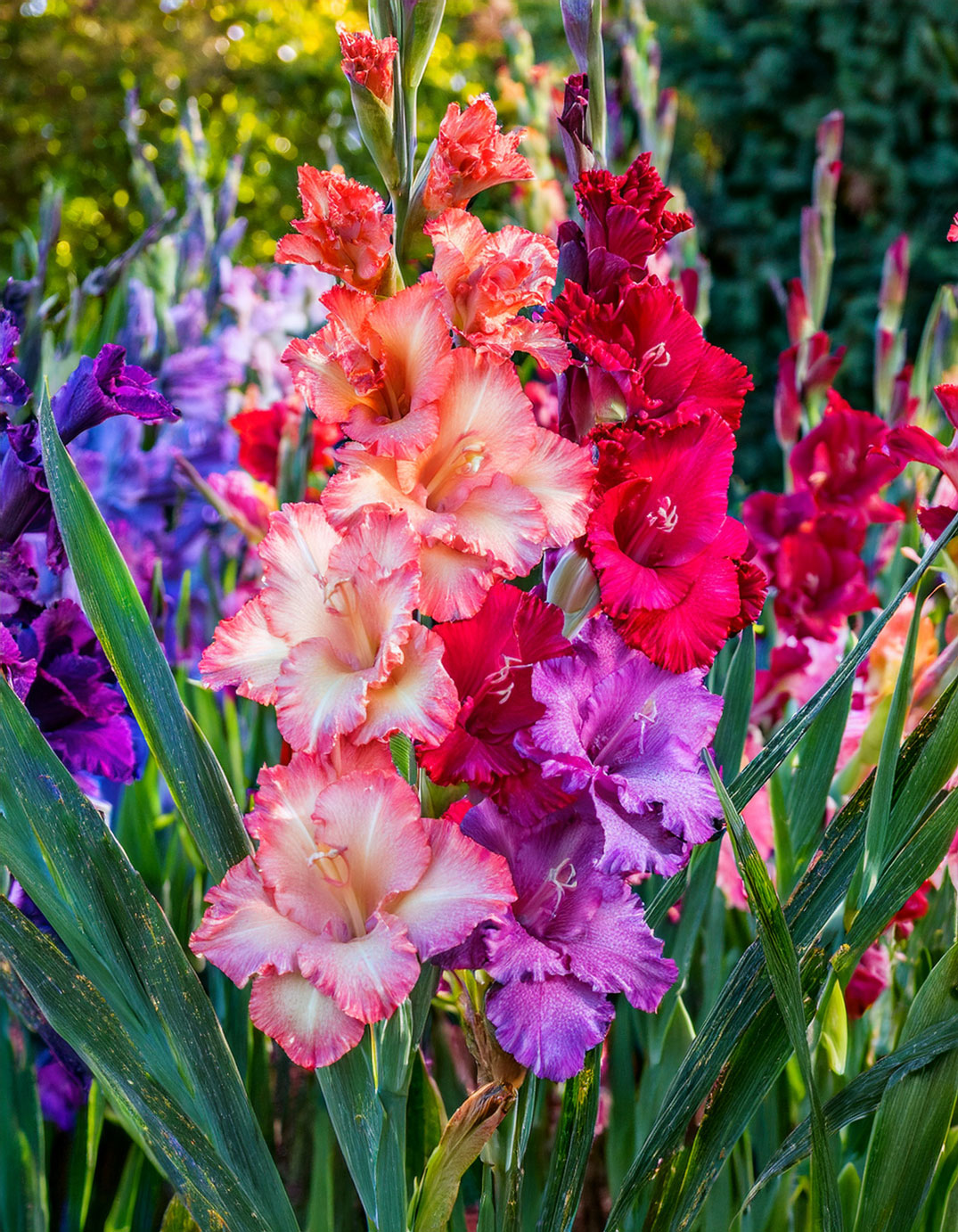
Gladiolus grow from corms, not true bulbs, and starting with healthy ones makes a huge difference.
When you’re shopping, look for corms that feel firm and heavy for their size. Avoid any that feel soft, shriveled, moldy, or damaged. Larger corms typically produce stronger flower spikes, while undersized ones may only push out foliage their first season.
I’ve made the mistake of planting bargain-bin corms that looked questionable and ended up with weak blooms. It usually isn’t worth the savings.
Choose the Right Variety
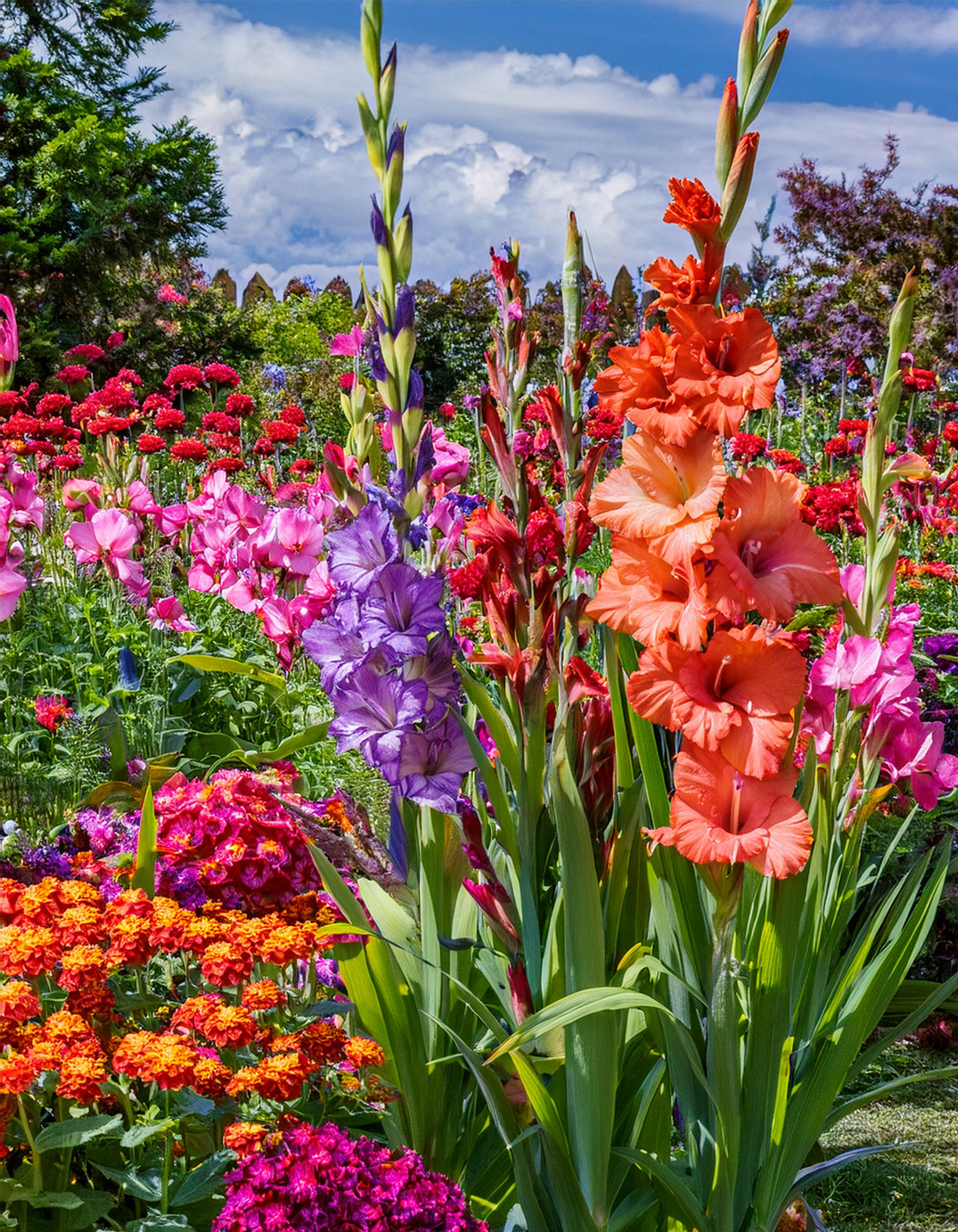
Not all gladiolus have the same look.
Large-flowered grandiflora varieties are what most people picture first. They produce tall dramatic spikes that can reach several feet high. These are fantastic for cutting gardens.
Butterfly gladiolus have a softer look with more delicate blooms and often feel more natural in cottage-style borders.
Dwarf varieties are another great option if you deal with heavy wind or simply want something that won’t tower over nearby flowers.
If you want a softer garden design, I’d avoid planting only bright red or neon varieties unless that’s your style. Softer pinks, apricots, whites, and deep plum shades tend to blend beautifully into mixed flower beds.
Wait Until Frost Risk Has Passed
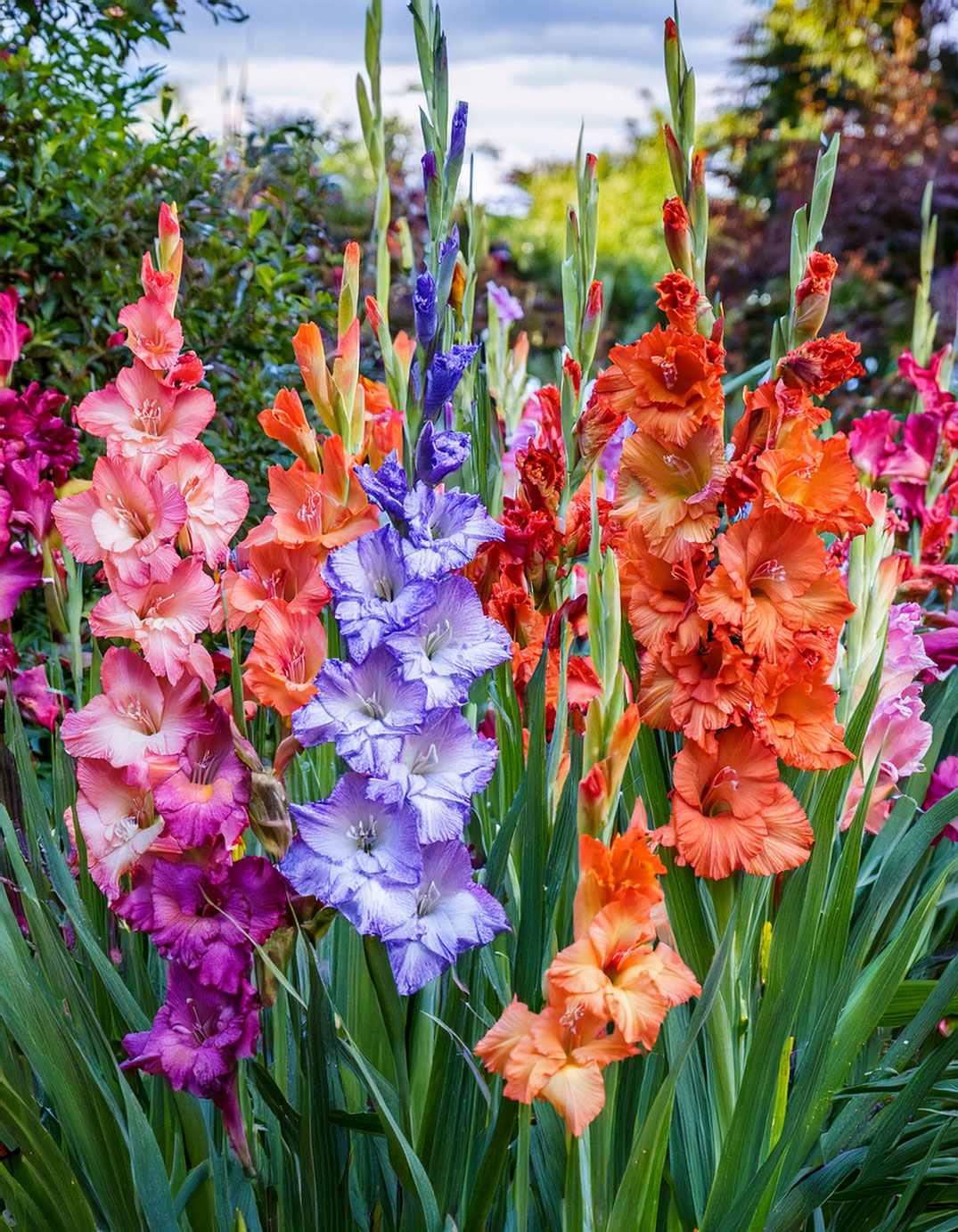
Gladiolus hate cold soil.
I wait until spring temperatures have stabilized and the soil has warmed before planting corms outdoors. In colder climates like much of Canada, that usually means late spring.
Planting too early often leads to slow growth and can increase the risk of rot if the soil stays cold and wet.
A little patience here pays off.
Give Them Full Sun
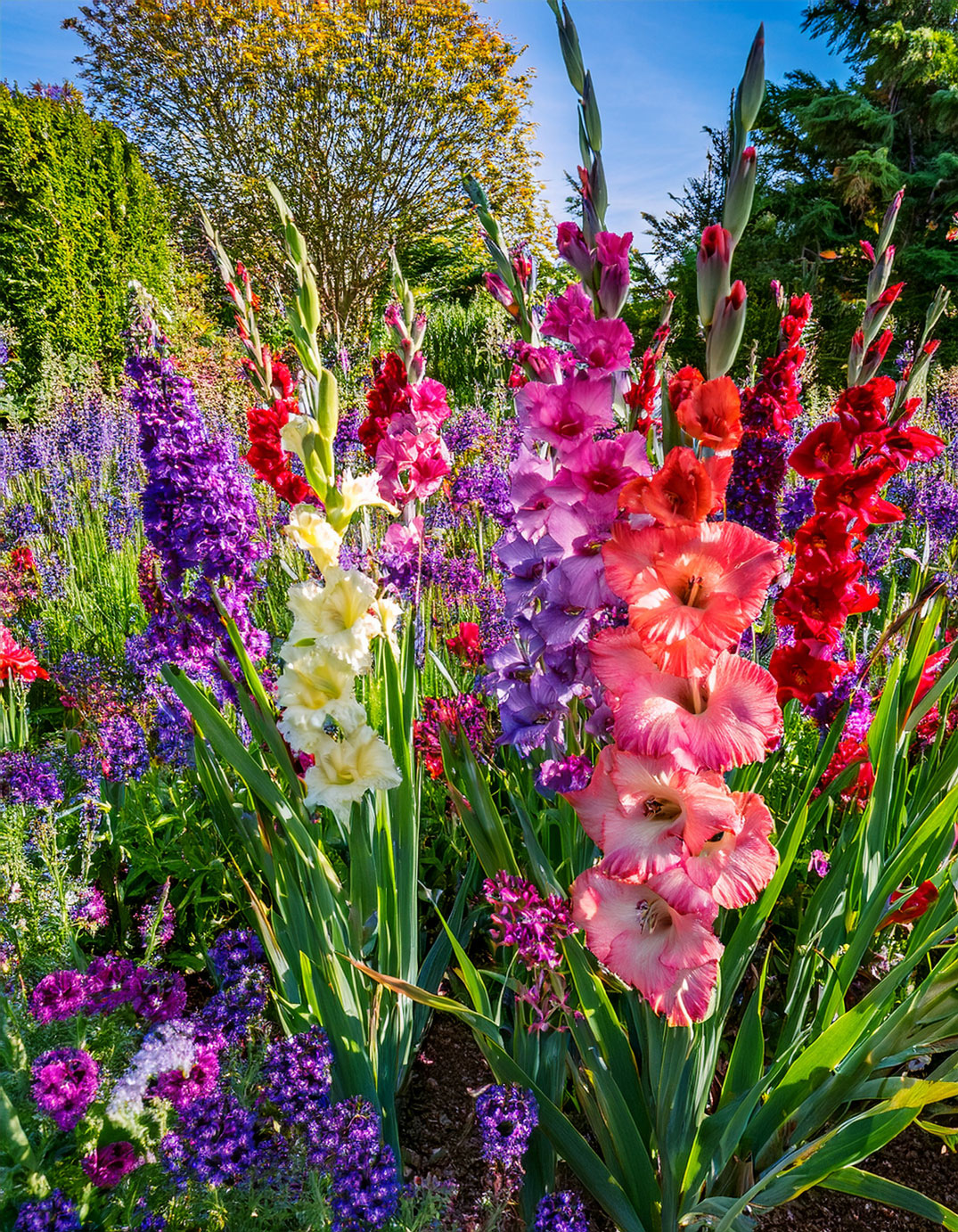
Gladiolus perform best in full sun.
They need plenty of direct light to produce strong stems and larger blooms. In partial shade, they often grow weaker stems that are more likely to flop over later in the season.
Well-draining soil is equally important. Heavy clay can trap moisture around the corms and create rot issues.
If your soil drains poorly, raised beds or heavily amended planting areas can make a huge difference.
Plant Corms Deep Enough
This is one of the most overlooked parts of growing gladiolus well.
Plant larger corms about 4 to 6 inches deep and space them roughly 4 to 6 inches apart. Deeper planting helps anchor tall flower spikes and reduces flopping later in the season.
I like planting them in small clusters rather than perfectly straight rows when I want them to feel more natural in a flower bed.
Stagger Your Plantings
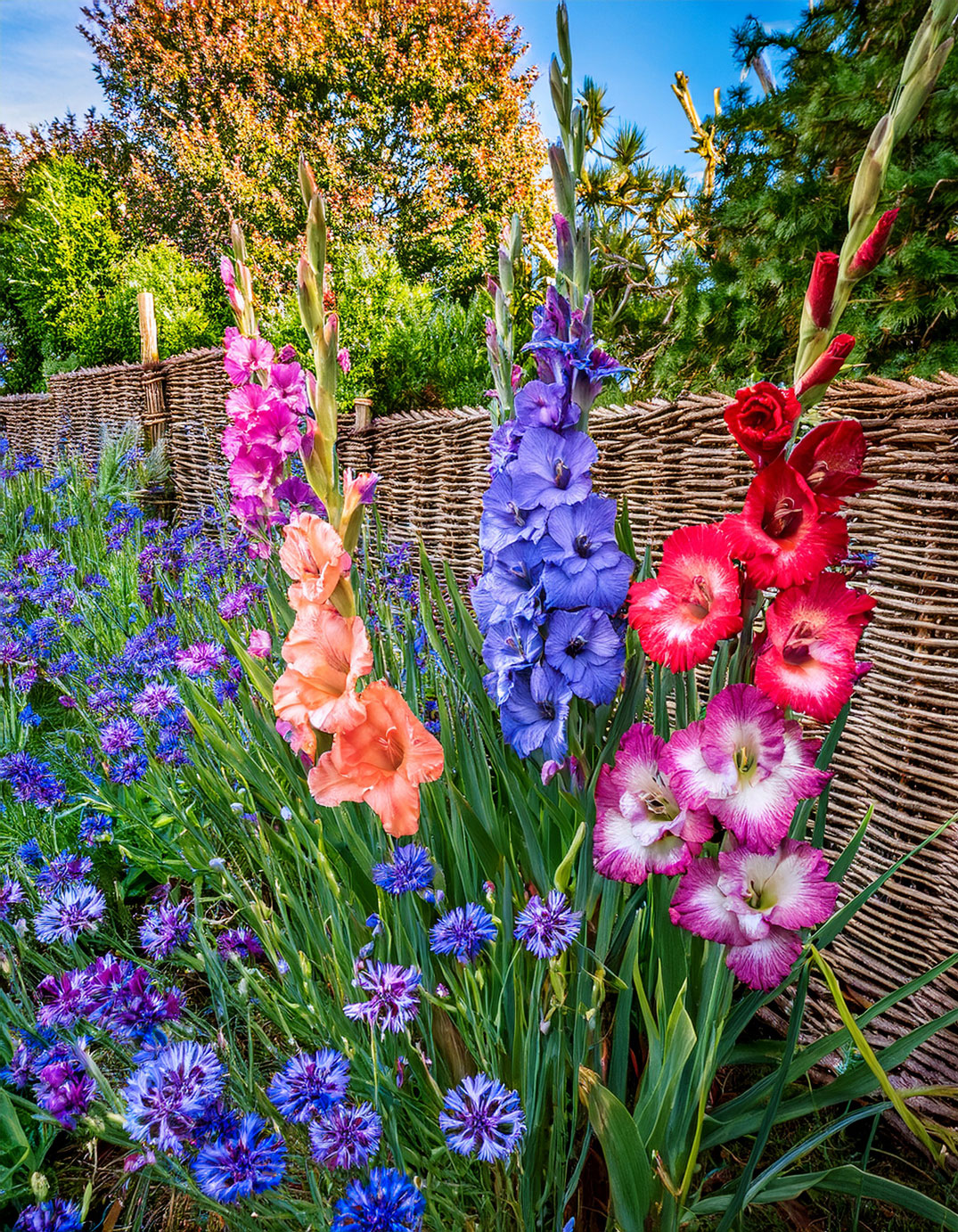
If you plant every corm at the same time, you’ll get one huge flush of blooms all at once.
That sounds exciting until you realize you suddenly have twenty stems opening at the same time.
Instead, plant new batches every 1 to 2 weeks for a longer bloom window throughout summer. This works especially well if you regularly cut flowers for arrangements.
Water Consistently
Gladiolus prefer evenly moist soil while actively growing.
I water deeply after planting and keep an eye on rainfall throughout summer. During hot stretches, they may need additional watering.
That said, constantly soggy soil is where problems begin. Overwatering can quickly lead to rotting corms.
Support Tall Stems Before They Flop
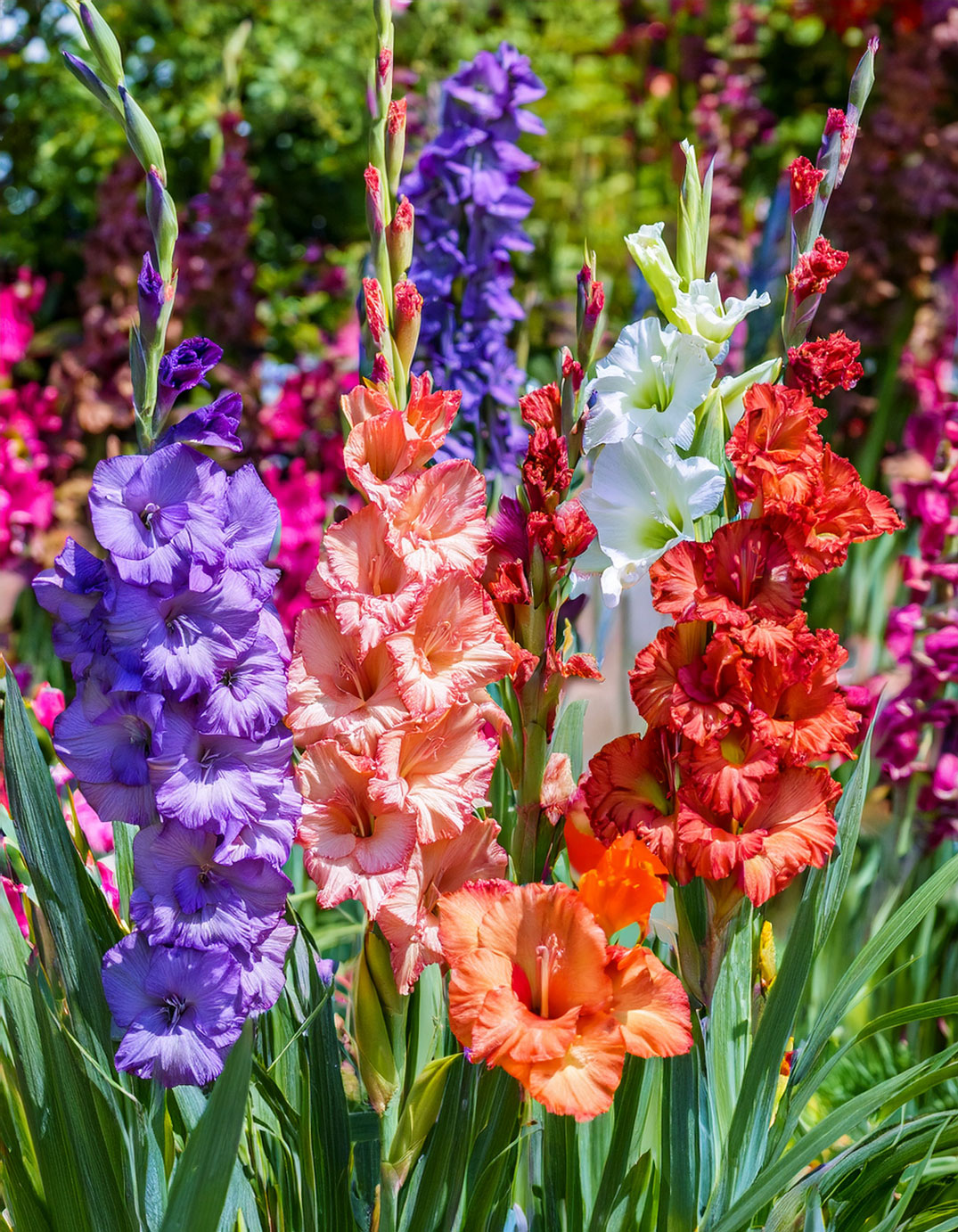
This is where a lot of gardeners get frustrated.
Tall gladiolus can look amazing one day and then lean sideways after heavy rain or wind.
I’ve found that planting them near naturally supportive flowers helps soften their appearance while giving them a little structural backup. Snapdragons are one of my favorite companion flowers because they create a similar vertical shape while making beds feel fuller and more relaxed.
For very tall varieties, discreet stakes or support netting can save you a lot of frustration.
Feed for Bigger Blooms
Gladiolus aren’t especially heavy feeders, but they appreciate nutrient-rich soil.
I usually work compost into the bed before planting and may use a balanced fertilizer during active growth if my soil needs it.
Too much nitrogen can lead to lots of foliage and weaker flowers, so don’t overdo it.
Watch for Thrips and Rot
Thrips are one of the most common gladiolus pests.
They can damage blooms and leave flowers looking distorted or streaked.
Good airflow, proper spacing, and avoiding overly wet soil help prevent many common issues.
Always remove damaged plants if disease starts spreading.
Cut Flowers at the Right Time
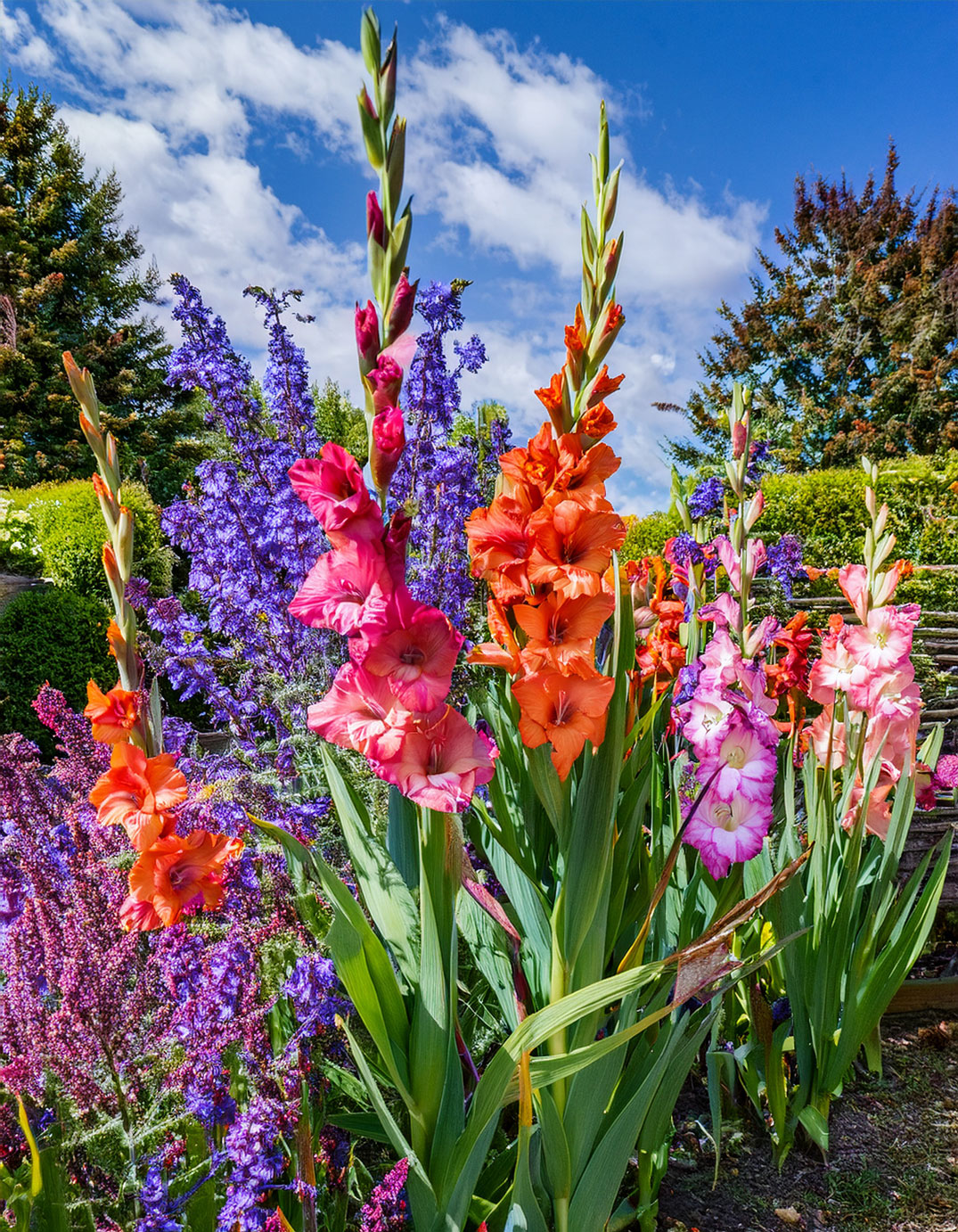
This is where gladiolus really shine.
For the longest vase life, cut stems when the lowest few blooms have started opening while the upper buds are still closed.
The remaining flowers will continue opening indoors, which gives you much longer-lasting arrangements.
When cutting, always leave several leaves behind so the plant can continue storing energy for next year’s corm.
Dig and Store Corms Before Winter
If you live in a colder climate, this step matters.
Once foliage yellows and dies back after flowering, carefully dig up your corms before hard freezes arrive.
Let them dry for a couple of weeks in a cool, airy spot before storing them in paper bags or mesh bags somewhere dry and frost-free.
This sounds like extra work, but once you get into the habit, it becomes pretty simple.
Pair Gladiolus With Softer Flowers
This is what completely changed my opinion of them.
On their own, gladiolus can sometimes feel overly upright and formal.
Mixed with airy flowers like cosmos, zinnias, snapdragons, dahlias, and strawflowers, they suddenly feel much more natural and garden-forward.
They bring vertical interest that softer flowers often can’t.
And once you cut your first armful for the kitchen table, you’ll probably end up planting more next year.