
Lemon balm tea is a soft, lemony herbal tea made from the leaves of Melissa officinalis, a plant from the mint family that is about the easiest thing you can grow. Here is everything I do with it, from the garden to the cup: how I grow and harvest it, how I dry it so it keeps its aroma, how to brew it, and what we know about lemon balm’s benefits and safety.
Lemon balm is the plant I’d recommend to anyone who thinks they can’t grow anything. It comes back every year with no effort, smells of lemon the moment you brush past it, and makes an excellent tea, fresh in summer and dried all winter. It also wants to take over the whole garden, so I cut it just before it flowers, or right as the first flowers open, before it can drop its seeds. Then it goes into my dehydrator at around 35-40°C, or onto a hanging mesh drying rack, and that’s my tea until next summer.
A note before we start: OMMA is our family brand, built by the two of us, a husband-and-wife team. The nasal strips and mouth tape at the end of this article are ours, so this recommendation isn’t neutral, and we want you to know that up front. Nobody paid for this article, and everything about sleep and snoring comes from the studies listed at the end.
Lemon balm tea, at a glance
- What it is: a perennial, lemon-scented herb from the mint family, very easy to grow.
- Benefits: the European Medicines Agency (EMA) recognises lemon balm’s traditional use for mild stress, to aid sleep and for mild digestive complaints such as bloating, and small studies with lemon balm extracts are encouraging.
- How much: 1.5-4.5 g of dried leaves in 150 ml of boiling water, 1-3 times a day.
- Harvest and drying: cut it before it flowers and dry it below 40°C, so it keeps its colour and aroma.
- Skip it in pregnancy and breastfeeding and for children under 12, and be careful before driving, because it can make you drowsy.
Table of Contents
What is lemon balm?
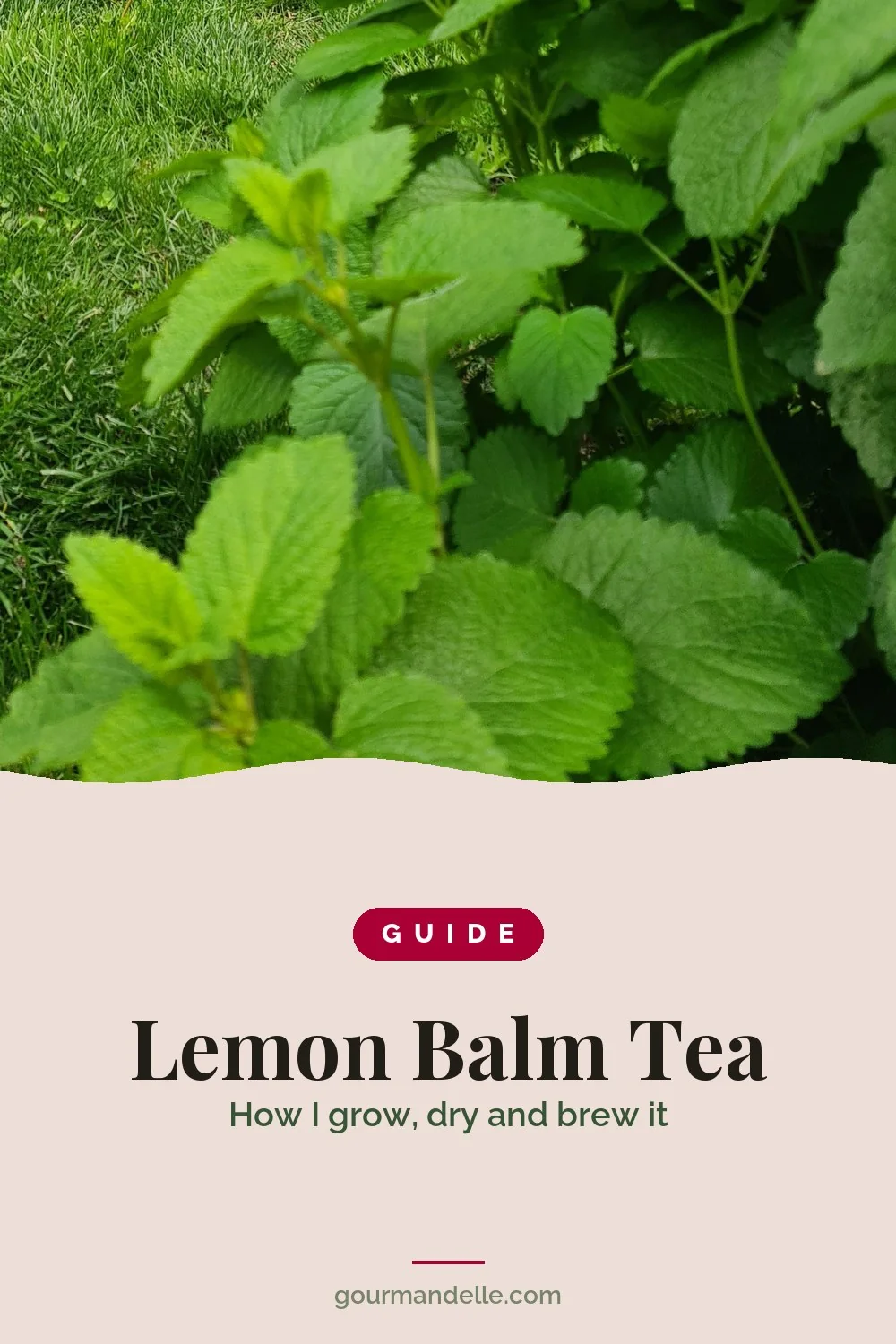
Lemon balm (Melissa officinalis, also called melissa) is a bushy perennial herb that grows about 25-60 cm tall, with bright green, crinkled, toothed leaves. Its lemon scent comes from citral and citronellal in the essential oil, and dried leaves can contain up to 6% rosmarinic acid, one of the plant’s main compounds. It belongs to the same family as mint, and you can tell: it grows just as happily.
Lemon balm benefits: what the studies say
Lemon balm has a long history as a calming evening tea, and the research is starting to back up part of that tradition:
- EMA recognises its traditional use for the relief of mild symptoms of stress, to aid sleep, and for mild digestive complaints such as bloating and wind.
- A calmer mood: in small studies, single doses of lemon balm extract made healthy volunteers feel calmer, and a review of clinical trials found less anxiety with lemon balm than with a placebo.
- Better sleep scores: in a double-blind study, a lemon balm extract improved insomnia scores compared with a placebo, and in a small open study, adults with mild anxiety and sleep problems reported 42% less insomnia after 15 days of an extract.
- Gentle on the liver: unlike some other herbs, lemon balm extracts have not been linked to liver problems.
The short caveat: these studies used extracts in capsules, not tea, and they’re small, so nobody has tested lemon balm tea on its own yet. I think of it as a gentle, caffeine-free helper for winding down, and an excellent tea in its own right.
How to grow lemon balm (and keep it from taking over)
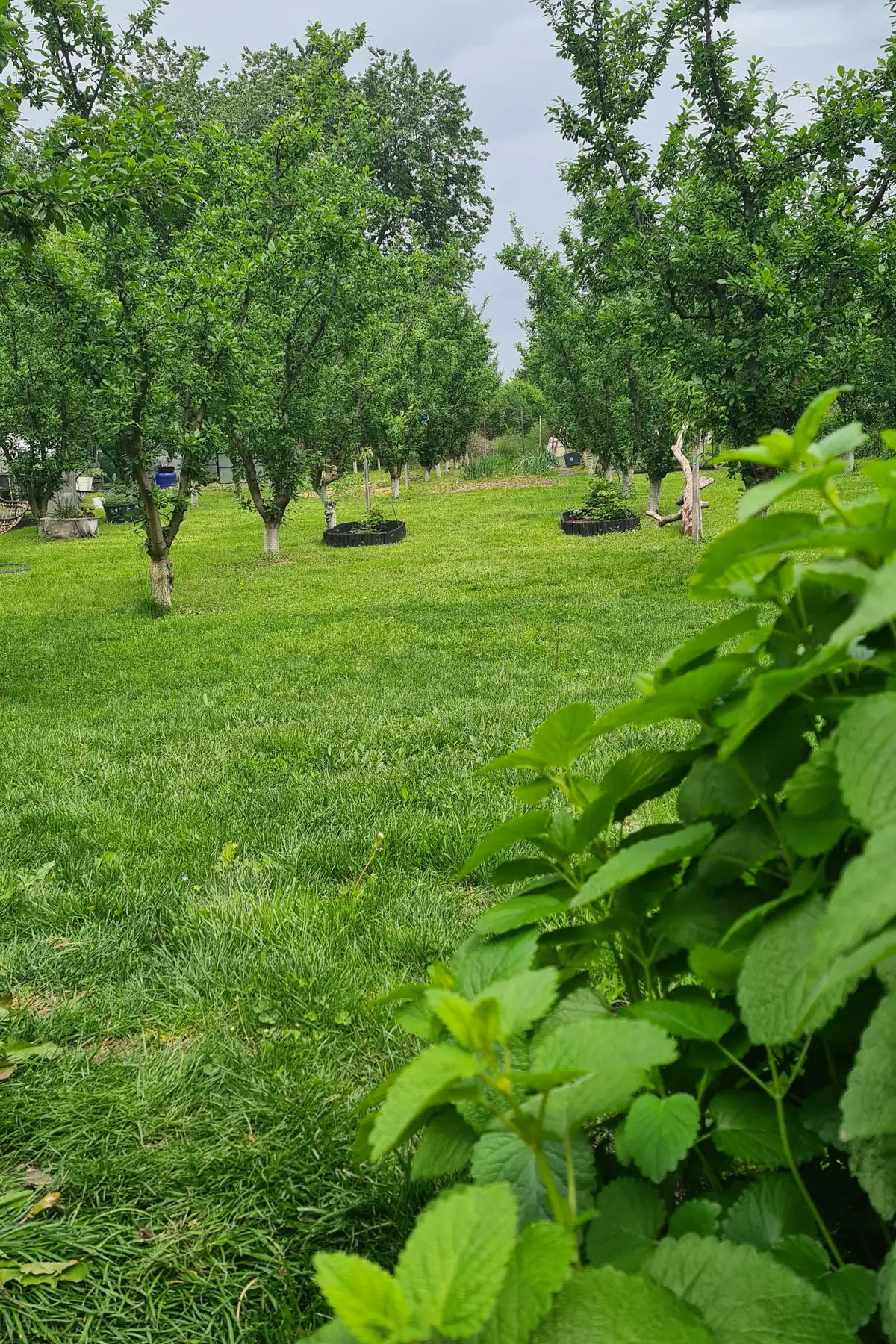
- Where: full sun to part shade, in soil that stays moist but drains well. It does fine in a pot too.
- How to start: from seed, by dividing an existing clump or from cuttings. A small plant from a friend’s garden is the easiest start.
- Is lemon balm invasive? Yes, but by seed, not by runners like mint. Cut the flower stems before they set seed and it stays where you planted it. There’s also a sterile variety, ‘Compacta’, if you want no seedlings at all.
- Keep it tidy: thin the clump in midsummer so air can move through it, and cut it back by half to get a fresh flush of leaves.
When and how to harvest lemon balm
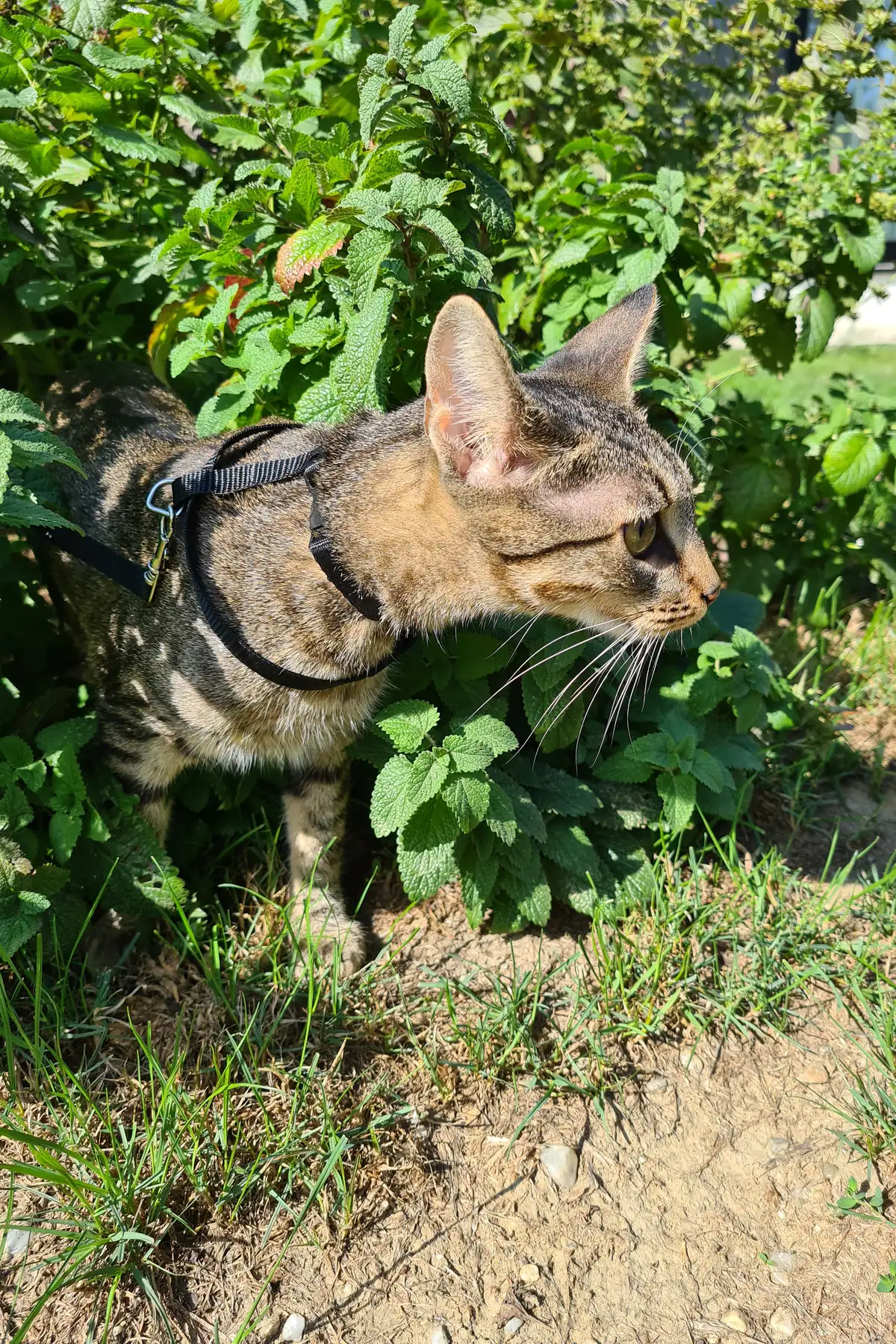
You can cut stems whenever you need them during the season, but the best time is before it flowers, when the leaves are most aromatic. In one study, leaves from the first cut in June had more essential oil and more rosmarinic acid than leaves cut in August.
My routine is simple: I cut it just before it flowers or as soon as the first flowers open, which also stops it from seeding all over the garden. Cutting it back by half usually gives me a second harvest later in summer.
How to dry lemon balm
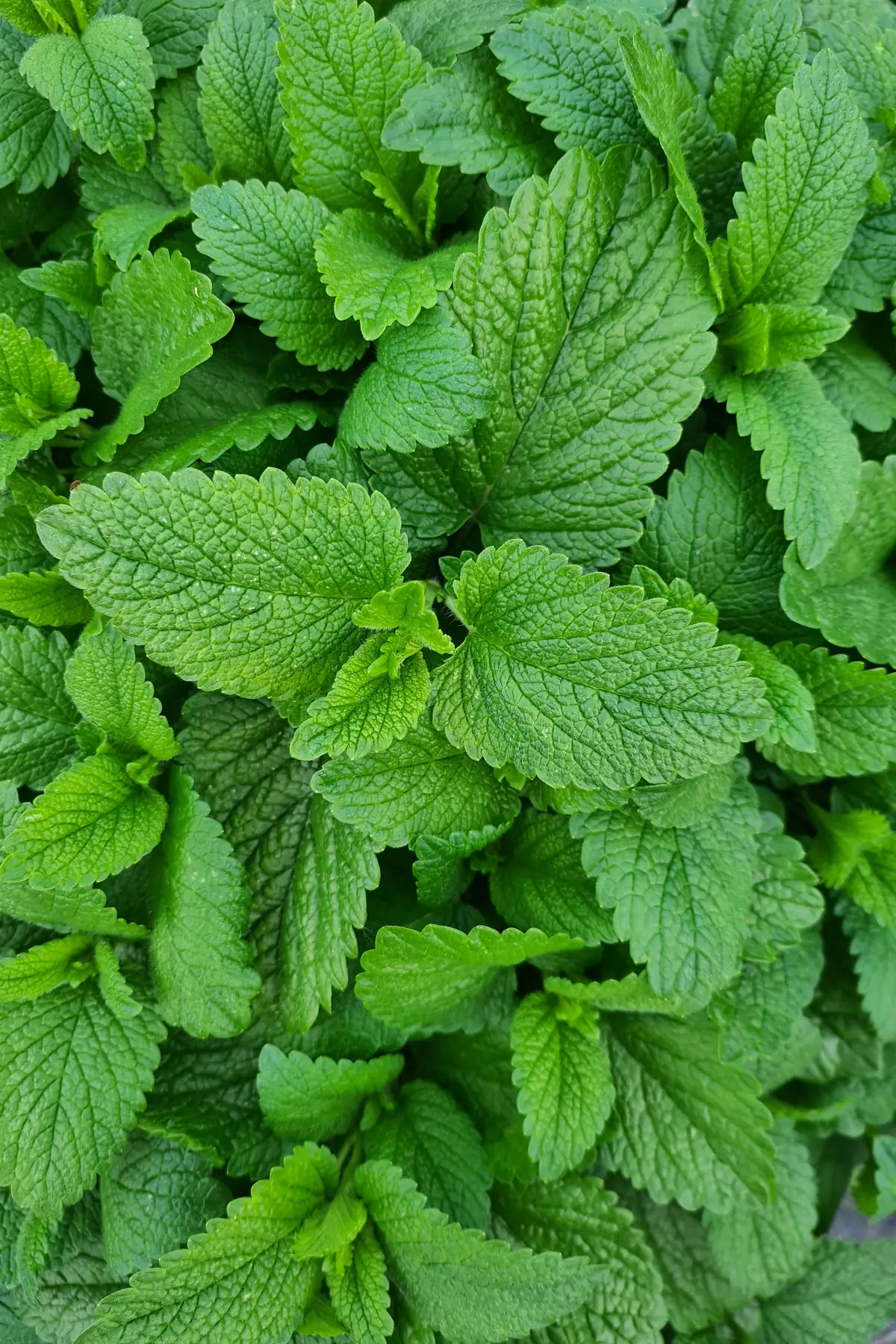
Keep the heat low. In laboratory tests, drying lemon balm above 40°C lost more of its colour, aroma and rosmarinic acid, and even at 30-45°C some of the essential oil was lost. That’s why I dry mine gently:
- In a dehydrator: I spread the leaves in a single layer and dry them at around 35-40°C until they crumble between your fingers.
- On a hanging rack or in bunches: a mesh drying rack, or small bunches tied and hung upside down, in a warm, dark, airy place. It takes longer, but it needs no electricity.
- Storing: strip the dry leaves from the stems and keep them in a closed jar, away from light. You can also freeze fresh leaves for winter.
How to make lemon balm tea
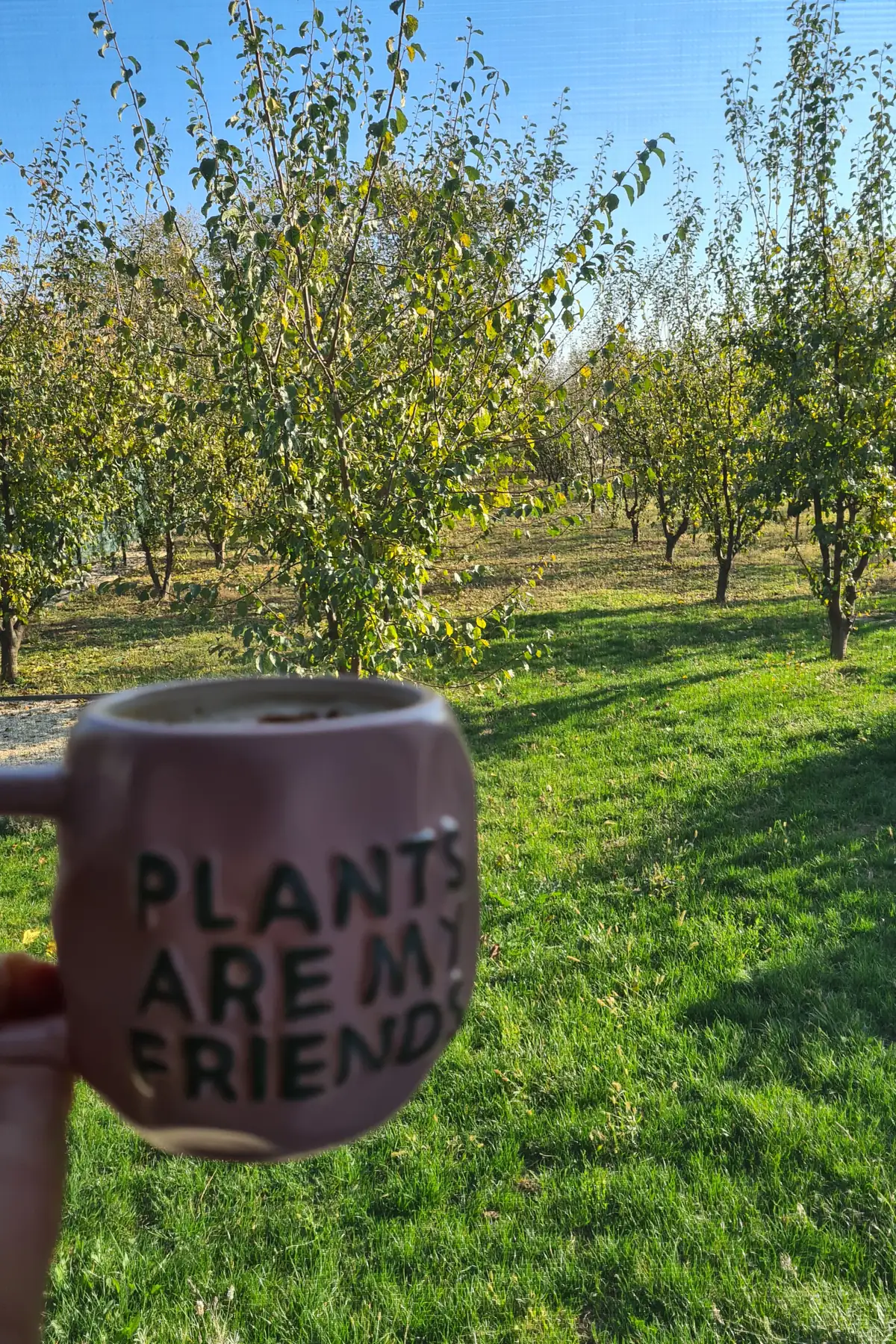
- With dried leaves: use 1.5-4.5 g of crumbled dried leaves (a heaped tablespoon or two, depending on how fine they are) for 150 ml of boiling water. For a larger mug, use the same amount; the tea is just milder.
- With fresh leaves: use a generous handful of leaves, bruise them lightly and taste as it steeps; fresh lemon balm is softer and more lemony than dried.
- Use boiling water and cover the cup. Germany’s food safety agency recommends boiling water and at least 5 minutes of steeping for herbal teas. A hot infusion also brings out more of the plant’s compounds than a cold one.
- Make it your own: I add a spoonful of honey, as I do with most of my teas (here’s my guide to choosing good honey), and sometimes a pinch of lavender.
Lemon balm side effects and who should skip it
Lemon balm is a gentle herb, and EMA lists no known side effects, but a few cautions apply:
- Pregnancy and breastfeeding: not recommended, because there isn’t enough safety data.
- Children under 12: not recommended.
- Drowsiness: it may affect your ability to drive or use machines.
- Thyroid: lab and animal studies suggest lemon balm extract may affect thyroid-stimulating hormone; the effect in people is unknown, so if you have a thyroid condition, ask your doctor first.
- Allergy: skip it if you’re allergic to lemon balm.
- If your symptoms last more than two weeks, see a doctor.
The rest of our evening routine
A warm cup of lemon balm tea is one part of a calm evening. The other part we think about a lot at home is breathing at night, which is why my husband and I made the OMMA Sleep Kit, with a nasal strip that helps open the nose and a mouth tape that helps keep your mouth closed, so you keep breathing through your nose until morning. More in my guide on how to stop snoring naturally.
Don’t use the mouth tape if you can’t breathe comfortably through your nose, if you have or suspect sleep apnea, after alcohol or sleeping pills, if you feel sick, or on children.
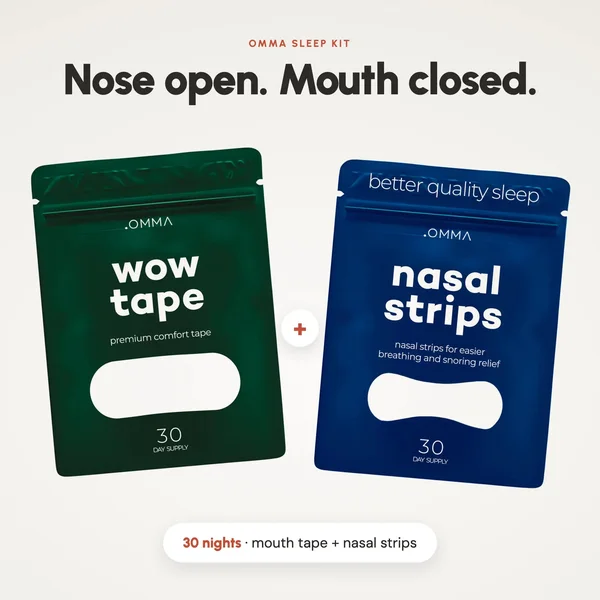
OMMA Sleep Kit: Mouth Tape + Nasal Strips
One nasal strip and one mouth tape for every night: nose open, mouth closed. 30 nights.
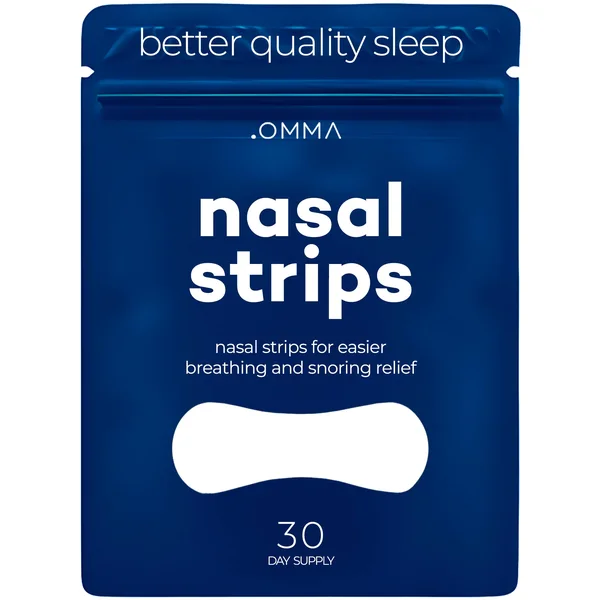
OMMA Nasal Strips
A flexible band gently lifts the sides of your nose, so air moves more easily at night.
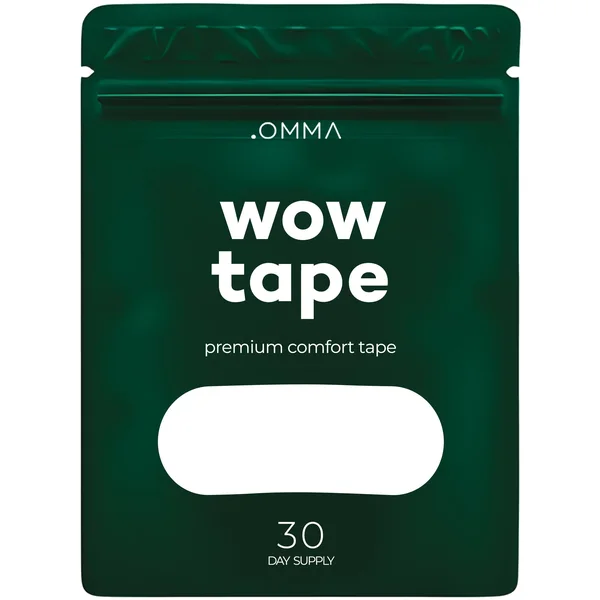
OMMA Mouth Tape for Sleeping
Pre-cut cotton strips that keep your lips closed, so you keep breathing through your nose.
Frequently Asked Questions
EMA recognises lemon balm’s traditional use for mild symptoms of stress, to aid sleep and for mild digestive complaints such as bloating. Small studies with lemon balm extracts point to a calmer mood.
Pour 150 ml of boiling water over 1.5 to 4.5 g of dried lemon balm leaves, cover and steep for at least 5 minutes. With fresh leaves, use a generous handful and taste as it steeps.
EMA gives 1 to 3 cups a day for adults and teenagers over 12, and advises seeing a doctor if symptoms last more than two weeks. It is not recommended in pregnancy or while breastfeeding.
It spreads by seed, so it can take over a garden. Cut the flower stems before they set seed, or grow the sterile variety Compacta.
Before it flowers, when the leaves are most aromatic. Leaves from the first cut in early summer had more essential oil than later ones in one study.
Dry the leaves below 40°C, in a dehydrator or hanging in a warm, dark, airy place, then store them in a closed jar away from light.
Sources
- European Medicines Agency. Melissae folium (lemon balm leaf): Community herbal monograph and assessment report, 2013.
- Ghazizadeh J et al. The effects of lemon balm (Melissa officinalis L.) on depression and anxiety in clinical trials: a systematic review and meta-analysis. Phytother Res, 2021. PubMed 34449930
- Di Pierro F et al. Effects of Melissa officinalis phytosome on sleep quality: results of a prospective, double-blind, placebo-controlled, and cross-over study. Nutrients, 2024. PubMed 39683592
- Chizzola R et al. Biodiversity within Melissa officinalis: variability of bioactive compounds in a cultivated collection. Molecules, 2018. PubMed 29385035
- Argyropoulos D, Müller J. Effect of convective drying on quality of lemon balm (Melissa officinalis L.). Procedia Food Sci, 2011. University of Hohenheim
- Newman RG et al. Harvest stage and brewing conditions impact mineral content, phenolic compounds, and antioxidant capacity of lemon balm (Melissa officinalis L.) herbal tea. Plant Foods Hum Nutr, 2023. PubMed 36971946
- LiverTox: Lemon Balm. National Institute of Diabetes and Digestive and Kidney Diseases.
- University of Illinois Extension: Lemon Balm.
- BfR: Kräutertees unbedingt mit kochendem Wasser aufgießen, 2005.