


I’ve saved more avocado pits than I can count. At some point it became a habit. Instead of tossing them out, I started wondering what would happen if I gave one a chance to grow. The first few didn’t do much. One split but never sprouted. Another grew a root and stopped there. Then one finally took off, and that was enough to keep me going.
Growing an avocado from seed is not fast, and it is not always predictable. What it is, though, is one of the simplest ways to turn something you would normally throw away (Like the top of a Pineapple) into a plant that actually sticks around. Over time, it starts to look less like an experiment and more like a small tree sitting in your home.
Here is exactly how I grow avocado from seed, what tends to go wrong, and what actually makes a difference.
1. Start with a Healthy Avocado Pit
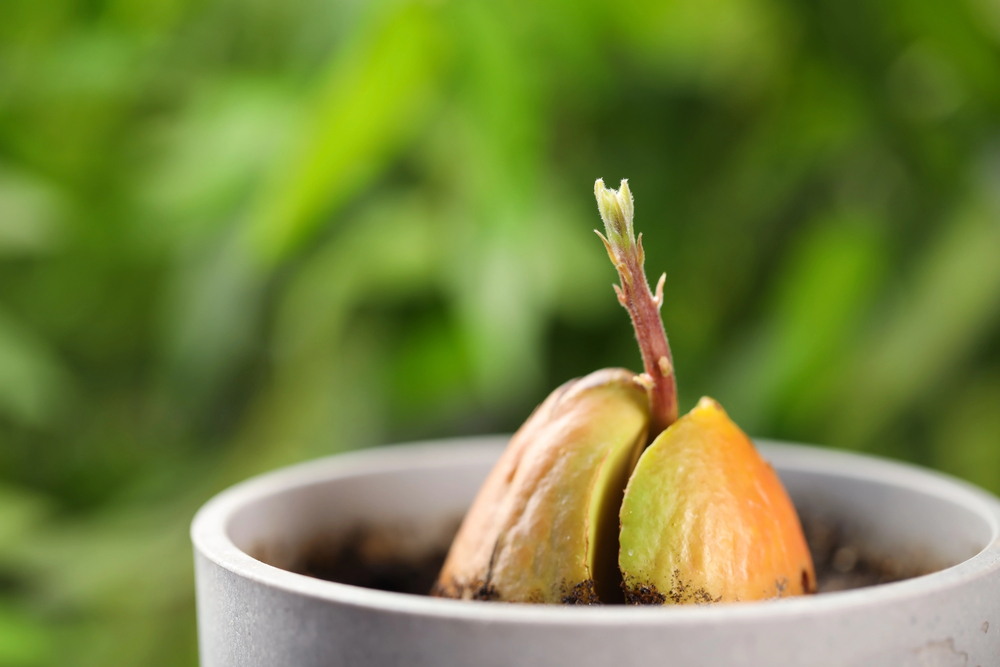
Everything starts with the pit, and it is worth handling it carefully.

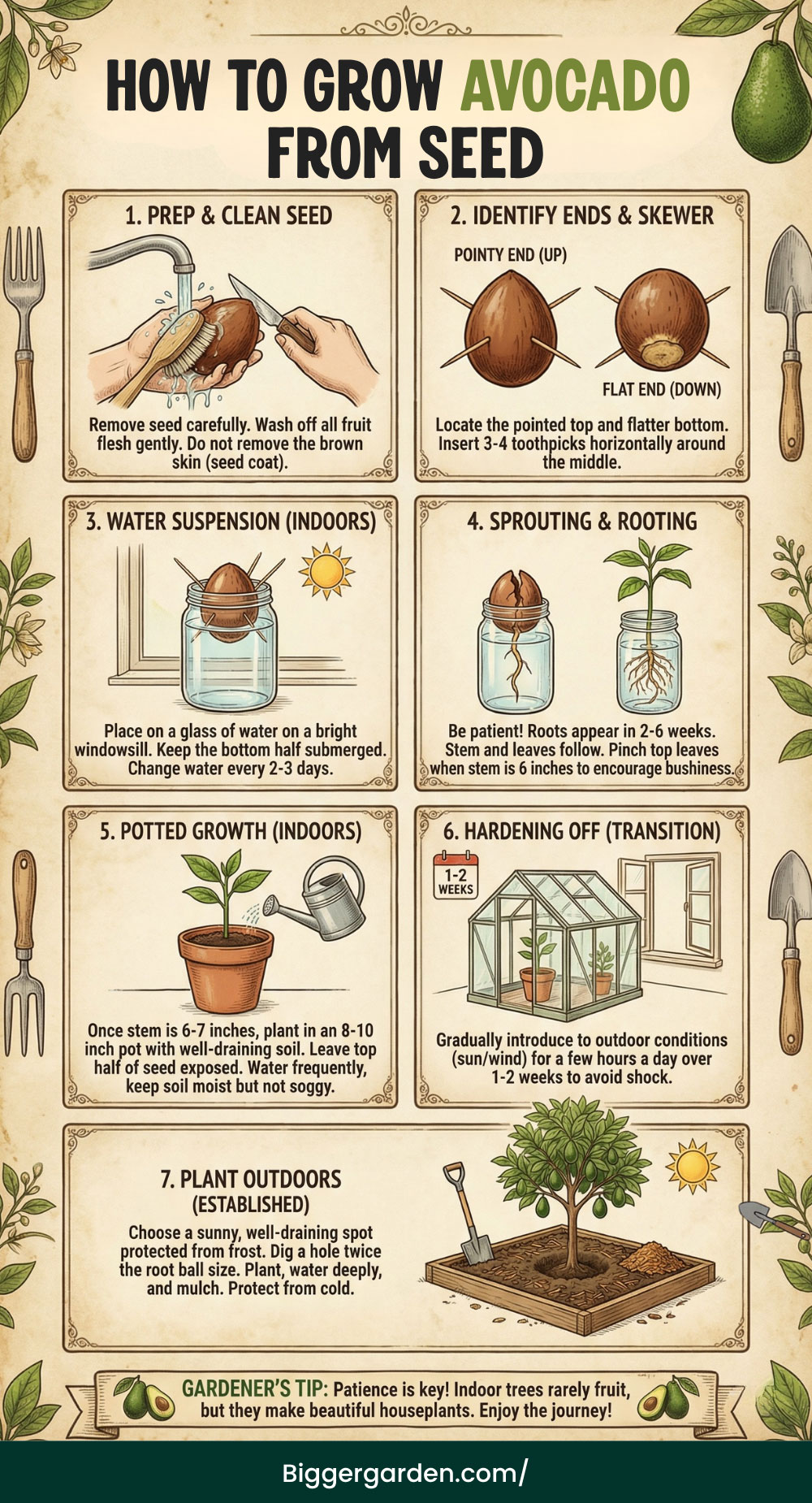
After cutting open the avocado, I remove the pit and rinse it under water to get rid of any leftover flesh. You want it clean, but not dried out. I usually let it sit for a few hours at most before moving to the next step.
The key is to keep the outer layer intact. That thin brown coating protects the seed inside. If it peels off on its own, it is not a problem, but I do not try to remove it.
Any pit can work, but I tend to choose one that looks full and undamaged. If it feels soft or has deep cuts from the knife, I set it aside and try another.
2. Decide How You Want to Start It
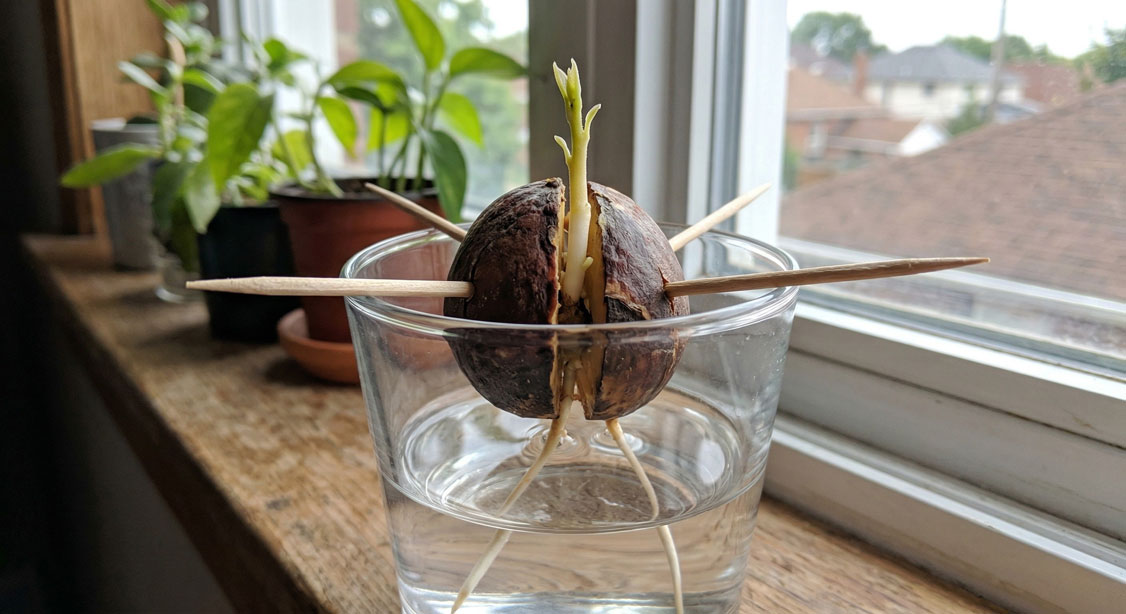
There are two ways to grow an avocado from seed, and both work. The difference is how visible the process is and how stable the plant is early on.
The water method is what most people recognize. You suspend the pit over a glass using toothpicks and let the bottom sit in water. It is easy to monitor and you can watch the root develop over time.
The soil method skips that step entirely. You plant the pit directly into soil and let it develop underground. It is less visual, but it avoids the transition later on.
I have tried both. The water method is more engaging, especially if you want to see each stage. The soil method tends to produce a sturdier plant from the start.
If I am doing this with kids or just for the process, I use water. If I want the strongest result long term, I plant it directly in soil.
3. Get the Orientation Right
This is one of the easiest mistakes to make, and it can stall the whole process.
The avocado pit has a top and a bottom. The bottom is usually flatter and where the roots will grow. The top is slightly more pointed and where the stem will emerge.
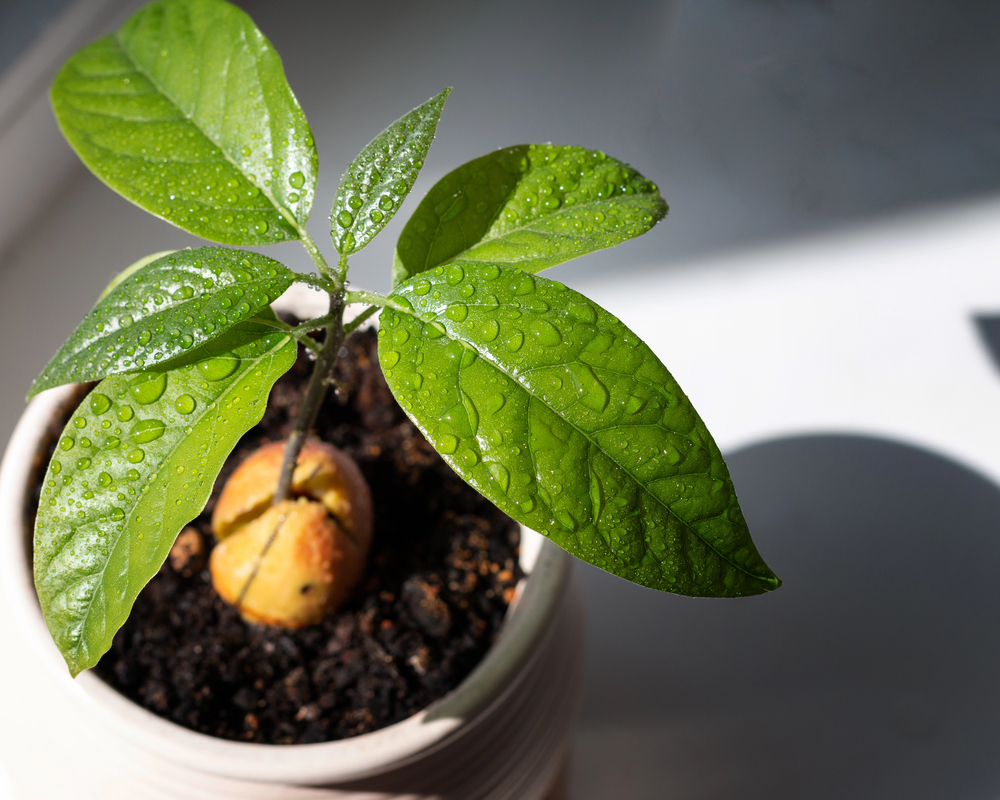
If you are using the water method, the bottom half should sit in water while the top stays dry. If you are planting in soil, the bottom should face down and the top should sit just above or slightly below the surface.
If you are not sure, the pit will often correct itself, but getting this right speeds things up and avoids unnecessary delays.
4. Be Patient While It Splits and Roots
This is the stage where most people give up.
For the first couple of weeks, nothing seems to happen. The pit just sits there. Then, slowly, it begins to crack. That split is the first real sign that something is working.
From there, a root starts to push downward. It can take anywhere from two to six weeks to reach this point, sometimes longer depending on temperature and light.
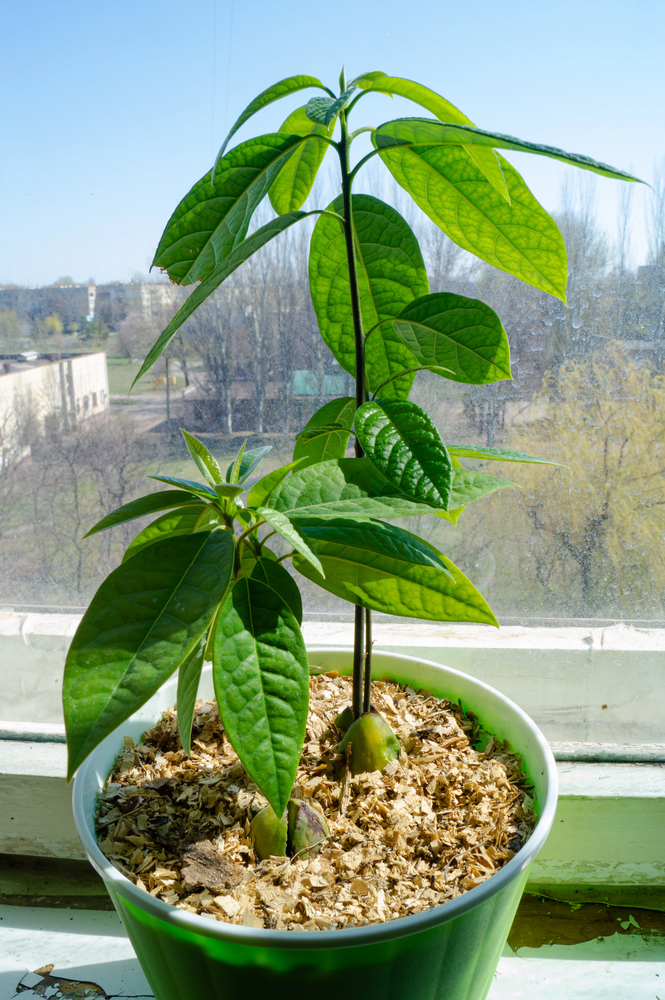
Eventually, a stem will emerge from the top. It looks fragile at first, but once it finds light, it begins to strengthen.
The biggest thing here is consistency. Keep the water level steady if you are using that method, or keep the soil lightly moist if planted. Avoid the urge to keep adjusting things. It is a slow start, but it does move forward.
5. Move to Soil if You Started in Water
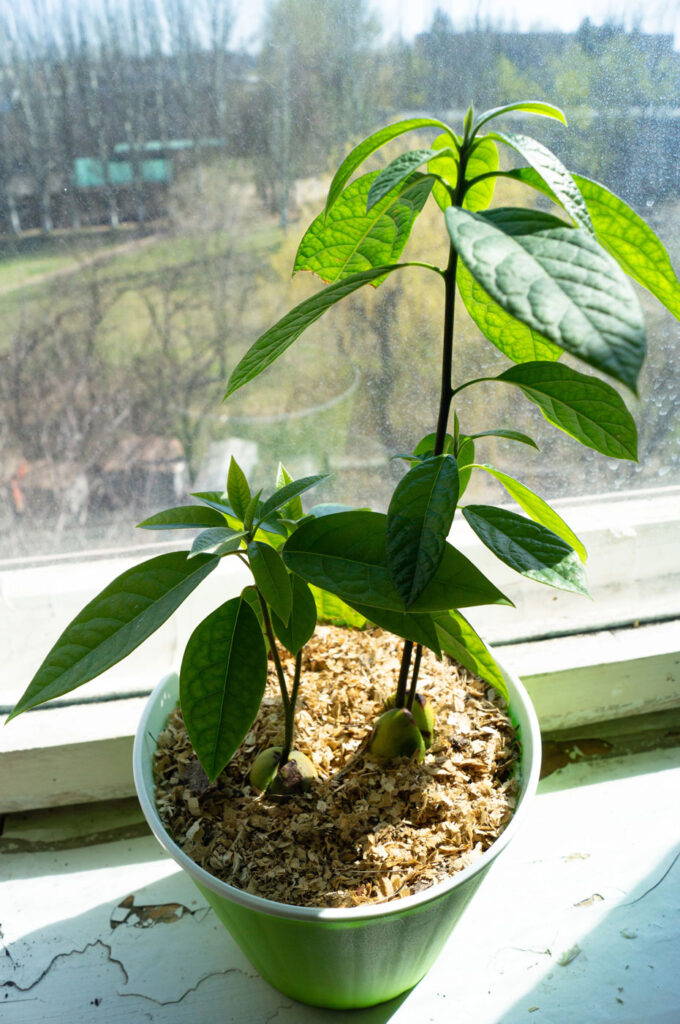
If you began with the water method, there is a point where you will need to transfer the plant into soil.
I wait until the root is a few inches long and the stem has started to develop leaves. At that stage, it is strong enough to handle the move.
I plant it in a loose potting mix, leaving the top portion of the pit slightly exposed above the soil. The roots should be fully covered, but the seed itself does not need to be buried deep.
After transplanting, I water it thoroughly and place it in a bright spot. The first week or two is the adjustment period. Growth may slow down slightly, but once it settles, it picks back up.
Handling the roots gently during this step makes a big difference. They are more delicate than they look.
6. Give It the Light It Actually Needs
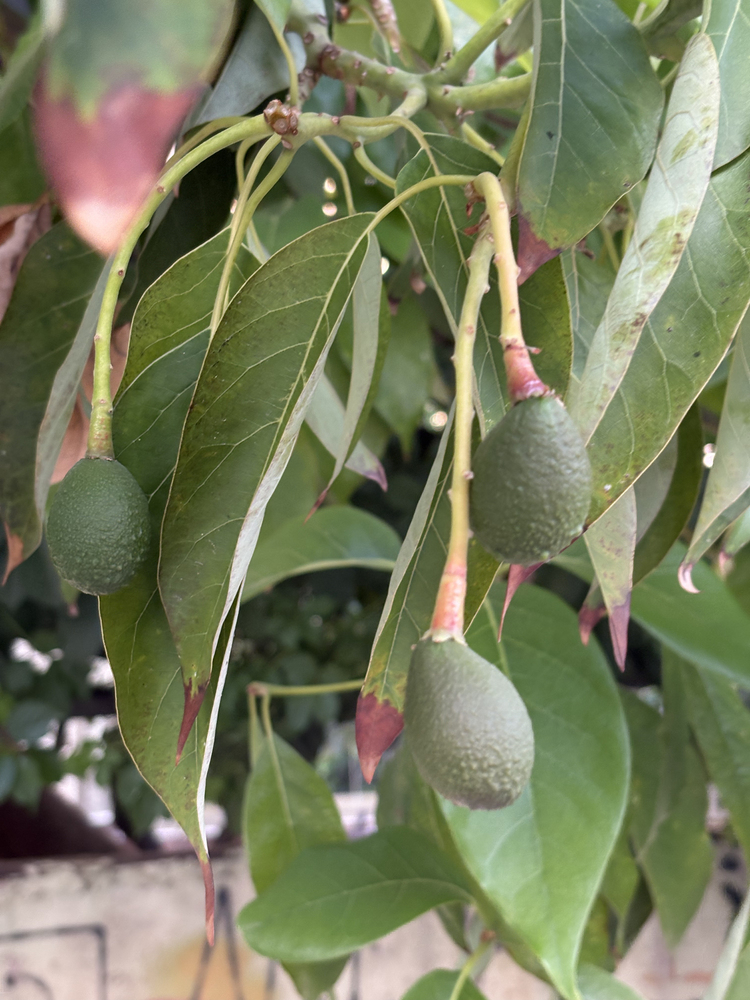
Light is where a lot of avocado plants struggle indoors.
They need a bright space to grow well. A window with strong natural light works best. Without enough light, the stem stretches and becomes thin, and the leaves stay small.
I keep mine near a south or west-facing window where it gets consistent exposure throughout the day. Rotating the pot every so often helps it grow evenly instead of leaning in one direction.
In winter, especially in colder climates, growth can slow down noticeably. That is normal. The goal is to maintain enough light to keep the plant stable until conditions improve.
7. Watering and Early Care
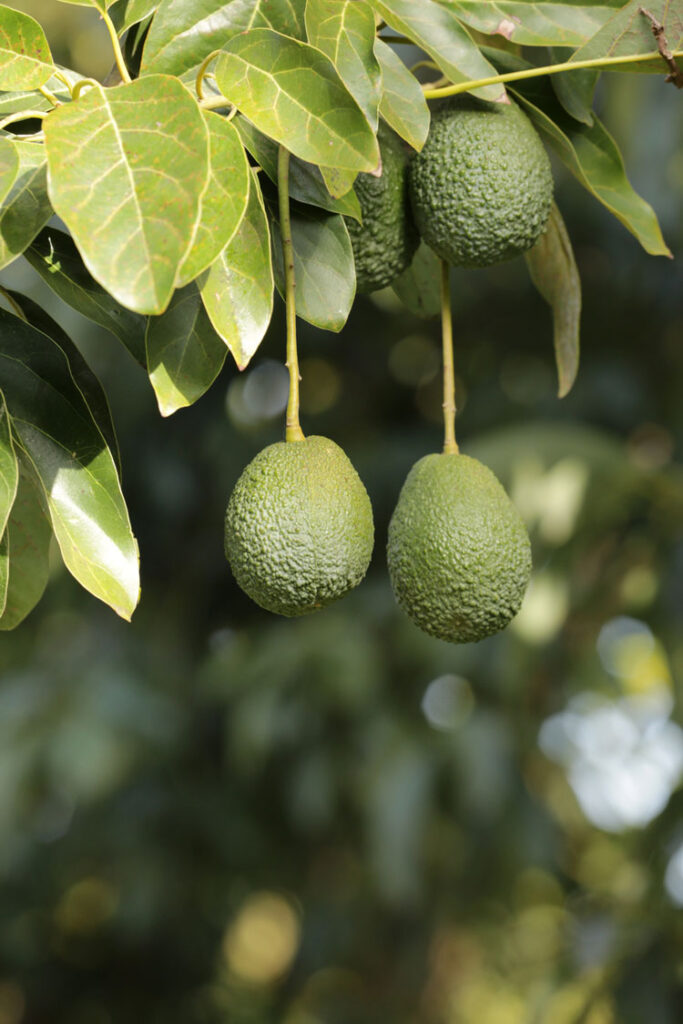
Once the plant is established in soil, care becomes fairly simple.
I keep the soil lightly moist but not wet. Letting the top layer dry out slightly between waterings helps prevent root issues. Good drainage is essential, just like with turmeric or ginger.
The leaves will tell you how the plant is doing. Healthy leaves are firm and evenly colored. If they start to droop or brown at the edges, it is usually a sign that something is off with watering or light.
At this stage, the plant starts to feel less like an experiment and more like a regular houseplant.
8. How to Keep It from Getting Too Tall
Left on its own, an avocado plant will grow straight up.
That can look nice at first, but over time it becomes tall and thin, especially indoors. To keep it fuller, I trim the top once it reaches a certain height.
Cutting the main stem encourages the plant to branch out instead of continuing upward. It feels counterintuitive the first time, but it leads to a stronger, more balanced shape.
I also rotate the plant regularly so it does not lean toward the light. Small adjustments like this keep it looking intentional rather than stretched out.
9. Will It Ever Grow Avocados
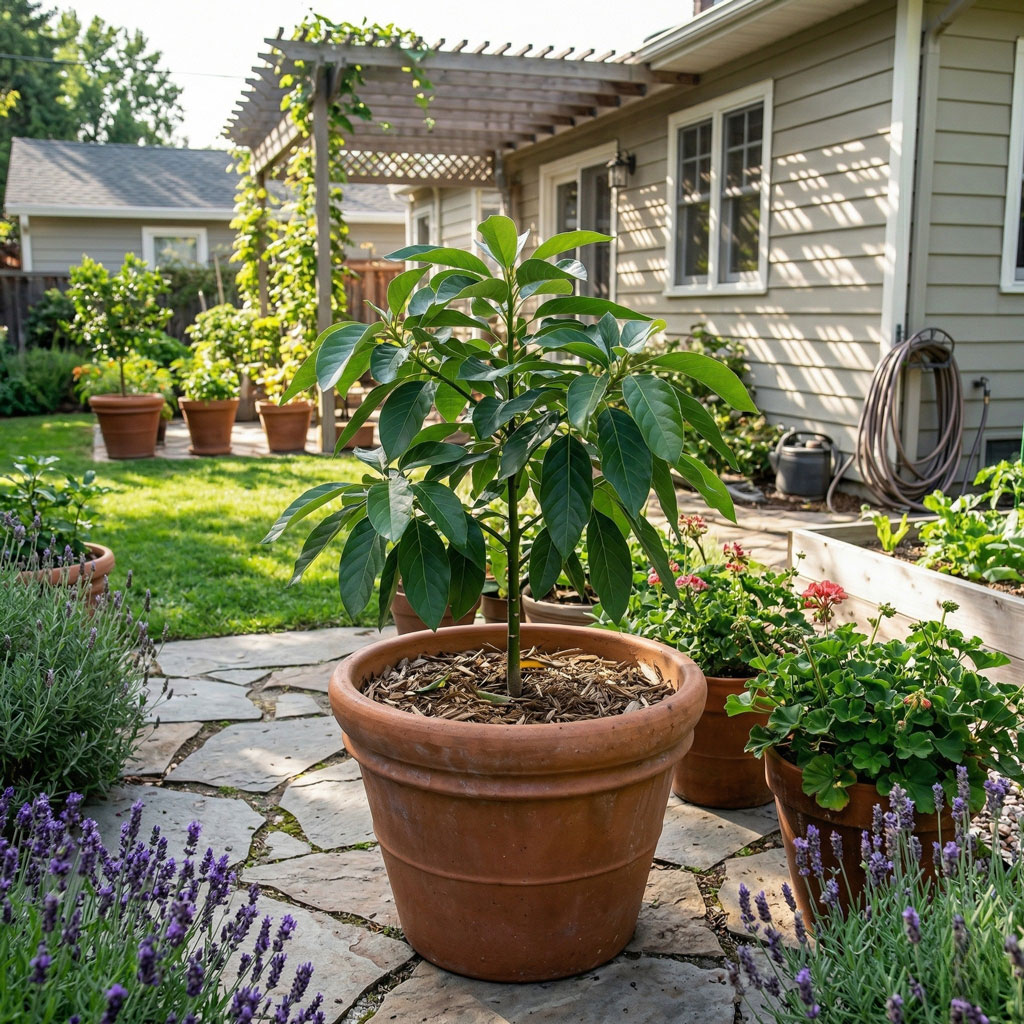
This is the question everyone eventually asks.
The honest answer is that most avocado plants grown from seed indoors will not produce fruit. Even outdoors, it can take several years, and fruiting depends on specific conditions.
Avocado trees often require cross-pollination and a stable environment over time. A single indoor plant usually does not meet those conditions.
That said, it is not impossible. With enough light, space, and time, some people do manage to get fruit. It is just not something to expect as the main outcome.
For me, the value is in the process and the plant itself. Watching it grow into a small tree is enough.
10. Common Problems and How to Fix Them
There are a few issues that come up often, especially in the early stages.
If the pit never sprouts, it may have dried out or simply not been viable. Trying another one is usually the easiest solution.
If you see mold forming in water, change it more frequently and keep the setup clean. Fresh water makes a noticeable difference.
If the stem grows and then dies back, it is often related to inconsistent moisture or lack of light. Adjusting those conditions usually helps stabilize the plant.
Brown leaf tips can come from overwatering, underwatering, or even dry indoor air. It is usually a small imbalance rather than a major problem.
Most issues are easy to correct once you notice them early.
11. What to Expect Over Time
The timeline with avocado is gradual, but it is steady.
In the first couple of months, the focus is on rooting and the initial stem. By three to six months, you will have a small plant with several leaves.
Over time, it develops into a taller, more structured plant that starts to resemble a young tree. With pruning and consistent care, it can stay manageable indoors for quite a while.
The transformation from pit to plant is what makes it worth doing.
Final Thoughts
Growing an avocado from seed is one of those projects that starts as a small experiment and turns into something you keep around longer than expected.
It does not require much beyond patience and a bit of consistency. Once it gets going, it becomes part of the space without needing much attention.
If you have already tried growing something like ginger or turmeric at home, this is a different kind of experience. It is less about harvesting and more about watching something develop over time, starting from something that would have been thrown away.